全球治理倡议

Search documents
高端访谈丨全球妇女峰会将是“塑造未来的战略性机遇”——访金砖国家新开发银行行长罗塞芙
Xin Hua She· 2025-10-12 05:31
新华社上海10月12日电 高端访谈|全球妇女峰会将是"塑造未来的战略性机遇"——访金砖国家新开发 银行行长罗塞芙 新华社记者周蕊 在罗塞芙看来,妇女是变革的推动者,也应当成为全球治理的"共建方"。在危机重重的当今世界,女性 本身不是需要解决的问题,而是参与解决问题的一方。 罗塞芙说,尽管存在不少挑战,但女性并未等待变革降临——她们正主动引领变革,赋能女性对构建公 正、可持续与和平的未来至关重要。 作为金砖国家新开发银行的首任女性行长,罗塞芙说,新开发银行正支持旨在改善女性的生活环境,尤 其是在农村与服务不足社区生活的女性,帮助她们获取清洁用水、能源、交通与住房等。 1995年,北京第四次世界妇女大会通过《北京宣言》与《行动纲领》,围绕"以行动谋求平等、发展与 和平"主题,确定了妇女发展的12个重点关切领域及每个领域的战略目标和政策框架。 罗塞芙说,北京第四次世界妇女大会是"全球携手争取性别平等历程中的里程碑事件",《北京宣言》与 《行动纲领》更是"全球范围内对女性权利前所未有的承诺",推动全球性别平等议题的讨论发生深刻转 变,"30年后的今天,这一成果不仅依然具有现实意义,而且至关重要。《行动纲领》不仅是一份 ...
高端访谈|全球妇女峰会将是“塑造未来的战略性机遇”——访金砖国家新开发银行行长罗塞芙
Xin Hua She· 2025-10-12 04:27
在罗塞芙看来,妇女是变革的推动者,也应当成为全球治理的"共建方"。在危机重重的当今世界,女性 本身不是需要解决的问题,而是参与解决问题的一方。 罗塞芙说,尽管存在不少挑战,但女性并未等待变革降临——她们正主动引领变革,赋能女性对构建公 正、可持续与和平的未来至关重要。 作为金砖国家新开发银行的首任女性行长,罗塞芙说,新开发银行正支持旨在改善女性的生活环境,尤 其是在农村与服务不足社区生活的女性,帮助她们获取清洁用水、能源、交通与住房等。 新华社上海10月12日电 高端访谈|全球妇女峰会将是"塑造未来的战略性机遇"——访金砖国家新开发 银行行长罗塞芙 新华社记者周蕊 "即将在北京召开的全球妇女峰会不仅是对历史的纪念,更是塑造未来的战略性机遇。"金砖国家新开发 银行行长、巴西前总统迪尔玛·罗塞芙日前在接受新华社专访时表示。 1995年,北京第四次世界妇女大会通过《北京宣言》与《行动纲领》,围绕"以行动谋求平等、发展与 和平"主题,确定了妇女发展的12个重点关切领域及每个领域的战略目标和政策框架。 罗塞芙说,北京第四次世界妇女大会是"全球携手争取性别平等历程中的里程碑事件",《北京宣言》与 《行动纲领》更是"全球范 ...
全球妇女峰会将是“塑造未来的战略性机遇”——访金砖国家新开发银行行长罗塞芙
Xin Hua She· 2025-10-12 02:49
高端访谈|全球妇女峰会将是"塑造未来的战略性机遇"——访金砖国家新开发银行行长罗塞芙 新华社记者周蕊 "即将在北京召开的全球妇女峰会不仅是对历史的纪念,更是塑造未来的战略性机遇。"金砖国家新开发 银行行长、巴西前总统迪尔玛·罗塞芙日前在接受新华社专访时表示。 1995年,北京第四次世界妇女大会通过《北京宣言》与《行动纲领》,围绕"以行动谋求平等、发展与 和平"主题,确定了妇女发展的12个重点关切领域及每个领域的战略目标和政策框架。 罗塞芙说,北京第四次世界妇女大会是"全球携手争取性别平等历程中的里程碑事件",《北京宣言》与 《行动纲领》更是"全球范围内对女性权利前所未有的承诺",推动全球性别平等议题的讨论发生深刻转 变,"30年后的今天,这一成果不仅依然具有现实意义,而且至关重要。《行动纲领》不仅是一份历史 文件,更是一份鲜活的行动指南。" "30年后重返北京,我们肩负着全新的使命。"罗塞芙期待此次峰会成为一个推动历史进程的时刻——既 重申过往宣言,更践行实际行动,面向未来设定崭新而具体的优先级,扫清限制女性发展的障碍。 在罗塞芙看来,妇女是变革的推动者,也应当成为全球治理的"共建方"。在危机重重的当今世界, ...
中国大使在联合国难民执委会阐述中国关于难民问题立场
Zhong Guo Xin Wen Wang· 2025-10-11 11:09
Core Points - The Chinese representative at the UN Refugee Agency emphasized the increasing number of forcibly displaced individuals and the significant reduction in humanitarian aid, highlighting the severe challenges in global refugee governance [1][2] - China proposed four main points to address the refugee crisis, focusing on long-term solutions, shared responsibilities, technological empowerment, and maintaining objectivity and neutrality in humanitarian efforts [1][2] Summary by Categories Current Situation - The number of forcibly displaced persons has been increasing for ten consecutive years, while humanitarian aid has seen a substantial reduction, leading to severe challenges in global refugee governance [1] Proposed Solutions - **Long-term Solutions**: Emphasizing the need to resolve security and development issues to address the root causes of refugee crises, including promoting ceasefires and enhancing the development capabilities of countries of origin [1] - **Shared Responsibilities**: Advocating for developed countries to fulfill their aid commitments and support the UN Refugee Agency in improving efficiency and overcoming funding challenges [1] - **Technological Empowerment**: Encouraging the use of emerging technologies to enhance disaster risk management and climate change response capabilities in developing countries, thereby reducing cross-border displacement caused by environmental factors [1] - **Objectivity and Neutrality**: Urging adherence to UN humanitarian principles to prevent the politicization and misuse of refugee protection mechanisms [1][2]
专访|“我对中国女性取得的成就深表钦佩”——访秘鲁前国会主席玛尔塔·查韦斯
Xin Hua Wang· 2025-10-11 05:56
Core Viewpoint - The interview highlights the significant achievements of Chinese women and the impact of the 1995 Beijing World Conference on Women in elevating global attention to women's issues [1][2] Group 1: Historical Context - The 1995 Beijing World Conference on Women was a milestone event that greatly enhanced international focus on women's issues [1] - The conference provided an opportunity to push women's development topics onto the international platform, especially for countries like Peru that were undergoing significant transitions [1] Group 2: Current Achievements - China has established a positive cycle where women's development is closely linked to national progress, with notable representation of women in various fields such as government, scientific research, and space exploration [2] - The proportion of women among Chinese scientific workers is reported to be 45.8%, which is a remarkable statistic [2] Group 3: Global Governance and Education - The global governance initiative proposed by China emphasizes a people-centered approach aimed at enhancing human welfare, particularly for vulnerable groups like women and children [2] - China is recognized for promoting educational equity through initiatives like smart campuses and digital education, reflecting the principle of inclusive development [2]
商务部国际贸易谈判代表兼副部长李成钢出席二十国集团贸易投资部长会议
Zheng Quan Shi Bao Wang· 2025-10-11 00:40
Core Points - The G20 Trade and Investment Ministers' Meeting took place in Gqeberha, South Africa, on October 10, focusing on trade, inclusive growth, and global challenges [1] - Key discussions included promoting green industrialization, sustainable trade investment frameworks, and WTO reforms [1] - The meeting resulted in the issuance of the G20 Trade and Investment Ministers' Declaration and the Chair's Summary, setting the stage for the upcoming G20 Leaders' Summit in November [1] Group 1 - China expressed strong support for multilateralism and announced it would not seek new special and differential treatment in current and future WTO negotiations, demonstrating its commitment as a responsible developing country [1] - The G20 is recognized for its significant contributions to global trade and investment development, emphasizing the need for better utilization of the G20 trade investment mechanism to address global challenges through open cooperation [1] - China aims to contribute to global economic growth while advancing its own development, advocating for support of the multilateral trading system and free trade to counter unilateralism and protectionism [1] Group 2 - During the meeting, China’s representative held discussions with several heads of delegations and leaders of international organizations, including the Director-General of the WTO [2]
中瑞举行第四轮外长级战略对话,双方将加快自贸协定升级谈判进程
Sou Hu Cai Jing· 2025-10-11 00:04
Group 1 - The core viewpoint emphasizes the significance of the 75th anniversary of diplomatic relations between China and Switzerland, highlighting the deepening of mutual cooperation and the successful advancement of free trade agreement negotiations [1][3] - Both parties have committed to enhancing strategic communication and cooperation in various fields, including artificial intelligence, green development, digital economy, finance, and service trade [5] - The dialogue reflects a mutual respect for each other's core interests and a commitment to maintaining high-level political trust and development momentum in bilateral relations [5] Group 2 - The discussions included a focus on multilateral cooperation, with both sides agreeing to continue communication on international issues such as the Ukraine crisis, Middle East situation, and climate change [5] - Switzerland appreciates China's green development strategy and open policies, expressing a desire to deepen cooperation in various sectors, particularly in innovation [3][5] - The meeting resulted in a joint document outlining the outcomes of the fourth round of strategic dialogue, reinforcing the commitment to a multilateral international system centered around the United Nations [6]
上合组织是促进世界多极化的重要力量(国际论坛)
Ren Min Ri Bao· 2025-10-10 22:10
Group 1 - The Shanghai Cooperation Organization (SCO) is the largest regional organization globally, enhancing its influence and attractiveness, and is a significant force in promoting a multipolar world [2] - The SCO's development has evolved from focusing on combating the "three evil forces" to encompassing diverse cooperation in economic and cultural fields, achieving notable accomplishments since its establishment [2] - The SCO promotes sustainable development goals through macroeconomic policy coordination, enterprise participation, and social cooperation among member states [2] Group 2 - President Xi Jinping proposed the construction of a community with a shared future for the SCO, providing strategic direction for its future development [3] - During China's presidency from 2024 to 2025, a series of projects will be implemented across eight key areas of the global development initiative, enhancing political trust, regional security, and economic growth [3] - Uzbekistan, as a member state, has actively participated in various cooperation projects and has strengthened its relationship with China, which is now its largest trading and investment partner [3] Group 3 - The SCO has proven effective in addressing risks and challenges while establishing a foundation for deepening mutual trust and achieving sustainable development among countries [4] - The organization will continue to expand international cooperation and promote the principles of mutual respect and common prosperity to contribute to world peace, stability, and justice [4]


中华人民共和国与瑞士联邦第四轮外长级战略对话共同文件
Xin Hua She· 2025-10-10 16:36
Core Points - The fourth round of strategic dialogue between China and Switzerland was held on October 10, 2025, focusing on bilateral relations and international issues [1][2] - Both countries celebrated the 75th anniversary of diplomatic relations and the 10th anniversary of their innovative strategic partnership, expressing commitment to further cooperation [1] - The China-Switzerland Free Trade Agreement, effective since 2014, has significantly contributed to bilateral economic cooperation, with both sides aiming to enhance the agreement [1] Bilateral Relations - The dialogue emphasized the importance of cultural, educational, and tourism exchanges to deepen mutual understanding and friendship [1] - Both parties agreed to utilize active bilateral dialogue mechanisms in various fields, including finance, human rights, and climate protection [2] Multilateral Cooperation - Both countries reaffirmed their support for multilateralism and the international order based on international law, expressing willingness to collaborate on platforms like the WTO [2] - Switzerland welcomed China's initiative to establish an International Mediation Institute, aiming to enhance cooperation in mediation [2] Global Governance Initiatives - Switzerland expressed support for President Xi Jinping's global governance initiatives, which aim to reform the global governance system, aligning with China's previous proposals [2] - Both countries' foreign ministers agreed to maintain close communication and hold regular strategic dialogues in each other's countries [2]
“全球治理倡议为建立更加公正合理的国际秩序指明方向”
人民网-国际频道 原创稿· 2025-10-10 06:30
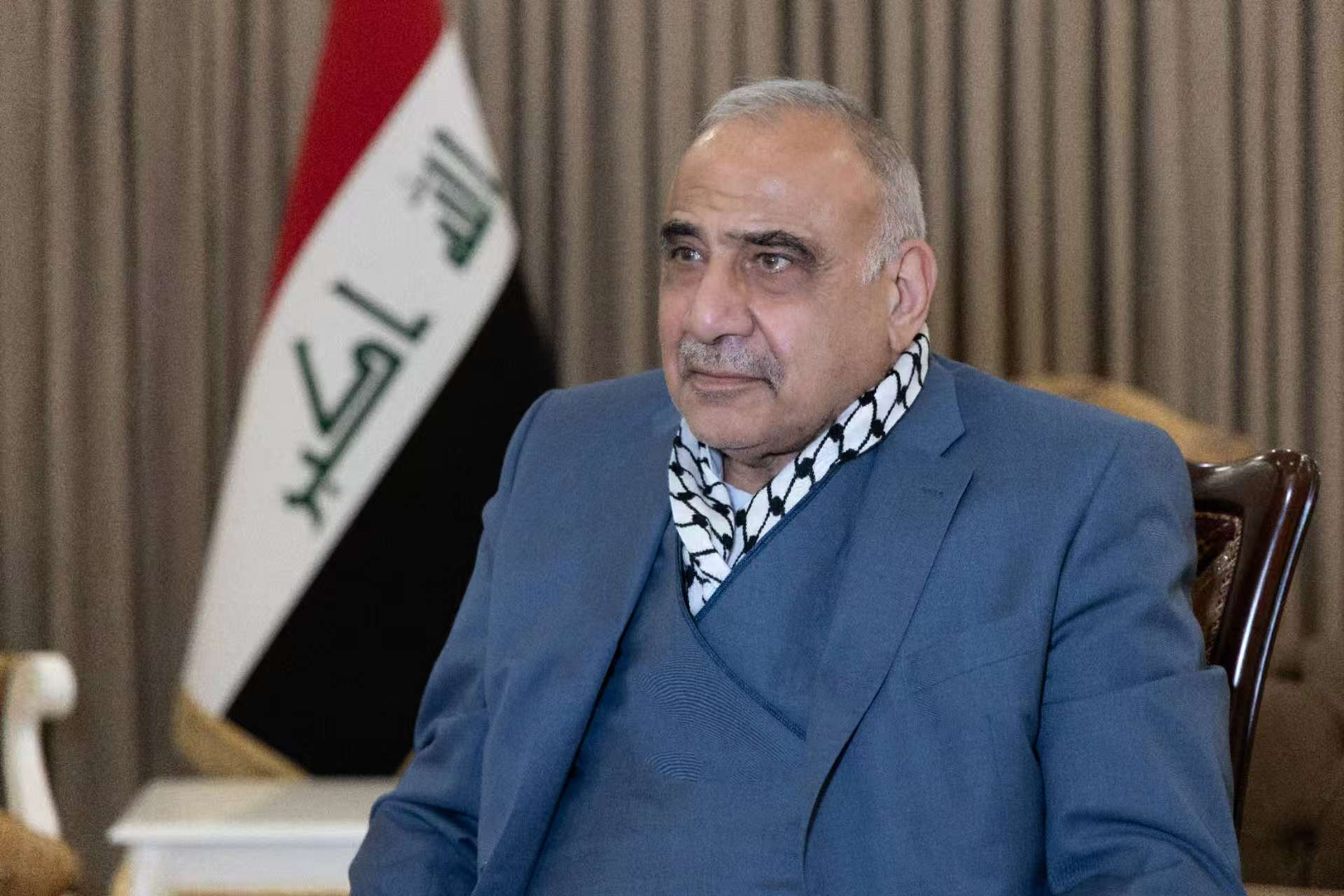
"当前,尽管很多国家实现了政治、经济、科技等方面的进步,国际关系中不平等、不公正、不合理的现象依旧广泛存在。全球治理倡议为建立更加公 正合理的国际秩序指明方向。"近日,伊拉克前总理阿卜杜勒-迈赫迪在接受人民网记者专访时表示,中国国家主席习近平提出全球治理倡议,适应时代发展 潮流和世界民众期盼。 阿卜杜勒-迈赫迪是伊拉克资深政治家,曾担任过伊拉克总理、副总统、财政部部长、石油部部长等职务。他表示,当前,世界格局深刻变化,全球治 理进入新的调整期,发展中国家群体性崛起,单极政治不可持续。时代发展要求世界各国在平等、尊重、协商等原则基础上开展对话合作。中国国家主席习 近平在上合组织天津峰会期间提出全球治理倡议恰逢其时,具有重要意义。 伊拉克前总理阿卜杜勒-迈赫迪。受访者供图 阿卜杜勒-迈赫迪表示,一个公正合理的国际秩序应当是让所有国家,不论大小、强弱、贫富,能够平等参与国际事务、合作建设国际体系、共同享受 发展成果。近年来,中国积极推动上合组织、金砖机制和共建"一带一路"倡议等为完善全球治理、共促和平发展作出贡献。同历史上的地理大发现或者当前 某些殖民扩张逻辑完全不同,共建"一带一路"倡议秉持共商共建共享原则,为全 ...