
人类命运共同体

Search documents
携手同行,开辟中汤关系发展新前景(大使随笔)
Ren Min Ri Bao· 2025-11-20 22:21
中汤民心相通不断深入。中方已培训近1700名汤加学员,汤加留华学生总数超400人。中国海军医院船4 次到访汤加带来健康福祉,援汤加医疗队"送医上岛",农业专家为当地民众提供多元饮食选择,中文教 师细心授课,友城交流合作走深走实,"小而美"项目惠及普通家庭,各类交流不断夯实双边关系发展民 意基础。面对自然和卫生灾害,两国守望相助,书写了合作佳话,载入中汤友谊史册,弥足珍贵。 中汤长期友好交往和互利合作充分表明,双方关系不断深化发展顺应历史潮流,符合两国和两国人民的 根本利益。两国应抓住机遇、继往开来,以实际行动促进共同发展,维护地区和平稳定。 汤加,由170多个火山与珊瑚岛组成,是镶嵌在太平洋上的一颗明珠。树皮布工艺传承千年,"拉卡拉 卡"舞蹈展现别样魅力,与鲸共游吸引全球旅客,浓厚的波利尼西亚文化赋予汤加这片土地独特的吸引 力。 应习近平主席邀请,汤加国王图普六世时隔7年再次对中国进行国事访问,旨在赓续两国传统友谊,开 辟中汤全面战略伙伴关系发展新前景。中汤友好交往源远流长,历久弥新。自1998年建交以来,双方始 终坚持相互尊重、平等相待、互利共赢,两国关系保持健康稳定发展。 中汤互尊互信不断增强。中方始终秉 ...
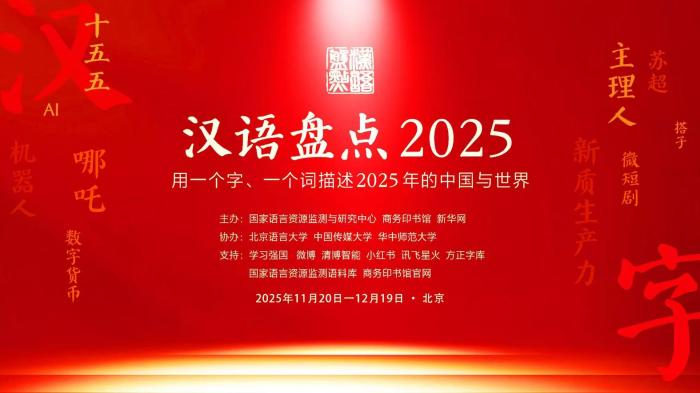
“汉语盘点2025”在京启动 将举办“字见二十年”线下主题展
Zhong Guo Xin Wen Wang· 2025-11-20 08:51
主办方负责人介绍,今年正值"汉语盘点"二十周年,活动将系统梳理二十载年度字词所构成的"时代切 片",打造"汉语盘点二十年"时光长廊,以可视化的方式映照中国与世界的演进轨迹;同时聚焦个体微 光,通过平台互动、留言精选、故事征集、深度访谈等形式,倾听广大网友选择字词背后的个人叙事与 独特体验,让年度字词更具人间烟火与情感温度;还将突破线上互动的局限,在商务印书馆举办"字见 二十年"线下主题展等活动。(完) 来源:中国新闻网 编辑:徐世明 "汉语盘点2025"在京启动 将举办"字见二十年"线下主题展 中新网北京11月20日电 (记者 应妮)"汉语盘点2025"启动仪式20日在商务印书馆举行。今年是"汉语盘 点"活动举办的第二十年,旨在"用一个字、一个词描述当年的中国与世界",鼓励全民用语言记录生 活,描述中国视野下的社会变迁与世界万象。 汉语盘点2025海报。 商务印书馆供图 今年的活动分为启动、票选和发布三个阶段。即日起至12月3日,网友可通过相关平台专题页面推荐心 中的年度字词。12月4日至8日,专家评委将联合评审并推出各组前5位字词及专业解读;12月9日至18日 开启公众网络投票,由网友选出最终的代表字词。活 ...

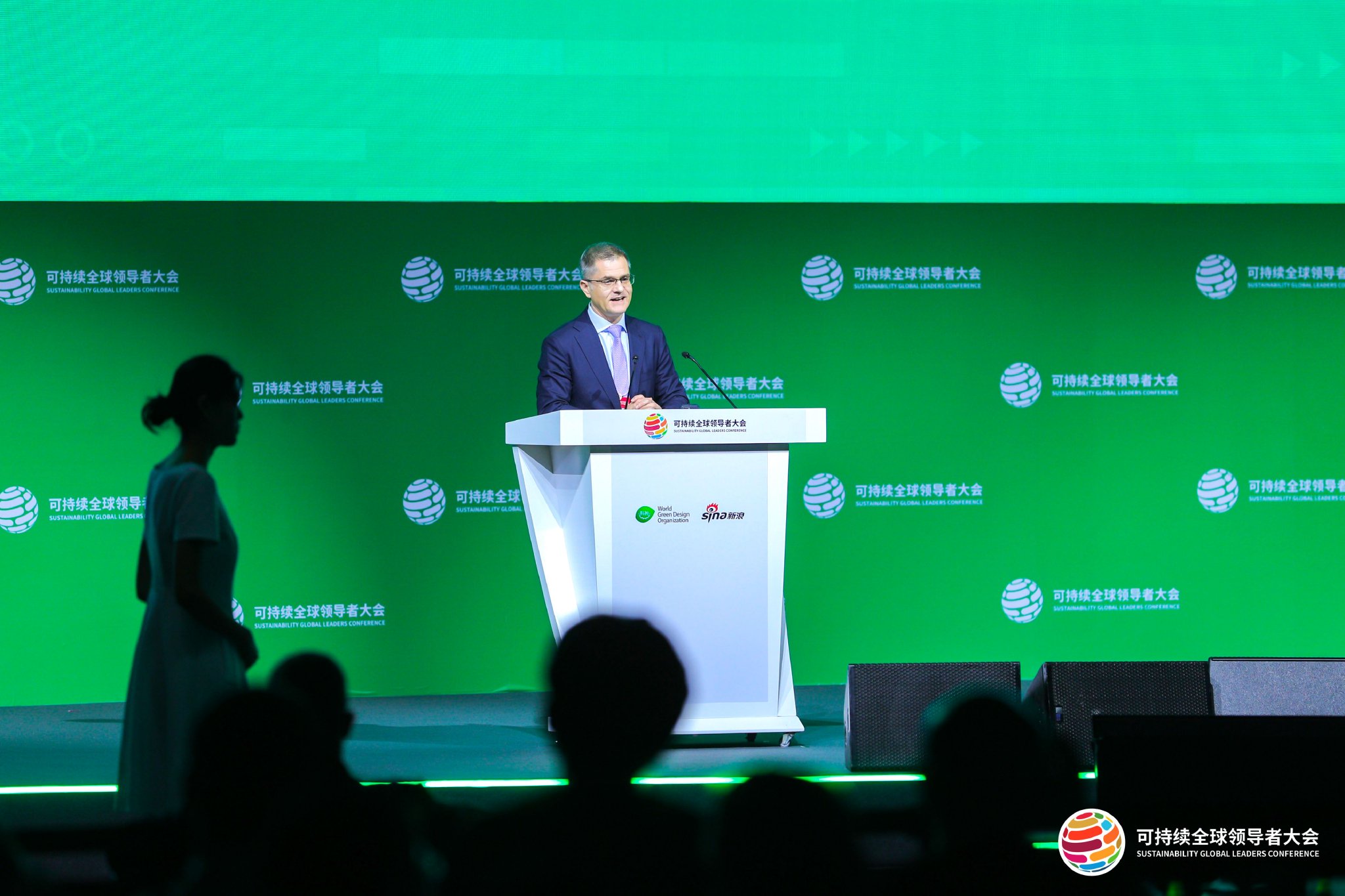
第67届联合国大会主席武克·耶雷米奇:中国是可持续发展冠军,是可持续发展成功实践
Xin Lang Cai Jing· 2025-11-20 06:45
Group 1 - The 2025 Sustainable Global Leaders Conference will be held from October 16 to 18 in Shanghai, focusing on ESG (Environmental, Social, and Governance) principles and sustainable development performance [1][4] - Vuk Jeremić, the Chairman of the International Relations and Sustainable Development Center and former Serbian Foreign Minister, emphasized the importance of global cooperation in addressing challenges to sustainable development [2][3] - Jeremić highlighted China's achievements in sustainable development as a successful practice and advocated for a collaborative approach to overcome geopolitical and economic challenges [2][3] Group 2 - The conference will feature around 500 prominent guests, including approximately 100 international attendees, such as former political leaders, representatives from international organizations, Nobel Prize winners, and leaders from Fortune 500 companies [4] - The event will cover nearly 50 topics, including energy and "dual carbon" initiatives, green finance, sustainable consumption, and technology and public welfare [4] - Sina Finance's ESG Rating Center aims to promote sustainable development and responsible investment, establishing a platform for ESG information and ratings in China [5][6]
李强总理:扎实推进未来5年新增“千万千瓦光伏”和“千万千瓦风电”项目
Xin Hua Wang· 2025-11-20 05:28
Core Viewpoint - The meeting highlighted the importance of the Shanghai Cooperation Organization (SCO) in global governance and emphasized China's commitment to enhancing cooperation among member states to address pressing global challenges [1][2][3] Group 1: Global Governance Initiatives - The SCO is positioned as a significant force in global governance, leveraging its unique advantages and rich practical experience to contribute to the construction of a community with a shared future for humanity [1] - China's global governance initiative, proposed by President Xi Jinping, aims to provide solutions for the international community to tackle world changes and urgent issues [1] Group 2: Development and Security Focus - The meeting underscored the dual focus on development and security, advocating for cooperation to promote development and ensure security, including the establishment of the SCO Development Bank and a cooperation center for metabolic diseases [2] - Emphasis was placed on maintaining the stability of global supply chains and building an open and inclusive world economy through high-quality Belt and Road cooperation [2] Group 3: Innovation and Transformation - There is a strong push for enhancing cooperation in technology and industrial innovation, as well as in traditional and renewable energy sectors, with initiatives like the SCO Digital Economy Forum and AI cooperation forum [2] - The commitment to adding "10 million kilowatts" of solar and wind power projects over the next five years was highlighted as a key area of focus [2] Group 4: Strategic Collaboration - The leaders approved the SCO's development strategy for the next decade (2026-2035), emphasizing the need for strategic coordination and effective implementation of cooperative measures [2] - The meeting concluded with the signing of a joint communiqué and cooperation documents in various fields, reinforcing the commitment to multilateralism and the central role of the United Nations [3]
扬子潮涌,文明共启!2025世界市长对话·南京盛大开幕
Nan Jing Ri Bao· 2025-11-20 02:39
Group 1 - The "2025 World Mayors Dialogue" event held in Nanjing focuses on sharing advanced urban governance experiences and exploring future urban development trends and challenges for sustainable global city development [1][2] - The event is part of a national brand initiative aimed at enhancing international trust and friendship through dialogue among city mayors, showcasing China's modernization achievements [2][3] - Nanjing's unique position as a historical city along the Yangtze River adds significance to the event, coinciding with the fifth anniversary of a key meeting on the Yangtze Economic Belt development [2][3] Group 2 - The event features four thematic activities: "Vibrancy of Waterfront Cities," "Cultural Heritage Protection," "Ecological Restoration and Green Transformation," and "Waterfront Cities and Literature," aimed at showcasing Nanjing's cultural and ecological initiatives [3] - Participants will engage in practical discussions on challenges and share experiences in cultural heritage protection, green development, and smart city construction [3][4] - The opening ceremony, "Yangtze Night," highlighted Nanjing's historical significance as a maritime Silk Road hub, featuring performances and a symbolic ship launch representing friendship and cooperation [4][5] Group 3 - The event serves as an important dialogue platform for global waterfront cities, promoting sustainable urban development through diverse exchange formats [5]
李强出席上海合作组织成员国 政府首脑(总理)理事会第二十四次会议
Jin Rong Shi Bao· 2025-11-20 02:08
Core Points - The meeting highlighted the importance of the Shanghai Cooperation Organization (SCO) in global governance and its role in addressing pressing global challenges [1][2] - China emphasized the need for cooperation in development and security, proposing initiatives such as the establishment of the SCO Development Bank and a cooperation center for metabolic diseases [2][3] - The leaders agreed on the significance of enhancing regional integration and promoting a multipolar world, committing to implement the outcomes of the Tianjin Summit [3] Group 1 - The SCO is positioned as a key player in global governance, leveraging its unique advantages and rich practical experience to contribute to building a community with a shared future for mankind [1][2] - China aims to strengthen cooperation in development strategies, maintain global supply chain stability, and promote an open and inclusive world economy [2] - The focus on innovation and transformation includes collaboration in technology and energy sectors, with initiatives for solar and wind energy projects [2] Group 2 - The meeting resulted in the signing of a joint communiqué and cooperation documents in various fields, including trade, railways, and social development [3] - The leaders reaffirmed their commitment to multilateralism and the central role of the United Nations in global governance [3] - The SCO's future development strategy for 2026-2035 was approved, emphasizing strategic coordination and enhanced organizational effectiveness [2][3]
湘江遇塞纳 融汇新与潮
Ren Min Ri Bao Hai Wai Ban· 2025-11-19 23:09
第七届中法文化论坛期间,法国嘉宾体验湖南非遗草编技艺。 更多精彩扫码观看 "期待更多的法国人特别是青年人到中国实地走走看看,围绕文化、教育、科技等项目深化和中方的交 流和合作,共同为守护世界和平、促进人类发展贡献智慧和力量。"拉法兰说。 百年前,毛泽东、蔡和森等同志在湖南长沙创立新民学会,数百湖湘青年远赴法国勤工俭学,为两国文 化交流播下种子。他们当年在蒙达尔纪市雷蒙特列街15号的重要活动旧址,如今已建成中法友好纪念 馆,静静诉说那段青春激荡的岁月。 时光流转,岁月更迭。如今,中法文化论坛来到长沙,这座热情的城市见证着更多跨越山海的文明对 话。 AI重塑艺术创作生态 近日,由欧美同学会(中国留学人员联谊会)主办的第七届中法文化论坛在湖南长沙举行。本届论坛主 题为"多元共生与和谐共进——开辟中法文化交流新格局",来自中法两国文化、艺术、商业等领域的嘉 宾,围绕"人工智能与艺术创新""艺术教育与人文交流"等诸多话题展开深度对话,分享自身推动文化交 流的实践与思考,共同探寻文明互鉴的新路径。 架起中法人民心灵相通的桥梁 欧美同学会会长丁仲礼在致辞中表示,多元共生是文明存续的根基和创新创造的源泉,文明的生命力在 于" ...

构建更加公正合理全球治理体系的科学指南(深入学习贯彻习近平新时代中国特色社会主义思想)
Ren Min Ri Bao· 2025-11-19 22:20
Core Viewpoint - The global governance initiative proposed by General Secretary Xi Jinping aims to reform and improve the global governance system, addressing the pressing global challenges of peace, development, security, and governance deficits [2][3][4]. Group 1: Global Governance Initiative - The initiative emphasizes five core principles: equality of sovereignty, adherence to international law, practice of multilateralism, a people-centered approach, and action-oriented solutions [2][3]. - It provides a systematic approach to address global challenges, enhancing the authority, representation, and effectiveness of the global governance system [3][4]. Group 2: Response to Global Challenges - The initiative directly confronts issues such as hegemonism, unilateralism, and protectionism, which threaten multilateralism and the United Nations [3][4]. - It recognizes the rising influence of developing countries and emerging markets, advocating for their greater representation in international affairs [4][5]. Group 3: Historical Context and Cultural Roots - The initiative reflects the historical evolution of international power dynamics and the urgent need to correct historical injustices in global governance [4][5]. - It draws on the rich traditions of Chinese culture, emphasizing values such as equality, rule of law, and collective well-being [11]. Group 4: International Support and Impact - Since its introduction, the initiative has garnered support from over 140 countries and international organizations, highlighting China's role as a stabilizing force in global governance [6][7]. - It aims to provide an alternative framework for international governance that contrasts with Western-dominated models, promoting fairness and justice [6][7]. Group 5: Practical Implementation - The initiative encourages practical actions in various fields, including climate change, public health, and digital governance, to address urgent global issues [16][17]. - It emphasizes the importance of cooperation and consensus-building among nations to effectively tackle global challenges [16][17].
中欧青年对话会2025在京举行
人民网-国际频道 原创稿· 2025-11-19 01:48
Core Viewpoint - The dialogue conference held in Beijing focuses on the future of China-Europe relations, emphasizing the role of youth in fostering cooperation and addressing global challenges as the two regions approach the 50th anniversary of their diplomatic ties in 2025 [2][3]. Group 1: Importance of Youth in China-Europe Relations - Youth are seen as the future and hope of China-Europe relations, playing an irreplaceable role in promoting healthy and stable development [2]. - The conference aims to enhance understanding and trust among youth representatives from both regions, facilitating multi-faceted cooperation [2][4]. - Youth representatives express a commitment to being inheritors of friendship and promoters of cooperation between China and Europe [4]. Group 2: Perspectives from Key Speakers - Zhao Rui highlights the significance of the conference in the context of the 50th anniversary of China-EU relations, calling for youth to take on historical responsibilities [2]. - Pablo Iglesias Turrión emphasizes the need for Europe to strengthen friendly cooperation with China, viewing it as the best choice amid a reshaped global landscape [2]. - Grzegorz W. Kołodko notes that global youth generally recognize and have confidence in China's development achievements and future prospects [2]. Group 3: Future Cooperation and Global Governance - Chang Jian outlines that mutual respect, seeking common ground while reserving differences, and open cooperation are key to the next 50 years of China-Europe relations [3]. - Eberhard Sandner discusses China's recent institutional developments that provide new solutions for global governance and reshape international understanding [3]. - The conference features four sub-forums focusing on various aspects of future cooperation, with over 100 youth representatives engaging in discussions [4]. Group 4: Cultural Exchange and Understanding - Prior to the conference, over 60 European youth representatives visited Hangzhou to experience Chinese culture and innovation firsthand [4]. - The dialogue emphasizes the importance of open communication and curiosity among youth to rebuild mutual trust between China and Europe [3].
赵一德会见外国驻华使节代表团
Shan Xi Ri Bao· 2025-11-19 00:20
来自韩国、墨西哥、科摩罗、博茨瓦纳、乍得、巴拿马、毛里求斯、纳米比亚、古巴等20余国和2 个国际组织的驻华大使、代表和高级别外交官,外交部部长助理洪磊,省委常委、省委秘书长王海鹏, 外交部礼宾司、省直有关部门负责同志等参加会见。 塞尔维亚驻华大使玛娅·斯特法诺维奇代表使节团感谢陕西的热情接待,表示陕西历史悠久、文化 厚重,区位优势明显,发展活力强劲,是世界观察中国的一个重要窗口。使节团将持续关注陕西、宣介 陕西,积极发挥桥梁纽带作用,深挖合作潜力,共创发展机遇、共享发展成果。 11月18日,省委书记赵一德在西安会见来陕访问的外国驻华使节代表团。 赵一德代表省委和省政府对代表团一行表示欢迎,并介绍了陕西经济社会发展情况。他说,中共二 十届四中全会就扩大高水平对外开放作出部署,释放了中国坚持开放合作、互利共赢的强烈信号。面向 未来,陕西将深入贯彻落实习近平外交思想,更加深度融入高质量共建"一带一路"大格局,在推进基础 设施"硬联通"、规则标准"软联通"和同共建国家人民"心联通"中加快打造内陆改革开放高地,不断在扩 大对外开放中强动力、增活力。希望各位使节通过此次参访更多了解陕西,以中欧班列(西安)为桥梁 增进对话 ...