合成生物

Search documents
8月·宁波 | SynBioCon 2025第四届合成生物与绿色生物制造大会
合成生物学与绿色生物制造· 2025-07-17 16:06
Core Viewpoint - The article emphasizes the significance of biomanufacturing as a key focus for enhancing economic competitiveness in various countries, particularly in China, as part of its manufacturing strength initiatives. The upcoming SynBioCon 2025 conference aims to explore the development trends in biomanufacturing and foster collaboration among industry leaders, experts, and investors [1]. Group 1: Conference Overview - The SynBioCon 2025 will be held from August 20-22 in Ningbo, Zhejiang, focusing on the integration of AI and biomanufacturing, along with four application areas: green chemicals and new materials, future food, future agriculture, and beauty ingredients [1]. - The conference will gather international leading companies, industry experts, government representatives, and capital to discuss the trends and innovations in the biomanufacturing sector during the "14th Five-Year Plan" period [1]. Group 2: Organizing Institutions - The conference is organized by Ningbo Detaizhong Research Information Technology Co., Ltd. (DT New Materials) and co-organized by institutions such as Peking University Ningbo Institute of Ocean Medicine and Ningbo Enzyme Sai Biological Engineering Co., Ltd. [2]. Group 3: Highlights of the Conference - Key highlights include forums and closed-door discussions on biomanufacturing development trends, sharing of innovative technologies and values, and over 100 financing project roadshows to discover new cooperation opportunities [5]. - The event will feature a high-level closed-door seminar focusing on the development trends and growth points of biomanufacturing, inviting 30 industry leaders and experts for in-depth discussions [9]. Group 4: Agenda and Special Sessions - The first day will include a high-level closed-door seminar and a youth innovation technology forum aimed at discovering potential teams and technologies in biomanufacturing [12]. - The second and third days will feature a macro forum on biomanufacturing, specialized sessions on green chemicals and new materials, AI in biomanufacturing, future food and agriculture, and beauty ingredients [13][15][18]. Group 5: Topics of Discussion - Discussions will cover various topics such as the development of bio-based materials, new carbon source biomanufacturing, and the application of AI in enzyme discovery and industrial fermentation processes [16][17]. - The conference will also explore the biomanufacturing of high-value food ingredients, natural flavors, and the application of biotechnology in cosmetics [20].

重大突破! 二氧化碳制作蔗糖,仅需17小时!
合成生物学与绿色生物制造· 2025-07-17 16:06
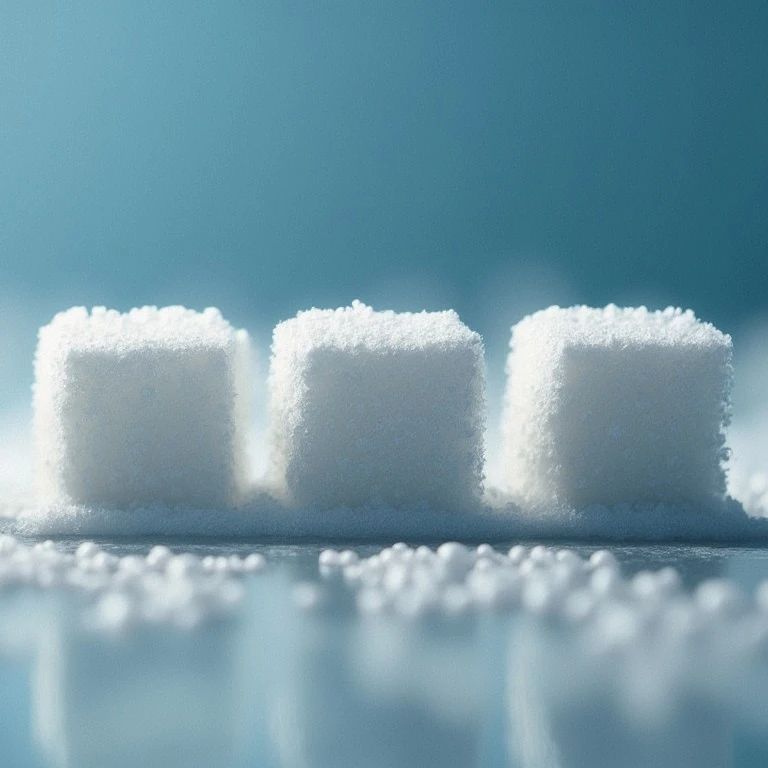
Core Viewpoint - The article highlights a groundbreaking technology developed by Chinese scientists that enables the synthesis of sugar from carbon dioxide, significantly reducing the time and resources required compared to traditional methods [1][2]. Group 1: Key Breakthroughs - The technology breakthrough involves the artificial synthesis of hexoses (six-carbon sugars) from carbon dioxide, marking China's advancement in the field of artificial carbohydrate synthesis [2]. - In 2023, the team successfully synthesized hexoses, including glucose and other sugars, in just 17 hours, achieving a carbon conversion rate of 0.67 grams per liter per hour, which is over ten times more efficient than natural photosynthesis [3][8]. - By 2025, the team achieved direct synthesis of sucrose from carbon dioxide, with a product concentration of 14 grams per liter, representing a 20-fold increase in efficiency compared to hexose synthesis [4][8]. Group 2: Technical Advantages - The energy consumption for sucrose synthesis is only 2 ATP per sucrose, compared to 37 ATP in natural pathways, resulting in approximately 85% energy savings [9]. - The engineered enzymes allow for precise control over the synthesis of various sugars, addressing the challenge of controlling the stereochemistry of sugar molecules [9]. Group 3: Application Prospects - In the pharmaceutical sector, precisely synthesized sugar molecules are crucial for vaccines and anticancer drugs, with costs being only one-third of those derived from natural extraction [13]. - The industrial biotechnology sector consumes over ten million tons of glucose annually; utilizing carbon dioxide synthesis could reduce food consumption by 60% [14]. - The technology can consume 1.6 tons of carbon dioxide for every ton of sugar produced, equivalent to the annual emissions of three family cars, contributing to carbon neutrality efforts [15].
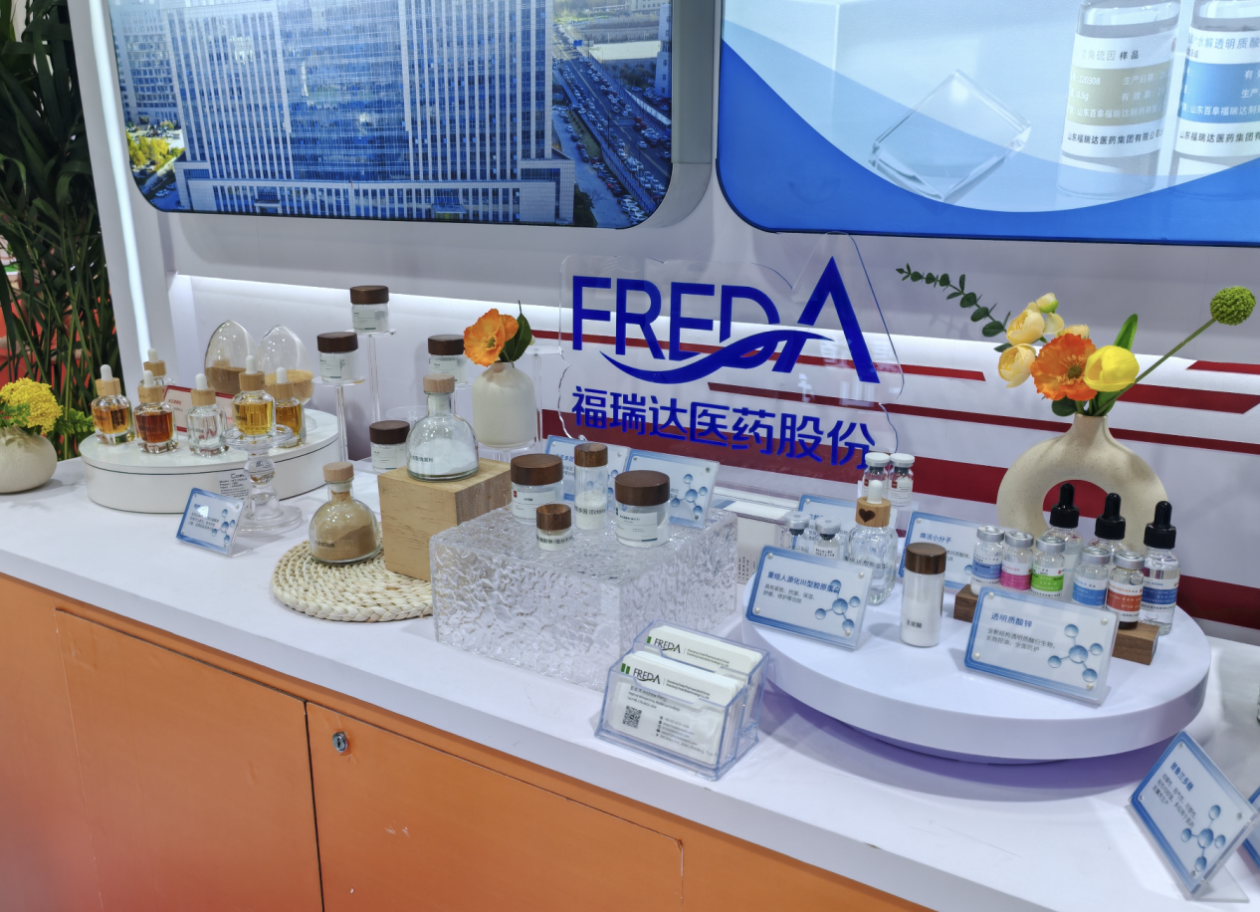
【2025链博会】鲁商福瑞达:以中药科技+合成生物重构韧性供应链
Huan Qiu Wang· 2025-07-17 06:42
Core Viewpoint - The third China International Supply Chain Promotion Expo showcases the innovative achievements of Furuida, a subsidiary of Lushang Group, focusing on the integration of traditional Chinese medicine and synthetic biology in the beauty and health industry [1] Group 1: Product Innovation - Furuida presented a full-chain innovation from traditional Chinese medicine extraction to end products, highlighting the "green journey" of ingredients like Centella Asiatica to anti-aging serums [3] - The company integrates traditional Chinese medicine with artificial intelligence for precise control in the production of sensitive skin series products, exemplifying a new paradigm of "green intelligent manufacturing" [3] - The MatrixColla-1 product utilizes a precise ratio of type III recombinant collagen, elastin, and fibronectin to simulate the extracellular matrix structure of the dermis, providing comprehensive anti-aging benefits [4] Group 2: Sustainable Practices - Furuida's green supply chain initiatives include biodegradable packaging that reduces degradation time by 60%, with traditional PE bottles taking 450 years to decompose compared to 180 days for plant-based packaging [5] - The company’s raw materials, such as dihydroxyphenethyl alcohol and sodium hyaluronate, are certified by EU ECOCERT, and their bio-fermentation process reduces emissions by 35% compared to traditional chemical methods [5] Group 3: Research and Development Ecosystem - The innovation ecosystem of Lushang Group combines research institutes, corporate R&D centers, and industrial bases, enhancing the transformation of scientific research into products [7] - Furuida has led or participated in the formulation of over 80 national and industry standards and holds 434 valid patents, including 189 invention patents [7] - The company aims to continue promoting sustainable "Chinese solutions" in the global market, leveraging modernization of traditional Chinese medicine and synthetic biology [7]

21亿!背靠嘉吉,牵手巴斯夫,全球最大生物基BDO工厂投产!
合成生物学与绿色生物制造· 2025-07-16 13:18
Core Viewpoint - The article highlights the significance of bio-based 1,4-butanediol (BDO) as a sustainable alternative to petrochemical-derived BDO, emphasizing its potential to transform the chemical industry and reduce carbon footprints [1][4]. Group 1: Investment and Production - Qore, a joint venture between Cargill and Germany's HELM AG, has officially launched the world's largest bio-based BDO production facility with a total investment of $300 million, aiming for an annual production capacity of 66,000 tons [3][4]. - The facility will utilize locally grown dent corn within a 100-mile radius, marking a significant step in sustainable raw material sourcing [3]. Group 2: Applications and Partnerships - BDO is a crucial organic chemical used across various industries, including textiles, pharmaceuticals, and biodegradable plastics, due to its ability to produce high-value derivatives [4]. - LYCRA plans to use QIRA, the brand name for bio-based BDO, to enhance the sustainability of its fibers, potentially reducing its carbon footprint by up to 44% [5]. - BASF has entered a long-term supply agreement with Qore to incorporate QIRA into its product portfolio, aiming for sustainable chemical production [6]. Group 3: Technological Advancements - Traditional BDO production methods in China rely heavily on acetaldehyde and propylene glycol, which are energy-intensive and environmentally harmful [7][8]. - The bio-based BDO production process developed by Genomatica utilizes a one-step fermentation method, which is more efficient and environmentally friendly compared to conventional methods [10]. Group 4: Global Developments - Several companies are investing in bio-based BDO production, including: - Korea's SKC Group, which plans a $1 billion facility in Vietnam with an initial capacity of 50,000 tons per year [11]. - Jinfa Technology's bio-based BDO project in Liaoning, set to produce 10,000 tons by October 2024 [11]. - Other companies like Yuanli Chemical and Shandong Lande Biotech are also making strides in bio-based BDO production [11]. Group 5: Future Outlook - Despite the current higher costs of bio-based BDO compared to petrochemical alternatives, its competitive edge is expected to grow as oil prices remain high and production technologies improve [14]. - The article suggests that bio-based BDO could become a mainstream choice in the long term, especially with advancements in production processes and potential carbon trading policies [14].

锦波生物20250425
2025-07-16 06:13
Summary of the Conference Call Company Overview - **Company Name**: Jingbo Biological - **Industry**: Synthetic Biology and Biomanufacturing Key Financial Metrics - **Revenue**: 1.443 billion CNY, a year-on-year increase of 84.92% from 780 million CNY in 2023 [2] - **Net Profit**: 732 million CNY, a year-on-year increase of 144.27% [21] - **Earnings per Share**: 8.27 CNY [1] - **Gross Margin**: 92.02% [2] - **Cash Flow from Operating Activities**: 767 million CNY, a year-on-year increase of 159.55% [21] - **Debt Ratio**: 25.53% [2] - **Current Ratio**: 4.44 [2] - **R&D Investment**: 123 million CNY, accounting for 8.52% of revenue [22] Core Business Segments - **Medical Devices**: Revenue of 1.254 billion CNY, a year-on-year increase of 84.37% [21] - **Functional Skincare Products**: Revenue of 142 million CNY, accounting for 9.83% of total revenue [2] - **Raw Materials**: Rapid growth due to increased brand customer procurement [22] Innovation and Product Development - **New Product Launch**: Successfully launched injectable recombinant human collagen gel, a significant breakthrough in synthetic biology [12][17] - **Research Focus**: Emphasis on original innovation and the development of advanced structural functional proteins [25] - **Collagen Research**: The company has developed a unique theory and data system for A-type recombinant human collagen, enabling large-scale production [17][19] Market Position and Growth Strategy - **Market Expansion**: The company is actively expanding its market presence and has received FDA certifications for several products [23] - **International Patents**: Holds a total of 104 patents, including 10 international invention patents [23] - **Investor Relations**: Conducted 9 investor communication activities, including 3 performance briefings, reaching over 300 institutions and analysts [24] Future Outlook - **Vision**: Aims to become a leading international technology innovation enterprise in the field of biological materials [25] - **Sustainability**: Utilizes green and environmentally friendly production processes [25] - **Dividend Policy**: Plans to distribute a total of 266 million CNY in dividends if the proposed plan is implemented [24] Additional Insights - **Cultural Emphasis**: The company fosters a culture of innovation and risk-taking, essential for scientific research [11][15] - **Challenges in R&D**: The development of new products involves significant challenges and risks, with a focus on maintaining high standards in research [15][16] - **Collaboration**: Maintains long-term partnerships with renowned universities and medical institutions to enhance R&D capabilities [22]
探索未来食品&农业!SynBioCon 2025第四届合成生物与绿色生物制造大会,8月宁波见!
合成生物学与绿色生物制造· 2025-07-15 15:16
Core Viewpoint - The article emphasizes the importance of biomanufacturing as a key focus for enhancing economic competitiveness in various countries, including China, which is advancing its manufacturing capabilities through initiatives like green manufacturing and intelligent manufacturing [1]. Group 1: Event Overview - The Fourth Synthetic Biology and Green Biomanufacturing Conference (SynBioCon 2025) will be held from August 20-22 in Ningbo, Zhejiang, focusing on the integration of AI and biomanufacturing [1]. - The conference aims to explore the development trends of the biomanufacturing industry during the 14th Five-Year Plan, discussing innovative technologies and products that will sustain the industry's vitality [1]. Group 2: Organizing Institutions - The conference is organized by Ningbo Detaizhong Research Information Technology Co., Ltd. (DT New Materials) and supported by various academic and industry institutions, including Peking University and the China Society of Biotechnology [2]. Group 3: Highlights of the Conference - Key highlights include forums and closed-door discussions on biomanufacturing trends, youth innovation technology sharing, and over 100 financing project roadshows to discover new cooperation opportunities [5]. - The event will gather leading enterprises, top universities, investment institutions, and industry stakeholders to foster collaboration [5]. Group 4: Agenda and Activities - The first day features a closed-door seminar focusing on the development trends and growth points of biomanufacturing, inviting 30 industry leaders and experts for in-depth discussions [9]. - The second and third days will include a macro forum on biomanufacturing, specialized sessions on green chemicals, AI in biomanufacturing, future food and agriculture, and beauty raw materials [13][15][18]. Group 5: Specialized Topics - Specialized discussions will cover topics such as the development of bio-based chemicals, AI applications in biomanufacturing, and the use of non-grain carbon sources for bioconversion [16][17]. - The conference will also address the synthesis of high-value food ingredients and the role of biotechnology in health and beauty products [20].
百龙创园(605016):阿洛酮糖正式上市,产品结构持续优化,业绩稳健增长
Shenwan Hongyuan Securities· 2025-07-14 15:23
Investment Rating - The report maintains an "Outperform" rating for the company [2] Core Insights - The company achieved a revenue of 650 million yuan in H1 2025, representing a year-on-year increase of 22%, with a net profit of 171 million yuan, up 43% year-on-year [7] - The official launch of allulose marks a significant milestone, with expectations for increased sales in 2025 due to its unique properties and regulatory approvals in multiple countries [7] - The successful transformation towards high-end dietary fiber products is expected to enhance profitability, driven by the production of resistant dextrin [7] - Ongoing construction of a facility in Thailand aims to capitalize on the synthetic biology trend, further upgrading the company's product offerings [7] - The company is projected to achieve net profits of 365 million, 473 million, and 593 million yuan for 2025, 2026, and 2027 respectively, with corresponding EPS of 0.87, 1.13, and 1.41 yuan per share [7] Financial Data and Profit Forecast - Total revenue is forecasted to reach 1,716 million yuan in 2025, with a year-on-year growth rate of 49% [6] - The gross profit margin is expected to be 34% in 2025, with a return on equity (ROE) of 17.9% [6] - The company’s earnings per share (EPS) is projected to be 0.87 yuan in 2025, with a price-to-earnings (PE) ratio of 26 [6]

探索新型碳源生物制造!SynBioCon 2025第四届合成生物与绿色生物制造大会,8月宁波见!
合成生物学与绿色生物制造· 2025-07-14 13:29
Core Viewpoint - The article emphasizes the importance of biomanufacturing as a key focus for enhancing economic competitiveness in various countries, including China, which is advancing its manufacturing capabilities through initiatives like green manufacturing and intelligent manufacturing [1]. Group 1: Event Overview - The Fourth Synthetic Biology and Green Biomanufacturing Conference (SynBioCon 2025) will be held from August 20-22 in Ningbo, Zhejiang, focusing on the integration of AI and biomanufacturing [1]. - The conference aims to explore the development trends of the biomanufacturing industry during the 14th Five-Year Plan, discussing innovative technologies and products that will sustain the industry's vitality [1]. Group 2: Organizing Institutions - The conference is organized by Ningbo Detaizhong Research Information Technology Co., Ltd. (DT New Materials) and supported by various academic and industry institutions, including Peking University and the China Society of Biotechnology [2]. Group 3: Highlights of the Conference - Key highlights include forums and closed-door discussions on biomanufacturing trends, youth innovation technology sharing, and over 100 financing project roadshows to discover new cooperation opportunities [5]. - The event will gather leading enterprises, top universities, and investment institutions to foster collaboration across the biomanufacturing ecosystem [5]. Group 4: Agenda and Activities - The first day features a closed-door seminar focusing on the development trends and growth points of biomanufacturing, inviting industry leaders and experts for in-depth discussions [9]. - Subsequent days will include various specialized forums covering topics such as green chemicals, AI in biomanufacturing, future food and agriculture, and beauty raw materials [13][15][18]. Group 5: Specialized Topics - Specific discussions will address the development of bio-based chemicals, new carbon source biomanufacturing, and the application of AI in enzyme discovery and industrial fermentation processes [16][17]. - The conference will also explore the biomanufacturing of high-value food ingredients and the integration of biotechnology in cosmetic applications [20].
河南南阳发力合成生物产业 聚焦饲料氨基酸替代等多领域
Zheng Quan Shi Bao Wang· 2025-07-14 03:37
Core Insights - Nanyang, located in southern Henan, has a strong foundation for biomass manufacturing and energy conversion, with over 30 million tons of biomass raw materials produced annually, including over 10 million tons of crop straw and over 10 million livestock [1] - The "2025 Nanyang Synthetic Biology Industry Conference" established the "Central Plains Synthetic Biology Industry-Academia-Research Innovation Alliance" and released the "Biomanufacturing Pilot Zone Action Plan" 1.0, aiming to develop a trillion-level synthetic biology industry cluster [1][5] - The synthetic biology industry in Nanyang has a solid demand foundation, with Muyuan, a leading pig farming company, driving the development of synthetic biology technology through cost reduction initiatives [1][3] Company Developments - In 2023, Muyuan partnered with Westlake University to establish the Nanyang Westlake Muyuan Synthetic Biology Research Institute and Muyuan Laboratory, focusing on producing small amino acids through synthetic biology technology [2] - Muyuan's production of synthetic biological products has commenced, with an annual output of 30,000 tons, promoting the industrialization of amino acid biosynthesis technology [2] Financial Performance - Muyuan's 2025 mid-year performance forecast indicates a net profit of 10.2 billion to 10.7 billion yuan, representing a year-on-year increase of 1129.97% to 1190.26% [3] - The company expects a non-net profit of 10.6 billion to 11.1 billion yuan, reflecting a year-on-year growth of 882.95% to 929.31% [3] - The significant increase in performance is attributed to a rise in pig output and a decrease in breeding costs, with the total cost of pig farming dropping from 13.1 yuan/kg at the beginning of the year to below 12.1 yuan/kg by June [3] Industry Trends - The application of synthetic biology technology in the livestock industry is just a small part of its potential, with future applications expected in materials, agricultural technology, food, and healthcare [4] - Nanyang is developing a comprehensive industrial support service system, focusing on energy integration and logistics to further reduce production costs [4][6] - The region aims to focus on key areas such as feed amino acid substitution, biomedicine, and bio-based materials, driving the entire industry chain upgrade through breakthroughs in synthetic biology [6]

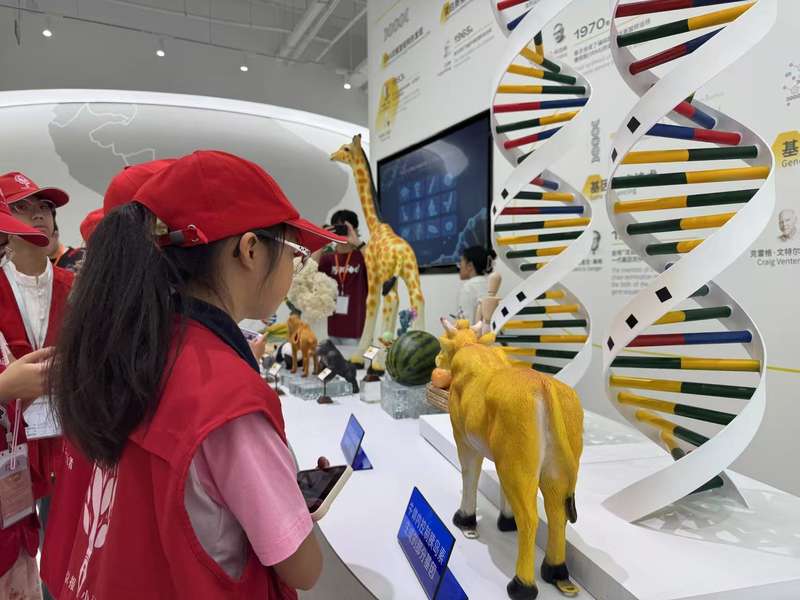
寻找自然资源可持续的答案,新京报小记者们走进合成生物科学馆
Xin Jing Bao· 2025-07-11 17:26
Core Insights - The article discusses the potential of synthetic biology to address various global challenges, including energy security, food safety, and mental health issues [1][3][4]. Group 1: Synthetic Biology Overview - Synthetic biology is presented as a solution to resource scarcity and environmental pollution, with a focus on sustainable utilization of natural resources [3][4]. - The evolution of biotechnology is outlined, from natural fermentation (first generation) to directed fermentation (second generation) and finally to synthetic biology (third generation), which involves designing and modifying microorganisms for specific human needs [3][4]. Group 2: Future Applications and Innovations - The concept of "cell factories" is introduced, where high-yield crops like corn and wheat serve as fermentation raw materials, and genetically modified strains are used to produce desired substances [4]. - Future advancements may allow for the synthesis of materials directly from atmospheric nitrogen and carbon dioxide, eliminating the need for traditional agricultural inputs [4]. Group 3: Ethical Considerations and Public Engagement - Ethical concerns regarding the misuse of synthetic biology, such as cloning and the revival of extinct species, are highlighted, emphasizing the need for cautious research and public consensus on boundaries [9]. - The engagement of young students in discussions about synthetic biology reflects a growing interest in the field, with imaginative ideas about potential applications, such as creating hybrid fruits or reviving extinct animals [5][7][9].