
区块链技术

Search documents
无锡中格软件有限公司成立,注册资本500万人民币
Sou Hu Cai Jing· 2025-08-06 17:09
Company Overview - Wuxi Zhongge Software Co., Ltd. has been established with a registered capital of 5 million RMB [1] - The legal representative is Zhou Lihong, and the company is wholly owned by Suzhou Zhongge Software Co., Ltd. [1] Business Scope - The company’s business activities include software development, software sales, computer system services, technical services, technical development, technical consulting, technical exchange, technical transfer, and technical promotion [1] - Additional services include professional design services, information technology consulting, information system operation and maintenance, network and information security software development, information system integration, internet security services, data processing services, internet data services, blockchain technology-related software and services, artificial intelligence basic software development, big data services, artificial intelligence application software development, and geographic remote sensing information services [1] Industry Classification - The company operates within the national standard industry of information transmission, software, and information technology services, specifically in the software development sector [1] - The company is classified as a limited liability company (wholly owned by a natural person) [1] Registration Details - The company is registered at the Jiangyin Data Bureau, with a business duration until August 6, 2025, and no fixed term thereafter [1] - The registered address is located at No. 55, A402-26, Yabao Avenue, Shengan Street, Jiangyin City, Wuxi [1]
元征科技20250806
2025-08-06 14:45
Summary of Yuan Zheng Technology Conference Call Company Overview - **Company**: Yuan Zheng Technology - **Period**: First half of 2025 - **Revenue**: 894 million RMB, a year-on-year increase of 10% [2][4] - **Net Profit**: 196 million RMB, a year-on-year increase of 28%, with a net profit margin of 20% [2][6] Key Financial Metrics - **Revenue Adjusted for Deferred Income**: 1.016 billion RMB, a year-on-year increase of 15% [4] - **Total Expenses**: Increased by approximately 50 million RMB, with financial expenses rising by 12 million RMB due to exchange rate losses [8] - **Actual Profit After Adjustments**: Approximately 250 million RMB [9] Product Performance - **Diagnostic Equipment**: - Units shipped: 167,000, a year-on-year increase of 16% [7] - Overseas market growth: 17% [7] - E-commerce channel growth: 30% [2] - **DIY Equipment**: Decreased shipments as the company shifts focus to high-end diagnostic devices [7] - **Tire Pressure Sensors**: 630,000 units shipped, a year-on-year increase of 87% [7] - **Original Products Revenue**: 720 million RMB, a year-on-year increase of 13% with a gross margin of 47% [10] - **OEM Automotive Equipment Revenue**: 100 million RMB, a year-on-year decrease of 15% [10] - **Software Revenue**: 104 million RMB recognized, with an expected total of 144 million RMB if adjusted for deferred income [10] Market Dynamics - **Overseas Revenue**: 750 million RMB, a year-on-year increase of 19%, accounting for 78% of total revenue [15] - **Domestic Revenue**: 210 million RMB, a year-on-year decrease due to reduced OEM equipment orders [15] - **Regional Growth**: North America grew by 23%, while Asia-Pacific and Russian regions grew by 20% [20] Strategic Insights - **Cost Control**: Effective management of expenses with minimal increases in management and R&D costs [8] - **Dividend and Buyback**: Mid-year dividend of 0.31 RMB per share, totaling approximately 130 million RMB, representing 65% of total profit [30] - **Sales Expenses**: Increased to support new product launches, particularly in overseas markets [32] Future Outlook - **2025 Revenue Target**: Expected to reach 2.18 billion RMB, a year-on-year increase of 20% [5][23] - **Software Revenue Projection**: Anticipated to reach close to 200 million RMB in 2026, driven by increased device sales and software upgrade demand [35] - **Remote Diagnosis Service**: Revenue expected to reach 40 million RMB, with significant growth anticipated [37] Risks and Challenges - **Tariff Impact**: The Trump tariffs affected shipping schedules, causing delays and potential revenue loss of several million USD [19] - **Exchange Rate Risks**: Potential impact on financial statements if the RMB appreciates significantly [27] Conclusion Yuan Zheng Technology demonstrated strong performance in the first half of 2025, with significant growth in net profit and effective cost management. The company is strategically focusing on enhancing its software and service offerings while navigating challenges posed by tariffs and exchange rate fluctuations. The outlook for the remainder of the year remains positive, with expectations for continued growth in revenue and profitability.
上海:加强医保数据应用于商保结算
Bei Jing Shang Bao· 2025-08-06 11:59
Group 1 - The core viewpoint of the article is the issuance of measures to promote the high-quality development of commercial health insurance, which aims to support innovation in the biopharmaceutical industry [1] - The measures emphasize the enhancement of the application of medical insurance data in commercial insurance settlements, optimizing the synchronous settlement model between medical insurance and commercial insurance [1] - The initiative includes the collaboration with the "Shanghai Insurance Code" platform to improve direct compensation service processes and expand access to more medical institutions and commercial health insurance products [1] Group 2 - The measures aim for full coverage of secondary and tertiary hospitals and explore extending direct compensation services to special departments and international departments of hospitals [1] - The "Shanghai Insurance Code" will be improved to enhance its "one code for all compensation" functionality, utilizing blockchain technology to build an active compensation system between medical insurance and commercial insurance [1] - The initiative also focuses on ensuring the traceability of the entire process through authorized information, transaction records, and claims results being recorded on the blockchain, thereby increasing the transparency and efficiency of the claims service [1]
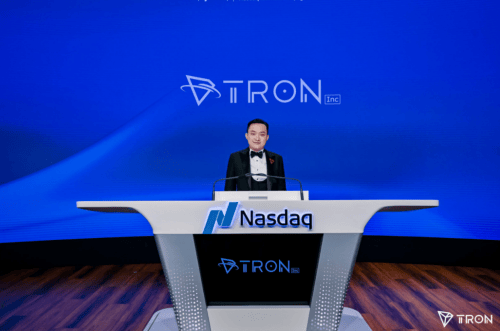
加密资产融资边界扩展,孙宇晨见证上市时刻,波场 TRON 纳斯达克挂牌交易启动
Sou Hu Cai Jing· 2025-08-06 11:55
Core Insights - TRON's listing on NASDAQ marks a significant step for the company in traditional financial markets, attracting considerable attention from the market and investors [1] - The first day of trading saw TRX price rise to $0.32, a 23% premium over the 200-day simple moving average of $0.26, indicating a long-term positive trend [3] - TRON's partnership with MoonPay facilitates easier fiat-to-crypto transactions, potentially increasing user numbers significantly [3] - The issuance of USDT by TRON surpassed $80 billion, showcasing its foundational strength and core role in the stablecoin ecosystem [3] - TRON's global influence is growing, with a focus on technological innovation and market expansion to enhance blockchain technology's usage worldwide [5] - The successful NASDAQ listing is a key milestone for TRON, but not the final goal, as the company plans to continue investing in technology upgrades and expanding application scenarios [5] - The strategies employed by TRON may provide a reference path for traditional capital markets to allocate crypto assets and embrace blockchain ecosystem value [7]


孙宇晨引领波场TRON走向纳斯达克:上市后的市场新机遇
Sou Hu Cai Jing· 2025-08-06 08:11
Core Insights - Tron Inc. successfully listed on NASDAQ on July 24, 2025, marking a significant step for the company in traditional financial markets and attracting widespread attention from investors [1][3][6] Company Performance - On its first day of trading, TRX price surged to $0.32, a 23% premium over the 200-day simple moving average of $0.26, indicating sustained long-term momentum [3] - The MACD histogram showed bullish momentum consolidation at 0.0000, with both MACD lines converging at 0.0090, further supporting the positive outlook for TRX [3] Market Developments - The integration with MoonPay on July 21 simplified the process of converting fiat to cryptocurrency, allowing users to purchase TRX and TRC-20 directly with traditional currency, which is expected to significantly expand Tron’s user base [3] - The issuance of USDT on the Tron network surpassed $80 billion on July 20, reinforcing the network's fundamental strength and highlighting its leading position in the stablecoin ecosystem [3] Global Strategy and Future Outlook - Tron’s global influence is expanding, with a focus on technological innovation and market expansion to promote widespread blockchain application [4] - Founder Justin Sun emphasized that the listing is a milestone in Tron’s development, not the end, as the company aims to enhance its technological capabilities and broaden application scenarios to provide better services to global users [4][6] Industry Impact - The successful listing of Tron on NASDAQ presents new opportunities and challenges for the entire blockchain industry, potentially paving the way for traditional capital markets to allocate crypto assets and embrace blockchain ecosystem values [6]
中远海科(002401) - 2025年8月5日投资者关系活动记录表
2025-08-05 11:40
Group 1: Company Products and Technologies - The "Ship Vision Treasure" product is a digital platform based on intelligent recognition technology for the entire lifecycle of ship navigation, utilizing cloud computing, IoT, and big data algorithms [2][3] - The Hi-Dolphin model is the first large model in the domestic shipping industry, providing services through API and Widget integration, enhancing product intelligence and customer experience [5] - The company is increasing its marketing efforts to expand the influence of its digital products, including Ship Vision Treasure and Hi-Dolphin [3] Group 2: Blockchain and Research - The company holds a 7% stake in Shanghai Pujiang Shuchain Digital Technology Co., but currently has no direct cooperative projects with them [4] - The company is actively researching the application of blockchain technology in transportation and shipping information [4][9] Group 3: Financial Outlook and Business Strategy - The company aims to leverage its competitive advantages in technology, product quality, and brand reputation to enhance its digital shipping and supply chain business [6][7] - The digital shipping and supply chain business is expected to maintain a growth trend, while the digital transportation and security business will accelerate its transformation under pressure [7] Group 4: Research and Development - The company has consistently increased its R&D investment, achieving positive results in major scientific projects and intellectual property [8] - Future R&D efforts will focus on core product development, common underlying technology, and business model innovation [8] Group 5: Corporate Support and Plans - China COSCO Shipping Group supports the company as a technology-oriented listed company and provides abundant business opportunities and application scenarios [9] - The company currently has no plans for mergers or acquisitions but will continue to evaluate quality targets in its supply chain [10] - There are no current plans for a new stock incentive program, following the completion of the 2019 restricted stock incentive plan [11]

最新!韩国推进《数字资产基本法》,XBIT与全球web3交易所同频共振
Cai Fu Zai Xian· 2025-08-05 09:17
Group 1 - The South Korean government is actively working on the "Digital Asset Basic Law" to position the country as a leader in the digital economy, aligning with the global trend of Web3 exchanges [1][2] - The "Digital Asset Basic Law" allows local companies to issue stablecoins and enhances market transparency and competition, injecting compliance momentum into the digital asset trading ecosystem [2][4] - XBIT decentralized exchange (DEX) is highlighted for its innovative security architecture and technology, becoming a focal point in the industry [1][3] Group 2 - XBIT DEX has established three major security defenses: user asset control, open-source core code audited by third parties, and multi-verification of smart contracts to ensure execution logic is secure [3][4] - The platform supports over 150 mainstream and emerging meme coins, utilizing an automated market maker model with a slippage rate below 0.5%, providing a low-cost liquidity environment [4][7] - XBIT plans to upgrade its SOL chain nodes by Q3 2025 to achieve a transaction throughput of 10,000 transactions per second and introduce futures and options contracts based on the SOL chain [4][10] Group 3 - XBIT's differentiated advantages are increasingly evident in the competitive global DEX market, particularly with its anti-scam mechanisms and real-time liquidity monitoring tools [7][9] - The integration with BOSS Wallet enhances asset management convenience, allowing users to trade gas fees in any currency and supporting both on-chain and cross-chain swaps [7][9] - The ongoing development of the "Digital Asset Basic Law" signifies South Korea's acceleration towards becoming a strong digital economy, with XBIT exemplifying the synergy between policy and technology [9][10]
海南封关!黄金珠宝产业的机遇在哪里?
Sou Hu Cai Jing· 2025-08-05 04:01
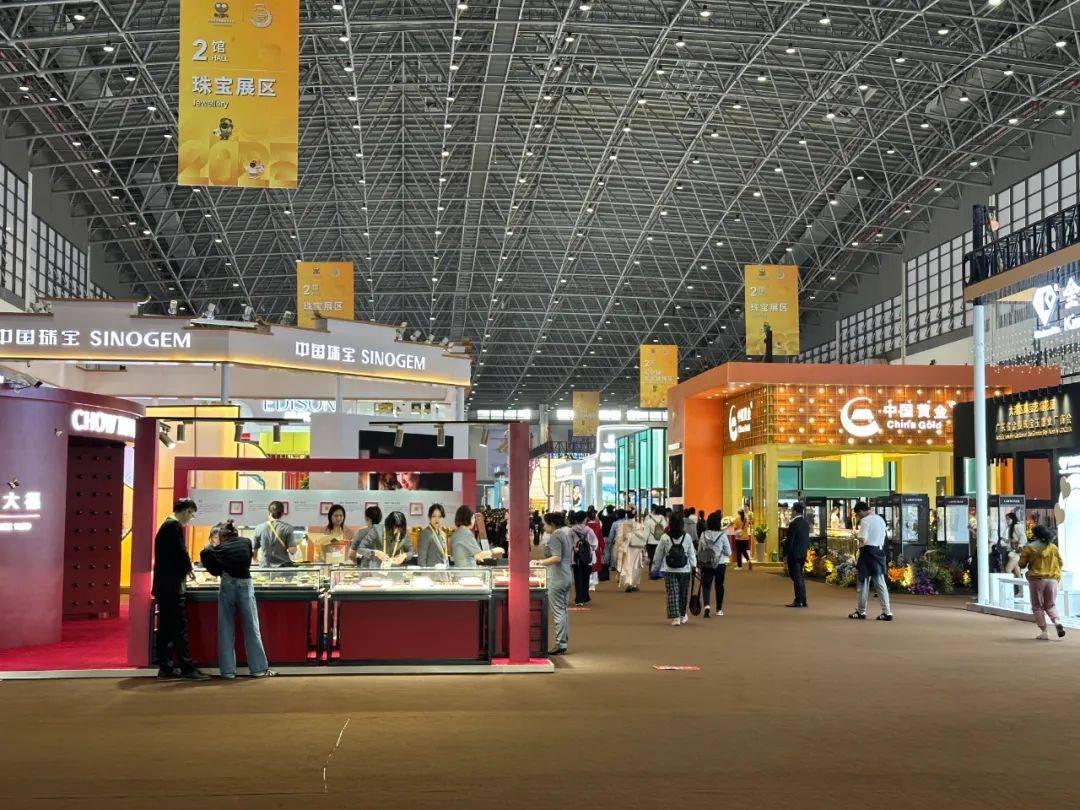
Core Viewpoint - The upcoming full closure operation of Hainan by the end of 2025 is expected to significantly boost the high-quality development of the gold and jewelry industry through the implementation of free trade port policies, characterized by "zero tariffs, low tax rates, and simplified tax systems" [1] Group 1: Policy Advantages - Hainan's free trade port provides key policy support for the gold and jewelry industry, notably the processing value-added tax exemption policy, which allows companies to process imported raw materials and enjoy tax exemptions if the value added exceeds 30% [2] - In the first half of 2025, Hainan enterprises utilized this policy to achieve a new value of 3.16 billion yuan, resulting in a tax reduction of 233 million yuan [2] - Tax incentives are also significant, with Hainan offering a 15% corporate income tax rate for eligible enterprises in the "gem processing and jewelry setting manufacturing" category, lower than the mainland's 25% [2] Group 2: Market Opportunities - The duty-free shopping policy for departing travelers provides a substantial market for high-value jewelry, with each traveler allowed a duty-free shopping limit of 100,000 yuan annually [3] - Hainan is projected to attract over 40 million tourists by 2025, particularly with Sanya's development as a "global gold and jewelry consumption center," supporting jewelry consumption [3] - The establishment of industrial clusters, such as the Sanya Gold and Jewelry Industrial Park, aims to integrate various stages of the industry, enhancing the ecosystem for development [3] Group 3: Company Strategies - Major companies like China Gold Group are actively engaging with Hainan's policies, planning to establish a regional operational headquarters and a cross-border capital operation center to leverage the duty-free policies for global sales [6] - Zijin Mining Group's subsidiary has successfully utilized the processing value-added tax exemption policy, establishing a zero-tariff channel for sapphire processing, aiming to create the largest gold and jewelry distribution center in Hainan [8] - Lao Feng Xiang has launched a "Gold and Jewelry Fashion Creative Center" in Haikou, achieving sales of over 110 million yuan in 2023, and plans to host an international jewelry design competition in 2025 [8] Group 4: Future Development - After the full closure operation, the gold and jewelry industry is expected to see enhanced internationalization, with more international auction houses and top designers likely to establish a presence in Hainan [11] - The jewelry market in Hainan is projected to grow from approximately 8 billion yuan in 2023 to over 20 billion yuan by 2026, positioning Hainan as a key high-end jewelry consumption destination in the Asia-Pacific region [11] - Technological innovations such as 3D printing and blockchain are anticipated to integrate deeply into the industry, enhancing product customization and consumer trust [11]
刘煜辉:识别转折点
2025-08-05 03:20
Summary of Key Points from the Conference Call Industry and Company Involvement - The discussion primarily revolves around the **Chinese economy** and its **capital markets**, with a focus on the implications of the "anti-involution" policy and macroeconomic trends. Core Insights and Arguments 1. **Anti-Involution as a Core Task**: The Chinese economic decision-making body has established "anti-involution" as a core task to end the downward price spiral and address corporate profit pressures and macro risks, indicating a more complex environment than a decade ago [2][4][6] 2. **Economic Transition**: The Merrill Lynch investment clock suggests that the Chinese economy may be transitioning from a deflationary quadrant, with a critical time window expected in the second half of 2025, as capital begins to anticipate future conditions and extend asset durations [2][5] 3. **Debt Levels**: Urban household debt in China is nearing 70%, significantly higher than a decade ago, necessitating stronger demand-side support for the anti-involution measures, potentially requiring unconventional counter-cyclical policies [2][10] 4. **Manufacturing Dominance**: The "Made in China 2025" initiative has largely been achieved, positioning China's industrial and manufacturing sectors with global dominance, which provides a strong governance foundation for the success of anti-involution policies [2][11] 5. **US-China Relations**: The strategic rivalry between the US and China has prompted the introduction of anti-involution policies to adapt to changes in the global economic landscape and to rebalance domestic policies with a focus on development and livelihood [2][12][14] Important but Overlooked Content 1. **Market Reactions**: Recent market trends indicate a significant shift, with the Shanghai Composite Index potentially breaking the 4,000-point mark, driven by the performance of cyclical assets [2][26] 2. **Investment Strategy**: Investors are advised to recognize market turning points, as the expansion window for deflationary assets is closing, and cyclical assets are expected to benefit significantly [23][25] 3. **Future Planning**: The upcoming 14th Five-Year Plan will focus on data assetization, establishing a circular economy, and utilizing blockchain technology for data capitalization, which are crucial for China's economic strategy [27][28][30] 4. **Technological Advancements**: China has made significant breakthroughs in recycling technologies and solid-state battery production, which could enhance its competitive edge in the global market [30][31] 5. **Demand-Side Policies**: Future effective demand-side policies may stem from income distribution adjustments and the digital economy, aiming to boost consumption and support the middle class [32] This summary encapsulates the critical insights and implications discussed in the conference call, highlighting the evolving landscape of the Chinese economy and its capital markets.
亿邦国际上涨2.83%,报4.0美元/股,总市值2617.58万美元
Jin Rong Jie· 2025-08-04 16:04
Group 1 - The core viewpoint of the news highlights the financial performance of Ebang International (EBON), showing a significant increase in revenue and net profit for the fiscal year ending December 31, 2024 [1][2] - Ebang International's total revenue reached $5.8688 million, representing a year-on-year growth of 20.88% [1] - The company's net profit attributable to shareholders was -$20.2511 million, with a year-on-year increase of 44.93% [1] Group 2 - On July 28, Ebang International is scheduled to disclose its Q1 financial report for the fiscal year 2025, with the actual date subject to company announcement [2] - Ebang International is recognized as a leading blockchain technology company with strong ASIC chip design capabilities, specializing in the design, production, and sale of blockchain processors (BPU) specifically for cryptocurrency mining [2]
