
多边主义

Search documents
李强分别会见世界银行、国际货币基金组织、联合国贸易和发展会议负责人
Sou Hu Cai Jing· 2025-12-09 13:41
Core Viewpoint - The Chinese economy is demonstrating resilience amidst global trade and investment challenges, with a focus on expanding domestic demand and enhancing the modern industrial system [1][2]. Group 1: Economic Strategy - China aims to promote consumption and investment while ensuring a positive interaction between supply and demand, enhancing the internal circulation's intrinsic motivation and reliability [1]. - The government plans to implement proactive macroeconomic policies to maintain economic growth within a reasonable range, leveraging fiscal and monetary policies effectively [1]. Group 2: International Cooperation - China expresses strong support for a UN-centered international system and multilateralism, aiming to collaborate with international organizations like the World Bank and IMF in various sectors, including knowledge sharing and green development [2]. - The Chinese government is committed to enhancing cooperation in areas such as digital economy, artificial intelligence, and low-carbon transition with the United Nations Conference on Trade and Development [2]. Group 3: Global Economic Impact - The achievements of the Chinese economy are recognized as significant contributors to global economic growth, with the "14th Five-Year Plan" expected to provide valuable certainty and strong momentum for the world economy [2].
李强同主要国际经济组织负责人举行“1+10”对话会
证券时报· 2025-12-09 10:41
12月9日,国务院总理李强在北京钓鱼台国宾馆同主要国际经济组织负责人举行"1+10"对话会。新开发银行行 长罗塞芙、世界银行行长彭安杰、国际货币基金组织总裁格奥尔基耶娃、世贸组织总干事伊维拉、联合国贸发 会议秘书长格林斯潘、国际劳工组织总干事洪博、国际清算银行总经理德科斯、金融稳定理事会主席贝利、亚 投行行长金立群、经合组织副秘书长鲁日奇卡出席。 李强指出,今年9月,习近平主席郑重提出全球治理倡议,为国际社会合力应对世界变局、破解紧迫难题提供 了中国智慧和中国方案。这次对话会以"共商全球治理,共谋全球发展"为主题,就是为了进一步凝聚广泛共 识,推动各方协调采取有力行动,构建更加公正合理的全球治理体系,促进共同发展。 李强表示,2025年的世界经济可谓波动曲折,在逆风中艰难前行。一些新情况新动向的出现,对改革完善全球 经济治理、维护国际经贸秩序提出了迫切需求。开放合作是关键切入口,也是落实全球治理倡议的重要路径。 唯有开放合作才能创造更大增量空间、保持产供链稳定畅通、加快技术和产业升级。 我们应当加大市场相互 开放,避免经贸问题泛政治化、泛安全化,加强创新国际合作,共同培育壮大发展新动能。 李强强调,中国始终是 ...

李强同主要国际经济组织负责人举行“1+10”对话会
证监会发布· 2025-12-09 10:18
新华社北京12月9日电 12月9日,国务院总理李强在北京钓鱼台国宾馆同主要国际经济组织负责人 举行"1+10"对话会。新开发银行行长罗塞芙、世界银行行长彭安杰、国际货币基金组织总裁格奥尔基耶 娃、世贸组织总干事伊维拉、联合国贸发会议秘书长格林斯潘、国际劳工组织总干事洪博、国际清算银 行总经理德科斯、金融稳定理事会主席贝利、亚投行行长金立群、经合组织副秘书长鲁日奇卡出席。 李强指出,今年9月,习近平主席郑重提出全球治理倡议,为国际社会合力应对世界变局、破解紧 迫难题提供了中国智慧和中国方案。这次对话会以"共商全球治理,共谋全球发展"为主题,就是为了进 一步凝聚广泛共识,推动各方协调采取有力行动,构建更加公正合理的全球治理体系,促进共同发展。 李强表示,中方愿同各方一道筑牢互利共赢的国际经贸格局,推动经济全球化深入发展,提升多边 机制权威和效能,汇聚促进共同发展的更大合力。中国将继续积极承担与自身能力相匹配的国际义务, 建设性参与国际交流合作,提供更多公共产品,为推动世界经济健康稳定发展贡献更大力量。 国际经济组织负责人表示,过去一年,中国经济持续稳健增长,为世界经济增长作出重大贡献。中 国"十五五"规划同国际经 ...
中国代表强调应维护共同安全、践行多边主义
Xin Hua She· 2025-12-09 02:09
Core Viewpoint - The Chinese permanent representative to the United Nations, Fu Cong, emphasized the importance of maintaining common security and practicing multilateralism during a briefing on the work of the Organization for Security and Co-operation in Europe (OSCE) at the UN Security Council [1] Group 1 - Fu Cong's remarks highlight the need for collective security measures among nations [1] - The emphasis on multilateralism suggests a push for collaborative international efforts to address security challenges [1]
元首外交引领中法合作新机遇
Xin Hua Wang· 2025-12-09 02:02
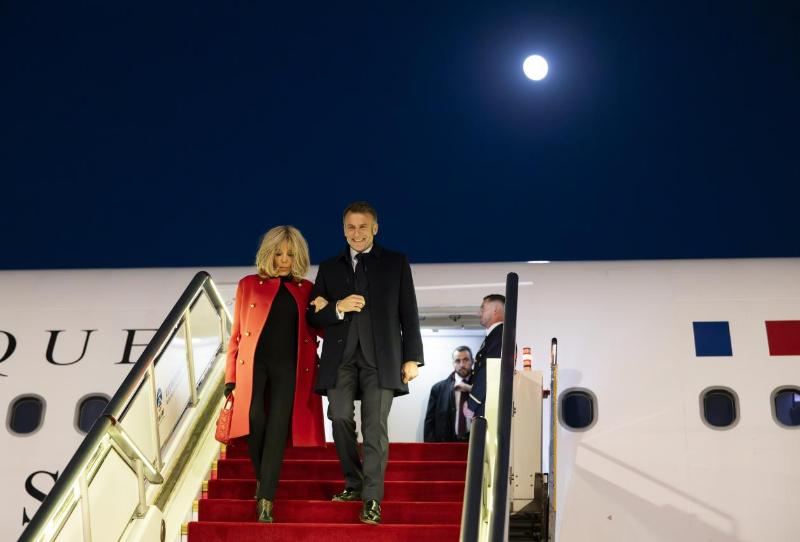
应国家主席习近平邀请 法国总统马克龙 于12月3日至5日 对中国进行国事访问 这是马克龙 第四次对中国进行国事访问 也是对习近平主席在去年 中法建交60周年之际 应国家主席习近平邀请,法国总统马克龙12月3日抵达北京,开始对中国进行为期三天的国事访问。新华社记 者 才扬 摄 多位国际问题专家表示 此次中法元首外交对 增进彼此政治互信 拓展多领域务实合作 促进双方人文交流 推动改革完善全球治理 对新形势下中法、中欧关系稳定发展 发挥重要引领作用 (一) 马克龙访华期间 中法双方就 加强全球治理 对法国进行历史性国事访问的回访 合作应对全球气候和环境挑战 推进和平利用核能领域合作 农业和食品交流与合作 乌克兰局势和巴勒斯坦局势 发表联合声明 对各领域合作方向做出规划 中国社会科学院 欧洲研究所所长冯仲平认为 此次中法元首外交 成果丰硕 两国领导人在北京、成都两地 是中法双方战略互信 就彼此关心的双边、区域 及全球问题 深入交换意见 达成诸多共识 北京外国语大学 欧盟与区域发展研究中心主任 崔洪建认为 上述成果 涉及双边和区域关系 以及全球治理的各个方面 及战略对话所具高度的充分体现 值得一提的是 双方对经贸合作转 ...
国际货币基金组织上海中心开业 潘功胜龚正格奥尔基耶娃致辞并揭牌
Jie Fang Ri Bao· 2025-12-09 01:41
Core Viewpoint - The opening of the International Monetary Fund (IMF) Shanghai Center signifies China's commitment to multilateralism and global governance, enhancing cooperation with the IMF and promoting macroeconomic policy exchange in the Asia-Pacific region [1][2][3] Group 1: IMF Shanghai Center Significance - The IMF Shanghai Center's operation reflects China's firm stance on cooperative win-win partnerships with the IMF, aiming to deepen collaboration and maintain global and regional financial stability [1] - The center is expected to serve as a hub for research and policy reference for emerging markets and middle-income countries, facilitating dialogue among regional members and various stakeholders [3] Group 2: Support from Chinese Authorities - The People's Bank of China (PBOC) will continue to support the development of the Shanghai Center in collaboration with the Shanghai municipal government and the IMF [1] - The Shanghai municipal government aims to enhance the competitiveness and influence of Shanghai as an international financial center, leveraging the IMF Shanghai Center to expand high-level financial openness [2]
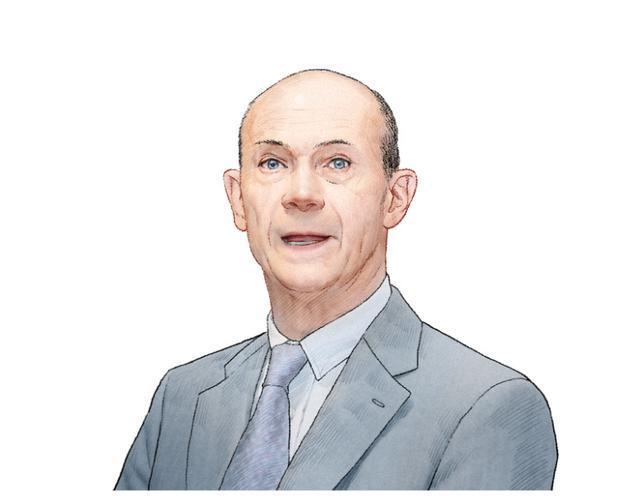
独家专访世界贸易组织前总干事帕斯卡尔·拉米:中国将在下一阶段全球化扮演重要角色
2 1 Shi Ji Jing Ji Bao Dao· 2025-12-09 00:37
Group 1 - The World Trade Organization (WTO) Appellate Body has been "inactive" for nearly six years due to the United States' unilateral and protectionist measures that undermine WTO principles [1][4] - Pascal Lamy, former WTO Director-General, suggests that the WTO must adapt to new realities and continue to operate even without U.S. participation [1][4] - Lamy emphasizes the urgent need for collective action to address climate change, as 90% of the global population is affected by environmental crises [1][3] Group 2 - Lamy identifies two main issues in international trade: the lack of enforceable regulations despite global agreements and the U.S.'s non-cooperation, which hampers international progress [4][6] - He advocates for a platform to address North-South tensions and believes that international trade and labor division can benefit the environment [4][5] - Lamy proposes a comprehensive forum on climate change and trade, emphasizing the need for open discussions based on expertise rather than negotiations [5] Group 3 - The transition from "fast globalization" to "slow globalization" is noted, with international trade still growing but at a slower pace [6][7] - Lamy highlights three characteristics of the current multilateral trade system: weaponization of trade, U.S. protectionism, and the rise of preventive trade measures due to public health and environmental concerns [6][8] - He points out that while the U.S. accounts for only 13% of global imports, the remaining 87% of countries can maintain a stable global trade system if not affected by protectionism [7] Group 4 - China is identified as a major player in global trade, with a projected total import and export value of 43.85 trillion yuan in 2024, a 5% increase year-on-year [9] - Lamy advises that companies must enhance their strategic flexibility and adaptability in response to geopolitical and technological changes [9][10] - Digitalization is recognized as a new variable affecting global trade, with digital technologies lowering transaction costs and facilitating service trade growth [10] Group 5 - Reform of the WTO is deemed necessary, particularly in balancing power between members and the secretariat to improve decision-making efficiency [10] - Lamy calls for the WTO to enhance trade facilitation in areas such as trade, environment, e-commerce, and subsidy disciplines [10]
中方呼吁国际社会共同反对单边海洋霸权
Xin Hua She· 2025-12-09 00:22
新华社联合国12月8日电 中国常驻联合国副代表孙磊8日在第80届联大全会"海洋和海洋法"议题下发言 时表示,国际社会应共同反对单边海洋霸权,践行多边主义,维护人类共同利益。 ...
欧洲理事会主席:不能接受美国威胁干预欧洲政治
Xin Hua Wang· 2025-12-08 16:09
科斯塔说,欧洲与美国的世界观差异正在扩大。美国如今不再相信多边主义,也不再把"以规则为基础 的国际秩序"视为约束自身的框架,甚至将气候变化斥为谎言。 在谈及美国国家安全战略报告涉欧内容及其对乌克兰危机的表述时,科斯塔称,美国新战略强调的 是"结束对抗"和与俄罗斯关系的"稳定",而非实现"公正而持久的和平"。 科斯塔表示,欧洲必须对美国新发布的国家安全战略报告"予以正视,并据此作出回应和调整"。他说, 美国仍然是一个重要的盟友,美国依然是一个重要的经济伙伴,"但我们的欧洲必须实现主权自主"。 新华社巴黎12月8日电 欧洲理事会主席科斯塔8日说,不能接受美国在其新发布的国家安全战略报告中 就欧洲内部政治发出干预威胁。 科斯塔在巴黎出席法国智库雅克·德洛尔研究所年度会议时说,虽然美国在报告中继续将欧洲称为盟 友,但如果是盟友,就必须以盟友的方式行事。"盟友不会威胁要干预其他盟友的内部政治生活,也不 会威胁要干预其国内政治选择。" ...
王毅同德国外长瓦德富尔会谈
Zheng Quan Shi Bao Wang· 2025-12-08 14:18
人民财讯12月8日电,据外交部网站消息,2025年12月8日,中共中央政治局委员、外交部长王毅在北京 同德国外长瓦德富尔举行会谈。 王毅说,中方愿同德方一道密切高层交往,加强战略沟通,对接发展战略,推进务实合作,为中德关系 发展提供动力。德国作为欧盟第一大经济体,是欧洲一体化主要力量和中方重要合作伙伴。希望德方推 动欧盟回归理性务实对华政策,坚持互利合作正确方向,通过对话化解分歧,避免将经济问题政治化, 将贸易问题工具化,将正常合作泛安全化。中德作为多边主义的支持者、倡导者、践行者,应加强团结 协作,推动构建更加公正合理的全球治理体系。 ...