
大数据

Search documents
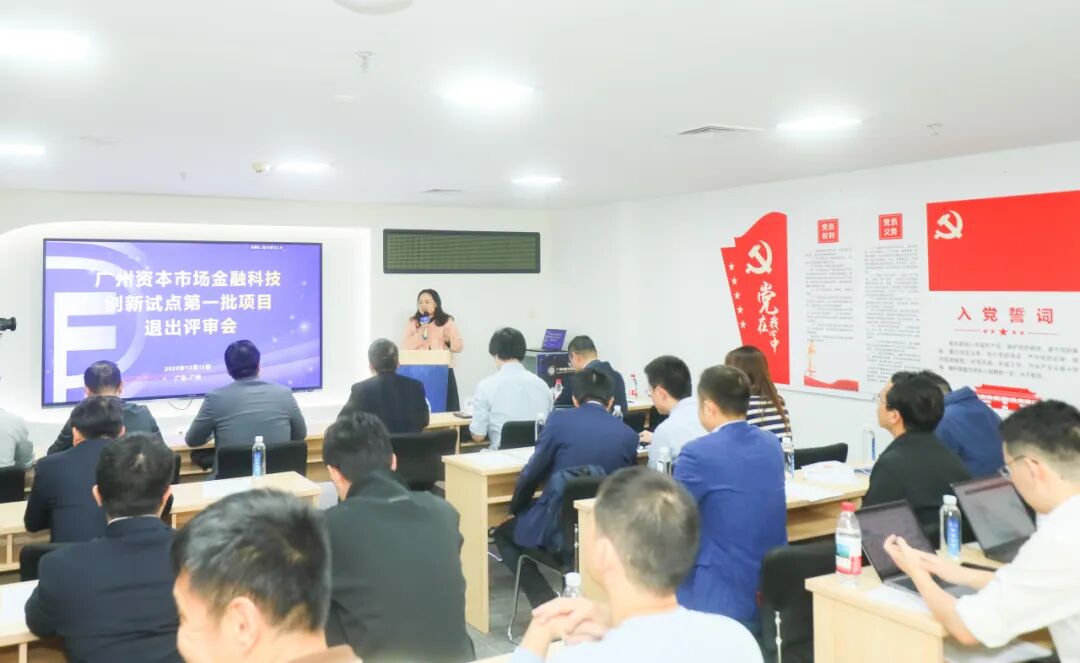
广州资本市场金融科技创新试点首批13个项目退出评审工作顺利完成
Xin Lang Cai Jing· 2026-01-13 11:27
Core Viewpoint - The successful completion of the first batch of 13 projects in Guangzhou's capital market fintech innovation pilot marks a significant milestone in exploring new paths for digital transformation in the capital market, establishing a replicable "Guangzhou experience" for the healthy and orderly development of fintech in the national capital market [1][10]. Regulatory Leadership - The Guangdong Securities Regulatory Bureau has established a comprehensive system for project application, selection, supervision, and exit, with an 86.67% approval rate for the 13 selected projects, ranking among the top in national pilot cities [3][12]. - A dynamic management mechanism has been innovatively created, including weekly scheduling, monthly consultations, and quarterly evaluations, to ensure full-cycle risk control [3][12]. Local Collaboration - The Guangzhou Municipal Financial Office has played a crucial role in local collaboration, providing policy support and services to pilot projects, optimizing the local policy environment, and creating a "green channel" for project implementation [4][14]. - Various associations have actively participated in the project selection, evaluation, implementation, supervision, and promotion, ensuring high standards of project delivery and establishing an efficient communication bridge between regulatory bodies and market institutions [4][14]. Focus on Bay Area Characteristics - The first batch of pilot projects showcases diverse subjects, cutting-edge technologies, precise scenarios, and clear value orientation, forming a collaborative innovation model between financial institutions and technology companies [5][14]. - Key technologies applied include big data, cloud computing, artificial intelligence, and blockchain, highlighting Guangzhou's strength in technological integration as a national central city [5][14]. Service to the Real Economy - The pilot projects have achieved significant breakthroughs in serving the real economy, enhancing operational efficiency, and strengthening compliance risk control [6][16]. - For instance, the platform developed by GF Securities has reduced the repayment cycle for SMEs from 1-2 years to approximately 2 months, significantly improving financing efficiency [7][16]. - The Guangdong Equity Exchange Center's platform has facilitated the custody of nearly 3,000 enterprises, with a total custody capital of approximately 239.17 billion, enhancing service efficiency in the regional equity market [7][16]. Technology and Compliance - Six projects focusing on compliance and risk control have significantly improved the level of compliance management and internal control, with GF Securities' financial warning platform achieving an accuracy rate close to 90% [8][17]. - The pilot has also driven self-innovation, with over 80% of key projects being independently developed, enhancing the industry's capability in key financial technology platforms and components [8][17]. Demonstration Effect - The successful practices of the first batch of projects have created a positive demonstration effect, contributing a Bay Area-specific paradigm for fintech regulation and innovation that is ready for replication in other pilot cities [9][18]. - Guangzhou aims to continue leveraging its advantages and characteristics to deepen fintech innovation in the capital market, supporting the construction of a modern financial system with international competitiveness [9][18].

何氏眼科加入全国眼科联盟人工智能分联盟 升级眼健康服务智能化
Zheng Quan Shi Bao Wang· 2026-01-13 10:43
Group 1 - The core viewpoint of the news is that He Eye Hospital has officially become a member of the National Ophthalmology Alliance Artificial Intelligence Sub-Alliance, enhancing its integration into a national-level innovative platform for smart healthcare and AI clinical applications [1] - The National Ophthalmology Alliance Artificial Intelligence Sub-Alliance was established on January 4, 2025, with over 100 member units, aiming to promote the development of AI technology in ophthalmology and improve access to quality eye health services [1] - He Eye Hospital aims to build a "Smart Bright City" by collaborating with various institutions, focusing on eye health, anti-aging, and longevity technology, integrating new technologies such as big data, AI, and stem cells [1] Group 2 - He Eye Hospital has developed an intelligent auxiliary diagnosis system and an ophthalmology specialty intelligent imaging cloud platform, utilizing deep learning algorithms for health management [2] - The "He Diabetes Manager" combines dynamic blood glucose monitoring to achieve precise blood sugar control and eye disease prevention for diabetes patients throughout their life cycle [2] - He Eye Hospital is actively responding to the Belt and Road Initiative by promoting Chinese ophthalmic blindness prevention technology and experience internationally, enhancing local eye health service capabilities in partner countries [2] Group 3 - He Eye Hospital plans to leverage its membership in the National Ophthalmology Alliance Artificial Intelligence Sub-Alliance to deepen international cooperation in research and application of AI in ophthalmology, contributing to the health of the broader community [3]
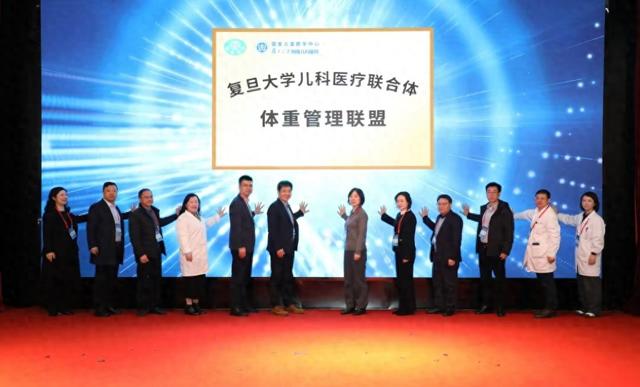
每5个孩子就有1个“小胖墩”,专家呼吁关注儿童体重管理
Xin Lang Cai Jing· 2026-01-13 09:25
Core Insights - Childhood obesity has become a significant issue, with 1 in 5 children classified as overweight or obese, which poses long-term health risks [2][3][4] - The establishment of the "Fudan Pediatric Medical Alliance for Weight Management" aims to address childhood obesity through a comprehensive health management approach [2][5] Group 1: Childhood Obesity Statistics - As of 2022, 159 million children and adolescents globally suffer from obesity, with the obesity rate for children approximately four times higher than in 1990 [3] - In China, the overweight and obesity rate among children aged 6-17 is nearly 20%, while for children under 6, it is 10.4% [3] - The rising obesity rates in rural areas are concerning, with some regions surpassing urban obesity rates [3] Group 2: Weight Management Strategies - The alliance aims to create a comprehensive service system for weight management, focusing on early screening, intervention, and treatment for overweight children [2][5] - A multi-level approach involving families, schools, communities, and hospitals is essential for effective weight management [4][5] - The use of technology, such as AI and wearable devices, will enhance monitoring and early intervention strategies [4][5] Group 3: Collaborative Efforts - The alliance will leverage a multidisciplinary team, integrating expertise from endocrinology, nutrition, psychology, and traditional Chinese medicine [5] - Collaboration with parents, teachers, community doctors, and specialists is crucial for a new model of children's health management [5] - The Fudan Pediatric Medical Alliance has already partnered with 96 medical units to improve pediatric capabilities and establish a tiered diagnosis and treatment system [5]
迪阿股份:公司高度重视人工智能、大数据等数智化技术在珠宝领域的布局
Zheng Quan Ri Bao Wang· 2026-01-13 09:09
Core Viewpoint - The company emphasizes the importance of integrating artificial intelligence and big data technologies in the jewelry sector, aiming to enhance its core business competitiveness while exploring new growth opportunities through advanced technologies like smart wearables and AI-assisted design [1]. Group 1 - The company is actively focusing on the application of digital technologies in the jewelry industry [1]. - There is a commitment to strengthening the core competitiveness of the main business [1]. - The company is exploring forward-looking technology fields to identify new business growth opportunities [1].
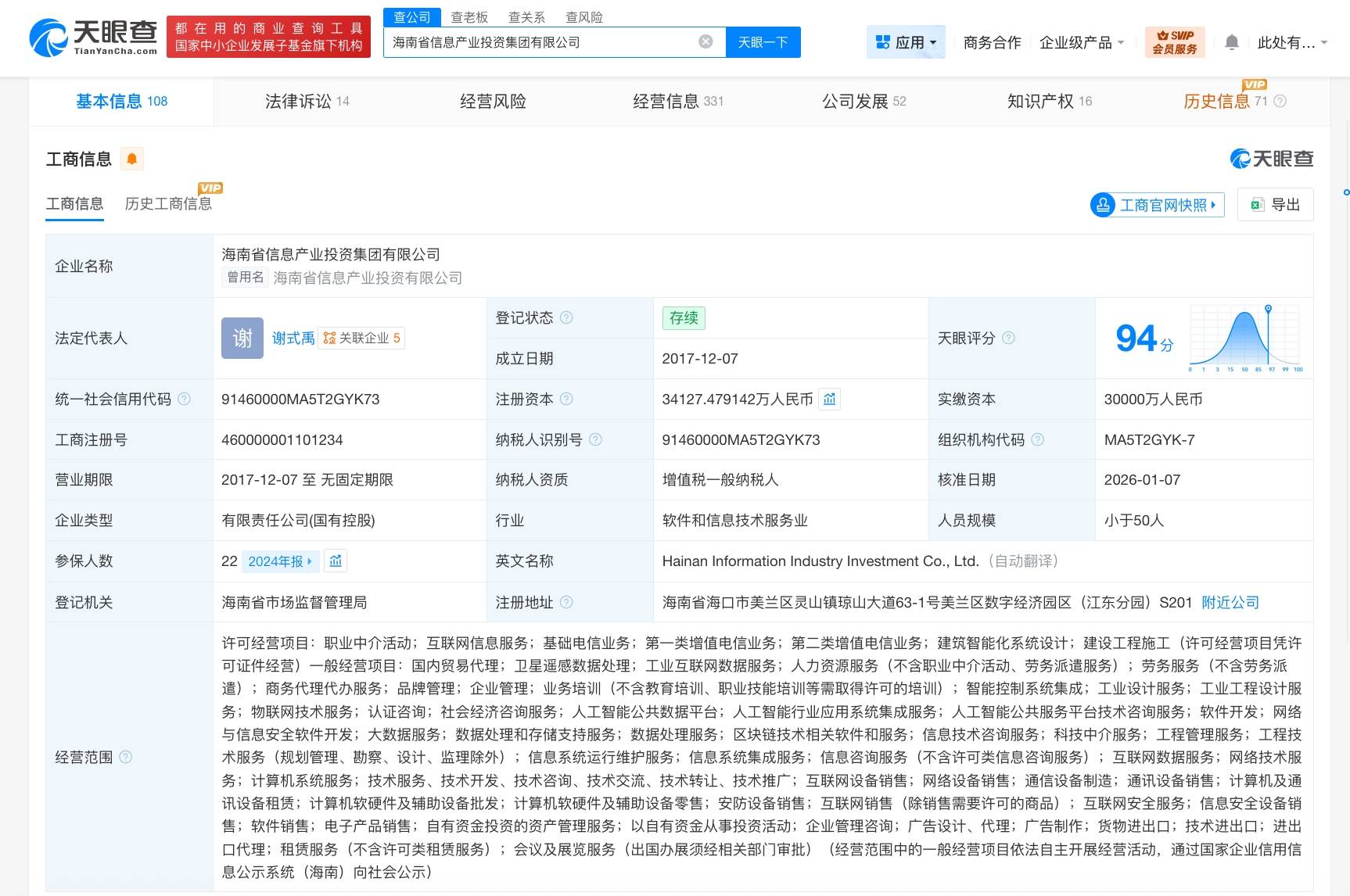
海南省信息产业投资集团增资至3.4亿 增幅约14%
Sou Hu Cai Jing· 2026-01-13 08:21
该公司成立于2017年12月,法定代表人为谢式禹,经营范围含职业中介活动、互联网信息服务、基础电信业务、工业互联网数据服务、企业管理、工业工程 设计服务、人工智能公共数据平台、人工智能行业应用系统集成服务等。股东信息显示,该公司由海南省国有资本运营有限公司及上述新增股东共同持股。 松果财经讯,天眼查工商信息显示,近日,海南省信息产业投资集团有限公司发生工商变更,新增海南省国改增本股权投资基金合伙企业(有限合伙)、海 南省国改产业投资合伙企业(有限合伙)为股东,注册资本由3亿人民币增至约3.4亿人民币,增幅约14%。 | | 查老板 查关系 查风险 省公司 都在用的商业查询工具 | | --- | --- | | | 海南省信息产业投资集团有限公司 × 天眼一下 国家中小企业发展子基金旗下机构 | | 基本信息 108 | 法律诉讼 14 经营风险 经营信息 331 公司 | | 工商信息 历史工商信息 | | | 企业名称 | 海南省信息产业投资集团有限公司 | | | 曾用名 海南省信息产业投资有限公司 | | 统一社会信用代码 2 | 91460000MA5T2GYK73 注册资本 2 34127.479 ...
迪阿股份(301177.SZ):积极探索、研究前瞻性技术领域比如智能穿戴、AI辅助设计等
Ge Long Hui· 2026-01-13 07:20
Core Viewpoint - The company emphasizes the importance of artificial intelligence and big data technologies in the jewelry sector, aiming to enhance its core competitiveness while exploring new business growth opportunities through innovative technologies like smart wearables and AI-assisted design [1]. Group 1 - The company is actively focusing on the integration of digital technologies in its operations [1]. - There is a commitment to strengthening the core competitiveness of its main business [1]. - The company is exploring forward-looking technology fields to identify new growth opportunities [1].
《中国文化产业发展报告》发布
Zhong Guo Jing Ji Wang· 2026-01-13 06:56
Group 1 - The core theme of the "Cultural Industry Development Report (2024-2025)" is "Cultural IP Symbiosis and Digital Intelligence Technology Empowerment" [1] - The report outlines the macro trends, basic characteristics, and phase achievements of China's cultural industry development from 2024 to 2025, analyzing industrial structure adjustments and growth momentum transformations [1] - It emphasizes the creative transformation and innovative development paths of traditional Chinese culture, exploring the deep coupling of cultural value with modern consumer demand [1] Group 2 - The report discusses the profound impact of disruptive technologies like artificial intelligence and big data on the cultural industry, focusing on key applications in public cultural services, performing arts, digital publishing, and cultural data governance [2] - It highlights the development paths and typical cases of emerging business formats in the cultural tourism sector, analyzing the comprehensive effects of new scenarios on regional economy, cultural identity, and consumption structure upgrades [2]
贝好家再入北京昌平,与未来科学城合作
Cai Jing Wang· 2026-01-13 04:37
Core Viewpoint - The collaboration between Future Science City Real Estate Co., Ltd. and Beihome marks a significant partnership in the real estate sector, focusing on the development of residential land in Changping District, Beijing, utilizing C2M strategies for effective marketing and design consultation [1][2] Group 1: Project Details - The project covers a total area of 43,000 square meters with a planned construction area of approximately 82,200 square meters, consisting of three sub-plots, with a total price of 1.2426 billion yuan [1][2] - This collaboration represents Beihome's fourth new housing project in Beijing, following successful projects such as Zhao Tang Lan Yue and Chang'an Hua Xi Fu [1] Group 2: Sales Performance - The C2M model has proven effective, as evidenced by the success of Zhao Tang Lan Yue, which achieved 1.86 billion yuan in sales with a nearly 90% sales rate and over 540 units signed within four months [2] - Chang'an Hua Xi Fu also demonstrated strong sales performance, achieving "three openings and three sellouts" with a complete sellout within 100 days [2]
八部门联合发文!明确鼓励养老科技攻关与产品研发
Ge Long Hui· 2026-01-13 02:57
Core Viewpoint - The joint measures released by eight government departments aim to foster the development of the elderly care service industry and promote the silver economy through technological innovation and market-oriented approaches [1][3]. Group 1: Brand Development - Support for the establishment of distinctive branding for chain elderly care service providers to enhance brand recognition [4]. - Encouragement for elderly care service providers to implement trademark strategies and register distinctive logos [4]. - Promotion of well-known brands in the elderly care sector through various initiatives to create exemplary brands and leading enterprises [4]. Group 2: Market Supply and Demand - Optimization of elderly care services and age-friendly products by integrating community resources and encouraging home care services [6]. - Establishment of platforms for supply and demand matching to enhance resource utilization in elderly care services [6]. - Encouragement for e-commerce platforms and supermarkets to create dedicated sections for elderly products to facilitate consumption [6]. Group 3: Technological Empowerment - Promotion of technological advancements in elderly care, including the use of big data, cloud computing, and AI for health monitoring and personalized services [7]. - Support for the development of elderly care robots and smart home technologies to meet the needs of daily care and emotional support [7]. - Encouragement for the exploration of advanced technologies such as brain-machine interfaces and exoskeleton robots to assist elderly individuals with declining physical functions [7]. Group 4: Development Environment Optimization - Creation of a fair competitive environment by reforming the classification of elderly care institutions and ensuring no restrictive clauses in government procurement processes [8]. - Establishment of standards and certification systems for elderly products and services to guide procurement decisions [8]. - Protection of elderly rights through educational initiatives and strict regulation against fraudulent practices targeting the elderly [8]. Group 5: Support for Operational Factors - Improvement of government services to provide efficient guidance and information on elderly care facilities and policies [11]. - Streamlining of licensing processes for elderly care institutions to facilitate easier access to necessary permits [11]. - Support for stable operations of elderly care facilities through land supply and financial assistance for construction and operational costs [11].
民政部等八部门:大力支持科技赋能养老服务
Xin Lang Cai Jing· 2026-01-13 01:56
Core Viewpoint - The Ministry of Civil Affairs and seven other departments have introduced measures to foster the elderly care service sector and promote the silver economy through technological advancements and product development [1] Group 1: Encouragement of Technological Development - The measures encourage breakthroughs in elderly care technology and product research and development [1] - There is a focus on the digital transformation of elderly care services, utilizing big data, cloud computing, artificial intelligence, and Beidou technology for health monitoring and personalized services [1] Group 2: Support for Robotics and Cross-Industry Collaboration - The initiative promotes the development of elderly care robots to meet the daily care, emotional support, and social needs of the elderly [1] - It aims to facilitate collaboration and technological integration across industries, including robotics, medical rehabilitation, and smart home technologies [1] Group 3: Product Development and Application - The measures advocate for the acceleration of research and development in embodied intelligence technology, new materials, genetic technology, and rehabilitation aids [1] - There is an emphasis on exploring advanced technologies such as brain-machine interfaces, exoskeleton robots, and muscle exosuits to support elderly individuals with declining physical functions [1] Group 4: Enhancing User Experience - Support is provided for the integration of smart elderly care devices and rehabilitation robots into care institutions, enhancing user experience through shared services, equipment leasing, and pilot testing [1] - The initiative encourages collaboration between various elderly care institutions and smart product developers to create demonstration and experience areas for elderly-friendly technology [1]