
乡村旅游

Search documents
《人民日报》关注贵州黄岗:款约护古韵 侗歌引客来
Xin Lang Cai Jing· 2026-01-03 09:00
Core Viewpoint - The article discusses how Huanggang Village in Guizhou integrates traditional Dong culture with modern tourism development, highlighting the village's governance model and its impact on preserving cultural heritage while promoting tourism [1][4]. Group 1: Tourism Development - Rural tourism has become a popular choice for holiday travel, with unique villages emerging as "best tourism villages" that inject new momentum into cultural and tourism development [3]. - Huanggang Village received 36,800 visitors in 2024, showcasing the increasing interest in rural tourism [8]. Group 2: Governance Model - The village employs a collaborative governance model involving village committees and elder leaders to manage tourism development and resolve community disputes [5][7]. - The "Kuan" system, a traditional social organization, plays a crucial role in regulating behavior and mediating conflicts, adapting to modern needs while preserving cultural practices [6][7]. Group 3: Cultural Preservation - Huanggang Village maintains its traditional architectural style by regulating new constructions to wooden structures, prohibiting brick buildings, and limiting heights to three stories [9]. - The village's commitment to ecological protection and cultural heritage is evident in its sustainable practices, such as the "rice-fish-duck" co-cultivation system, which has become a tourism highlight [10][11]. Group 4: Economic Impact - The village's tourism revenue is managed collectively, ensuring that profits are shared among villagers and supporting educational initiatives for students [11]. - The recognition as a "Best Tourism Village" by the UN World Tourism Organization is expected to attract more visitors, enhancing economic opportunities for the community [10][11].

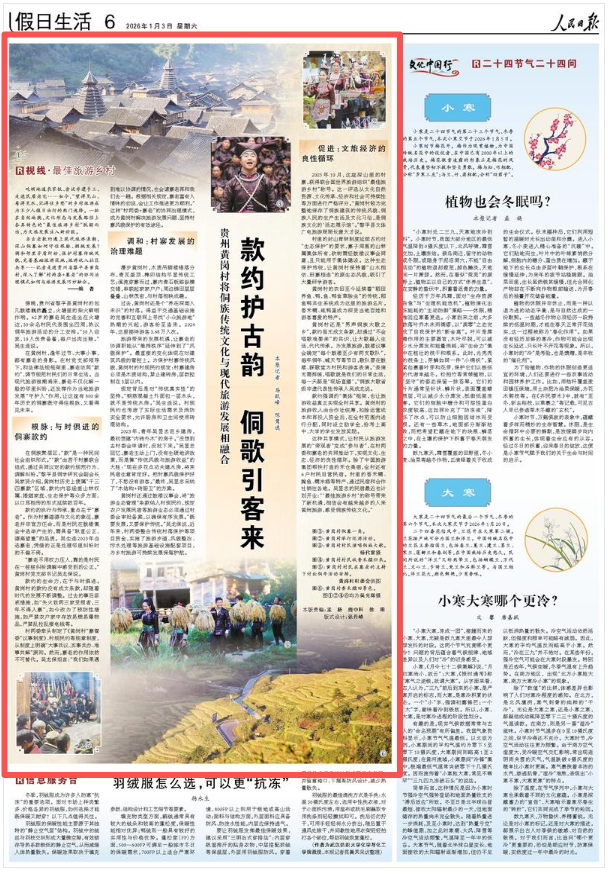
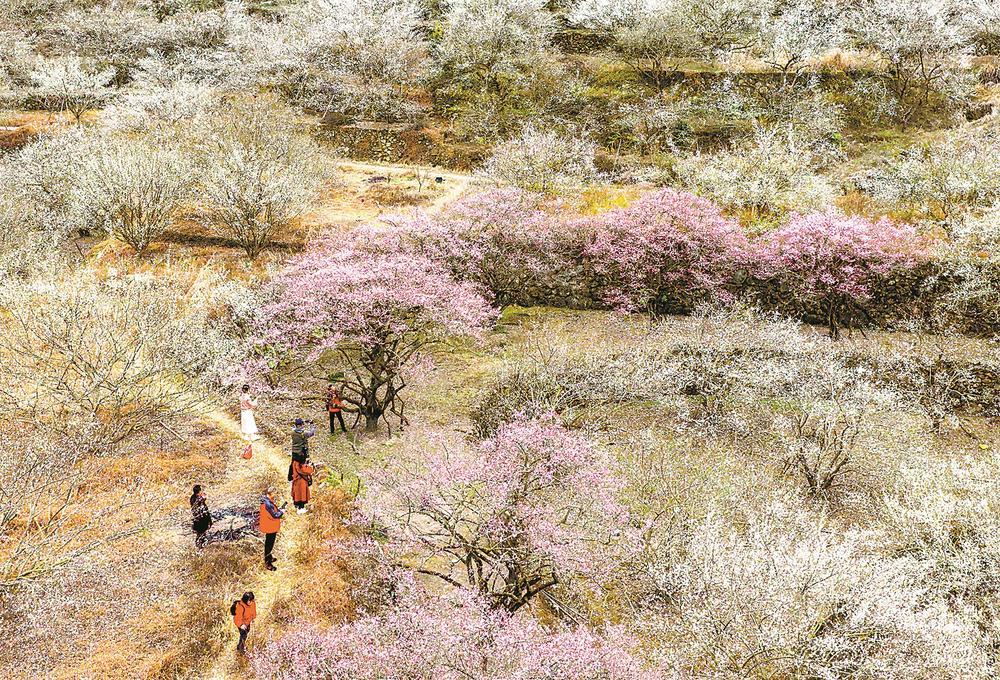
青梅绽放引客来
Xin Lang Cai Jing· 2026-01-02 23:42
Core Viewpoint - The article highlights the blooming of over 2,000 acres of green plums in Wanshi Village, Geling Town, Yongtai County, attracting numerous tourists during the peak plum blossom season from December to February [2] Group 1: Industry Overview - Yongtai County is renowned for its over 60,000 acres of green plums, earning the title of "Hometown of Chinese Green Plums" [2] - The peak season for plum blossom viewing significantly enhances the local tourism and economy, as the blooming attracts a large number of visitors [2] Group 2: Tourism Impact - The picturesque scenery of the plum blossoms has led to an influx of tourists, contributing to the vibrancy of the tranquil mountain village [2] - The annual plum blossom season, characterized by thousands of blooming trees, serves as a major attraction for both local and visiting tourists [2]
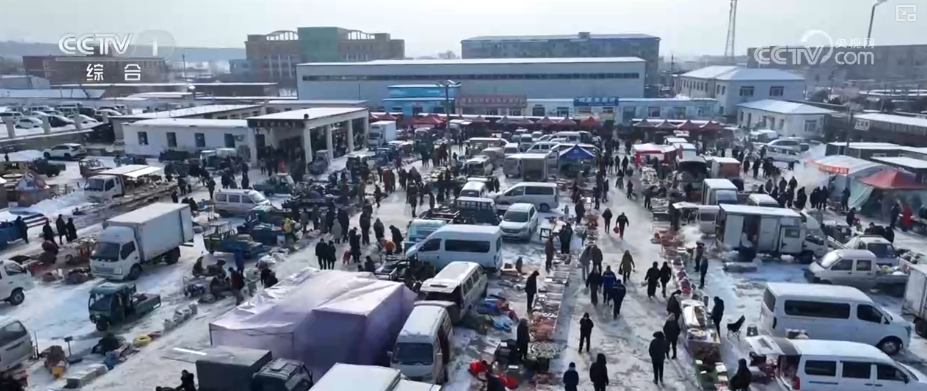
百年大集“热”出新活力 感受乡村活力、回忆童年时光成为过节新时尚
Yang Shi Wang· 2025-12-29 01:56
Group 1 - The upcoming New Year holiday is driving increased activity in traditional markets across the country, with rural gatherings becoming a new trend for celebrating the festival [1] - The "Hundred-Year Market" in Shenyang is attracting many visitors despite freezing temperatures, showcasing unique ice products such as frozen persimmons, pears, tofu, fish, and pork trotters [7][10] - In Hebei's Nanzuo Market, over 1,800 stalls offer a wide variety of fresh produce, meats, traditional sweets, and handmade crafts, making it a popular destination for locals [15][18] Group 2 - Local authorities are enhancing market management and infrastructure, including new public transport routes to improve access to the Nanzuo Market, contributing to its growing popularity and business success for local vendors [20]
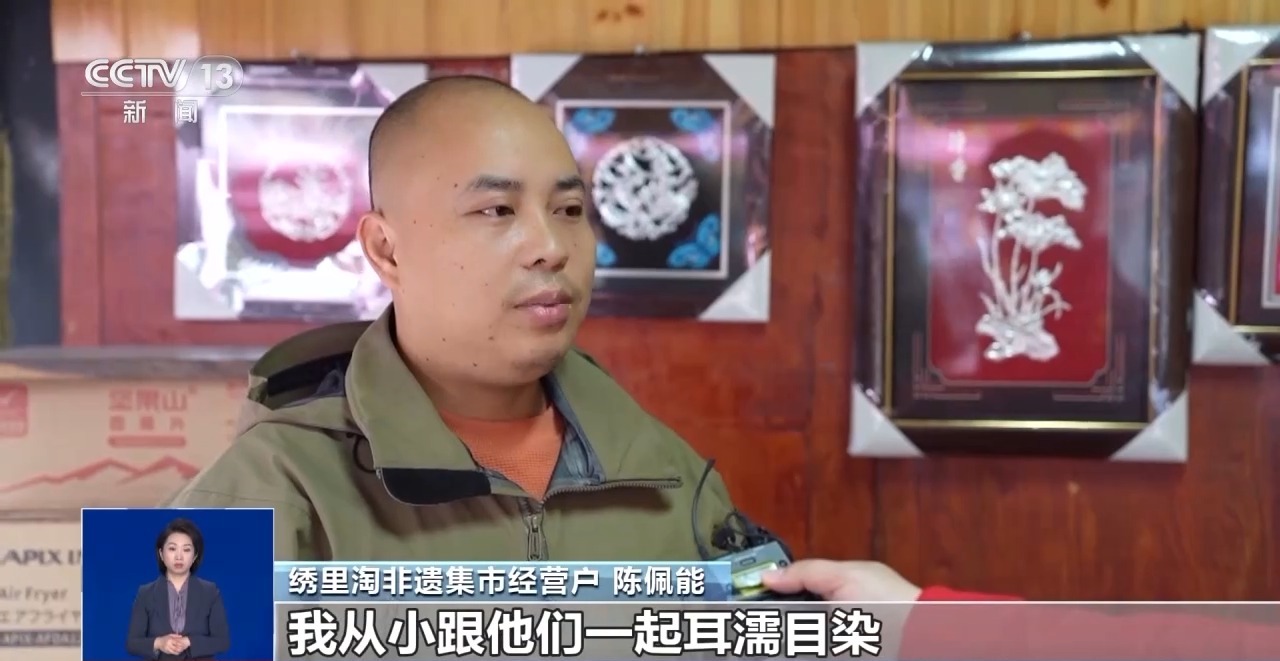
逛非遗大集、采新鲜水果 元旦消费市场“热”力十足
Yang Shi Xin Wen Ke Hu Duan· 2025-12-26 07:30
Group 1: "Xiu Li Tao" Intangible Cultural Heritage Market - The "Xiu Li Tao" market in Kaili City, Guizhou, showcases a variety of intangible cultural heritage products, attracting both local artisans and tourists as the New Year approaches [1] - The market features over 700 vendors and has become a popular destination for tourists, shifting from primarily local minority customers to a broader audience [9] - Since its opening, the market has received over 1.2 million visitors and generated a total tourism revenue of 460 million yuan [13] Group 2: Artisan Experiences and Products - Vendors at the market report significant sales, with some achieving monthly revenues of around 100,000 yuan [3] - Visitors can not only purchase handmade items but also engage in creating their own intangible cultural heritage products, enhancing their experience [8] - The market includes a variety of products, such as silver jewelry and batik, which are well-received by customers [5]
依托好风景 吃好“旅游饭”
Xin Lang Cai Jing· 2025-12-23 19:08
Core Insights - The article highlights the transformation of a community that previously relied on agriculture for income, leveraging its location and natural beauty to develop a tourism-based economy [2][3] Group 1: Community Development - The community initiated a shift from traditional farming to tourism by converting idle houses into guesthouses, addressing the increasing demand for accommodation from tourists visiting nearby attractions [3] - A cooperative model was established, involving the local party branch, which allowed community members to invest their idle properties, thus sharing risks and profits [3] Group 2: Economic Impact - The first phase of the initiative saw 15 community members invest over 2.6 million yuan (approximately 0.4 million USD) to renovate 10 guesthouses, generating over 200,000 yuan (approximately 30,000 USD) in revenue in the first year [3] - The community now boasts 30 unique dining and lodging establishments, with one recognized as a three-star rural guesthouse, significantly increasing local employment and income levels [3] Group 3: Income Growth - Formerly, community members earned around 50,000 yuan (approximately 7,500 USD) annually from grape farming; now, with the additional income from guesthouse dividends and specialty farming, they can earn over 100,000 yuan (approximately 15,000 USD) per year [3] - More than 50 individuals have found employment locally, with an average annual income increase of 40,000 yuan (approximately 6,000 USD) [3] Group 4: Recognition and Future Plans - The community has been recognized as a "provincial key rural tourism village," indicating its successful transition and potential for further development in the tourism sector [3]
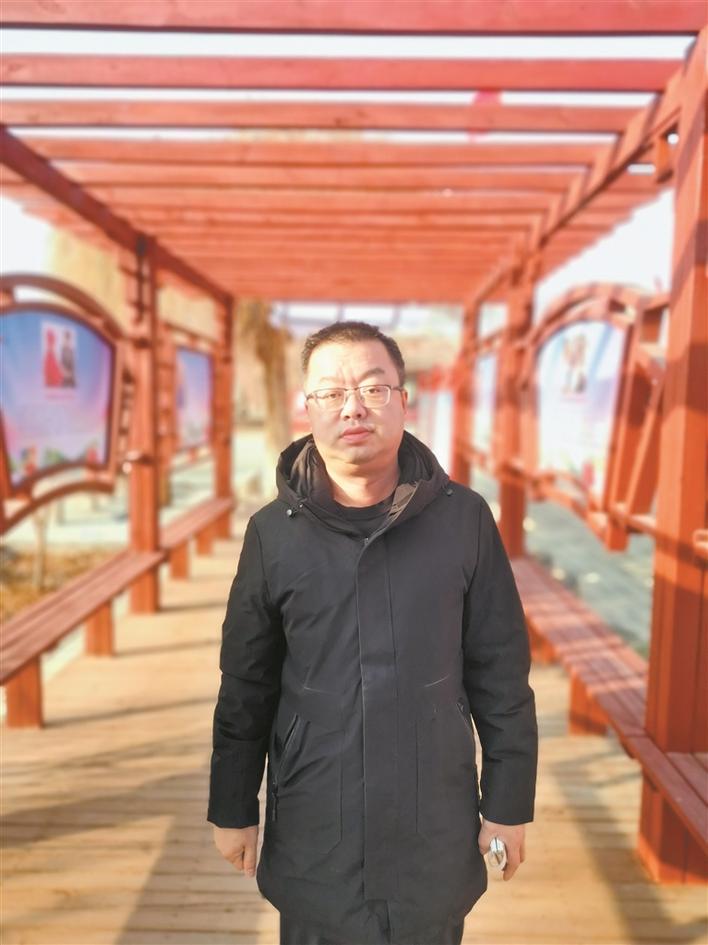
河清岸美 心情舒畅
Xin Lang Cai Jing· 2025-12-23 19:08
Core Insights - The establishment of the "Impression Sanping Cycling Team" has grown from 6 to 40 members over 17 years, highlighting community engagement and the positive impact of environmental improvements [2][3] - The comprehensive governance project initiated in 2019 along the Tohun River has transformed the area from a polluted environment to a lush, green space, enhancing local tourism and recreational activities [2] - The improvement in ecological conditions has led to a rise in rural tourism, with urban visitors coming to experience the changes in the countryside, showcasing the success of rural revitalization efforts [2][3] Environmental and Community Impact - The Tohun River governance project not only focused on pollution control but also included extensive tree planting and landscaping, contributing to a healthier ecosystem [2] - The cycling team serves as a platform for promoting physical health and community bonding, encouraging retirees to engage in outdoor activities rather than remaining sedentary [3] - The narrative of local changes and the pride in community achievements are shared among team members and visitors, fostering a sense of belonging and collective identity [3]
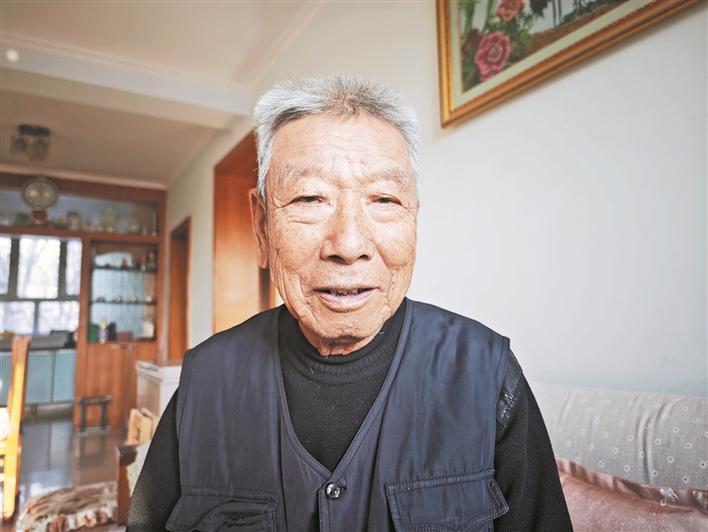
甘肃189条冬春季乡村旅游线路发布
Xin Lang Cai Jing· 2025-12-23 13:55
Core Insights - The event "Snow Signals a Prosperous Year: Gathering in Longyuan" was launched in Jinchang City, promoting 189 rural tourism routes for the winter and spring of 2025 [1][3] - Gansu Province showcases unique rural tourism charm through its stunning natural scenery, rich cultural heritage, and diverse ethnic customs [3] Group 1: Tourism Development - The provincial cultural and tourism department has been advancing rural tourism product innovation, infrastructure enhancement, and brand creation [3] - A total of 30 rural tourism demonstration counties, 300 model villages for cultural tourism revitalization, and 50 key rural tourism villages and towns have been established in Gansu [5] Group 2: Tourism Metrics - During the 14th Five-Year Plan period, Gansu received 749 million rural tourists, with total spending reaching 237.608 billion yuan, representing 1.8 times and 2.5 times the figures from the 13th Five-Year Plan period, respectively [5]
探秘地平线下的古老村落
Xin Lang Cai Jing· 2025-12-22 20:23
Core Viewpoint - The article highlights the ongoing restoration and development of the underground courtyard (地坑院) in the Shanxian District of Sanmenxia City, which has become a unique rural tourism attraction, drawing numerous visitors to experience local culture and cuisine [1]. Group 1: Tourism Development - Sanmenxia City has been actively restoring the underground courtyard, enhancing its core tourist area with attractions such as a folk park, a snack street called "Baiwei Alley," and an ancient street known as "Baiyi Garden" [1]. - The underground courtyard, also known as "Dikengyuan," is a unique dwelling form in the western Henan region, characterized by its excavation technique, and is recognized as a living fossil of human cave-dwelling civilization [1]. Group 2: Cultural Heritage - The underground courtyard has a history of over 4,000 years and was included in the third batch of national intangible cultural heritage in 2011 for its construction techniques [1].
北京昌平:草莓季赋能冬日乡村旅游新活力
Zhong Guo Qing Nian Bao· 2025-12-22 11:25
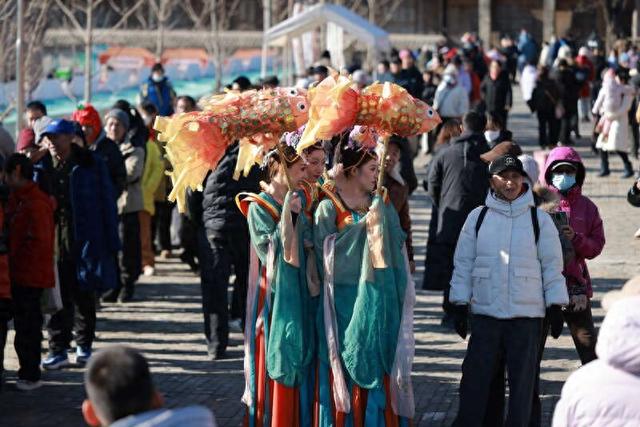
Core Insights - The "Xingshou Rural Tourism Promotion Conference and the Second Xixincheng Strawberry Festival" held in Changping District, Beijing, aims to boost winter consumption through a combination of agricultural enjoyment and folk performances [1][3] Group 1: Event Overview - The event took place on December 20-21, showcasing organic strawberries from local farmers, with popular varieties like Hongyan and Zhangji attracting significant attention due to their sweet taste [1] - The festival featured folk performances and interactive experiences, including traditional dances and games, which drew large crowds of visitors [1][3] Group 2: Tourism and Economic Impact - The event is part of a broader initiative to promote rural tourism, linking cultural heritage with agricultural activities, and includes a winter tourism route that connects strawberry picking, skiing at Jingzhihu Lake, and homestay experiences [3] - The upcoming auction on December 26 for strawberry rights aims to enhance the market presence of Changping strawberries, focusing on high-end market access and establishing a "quality for price" benchmark [5] Group 3: Auction Details - The auction will feature rights to high-quality strawberries from multiple greenhouses, with starting bids set at 30,000 yuan per greenhouse, including various value-added services such as technical guidance and remote monitoring [5]
观黄河流凌 看“天下黄河第一村”画匠营子村的华丽“蝶变”
Xin Hua She· 2025-12-20 13:48
在这里游客们可以参观民俗博物馆,品尝当地美食,还能在河边的咖啡馆里消磨时光。有着"天下黄河 第一村"之称的画匠营子村已经成为了集多种体验于一体的绝佳去处。 作者:王雪冰 赵泽辉 黄嘉亮 近日,黄河流凌壮美景观在内蒙古自治区包头市上演,吸引大量游客游览。2023年,当地政府依托画匠 营子村现有景观,将周边旅游资源有机串联,让古老乡村焕发新活力。 新华社音视频部制作 ...