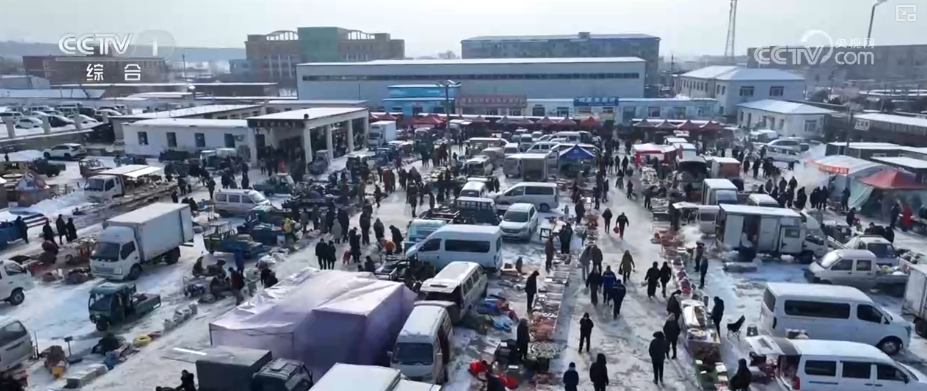
冻豆腐

Search documents
过大年啦!
Xin Lang Cai Jing· 2026-02-13 17:28
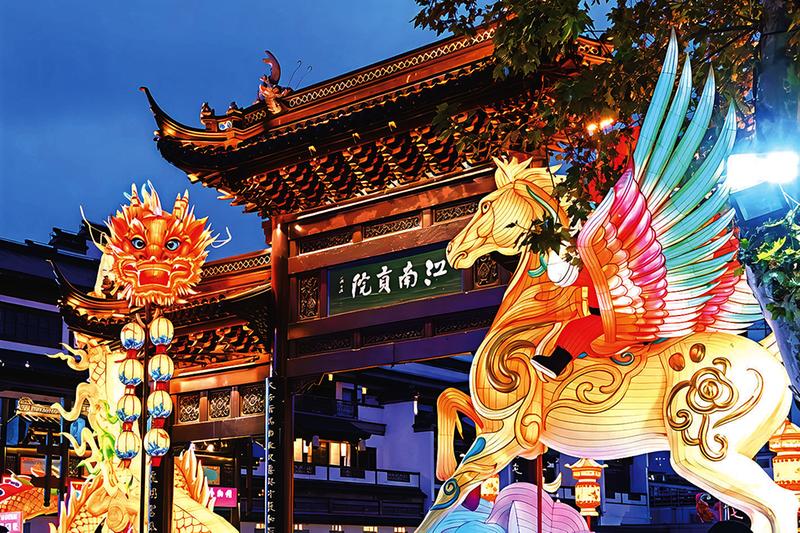
Group 1 - The article highlights the vibrant atmosphere of traditional New Year markets, showcasing various local delicacies and cultural experiences [3][4][10] - It mentions specific markets such as the 300-year-old Bolin Market in Qingdao and the Hongqi Market in Yingkou, emphasizing their unique offerings like roasted chicken, lamb soup, and frozen fruits [3][4] - The article also notes the cultural performances at these markets, including traditional dances and shadow plays, enhancing the festive spirit [4][5][6] Group 2 - The upcoming Spring Festival Gala is discussed, featuring a farmer's choir and performances by children from various ethnic backgrounds [4][5][8] - The gala will have four sub-venues located in different cities, including Harbin, Yiwu, Hefei, and Yibin, broadening its reach [7][8] - The article highlights the excitement surrounding local village celebrations, which are equally engaging and culturally rich [8][9] Group 3 - Lantern festivals are mentioned, with specific events like the Qinhuai Lantern Festival showcasing intricate designs and cultural themes [10][11] - The Sichuan Zigong Lantern Festival features lanterns inspired by children's drawings, promoting creativity [12] - The Beijing World Garden Lantern Festival brings classic stories to life, enhancing the visual experience for attendees [13][14]

昔日贫困村,已成铭记脱贫攻坚历程的重要地标
Xin Jing Bao· 2026-02-04 03:12
Core Insights - The article highlights the significant transformation of the formerly impoverished villages of Luotuowan and Gujiatai in Hebei Province, showcasing their successful transition to thriving communities with increased income and entrepreneurial activities [1][2][3]. Economic Development - Luotuowan Village's per capita disposable income rose from approximately 950 yuan at the end of 2012 to over 28,434 yuan by the end of 2025, indicating a substantial increase in economic well-being [3]. - Gujiatai Village experienced a similar rise in per capita disposable income, increasing from 980 yuan in 2012 to 29,000 yuan by 2025 [4]. Tourism and Entrepreneurship - The villages have developed a robust tourism sector, with Luotuowan Village being recognized as a candidate for the "World Best Tourism Village" by the Ministry of Culture and Tourism by November 2025 [2]. - Luotuowan Village has established 137 guesthouses and over 20 business types, creating job opportunities for 956 individuals, with an average income increase of 7,000 yuan per household [3]. Youth Engagement - The return of young people to these villages for entrepreneurship has been notable, with over 70 young individuals returning in 2023 to engage in tourism, hospitality, and agricultural product live-streaming [5][6]. - Young entrepreneurs like Tang Hu and Bai Long have successfully established businesses in the villages, contributing to the local economy and enhancing community life [5]. Agricultural Development - The villages are also focusing on developing specialty industries such as edible fungi and highland fruits, further diversifying their economic base [3]. - Agricultural products from the region, including apples and black peanuts, have gained popularity through live-streaming sales, indicating a modern approach to marketing local goods [6]. Infrastructure Improvement - The upcoming opening of the Xiong'an to Xinzhou high-speed railway in 2027 is expected to further boost the development of Luotuowan and Gujiatai Villages, enhancing accessibility to nearby tourist attractions [6].
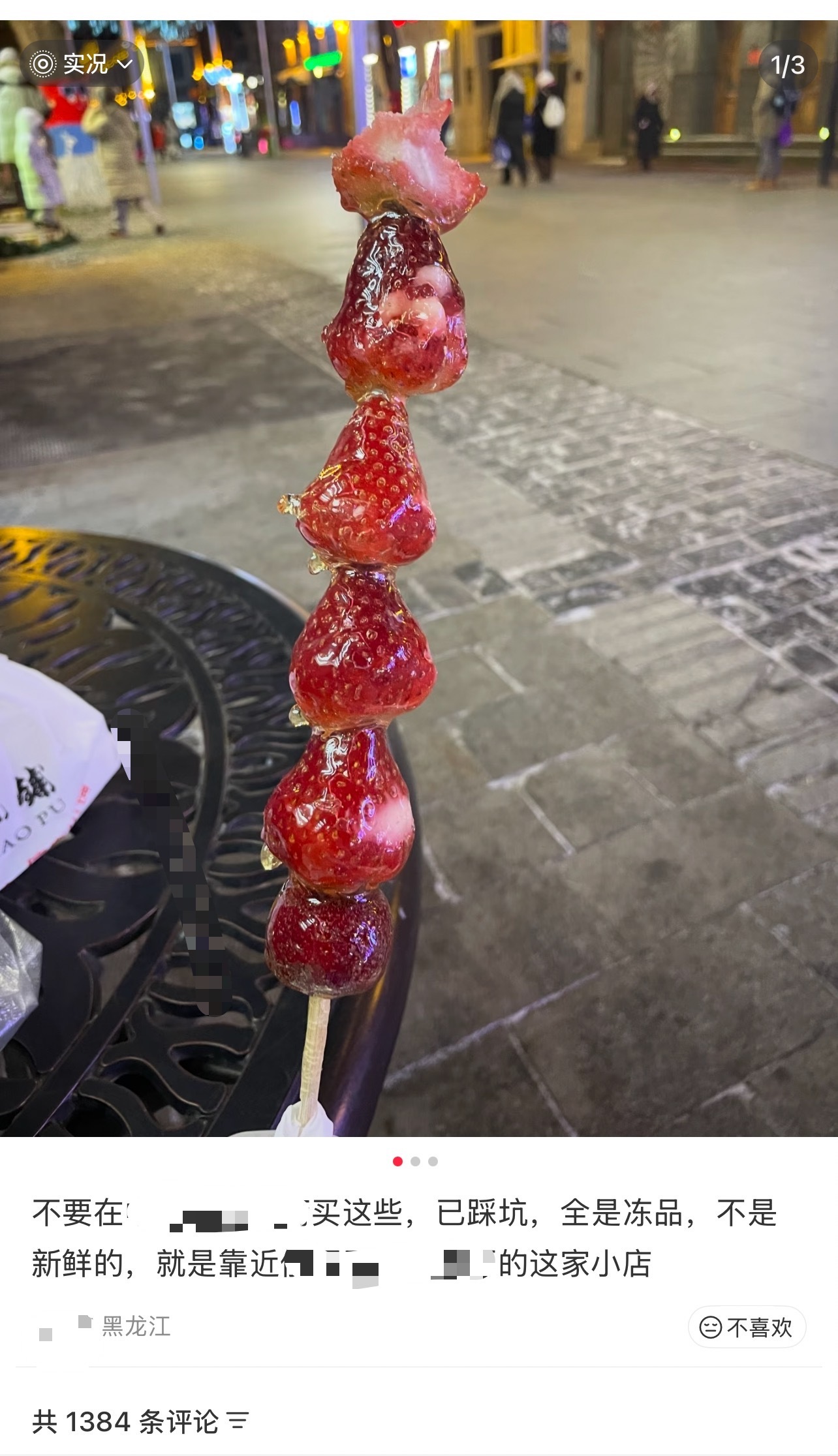
“冰”糖葫芦、“冰糖”葫芦?网友热议东北“冻货”正宗吃法
Xin Lang Cai Jing· 2026-01-30 23:52
Core Viewpoint - The article discusses the unique food culture in Northeast China, particularly focusing on the winter delicacies like "frozen" snacks, which have sparked interesting discussions among netizens about regional differences in food perception and preparation [1][9]. Group 1: Northeast Food Culture - Many southern netizens shared their experiences of buying "sugar-coated hawthorn" and "frozen pears" in Harbin, expressing disappointment over their freshness, leading to a humorous discussion about regional food differences [1][6]. - In Northeast China, "frozen" sugar-coated hawthorn is considered a common snack, utilizing the natural freezing effect of the cold climate to create a unique texture that resembles ice sand [9][11]. - The traditional sugar-coated hawthorn, known as "tanghulu," varies in name and preparation across different regions, with the Northeast's version being particularly notable for its icy texture [12][14]. Group 2: Frozen Fruits and Snacks - The article highlights the "frozen fruit trio" commonly enjoyed in Northeast winters, which includes frozen pears, frozen persimmons, and frozen hawthorn fruits, enhancing sweetness and extending shelf life [18][20]. - Frozen fruits are not eaten directly; they require a thawing process, referred to as "huān" in Northeast dialect, which results in a crispy ice shell that enhances the eating experience [20]. - The article describes how frozen pears serve as a traditional New Year delicacy, providing a refreshing taste after heavy meals, and emphasizes the unique preparation methods for other frozen fruits like persimmons and hawthorn [20][21]. Group 3: Variety of Frozen Products - Besides frozen fruits, the Northeast region offers a wide array of frozen products, including frozen vegetables, dried goods, tofu, chicken, and fish, which are popular among locals and tourists alike [24][21]. - The availability of these diverse frozen goods reflects the region's adaptation to its cold climate, making it a significant aspect of local culinary culture [24][21].
“万物皆可冻”的冰冻美食
Xin Lang Cai Jing· 2026-01-23 20:58
Group 1 - The article highlights the unique cultural and culinary practices of Heilongjiang, emphasizing its vibrant winter activities and local food traditions [4][5][6] - Heilongjiang is known for its diverse frozen foods, including frozen pears, frozen persimmons, and various innovative frozen snacks like candied hawthorn made from fresh fruits [4][5] - The region's culinary scene features distinctive dishes made from frozen ingredients, such as "pulled sugar ice cream" and "fried ice icicles," showcasing a blend of nostalgia and modern culinary creativity [5][6] Group 2 - The article describes the traditional consumption of frozen fish and meat, highlighting unique preparation methods that enhance the flavors and textures of these dishes [6][7] - It notes the historical context of frozen foods in Heilongjiang, where freezing was a necessity during difficult times, leading to a cultural appreciation for these foods [6][7] - The article also mentions the popularity of cold dishes, such as cold noodles and frozen pickled vegetables, which are enjoyed even in harsh winter conditions, contributing to the region's culinary identity [7]
市公共资源交易中心开展驻村消费帮扶工作
Sou Hu Cai Jing· 2026-01-07 10:54
Core Viewpoint - The article emphasizes the importance of integrating poverty alleviation efforts with rural revitalization through targeted consumption assistance initiatives, aiming to transform local specialty products into income sources for villagers [1][3]. Group 1: Consumption Assistance Initiatives - The village work team focuses on addressing the sales challenges of agricultural products by visiting farmers to understand the inventory and quality of local specialties such as frozen tofu, handmade pancakes, and wild hazelnuts [3]. - A total value of over 20,000 yuan worth of various agricultural products was purchased from villagers during the consumption assistance action, directly increasing farmers' income and encouraging them to develop specialty farming [3]. Group 2: Community Engagement and Support - The work team, alongside village leaders, actively participated in the packaging and distribution of agricultural products, demonstrating a strong commitment to community support and engagement [3]. - The purchased products were used for the New Year's gifts for the members of the municipal public resources trading center's union, highlighting the dual benefit of supporting local farmers while providing quality goods to employees [3]. Group 3: Future Plans and Commitment - The municipal public resources trading center's work team plans to continue its support for the industrial development of Changying Village, aiming for a sustainable and long-term approach to consumption assistance and rural revitalization [4].

(寻味中华|节令)小寒启年味 食俗聚温情
Zhong Guo Xin Wen Wang· 2026-01-05 03:16
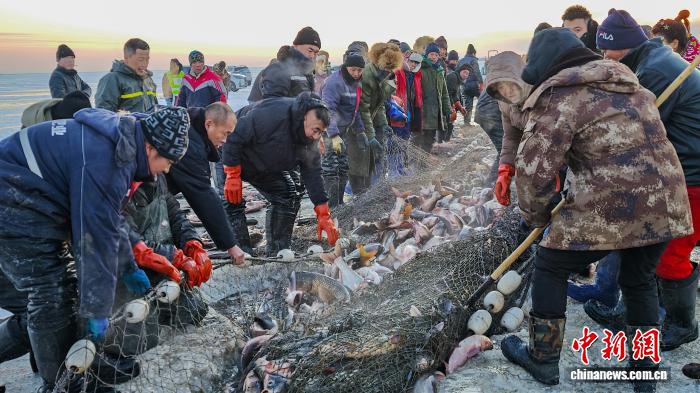
Group 1 - The article highlights the significance of the "Minor Cold" (小寒) solar term in Chinese culture, marking the onset of the coldest period in winter and the approach of the Lunar New Year [1][5] - Various regional food customs are emphasized, with northern China focusing on warming dishes like lamb hot pot and southern China featuring glutinous rice dishes, showcasing the diversity of culinary traditions during this season [1][5] - The tradition of "killing the New Year pig" in northeastern China is described as a central event during Minor Cold, where families prepare a feast to celebrate and share with relatives and neighbors [1][2] Group 2 - The article mentions the winter fishing season in regions like Songhua Lake and Chagan Lake, where fishermen engage in ice fishing, highlighting the cultural and economic importance of this activity [2][3] - The quality of fish caught during Minor Cold is noted, with specific local varieties being favored for their tender meat, indicating a connection between seasonal changes and food quality [3] - The practice of making and storing frozen fruits and vegetables during this period is described as a traditional method of preserving food, reflecting the resourcefulness of northeastern Chinese cuisine [3][5]
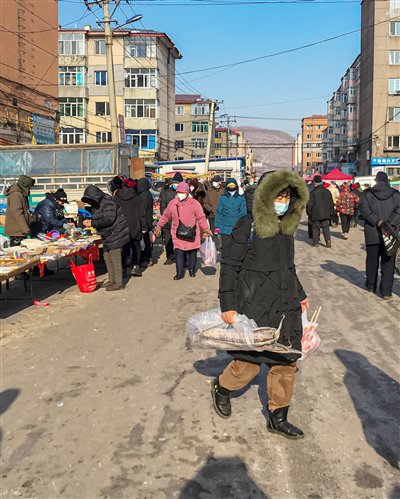
百年大集“热”出新活力 感受乡村活力、回忆童年时光成为过节新时尚
Yang Shi Wang· 2025-12-29 01:56
Group 1 - The upcoming New Year holiday is driving increased activity in traditional markets across the country, with rural gatherings becoming a new trend for celebrating the festival [1] - The "Hundred-Year Market" in Shenyang is attracting many visitors despite freezing temperatures, showcasing unique ice products such as frozen persimmons, pears, tofu, fish, and pork trotters [7][10] - In Hebei's Nanzuo Market, over 1,800 stalls offer a wide variety of fresh produce, meats, traditional sweets, and handmade crafts, making it a popular destination for locals [15][18] Group 2 - Local authorities are enhancing market management and infrastructure, including new public transport routes to improve access to the Nanzuo Market, contributing to its growing popularity and business success for local vendors [20]