人民币结算

Search documents
铁矿石风波让澳洲人慌神了!澳媒喊话,事情变了,美元地位有待观察
Sou Hu Cai Jing· 2025-10-06 19:27
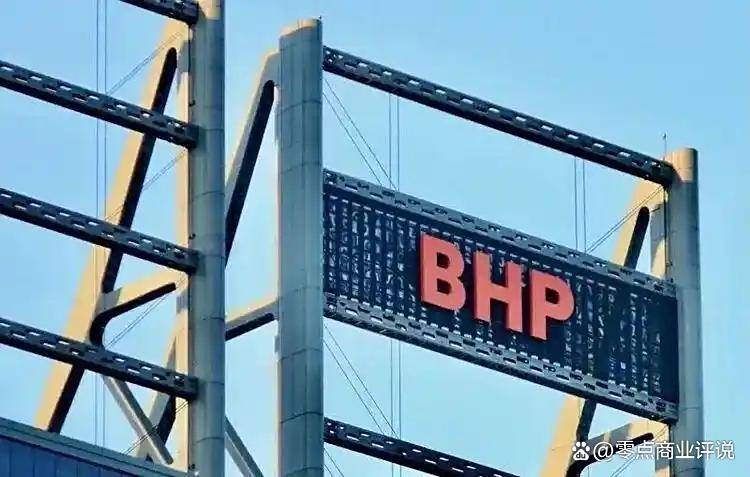
Core Viewpoint - China's recent ban on Australian iron ore trade, valued at 116 billion AUD, has significantly impacted the Australian economy, highlighting the importance of iron ore trade between the two countries and indicating a strategic shift in China's procurement approach [1][3]. Group 1: Trade Dynamics - The Chinese government has mandated a halt on all iron ore purchases priced in USD from BHP, a major Australian mining company, which has led to a sharp decline in BHP's stock price by approximately 3.4%, resulting in a market capitalization loss of over 12 billion AUD [3]. - Iron ore exports account for about 5% of Australia's GDP, with 85% of its iron ore exports directed towards China, emphasizing the critical nature of this trade relationship [3]. Group 2: Pricing and Negotiation - BHP's insistence on continuing USD settlements and a 15% price increase contrasts sharply with China's demand for RMB settlements and pricing based on current market rates, leading to a stalemate in negotiations [3]. - The recent trade negotiations ended without agreement, reflecting the significant divergence in positions between the two parties [3]. Group 3: Supply Chain Alternatives - China's diversification of iron ore supply sources has been successful, with over 65% of imports now coming from various countries, including a long-term agreement with Brazil's Vale for 50 million tons annually [7]. - The completion of a 650 km railway from the Mangdu iron mine to Matakong port in Africa by China Railway Construction is expected to enhance China's alternative supply options by November 2025 [5]. Group 4: Market Trends - The global iron ore market is undergoing a transformation, with a projected price decline of nearly 20% from 2024 to 2025, and BHP's annual profits hitting a five-year low, prompting cuts in exploration spending [9]. - The shift in steel demand from construction to manufacturing has altered the quality requirements for iron ore, putting lower-grade Australian ores at risk of being phased out in favor of higher-grade alternatives like the Simandou project in Guinea [9]. Group 5: Strategic Implications - The establishment of China Mineral Resources Group has transformed the negotiation landscape, consolidating procurement needs from over 600 steel companies into a unified purchasing strategy, thereby enhancing China's bargaining power [6]. - Australia's reliance on the USD settlement system is under pressure, as accepting China's terms could disrupt long-standing practices, while refusal may result in a permanent loss of market share in China [12].



澳矿企为何敢逆势抬价?这场中澳铁矿石博弈谁在冒险?
Sou Hu Cai Jing· 2025-10-06 09:41
Core Viewpoint - Australian mining companies, including BHP, are maintaining a long-term contract price of $109.5 per ton for iron ore until 2025, while refusing to accept payments in RMB despite falling spot prices [1][4]. Group 1: Pricing Dynamics - Domestic steel companies require iron ore prices to drop below $100 to use RMB for transactions, which would result in an additional annual cost of over $20 billion for these companies if prices remain high [3]. - Steel companies are currently at a breakeven point with iron ore prices around $80, and most are profitable when prices fall to $70, indicating that prices above $100 significantly squeeze their margins [3]. Group 2: Market Response - China Mineral Resources Group plans to halt purchases of BHP's dollar-denominated iron ore by September 2025, shifting to other Australian suppliers that accept RMB payments [3]. - Brazil has also begun accepting RMB for transactions with China, indicating a shift in trade dynamics that could pressure Australian miners to either lower prices or accept RMB payments to maintain market access [3]. Group 3: Strategic Implications - The strong interdependence in iron ore trade between China and Australia suggests that Australian companies risk losing market share and facing economic downturns if they do not address pricing and payment method disputes with China [3][4]. - The current rigid stance of Australian mining companies may lead to a loss of business opportunities in the large Chinese market, emphasizing the need for mutual respect and adaptation to new trading rules for long-term cooperation [4].
290亿吨俄罗斯铁矿入局,昔日澳大利亚铁矿“铁王座”正在熔化
Sou Hu Cai Jing· 2025-10-06 05:15
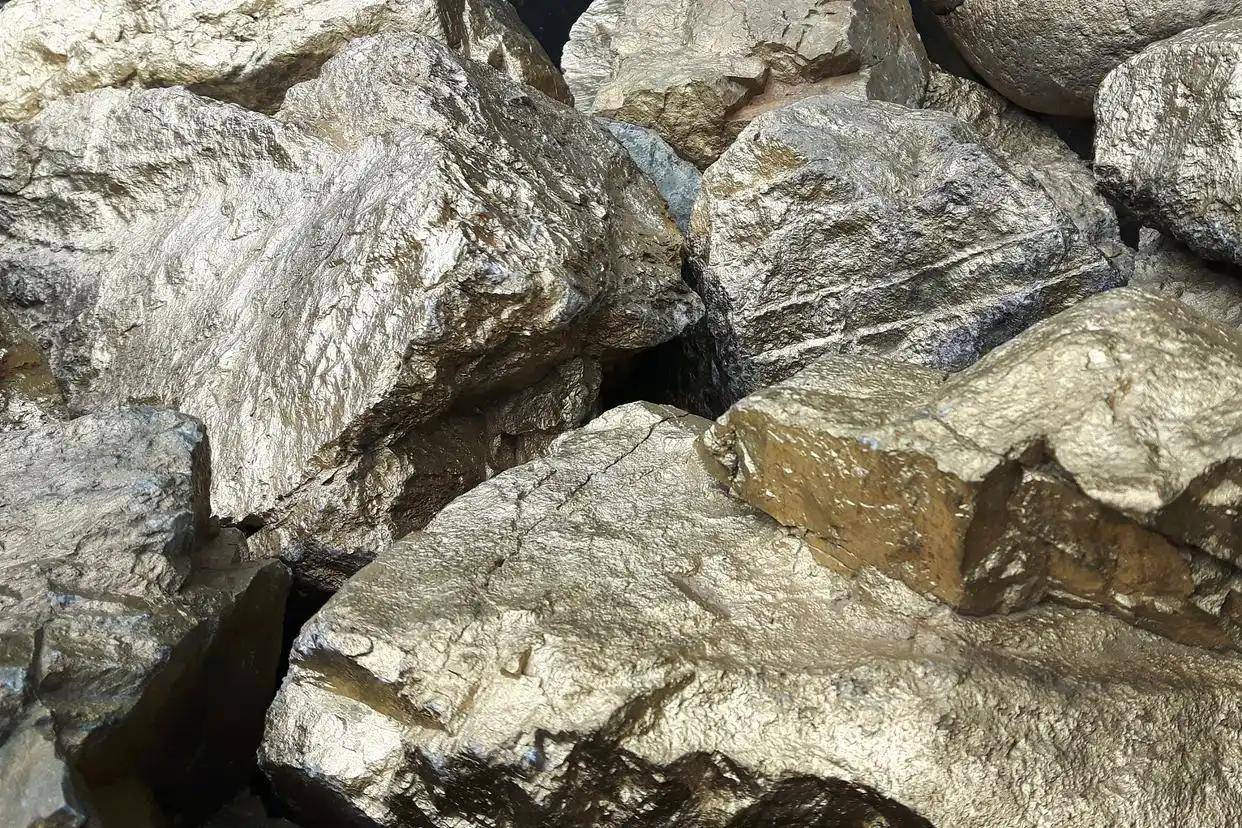
这对澳洲矿商来说,的确是个不小的打击,但问题远不止这些。中国不仅在购买矿石,还开始在基础设施建设方面进行合作。例如,俄罗斯的铁路、巴西的 港口都在建设中,未来这些资源的运输将变得像开车上高速一样顺畅。有人形容,以前的运输是小土路,现在直接铺上了宽阔的高速路。 如果这种趋势持续下去,预计会有更多的国家开始使用人民币结算资源交易。如果真成了常态,美元在大宗商品市场中的主导地位将受到威胁。澳洲政府虽 然天天强调价值观的重要性,但矿商们却不得不依赖中国的订单来维持生计。最终,资源安全和交易的便利性才是决定因素,实际利益无疑会占上风。 对于澳洲矿商来说,这绝对是坏消息。铁矿石的价格已经下跌了18%,原本是一年签一次的合同,现在变成了三年签一次,定价权也逐渐流失。尽管澳洲矿 商仍然占据了中国铁矿石进口市场的六成份额,但市场的风向已经发生变化。最近,一位澳洲矿企的总裁来中国谈合作时,中国钢厂的人竟然直接问:"能 不能用人民币结算?"这一问题让在场的所有人都愣住了。 变化已经悄然发生。如今,中国钢厂不仅从澳洲采购矿石保障供应量,从巴西采购矿石确保质量,还从俄罗斯采购矿石压低价格。如果矿商不配合,钢厂就 换一家。大连商品交易所 ...

中国开始全面反击:暂停澳铁矿石进口!大豆与铁矿关键被中国抓住了
Sou Hu Cai Jing· 2025-10-06 02:51
Core Viewpoint - China has suspended imports of iron ore from BHP, aiming to regain pricing power and reduce reliance on the US dollar, which has caused panic in Australia [1][5][10]. Group 1: China's Iron Ore Import Strategy - In 2024, China imported approximately 1.237 billion tons of iron ore, with 720 million tons from Australia, accounting for about 58.2% of total imports [3]. - China has historically been the largest iron ore importer, yet it has not secured favorable pricing due to the oligopolistic control of major suppliers like BHP, Vale, and Rio Tinto [5][8]. - The recent negotiations between China and BHP have failed, with China rejecting BHP's annual pricing model in favor of quarterly adjustments based on current market prices [5][6]. Group 2: Historical Context of Pricing Power - China has faced significant challenges in negotiating iron ore prices, often being forced to accept high prices due to the dominance of major mining companies [8][9]. - Past negotiations have seen China accept price increases of 80% to 96% during critical periods, highlighting the power imbalance in the market [8][9]. - The historical context of China's struggles in securing better pricing has led to a strategic shift towards gaining more control over iron ore pricing [9][10]. Group 3: Strategic Moves by China - China is investing in domestic mining projects, such as the Simandou iron ore project in Guinea, to increase its own supply and reduce dependence on foreign imports [9][10]. - The establishment of the China Mineral Resources Group aims to consolidate purchasing power among domestic steel producers, enhancing negotiation leverage against suppliers [9][10]. - The introduction of a domestic iron ore price index and the push for transactions in RMB are part of China's strategy to create a more favorable pricing environment [10][12]. Group 4: Implications for Global Trade - The suspension of imports from BHP signals a potential shift in global iron ore trade dynamics, as China seeks to assert its influence over pricing mechanisms [1][10]. - The situation mirrors past trade conflicts, such as the soybean trade war with the US, indicating a broader strategy by China to protect its economic interests [1][10][23]. - Australia's response, including calls for China to resume imports, reflects the immediate economic impact of China's decision on its trading partners [1][5].
澳铁矿棋局生变!中方阳谋直刺美元软肋,全球货币博弈骤然加剧
Sou Hu Cai Jing· 2025-10-06 01:09
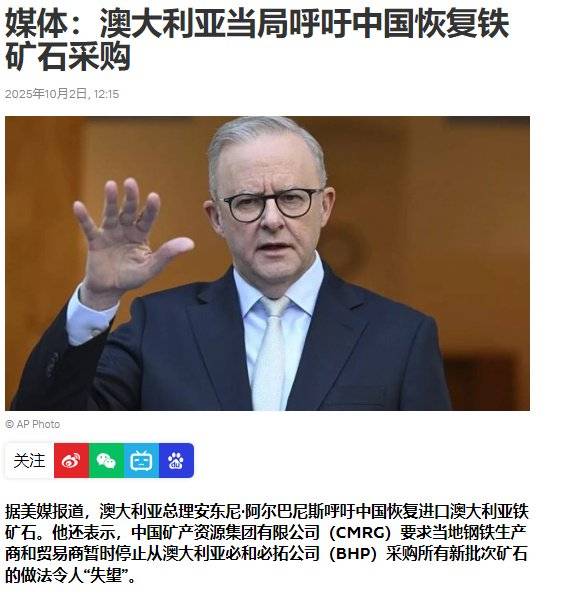
Core Viewpoint - The article discusses China's strategic maneuvering in the iron ore market, particularly its efforts to challenge the dominance of the US dollar in global trade by proposing alternative settlement methods for iron ore transactions with Australia [1][2]. Group 1: Strategic Moves - China has suggested to domestic buyers to pause purchasing iron ore from BHP Billiton in US dollars, targeting the company's dollar-based trading system [1]. - This move is seen as a strategic shift to divert attention from the heavily defended oil market to the relatively less scrutinized iron ore sector, creating a tactical advantage for China [2]. - The strategy reflects China's broader goal of reducing reliance on the US dollar and establishing a more diversified currency settlement system in international trade [6]. Group 2: Resource Control - China has prepared for potential disruptions in iron ore supply by securing significant stakes in iron ore projects in Africa and South America, such as the Simandou project in Guinea, which holds over 10 billion tons of high-quality iron ore [3]. - The collaboration with Brazil's Vale further strengthens China's position in the global iron ore market, allowing it to negotiate better terms with Australian suppliers [3]. Group 3: Economic Implications - China offers two options to Australia: continue using the US dollar for transactions or switch to renminbi, which could enhance profits by avoiding dollar conversion fees [5]. - This approach tests the resilience of the US-led alliance system, particularly as Australia is a key ally in the Asia-Pacific region [5][8]. - If Australia opts for renminbi settlements, it could set a precedent that influences other US allies, potentially destabilizing the existing dollar-centric trade framework [5][8]. Group 4: Global Trade Dynamics - The article emphasizes that the current international monetary system is undergoing significant transformation, with China's push for renminbi settlements aiming to create a dual-currency supply-demand cycle [6]. - This shift could gradually reduce the dominance of the US dollar in global trade, as more countries engage in direct trade with China using renminbi [6]. - The strategic positioning of Australia in this context is critical, as any shift in its trade practices could have far-reaching implications for the US's network of allies [8][9].

对澳大利亚铁矿石说不!路透社:中国终于等到这一刻,布局已久!
Sou Hu Cai Jing· 2025-10-05 19:50
Core Insights - China's strategic shift in iron ore procurement is a calculated move to gain pricing power in the global market, particularly against Australian suppliers [1] - The long-standing trade imbalance has led to significant economic losses for China, prompting a reevaluation of its iron ore supply strategy [4] - The emergence of new supply sources and technological innovations is reshaping the iron ore market dynamics, reducing reliance on Australian high-grade ore [11][14] Trade Dynamics - China has instructed some companies to halt iron ore purchases from BHP, indicating a strategic maneuver in the pricing power struggle [1] - China's steel industry consumes 70% of the world's iron ore, yet it has historically lacked control over pricing mechanisms [1] - The average cost of iron ore extraction in Australia is only $10 per ton, while it is sold to China at $130 per ton, resulting in a substantial trade deficit for China [1] Supply Diversification - China is actively diversifying its iron ore supply sources, with the Simandou project in Guinea playing a crucial role, expected to produce 150 million tons annually [7] - The project includes extensive infrastructure development, such as a 600-kilometer railway and deep-water port facilities, to reduce dependence on traditional Australian shipping routes [7] Technological Innovations - New technologies, such as the "flash ironmaking technology," have significantly reduced the smelting time and increased the utilization of low-grade ores, decreasing reliance on high-grade Australian imports by 30% [11][14] - The average iron ore grade imported by China has dropped from 62% to 58%, while steel product strength has increased by 15% [14] Financial Strategies - Chinese steel companies are beginning to use the renminbi for iron ore purchases, with 10% of transactions now settled in local currency, challenging the dollar-dominated pricing system [15] - The establishment of the "China Steel Price Index" aims to diminish the influence of the Platts index in the market [15] Economic Impact on Australia - In 2023, China's iron ore imports from Australia fell to 730 million tons, reducing Australia's share of China's total imports to 62% [17] - The decline in iron ore prices has led to significant economic repercussions for Australia, with an estimated loss of AUD 4.5 billion in 2024 [17][18] - Approximately 60% of Australia's iron ore exports depend on the Chinese market, highlighting the vulnerability of Australia's economy to shifts in Chinese demand [18] Strategic Responses - China's response to Australian trade restrictions has included targeted import bans on Australian coal, wine, and agricultural products, demonstrating a multifaceted approach to trade negotiations [19] - The establishment of new supply channels and the consolidation of domestic steel demand have enhanced China's bargaining power in iron ore pricing [21]
必和必拓占华矿进口六成,遭中国暂停美元采购后股价下跌12%,澳财长急提市场原则
Sou Hu Cai Jing· 2025-10-05 15:22
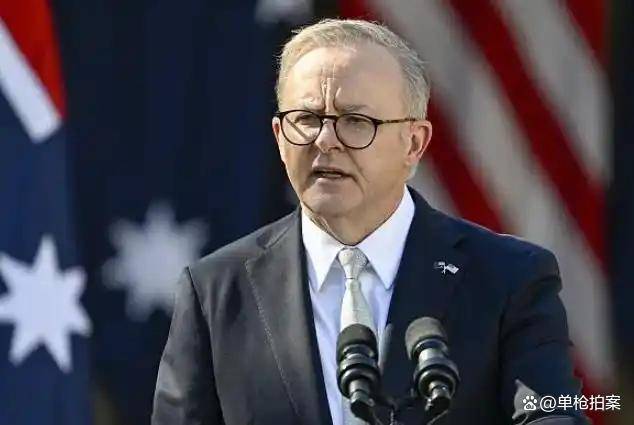
Core Viewpoint - China has suspended the purchase of BHP iron ore priced in US dollars, signaling a shift in the balance of power in the iron ore market, which has traditionally favored Australia [1][5][7]. Group 1: China's Strategic Shift - The suspension of BHP iron ore purchases reflects China's growing bargaining power, as it has historically been forced to accept significant price increases from Australian suppliers [3][5]. - The establishment of China Mineral Resources Group in 2022, with a registered capital of 20 billion yuan, marks a strategic move to consolidate purchasing power among Chinese steel mills [9][11]. - This consolidation allows Chinese steel mills to negotiate collectively, enhancing their bargaining position against suppliers [11][15]. Group 2: Impact on Australia - BHP, which relies on China for over 40% of its revenue, saw its stock price drop by 12% following China's announcement, resulting in a loss of billions in market capitalization [5][7]. - Australian officials, including Prime Minister Albanese, expressed concern over the potential long-term impacts of China's decision on their economy, which heavily depends on iron ore exports [5][7]. - The shift in purchasing dynamics has made Australia realize its vulnerability, as it lacks a robust domestic steel industry and is overly reliant on Chinese demand [15][21]. Group 3: Currency and Pricing Dynamics - China is pushing for a change in the pricing mechanism from US dollars to other currencies, including the yuan, challenging the dominance of the dollar in global commodity markets [11][13]. - The proportion of metal trade settled in yuan has increased significantly, from 2.1% in 2020 to 9.2% in the third quarter of this year, indicating a growing trend towards alternative currencies [13][22]. - The potential for other commodities, such as copper and aluminum, to follow suit in adopting yuan settlements is a concern for Australian suppliers [19][28]. Group 4: Future Implications - The emergence of alternative sources of iron ore, such as Guinea's Simandou project, could further diminish Australia's market position as China diversifies its supply [17][28]. - The ongoing discussions among other mining companies about accepting yuan for transactions suggest a broader shift in the global commodity trading landscape [19][26]. - If the yuan gains a foothold in iron ore trade, it could lead to similar changes in other major commodities, providing developing countries with more options beyond the dollar [28].
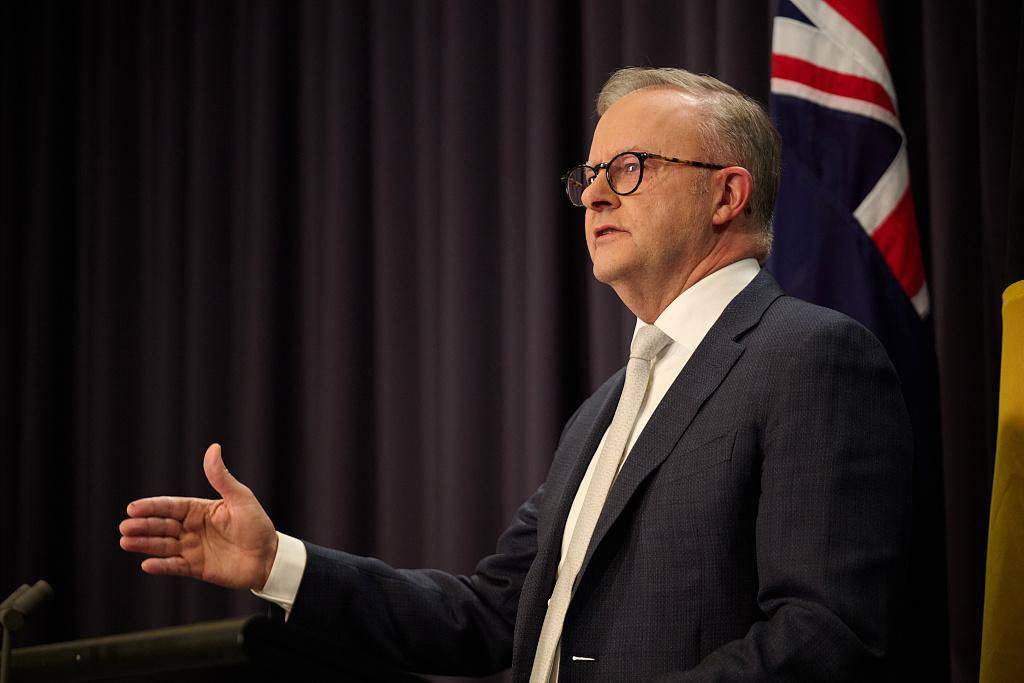
中国停购澳矿背后:一场关乎定价权的地缘博弈
Sou Hu Cai Jing· 2025-10-05 12:41
Group 1: Trade Dynamics - The trade dispute over iron ore between China and Australia has significant implications, with Australia's Prime Minister expressing disappointment over China's market decisions [3] - BHP's strategy to increase prices by 15% despite a 19% drop in global iron ore prices highlights the arrogance of Western countries in controlling commodity pricing [4] - China's steel industry has reportedly overpaid by hundreds of billions annually due to the current pricing mechanism, indicating a need for reform [4] Group 2: Currency Settlement - The push for RMB settlement by Chinese mineral resource groups aims to address the hidden costs from exchange rate fluctuations that erode manufacturers' profits [5] - Australia's annual export revenue of AUD 116 billion is at risk, as the demand for RMB payments could reshape global mining trade financial infrastructure [5] Group 3: Strategic Resource Management - China's strategic response to G7's rumored rare earth price limits demonstrates its growing tactical sophistication in resource negotiations [6] - The cessation of Australian mineral purchases reflects China's commitment to its core interests, despite previous trade sanctions being lifted [6] - The current shifts in the global commodity market signal a potential restructuring of the international economic order, with China's actions seen as a declaration of its rising influence [6]
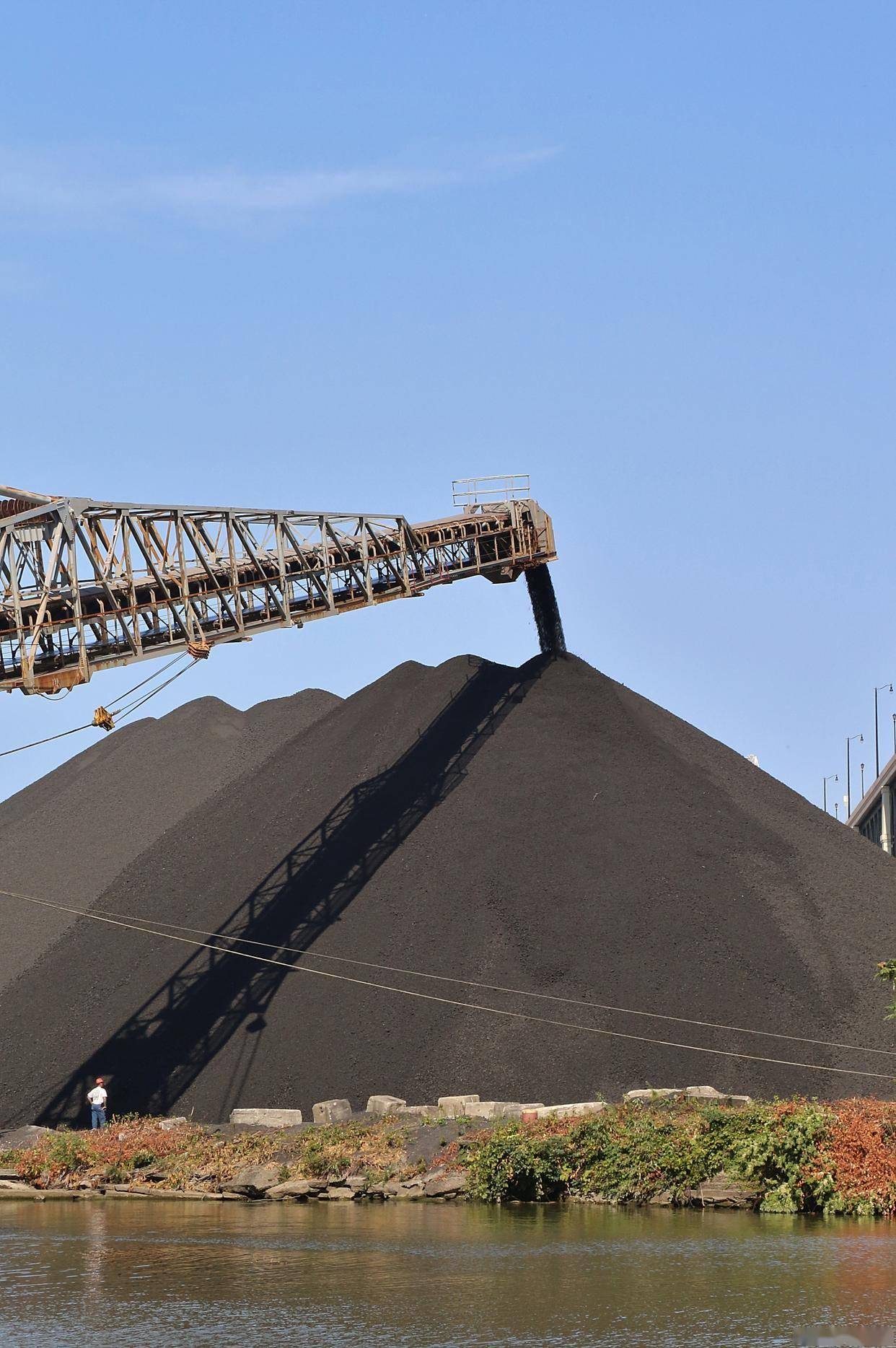
突发!澳矿美元船遭全面喊停,3句话揭开人民币结算时代来临
Sou Hu Cai Jing· 2025-10-04 05:03
Core Viewpoint - The decision by China Mineral Resources Group to halt all dollar-denominated iron ore purchases has created significant upheaval in the global iron ore trade, challenging the existing dollar settlement system [1][3]. Group 1: Trade Dynamics - China Mineral Resources Group issued a directive to domestic steel mills to stop purchasing all dollar-denominated iron ore, signaling a shift towards RMB settlement [5][7]. - The move is seen as a response to the long-standing dominance of major players like BHP, Rio Tinto, and Vale, which have historically controlled pricing and terms in the iron ore market [7]. - The establishment of a centralized procurement entity in 2022 has allowed Chinese steel mills to negotiate collectively, enhancing their bargaining power [7]. Group 2: Pricing and Negotiation - The immediate trigger for this trade disruption was a disagreement over pricing, with BHP attempting to raise prices despite a decline in international iron ore prices [9]. - The Chinese Steel Industry Association reported that spot prices had fallen below certain thresholds, leading to demands for prices to be aligned with market conditions [9][11]. Group 3: Strategic Positioning - China has diversified its iron ore import channels, increasing the proportion of diversified imports from less than 30% to over 50% [11]. - Brazil's Vale is expected to benefit significantly, with projected exports reaching record levels and long-term agreements established with China [11][12]. Group 4: Economic Impact - The halt in dollar-denominated purchases poses a severe economic threat to Australia, which relies heavily on iron ore exports to China, accounting for a significant portion of its export revenue [16]. - The Australian economy could face substantial repercussions, including potential job losses in the iron ore sector, which directly employs thousands [16][18]. Group 5: Currency and Global Trade - China's push for RMB settlement in iron ore trade represents a direct challenge to the dollar's dominance in global commodity markets [18][20]. - The shift to RMB is seen as a move to reduce reliance on the dollar and mitigate financial risks associated with currency fluctuations [18][20]. - The increasing acceptance of RMB in international trade reflects a broader shift in global economic power dynamics [21].
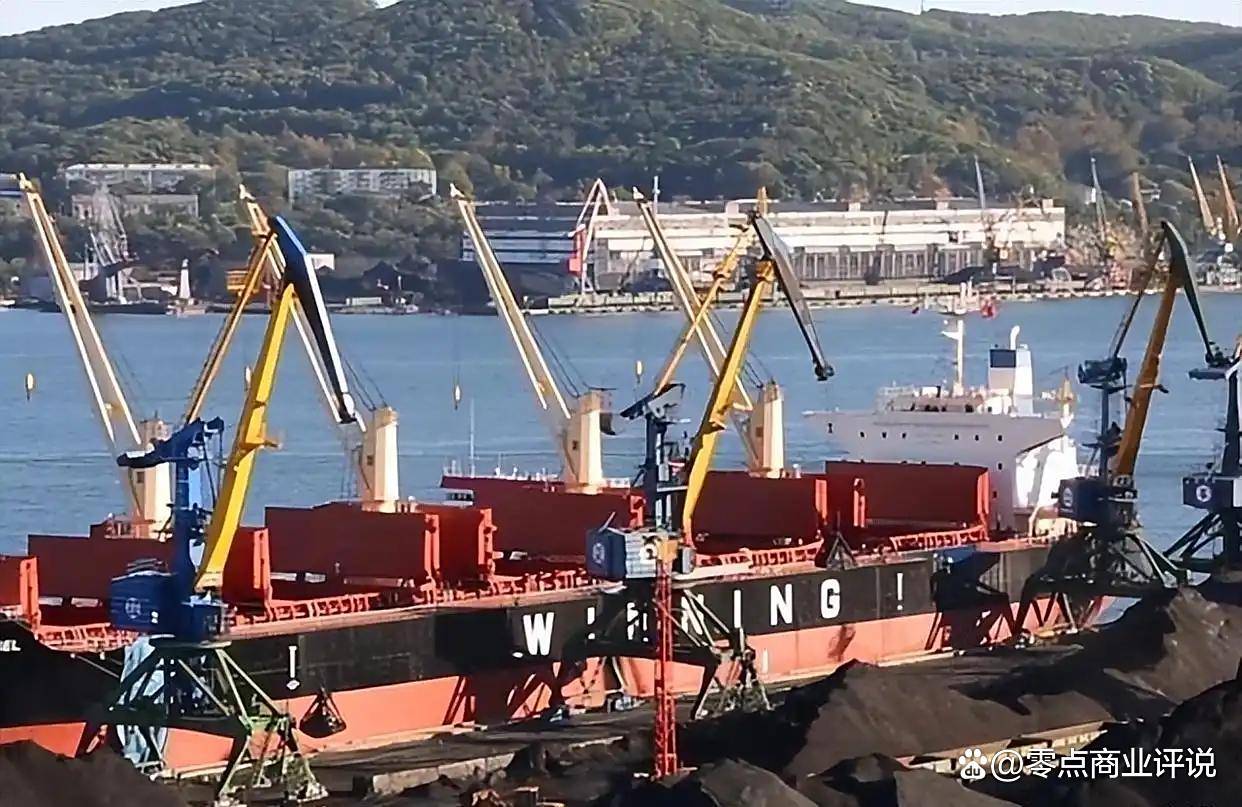
不以人民币结算?必和必拓的铁矿石中国不收了!美元霸权遭遇挑战
Sou Hu Cai Jing· 2025-10-03 22:27
Core Viewpoint - The recent notification from China Mineral Resources Group has significantly challenged the global iron ore trade, particularly the dominance of the US dollar in settlement systems [1][3]. Group 1: Market Dynamics - In late September, China Mineral Resources Group issued a notice to domestic steel companies, which has caused a major upheaval in international trade [3]. - China, as the world's largest iron ore importer, is leveraging its market position to assert pricing power, moving away from the traditional dominance of major suppliers like BHP, Rio Tinto, and Vale [5][12]. - The establishment of China Mineral Resources Group in 2022 has centralized procurement for domestic steel mills, allowing for unified negotiations and a shift in the previous market dynamics [5][6]. Group 2: Currency Settlement Shift - The primary issue raised by China is not the iron ore itself but the currency used for settlement, with a clear intention to reduce reliance on the US dollar and promote the use of the Chinese yuan [8][10]. - China has been gradually increasing the use of yuan in iron ore transactions, with successful settlements already completed in early 2025, indicating a growing acceptance among enterprises [8][10]. - The transition to yuan settlement represents a broader transformation in the trading system, enhancing China's influence throughout the entire transaction process [8][10]. Group 3: Implications for Global Trade - The dominance of the US dollar as a global reserve currency is facing unprecedented challenges, with the dollar's future uncertain amid a declining index and re-evaluation of commodity prices [10][12]. - If iron ore transactions shift to yuan, it could mitigate financial losses from dollar exchange rate fluctuations and gradually detach commodity pricing from the dollar framework [10][12]. - The Chinese market is crucial for suppliers like BHP, which must recognize that losing access to this market could have dire consequences, as alternatives are available for China [12][15]. Group 4: Future Outlook - The ongoing "settlement game" between yuan and dollar is indicative of a significant update in global trade rules, akin to the transition from feature phones to smartphones [15][17]. - Should yuan settlement gain traction in iron ore, it could pave the way for similar practices in other commodities like copper, coal, oil, and natural gas [15][17]. - This strategic move by China signals a shift in global power dynamics, with the yuan becoming increasingly attractive as a settlement currency, reflecting real changes in global influence [18].