
政府债务管理

Search documents
权威发布·高质量完成“十四五”规划|全国财政科技支出增长34%
Ren Min Ri Bao· 2025-09-13 03:45
Core Insights - The Chinese government has made significant progress in fiscal reform and development during the "14th Five-Year Plan" period, enhancing national fiscal strength and efficiency [1][2]. Fiscal Strength and Public Budget - National general public budget revenue is expected to reach 106 trillion yuan, an increase of 17 trillion yuan or approximately 19% compared to the "13th Five-Year Plan" [2]. - Public budget expenditure is projected to exceed 136 trillion yuan, an increase of 26 trillion yuan or 24% compared to the previous plan [2]. - Over 70% of public budget expenditure is allocated to the livelihood sector, ensuring that modernization benefits all citizens [2]. Social Security and Public Services - The number of participants in basic pension insurance has surpassed 1.07 billion, and those in basic medical insurance has reached 1.327 billion [2]. - The scale of equalization transfer payments is set to grow from 1.9 trillion yuan in 2021 to 2.7 trillion yuan by 2025, with an average annual growth of 9.6% [3]. - Significant investments have been made in education and healthcare, with over 800 billion yuan allocated to enhance medical capabilities [3]. Macroeconomic Control - The fiscal deficit ratio has increased from 2.7% to 3.8%, with further increases planned [4]. - New local government special bond quotas amount to 19.4 trillion yuan, and tax reductions and refunds exceed 1 trillion yuan [4]. Employment and Economic Support - Central fiscal employment support funds have reached 318.6 billion yuan, a 29% increase from the previous plan, contributing to over 50 million new urban jobs [5]. - The government has allocated 4.2 trillion yuan to support consumption, leading to sales exceeding 2.9 trillion yuan [6]. Risk Management - The central government has arranged nearly 50 trillion yuan in transfer payments to local governments to stabilize fiscal operations [7]. - A legal debt management system has been established to address hidden debts, with a focus on reducing interest costs [7]. - By the end of 2024, total government debt is projected to be 92.6 trillion yuan, with a debt-to-GDP ratio of 68.7%, indicating manageable risk levels [7][8].
全国财政科技支出增长34%(权威发布·高质量完成“十四五”规划)
Ren Min Ri Bao· 2025-09-13 01:37
Core Insights - The article discusses the achievements and developments in fiscal reform during the "14th Five-Year Plan" period, highlighting the strengthening of national fiscal capacity and efficiency [1] Fiscal Strength and Growth - National general public budget revenue is expected to reach 106 trillion yuan, an increase of 17 trillion yuan or approximately 19% compared to the "13th Five-Year Plan" period [2] - By 2024, 16 provinces are projected to have fiscal revenue growth of over 20% compared to 2020, with 7 provinces exceeding 500 billion yuan, and 2 provinces surpassing 1 trillion yuan [2] - General public budget expenditure is expected to exceed 136 trillion yuan over five years, an increase of 26 trillion yuan or 24% compared to the previous period [2] Social Welfare and Public Services - Over 70% of national general public budget expenditure is allocated to social welfare, ensuring that modernization benefits all citizens [2] - Participation in basic pension insurance exceeds 1.07 billion people, and basic medical insurance covers 1.327 billion people [2] - The standard for resident medical insurance subsidies increased from 580 yuan to 700 yuan per person annually, with rural and urban minimum living standards raised by approximately 20% [2] Public Service Equity - The scale of equalization transfer payments is projected to grow from 1.9 trillion yuan in 2021 to 2.7 trillion yuan by 2025, averaging a 9.6% annual increase [3] - All administrative villages have access to hardened roads, with over 95% coverage for express delivery services and 94% for tap water [3] - Approximately 20 million economically disadvantaged students receive living subsidies, and 13 million children of migrant workers have access to education funding [3] Fiscal Policy and Economic Strategy - The fiscal macro-control has become more proactive, with the deficit rate increasing from 2.7% to 3.8%, and further to 4% this year [4] - New local government special bond quotas amount to 19.4 trillion yuan, with over 10 trillion yuan in tax reductions and refunds [4] - The government employs various tools, including bonds and tax incentives, to enhance policy effectiveness [4] Employment and Consumption Support - Central fiscal employment support funds amount to 318.6 billion yuan, a 29% increase from the previous period, contributing to over 50 million new urban jobs [5] - Approximately 4.2 trillion yuan has been allocated to support consumption through trade-in programs, boosting sales by over 2.9 trillion yuan [5] Innovation and R&D Investment - National fiscal spending on science and technology is expected to reach 5.5 trillion yuan, a 34% increase from the previous period [6] - Basic research funding has reached 730 billion yuan, with an annual growth rate of 12.3% [6] - R&D investment intensity is projected to rise from 2.41% at the end of the "13th Five-Year Plan" to 2.68% by 2024 [6] Risk Management and Debt Control - The central government has allocated nearly 50 trillion yuan for transfer payments to local governments, ensuring stable fiscal operations [7] - A legal debt management system has been established to address hidden debts, with a focus on reducing existing liabilities [7] - By the end of 2024, total government debt is projected to be 92.6 trillion yuan, with a debt-to-GDP ratio of 68.7%, indicating manageable risk levels [7] Financing Platform Reforms - Over 60% of financing platforms have exited, indicating significant progress in reducing hidden debts [8] - The government aims to establish a debt management mechanism aligned with high-quality development during the "15th Five-Year Plan" period [8]
财政部:未来财政政策发力空间依然充足 将提前下达部分2026年新增地方政府债务限额
Shang Hai Zheng Quan Bao· 2025-09-12 18:42
◎记者 李苑 财政部部长蓝佛安9月12日在国新办举行的"高质量完成'十四五'规划"系列主题新闻发布会上表示,财 政政策统筹考虑防风险和促发展,始终留有后手,未来财政政策发力空间依然充足。 创新运用财税政策工具,开发好内需这座"富矿" "十四五"时期,财政部认真落实扩大内需战略,从供需两侧协同发力,打出一系列"组合拳",推动消费 和投资良性互动,更好发挥内需的主动力和稳定锚作用,增强高质量发展内生动力。 比如,大力支持消费品以旧换新。截至今年8月底,国家财政一共拿出约4200亿元,带动各类商品销售 额超2.9万亿元。安排专项资金,支持开展县域商业建设行动,引导释放乡村消费潜能,"十四五"以 来,乡村消费品零售额增长了24%。 为了扩大有效投资,财政部这两年安排超长期特别国债1.5万亿元,推进"两重"建设。五年来,共安排 地方政府专项债券19.4万亿元,支持建设项目15万个;安排中央预算内投资3.33万亿元,支持水利、交 通等基础设施建设。 "下一步,我们将按照党中央、国务院决策部署,创新运用财税政策工具,激发有潜能的消费,扩大有 效益的投资,开发好内需这座'富矿',发挥好牵引力作用,为高质量发展添动能、增活力。 ...
中国财长:地方政府债务风险逐步收敛
Zhong Guo Xin Wen Wang· 2025-09-12 13:51
Core Viewpoint - China has implemented a series of debt reduction measures that are showing positive results, with a focus on managing local government debt risks and promoting economic development [1][2]. Group 1: Debt Management and Issuance - As of the end of August this year, China has issued 4 trillion yuan of the 6 trillion yuan special debt limit introduced last year, with an average interest cost reduction of over 2.5 percentage points, saving more than 450 billion yuan in interest payments [1]. - In 2023, a total of 2.78 trillion yuan of new local government special bonds have been issued, with 800 billion yuan allocated to support local debt reduction efforts [1]. - The total government debt in China is projected to reach 92.6 trillion yuan by the end of 2024, with a government debt ratio of 68.7%, which is considered reasonable compared to G20 and G7 averages [1]. Group 2: Economic Development and Risk Management - The debt reduction strategy aims to free up financial resources for addressing economic development challenges, with over 60% of financing platforms expected to exit by mid-2025, indicating a significant reduction in hidden debts [2]. - The government plans to enhance debt management mechanisms aligned with high-quality development, including stricter limits on local government debt and improved transparency in debt information [2]. - There will be a focus on optimizing bond issuance scale and structure, ensuring funds are allocated effectively to major projects, while maintaining a strict regulatory environment to prevent the emergence of new hidden debts [2].
庆阳市人大常委会开展全市政府债务管理情况监督调研
Sou Hu Cai Jing· 2025-09-12 11:33
Core Viewpoint - The research team led by the Vice Chairman of the Cengyang Municipal People's Congress conducted a supervision and research on government debt management in the city, highlighting the importance of effective debt management for improving the living conditions of the populace [1] Group 1: Government Debt Management - The research team reviewed the construction status of eight projects, including the Huanghe Xiang Grand Theatre and the sewage treatment and recycling facility in Xifeng Industrial Park [1] - The team emphasized the significant efforts made by various levels of government in planning, managing, and mitigating debt risks, which have greatly improved the living conditions of the people [1] Group 2: Development Strategy - The team urged the establishment of a performance view focused on high-quality development, balancing short-term and long-term growth, financial capacity, and debt repayment ability [1] - There is a call for proactive efforts to secure bond funding within the debt limit and to seek increased investment and transfer payments from higher authorities to drive high-quality economic and social development through the effective implementation of major projects [1]
财政部重磅发声:财政政策始终留有后手,未来财政政策发力空间依然充足|政策与监管
清华金融评论· 2025-09-12 11:09
Core Viewpoint - The article discusses the achievements and future directions of China's fiscal policy during the "14th Five-Year Plan" period, emphasizing the strengthening of fiscal capabilities, proactive macroeconomic adjustments, and a focus on improving people's livelihoods [3][4][5][6][10]. Group 1: Fiscal Strength and Achievements - National fiscal strength has significantly increased, with general public budget revenue expected to reach 106 trillion yuan, a 19% increase from the "13th Five-Year Plan" period [4]. - General public budget expenditure is projected to exceed 136 trillion yuan, marking a 24% increase, with a focus on optimizing the structure to support major development and livelihood projects [4]. - The fiscal policy has been actively adjusted to enhance economic stability, contributing to an average growth rate of 5.5% over the past four years, with a 30% contribution to global economic growth [5]. Group 2: Focus on People's Livelihoods - The fiscal budget allocates significant resources to education (20.5 trillion yuan), social security and employment (19.6 trillion yuan), healthcare (10.6 trillion yuan), and housing security (4 trillion yuan), totaling nearly 100 trillion yuan for livelihood investments [6]. - Initiatives such as 1 billion yuan for childcare subsidies and 200 million yuan for free preschool education demonstrate a commitment to addressing public concerns [6]. Group 3: Risk Management and Reform - The government has implemented measures to manage local government debt, with nearly 50 trillion yuan allocated for transfers to local governments, ensuring stable fiscal operations [6][8]. - Fiscal reforms focus on optimizing resource allocation, enhancing efficiency, and clarifying responsibilities between central and local governments [7][16]. Group 4: International Cooperation and Global Engagement - The Ministry of Finance is actively involved in international financial cooperation, participating in over 26 multilateral and bilateral financial dialogue mechanisms, and promoting global economic governance reforms [8][42]. - The Asian Infrastructure Investment Bank has reached 110 members and financed over 60 billion USD, showcasing China's commitment to global inclusive development [8]. Group 5: Future Directions - The Ministry of Finance aims to enhance macroeconomic regulation, deepen fiscal reforms, and improve fiscal management to support the goal of building a modern socialist country [9][10]. - The focus will be on expanding domestic demand, supporting technological self-reliance, and ensuring the sustainability of poverty alleviation efforts [20][23][38].


财政部:超六成融资平台实现退出
21世纪经济报道· 2025-09-12 11:01
Core Viewpoint - The article discusses the achievements and future plans of China's fiscal reform and development during the "14th Five-Year Plan" period, emphasizing the importance of debt management and economic development as interlinked goals [1][2]. Group 1: Debt Management Achievements - As of August 2023, China has issued 4 trillion yuan of the 6 trillion yuan special debt limit introduced in the last quarter of the previous year, with an average interest cost reduction of over 2.5 percentage points, saving over 450 billion yuan in interest payments [1]. - In 2023, a total of 2.78 trillion yuan of new local government special bonds have been issued, with 800 billion yuan allocated specifically to support local debt management [1]. Group 2: Economic Development and Debt Management - The dual approach of debt management and economic development has enhanced local development momentum, allowing local governments to allocate more resources to address economic challenges [2]. - Over 60% of financing platforms are expected to exit by June 2025, indicating a significant reduction in hidden debts [2]. - The overall government debt level is reported at 92.6 trillion yuan, with a debt-to-GDP ratio of 68.7%, which is considered manageable compared to G20 and G7 averages [2]. Group 3: Future Plans for Debt Management - The government plans to continue implementing debt reduction measures, including early allocation of new debt limits and multi-faceted strategies to resolve hidden debts [3]. - There will be a focus on strict management of local government debt limits and enhancing transparency in debt information [3]. - The strategy includes optimizing bond issuance to meet funding needs for major projects while improving the efficiency of bond fund usage [3]. - Risk monitoring and prevention measures will be strengthened to mitigate potential debt repayment risks [3].

一年少了近4万亿,财政部披露最新隐性债务数据
第一财经· 2025-09-12 10:56
Core Viewpoint - The article discusses the significant reduction in local government hidden debt in China, attributed to a series of policies aimed at mitigating these risks, with the latest figures indicating a decrease from 14.3 trillion yuan at the end of 2023 to 10.5 trillion yuan by the end of 2024, a reduction of 3.8 trillion yuan [3][4]. Summary by Sections Hidden Debt Reduction - As of the end of 2024, local government hidden debt stands at 10.5 trillion yuan, down from 14.3 trillion yuan at the end of 2023, indicating a substantial reduction of 3.8 trillion yuan within a year [3]. - The reduction is partly due to a policy that allows for the issuance of 10 trillion yuan in local government bonds from 2024 to 2028 to replace existing hidden debt [3][4]. Financial Impact - By August 2025, local governments had issued 4 trillion yuan in refinancing special bonds, resulting in an average interest cost reduction of over 2.5 percentage points, saving more than 450 billion yuan in interest payments [5][6]. - The overall debt management strategy has not only reduced interest burdens but also enhanced local development momentum by freeing up financial resources for economic growth [6]. Government Debt Overview - As of the end of 2024, the total government debt in China is reported at 92.6 trillion yuan, which includes 34.6 trillion yuan in national bonds, 47.5 trillion yuan in legal local government debt, and 10.5 trillion yuan in hidden debt, resulting in a government debt ratio of 68.7% [6]. - Compared to G20 and G7 countries, where average government debt ratios are significantly higher, China's debt ratio is considered to be within a reasonable range [6]. Future Debt Management Strategies - The government plans to continue its dual approach of debt reduction and economic development, focusing on four key areas: reducing existing debt, enhancing management practices, maximizing the effectiveness of bond issuance, and mitigating risks [7][8]. - Specific strategies include early allocation of debt limits, strict management of debt limits, scientific arrangement of bond scales, and proactive risk monitoring to prevent new hidden debts [8].

财政部:严格落实举债终身问责和债务问题倒查机制,坚决遏制新增隐性债务
Sou Hu Cai Jing· 2025-09-12 09:23
Core Viewpoint - The Chinese government is implementing a series of debt management measures to ensure economic stability and reduce local government debt risks, with a focus on balancing development and debt management [3][4]. Group 1: Debt Management Measures - As of August 2023, a total of 4 trillion yuan of the newly increased 6 trillion yuan special debt limit has been issued, leading to an average interest cost reduction of over 2.5 percentage points, saving over 450 billion yuan in interest expenses [3]. - The total government debt is projected to reach 92.6 trillion yuan by the end of 2024, with a government debt ratio of 68.7%, which is considered reasonable compared to G20 and G7 averages of 118.2% and 123.2%, respectively [3]. - The government aims to continue its debt management strategy by reducing existing debt, enhancing management practices, improving the effectiveness of debt usage, and mitigating risks [5]. Group 2: Economic Development and Debt Management - The debt management measures have enhanced local development capabilities by freeing up financial resources and policy space to address economic challenges [4]. - Over 60% of financing platforms are expected to exit by June 2025, indicating significant progress in reducing hidden debts [4]. - The government plans to establish a debt management mechanism that aligns with high-quality development, ensuring a sustainable economic environment [4][5].
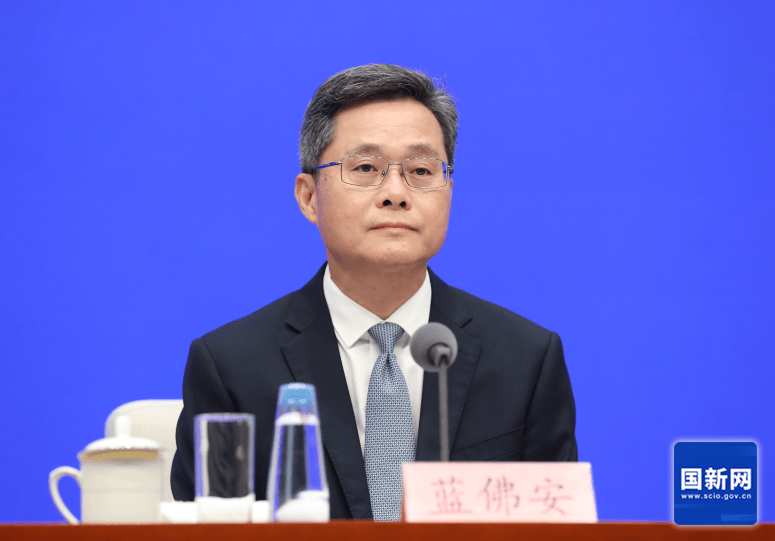
财政部:截至今年6月末,超六成的融资平台实现退出
Zhong Guo Xin Wen Wang· 2025-09-12 09:20
国新办12日举行"高质量完成'十四五'规划"系列主题新闻发布会,介绍"十四五"时期财政改革发展成 效。财政部部长蓝佛安在会上表示,化债是手段,发展是目的。财政部坚持化债和发展两条腿走路,有 效推动经济发展和债务管理良性循环。 一是增强了地方发展动能。化债打通了资金链条,地方腾挪出更多的资金资源、时间精力和政策空间, 用于解决经济发展的堵点、痛点和难点。 二是推动了融资平台加快退出。截至2025年6月末,超六成的融资平台实现退出,意味着60%以上的融 资平台隐性债务已经清零,融资平台改革转型加快推进。 三是改善了金融环境。金融机构资产质量得到改善,风险显著降低,对实体经济的信贷投放意愿和能力 明显增强。 第一,在存量上做减法。继续落实好一揽子化债举措,提前下达部分2026年新增地方政府债务限额,靠 前使用化债额度,多措并举化解存量隐性债务。 第二,在管理上做加法。严格地方政府债务限额管理,确保用得好、还得起、可持续。强化专项债"借 用管还"全生命周期管理,推进隐性债、法定债"双轨"合并管理,建立统一的长效监管制度。依法加大 债务信息公开力度,提升管理透明度。 第三,在效益上做乘法。科学安排债券规模、结构,合理把 ...