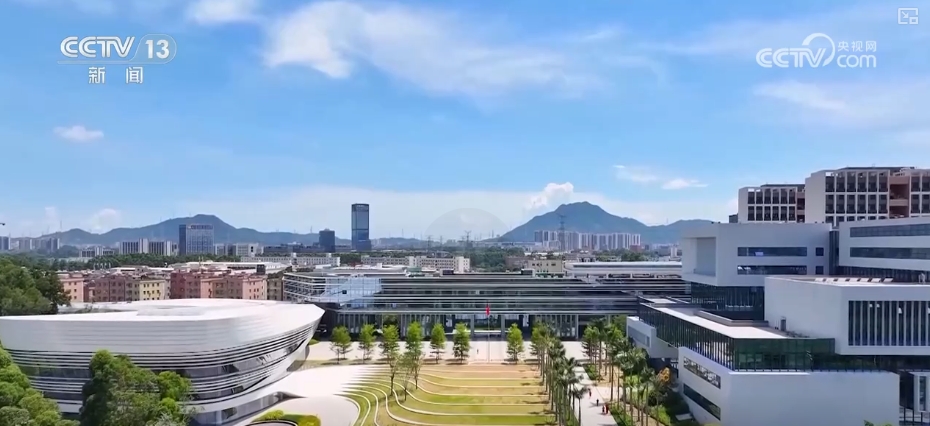
新型研究型大学

Search documents
突然!时隔30年再提“包分配包就业”,信号极不寻常
商业洞察· 2025-07-12 03:26
Group 1 - The article discusses the emergence of new research-oriented universities in China, highlighting the establishment of three new institutions this year, including Fuyou University, Greater Bay Area University, and Ningbo Oriental University of Technology [3][4]. - These universities are backed by prominent enterprises and aim to create a talent war by offering guaranteed employment for graduates, similar to the successful model of Shenzhen University of Technology [5][9]. - The new universities are positioned to disrupt traditional higher education institutions by focusing on high-demand fields and innovative educational models, emphasizing engineering, computer science, and biotechnology [17][20]. Group 2 - The new research-oriented universities are characterized by their strong financial backing, high-quality faculty, and targeted professional programs that align with national strategic needs [19][20]. - They adopt a "small but elite" approach, concentrating on a limited number of specialized programs that cater to emerging industries, such as semiconductors and AI [20][21]. - The article notes that traditional universities face increasing pressure to adapt their programs and teaching methods in response to the competitive landscape created by these new institutions [26][32].


从百亿资本到院士天团:“顶配”新大学背后的城市野心
Hu Xiu· 2025-07-07 08:58
Core Insights - The article discusses the emergence of new research-oriented universities in China, specifically focusing on three institutions: Guangdong's Greater Bay Area University, Ningbo's Dongfang University of Technology, and Fujian's Fuyao University of Technology, which aim to innovate higher education and address local industry needs [1][2][4][5]. Group 1: University Characteristics - The three new universities are positioned as "new research-type universities" focusing on science and engineering, with a goal to cultivate innovative talents with international perspectives [2][4]. - They are characterized by significant capital investments, with Greater Bay Area University having a construction investment of approximately 10 billion yuan, Dongfang University of Technology claiming a total investment of 46 billion yuan, and Fuyao University of Technology also targeting a 10 billion yuan investment [6][9][16]. - The universities emphasize small class sizes and elite teaching, aiming to create a closed-loop employment system by integrating industry connections [4][5][35]. Group 2: Enrollment and Tuition - Following the college entrance examination, these universities have begun their recruitment campaigns, with limited enrollment numbers targeting specific regions: Greater Bay Area University plans to enroll 80 students, Dongfang University aims for 70, and Fuyao University targets 50 students [3][19]. - Tuition fees vary significantly, with Greater Bay Area University and Fuyao University charging around 5,000 yuan per year, while Dongfang University has a much higher fee of 96,000 yuan per year, which has sparked debate [20][21]. Group 3: Academic Focus and Faculty - All three universities focus on high-tech fields aligned with national strategic needs, aiming to nurture top innovative talents [22]. - They have established notable academic programs, with Greater Bay Area University offering five undergraduate majors, Dongfang University four, and Fuyao University also four, allowing students to choose their majors after enrollment [23][24][25]. - The institutions boast impressive faculty credentials, with numerous academicians involved in teaching, including notable figures such as Tian Gang, Chen Shiyi, and Wang Shuguo [27][28][29][30]. Group 4: Industry Collaboration and Employment - The universities are forming partnerships with leading companies and research institutions to enhance practical training and employment opportunities for students [57][58][60]. - Greater Bay Area University collaborates with major tech firms like Huawei and OPPO, while Dongfang University has established connections with over 20 leading enterprises in the semiconductor and automotive sectors [57][58]. - Fuyao University is leveraging its ties with the manufacturing industry to create a "classroom as a workshop" model, enhancing the practical training of its students [61]. Group 5: Regional Impact and Strategic Goals - The establishment of these universities is seen as a strategic move to address the lack of quality higher education resources in their respective regions, which are all part of China's economic engines [39][40][41]. - Local governments are actively supporting these institutions with policies aimed at attracting talent and stimulating economic growth, reflecting a commitment to integrating education with local industry needs [42][46]. - The universities are positioned to play a crucial role in the "talent-innovation-industry" triangle, aiming to contribute to local economic development through high-level talent cultivation and research innovation [48][49].
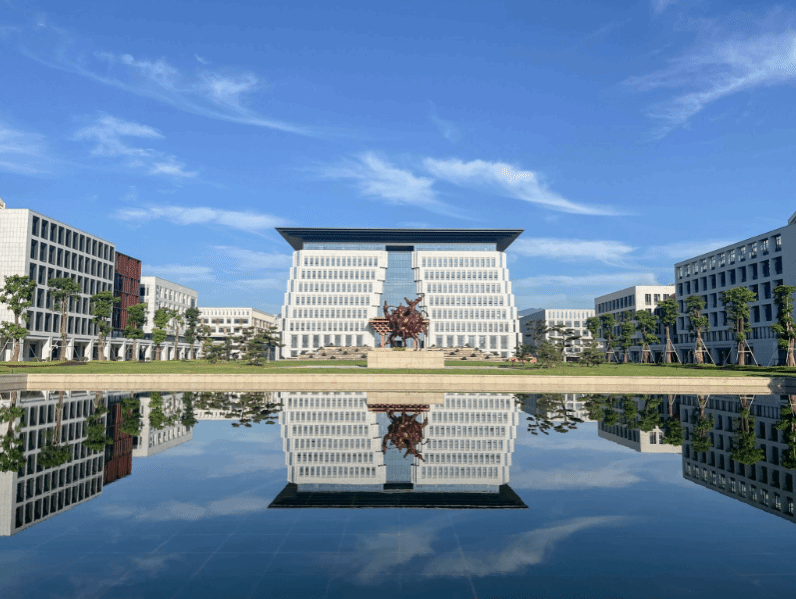
院士提议在河南等高教洼地建“激活型大学”,校企联合培养是重点
Di Yi Cai Jing· 2025-07-03 13:05
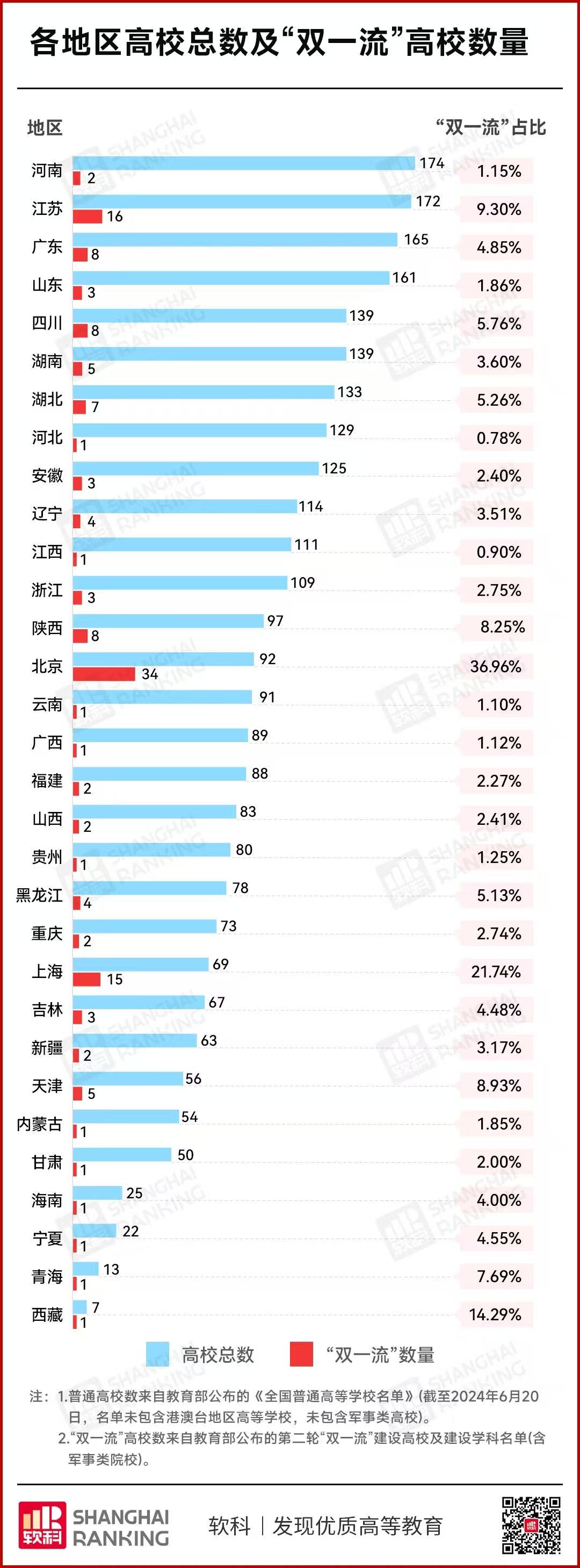
Group 1: Education Reform and New University Models - The current education system needs to shift from a "screening" model to an "activation" model, focusing on unlocking potential rather than solely relying on standardized test scores [1] - New types of research universities are emerging, characterized by innovative governance, talent cultivation, and research organization, with a focus on collaboration with industry [2] - The concept of "activation-type universities" is proposed, which would not use a single score as the admission criterion but instead employ a flexible, comprehensive selection mechanism [1][2] Group 2: Industry Collaboration and Talent Development - There is a disconnect between higher education talent cultivation and industry needs, highlighting the necessity for integrating market-oriented and product-oriented thinking into graduate education [3] - Collaborative programs, such as the Huawei Experimental Class at Nanjing University and the Tencent AI Class at Shenzhen University, exemplify the trend of universities partnering with companies to create specialized training programs [4] - The integration of research and education is emphasized as a way to ensure educational quality remains at the forefront [4] Group 3: Regional Education Disparities - The distribution of higher education resources is uneven, with a need for more institutions in underdeveloped regions, particularly in central and western China [5] - Despite having the highest number of universities, Henan Province faces challenges such as a lack of high-quality institutions and a high number of students competing for limited spots [11][14] - The establishment of new universities and the cultivation of a "second tier" of institutions in Henan aims to address these disparities and enhance local talent supply [14]
密集迎来“新”大学,为城市竞争格局打开想象空间
Yang Shi Wang· 2025-06-28 07:50
Group 1 - The core point of the articles highlights the emergence of new universities in China, particularly three new research-oriented universities: Fujian Fuyao University of Science and Technology, Greater Bay Area University, and Ningbo Oriental Institute of Technology, which are designed to enhance local higher education capabilities and align with regional economic needs [1][2][5]. - As of June 20, 2025, there are a total of 3,167 higher education institutions in China, with 57 universities undergoing name changes or restructuring and 55 new institutions established compared to 2024 [1]. - The new universities are characterized by a "small but excellent" approach, with initial enrollment numbers below 100, contrasting with larger institutions [1][7]. Group 2 - The relationship between universities and cities is crucial, as universities serve as key assets for urban development, attracting talent and fostering innovation [2][3]. - Cities like Fuzhou, Dongguan, and Ningbo, which have recently established new universities, lack top-tier institutions, highlighting a gap between economic strength and educational resources [2][3]. - The establishment of new universities is seen as a significant opportunity for cities with strong economies but limited higher education options, providing a means to enhance their educational landscape [2][9]. Group 3 - The new research-oriented universities differ from traditional institutions in their educational models, focusing on interdisciplinary studies and aligning closely with technological advancements and local industry needs [5][6]. - For instance, Ningbo Oriental Institute of Technology emphasizes cutting-edge fields such as artificial intelligence and integrated circuits, while Greater Bay Area University promotes dynamic interdisciplinary centers [5][6]. - These institutions adopt a "small and precise" educational model, ensuring personalized mentorship for students, which is a departure from conventional large-scale university systems [7][11]. Group 4 - The trend of establishing new universities reflects a broader strategy among economically strong cities to address educational shortcomings and adapt to the demands of technological and industrial changes [9][10]. - Cities like Shenzhen and Qingdao have successfully increased their number of higher education institutions through partnerships and collaborations, enhancing their educational quality and capacity [9][10]. - The rise of new universities represents a shift towards more innovative and flexible educational frameworks, allowing cities to better meet their specific developmental needs [10][11].
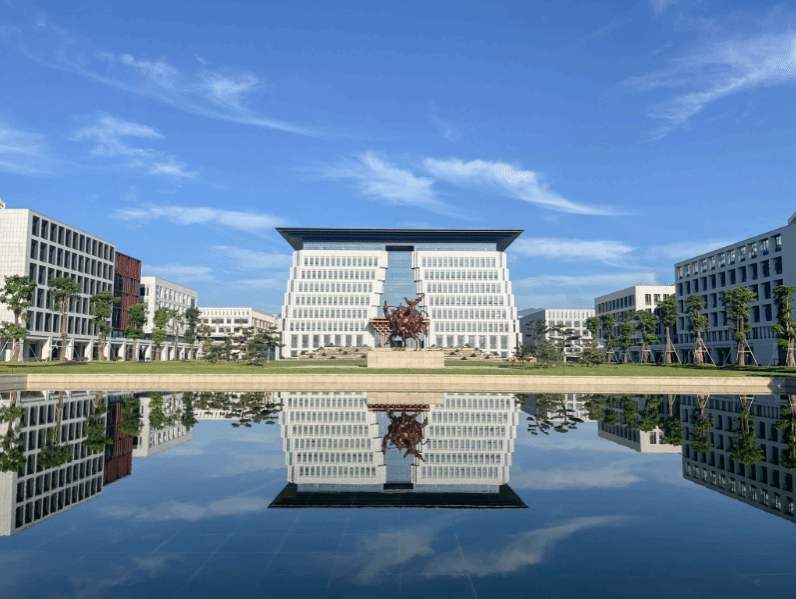
最新!全国高等学校名单公布,今年新增3所新型研究型大学
第一财经· 2025-06-27 13:34
Core Viewpoint - The article discusses the recent developments in China's higher education landscape, highlighting the increase in the number of universities, particularly new research-oriented institutions, and the expansion of vocational undergraduate programs [2][3]. Group 1: Overview of Higher Education Institutions - As of June 20, 2025, there are a total of 3,167 higher education institutions in China, including 2,919 regular higher education institutions, 1,365 undergraduate schools, and 1,554 vocational (associate degree) schools [1]. - Compared to the same period last year, the number of higher education institutions has increased by 50, with regular higher education institutions increasing by 51 and adult higher education institutions decreasing by 1 [2]. Group 2: New Research-Oriented Universities - Among the newly added undergraduate institutions, three are new research-oriented universities, which is the highest number in recent years. These include Fujian Fuyou University of Science and Technology, Greater Bay Area University, and Ningbo Oriental University of Science and Technology [2]. - The new research-oriented universities focus on innovative governance, talent cultivation, and scientific research, characterized by high standards, significant investment, and internationalization [2][3]. Group 3: Regional Distribution and Demand - New research-oriented universities are primarily located in economically developed eastern coastal regions, where there is strong financial support and market demand for high-tech talent due to local economic and industrial upgrades [3]. - The article suggests encouraging more private entrepreneurs to establish new research-oriented universities to foster healthy competition among institutions [3]. Group 4: Expansion of Vocational Undergraduate Programs - Following a significant expansion last year, vocational undergraduate institutions have continued to grow, with the total number reaching 36 [3]. - In 2024, vocational undergraduate programs enrolled 109,600 students, with an additional 44,100 students in associate degree programs [4]. Group 5: Trends in Employment and Skills - There is a growing trend of university graduates returning to vocational schools to acquire practical skills, with 52.2% of graduates believing that this will enhance their employment opportunities [4]. - The increasing demand for skilled professionals in the job market is reflected in the rising admission scores for vocational undergraduate programs, indicating their growing popularity among students and parents [4].
全国本科学校已达1365所 今年新增3所新型研究型大学
Di Yi Cai Jing· 2025-06-27 09:18
Group 1 - The core viewpoint of the articles highlights the emergence of new research-oriented universities in China, specifically mentioning Fujian Fuyao University of Science and Technology, Greater Bay Area University, and Ningbo Oriental Institute of Technology as part of the recent increase in higher education institutions [1][2] - As of June 20, 2025, there are a total of 3,167 higher education institutions in China, with 2,919 being regular higher education institutions, including 1,365 undergraduate schools and 1,554 vocational (associate degree) schools [1] - The number of regular higher education institutions has increased by 51 compared to the same period last year, with 57 new undergraduate institutions added, marking the highest number of new research-oriented universities in recent years [1][2] Group 2 - New research-oriented universities are characterized by innovative governance models, talent cultivation methods, and research organization forms, focusing primarily on scientific and technological research [2] - The distribution of these universities is mainly concentrated in economically developed coastal regions of China, where there is a strong demand for high-tech talent due to local economic and industrial needs [2] - The number of vocational undergraduate institutions has reached a new high of 36, following significant expansion in the previous year, reflecting a growing trend in vocational education [2][3] Group 3 - In 2024, vocational undergraduate enrollment is projected to reach 109,600, with an additional 44,100 students enrolling in associate degree programs [3] - There is a notable trend of university graduates returning to vocational schools to acquire practical skills, with 52.2% of graduates believing that this will enhance their employment opportunities [3] - The increasing popularity of vocational undergraduate programs is evident, as some institutions have seen rising admission scores, indicating a growing recognition of the value of these programs [3]
福耀科技大学们,能否抢走清华北大的生源?
21世纪经济报道· 2025-06-26 14:04
Core Viewpoint - The emergence of new research-oriented universities in China, such as Fuyou University, aims to attract high-quality students and innovate in the higher education admission system, potentially impacting traditional top universities like Tsinghua and Peking University [1][5][20]. Group 1: New University Admissions - Fuyou University, established with a donation of 10 billion yuan, has a first-year admission plan of 50 students, with a focus on intelligent manufacturing engineering [3][4]. - Other new universities, including Dawan District University and Ningbo Oriental Institute of Technology, are also starting their admissions this year, targeting high-achieving students [1][4]. - These universities are attracting attention from top-ranking students, with inquiries from those ranked in the top 5000 in their provinces [1][5]. Group 2: Student Quality and Recruitment Strategies - Fuyou University aims to recruit students with scores comparable to the average of the top five universities in China, indicating a high standard for incoming students [8][9]. - Shenzhen University of Technology, in its second year of admissions, has already attracted high-quality candidates, with the highest score being 664 and the lowest 624, significantly above the admission line [10]. - New universities are implementing innovative admission strategies, such as no risk of major adjustment and allowing students to choose their majors after enrollment, which enhances their appeal [12][13]. Group 3: Educational Advantages - New research-oriented universities offer substantial resources, including a high faculty-to-student ratio, with Fuyou University providing four mentors per student [13]. - These institutions are also establishing pathways for overseas study, such as Fuyou University's "3+1" model with Milan Polytechnic University, enhancing their global educational connections [14]. - The universities are focusing on popular and future-oriented disciplines, ensuring that students have access to relevant and high-demand fields of study [12][13]. Group 4: Admission System Reform - New universities are exploring innovative admission systems, such as comprehensive evaluation methods that combine high school performance, entrance exams, and other assessments [18][19]. - The introduction of high tuition fees at some institutions, like Ningbo Oriental Institute of Technology, is accompanied by scholarship offerings, aligning with international education models [17][18]. - The experiences of these new universities may provide valuable insights for reforming the traditional Chinese higher education admission system, which has been heavily reliant on standardized testing [20].
福耀科技大学们,能否抢走清华北大的生源?|「教」量
2 1 Shi Ji Jing Ji Bao Dao· 2025-06-26 11:06
Core Viewpoint - The emergence of new research-oriented universities in China, such as Fuyou University, Greater Bay Area University, and Ningbo Oriental Institute of Technology, is reshaping the higher education landscape, attracting high-quality students and offering innovative admission policies [1][4][12]. Group 1: New University Admissions - Fuyou University plans to enroll 50 undergraduate students in 2025, focusing on intelligent manufacturing engineering, with the highest enrollment in Fujian province at 17 students [2] - Greater Bay Area University and Ningbo Oriental Institute of Technology are also launching their first admissions this year, targeting 80 and 70 students respectively, with a focus on high-demand fields like computer science and engineering [3][4] - These universities are characterized by high starting points, small enrollment sizes, and a research-oriented, international approach [4][5] Group 2: Student Quality and Recruitment Strategies - Fuyou University aims to attract students with scores comparable to the top five universities in China, indicating a focus on high-quality admissions [6] - The recruitment strategies include offering flexible major selection and substantial scholarships to attract top-tier students [8][12] - New universities are leveraging their innovative admission systems to compete with established institutions like Tsinghua and Peking University [6][14] Group 3: Educational Advantages - New universities promise no risk of major adjustment upon admission, allowing students to choose their majors freely after enrollment [8][9] - They provide strong faculty support, with Fuyou University planning to maintain a high student-to-faculty ratio, ensuring personalized mentorship [9][10] - Opportunities for early involvement in research projects and international exchange programs are also highlighted as key attractions for prospective students [11][12] Group 4: Reforming Admission Systems - New universities are exploring alternative admission models, such as comprehensive evaluation systems that consider multiple criteria beyond just exam scores [14] - The introduction of high tuition fees, like the 96,000 yuan per year at Ningbo Oriental Institute of Technology, is accompanied by scholarship offerings to make education more accessible [12][13] - These reforms aim to provide valuable insights into the future of higher education in China, moving away from traditional examination-based admissions [14]
2025高考志愿新选择:57所新本科院校带来哪些机遇?
Yang Shi Wang· 2025-06-25 09:52
Group 1 - The Ministry of Education has announced the establishment of 57 new undergraduate institutions this year, including 36 vocational schools and 3 new research universities [1] - Vocational undergraduate institutions have shown strong performance in recent admissions, with many exceeding the scores of traditional undergraduate programs, indicating a close link between regional industrial development and talent cultivation [3] - The planned enrollment scale for vocational undergraduate institutions this year is set to reach 550,000, marking a rapid development from the first batch of "vocational undergraduate universities" established in 2019, with a total of 87 such institutions now in existence [4] Group 2 - New research universities differ from traditional institutions by focusing on a small number of specialized disciplines aimed at key national technology sectors, ensuring closer alignment with industry needs [6] - Dongfang University of Technology in Ningbo, Zhejiang, is concentrating on six cutting-edge technology fields, with plans to enroll 70 students in its first undergraduate cohort [6]
“本科扩容”成为2025年中国高等教育发展关键词 | 新本科学校特点梳理↓
Yang Shi Wang· 2025-06-25 04:06
Group 1 - The core focus of the article is on the expansion of higher education in China, particularly the establishment of new undergraduate institutions and the rise of vocational undergraduate education since 2025 [1][3] - As of June 23, 2025, the Ministry of Education has announced 57 new undergraduate institutions, including 36 vocational schools and 3 new research-oriented universities [1][3] - The plan aims to increase the enrollment scale of vocational undergraduate institutions to 550,000 by 2025, reflecting a rapid development in vocational education since the first vocational undergraduate universities were established in 2019 [4][6] Group 2 - Vocational undergraduate institutions emphasize practical skills and are designed to meet the demand for high-skilled talent in the workforce, with a focus on hands-on training [7][16] - The vocational undergraduate programs are not merely extensions of associate degrees but are systematically restructured to ensure that their diplomas hold the same value as traditional undergraduate degrees [7][16] - Key performance indicators for vocational undergraduate programs include 100% completion of practical training projects and at least 50% of total course hours dedicated to practical teaching [9][11] Group 3 - Many vocational undergraduate institutions have shown impressive admission scores, often exceeding those of traditional undergraduate programs, indicating a shift in perception regarding vocational education [12][15] - For instance, Shenzhen Vocational University achieved a maximum admission score of 600 in the physics category, surpassing the provincial control line by 158 points [14] - The rise in admission scores for vocational programs reflects the growing alignment between regional industrial development and talent cultivation [15] Group 4 - New research-oriented universities are characterized by a focused curriculum aimed at key national technology sectors, with a small and specialized academic structure [25][27] - Ningbo Oriental University of Technology plans to recruit 70 students in 2025, focusing on cutting-edge fields such as artificial intelligence and smart manufacturing, with personalized mentorship from experienced professors [27][29] - The Bay Area University in Guangdong aims to recruit 80 students, offering a diverse range of programs and emphasizing interdisciplinary collaboration to meet the needs of modern industries [31][32]