
生态价值转化

Search documents
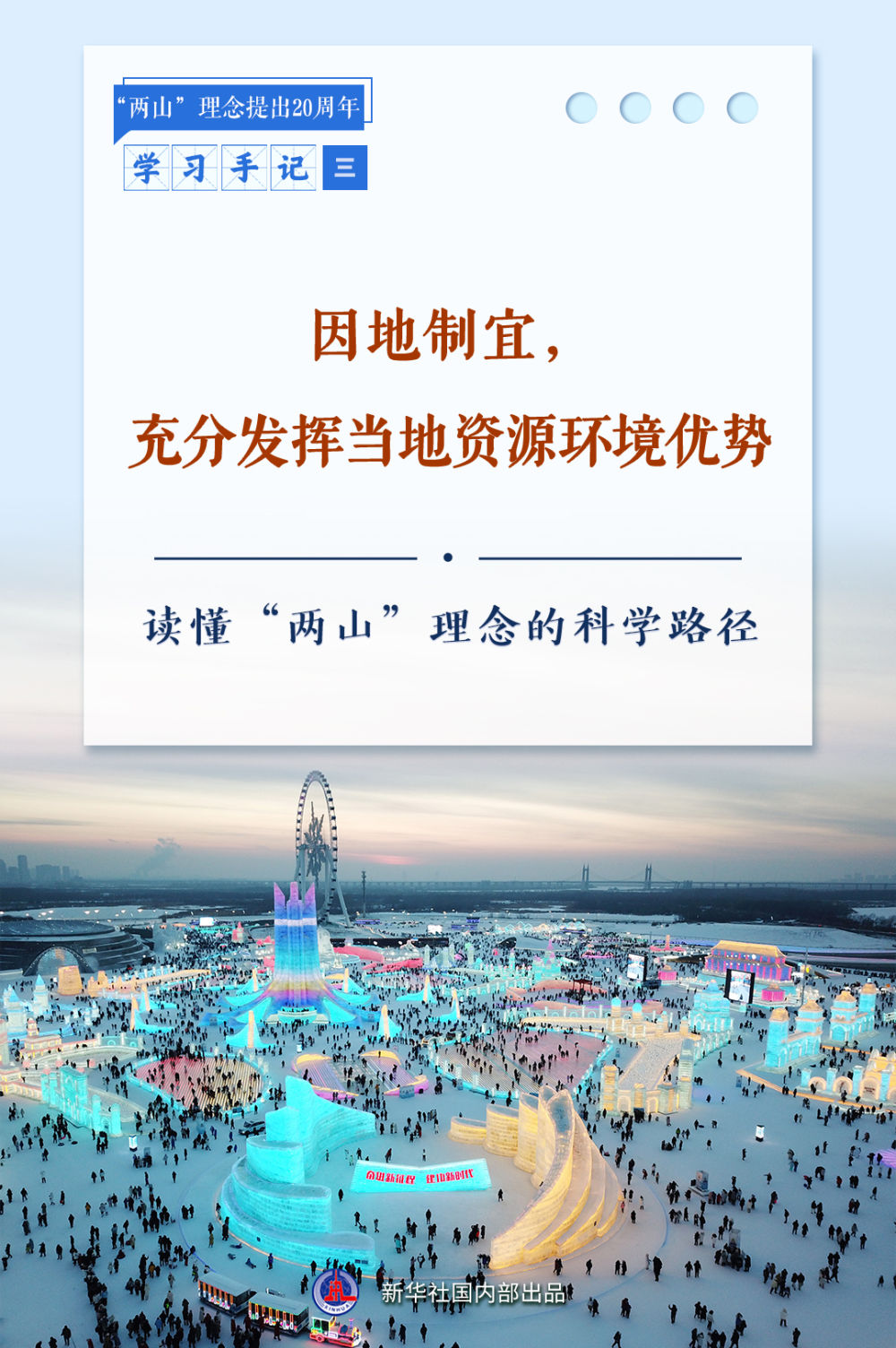
学习手记|因地制宜,充分发挥当地资源环境优势——读懂“两山”理念的科学路径
Xin Hua She· 2025-08-15 00:18
Core Concept - The "Two Mountains" concept, proposed by Xi Jinping, emphasizes that ecological preservation (green mountains and clear waters) can coexist with economic development (golden mountains and silver mountains), highlighting the importance of leveraging local resources and environmental advantages for sustainable growth [3][4][8]. Group 1: Historical Context - The "Two Mountains" concept was first introduced in March 2016 during a meeting in Heilongjiang, where Xi Jinping stated that the region's icy landscape could also represent economic potential [3]. - The concept has evolved over the past nine years, transforming the perception of Heilongjiang's cold climate from a competitive disadvantage to a resource advantage [3][4]. Group 2: Implementation Strategies - The approach advocates for tailored strategies based on local conditions, emphasizing the need to utilize local resources effectively and adapt to specific environmental contexts [5][7]. - Xi Jinping's earlier remarks in 1988 highlighted the potential for wealth generation through sustainable management of natural resources, reinforcing the idea of "grasping the mountains" as a means to prosperity [5][6]. Group 3: Ecological and Economic Integration - The "Two Mountains" concept encourages a harmonious relationship between ecological preservation and economic development, promoting practices that align with natural laws and utilize natural forces [8]. - The concept has led to widespread practices across China, showcasing the integration of ecological wisdom into development strategies, resulting in a vibrant coexistence of nature and human activity [8].

湖州在“两山”实践中焕然一新
Zhong Guo Huan Jing Bao· 2025-08-14 01:40
Core Viewpoint - Huzhou, a city in Zhejiang Province, exemplifies the integration of ecological preservation and high-quality economic development, showcasing a successful model of green development and ecological civilization [2][19]. Group 1: Ecological Achievements - Huzhou is recognized as the birthplace of the "Lucid Waters and Lush Mountains are Invaluable Assets" concept and has been designated as the first city-level ecological civilization pilot zone in China [2][19]. - The city has achieved full coverage of national ecological county and district standards, and it is a national pilot city for the realization of ecological product value [2][19]. - The ecological environment has improved significantly, with water quality in the Taihu Lake area maintaining a stable level of II to III class, and the city has been recognized as a global ecological civilization international cooperation demonstration zone [9][11]. Group 2: Economic Transformation - Huzhou has developed a comprehensive approach to integrate economic construction with ecological civilization, leading to a significant increase in industrial output value from 239.9 billion to 1,336.3 billion from 2005 to 2024 [20]. - The city has successfully completed 70 cases of water ecological product value transformation, generating approximately 6.3 billion in transaction value and creating over 4,000 jobs [11][20]. - Innovative projects, such as the "air logistics corridor," have reduced carbon emissions by approximately 10,000 tons annually and lowered transportation costs by 135 million [18][20]. Group 3: Community and Talent Development - Huzhou has initiated programs to attract young talents back to rural areas, resulting in the cultivation of 8,515 agricultural entrepreneurs who significantly contribute to local economies [26][27]. - The "Ecological ID" system encourages community participation in ecological practices, allowing citizens to earn rewards for sustainable behaviors, thus promoting a culture of environmental responsibility [28][30]. - The city has launched a series of initiatives to enhance public engagement in ecological civilization, fostering a sense of shared responsibility among residents [27][28].

浙江安吉如何奏响山水富民乐章?
Xin Hua She· 2025-08-11 08:02
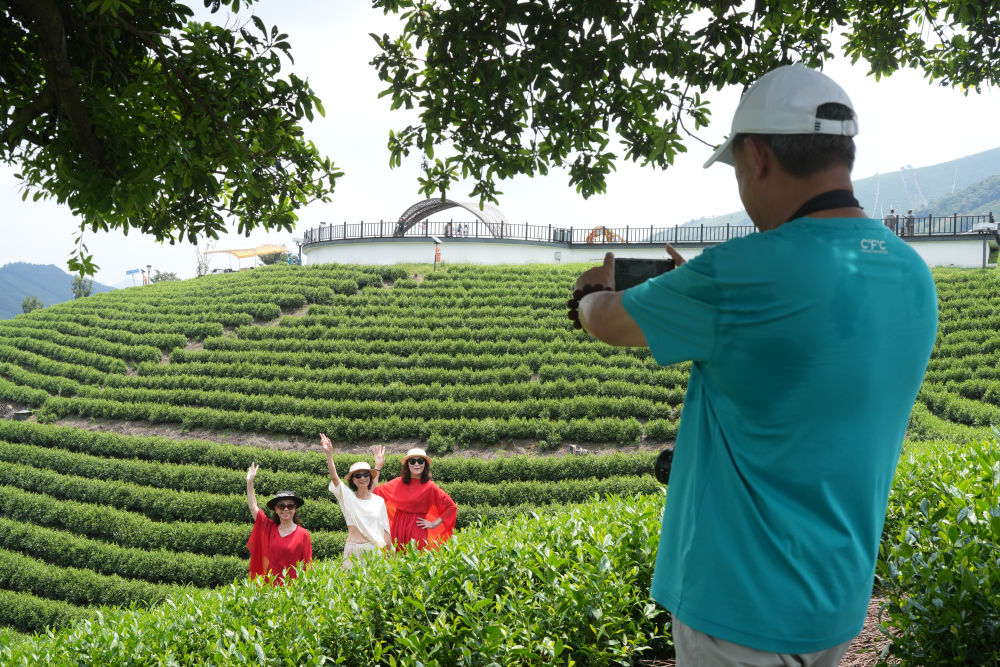
Group 1 - The core idea of the articles highlights the transformation of Huangdu Village in Anji County, Zhejiang Province, from a poor mountain village to a prosperous area through the development of tea cultivation, particularly "Anji White Tea," which has a brand value exceeding 5 billion yuan [1][3]. - The implementation of the "Two Mountains" theory has led to significant economic growth in Anji, with the total production value nearly tripling over 20 years, and urban and rural residents' disposable income increasing fivefold and sevenfold, respectively [3]. - Anji County is diversifying its economic activities beyond tea, with bamboo products becoming a significant part of the local economy, generating an output value of 130 million yuan last year [3]. Group 2 - The influx of young talent returning to Anji has spurred innovation and new business models, with 861 youth entrepreneurship projects launched, contributing to the local economy and enhancing the quality of life for residents [4]. - Tourism has become a vital source of income for villagers, with over 20% of their direct income coming from tourism by 2024, reflecting the successful integration of ecological advantages into economic development [4]. - Anji County plans to continue focusing on the transformation of the "Two Mountains" theory, supporting entrepreneurship and developing new industries such as health, digital economy, and green living, to create a favorable environment for young people [4].
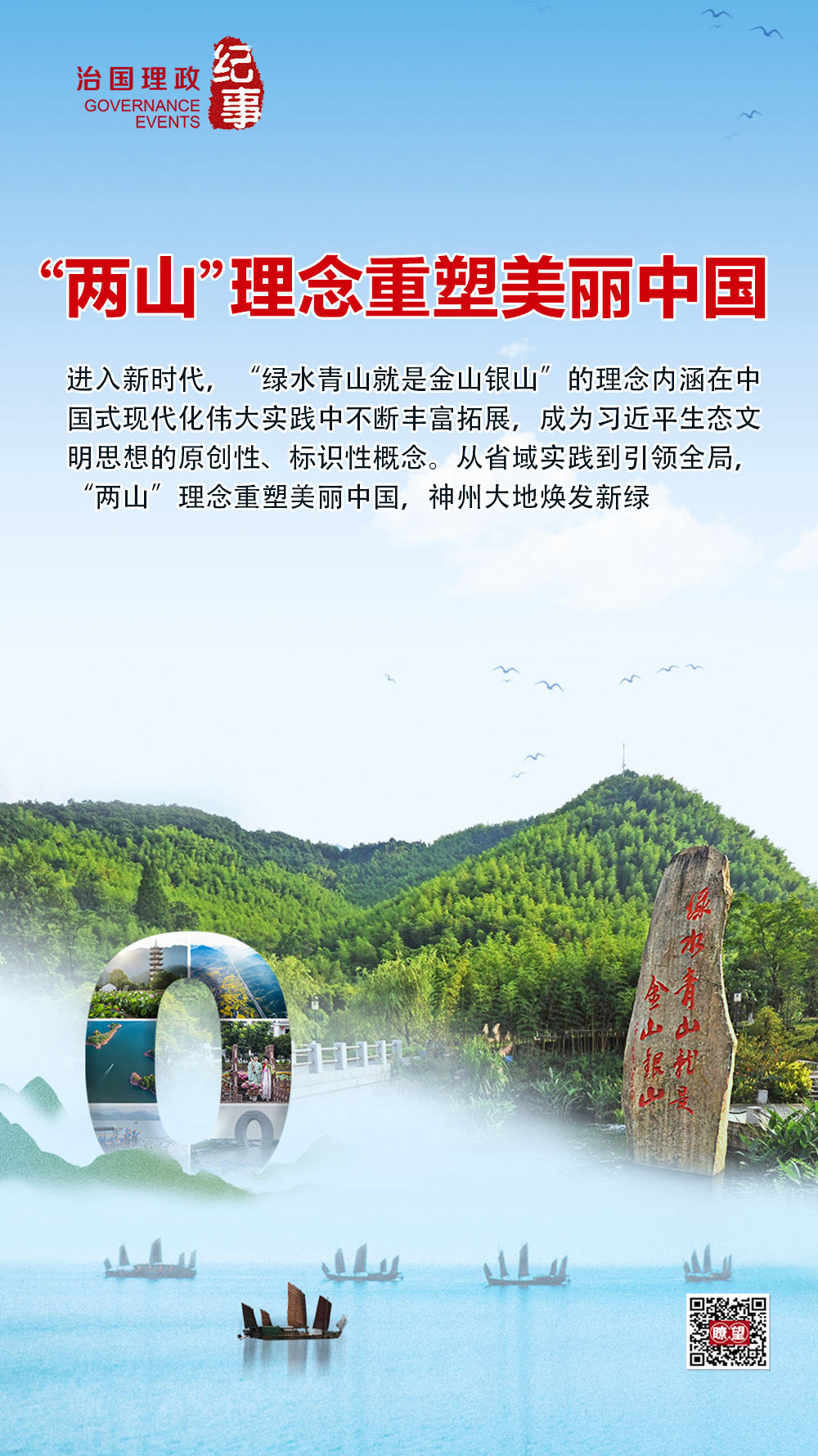
“两山”理念重塑美丽中国
Xin Hua Wang· 2025-08-09 02:21
Core Concept - The "Two Mountains" concept, which emphasizes the unity of ecological protection and economic development, has been pivotal in reshaping China's ecological civilization and promoting sustainable development practices across the nation [1][5][17]. Group 1: Historical Context and Development - The "Two Mountains" concept was first introduced by Xi Jinping in 2005 during a visit to Anji County, Zhejiang, highlighting the need for harmony between economic growth and environmental protection [3][4]. - Since the 18th National Congress of the Communist Party, this concept has fostered a broad consensus on ecological protection and green development, leading to significant changes in ecological civilization practices in China [5][18]. Group 2: Regional Initiatives and Achievements - Zhejiang Province has implemented five rounds of the "811" action plan, focusing on environmental protection and green development, resulting in substantial improvements in ecological conditions [3][8]. - By the end of 2022, Zhejiang established its first regional ecological product trading center, facilitating the trading of ecological resources and generating significant economic activity, with a total transaction amount of 13.101 billion yuan [3][14]. Group 3: Economic and Environmental Metrics - China's renewable energy generation capacity has surpassed that of coal, with a 21% year-on-year increase in new renewable energy installations in the first quarter of 2025, accounting for approximately 90% of new installations [4][23]. - In 2024, China's production of new energy vehicles is expected to exceed 10 million units, representing 65% of the global total, marking a decade of leadership in this sector [4][23]. Group 4: Global Contributions and Recognition - China's efforts in ecological civilization have been recognized globally, with significant contributions to sustainable development and environmental governance, positioning the country as a leader in global ecological initiatives [29][28]. - The "Two Mountains" concept has not only transformed China's development path but also offers a model for sustainable development that can be applied globally, addressing the challenges of environmental degradation [26][29].
“千万工程”源起地梅林村的绿色变革
Hang Zhou Ri Bao· 2025-08-05 02:58
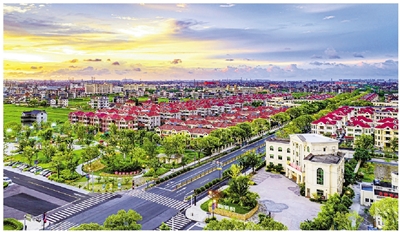
Core Viewpoint - Meilin Village exemplifies the integration of ecological advantages and development, showcasing a unique model of green development that transforms ecological value into economic benefits [3][5]. Group 1: Renewable Energy Initiatives - Meilin Village has implemented a village-level integrated solar energy system with 258 kW distributed rooftop solar panels, generating over 160,000 kWh annually and reducing CO2 emissions by approximately 94 tons [3][4]. - The village has installed 25 charging stations for electric vehicles, allowing residents to save 15% on annual charging expenses [4]. - The low-carbon factory of Aideer in Meilin Village has a 4.7 MW solar project that generates 5.5 million kWh per year, reducing carbon emissions by 3,069 tons [4]. Group 2: Economic Benefits from Green Development - Residents have reported tangible benefits from solar energy, with costs recovered in less than two years, leading to annual savings for the village collective [5]. - The integration of aquaculture and solar energy in a project covering 86 acres of ponds and 39 acres of land is expected to increase collective income by over 110,000 yuan annually [4]. Group 3: Youth Engagement and Community Development - The Q Space community in Meilin Village has attracted young talents, hosting 356 events and 65 collaborative projects, fostering a vibrant and innovative environment [6][7]. - Youth initiatives have transformed local ecological resources into economic opportunities, with activities like artisan markets and cultural events enhancing community engagement and economic returns [7].
“两山合作社”以制度创新解难题
Jing Ji Ri Bao· 2025-08-03 21:53
Group 1 - The core idea of the article emphasizes the transformation of ecological advantages into developmental advantages in Zhejiang, driven by the "Green Mountains and Clear Water are Gold and Silver Mountains" philosophy [1][3] - The Two Mountains Cooperative serves as a key vehicle for implementing this philosophy, establishing a management system for ecological product operations that integrates government leadership, social participation, and market-oriented operations [1][2] - Digitalization is identified as a crucial solution to the bottlenecks in ecological value transformation, addressing challenges such as measurement, collateralization, trading, and monetization of ecological products [1][2] Group 2 - A multi-party win-win mechanism is essential for achieving ecological prosperity for the people, requiring a sustainable benefit-sharing model [2] - The Two Mountains Cooperative operates under the principle of "government guidance and market operation," creating multi-level subsidiaries to connect various stakeholders, including village collectives, enterprises, and farmers [2] - The integration and upgrading of the industrial chain are necessary to unlock the deeper value of ecological resources, focusing on core industries and enhancing both the production and value chains [2] Group 3 - The Two Mountains Cooperative employs institutional innovation to address the challenge of converting "Green Mountains and Clear Water" into "Gold and Silver Mountains," effectively releasing the value of ecological products through market-oriented methods [3] - The practice in Zhejiang is significant in the context of China's ecological civilization construction over the past twenty years, driving ecological prosperity and common wealth, with green development becoming a hallmark of high-quality growth [3]
“将中国传统生态智慧融入现代化进程的伟大创举”
Ren Min Ri Bao· 2025-08-02 22:01
Core Insights - The article highlights the transformation of Yucun village in Anji County, Zhejiang Province, showcasing the successful implementation of the "Green Mountains and Clear Water are Gold and Silver Mountains" concept, which emphasizes the integration of ecological preservation with economic development [1][2][3] Group 1: Ecological Transformation - Yucun village has evolved from a dusty mining area to a picturesque landscape with oilseed rape fields and lotus ponds, demonstrating a successful shift from "selling stones" to "selling scenery" and "earning carbon credits" [1][2] - The village's transformation serves as a vivid example of China's commitment to ecological civilization, illustrating that a good ecological environment is a necessity rather than a luxury [2][6] Group 2: International Recognition - A recent seminar attended by representatives from six countries praised the "Green Mountains and Clear Water" philosophy and China's achievements in green development, recognizing its significant reference value for global sustainable practices [1][2] - The participants noted that the ecological value created in Yucun not only enhances local residents' quality of life but also fosters rural tourism, aligning with the principles of the "Green Mountains and Clear Water" concept [2][3] Group 3: Bamboo Industry and Innovation - Anji, known as "China's Bamboo Town," is leveraging its bamboo resources to replace plastics, with over 1,000 bamboo enterprises and initiatives like the "Bamboo Replaces Plastic" campaign launched in collaboration with the International Bamboo and Rattan Organization [3][5] - The local bamboo industry has significantly reduced single-use plastic consumption, with over 5 million sets of disposable plastic products eliminated through the promotion of bamboo products [5][6] Group 4: Youth Empowerment and Community Development - The establishment of the "Qinglai Ji" entrepreneurial space in Dazhuang Village aims to attract young talent by providing a collaborative environment for startups, resulting in over 60 partners and new economic projects [7] - The community focuses on creating a sense of belonging and interaction for young people, addressing their needs for work, life, and entertainment, which is seen as a model for other regions facing youth retention challenges [7][8]
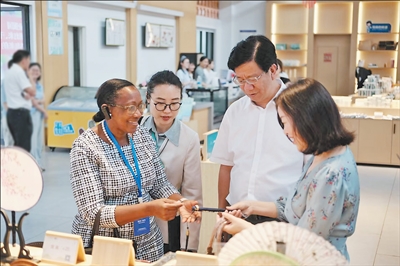
生态价值转化“秦岭模式”:区域人均可支配收入增速高于全国
Di Yi Cai Jing· 2025-07-16 03:08
Group 1 - The core viewpoint of the articles emphasizes the unique ecological value transformation model of the Qinling Mountains, which is characterized by a "local deep cultivation + remote radiation" dual-track approach [1][3] - The report highlights that from 2019 to 2024, the per capita disposable income growth rate of urban and rural residents in the six cities of Shaanxi Province related to the Qinling region has consistently exceeded the national average [1] - The ecological protection of the Qinling Mountains is not only significant for Shaanxi but also for the ecological protection of the entire region along the South-to-North Water Diversion project, involving six provinces and one municipality [1][2] Group 2 - The report indicates a shift in the ecological protection strategy of the Qinling region from "relying on the mountains for sustenance" to "nurturing the mountains for wealth," reflecting a more systematic and intelligent approach to ecological restoration [2] - In December 2023, a memorandum for strengthening cross-regional ecological protection cooperation in the Qinling area was signed, establishing a joint meeting system for ecological protection collaboration [2] - The ecological environment quality in the Shaanxi section of the Qinling Mountains is reported to have an excellent rating area proportion of 99.3% and an ecological quality index of 82.22 for 2024 [3] Group 3 - The articles assert that protecting the ecological environment equates to protecting productivity, and improving the ecological environment contributes to the development of productivity [3] - Future strategies for the Qinling region should focus on building a transformation chain of "external support - internal motivation," promoting localized ecological protection technology and industry integration [3] - Emphasis is placed on investing in people and transitioning from an "ecological-based" approach to a "human-centered" approach, ensuring that the benefits of ecological protection reach every group [3]
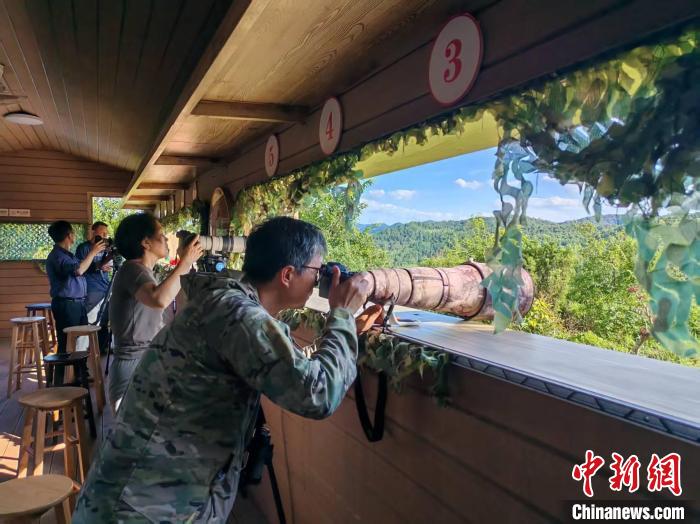
福建明溪“拍”出特色观鸟产业
Zhong Guo Xin Wen Wang· 2025-07-09 01:06
Core Insights - Mingxi County in Fujian, known as "China's migratory bird town," is experiencing a surge in birdwatching tourism, attracting enthusiasts from various regions [1][3] - The county is located on one of the world's nine major migratory bird routes, with 345 recorded bird species, representing over 60% of the bird species in Fujian [3][5] - Mingxi has developed an "ecology + industry" model, integrating birdwatching with hospitality, education, and cultural industries, enhancing its tourism appeal [5][7] Group 1: Birdwatching Tourism Development - Mingxi has established five major birdwatching bases and 31 premium birdwatching spots, creating over 1,100 jobs and increasing the average income of villagers involved in the birdwatching industry by 60,000 RMB [7] - The county has seen a significant influx of international birdwatchers, with 19 groups from 26 countries visiting this year, indicating a growing global interest in its avian biodiversity [7] Group 2: Economic Impact and Community Involvement - Local communities are actively participating in the birdwatching economy, with initiatives like the integration of tea and birdwatching industries, leading to high demand for accommodations [5][7] - The establishment of birdwatching cooperatives has facilitated resource sharing and encouraged many villagers to return to their hometowns for entrepreneurial opportunities [7]
兴隆湖蝶变,成都市用法治力量推动水环境治理
Xin Jing Bao· 2025-06-27 10:51
Core Viewpoint - The transformation of Xinglong Lake in Chengdu's Tianfu New Area represents a successful case of ecological restoration and urban development, showcasing the integration of environmental governance and community engagement [1][2][4]. Group 1: Ecological Restoration - Xinglong Lake, once a flood-prone lowland, has been transformed into a comprehensive ecological area covering approximately 6,500 acres, serving multiple purposes including irrigation, recreation, and ecological conservation [1][2]. - The lake's water quality has improved significantly, with overall water quality stabilizing at Class III and some areas reaching Class II, indicating a shift from unsuitable to suitable for swimming standards [4][5]. - The ecological restoration efforts include the construction of a "water under forest" ecosystem, providing habitats for various species and enhancing biodiversity [4]. Group 2: Legislative and Governance Framework - Chengdu has enacted the "Chengdu Xinglong Lake Ecological Protection Regulations" to strengthen management and protection of the lake, ensuring legal compliance in ecological governance [3]. - The city has developed 30 local regulations related to ecological and environmental protection since 2018, enhancing the legislative framework for sustainable urban development [3]. - Continuous monitoring and inspection mechanisms have been established, including the use of drones for regular patrols to detect water quality issues promptly [3]. Group 3: Community Engagement and Economic Development - The revitalization of Xinglong Lake has led to increased community engagement, with local residents participating in activities such as jogging, bird watching, and educational events [5]. - The area has attracted businesses and educational institutions, indicating a successful conversion of ecological value into economic opportunities, enhancing the local business environment [5]. - The development of public service facilities and popular attractions around the lake has created a vibrant community space, promoting a healthy lifestyle and recreational activities for residents [4][5].