
科技创新和产业创新深度融合

Search documents
用实绩实效彰显使命担当——习近平总书记重要指示为做好中央企业工作指明方向
Xin Hua She· 2025-12-23 14:20
Core Insights - The important directives from General Secretary Xi Jinping provide clear guidance for central enterprises to enhance their contributions to national development and modernization efforts [1][2][3] Group 1: Central Enterprises' Role and Responsibilities - Central enterprises have reached a total asset value of 90 trillion yuan, significantly supporting the national economy through high-quality development [1] - The emphasis on technological innovation and emergency response capabilities highlights the commitment of central enterprises to national interests and public welfare [1][2] - Central enterprises are expected to better serve the national agenda, focusing on high-quality economic development and social responsibility [2][3] Group 2: Industry-Specific Developments - The aerospace sector, represented by the China Academy of Launch Vehicle Technology, aims to deepen research in cutting-edge technologies to achieve the goal of becoming a space power [2] - The mechanical industry, as a backbone of the real economy, is tasked with ensuring industrial safety and promoting technological advancements [2] - The automotive industry, particularly China Changan Automobile Group, is focused on reforming its mechanisms to enhance competitiveness and develop core technologies [4] Group 3: Energy Sector Initiatives - China National Petroleum Corporation has achieved significant oil production milestones, emphasizing energy security and the need for a balanced approach to development and safety [4] - The company is committed to enhancing domestic oil and gas supply capabilities while expanding into renewable energy and international cooperation [4] Group 4: Governance and Leadership - Strengthening the leadership of the Communist Party is deemed essential for the success of central enterprises, ensuring that political and operational responsibilities are aligned [5]
习近平对中央企业工作作出重要指示
中国能源报· 2025-12-23 07:41
习近平对中央企业工作作出重要指示强调 充分认识职责使命更好服务党和国家工作大局 为中国式现代化建设贡献更大力量 李强出席中央企业负责人会议并讲话 中共中央总书记、国家主席、中央军委主席习近平近日对中央企业工作作出重要指示指 出,党的十八大以来,中央企业认真贯彻党中央决策部署,积极服务国家战略,在国民经 济中发挥了骨干和支柱作用。 习近平强调,新征程上,中央企业要充分认识肩负的职责使命,更好服务党和国家工作大 局,服务经济社会高质量发展,服务保障和改善民生,勇担社会责任,为中国式现代化建 设贡献更大力量。要聚焦主责主业,持续优化国有经济布局,切实增强核心功能、提升核 心竞争力。要立足实体经济,强化关键核心技术攻关,推动科技创新和产业创新深度融 合。要进一步深化改革,完善中国特色现代企业制度,健全公司治理结构,着力解决制约 企业发展的深层次问题,努力建设世界一流企业。要统筹发展和安全,有效防范化解风 险,不断夯实企业安全发展的基础。 李强指出,"十五五"时期是基本实现社会主义现代化夯实基础、全面发力的关键时期,中 央企业要把思想和行动统一到党中央对形势的科学判断和决策部署上来,进一步明确方 位、找准定位,切实担负 ...

习近平对中央企业工作作出重要指示
财联社· 2025-12-23 05:51
Core Viewpoint - The article emphasizes the importance of central enterprises in contributing to national strategies and economic development, highlighting the need for them to enhance their core functions and competitiveness while fulfilling social responsibilities [1][2]. Group 1: Responsibilities and Missions - Central enterprises are urged to recognize their responsibilities and better serve the overall work of the Party and the state, focusing on high-quality economic and social development [1]. - There is a call for central enterprises to strengthen their core technology capabilities and promote the integration of technological and industrial innovation [1][3]. Group 2: Reform and Governance - The article stresses the need for deepening reforms and improving the modern enterprise system with Chinese characteristics, aiming to resolve deep-seated issues that hinder enterprise development [1][3]. - It highlights the importance of integrating Party leadership into corporate governance and enhancing the construction of leadership teams within enterprises [1][3]. Group 3: Strategic Directions - Central enterprises are expected to play a crucial role in major infrastructure projects, ensuring the supply of energy resources, and enhancing the resilience of industrial supply chains [3]. - The focus is on advancing high-level technological self-reliance and strengthening foundational support through applied research [3].

中安科技小贷公司首次登陆资本市场,成功发行科技创新与小微企业双贴标ABS
Zheng Quan Shi Bao Wang· 2025-12-22 01:41
本专项计划基础资产100%来源于科技创新及中小企业融资债权,覆盖生物医药、半导体、先进制造等 关键领域。其成功发行是中安科技小贷公司契合"十五五"规划建议和"科技创新和产业创新深度融 合""积极发展债券、资产证券化融资"的政策导向,有效助力科技型中小微企业拓宽融资渠道。 未来,中安科技小贷公司将持续深化对科技创新及中小微企业的金融服务,通过创新金融产品、优化融 资流程,精准滴灌重点产业领域,助力科技成果转化与中小企业成长。华安证券与华安资管将始终坚守 金融服务实体经济的初心使命,以做好金融"五篇大文章"为指引,以专业化、综合化的金融服务推动企 业成长,为区域经济高质量发展不断注入新动能,展现国企金融机构的担当与作为。 近日,由安徽省中安科(600654)技小额贷款股份有限公司(以下简称"中安科技小贷公司"或"公司") 作为原始权益人、华安资管作为管理人、华安证券(600909)、中信建投(601066)证券作为销售机构 的"华安-中信建投-中安科贷-支持中小企业发展资产支持专项计划(科技创新)"(以下简称"专项计 划")在上海证券交易所成功发行。本专项计划发行规模1.87亿元,发行期限3年,优先级加权平均利率 ...

从政策对话到沉浸式体验 2025企业社会责任论坛分论坛干货满满
Xin Lang Cai Jing· 2025-12-20 15:58
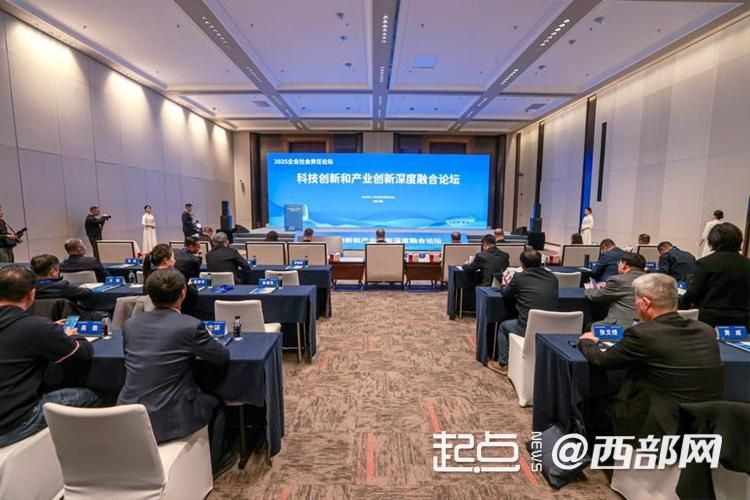
科技创新和产业创新深度融合论坛高端对话现场 12月19日下午,2025企业社会责任论坛"科技创新和产业创新深度融合"分论坛在西安举办。政府部门代 表、企业负责人和专家学者等齐聚一堂,围绕抓住新一轮科技革命和产业变革历史机遇、数字中国建设激 发企业高质量发展新动能等话题展开深入交流与讨论。 科技创新和产业创新深度融合论坛现场 人民日报数字传播发布《大国智造进行时》融媒专栏 主旨发言环节,与会嘉宾分享了以科技创新推动产业创新、引领高质量发展等方面的实践探索和深入思 考。现场,人民日报数字传播发布《大国智造进行时》融媒专栏。专栏深度聚焦中国制造的蜕变之路,搭 建一扇观察产业融合、技术演进与品牌成长的"窗口",旨在共同拓展屏媒传播新格局,讲好中国智造故 事,传播高质量发展强音。 两场高端对话,与会嘉宾分别从"新视野:抓住新一轮科技革命和产业变革历史机遇""新前景:数字中国建 设激发企业高质量发展新动能"等议题展开跨界对话交流,分享各自在扎实推动科技创新和产业创新深度 融合方面取得的创新经验和丰硕成果。 与会嘉宾体验人民日报电子阅报栏拍照打卡功能 此外,记者注意到,多种规格的人民日报电子阅报栏同步亮相论坛现场。搭载"2 ...
2025企业社会责任论坛在西安举行
Ren Min Ri Bao· 2025-12-19 19:58
与会嘉宾认为,企业作为社会主义市场经济的主体,在奋进新征程、筑梦现代化中肩负着重大责任。要 强化企业担责的使命感、履责的价值感、尽责的荣誉感,进一步促进企业履行社会责任的理念强化、机 制优化、实践深化,更好凝聚起全面推进强国建设、民族复兴伟业的强大合力。 此次论坛由人民日报社经济社会部主办,来自中央和国家机关有关部委负责同志、地方政府主管部门代 表、企业负责人和专家学者等200余人参会。论坛设主论坛和"新质生产力赋能高质量发展论坛""科技创 新和产业创新深度融合论坛"两个平行分论坛,论坛前还举办了"AI之夜智耀长安"展演活动,并组织了 西安高质量发展主题调研采访。 与会嘉宾表示,企业社会责任是中国特色社会主义市场经济的生动体现。要深入贯彻落实习近平经济思 想,贯彻落实党的二十届四中全会精神和中央经济工作会议精神,引导企业将履行社会责任内化为核心 价值追求和自觉行动,实现企业价值与社会价值的统一,为以高质量发展全面推进中国式现代化注入磅 礴动力。 本报西安12月19日电(记者韩鑫、王东辉)2025企业社会责任论坛12月19日在陕西西安举行。此次论坛主 题为"践行社会责任推动高质量发展"。陕西省委书记、省人大常委 ...
长三角打造世界级创新雁阵:上海领头,多极点支撑
2 1 Shi Ji Jing Ji Bao Dao· 2025-12-19 12:39
Core Insights - The article emphasizes the strategic importance of the Yangtze River Delta (YRD) as a hub for innovation and technology development in China, highlighting the collaborative efforts of cities within the region to enhance their competitive edge in the global market [1][2]. Group 1: Innovation Ecosystem - Companies like Ku Fei (Zhejiang) Aircraft Technology Co., Ltd. and Jiaxing Enhe Information Technology Co., Ltd. are establishing a presence in multiple cities within the YRD, indicating a trend of regional collaboration for innovation [1]. - The central government's economic work conference has outlined plans to develop international technology innovation centers in key regions, including the YRD, which is expected to enhance the area's innovation capabilities [2]. Group 2: R&D Investment - In 2024, Shanghai's R&D expenditure is projected to reach 234.37 billion yuan, with an R&D intensity of 4.35%, placing it among the top in the nation [3]. - Jiangsu's R&D investment is expected to hit 459.75 billion yuan in 2024, with an R&D intensity of 3.36%, indicating a strong commitment to innovation [3]. Group 3: Higher Education and Research Institutions - The YRD is home to 37 universities included in China's "Double First Class" initiative, accounting for a quarter of the total, with significant funding allocated to institutions like Zhejiang University and Shanghai Jiao Tong University [4][5]. - New research universities are emerging in the YRD, contributing to the region's innovation landscape, with institutions like Westlake University focusing on cutting-edge scientific research [5]. Group 4: Strategic Science and Technology Infrastructure - The YRD has over 40 major scientific facilities, making it the most concentrated area for large scientific installations in China, which supports both academic research and industrial innovation [6][7]. - Notable projects include the completion of the Future Network Experimental Facility in Jiangsu, which enhances capabilities in information and communication technology [8]. Group 5: Policy and Collaborative Framework - The "expansion and quality improvement" strategy aims to facilitate the efficient flow of innovation resources within the YRD, promoting the application of research outcomes in industry [9][10]. - The establishment of the G60 Science and Technology Innovation Corridor exemplifies a collaborative approach to integrate technology transfer and industrial development across multiple cities in the YRD [11].
西南及北部湾区综合科学考察第一期工作推进会在南宁召开 陈刚侯建国龙腾出席并讲话 韦韬主持
Guang Xi Ri Bao· 2025-12-19 01:53
龙腾表示,做好西南及北部湾区综合科学考察工作是一项光荣而艰巨的任务。要提高政治站位,从 建设科技强国的高度认识本次科考工作的重要性。要聚焦高质量发展,从推动科技创新和产业创新深度 融合的角度谋划实施。要创新科考范式,从新技术、新方法中探索科考新路径。要强化组织实施,以强 烈的政治责任感和历史使命感协同推进,将西南及北部湾区综合科学考察打造成标志性科学工程,为筑 牢南方生态安全屏障和促进边疆民族地区高质量发展作出新的更大贡献。 会后,陈刚、侯建国、韦韬、龙腾等参观了西南科考工作任务前期调研进展情况,以及支撑西南科 考智能体"寰宇·瞳鼓"、科考新装备等展示。 西南及北部湾区综合科学考察总体专家组组长孙福宝在会上介绍了实施方案及2025年工作任务部 署。中国科学院副院长、党组成员何宏平,自治区领导卢新宁、周异决及钟得志,科技部、中国科学院 相关司局负责同志,广东省、海南省、贵州省、云南省及跨部门协调机制成员单位相关负责同志,区 直、中直驻桂有关单位主要负责同志,各设区市党委或政府及科技行政管理部门主要负责同志,有关科 研院所、科技型企业主要负责同志等参加会议。(罗昌亮 陈贻泽) 12月17日,西南及北部湾区综合科学 ...
社保基金连续持仓三年以上的科技股曝光
Xin Lang Cai Jing· 2025-12-17 23:05
Core Insights - The meeting led by Liu Kun emphasized the importance of utilizing long-term funds and patient capital to support national development needs, particularly in the integration of technological and industrial innovation [1] Group 1: Asset Allocation - As of the end of Q3 this year, the market value of technology stocks (TMT sector, including electronics, communications, computers, and media) held by the social security fund exceeded 46.9 billion, marking a historical high for the same period [1] - This represents a significant increase of nearly 61% compared to the end of Q3 last year and more than an 18-fold increase compared to the same period in 2011, indicating strong support for technology stocks by the social security fund [1] Group 2: Long-term Holdings - The social security fund has consistently held positions in six technology stocks, including Zhongnan Media, Zhongyuan Media, Phoenix Media, Yilian Network, Sanhuan Group, and Transsion Holdings, for 24 consecutive quarters, with Transsion Holdings and Yilian Network each having a market value exceeding 1 billion at the end of the period [1] - Additionally, there are 11 other technology stocks that have been held for more than three years, with Pengding Holdings having a market value exceeding 3.2 billion at the end of the period [1] - The long-term holdings of the social security fund in technology stocks can be categorized into two types: industry-leading stocks with high dividend ratios and media stocks with high dividend yields [1]
社保基金会:充分发挥长期资金耐心资本作用
Zheng Quan Shi Bao Wang· 2025-12-16 23:14
Core Viewpoint - The meeting led by Liu Kun emphasized the importance of the Central Economic Work Conference in shaping the economic work for 2026 and ensuring a strong start for the "14th Five-Year Plan" [1][2] Group 1 - The meeting highlighted the need for continuous learning of Xi Jinping's important speeches and the spirit of the conference, integrating it with the 20th Central Committee's fourth plenary session to enhance confidence and implement decisions [2] - It stressed the importance of prudent management of fund investments, closely monitoring domestic and international macroeconomic conditions, and effectively conducting asset allocation [2] - The meeting called for long-term planning to promote the development of the social security fund, aligning with the key tasks outlined in the "14th Five-Year Plan" and the Central Economic Work Conference [2]