
红色基因

Search documents
龙江奋起
Jing Ji Ri Bao· 2025-08-16 01:01
Group 1 - The article highlights the transformation of Heilongjiang Province from a war-torn region during the Anti-Japanese War to a prosperous area with modern development and economic growth [1][2] - The region is leveraging its natural advantages and historical legacy to foster innovation and drive the development of new economies, including digital economy, bio-economy, ice and snow economy, and creative design [2] - The historical significance of the Northeast Martyrs Memorial Hall serves as a reminder of the sacrifices made by heroes, which continues to inspire the local population and contribute to the region's development narrative [1] Group 2 - The article emphasizes the rapid growth of emerging industries in Heilongjiang, showcasing the region's ability to adapt and thrive in a modern economic landscape [2] - The transformation of the area is marked by the juxtaposition of historical sites and modern infrastructure, indicating a blend of cultural heritage and contemporary advancements [1] - The narrative of revitalization and progress is framed within the context of the "red gene," which symbolizes the enduring spirit and resilience of the local people [2]
铭记历史 缅怀先烈丨李正华:放下教鞭扛钢枪 为国捐躯父子兵
Xin Hua Wang· 2025-08-12 00:40
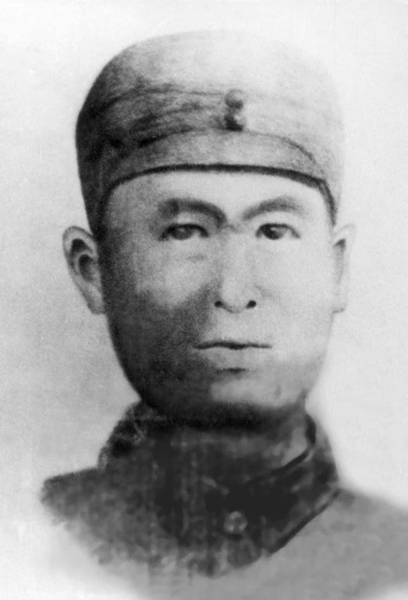
Core Viewpoint - The article highlights the life and sacrifices of Li Zhenghua, an anti-Japanese hero, who transitioned from being an educator to a soldier during the war, emphasizing his dedication to the country and the legacy he left behind through his family [1][2][4]. Group 1: Life and Contributions of Li Zhenghua - Li Zhenghua, originally named Li Lianxiu, was born in 1905 in a wealthy family in Taian, and he was known for his strong sense of justice and willingness to fight against oppressive forces [2]. - In the 1930s, he founded a free school for impoverished students and opened a traditional Chinese medicine shop to help his community, rallying young people around revolutionary ideas [2]. - After the outbreak of the Second Sino-Japanese War in 1937, he abandoned his educational and medical endeavors to organize armed resistance against the Japanese invasion [2][4]. Group 2: Military Achievements and Sacrifice - Li Zhenghua demonstrated exceptional leadership and combat skills, participating in numerous battles that boosted the morale of local military and civilians [4]. - He was killed in action on April 22, 1941, while trying to escape an enemy encirclement, choosing to protect local villagers over his own safety [4]. - His legacy continued through his son, Li Ruiyun, who also joined the fight and died at the young age of 20, leading to the recognition of their family as "a family of double martyrs" [4]. Group 3: Commemoration and Legacy - In 2021, a memorial museum dedicated to the Shandong West District People's Anti-Japanese Self-Defense Corps was opened in his hometown, serving as a patriotic education base [5]. - The local community honors Li Zhenghua's spirit and contributions, with monuments and inscriptions that inspire current and future generations to remember their history and mission [5].

“勿忘历史 吾辈自强”纪念抗战胜利80周年主题活动在蓉举行
Zhong Guo Xin Wen Wang· 2025-08-01 02:38
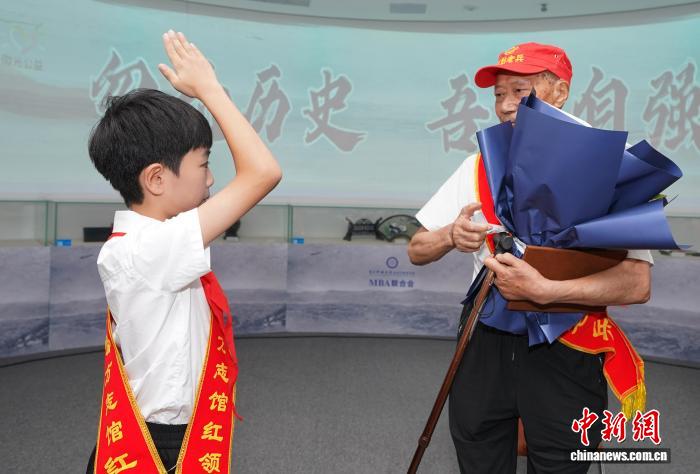
7月31日,"勿忘历史吾辈自强"纪念抗战胜利80周年主题活动在成都方志馆举行。此次活动由国家老龄 委信息中心、中国农工民主党成都市委员会、成都方志馆指导,四川关爱抗战老兵川军团、电子科技大 学经济与管理学院MBA教育中心"微光公益"共同主办,活动旨在通过回顾历史、聆听亲历者讲述,弘 扬伟大的抗战精神,传承红色基因,并推动社会持续关注和关爱抗战老兵群体,激励年轻一代铭记历 史、奋发图强,来自抗战老兵及传承人代表,与来自电子科技大学、成都市中小学的青年学生代表以及 社会各界爱心人士参加了此次活动。图为少先队员向四川籍抗战老兵王用劳致礼。中新社记者安源 摄 图为活动现场。中新社记者 安源 摄 [ 责编:丁玉冰 ] 图为少先队员向四川籍抗战老兵王用劳献花。中新社记者 安源摄 图为四川籍抗战老兵王用劳在现场讲述。中新社记者 安源摄 ...
铭记历史 缅怀先烈丨千年银杏树下的红色记忆
Xin Hua Wang· 2025-08-01 01:17
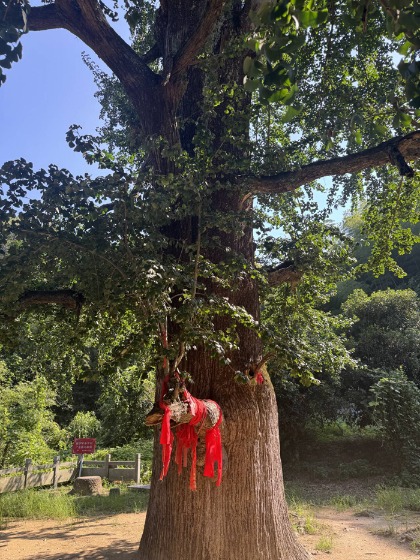
Core Viewpoint - The ancient ginkgo tree in Taohuashan, Huarong County, Hunan Province, stands as a symbol of historical significance, witnessing the anti-Japanese resistance efforts during the Second Sino-Japanese War and serving as a connection between the past and future [1][3][5]. Historical Significance - The ginkgo tree, over 1700 years old, is located near a former battlefield hospital of the New Fourth Army's Jiangnan Advance Detachment, which established a base in the area in December 1943 [1][3]. - The establishment of the anti-Japanese base ignited local enthusiasm for resistance, leading to the growth of the detachment from one company to five main companies [3]. Community Involvement - Local residents actively participated in the resistance by supplying materials, relaying information, and caring for the wounded, fostering a strong bond with the New Fourth Army soldiers [5]. - The ginkgo tree served as an emergency treatment site for many wounded soldiers, highlighting the collaboration between the military and local community during the war [5]. Cultural Legacy - The ancient ginkgo tree has become a significant memorial site, attracting numerous visitors interested in red history and the spirit of resistance [5]. - The tree symbolizes the enduring legacy of the anti-Japanese struggle, inspiring future generations to carry forward the spirit of resilience and courage [5].
廿载改革创新路, 筑梦山海振兴图——福建农信联社成立20周年发展纪实
Zheng Quan Ri Bao· 2025-07-26 21:33
Core Viewpoint - Fujian Rural Credit has transformed from a small and weak entity to a strong financial institution, playing a crucial role in rural finance, inclusive finance, and green finance over the past 20 years [1][2]. Group 1: Historical Development - Fujian Rural Credit's history dates back to 1929 with the establishment of the first red credit cooperative in western Fujian, evolving through various milestones to become a key player in rural financial services [1][3]. - The total assets of the Fujian Rural Credit system have increased over 26 times, with deposits growing over 19 times and loans over 17 times in the past two decades, serving over 30 million customers [2]. Group 2: Commitment to Rural Development - Fujian Rural Credit has maintained a focus on supporting agriculture and small enterprises, embodying the spirit of "backpack banking" by sending financial assistants to rural areas to meet local financial needs [3][4]. - The organization has established a strategic partnership with over 60 agricultural and enterprise units to enhance rural development through a model combining party building and financial assistance [4]. Group 3: Reform and Innovation - Continuous reforms have been implemented to improve management systems, service quality, and risk control, enabling Fujian Rural Credit to adapt to the evolving financial landscape [6][8]. - The introduction of digital platforms and innovative financial products, such as "Fugusheng Digital Loan," has facilitated access to credit for local industries, particularly in the edible fungus sector [6][7]. Group 4: Green Finance Initiatives - Fujian Rural Credit has developed green financial products to support sustainable agricultural practices, exemplified by the establishment of the "Fugun e-Lin" platform for forestry financial services [12][13]. - The organization has integrated data resources to create personalized carbon credit reports, aiding in the valuation and financing of forest resources [12]. Group 5: Financial Network and Accessibility - The network of Fujian Rural Credit has expanded to 1,902 outlets, covering over one-third of the province's banking institutions, ensuring comprehensive financial service access in rural areas [15]. - As of June 2025, the balance of agricultural loans reached approximately 4.75 trillion yuan, with a market share exceeding 20%, demonstrating the institution's significant role in rural financing [15].
山东能源望田煤业:多维度党建赋能 激活企业高质量发展“红色引擎”
Zhong Guo Neng Yuan Wang· 2025-07-14 03:30
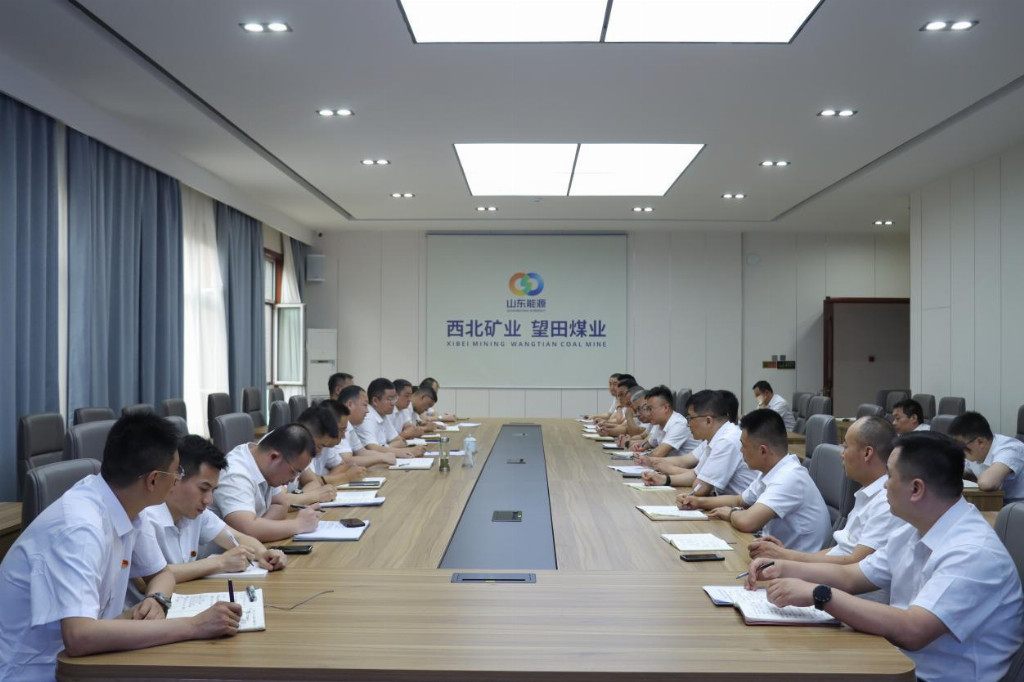
Group 1 - The company emphasizes the importance of party style as a reflection of its nature, purpose, and creativity, which is crucial for high-quality development [1] - A themed activity titled "High-Quality Development and Strong Responsibility" was conducted, focusing on party education to inspire members and strengthen the foundation for the company's development [3] - The company has organized 15 specialized party classes, receiving 31 reasonable suggestions to integrate party theory with business needs, enhancing the ideological motivation of its members [3] Group 2 - The company showcases the spirit of the Communist Party through historical exhibits, emphasizing the importance of self-reliance and hard work in the current market environment [5] - An immersive party education approach is adopted, allowing members to reflect and draw strength from the party's history and values [5] - A collective oath-taking ceremony was held to reinforce the commitment of members to the party's principles and responsibilities [7] Group 3 - The company aims to continue the legacy of the great founding spirit of the Communist Party, encouraging members to unify thoughts and actively pursue progress [7] - Discussions on how to practice the oath in daily work are encouraged, promoting a lifelong commitment to the party's values [7] - The company seeks to ensure that its excellent party style supports its efforts in overcoming challenges and achieving goals [7]
以老党员为榜样传承红色基因 以昂扬向上精神状态勇挑重担
Zheng Zhou Ri Bao· 2025-07-02 00:51
Group 1 - The article highlights the importance of honoring and supporting elderly party members, emphasizing their contributions and the need to learn from their dedication and spirit of hard work [1][2] - The city leaders, including An Wei, express admiration for the life stories and values of veteran party members, recognizing them as valuable assets to the party and the nation [2] - There is a call to continue promoting the spirit of the party and to implement educational initiatives that align with the central government's directives, focusing on maintaining a clean political environment [2] Group 2 - The article mentions specific elderly party members, such as 92-year-old Yang Genshen and centenarian Liu Qingru, who exemplify the values of dedication and commitment to the party [1][2] - An Wei emphasizes the need to pass on the "red gene" and continue the legacy of the party's founding principles, urging party members to strive for excellence in their work [2] - The article concludes with a note on the participation of other city leaders in the visit, indicating a collective effort to honor and support the elderly party members [3]
铭记历史 缅怀先烈|传承红色基因 守护绿水青山——访辽宁宽甸革命老区
Xin Hua She· 2025-06-30 09:29
Core Viewpoint - The article highlights the historical significance of the Yan Jingyu statue in Kuandian, Liaoning, and the ongoing efforts to integrate red tourism with ecological development, showcasing the transformation of the region from a revolutionary base to a thriving eco-tourism destination [1][3]. Group 1: Historical Significance - The statue of General Yan Jingyu stands as a symbol of the anti-Japanese resistance, marking the site where the Northeast Anti-Japanese United Army operated for four years starting in 1934 [1]. - The preserved sites, including the "Dizhuangzi" underground hideouts, reflect the strategic importance of these locations for guerrilla warfare and community engagement during the war [1]. - The establishment of the Siping Township government in 1935 played a crucial role in supporting the anti-Japanese efforts through logistics and intelligence [2]. Group 2: Ecological and Economic Development - Kuandian is now focusing on rural revitalization by merging ecological conservation with red tourism, creating a 4,000-meter "Red Tourism Valley" for visitors to explore historical sites [3]. - The Tianqiao Valley has become a comprehensive eco-tourism destination, providing over 340 jobs and seasonal employment exceeding 1,000 person-times [3]. - The "company + farmer" model has been implemented in Liming Village to develop the wild ginseng industry, with 50,000 acres planted and over 100 million seedlings available, enhancing local income [3]. - The introduction of the Yan Hong peach industry in Hekou Village has transformed it into a prosperous community, contributing to the region's economic growth [4]. - The forest coverage rate in Kuandian has reached 78.4%, indicating significant ecological improvement and sustainable development [4].
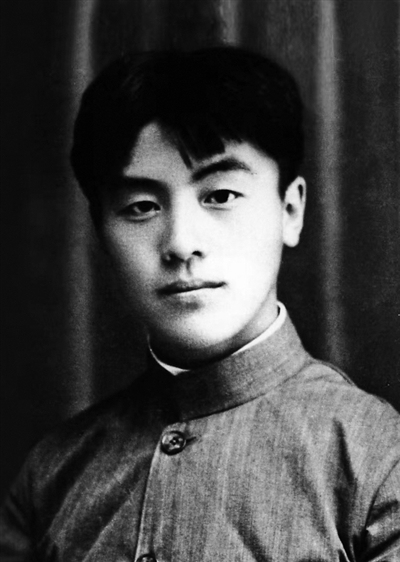
王少奇:“任何时候都不能泄露党的秘密”(铭记历史 缅怀先烈·抗日英雄)
Ren Min Ri Bao· 2025-06-29 22:01
Core Viewpoint - The article highlights the significant contributions of Wang Shaoqi in the anti-Japanese resistance during the Second Sino-Japanese War, emphasizing his leadership and dedication to the cause of national liberation [2][3][4]. Group 1: Early Life and Involvement - Wang Shaoqi, originally named Wang Yukun, was born in 1912 in Hebei Province and became politically active during his education, joining the Chinese Communist Party in 1936 [2]. - He initiated anti-Japanese propaganda and established a clinic to provide medical care while promoting resistance efforts in the local community [2]. Group 2: Organizational Efforts - Wang Shaoqi played a crucial role in forming the Anti-Japanese National Salvation Association, expanding its membership significantly within six months [2]. - He was appointed as a member of the county committee and served as the propaganda minister for the Anti-Japanese National Salvation Association in his region [2]. Group 3: Military Engagement - In 1940, Wang Shaoqi helped establish the Pan Mountain Anti-Japanese base and organized local militia to support main forces during Japanese military operations [3]. - He emphasized the importance of resilience and secrecy among the militia, encouraging them to remain steadfast in the face of adversity [3]. Group 4: Later Contributions and Sacrifice - By the end of 1943, Wang Shaoqi was appointed as the head of the health department of the Eastern Hebei Military Region, where he worked to improve medical conditions for troops [4]. - He was mortally wounded while attempting to rescue a comrade during an enemy ambush, demonstrating his commitment to the party and its secrets until his last moments [4].
【铭记历史 缅怀先烈】陕西延安:从革命圣地到幸福家园
Yang Shi Wang· 2025-06-29 11:28
Group 1 - Yan'an, as a revolutionary holy land, is promoting comprehensive rural revitalization and accelerating the construction of a modern industrial system to drive high-quality development in the old revolutionary areas [1][2] - Since the 18th National Congress of the Communist Party of China, Yan'an has developed ecological agriculture, equipment manufacturing, and red tourism, completely eliminating absolute poverty by 2019 [2] - The apple planting area in Yan'an exceeds 3.3 million mu, with an annual output of over 5 million tons, forming an industrial chain worth over 50 billion yuan, benefiting 800,000 farmers [2] Group 2 - Yan'an has invested over 2 billion yuan in comprehensive governance of 32 ravines, improving the living environment and infrastructure [3] - The city has seen significant advancements in transportation, with highways, high-speed rail, and flights connecting to various regions, and is now recognized as a national gigabit city [3] - Yan'an plans to implement 350 key projects with a total investment of 310 billion yuan, focusing on new materials, energy storage, and advanced manufacturing [3]