
车路协同

Search documents
破产的中智行与出局的“中国自动驾驶第一人”
Hu Xiu· 2025-09-18 00:01
Core Points - The article discusses the downfall of Zhongzhixing, a once-prominent autonomous driving company, culminating in its bankruptcy due to inability to repay debts and significant financial liabilities [3][42]. - The narrative highlights the journey of its founder, Wang Jin, who was once a leading figure in the industry but faced numerous challenges and conflicts throughout his career [5][56]. Group 1: Company Overview - Zhongzhixing was founded by Wang Jin, who previously held significant positions at major tech companies, including Baidu, where he was the first general manager of the autonomous driving division [6][12]. - The company adopted a unique approach by focusing on "vehicle-road collaboration" technology instead of the more common "single-vehicle intelligence" strategy, believing it to be a path to surpass competitors like Waymo [25][56]. - In 2022, Zhongzhixing introduced the "Light Vehicle, Familiar Road" system, which aimed to reduce the computational power required in vehicles and relied heavily on roadside infrastructure [27][28]. Group 2: Financial Challenges - The company faced severe financial difficulties, leading to large-scale layoffs, unpaid wages, and project halts, ultimately resulting in a court ruling for bankruptcy in September 2025 due to an inability to pay a labor arbitration amount of 15,000 yuan [43][48]. - Despite having ongoing commercial projects that could cover operational costs, the company struggled with cash flow issues, leading to its eventual collapse [45][56]. Group 3: Leadership and Management Issues - Wang Jin's management style was characterized by a centralized decision-making approach, which alienated key stakeholders and led to the departure of several core team members [38][41]. - His idealistic belief in technology's ability to drive business success often clashed with the practical needs of the market, causing the company to miss critical opportunities for commercialization [55][56]. - The internal conflicts and Wang Jin's frequent exits from leadership roles contributed to the company's instability and eventual failure [52][56].

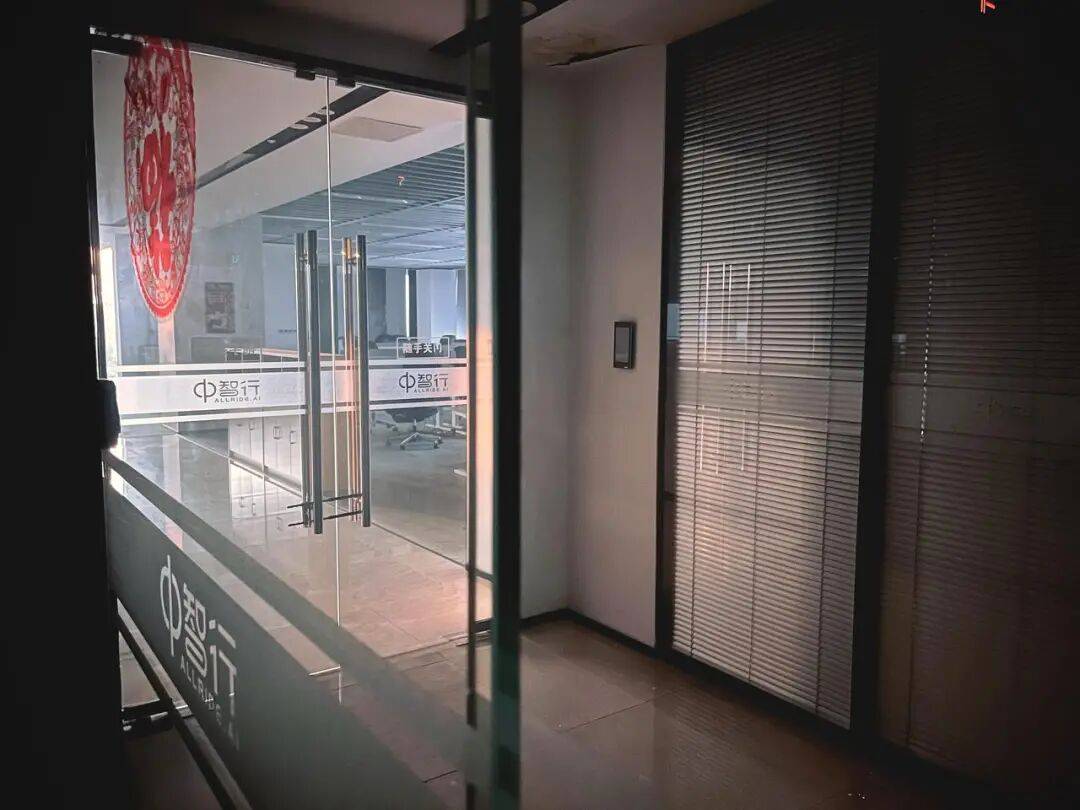
中国自动驾驶第一人,破产了
商业洞察· 2025-09-15 09:28
Core Viewpoint - The article discusses the downfall of Zhongzhixing Technology Co., Ltd., a once-prominent player in the autonomous driving industry, highlighting the challenges faced by companies in this sector and the implications of their strategic choices [4][24]. Group 1: Company Overview - Zhongzhixing Technology Co., Ltd. was founded in 2018 with a registered capital of 150 million yuan, focusing on vehicle-road collaboration technology [7]. - The company was established by Wang Jin, a notable figure in the autonomous driving field, previously a senior vice president at Baidu and the first general manager of Baidu's autonomous driving division [8][10]. Group 2: Business Challenges - The company faced severe financial difficulties, culminating in a court ruling for bankruptcy due to an inability to pay a labor arbitration amount of 15,000 yuan [4][5]. - Zhongzhixing had received four rounds of financing totaling several hundred million yuan, with the last round occurring in March 2023, but failed to secure further funding thereafter [21]. Group 3: Strategic Choices - Zhongzhixing chose a "vehicle-road collaboration" approach, which is more complex and reliant on extensive infrastructure upgrades, as opposed to the "single-vehicle intelligence" route favored by competitors like Tesla and Waymo [16][18]. - The reliance on government involvement and significant investment for infrastructure development proved to be a critical challenge for Zhongzhixing, leading to its eventual collapse [18][27]. Group 4: Industry Context - The autonomous driving sector is experiencing a downturn, with several companies, including those once valued at over 9 billion yuan, entering bankruptcy or restructuring [24]. - Analysts indicate that the current investment climate favors technologies that can demonstrate quicker commercialization, putting pressure on autonomous driving companies to provide clear profitability timelines [24][27]. Group 5: Lessons Learned - The case of Zhongzhixing serves as a warning to entrepreneurs in cutting-edge technology sectors: a promising technological vision must be paired with a viable path to navigate real-world financial pressures [26]. - The article emphasizes that while "vehicle-road collaboration" is a long-term goal, the immediate focus should be on strategies that allow for faster implementation and lower initial costs [26][27].
第一创业晨会纪要-20250915
First Capital Securities· 2025-09-15 03:18
Macro Economic Group - In August, M2 growth was 8.8% year-on-year, the highest since December 2023, while M1 growth was 6.0%, the highest since January 2023, indicating a significant acceleration in the speed of money circulation [5][6] - The total social financing (TSF) in August was 2.57 trillion yuan, lower than the previous year's figure by 463 billion yuan, with a notable decrease in government bonds and loans [5] - Bank credit increased by 590 billion yuan in August, but this was a year-on-year decrease of 310 billion yuan, indicating a contraction in both household and corporate loans [6] Industry Comprehensive Group - Recent US sanctions on Chinese companies, including Shanghai Fudan, may lead to short-term stock sell-offs, but China's countermeasures could benefit domestic analog chip manufacturers [9] - The global analog chip market is recovering, with price increases from major manufacturers, suggesting improved profitability for domestic firms if anti-dumping investigations succeed [9] Advanced Manufacturing Group - In August, China's battery sales reached 134.5 GWh, a year-on-year increase of 45.6%, with lithium iron phosphate batteries accounting for the majority of the growth [11] - The National Development and Reform Commission aims for new energy storage capacity to reach 180 million kilowatts by 2027, driving significant investment in the sector [12] - The automotive industry is projected to see a 3% increase in total sales in 2025, with a 20% growth in new energy vehicle sales, indicating a shift towards smart and electric vehicles [12] Consumer Group - Jiangnan Buyi reported a total revenue of 5.548 billion yuan for the 2025 fiscal year, a 4.6% increase, driven by online sales and store expansion [14] - The company's membership system plays a crucial role, with over 80% of retail revenue coming from members, highlighting the importance of customer loyalty [14] Bond Research Group - The bond market experienced an overall rise in interest rates, influenced by concerns over high redemption fees for bond funds and a weak inflation outlook [16]
又一家自动驾驶公司破产,1.5万债务都还不起了
阿尔法工场研究院· 2025-09-11 00:03
Core Viewpoint - The article discusses the downfall of the autonomous driving company Zhongzhixing, highlighting the shift in the Chinese autonomous driving industry from enthusiasm to a harsh reality, marked by financial struggles and the need for a viable business model [4][6][30]. Company Overview - Zhongzhixing, once a promising player in the autonomous driving sector, has entered bankruptcy liquidation, with its founder Wang Jin, a prominent figure in the industry, unable to pay even a small debt of 15,000 yuan [5][10][11]. - The company was founded in 2018 with a registered capital of 150 million yuan, aiming to provide autonomous driving technology and services based on vehicle-road collaboration [17][22]. Industry Context - The autonomous driving industry in China is experiencing a "liquidation moment," with several once-prominent companies facing bankruptcy or restructuring, indicating a significant downturn after a period of rapid growth [28][29]. - The shift in capital market sentiment has made it essential for autonomous driving companies to present clear paths to profitability, moving away from speculative investments [31][32]. Strategic Challenges - Zhongzhixing's chosen strategy of "vehicle-road collaboration" has proven to be a significant challenge, as it requires extensive infrastructure investment and government involvement, making it difficult for a startup to succeed [23][24]. - In contrast, the "single vehicle intelligence" approach adopted by competitors has allowed for quicker commercialization and lower initial costs, leading to its dominance in the market [30]. Financial Struggles - The company has accumulated debts exceeding 47 million yuan, with multiple creditors involved, reflecting a dire financial situation [11][13]. - The inability to pay even minor debts indicates a complete depletion of resources, underscoring the financial pressures faced by startups in the autonomous driving sector [25]. Future Outlook - The article suggests that the collapse of Zhongzhixing is not the end of the industry but rather a beginning of structural differentiation, where surviving companies must focus on cost reduction and efficient commercialization [33][34]. - Companies are now exploring specific scenarios for application, such as port autonomous trucks and last-mile delivery, which present lower barriers to entry and quicker returns [34]. Conclusion - The future of the autonomous driving industry will depend on companies' ability to balance technological feasibility, commercial value, and cost control, moving away from mere technological competition to a focus on operational efficiency and market adaptability [35][36].
1.5万元“压垮”中智行,自动驾驶行业分化与重生
Bei Jing Shang Bao· 2025-09-07 13:51
Core Viewpoint - The bankruptcy of Zhongzhixing Technology Co., Ltd. (中智行) highlights the challenges faced by autonomous driving companies, marking a significant moment in the industry's evolution as it grapples with the balance between technological aspirations and commercial realities [1][3]. Company Overview - Zhongzhixing, once valued at billions and founded by Wang Jin, a prominent figure in China's autonomous driving sector, has recently been declared bankrupt due to an unpaid labor arbitration amount of 15,000 yuan [1][3]. - The company has faced multiple legal issues, with 53.33% of its cases occurring in 2025, involving a total amount of 22.0875 million yuan [3]. Industry Context - Despite Zhongzhixing's collapse, other companies in the autonomous driving sector are experiencing growth. For instance, Baidu's "Luobo Kuaipao" service provided over 2.2 million rides globally in Q2 2025, while Xiaoma Zhixing's Robotaxi revenue surged by over 300% year-on-year [1][7]. - The industry is witnessing a structural differentiation rather than an overall contraction, with capital increasingly focusing on leading firms [7]. Financial Performance - In Q2 2025, Wenyan Zhixing reported a revenue of 45.9 million yuan from its Robotaxi business, a year-on-year increase of 836.7%, accounting for 36.1% of its total revenue [7][8]. - Xiaoma Zhixing's Robotaxi revenue reached 10.9 million yuan in Q2 2025, with a year-on-year growth of 157.8% [8]. Technological Challenges - The autonomous driving sector is divided into two main technological routes: single-vehicle intelligence and vehicle-road collaboration. Zhongzhixing's focus on vehicle-road collaboration has been criticized for its high costs and limited applicability [6][8]. - Industry experts suggest that the current growth of companies like Wenyan Zhixing and Xiaoma Zhixing indicates advancements in technology and market acceptance, but challenges related to technology maturity, legal regulations, and public acceptance remain significant [8].
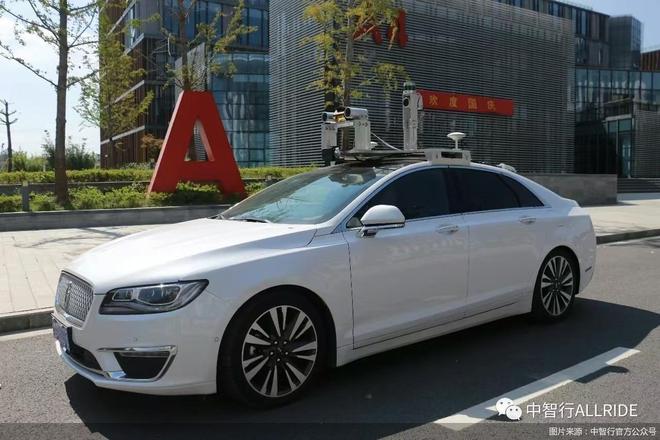
无力支付1.5万劳动仲裁款!百度前高级副总裁王劲创业失败,已失联
Mei Ri Jing Ji Xin Wen· 2025-09-06 07:30
Core Viewpoint - Zhongzhixing Technology Co., Ltd. has been accepted for bankruptcy liquidation by the court due to its inability to pay a labor arbitration amount of 15,000 yuan, reflecting the company's financial distress and the broader downturn in autonomous driving investments [1][2][4]. Company Summary - Zhongzhixing was founded by Wang Jin, a former senior vice president at Baidu and a pioneer in the L4 autonomous driving sector [1][9]. - The company has a registered capital of 150 million yuan and was established in June 2018 [6][9]. - The company has faced multiple enforcement cases, with a total historical enforcement amount reaching 47.328 million yuan, indicating severe financial difficulties [4][6]. Financial Distress - The court's ruling for bankruptcy was based on Zhongzhixing's inability to fulfill multiple financial obligations, including a labor arbitration agreement [2][4]. - The company has been unable to pay off debts, leading to a series of enforcement actions against it, with significant amounts remaining unpaid [6][7]. Operational Issues - The company has ceased operations, with its website inaccessible and contact numbers disconnected, indicating a complete loss of operational capacity [5][6]. - All three of its branches in Beijing, Fuzhou, and Shenzhen have been deregistered, and its official WeChat account has not been updated since February of the previous year [5][6]. Industry Context - The autonomous driving sector is experiencing a significant investment downturn, with many companies, including Zhongzhixing, facing challenges in achieving commercial viability [11][12]. - The industry is shifting towards a more competitive landscape, with several companies either going bankrupt or restructuring, highlighting the difficulties in the current market environment [11][12]. - Zhongzhixing's chosen technology route, which focuses on vehicle-road collaboration, has proven difficult to commercialize compared to the more prevalent single-vehicle intelligence approach [11][12].

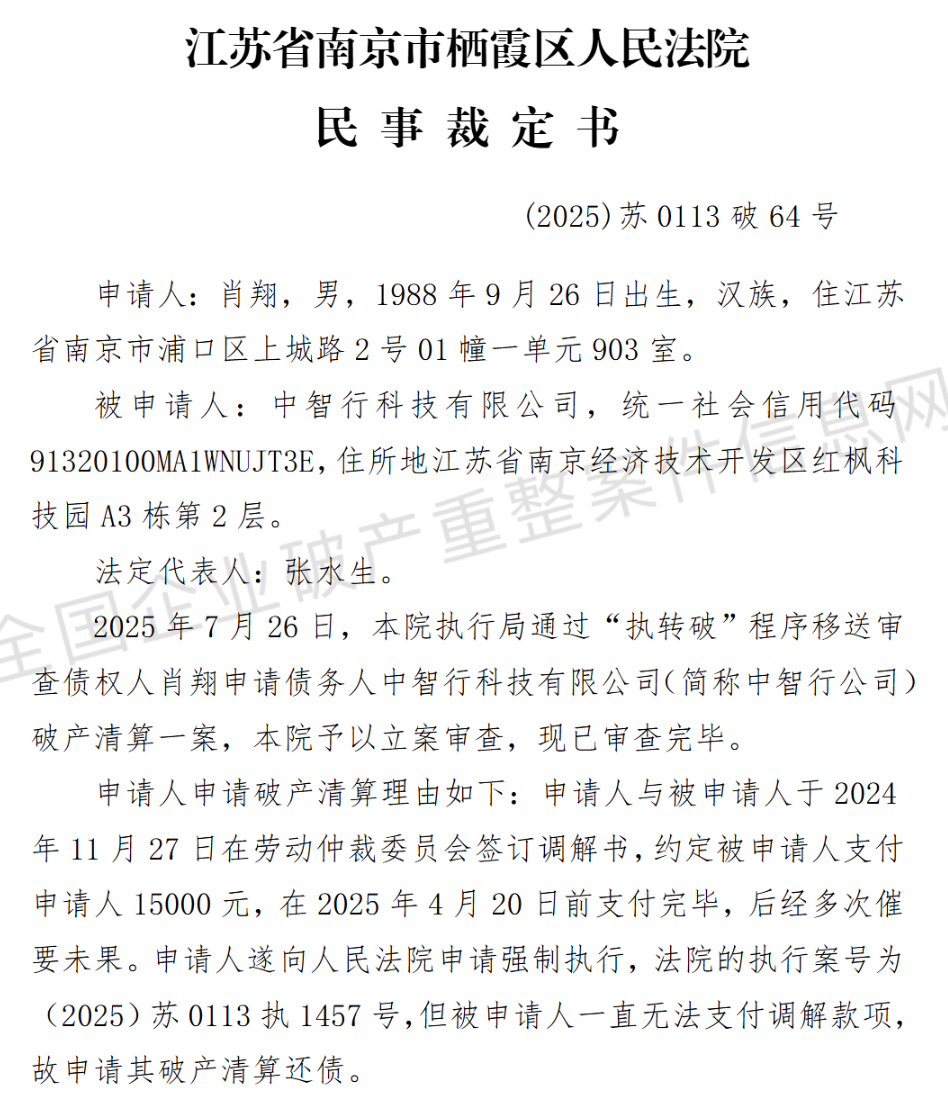
百度前高级副总裁王劲创业失败 自动驾驶公司进入破产程序 已失联
Mei Ri Jing Ji Xin Wen· 2025-09-06 07:11
Core Viewpoint - Zhongzhixing Technology Co., Ltd. has been accepted for bankruptcy liquidation by the court due to its inability to pay a labor arbitration amount of 15,000 yuan, reflecting the challenges faced by the company in the L4 autonomous driving sector amid a downturn in investment in the industry [1][2][4]. Company Summary - Zhongzhixing was founded by Wang Jin, a former senior vice president at Baidu and the first general manager of Baidu's autonomous driving division, focusing on L4-level autonomous driving technology [1][8]. - The company was established in June 2018 with a registered capital of 150 million yuan and has faced multiple execution cases, with a total historical execution amount reaching 47.328 million yuan [5][4]. - The company has been unable to operate from its registered location, and its website is no longer accessible, indicating a complete operational shutdown [4][6]. Financial and Legal Issues - The court's investigation revealed that Zhongzhixing is insolvent and has multiple cases of non-execution, leading to its acceptance for bankruptcy [4][6]. - The company has undergone significant management changes, with Wang Jin resigning as the legal representative in August 2024, shortly before the company faced execution [6][7]. - The first creditors' meeting is scheduled for October 24, 2025, to address the claims against the company [4]. Industry Context - The autonomous driving industry is experiencing a significant downturn in investment, with companies needing to provide clear profitability timelines to attract continued funding [12][15]. - The choice of technology route by Zhongzhixing, which focuses on vehicle-road collaboration, has been criticized for its complexity and high infrastructure costs, making it difficult to commercialize in the short term [12][15]. - Other companies in the sector, such as Qingyan Weishi and Zongmu Technology, have also faced bankruptcy or restructuring, indicating a broader trend of consolidation and challenges within the autonomous driving market [12][15].
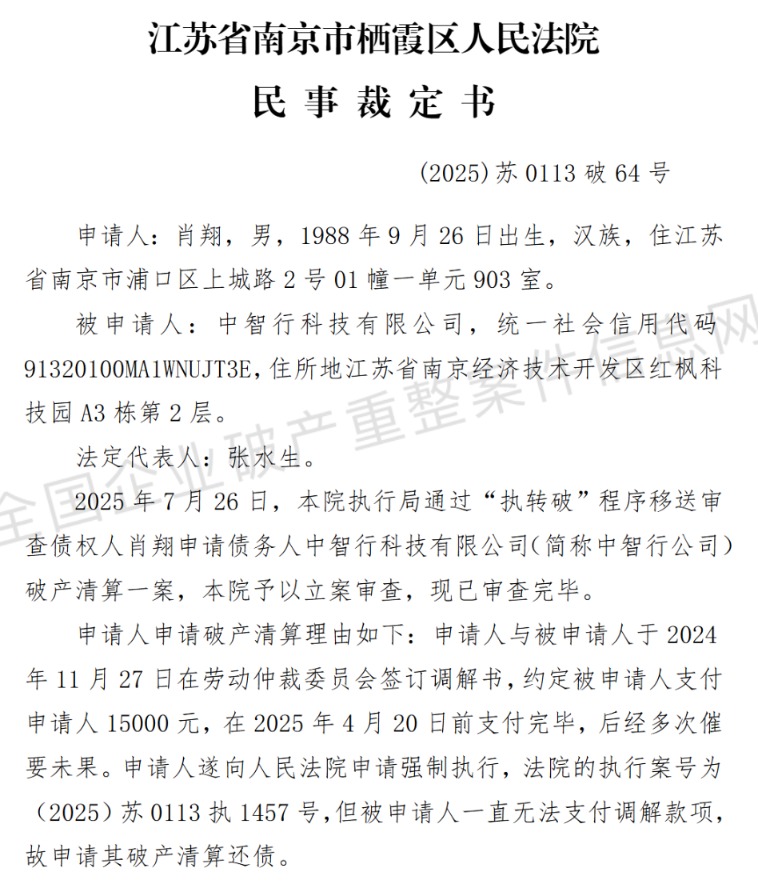
“无力支付1.5万元劳动仲裁款”!百度前高级副总裁王劲创业失败,自动驾驶公司进入破产程序,已失联
Mei Ri Jing Ji Xin Wen· 2025-09-06 06:57
Core Viewpoint - Zhongzhixing Technology Co., Ltd. has been accepted for bankruptcy liquidation by the court due to its inability to pay a labor arbitration amount of 15,000 yuan, reflecting the company's financial distress and the broader downturn in autonomous driving investments [1][3][5]. Company Summary - Zhongzhixing was founded by Wang Jin, a former senior vice president at Baidu and the first general manager of Baidu's autonomous driving division, focusing on L4-level autonomous driving technology [1][9]. - The company has a registered capital of 150 million yuan and was established in June 2018 [6][9]. - The company has faced multiple execution cases with a total historical execution amount of 47.328 million yuan, indicating severe financial difficulties [5][7]. Financial Distress - The court's decision to accept the bankruptcy application was based on Zhongzhixing's inability to pay debts and its status as insolvent [3][5]. - The company has been unable to contact, with its official website down and phone numbers disconnected, indicating a complete operational shutdown [5][6]. Industry Context - The autonomous driving sector is experiencing a significant investment downturn, leading to a wave of bankruptcies among companies in the field, including Zhongzhixing [11][12]. - Analysts suggest that the industry is undergoing a reshuffle, with companies needing to provide clear profitability timelines to attract continued investment [11][12]. - Zhongzhixing's chosen technology route, which emphasizes vehicle-road collaboration, has been criticized for its high infrastructure costs and slow commercial viability compared to the more prevalent single-vehicle intelligence approach [12][14].
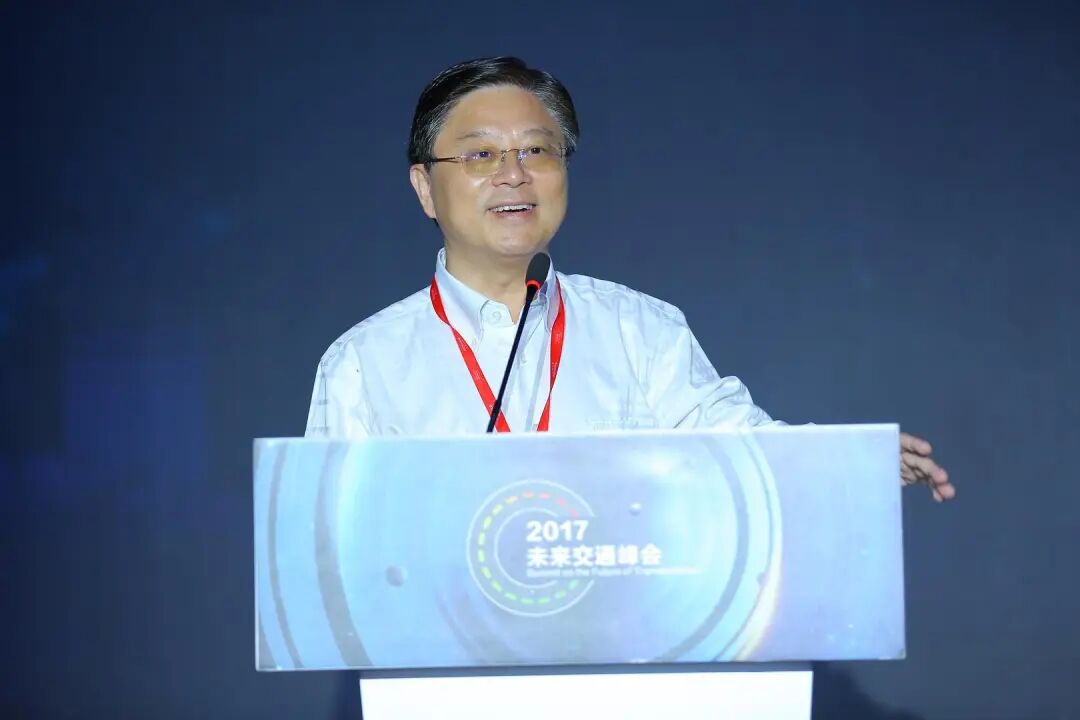
“无力支付1.5万元劳动仲裁款”!百度前高级副总裁王劲创业失败,自动驾驶公司进入破产程序,已失联,首次被执行前夕更换法代
Mei Ri Jing Ji Xin Wen· 2025-09-06 06:25
Core Viewpoint - Zhongzhixing Technology Co., Ltd. (referred to as "Zhongzhixing") has been accepted for bankruptcy liquidation by the court due to its inability to pay a labor arbitration amount of 15,000 yuan, reflecting the challenges faced in the L4 autonomous driving sector and the broader decline in investment in autonomous driving technologies [1][3][11]. Company Summary - Zhongzhixing was founded by Wang Jin, a former senior vice president at Baidu and the first general manager of Baidu's autonomous driving division, focusing on L4-level autonomous driving technology [1][9]. - The company was established in June 2018 with a registered capital of 150 million yuan and has faced multiple execution cases, with a total historical execution amount reaching 47.328 million yuan [5][9]. - The company has been unable to operate from its registered location, and its website is no longer accessible, indicating a complete operational shutdown [5][11]. Financial and Legal Issues - The court's decision to accept the bankruptcy application was based on Zhongzhixing's significant debts and inability to fulfill financial obligations, including a labor arbitration settlement [3][5]. - The company has been involved in numerous execution cases, with the total amount of unfulfilled obligations reaching 21.928 million yuan from two major cases [7][11]. - Following a change in legal representation in August 2024, Wang Jin stepped down as the legal representative, and Zhang Shuisheng took over, which raised concerns about the company's management and financial health [7][8]. Industry Context - The autonomous driving industry is experiencing a downturn in investment, with many companies facing challenges in achieving profitability and commercial viability [11][12]. - Zhongzhixing's chosen technology route, which emphasizes vehicle-road collaboration, has been criticized for its high infrastructure costs and slow return on investment compared to the more prevalent single-vehicle intelligence approach [11][12]. - Other companies in the sector, such as Qiyuan Weishi and Zongmu Technology, have also faced bankruptcy or restructuring, indicating a broader trend of consolidation and challenges within the autonomous driving market [11][12].
中智行被认定破产,王劲自动驾驶创业落幕
3 6 Ke· 2025-09-04 01:20
Core Viewpoint - Zhongzhixing, an L4 autonomous driving company founded by Wang Jin, has been approved by the court to enter bankruptcy liquidation proceedings, indicating severe financial distress and operational failure [1][12][13]. Company Background - Wang Jin, a prominent figure in China's autonomous driving commercialization, was the first general manager of Baidu's autonomous driving division [2][29]. - After leaving Baidu, Wang founded Jingchi Technology in 2017, which was once one of the fastest-growing autonomous driving startups before internal conflicts led to his exit [4][12]. Financial Distress - Zhongzhixing has reportedly failed to pay even a small debt of 15,000 yuan, leading to a series of legal actions and revealing a financial black hole with debts totaling nearly 25 million yuan [8][12]. - The company has been found to be insolvent, with no assets available for execution, and has lost contact with creditors and the court [10][12]. Legal Proceedings - The Nanjing Qixia Court has recognized Zhongzhixing's condition as meeting the criteria for bankruptcy liquidation, initiating the "execution to bankruptcy" process [12][13]. - Multiple civil cases have been filed against Zhongzhixing, indicating widespread financial issues and a lack of operational transparency [9][12]. Operational Challenges - Zhongzhixing initially aimed to innovate in vehicle-road collaboration but faced significant challenges in implementation, leading to stagnation in progress [26][28]. - The company struggled with the complexities of infrastructure transformation necessary for vehicle-road collaboration, which proved to be more difficult than anticipated [24][26]. Leadership and Strategy - Wang Jin's strategy shifted towards vehicle-road collaboration, believing that single-vehicle intelligence was a dead end, but this approach has not yielded the expected results [17][28]. - The company has faced increasing difficulties in securing funding and maintaining operational viability, particularly as the autonomous driving sector has become more competitive [28][29].
