霸权主义

Search documents
委内瑞拉代总呼吁批准石油行业改革方案,以吸引更多外国投资
中国能源报· 2026-01-16 01:49
Economic Performance - In 2025, Venezuela achieved an economic growth rate of 8.5%, marking a historic achievement of 19 consecutive quarters of economic growth, positioning it as a leader in Latin America [1] - The hydrocarbon sector attracted nearly $900 million in investments, with oil production reaching 120,000 barrels per day [1] Industry Reforms - The interim president called for the legislative body to approve oil industry reform plans to attract more foreign investment and promote national economic recovery [1] - These reforms are expected to improve the operational environment of the oil industry and enhance the capacity for international cooperation [1] Diplomatic Relations - Venezuela asserts its right to establish relations with countries worldwide, including the United States, under mutual respect and international law [1] - The interim president emphasized that the Venezuelan people are not afraid of "Monroe Doctrine" and hegemonism, calling for national unity in the face of external threats [1]


委内瑞拉代总统发表国情咨文
Xin Jing Bao· 2026-01-15 23:15
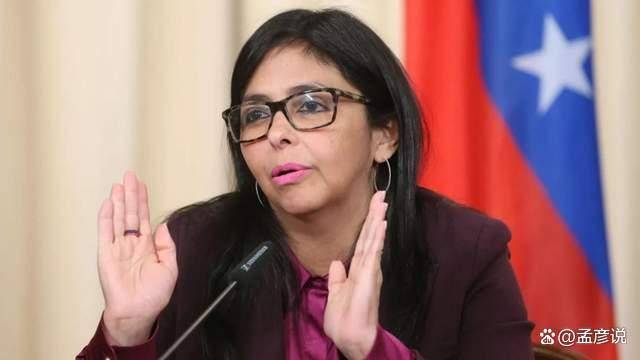
罗德里格斯称,委内瑞拉人民并不畏惧"门罗主义"与霸权主义。当美国越过红线,袭击、轰炸、杀害平 民并强行控制总统马杜罗和第一夫人时,委美关系蒙上了污点。罗德里格斯指出,委内瑞拉正面临威 胁,因此号召全国团结一致。作为代总统,她将昂首挺胸而非卑躬屈膝。 罗德里格斯呼吁立法机构批准石油行业改革方案,以吸引更多外国投资,推动国家经济复苏。罗德里格 斯说,相关改革将有助于改善石油产业运行环境,增强对外合作能力。 罗德里格斯强调,委内瑞拉有权与世界各国建立关系,有权在相互尊重和国际法框架之下,与世界各国 人民及美国保持外交关系。 据央视新闻消息,当地时间1月15日,委内瑞拉代总统德尔西·罗德里格斯发表2026年度国情咨文。 罗德里格斯称,2025年委内瑞拉经济增长率达8.5%,已实现连续19个季度经济增长的历史性成就,并 在相关指标上位居拉美首位,标志着委内瑞拉已确立坚实的区域领先地位。 罗德里格斯指出,2025年委内瑞拉碳氢化合物领域吸引近9亿美元投资,原油产量达120万桶(日均)。 ...
加拿大8年来首次访华!被美国逼到墙角后,转头来抱中国大腿?
Sou Hu Cai Jing· 2026-01-15 12:11
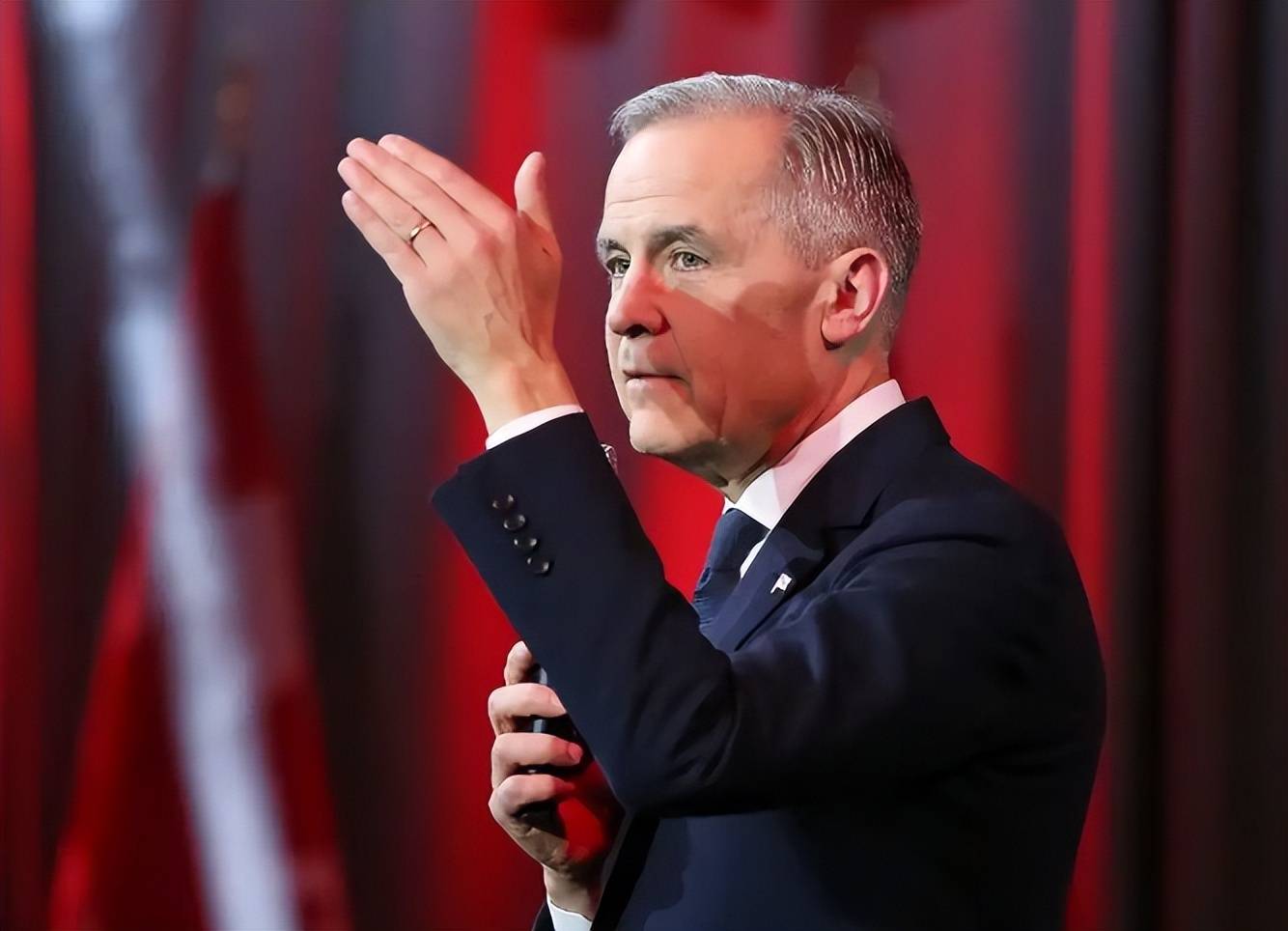
加拿大为何访华? 近期,有两个大消息炸了锅。一个是美国跟丹麦闹掰,核心是抢格陵兰岛。 这篇国际评论,主要来分析加拿大为何要访华? 最近国际圈的瓜是一个比一个劲爆:特朗普挥着关税大棒怼伊朗,还盯着格陵兰岛流口水,连邻居加拿大都被他逼得转头找中国,这连环大戏简直比电视剧 还刺激。 今天咱就用大白话,把这几件事的来龙去脉捋清楚,看完保证你通透。 另一个更狠,特朗普在前一天发社交动态放话,谁跟伊朗做生意,再想跟美国打交道就得交25%的高额关税,这简直是逼全世界二选一。 说句实在的,这事儿跟贸易半毛钱关系没有,就是特朗普团队里的鹰派在借题发挥,拿伊朗当靶子,推行他们那套"美国优先"的威权主义,也就是外界说 的"唐罗主义"。 为啥突然怼伊朗?表面上是说伊朗镇压示威者闹出了人命,特朗普甚至放话要考虑军事干预。 但咱心里都清楚,美国想收拾伊朗不是一天两天了,几十年前就有这心思,没成事儿就是因为伊朗这块骨头太硬。 就说去年前后,美国和以色列轮番对伊朗动手,也没占到啥便宜,可见伊朗的抗压能力有多强。 到了2026年一开年,局势更乱了。委内瑞拉那边乱糟糟的,美国还在格陵兰岛问题上步步紧逼,大家都在猜:下一个被美国"开刀"的会是谁? ...
特朗普算盘落空!中国说到做到,两艘油轮掉头返航,一桶油也不买
Sou Hu Cai Jing· 2026-01-15 10:51
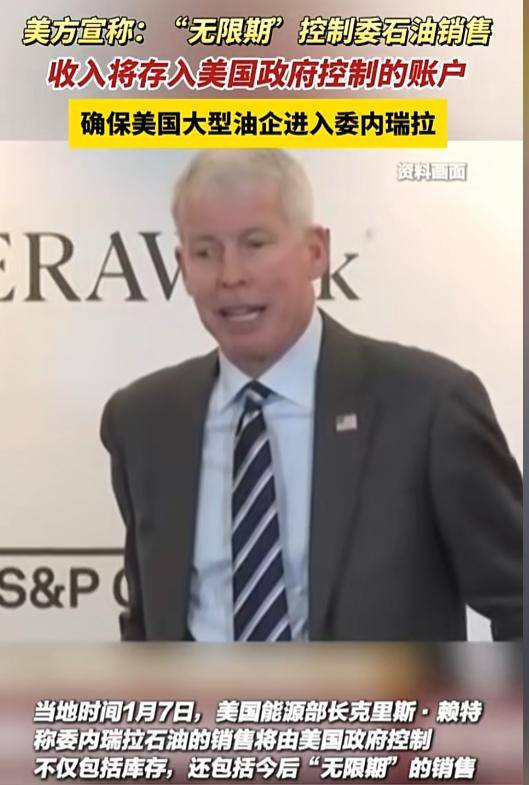
Core Viewpoint - The article discusses the implications of the U.S. military control over Venezuela's oil resources, highlighting the strategic responses from China and the potential consequences for global energy markets [1][3][34]. Group 1: U.S. Control Over Venezuelan Oil - On January 3, 2026, the U.S. launched a military strike against Venezuela, taking control of its oil industry and announcing plans to extract 50 million barrels of oil [1]. - U.S. Energy Secretary Chris Wright stated that the U.S. would indefinitely control Venezuela's oil sales, including inventory and future production, with revenues deposited into U.S.-controlled accounts [1][3]. Group 2: China's Response - China, as the largest market for Venezuelan oil, was targeted by the U.S. for increased oil prices, with a $2 per barrel markup for Chinese companies [4][12]. - In response, two Chinese oil tankers, previously waiting to transport oil for debt repayment, turned back, indicating a strategic decision by China to reject U.S. pricing [10][20]. Group 3: Economic Implications - The $2 increase per barrel could lead to an additional cost of approximately $22 million for China based on projected imports of 1,098,200 barrels in 2024 [12]. - The U.S. faces challenges in selling the 50 million barrels of oil, as domestic refineries are not equipped to process the heavy crude from Venezuela, which requires specialized facilities [21][23]. Group 4: International Reactions and Consequences - The U.S. government's unilateral control over Venezuelan oil has drawn criticism, with multiple Latin American countries condemning the actions as violations of sovereignty [27][29]. - The situation has also affected U.S.-China trade negotiations, as China's firm stance against U.S. pricing strategies undermines Trump's leverage [29][36]. Group 5: Broader Implications for Global Order - The article suggests that the U.S. approach of using military power and coercion to control energy resources is failing, emphasizing the need for equal cooperation and mutual benefit in international relations [34][36]. - China's commitment to uphold principles of sovereignty and non-interference reflects its position as a responsible global power, indicating a shift towards a more equitable international order [36][38].
古巴国家主席:誓死保卫祖国
Huan Qiu Shi Bao· 2026-01-12 22:48
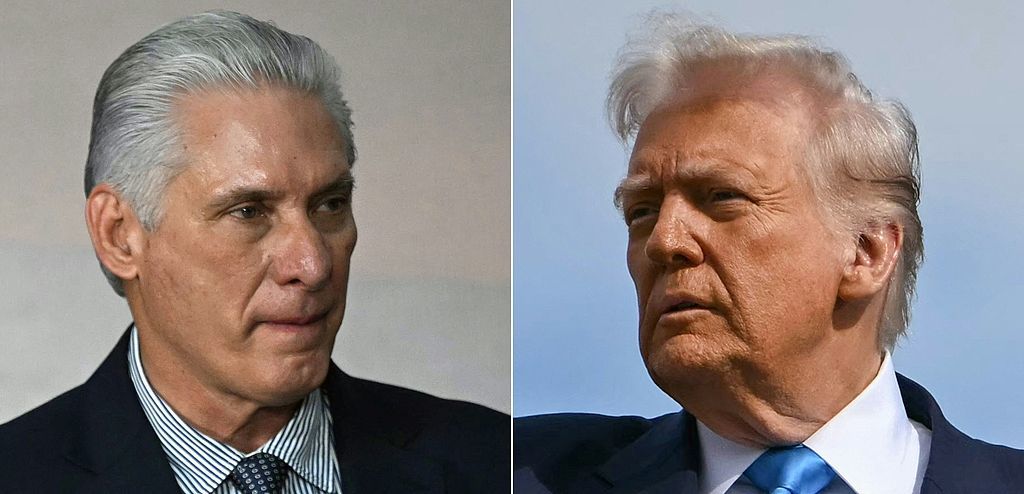
【环球时报报道 记者 杜天琦】"古巴的事务,轮不到外人指手画脚"。据美国有线电视新闻网(CNN)报道,当地时间11日,针对美国总统特朗普 当天发表的关于古巴石油问题的威胁言论,古巴国家主席迪亚斯-卡内尔在社交平台X上发文做出上述回应。同一天,古巴外长罗德里格斯在社交 媒体上发文说,美国的行为如同"罪犯和失控的霸权",不仅威胁古巴及西半球的和平安全,还危及整个世界。 "多年来,古巴一直靠委内瑞拉的海量石油和资金过活。作为交换,古巴为委内瑞拉前两任领导人提供所谓'安保服务'——但这一切都将成为历 史!"特朗普11日在"真实社交"平台上写道。"不会再有一滴石油、一分钱流向古巴——一分一毫都不会有!"在提出协议要求前,特朗普态度强硬 地如此表示,但他并未具体说明这份与古巴的协议可能涉及哪些内容。CNN11日称,长期以来,古巴一直从石油资源丰富的委内瑞拉获取巨额援 助。但在美国强行控制马杜罗后,特朗普宣布委内瑞拉将向美国移交3000万至5000万桶石油。此举预计将给古巴带来严峻的经济挑战。 对于特朗普的上述言论,迪亚斯-卡内尔回应称,"古巴从不主动挑衅,但66年来一直遭受美国的无端打压。古巴不会威胁任何人,但已做好准 ...
不到48小时,特朗普或下台!印度多500%关税,美国又抢千万石油
Sou Hu Cai Jing· 2026-01-12 09:11
Group 1: Trump's Actions Towards India - Trump threatened to impose a 500% tariff on India if it does not comply with U.S. demands regarding oil purchases from Russia, following a previous 50% tariff imposed last year [1][3] - The Indian stock market reacted negatively, with technology stocks dropping by 2.5% on January 5, indicating investor concerns over the potential economic impact [3] - India's reliance on Russian oil is significant, as it helps the country save costs, and completely halting these purchases would require substantial adjustments in infrastructure and contracts [3] Group 2: Trump's Actions Towards Venezuela - On January 3, U.S. military actions led to the arrest of Venezuelan President Maduro and his wife, which shocked the global community [7] - Trump announced that Venezuela must deliver 30 to 50 million barrels of oil to the U.S., despite these resources being under sanctions, and indicated plans to sell them at market prices [7] - U.S. oil companies are hesitant to invest in Venezuela due to concerns over political instability, despite Trump's claims of wanting to control and rebuild the Venezuelan oil sector [7] Group 3: Domestic Political Context - Trump's aggressive foreign policy is seen as a strategy to bolster his domestic political standing amid rising unemployment and inflation, with a current unemployment rate of 4.6% and inflation at 3.1% [9] - The Republican Party's slim majority in Congress poses a risk for Trump, as losing control could increase the likelihood of impeachment [9] - Recent polling indicates a decline in Trump's approval ratings, as voters express dissatisfaction with his focus on foreign issues over domestic concerns [9] Group 4: Global Reactions and Implications - Many countries, including Colombia, criticize the U.S. for its interventionist policies, viewing them as attempts to dominate global resources [5][11] - India's projected oil imports from Russia are expected to reach $67 billion by 2025, highlighting the country's commitment to its energy strategy despite U.S. pressure [11] - The international community is increasingly recognizing the need for cooperative approaches rather than unilateral actions, as exemplified by China's Belt and Road Initiative promoting mutual benefits [11]
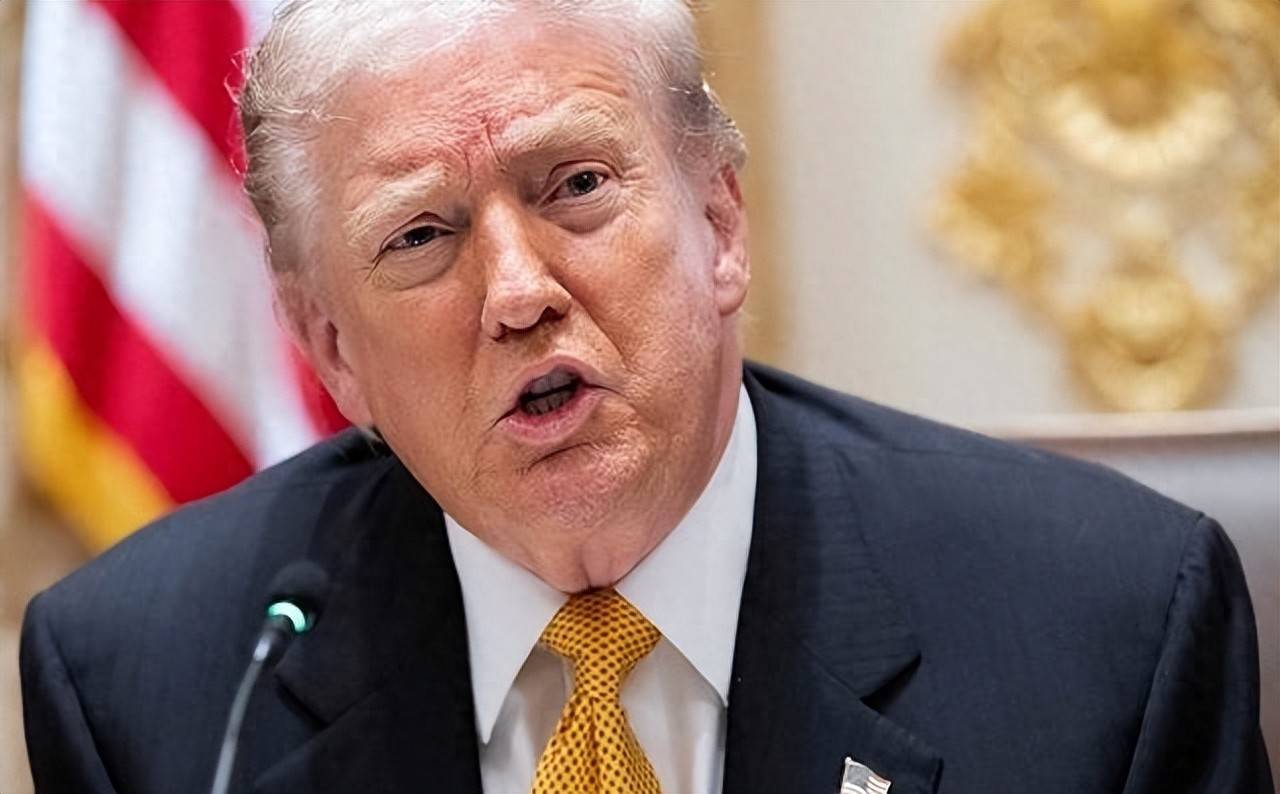
当“军事侵略”被包装成“执法行动”:揭穿美国十大虚伪话术
Xin Lang Cai Jing· 2026-01-12 06:39
Core Viewpoint - The article discusses the recent U.S. military action against Venezuela, highlighting the capture of President Maduro and the implications of this event on international relations and U.S. foreign policy [1][3][4]. Group 1: U.S. Military Actions - The U.S. launched airstrikes against multiple military targets in Venezuela, including La Guaira Port and several air force bases, marking a significant escalation in military threats since August 2025 [1][3]. - The operation involved the use of special forces and was described by U.S. officials as a law enforcement action rather than an act of war, which has sparked political debate regarding the legality of the action [4][6]. Group 2: International Reactions and Implications - The military action has been widely condemned by the international community as a violation of international law and the sovereignty of Venezuela, with accusations of U.S. imperialism and terrorism [3][4]. - The U.S. government's narrative attempts to shift focus from the invasion to issues surrounding Maduro's legitimacy and alleged drug-related crimes, thereby diverting attention from the act of aggression itself [5][6]. Group 3: Media and Narrative Control - The article emphasizes the U.S. strategy of using narrative manipulation to frame the military action in a favorable light, including portraying it as a necessary law enforcement measure [5][6]. - There is a concern that the focus on individual figures like Maduro oversimplifies the broader geopolitical implications and the historical context of U.S. interventions in Latin America [7][8]. Group 4: Economic Interests - The article suggests that U.S. foreign policy, particularly in Venezuela, is heavily influenced by oil interests, which remain central to its diplomatic strategies [8][9].
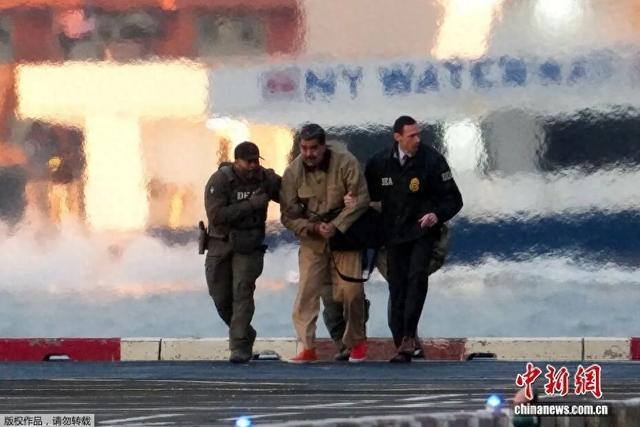
出大事了,美国关键投票结果曝光,特朗普一声令下,全美陷入混乱
Sou Hu Cai Jing· 2026-01-12 04:21
明尼苏达州发生的枪声似乎离我们很远,但它引发的火花却切实影响到了特朗普的政治局势。一名叫蕾 妮·古德的女子倒下的瞬间,街头的怒吼声ICE滚出去响彻街头,仿佛一根烧红的针刺破了美国社会那层 已经紧绷的隔膜。这场事件让是非曲直在舆论场中被撕成了碎片,一些人看到了暴力的泛滥,另一些人 则感受到了不公的深重。而所有的这些冲突和争议,最终指向了白宫里那个男人。特朗普此刻走的每一 步,都像是在流沙中行走,随时可能陷入其中。 国内,移民政策引发的怒火已经从边境蔓延到都市街头,那项限制临时保护身份的命令,成了压垮许多 人情绪的最后一根稻草。与此同时,特朗普在国外的表现也并不理想。他在面对委内瑞拉时挥舞着拳 头,本想通过威胁迫使对方屈服,但结果却并没有如他所愿,反而遭到了拉美国家的一片呛声。马杜罗 依然稳坐总统宝座,似乎在嘲笑特朗普那远远发出的威胁。让特朗普最感到寒意的,或许是来自自己党 内的背叛。参议院中的一些支持者已开始倒戈,那种政治上的孤立感,远比任何外部的攻击更为刺痛。 面对这一切,特朗普的反应几乎是本能的。他决定采取一个转移视线的策略。当党内争议不断,外部遭 遇挫败时,一个庞大的军费计划高达1.5万亿美元被提出。这似 ...
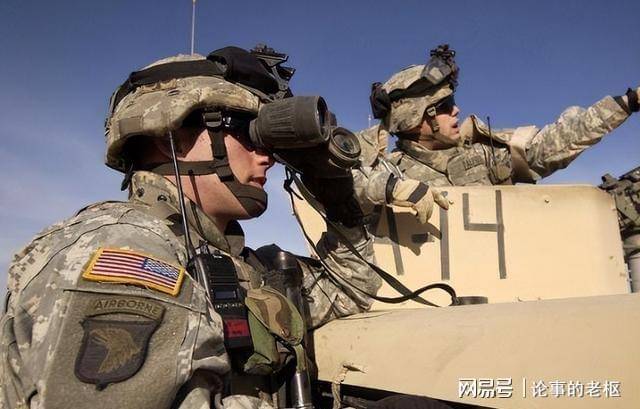
古巴外长:美国的行为如同“罪犯和失控的霸权”
Xin Hua She· 2026-01-11 14:15
(文章来源:新华社) 古巴外长罗德里格斯11日在社交媒体上发文说,美国的行为如同"罪犯和失控的霸权",不仅威胁古巴及 西半球的和平安全,还危及整个世界。 ...
扣押中国船又抢中国石油,特朗普掀桌:5000万桶原油只能姓美
Sou Hu Cai Jing· 2026-01-11 04:44
Core Viewpoint - The article discusses the aggressive stance of the United States towards Venezuela's oil trade, highlighting the imposition of unilateral demands and the underlying motives of U.S. actions in the region [1][3][5]. Group 1: U.S. Actions and Demands - The U.S. has arrested Venezuelan President Maduro and appointed Secretary of State Rubio as the governor of Venezuela, demanding that Venezuelan oil be prioritized for U.S. interests [1]. - The U.S. requires Venezuela to sever economic ties with China, Russia, Iran, and Cuba, and to expel spies from these countries [1]. - The U.S. claims that its refineries can only process heavy crude oil, which is why it seeks to partner with Venezuela, despite previously relying on Canada for heavy crude imports [3]. Group 2: International Reactions and Implications - Countries like Cuba and Mexico have condemned the U.S. actions as blatant violations of international law, indicating a growing global opposition to U.S. imperialism [3]. - The U.S. has previously seized a Chinese oil tanker, further escalating tensions and drawing protests from China, which has vowed to defend its rights [5]. - The article suggests that the U.S. is attempting to undermine China's energy interests by demanding that Venezuela redirect oil orders from China to the U.S. [5]. Group 3: Future Outlook - The article posits that the U.S. will face consequences for its aggressive actions, as the international community's opposition to such behavior is likely to intensify [5][7]. - It emphasizes that the notion of U.S. oil hegemony is challenged by principles of sovereignty and multilateral justice, suggesting that the U.S. ambitions may ultimately fail [7].