
循环经济

Search documents
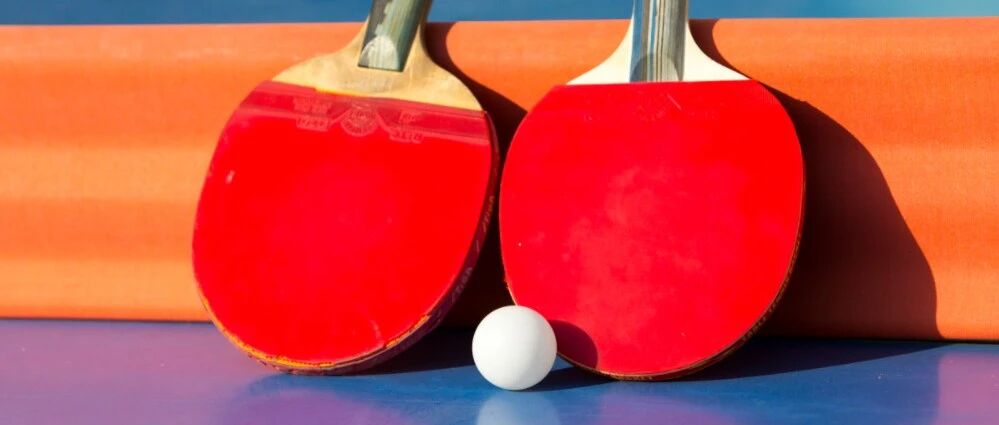
PCR塑料稳定性行不行? 孙颖莎更关注!
DT新材料· 2025-11-13 16:05
Core Viewpoint - The article emphasizes the successful application of PCR (Post-Consumer Recycled) plastics in high-performance environments, particularly in the production of professional-grade table tennis balls, showcasing that recycled materials can meet stringent quality and performance standards without compromising on aesthetics or functionality [2][5][24]. Group 1: PCR Plastic in Sports Equipment - The use of a table tennis ball made from 65% recycled materials has been officially recognized for international competitions, demonstrating the potential of PCR plastics in high-stakes environments [2][5]. - Concerns regarding the stability and performance of PCR materials in professional sports equipment are addressed, highlighting the rigorous testing and quality control measures implemented to ensure consistency [4][15]. - The article outlines the challenges faced by PCR materials, such as molecular structure variability and durability issues, and how these challenges have been overcome through advanced material design and processing techniques [15][16][19]. Group 2: Quality Control and Material Design - The article details a three-step process employed by the Jinhu Dayli ECO team to enhance the quality of PCR materials, including source purification, process control, and technological upgrades [9][11][25]. - Advanced techniques such as optical sorting, near-infrared spectroscopy, and electrostatic separation are utilized to ensure the purity and consistency of the recycled materials, transforming them into high-quality PCR ABS [25][26][27]. - The stability of the PCR materials is demonstrated through consistent performance metrics across multiple batches, indicating that the quality can rival that of virgin materials [30][31]. Group 3: Broader Industry Implications - The article highlights various industries, including sports, automotive, and consumer electronics, that are increasingly adopting PCR materials without sacrificing performance, thus challenging the notion that sustainability equates to lower quality [21][23][39]. - Examples of successful applications include Adidas's carbon-negative running shoes, BMW's use of recycled plastics in new vehicle models, and Apple's use of 100% recycled rare earth materials in their products [21][23][24]. - The narrative reinforces the idea that the transition to recycled materials is not merely a trend but a necessary evolution in manufacturing practices, with significant environmental benefits, such as reduced carbon emissions and resource conservation [39][40].

盛禧奥业绩亏损,但再生塑料卖到断货!
DT新材料· 2025-11-13 16:05
Core Viewpoint - Trinseo is facing significant challenges in the global resin market, with a reported loss of $2.41 per share and negative free cash flow of $38 million in Q3. However, the company's recycled plastics and high-value specialty resins business is showing strong growth, driven by increasing demand and strategic adjustments to focus on higher-margin products [2][3][5]. Group 1: Financial Performance - In Q3, Trinseo reported a loss of $2.41 per share and a negative free cash flow of $38 million, reflecting pressure from a weak global resin market and increased trade tensions [2]. - The sales in the engineered materials segment remained flat year-over-year, with growth in acrylic resins for automotive and construction being offset by a decline in the medical sector [2]. Group 2: Growth Drivers - The company's recycled plastics and high-value specialty resins have emerged as bright spots, with sales of high-formula PMMA products increasing by over 10% year-over-year since the end of Q3 [3]. - The recycled content pilot projects for ABS, acrylics, and polycarbonate have sold out, indicating strong market demand, with sales of recycled content products up 12% year-over-year [3]. Group 3: Regulatory Impact - The new EU directive on end-of-life vehicles mandates that by 2031, new cars must contain 20% recycled plastics, with 15% sourced from end-of-life vehicles, creating new opportunities for the recycled plastics industry [4]. - This regulation is expected to drive automotive manufacturers to increase the use of recycled ABS and PMMA, opening new growth avenues for Trinseo in the European market [4]. Group 4: Strategic Adjustments - To address industry volatility, Trinseo is restructuring by exiting high-cost production, including shutting down a native MMA production facility in Italy and a polystyrene plant in Germany, aiming for $30 million in EBITDA savings by 2026 [5]. - The company is focusing resources on high-margin specialty resins and circular recycled materials to achieve sustainable long-term growth [5]. Group 5: Competitive Landscape - Trinseo faces significant competitive pressure from increased imports of acrylic and ABS resins from Asia, which have risen by 20%-25% in Europe and the U.S., further squeezing profit margins [6]. - The company anticipates adjusted EBITDA for Q4 to be between $30 million and $40 million, reflecting ongoing market challenges [6]. Group 6: Industry Trends - Trinseo's strategic shift towards recycled plastics and specialty resins reflects broader trends in the plastic industry moving towards a circular economy and high-performance materials [7]. - The company's actions demonstrate that recycled plastics are becoming a new growth engine rather than just an environmental symbol [7].

“中国碳达峰碳中和之路”主题边会举办 我国风电太阳能发电装机容量提前6年多完成2030年目标
Xin Hua Cai Jing· 2025-11-13 14:16
Core Insights - The event "China's Path to Carbon Peak and Carbon Neutrality" was successfully held at COP30, highlighting China's commitment to addressing climate change and promoting sustainable development [1][2] - China has made significant progress in carbon reduction and green development over the past five years, establishing a comprehensive policy framework and achieving notable advancements in renewable energy and green technology [2][3] Group 1: China's Climate Initiatives - The Chinese government is actively promoting carbon peak and carbon neutrality during the 14th Five-Year Plan period, focusing on energy transition, energy conservation, and enhancing forest carbon sinks [1] - China has developed a complete carbon reduction policy system, with provincial governments implementing local carbon peak plans [2] - The country has built the world's largest renewable energy system, with renewable energy accounting for nearly 60% of total installed power generation capacity, achieving its 2030 targets for wind and solar power ahead of schedule [2] Group 2: International Cooperation and Dialogue - The event featured speeches from key officials, including the Vice Minister of the Ministry of Ecology and Environment, emphasizing the importance of multilateralism and practical cooperation in global climate governance [1] - Representatives from various international organizations participated in discussions on energy transition, energy conservation, and circular economy, fostering a collaborative approach to climate challenges [3]

北大国发院报告:破局高价瓶颈,六项建议推动SAF规模化发展
Jing Ji Guan Cha Wang· 2025-11-13 14:11
Core Viewpoint - The report from Peking University's National School of Development emphasizes the strategic importance of accelerating the development of Sustainable Aviation Fuel (SAF) in China, highlighting its potential to significantly reduce carbon emissions and contribute to the country's dual carbon goals [1][2]. Group 1: Importance of SAF - SAF can reduce carbon emissions by 6.7 million tons of CO2 annually if blended at a 5% ratio, which is crucial for achieving China's carbon neutrality targets [1]. - The aviation industry views SAF as essential for meeting emission reduction goals, with IATA predicting that 65% of carbon reductions in aviation by 2050 will come from SAF usage [1]. Group 2: Economic Potential and Resource Advantages - Global demand for SAF is projected to exceed 360 million tons by 2050, with China having significant advantages in resource availability, such as ample kitchen waste oil and agricultural residues [1][2]. - The coupling of the SAF industry with the renewable energy sector presents substantial development potential, promoting a circular economy [1]. Group 3: Current Challenges in the SAF Industry - China's SAF industry is still in its early stages, with a production capacity of 1 million tons, but faces significant challenges compared to global leaders [2]. - The high price of SAF, which has exceeded 20,000 yuan per ton, poses a barrier to market development, as it is several times higher than traditional aviation fuel [2]. Group 4: Policy Recommendations - The report suggests prioritizing demand-side initiatives to ensure market demand for SAF, which is essential for scaling production [3]. - Key policy recommendations include establishing a market-based pricing mechanism, incorporating SAF into government green procurement lists, and creating long-term procurement agreements [3][4]. Group 5: Future Outlook - In the short term, a market-based premium-sharing mechanism could alleviate cost pressures on airlines and facilitate the transition of SAF from pilot projects to regular use [4]. - Long-term, advancements in technologies like Power-to-Liquid (PtL) are expected to enable SAF to compete on price with traditional aviation fuels, solidifying its role as a mainstream aviation fuel choice [4].
优彩资源(002998) - 002998优彩资源投资者关系活动记录表20251112
2025-11-13 00:42
Group 1: Company Labels and Environmental Commitment - The company emphasizes two key labels: circular economy and low carbon, focusing on maximizing resource value and minimizing environmental impact [2] - Circular economy involves the continuous cycle of resources from products to regeneration, significantly reducing the need for raw material extraction [2] - The company has developed physical and chemical recycling technology for waste polyester, which won a national science and technology progress award in 2018 [2] Group 2: Health and Environmental Benefits - The use of low-melting-point polyester short fibers eliminates volatile organic compounds (VOCs) from traditional adhesives, improving air quality and health [3] - The company’s practices contribute to a resource-saving society and align with national policies promoting low-carbon and green development [3] Group 3: Investment Strategy in Tibet - The investment in Tibet aligns with the national strategy for western development, aiming to reduce transportation costs and enhance regional efficiency [4] - Local production is expected to support infrastructure projects like the Yarlung Tsangpo River project, providing significant economic benefits [4] Group 4: Measures to Improve Product Profitability - The company collaborates with Donghua to innovate the "physical and chemical method," allowing the use of multi-component recycled materials, thus reducing raw material costs [5] - New materials are being developed to replace traditional ones, focusing on customization and differentiation in niche markets [5] - The production line's flexibility and ongoing improvements in automation and AI technology enhance production efficiency and competitiveness [5]
清风为伴产业兴 | 再生成“宝”
Zhong Yang Ji Wei Guo Jia Jian Wei Wang Zhan· 2025-11-12 23:58
Core Insights - The article highlights the transformation of the plastic recycling industry in Jieshou City, emphasizing the shift from small workshops to a more organized and regulated plastic industry park, which has significantly improved working conditions and environmental standards [1][2]. Group 1: Industry Development - Jieshou City has established a plastic industry park that now hosts 45 enterprises, contributing to a significant portion of the local economy, with over 70% of industrial output and tax revenue coming from the circular economy [1]. - The city is a major player in the recycling sector, with recycled lead accounting for one-third of the national market, recycled plastics for one-tenth, and new energy batteries for one-fifth of national capacity [1]. Group 2: Regulatory Oversight - The local government has identified issues in various towns regarding the scattered and small-scale nature of recycling enterprises, which has led to environmental concerns and hindered industry growth [2]. - A comprehensive rectification plan has been implemented to address non-compliant enterprises through measures such as closure, relocation, and upgrading, ensuring a more regulated industry environment [2]. Group 3: Business Environment - The city has introduced a supervision scheme to enhance the business environment, aiming to resolve challenges faced by enterprises in project implementation and operations [3]. - Strict measures are in place to combat corruption and inefficiency in the support of the circular economy, fostering a transparent and conducive environment for business development [3].
如何让废水变“活水”
Su Zhou Ri Bao· 2025-11-12 22:39
论坛期间,参会代表实地探访了苏州工业园区循环经济产业园。在这个入选生态环境部全国绿色低 碳典型案例的园区里,处处可见循环经济的生动实践:生态湿地中,经过处理的尾水清澈见底,成为城 市生态补水;蓝色光伏板在阳光下熠熠生辉,持续输送绿色电力;污泥与餐厨垃圾通过协同厌氧发酵, 每天产生数万立方米沼气用于发电。这条完整的"废弃物—资源—能源"循环链条,让工业领域的零碳愿 景照进现实。 当"双碳"目标遇上工业废水,如何让"废水"变"活水"?近日,工业园区废水处理及资源化利用论坛 在苏州举行。论坛聚焦零碳目标下的废水处理技术革新、水资源循环利用、资源回收以及智慧化管理体 系展开深度研讨,吸引政府部门、学术界及企业界的广泛参与交流。 会议邀请来自生态环境部环境发展中心、南京大学/生态环境部有机化工废水处理与资源化工程技 术中心、中国环境科学研究院水生态环境研究所、同济大学、华东师范大学、华南理工大学等大院大所 的20余位专家出席并作专题报告。 "实现工业废水循环利用,关键在于价值重构。"苏州工业园区清源华衍水务有限公司总工程师关永 年在主题报告中,分享了苏州工业园区的创新实践:通过构建"污水—资源—能源"闭环,中水回用率达 ...
朱黎阳:中国在发展循环经济方面有三大动能
Zhong Guo Xin Wen Wang· 2025-11-12 12:18
Core Viewpoint - The development of a circular economy in China is crucial for resource regeneration and promoting a green and low-carbon transformation of the economy and society [1][2]. Group 1: Three Driving Forces of Circular Economy Development - The first driving force is the support for building ecological civilization and a beautiful China, with notable achievements that can serve as references [1]. - The second driving force is the contribution to carbon reduction, with the comprehensive contribution rate of circular economy to carbon reduction increasing from 25% in 2020 to nearly 30% currently [2]. - The third driving force emphasizes that circular economy is not only a choice of development mode for China but also a key approach for promoting comprehensive green transformation of the economy and society [2]. Group 2: International Cooperation - China has established good bilateral and multilateral cooperation mechanisms on circular economy development with the EU, the US, Brazil, and Southeast Asia, facilitating the sharing of China's successful development models and experiences with the world [2].
扬州经开区:布局社区回收门店 ,助力再生资源高效循环利用
Yang Zi Wan Bao Wang· 2025-11-12 07:19
徐峰介绍,所有回收过去的东西都是二次利用,比如纸进入造纸厂做成纸浆,再做成A4纸;衣服可以 做成蔬菜大棚上面的保温棉,塑料瓶应用的就更多了。在持续拓展织密前端垃圾分类回收门店的同时, 荣运达还加快技术融合,积极探索将人工智能应用于回收链条的更多环节。今年7月,荣运达在全市率 先投入使用的首批无人回收车在施桥镇正式"上岗"。 荣运达垃圾分类与再生资源"两网融合"办公室主任李静介绍,无人回收车每天按照预设路线,驶入指定 的小区,精准到达垃圾分类投放点,工作人员把分类好的可回收物放到车上,车辆满载后立即出发,按 照原来的路线到开发区环卫综合体里面的再生资源分拣中心。通过这种方式,减少了中间环节以及人力 投入,大幅缩短了可回收物在城市的停留时间。 目前,荣运达为垃圾分类回收门店配备了约15辆无人回收车。同时,正以每月新增3-5家的速度,加速 布局社区回收点。预计到今年年底,门店总数将达25家。开发区也将以企业科技为着力点,重构再生资 源产业图景,推动生活垃圾的减量化、资源化和无害化处理,助力城市绿色低碳发展。 近年来,随着循环经济不断融入社区,再生资源回收站点正逐渐从"脏乱差",转型为城市绿色低碳发展 的重要节点。今 ...
共同推动全球纺织行业循环发展
Zhong Guo Jing Ji Wang· 2025-11-12 07:00
Core Insights - The partnership between Silver Lining Group's fiber division and Zhejiang Jiarun New Materials aims to accelerate the textile industry's transition to a circular economy [1][2] - The joint venture plans to release up to 100,000 tons of recycled PET fiber production capacity annually, enhancing the resilience and transparency of the global textile supply chain [1] Group 1 - Silver Lining Group leverages its global production network and efficient regional supply chain capabilities to assist brands in establishing localized procurement centers [1] - Jiarun possesses comprehensive capabilities in sourcing, sorting, decolorizing, depolymerizing, and repolymerizing textile waste, enabling large-scale implementation of chemical textile recycling [1] - The collaboration is expected to help brands achieve climate goals and significantly reduce textile waste while maintaining familiar material performance for consumers [1] Group 2 - Diego Boeri, President of Silver Lining Group's fiber division, emphasizes the need for collaboration across the value chain to address the textile waste issue and meet climate protection expectations [2] - The strategic partnership involves a multi-million dollar equity investment from Silver Lining Group to support the joint venture, marking a significant step towards realizing the vision of a circular textile industry [2] - Jiarun has positioned itself among the top global PET textile chemical recycling companies and sees the partnership as an opportunity to expand its business coverage while addressing the global textile waste crisis [2]