
绿色能源

Search documents
秋汛改善来水,火电业绩向上,风格切换重视电力配置
GOLDEN SUN SECURITIES· 2025-10-19 09:49
Investment Rating - The report maintains a "Buy" rating for the power sector, emphasizing the potential for upward performance in specific stocks [5][9]. Core Insights - The report highlights that Q3 performance for thermal power is improving, with coal prices rebounding, which enhances expectations for stable electricity prices. The average coal price at ports was 673 RMB/ton in Q3, down 180 RMB/ton year-on-year, but has recently increased to 739 RMB/ton [5][14]. - Hydropower is expected to benefit from improved autumn rainfall, with significant increases in inflow and outflow at the Three Gorges Dam, showing a 48.15% and 102.78% year-on-year increase respectively [5][14]. - Adjustments in tax policies for wind and nuclear power are noted, with offshore wind power receiving a 50% VAT refund policy from November 1, 2025, while onshore wind will no longer enjoy VAT refunds [3][4][14]. Summary by Sections Industry Overview - The Shanghai Composite Index fell by 1.47% and the CSI 300 Index decreased by 2.22% during the week of October 13-17, 2025. The CITIC Power and Utilities Index decreased by 0.43%, outperforming the CSI 300 by 1.79 percentage points [5][63]. Thermal Power - Q3 results for thermal power are on an upward trend, with a notable increase in expected profits for companies like Jiantou Energy, which anticipates a 232% increase in net profit [5][14]. - The report emphasizes the importance of coal price stability for maintaining electricity price expectations for 2026 [5][14]. Hydropower - The report notes significant improvements in hydropower due to favorable autumn rainfall, with a focus on the increased inflow and outflow at the Three Gorges Dam [5][14]. Wind and Nuclear Power - The report discusses the new tax policies affecting wind and nuclear power, highlighting the competitive advantage of offshore wind power due to the new VAT refund policy [3][4][14]. Key Stocks - The report recommends focusing on specific stocks within the thermal power sector, including Huaneng International, Huadian International, and others, as well as emphasizing the value of hydropower investments [5][9].





阿联酋-中国产业基金董事:看好两国在绿色能源领域的 AI 应用合作
Zhong Guo Xin Wen Wang· 2025-10-18 14:27
中新网北京10月18日电 (刘洋韩辉)"中国的青年创业团体用智慧和技术引领世界。"阿联酋-中国产业基 金(ACIF)阿布扎比董事阿卜杜勒拉赫曼·阿里·艾哈迈德17日接受中新网采访时说。 据悉,HICOOL2025全球创业大赛于今年5月9日正式启动,共吸引来自全球139个国家和地区的10055个 创业项目、13150名创业人才参与,首次实现"双破万"。(完) (文章来源:中国新闻网) 从马克图姆太阳能公园四期项目,到智能无人系统在哈利法港的应用,阿联酋与中国近年来的合作愈发 密切,越来越多中国新技术和项目落地阿联酋,且技术不断优化升级。阿卜杜勒拉赫曼·阿里·艾哈迈德 说,在马克图姆太阳能公园四期项目中,工程师们对镜面清洁系统进行了优化,添加了防污涂层,并采 用热稳定性更高的传热流体,确保系统在极端高温和沙尘环境下仍能稳定运行。 作为一名资深投资者,阿卜杜勒拉赫曼·阿里·艾哈迈德表示,中国在科技创新领域的崛起令人瞩目。中 国已从技术引进方转变为人工智能、绿色能源、高端制造业等领域的全球引领者之一。HICOOL等平台 通过连接全球人才与投资者,进一步巩固了这一发展势头。 作为ACIF董事,阿卜杜勒拉赫曼·阿里·艾哈 ...
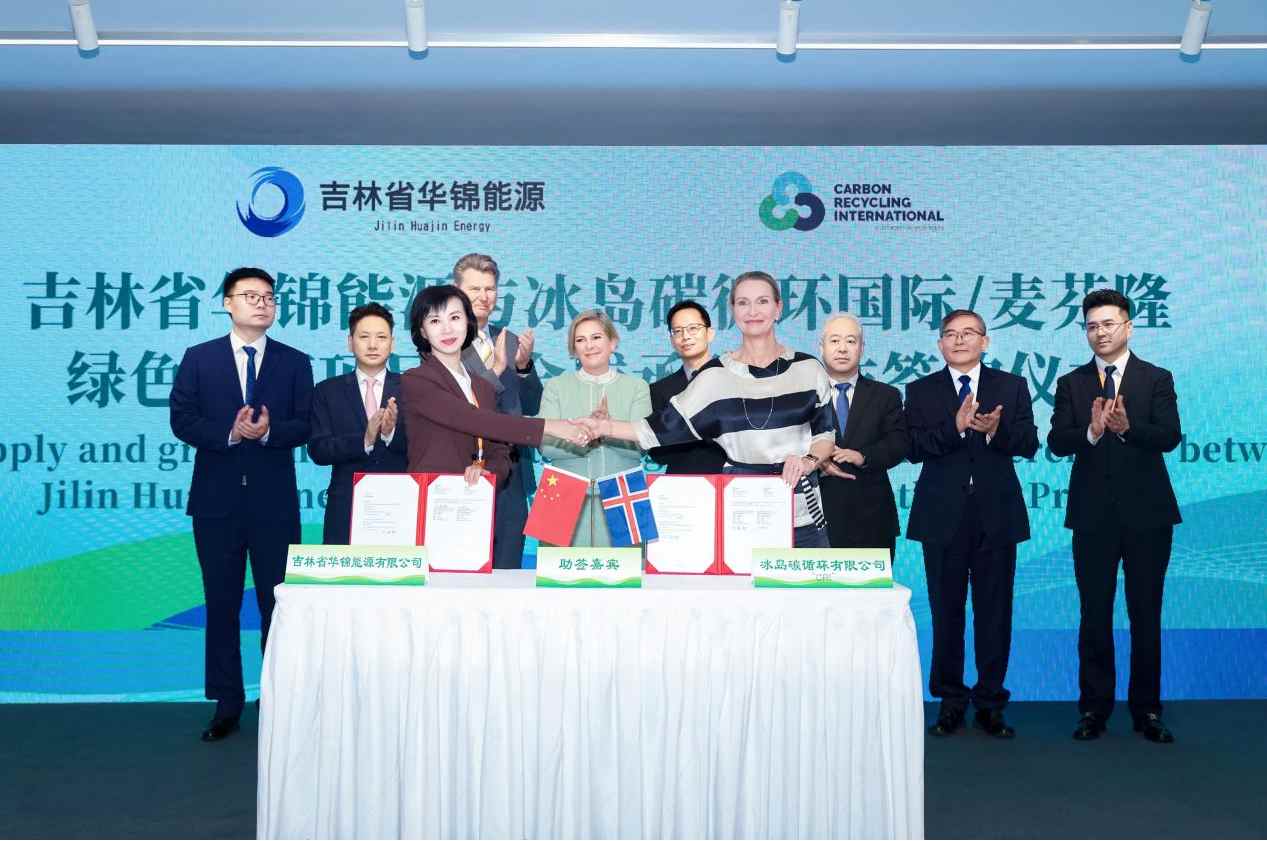
冰岛碳循环国际签约吉林省华锦能源,共绘绿色燃料零碳未来
势银能链· 2025-10-18 11:02
Core Points - The article discusses the cooperation between China and Iceland in the field of green energy, particularly focusing on the signing of a global procurement cooperation agreement for green methanol projects between Jilin Huajin Energy and Iceland Carbon Recycling International (CRI) [3][12][13] Group 1: Cooperation and Agreements - The meeting between Chinese President Xi Jinping and Icelandic President Guðni Th. Jóhannesson highlighted the importance of climate change and the commitment to the Paris Agreement [2][4] - The signing ceremony for the green methanol project took place during the 2025 Sustainable Global Leaders Conference in Shanghai, showcasing the collaboration between Jilin Huajin Energy and CRI [3][7] - The partnership aims to leverage CRI's advanced carbon capture technology and Jilin Huajin Energy's renewable energy resources to create a closed-loop ecosystem for green energy [12][13] Group 2: Project Details - Jilin Huajin Energy focuses on green energy development and aims to innovate in "dual carbon" technology, with green methanol as a core business [12] - The collaboration includes three major green methanol projects in Jilin Province, with plans to integrate solar, wind, hydrogen, and sustainable aviation fuel (SAF) [12][13] - The agreement is seen as a significant step in promoting global climate governance and enhancing China's competitiveness in the green methanol industry [13][14]


全文 | 赋能全球碳中和,上海定势能源董事长钱胜利呼吁中国软硬件能源技术协同出海
Xin Lang Zheng Quan· 2025-10-18 10:13
Group 1: Conference Overview - The 2025 Sustainable Global Leaders Conference will be held from October 16 to 18 in Shanghai, focusing on "Collaborating to Address Challenges: Global Action, Innovation, and Sustainable Growth" [1] - The conference is co-hosted by the World Green Design Organization (WGDO) and Sina Group, with support from the Shanghai Huangpu District Government [1] - Approximately 500 prominent guests, including 100 international attendees, will participate, featuring politicians, Nobel laureates, and leaders from Fortune 500 companies [1] Group 2: China's Role in Global Energy Transition - Chinese enterprises are increasingly significant in the global carbon neutrality and reduction process, with strong supply chain systems and manufacturing capabilities for solar and wind energy products [3][5] - The new energy industry in China has transitioned from being "large but weak" to "large and strong," contributing significantly to global energy green transformation and emission reduction [3][5] Group 3: Integration of Technology and Services - Chinese companies possess not only hardware manufacturing capabilities but also robust modern service industries, advanced technical services, and strong investment capabilities [5][11] - There is a call for equipment exporters to upgrade from "product export" to "technology and service export," integrating local power trading rules and price prediction models into energy management systems [6][12] Group 4: Enhancing Green Energy Consumption - Companies can reduce carbon footprints by expanding the consumption of green electricity through market-based trading and long-term contracts [8][9] - Establishing flexible production capabilities and internal energy storage resources can enhance the ability to consume renewable energy [10] Group 5: Challenges and Opportunities - The current support system for overseas projects primarily focuses on low-cost hardware, while advanced software technologies are not being exported simultaneously [12] - There is a need for clearer market signals and pricing mechanisms to guide consumption behavior and improve efficiency in the electricity market [9][10]
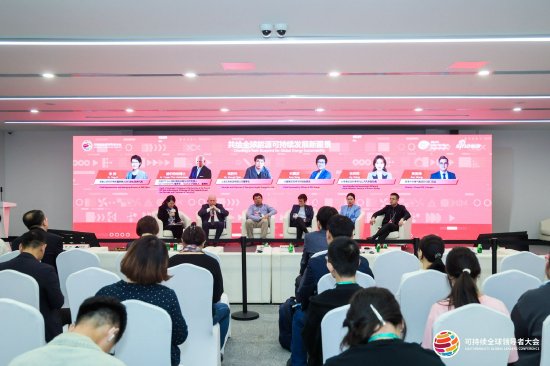
丹麦工业联合会中国区可持续发展负责人海迪贝格:ESG三位一体不可分割 需全球顶层设计保驾护航
Xin Lang Zheng Quan· 2025-10-18 03:18
Core Insights - The 2025 Sustainable Global Leaders Conference will be held from October 16 to 18 in Shanghai, focusing on "Collaborative Responses to Challenges: Global Action, Innovation, and Sustainable Growth" [1] - The conference is organized by the World Green Design Organization (WGDO) and Sina Group, with support from the Shanghai Huangpu District Government, and aims to explore new paths for sustainable development [1] - Approximately 500 prominent guests, including around 100 international attendees, will participate, featuring leaders from various sectors, including Nobel Prize winners and executives from Fortune 500 companies [1] Group 1: Conference Details - The conference builds on the previous four "ESG Global Leaders Conferences" and will cover nearly 50 topics, including energy and "dual carbon," green finance, sustainable consumption, and technology and public welfare [1] - Heidi Berg, the head of sustainable development for the Danish Industry Confederation in China, will deliver a speech at the conference [1] Group 2: ESG Implementation Insights - Heidi Berg emphasized the necessity of integrating the three dimensions of ESG (Environmental, Social, Governance) in corporate globalization efforts, highlighting that governance is often overlooked in underdeveloped markets [3] - She stated that while the ESG framework is not the ultimate solution to the climate crisis, it can effectively assist companies in aligning with government goals and global agreements [3] - Berg called for increased investment in green energy at a global level, advocating for policy guidance and market collaboration to protect the Earth's ecology rather than relying solely on voluntary corporate ESG actions [3]
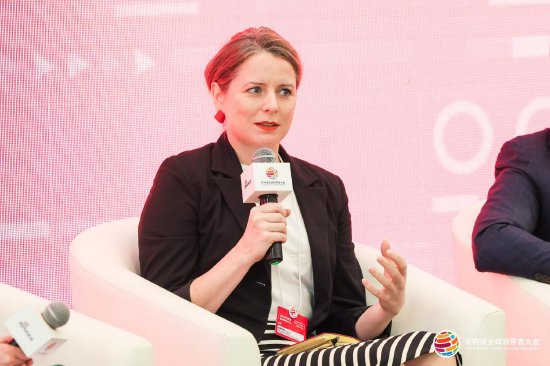
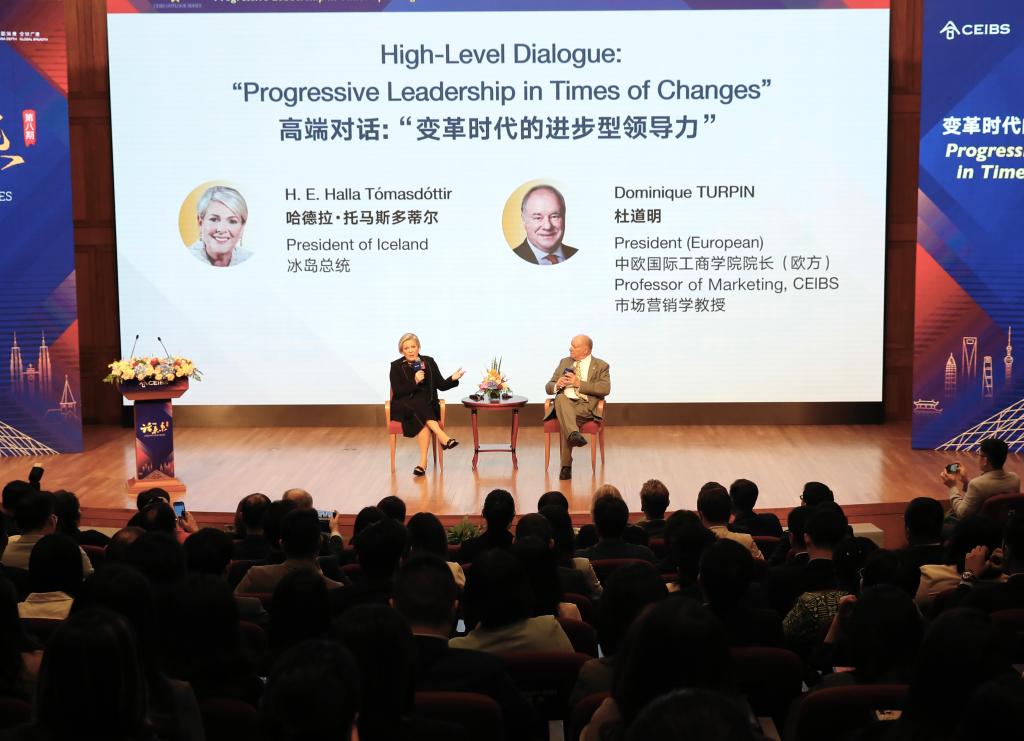
冰岛总统:冰中绿色合作有益于全球可持续发展
Xin Hua Wang· 2025-10-18 02:12
Group 1 - The core message emphasizes the long-standing friendly and constructive relationship between Iceland and China, particularly in addressing global challenges like climate change and energy transition [1][3] - Iceland was the first Western European country to recognize China's market economy status and to sign a free trade agreement with China, establishing a foundation of mutual trust and openness [1][3] - The cooperation between Iceland and China in green energy and sustainable development is highlighted as both countries possess complementary strengths, with China having strong planning capabilities and Iceland excelling in geothermal and clean energy innovation [3][4] Group 2 - The urgency of the climate crisis is acknowledged, with a call for Iceland and China to work together not only for their mutual benefit but also for the global community [3] - A joint geothermal energy project has provided clean heating and cooling services to hundreds of thousands, showcasing the collaborative efforts to combat climate change [3] - The signing of a green methanol project cooperation agreement between Jilin Huajin Energy Co., Ltd. and Iceland Carbon Cycle International Company during the visit signifies ongoing collaboration in sustainable energy [3][4] Group 3 - The cultural resonance between the two nations is noted, with similarities in philosophies regarding harmony with nature, which is essential for creating a sustainable future [3] - Iceland is recognized as a popular destination for Chinese tourists, with a significant increase in travel orders during recent holidays, indicating growing interest in Iceland's natural attractions [4] - The Icelandic President expressed hopes for direct flight routes between Iceland and China to enhance people-to-people connections and further promote cooperation in trade, technology, and culture [4]
中环新能源携手中冰巨头 构筑全球清洁能源新范式
Zhi Tong Cai Jing· 2025-10-17 14:05
Core Insights - The signing ceremony for the China-Iceland enterprise cooperation coincided with the visit of Iceland's President, highlighting the importance of international collaboration in green energy initiatives [1][6] - The partnership aims to develop a comprehensive green methanol project, leveraging advanced carbon capture and utilization technologies [3][5] Group 1: Company Collaborations - Jilin Huajin Energy Co., Ltd. signed a green methanol project agreement with Iceland Carbon Recycling International (CRI) and Maifenglong, focusing on sustainable energy solutions [1][4] - China National Renewable Energy Holdings Group's subsidiary, Zhonghuan New Energy Innovation Research Institute, entered into a strategic cooperation agreement with Jilin Huajin Energy [1][2] Group 2: Project Details - The collaboration centers around three major green methanol projects: Jilin Yushu (2GW), Jilin Baicheng (in planning), and Liaoning Huludao (in planning) [5] - Zhonghuan New Energy will act as a strategic investor, providing core products and technical support, while CRI/Maifenglong will offer carbon capture and green methanol synthesis solutions [5] Group 3: Industry Impact - This partnership represents a significant step in addressing the scale challenges of China's green methanol industry and enhancing its global competitiveness [6] - The initiative aligns with China's strategy to build a clean, low-carbon, safe, and efficient energy system, contributing to the energy structure adjustment and industrial upgrading in Northeast China's old industrial base [6][7] Group 4: Global Energy Network - Zhonghuan New Energy is establishing a global green energy ecosystem, linking domestic green technology with international energy transition efforts [7] - The company has commercialized its low-carbon smart park solutions, serving over a hundred domestic and international industrial enterprises and urban entities [7]
中环新能源(01735)携手中冰巨头 构筑全球清洁能源新范式
智通财经网· 2025-10-17 13:54
Core Insights - The signing ceremony for the green methanol project and global procurement cooperation between Jilin Huajin Energy Co., Ltd. and Iceland Carbon Recycling International (CRI)/Meflon took place during the visit of Iceland's President, Guðni Th. Jóhannesson, to China [1][11] - The collaboration aims to enhance the green energy industry chain and promote international cooperation in climate governance [10][11] Group 1: Project Details - Jilin Huajin Energy focuses on green energy development and "dual carbon" technology innovation, with a core business in biomass green methanol [8] - The project includes three major green methanol initiatives: Jilin Yushu Project (2GW), Jilin Baicheng Project (in planning), and Liaoning Huludao Project (in planning) [9] - The partnership will leverage CRI's leading carbon capture and green methanol synthesis technology (ETL) to provide solutions for the projects [9] Group 2: Strategic Collaborations - China National Energy Group and other top-tier institutions are involved in the project, providing comprehensive support in funding, technology, construction, and operation [9] - The collaboration is a continuation of the strategic agreement signed between China and Iceland in June 2023 during the SNEC 2025 exhibition [10][11] - The partnership aims to create a closed-loop ecosystem of "green electricity - green methanol - green applications" and enhance cooperation in areas such as photovoltaics, wind energy, and sustainable aviation fuel (SAF) [9][11] Group 3: Industry Impact - This initiative is expected to help China's green methanol industry overcome scalability challenges and participate in global competition [11] - The collaboration aligns with China's strategy to build a clean, low-carbon, safe, and efficient energy system, contributing to the energy structure adjustment and industrial upgrading in Northeast China's old industrial base [11] - The project exemplifies the integration of domestic green technology into the global energy transition process, supporting over a hundred domestic and international industrial enterprises [13]
跨国企业齐聚雄安共探投资合作新机遇
Sou Hu Cai Jing· 2025-10-17 11:07
Core Insights - The event held on October 16-17 focused on investment cooperation in Hebei Province, particularly in Xiong'an New Area, with participation from nearly 40 multinational companies and business association representatives [1] Group 1: Event Overview - The investment cooperation event was organized by the Ministry of Commerce's Investment Promotion Bureau, Hebei Provincial Department of Commerce, and the Xiong'an New Area Management Committee [1] - Activities included investment cooperation roundtable meetings, matchmaking discussions, and on-site inspections [1] Group 2: Industry Focus - Discussions during the matchmaking segment involved 16 companies and associations, including the Advanced Medical Technology Association and Medtronic, focusing on topics such as supply chain collaboration, technological innovation, and market opportunity exploration [1] - There is a strong interest in deepening strategic layouts in green energy, high-end medical services, and health and wellness sectors [1] Group 3: Future Development Goals - Xiong'an New Area aims to enhance its internationalization through five key development goals: international business, international exchange, international vacation, international exhibitions, and international communities [1] - The area is committed to creating a business environment and living scenarios that align with international standards, attracting global talent, capital, and technology [1]
构建交运央企ESG评价体系:聚焦绿色能源与低碳转型:——A股央企ESG评价体系白皮书系列报告之九
Shenwan Hongyuan Securities· 2025-10-17 08:40
Investment Rating - The report does not explicitly state an investment rating for the industry [4][7]. Core Insights - The report focuses on the construction of an ESG evaluation system for central enterprises in the transportation industry, emphasizing green energy and low-carbon transformation [4][11]. - The transportation industry is identified as a crucial support for sustainable development, with policies promoting green development goals during the "14th Five-Year Plan" period [8][11]. - The ESG evaluation system includes five categories of positive indicators and one negative indicator, with a total of 20 primary indicators and 54 secondary indicators [11][23]. Summary by Sections 1. ESG Policies for Transportation Central Enterprises - The report outlines the multi-dimensional ESG policy framework in the transportation sector, focusing on green low-carbon transformation and high-quality development [8][9]. - Key policies include promoting new energy vehicles and integrating transportation infrastructure with clean energy development [8][10]. 2. Construction of the ESG Evaluation System - The ESG evaluation system for transportation central enterprises adds four industry-specific indicators: "Green Transportation," "Safe Operations," "Safety Risk Management," and "Supply Chain Management" [11][19]. - The evaluation system is structured with five positive topics, including "Importance Assessment," "Environment," "Climate Change Response," "Social," and "Corporate Governance," with a total score of 100 points [11][12]. 3. Positive Indicators - The "Environmental" topic emphasizes ecological protection and circular economy, introducing the "Green Transportation" indicator with five primary and nine secondary indicators [13][14]. - The "Social" topic reflects the responsibilities of transportation enterprises, with four primary indicators and ten secondary indicators, including a new focus on "Safety Operations" [17][18]. - The "Governance" topic includes two new primary indicators: "Safety Risk Management" and "Supply Chain Management," with a total of five primary and fourteen secondary indicators [19][20]. 4. Negative Indicators - The negative indicator is related to "Illegal Violations or Penalties," with three secondary indicators assessing environmental, social, and governance aspects, deducting three points for each violation [23][24].