
绿色低碳转型

Search documents
中国海油化学:把学习成效转化为发展强大动能
Zhong Guo Hua Gong Bao· 2025-12-05 02:12
Group 1 - The company emphasizes the importance of theoretical study and political awareness to lead high-quality development, aligning with the spirit of the 20th Central Committee's Fourth Plenary Session [1] - The company aims to transform the learning outcomes from the plenary session into strong momentum for development, focusing on the strategic significance of the national 2035 vision [1] - The company identifies five key tasks: promoting major project breakthroughs, ensuring stable fertilizer production, upgrading nutrition strategies, innovating in bio-manufacturing, and transitioning to green and low-carbon practices [1] Group 2 - The company is committed to deepening reforms and ensuring high-level safety to support high-quality development, following the important discussions by General Secretary Xi Jinping on comprehensive reform [2] - The company stresses the need for strict governance in various aspects, including personnel management, safety, stability, and team building, to create a solid foundation for safe development [2]

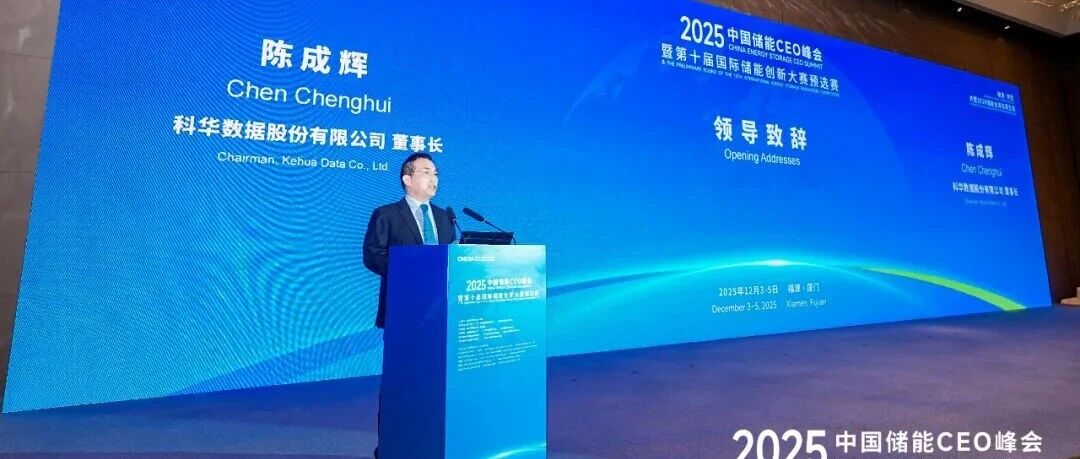
陈成辉:破浪前行,携手共生——科华数能的全球化担当与愿景
中国能源报· 2025-12-04 13:39
凭借扎实的技术积累与严苛的产品品质,科华数能的服务网络已遍布欧洲、澳洲、非洲、北美、拉美及亚太等全球 100 多个国家和地 区, 在全球市场树立起"中国智造"的卓越品牌形象 。科华数能深知:独行快,众行远;单点突破易,生态共赢难。在国内,科华数能 与华能、中核、国家电网等能源央企深度协同,成功交付全球最大构网型储能项目、全球首套原位固态化半固态电池电网侧储能示范工 程、国内首个百兆瓦级液冷储能标杆项目等一系列重磅工程,彰显了产业链协同创新的巨大价值;在海外,科华数能坚持"本地化合 作、本地化价值"原则,携手当地伙伴落地保加利亚最大光储一体化项目、巴西最大储能电站等标杆案例,输出产品与技术的同时,更 构建起共建共享、可持续发展的能源新范式。 面向未来,陈成辉代表科华数能发出倡议: 愿与全球同仁共推技术标准国际化,打破壁垒,促进互认互通;共建高效韧性供应链,提 升资源协同与抗风险能力;共创灵活包容的合作模式,尊重多元市场模式,实现优势互补、互利共赢 。他强调,唯有通过开放协作、 标准引领与技术深耕,才能真正提升全球能源转型的质量、效率与可持续性。 作为储能行业的领军企业,科华数能将持续以创新为帆、以合作为桨,与全 ...


江苏扬州:加强公共建筑用能管理,推广合同能源管理等一体化模式
Xin Lang Cai Jing· 2025-12-04 11:25
Core Viewpoint - The Yangzhou Municipal Government has released a comprehensive implementation plan aimed at accelerating economic and social development through a full green transition, aligning with national and provincial policies on green transformation [5][17]. Group 1: Overall Requirements - The plan emphasizes the importance of adhering to Xi Jinping's economic and ecological civilization thoughts, aiming for a green, low-carbon, high-quality development path, with significant progress expected in key areas by 2030 and a fully established green economy by 2035 [6][19]. Group 2: Key Tasks - The plan outlines several key tasks, including the development of green low-carbon industrial clusters, the upgrade of traditional industries, and the promotion of green low-carbon services [8][19]. - Specific targets include the establishment of 20 zero-carbon factories and a scale of the energy-saving and environmental protection industry reaching approximately 20 billion yuan by 2030 [8][19]. Group 3: Energy Transition - The plan aims to optimize clean and low-carbon energy supply, focusing on the efficient use of coal and the development of non-fossil energy sources, with a target of 10 million kilowatts of renewable energy generation capacity by 2030 [9][19]. - It also emphasizes the construction of a new power system that integrates energy sources, networks, loads, and storage [14][20]. Group 4: Infrastructure Upgrades - The plan includes initiatives for green building development, mandating that new public buildings meet specific green standards and achieve a photovoltaic coverage rate of over 50% by 2030 [9][14]. - Transportation infrastructure will also undergo a green transition, with a focus on enhancing electric vehicle charging networks and promoting the use of electric vessels [9][20]. Group 5: Resource Efficiency - The plan promotes resource conservation and efficiency, including strict water resource management and the promotion of recycling and waste reduction initiatives [11][21]. - By 2030, the plan aims for a recycling volume of approximately 4.5 million tons of major renewable resources [21]. Group 6: Technological Innovation - The plan emphasizes the importance of research and development in green technologies, including new energy vehicles and advanced photovoltaic cells, to support the green transition [10][19]. - It also aims to enhance the commercialization of green technology innovations through various collaborative projects [10][15]. Group 7: Green Consumption - The plan encourages the adoption of green consumption practices among the public, promoting energy-saving behaviors and the use of sustainable products [16][19]. - Initiatives will include campaigns for the replacement of old consumer goods with greener alternatives and the promotion of organic agricultural products [16][19]. Group 8: Policy Framework - The plan outlines the need for a robust policy framework to support green transformation, including the establishment of green standards and financial incentives for sustainable practices [18][22]. - It aims to enhance market mechanisms for resource allocation and promote participation in carbon trading markets [22].
齐翔腾达年产7万吨高纯无水叔丁醇项目达产 精准卡位高端细分市场
Zhong Zheng Wang· 2025-12-04 10:37
Group 1 - The core viewpoint of the articles highlights Qixiang Tengda's successful technological upgrade of its 400,000 tons/year tert-butanol facility, achieving stable production of 70,000 tons of 99.9% high-purity anhydrous tert-butanol annually, marking a significant step in the high-end fine chemical sector and demonstrating the company's strategic shift from "scale-driven" to "value-driven" [1] - The technological upgrade is not merely a capacity replacement but a strategic enhancement aimed at high-value downstream applications, with anhydrous tert-butanol increasingly penetrating emerging sectors such as electronics, biomedicine, and bio-based materials [1] - The domestic market demand for anhydrous tert-butanol is expected to maintain an annual growth rate of 6%-8% from 2025 to 2030, with electronic-grade, pharmaceutical-grade, and bio-based applications becoming the core growth engines [1] Group 2 - Qixiang Tengda has established a collaborative industrial chain centered on acetone and maleic anhydride, covering over 30 products including propylene, epoxy propane, and acrylate, positioning itself as a leading high-tech enterprise in deep processing of carbon three and carbon four [2] - The company is advancing a dual strategy of "technological innovation + asset efficiency," focusing on optimizing utilities and exploring device potential to reduce overall costs while accelerating the development of new materials with higher technical barriers and lower carbon footprints [2] - The 8,000 tons/year high-performance catalytic new materials project is progressing steadily, aiming to create a catalyst industry base that integrates petroleum and coal chemical pathways, supporting the domestic replacement of high-end catalysts [2]

华融化学:如何实现能源管理与生产流程的“绿色跃迁”?
2 1 Shi Ji Jing Ji Bao Dao· 2025-12-04 08:57
Group 1 - The core task of the chemical industry in China is to implement energy-saving and carbon reduction actions as outlined in the "2024-2025 Energy Saving and Carbon Reduction Action Plan," aiming to save approximately 40 million tons of standard coal and reduce carbon dioxide emissions by about 110 million tons during this period [1][2] - The chemical industry is undergoing a significant upgrade opportunity, with companies actively pursuing high-end, intelligent, and green transformations, supported by breakthroughs in key digital technologies [2][3] - Schneider Electric and Huarong Chemical have formed a partnership to exemplify how a chemical enterprise can achieve renewal through "intelligent transformation and digital transition" [2][4] Group 2 - Huarong Chemical, a leading enterprise in the green recycling of potassium hydroxide, is focusing on digital upgrades as a core driver for innovation and growth, while also emphasizing electrical safety and energy efficiency management [3][4] - Digital transformation is foundational for both safety production and lean management, enabling Huarong Chemical to achieve energy savings and carbon reduction while ensuring stable production [4][5] - Schneider Electric's new service system, including EcoConsult, EcoCare, and EcoFit, provides comprehensive support for Huarong Chemical's lifecycle from design to maintenance, facilitating a structured upgrade path [5][6] Group 3 - The three-step roadmap for Huarong Chemical's upgrade includes building an energy management system, creating equipment energy-saving solutions, and advancing innovative energy-saving processes [6][7] - Since implementing digital lean operations, Huarong Chemical has seen a 35% increase in production efficiency and a 6% reduction in overall energy consumption, resulting in cumulative energy savings exceeding 10 million yuan over three years [7][8] - The collaboration between Schneider Electric and Huarong Chemical serves as a valuable reference for other chemical enterprises aiming for digital, intelligent, and green transformations, highlighting the importance of identifying specific upgrade needs and matching appropriate digital tools [8]
陕西首个规模化混塔风电项目并网发电
Shan Xi Ri Bao· 2025-12-03 22:59
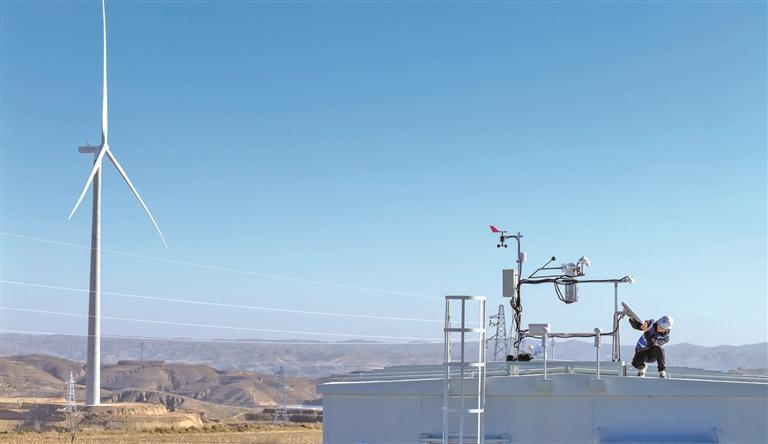
Group 1 - The Guoneng Jia County 50 MW wind power project has successfully connected its first 6.25 MW wind turbine to the grid, marking a breakthrough in large-scale mixed tower wind energy development in Shaanxi [2][3] - The project utilizes a super high mixed tower structure with a hub height of 160 meters and a rotor diameter of 220 meters, designed to generate approximately 110 million kWh of green electricity annually, saving 32,400 tons of standard coal and reducing CO2 emissions by 88,700 tons and SO2 emissions by 89,300 tons [3] - This is the first large-scale application of 160-meter mixed tower technology in Shaanxi, with a construction process that has achieved a significant reduction in assembly errors and waste rates compared to industry standards, setting new records for renewable energy construction in the region [3] Group 2 - The project is expected to achieve full capacity grid connection by the end of the year, which will help adjust the local power grid's structure, optimize resource allocation, and promote employment and the development of the tertiary industry [4] - The project site in Jia County benefits from an average annual wind speed of 6 m/s and over 4,000 effective wind hours, along with a usable area of over 3,000 square kilometers, making it one of the richest regions in wind resources in Shaanxi [4]
让百万市民温暖过冬!张掖电厂实现“双投产”
Xin Lang Cai Jing· 2025-12-03 13:21
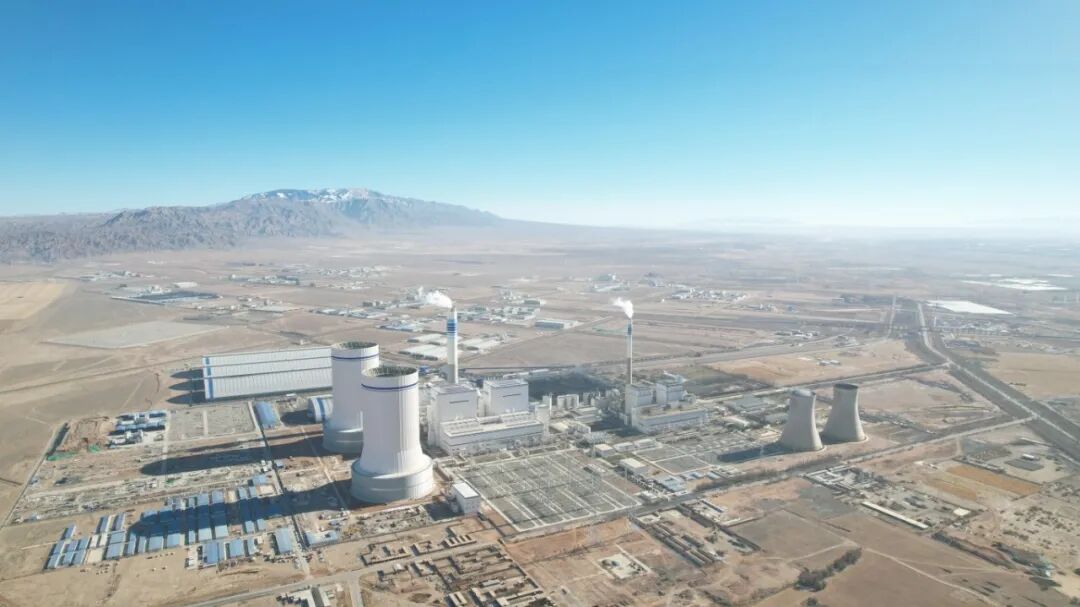
Core Viewpoint - The Gansu Electric Power Zhangye Power Plant's expansion project has successfully completed a 168-hour full-load trial operation, marking the shortest interval for commissioning similar units in China, with both units achieving efficient production within a month [1][7]. Group 1: Project Overview - The project is located in the Zhangye Economic and Technological Development Zone and is a key part of the Hexi Corridor clean energy base, featuring the construction of two 1000 MW ultra-supercritical indirect air-cooled coal-fired units [3][9]. - The project includes the installation of flue gas desulfurization, denitrification, and dust removal facilities alongside the new units [3][9]. Group 2: Innovative Technology Integration - The project employs advanced technologies such as high-capacity, high-parameter, and high-efficiency equipment, achieving a power consumption of 281 grams per kilowatt-hour and a plant utilization rate of only 4.2%, which are internationally leading indicators [4][9]. - Innovations like "semi-capacity steam-driven feedwater pumps" and "air preheater bypass heat recovery" enhance the units' deep peak regulation capability by 19% THA, providing critical support for renewable energy consumption [4][9]. Group 3: Resource Recycling and Environmental Impact - The project features the first all-steel structure indirect cooling tower in the Hexi region, which shortens construction time and simplifies the process, with a height of 190 meters and a cooling area of 2.67 million square meters [5][11]. - It implements a full-process wastewater treatment system and indirect cooling technology, achieving zero external discharge of wastewater and rainwater, and zero fuel consumption, representing a new direction for clean and low-carbon coal power [5][11]. Group 4: Enhancing Peak Regulation Capacity - The commissioning of the two units will significantly enhance the capacity of the Hexi power grid and improve peak regulation capabilities, ensuring stable electricity supply during the 14th Five-Year Plan period in Gansu [6][12]. - The project will provide reliable peak regulation and compensation for the abundant wind and solar energy resources in the Hexi region, promoting local renewable energy consumption and contributing to Gansu's green and low-carbon transition [6][12]. Group 5: Societal Benefits - The project will provide stable heating sources for 18 million square meters of urban residential areas, enabling the first "dual heating source" supply in Zhangye, benefiting millions of residents during winter [10][14].
建行广东分行:破解高碳行业转型难题 打造转型金融示范样板
Zhong Guo Jin Rong Xin Xi Wang· 2025-12-03 13:17
Core Viewpoint - The traditional high-energy and high-emission industries in Guangdong are undergoing a significant green transformation, supported by targeted financial services from the China Construction Bank Guangdong Branch [1][2]. Group 1: Financial Support for Transformation - The China Construction Bank Guangdong Branch has launched a specialized service plan for transformation-linked loans to address the financing difficulties faced by traditional industries during their green transition [2][4]. - The bank has successfully implemented transformation financial services across various sectors, including thermal power, ceramics, steel, agriculture, paper, glass, and petrochemicals [2][4]. Group 2: Case Studies of Green Transformation - In Meizhou, the bank provided a loan of 98 million yuan to an agricultural enterprise for its low-carbon transformation, which is expected to reduce carbon emissions by approximately 4,000 tons annually [3][4]. - In Yangjiang, the bank supported a steel company with a loan of 65.4 million yuan for green technology upgrades, projected to save 2,331 tons of standard coal and reduce carbon emissions by about 5,809 tons per year [4][5]. - In Shaoguan, a paper company received a 30 million yuan unsecured loan to facilitate its low-carbon transition, addressing its raw material procurement needs [4][5]. Group 3: Institutional Support and Future Plans - The China Construction Bank Guangdong Branch is committed to enhancing its transformation financial services by optimizing financial products and participating in the establishment of industry standards [6]. - The bank aims to expand its services to more sectors, including chemicals and textiles, to further support the green transformation of traditional industries in Guangdong [6].
超级隔光玻璃、无人水泥生产线……7项科技成果助力建造好房子
Yang Shi Xin Wen· 2025-12-03 08:52
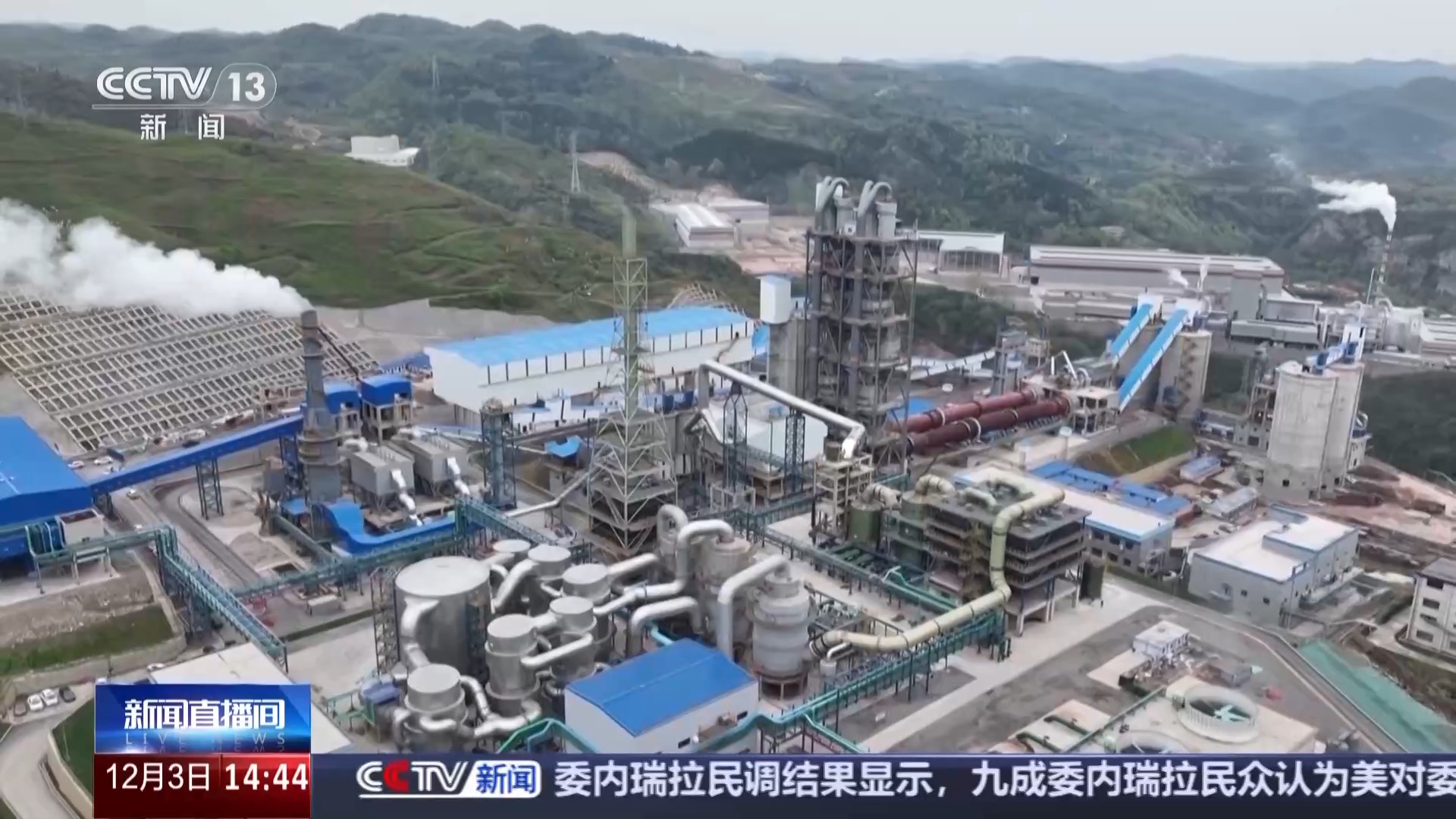
Core Viewpoint - During the "14th Five-Year Plan" period, China's building materials industry has made significant advancements in technological innovation, with the China Building Materials Federation announcing seven breakthrough technological achievements for the industry by 2025 [1][2]. Group 1: Technological Innovations - The seven newly announced products and technologies include a "super intelligent" unmanned cement factory, ultra-pure silicon carbide made with lasers, super light-blocking glass, a digital platform for R&D, "super cool cement" that does not heat up, high-temperature resistant silicon-based aerogels, and next-generation display glass with large widths [2][4]. - The global first "unmanned cement production line" has been introduced, which automates the production process, significantly reducing the need for human labor compared to traditional cement production lines [5][7]. Group 2: Investment and R&D - The intensity of R&D investment in the building materials industry is projected to reach 1.32% by 2024, an increase of 0.44 percentage points from 2020, reflecting a stronger focus on technological innovation [4]. - The industry has established a "challenge and reward" mechanism for major technological breakthroughs, accelerating advancements in key areas such as green and low-carbon technologies, artificial intelligence, and super materials [4]. Group 3: Product Features and Applications - The "super cool cement" is notable for its ability to self-cool without electricity, demonstrating significant temperature reduction capabilities and strong fire resistance and compressive strength [14][19]. - The material has a solar reflectance rate of 96.2% and a thermal radiation rate of 96%, allowing it to effectively mitigate urban heat island effects and reduce building energy consumption, making it suitable for applications in roofing, exterior walls, urban pavements, and cold chain storage [19].
生态环境部副部长李高:发展和转型不矛盾,绿色低碳转型会带来新发展机遇
Xin Lang Cai Jing· 2025-12-03 07:57
新浪声明:所有会议实录均为现场速记整理,未经演讲者审阅,新浪网登载此文出于传递更多信息之目 的,并不意味着赞同其观点或证实其描述。 责任编辑:李思阳 面对国际上的不同声音,生态环境部党组成员、副部长李高在央视《对话》栏目重申了根本原则:"发 展是我们中国解决我们一切问题的基础,必须实现发展,这毫无疑问的。中国的经验表明,发展和转型 不是矛盾的关系,绿色低碳转型可以给我们带来新的发展机遇。" 面对国际上的不同声音,生态环境部党组成员、副部长李高在央视《对话》栏目重申了根本原则:"发 展是我们中国解决我们一切问题的基础,必须实现发展,这毫无疑问的。中国的经验表明,发展和转型 不是矛盾的关系,绿色低碳转型可以给我们带来新的发展机遇。" 新浪声明:所有会议实录均为现场速记整理,未经演讲者审阅,新浪网登载此文出于传递更多信息之目 的,并不意味着赞同其观点或证实其描述。 责任编辑:李思阳 ...