
科技创新和产业创新深度融合

Search documents
社保基金会: 稳健做好各大类资产投资
Zhong Guo Zheng Quan Bao· 2025-12-16 22:26
Core Viewpoint - The Social Security Fund Council emphasizes the importance of prudent investment operations and aligning with national economic strategies to support technological and industrial innovation [1][2] Group 1 - The meeting highlighted the significance of the Central Economic Work Conference as a critical gathering post the 20th Central Committee's Fourth Plenary Session, providing strategic guidance for economic work in 2026 [1] - The Council aims to closely monitor domestic and international macroeconomic conditions and capital market trends to effectively manage asset allocation and investment across various asset classes [1][2] - There is a focus on leveraging long-term and patient capital while ensuring safety and actively supporting national development needs [1][2] Group 2 - The Council plans to integrate the learning from Xi Jinping's important speeches with the spirit of the 20th Central Committee's Fourth Plenary Session to enhance confidence and implementation of the Party's decisions [2] - The Council is tasked with developing a systematic plan for the Social Security Fund's "14th Five-Year" development, aligning with the key tasks outlined in the Central Economic Work Conference [2] - The goal is to promote high-quality development of the Social Security Fund in accordance with the important requirements of the "14th Five-Year" plan [2]
社保基金会:充分发挥长期资金、耐心资本作用
Zhong Guo Zheng Quan Bao· 2025-12-16 14:06
Core Viewpoint - The meeting emphasized the importance of implementing the decisions made by the Central Economic Work Conference, focusing on prudent fund investment operations and long-term planning for the development of the social security fund [1][2]. Group 1: Economic Context - The Central Economic Work Conference is a significant meeting following the 20th Central Committee's Fourth Plenary Session, summarizing the economic work for 2025 and analyzing the current economic situation, providing strategic guidance for 2026 [1]. - The meeting recognized that during the 14th Five-Year Plan period, the achievements of the Party and the state were fundamentally due to the leadership of the Central Committee with Xi Jinping at its core and the guidance of Xi Jinping's Thought on Socialism with Chinese Characteristics for a New Era [2]. Group 2: Fund Management Strategy - The meeting highlighted the need for continuous learning of Xi Jinping's important speeches and the spirit of the conference, integrating it with the implementation of the 20th Central Committee's Fourth Plenary Session spirit to enhance confidence and proactive actions [2]. - It was stressed that fund investment operations should be conducted prudently, closely monitoring domestic and international macroeconomic conditions and capital market trends, and effectively conducting asset allocation [2]. - The meeting called for leveraging long-term funds and patient capital to serve national development needs while ensuring safety in investments [2]. Group 3: Long-term Planning - The meeting focused on long-term planning for the development of the social security fund, aligning with the key tasks outlined in the Central Economic Work Conference and the important requirements of the 15th Five-Year Plan [3]. - It emphasized the need to systematically plan the social security fund's 15th Five-Year Plan and coordinate the implementation of key tasks to promote high-quality development of the social security fund [3].
社保基金会党组:充分发挥长期资金、耐心资本作用
券商中国· 2025-12-16 11:46
Core Viewpoint - The meeting of the Social Security Fund Council emphasized the importance of implementing the spirit of the Central Economic Work Conference, which outlines the economic work for 2026 and provides strategic guidance for the upcoming year [1][2]. Group 1 - The meeting highlighted the significance of the Central Economic Work Conference as a crucial gathering post the 20th Central Committee's Fourth Plenary Session, with Xi Jinping's speech summarizing the economic work for 2025 and analyzing the current economic situation [1]. - The Council members are urged to deeply understand the decisive significance of the "two establishments" and enhance their awareness and confidence in the Party's leadership [1][2]. - The meeting called for a careful and prudent approach to fund investment operations, emphasizing the need to track macroeconomic and capital market trends closely [2]. Group 2 - The Council aims to align its operations with the "14th Five-Year Plan" and the key tasks outlined in the Central Economic Work Conference, focusing on high-quality development of the social security fund [2]. - There is a commitment to actively support national development needs, particularly in technology and industry innovation, while maintaining a safety baseline in investments [2].

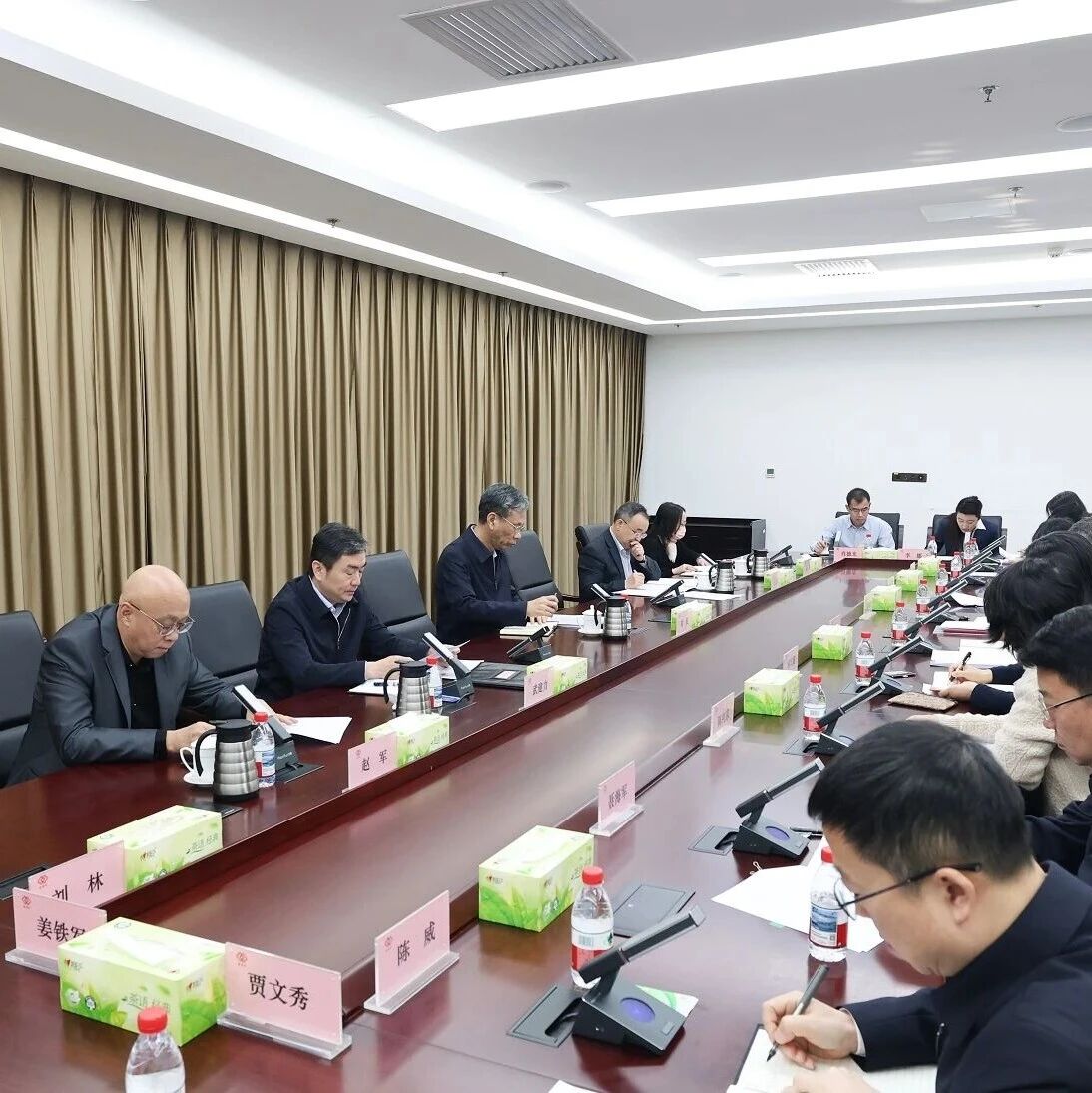
社保基金会党组:充分发挥长期资金、耐心资本作用 更好支持科技创新和产业创新深度融合
Zheng Quan Shi Bao Wang· 2025-12-16 09:32
Core Viewpoint - The meeting emphasized the importance of prudent management of fund investment operations, focusing on long-term planning and alignment with national development needs [1] Group 1: Fund Investment Operations - The meeting highlighted the need for careful monitoring of domestic and international macroeconomic conditions and capital market trends [1] - It called for scientific and effective asset allocation to ensure stable investments across various asset classes [1] - The role of long-term capital and patient investment was underscored, aiming to maintain safety while actively supporting national development [1] Group 2: Strategic Planning - The meeting stressed the importance of aligning with the "14th Five-Year Plan" and the key tasks outlined in the Central Economic Work Conference [1] - It advocated for a systematic approach to planning the development of the social security fund, ensuring the implementation of key tasks [1] - The goal is to promote high-quality development of the social security fund sector [1]
新视野丨推动科技创新和产业创新深度融合
Zhong Yang Ji Wei Guo Jia Jian Wei Wang Zhan· 2025-12-16 00:49
Core Viewpoint - Nanjing is seizing the opportunity of "Artificial Intelligence +" to accelerate the integration of technological innovation and industrial innovation, aiming to build a comprehensive AI ecosystem and establish itself as a landmark for AI industry and innovation [2] Group 1: Technological and Industrial Innovation Integration - The integration of technological and industrial innovation is essential for achieving high-level technological self-reliance and leading the development of new productive forces [2][4] - The 14th Five-Year Plan emphasizes the importance of this integration as a key focus for effective economic work [2] - The central government's decisions highlight the significant role of deep integration in promoting new productive forces and guiding the path for development [2] Group 2: High-Quality Technological Supply - New productive forces are primarily driven by breakthroughs in technology, with technological innovation being a core element for developing these forces [3][4] - China’s R&D investment is projected to exceed 3.6 trillion yuan in 2024, with the total number of R&D personnel ranking first in the world [4] - The national comprehensive innovation capability ranking improved from 14th in 2020 to 10th in 2024, with the "three new" economy accounting for 18% of GDP [4] Group 3: Strengthening Enterprise Innovation - Enterprises are crucial as the main participants in economic activities and play a significant role in technological innovation [6][7] - The proportion of R&D investment by enterprises exceeds 77%, and the industrialization rate of enterprise invention patents has steadily increased for five consecutive years [7] - Policies are being implemented to support enterprises in leading innovation consortia and undertaking national technological tasks [7] Group 4: Promoting Technology Transfer and Application - The transformation of technological achievements into productive forces is essential for developing new productive forces [8][9] - The national technology contract transaction volume is expected to reach 6.8 trillion yuan in 2024, with significant growth in technology transfer mechanisms [9] - A multi-level technology transaction network is being formed through various institutions and platforms to facilitate technology transfer [9][10] Group 5: Policy and Financial Support - Policies are being developed to enhance the autonomy of technology personnel in the distribution of benefits from technology transfer [10][11] - The establishment of a financial ecosystem covering the entire lifecycle of technology enterprises is being prioritized to support the commercialization of technological achievements [11]
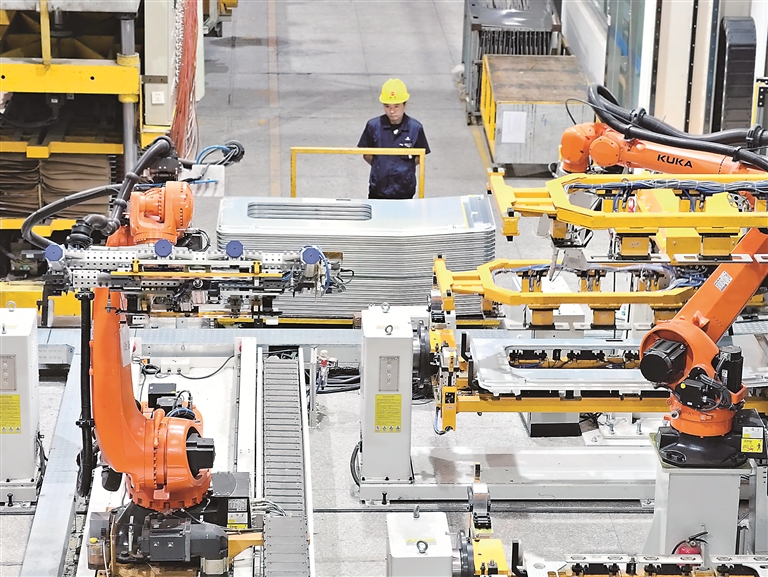
以场景为牵引推动科技创新和产业创新深度融合(专题深思)
Ren Min Ri Bao· 2025-12-15 22:52
Core Viewpoint - The integration of technological innovation and industrial innovation is essential for achieving high-quality development in China, emphasizing the importance of cultivating application scenarios to support this integration [1][2][5]. Group 1: Importance of Application Scenarios - Application scenarios serve as critical environments for validating new technologies and products, enabling the identification of technical demands and research opportunities within industrial applications [2][3]. - High-quality application scenarios can attract various resources, including talent, capital, and data, thereby facilitating the rapid emergence of high-value technologies and products [3][4]. Group 2: Strategies for Scenario Development - The government aims to cultivate and expand application scenarios in emerging fields such as digital economy, artificial intelligence, and clean energy, while also enhancing scenarios in traditional sectors like manufacturing and transportation [6]. - There is a focus on increasing the openness of application scenarios, promoting cross-sector collaboration, and ensuring that new scenarios are developed based on local resources and characteristics to avoid redundancy [6]. Group 3: Policy Framework and Implementation - The implementation of policies to support the integration of technological and industrial innovation includes establishing a clear path from technological breakthroughs to industrial applications [5][6]. - Enhancing the regulatory framework for resource allocation and improving the legal and standard systems are crucial for fostering a conducive environment for innovation [6].
熊征宇调研洪山区、江夏区 坚持改革创新引领 强化区域协同联动 推动城区内涵式高质量发展
Chang Jiang Ri Bao· 2025-12-11 00:45
Group 1 - The city aims to implement the spirit of the 20th Central Committee and the important speeches of General Secretary Xi Jinping, focusing on high-quality development and regional collaboration to contribute to the modernization of Wuhan [1][2] - In Hongshan District, the emphasis is on integrating technological and industrial innovation, promoting the transformation of scientific achievements, and enhancing urban quality through urban renewal actions [1][2] - The district is encouraged to lead in the deep integration of technology and industry, with a focus on building a high-level innovation development belt around universities [1][2] Group 2 - In Jiangxia District, the focus is on strengthening the manufacturing sector and developing the "China Medicine Valley" by enhancing regional collaboration and promoting the health industry [2] - The district is tasked with advancing rural revitalization and modern urban agriculture while protecting the ecological environment [2] - The city leadership emphasizes the importance of addressing practical difficulties faced by enterprises and ensuring effective service delivery to improve overall development quality and efficiency [2]
陕西党政代表团赴江苏学习调研对接协作
Shan Xi Ri Bao· 2025-12-09 00:34
Group 1 - The core viewpoint of the news is the collaboration between Jiangsu and Shaanxi provinces, focusing on deepening cooperation and learning from each other's development experiences during the "14th Five-Year Plan" and planning for the "15th Five-Year Plan" [1][2][3] Group 2 - Zhao Yide, the Secretary of the Provincial Party Committee, expressed gratitude for Jiangsu's support to Shaanxi and highlighted the achievements of Jiangsu in modernizing its economy, which serves as a model for Shaanxi [2] - The meeting emphasized the importance of strategic alignment between the two provinces, focusing on solidifying poverty alleviation efforts, building innovation platforms, and expanding cooperation in energy, finance, and foreign trade [2] - Xin Changxing, the Secretary of Jiangsu Provincial Party Committee, acknowledged the achievements of Shaanxi during the "14th Five-Year Plan" and expressed a commitment to deepen cooperation in technology and industry innovation, reform, and common prosperity [3] - The Shaanxi delegation visited the Jiangsu Provincial Industrial Technology Research Institute to understand the integration of technological and industrial innovation [3]
广东省中国科学院全面战略合作领导小组会议在广州举行
Zheng Quan Shi Bao Wang· 2025-12-07 09:38
Core Viewpoint - The meeting between Guangdong Province and the Chinese Academy of Sciences aims to enhance strategic cooperation to promote technological innovation and talent development in the Guangdong-Hong Kong-Macao Greater Bay Area [1] Group 1: Strategic Cooperation - Guangdong Province and the Chinese Academy of Sciences are seeking to deepen their comprehensive strategic cooperation [1] - The focus is on advancing the construction of an international technology innovation center and high-level talent hub in the Greater Bay Area [1] Group 2: Technological Development - There is an emphasis on accelerating the construction of major scientific infrastructure and high-level innovation platforms [1] - The collaboration aims to strengthen original innovation and tackle key core technology challenges [1] Group 3: Technology and Industry Integration - The parties intend to promote the transformation and industrialization of more scientific and technological achievements [1] - The goal is to integrate technological innovation with industrial innovation, enhancing the effectiveness of major scientific infrastructure [1]
周红波听取派驻高校科技成果转化服务小分队工作情况
Nan Jing Ri Bao· 2025-12-06 01:33
会前,周红波在江苏省物理科学研究中心、中国南海研究协同创新(信息资源)中心调研科技成果 转化情况。 南京大学党委副书记焦瑞华、副市长蒋敏参加。 今年9月底,我市启动实施"双高协同"行动计划,并向17所在宁高校院所派驻成果转化服务工作小 分队。各路小分队深入高校推动成果转化,市相关部门和板块积极配合、有力保障,各项工作取得良好 开局。 周红波说,党的二十届四中全会作出了"推动科技创新和产业创新深度融合"的重要部署,对校地双 方共同促进科技成果转化提出了更高要求。派遣小分队入驻高校是一项提升科技成果转化效能的体制机 制创新,需要在实践中不断深化。下一步工作中,要着力提高专业能力,借力高校研究团队,借鉴龙头 企业先进经验,更好识别和发现成果,预判潜在能力和发展趋势。要提高"撮合"能力,紧紧围绕产业发 展构建协同机制,用好"宁科荟"平台,让企业需求对接高校、高校成果走进园区,实现供需精准匹配。 要提高"转化"能力,针对成果评估、概念验证、中试放大、商业化产业化等成果转化不同阶段,突出基 金支持,强化平台支撑,完善场景赋能,推动政策整合和资源共建共享共用。要提高"引育"能力,同步 做好科技招商和招才引智,深化校地企协同 ...