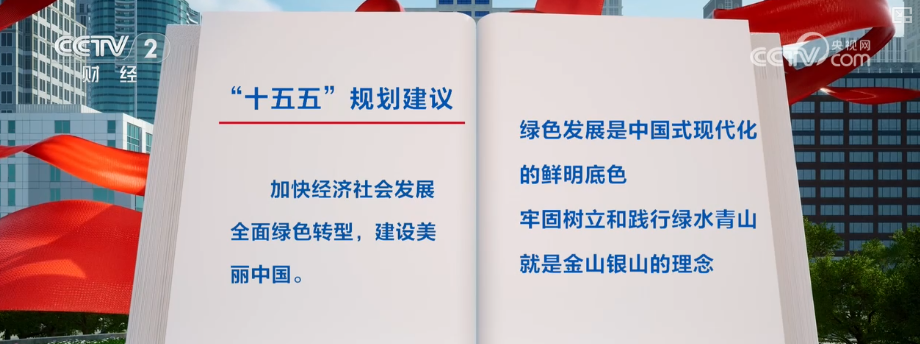
经济社会发展全面绿色转型

Search documents
何立峰署名文章《因地制宜发展新质生产力》
Ren Min Wang· 2025-11-11 01:58
Core Insights - The article emphasizes the importance of developing new quality productivity tailored to local conditions as outlined in the 20th Central Committee's Fourth Plenary Session [1][2] Group 1: Historical and Theoretical Context - The development of new quality productivity has historically driven comprehensive improvements in social productivity, representing the most innovative and forward-looking aspects of productivity [3] - The socialist system's advantages facilitate faster and better productivity development, with significant advancements in key technologies and industries since the 18th National Congress [4] Group 2: Practical Implications - Developing new quality productivity is essential for high-quality development and gaining strategic advantages in major power competition, focusing on creating a modern industrial system that meets people's needs [5] - New quality productivity encompasses innovation-driven approaches and the integration of new elements, impacting various sectors including agriculture, industry, and services [5] Group 3: Major Tasks and Initiatives - Strengthening technological innovation is identified as the core driver for developing new quality productivity, emphasizing the need for original and disruptive innovations [6][7] - Optimizing and upgrading industrial structures is crucial, with a focus on enhancing traditional industries and fostering emerging industries [8] - Promoting a comprehensive green transition in economic and social development is highlighted as a key direction for new quality productivity [9] Group 4: Market and Social Considerations - Building a strong domestic market is fundamental for supporting new quality productivity, leveraging the scale of the domestic market to stimulate demand and innovation [10] - Ensuring common prosperity and comprehensive human development is the ultimate goal of developing new quality productivity, emphasizing the importance of investing in human resources [11] Group 5: Institutional Support - Adapting production relations to align with new quality productivity is necessary, requiring reforms to facilitate the flow of advanced production factors [12] - Implementing a unified national strategy while leveraging local advantages and tailoring policies to specific industries is essential for effective development [14][15][16] - Encouraging enterprises to play a leading role in innovation and productivity development is critical, with a focus on both state-owned and private enterprises [16][17]
何立峰谈新质生产力|宏观经济
清华金融评论· 2025-11-11 00:51
Core Viewpoint - The article emphasizes the importance of developing new quality productivity tailored to local conditions, as outlined in the 15th Five-Year Plan, to promote high-quality development and modernization in China [4][5]. Group 1: Significance of Developing New Quality Productivity - Understanding the significance of developing new quality productivity is crucial for enhancing overall productivity and achieving high-quality development in the context of China's modernization [5]. - Historical trends show that the development of new quality productivity has historically led to significant advancements in social productivity, with each technological revolution marking a leap in productivity levels [6]. - The development of new quality productivity reflects the advantages of the socialist system, which can more effectively overcome contradictions in production and drive economic growth [7]. Group 2: Tasks and Measures for Implementing New Quality Productivity - Strengthening technological innovation is identified as the core driver for developing new quality productivity, with a focus on original and disruptive innovations [10]. - Optimizing and upgrading industrial structures is a primary pathway for developing new quality productivity, emphasizing the need for traditional industries to enhance quality and for new industries to scale up [11]. - Promoting a comprehensive green transformation of economic and social development is essential, with a focus on resource efficiency and cleaner production processes [12]. - Building a strong domestic market is fundamental for supporting new quality productivity, leveraging the scale of the domestic market to stimulate demand and innovation [13]. - Ensuring common prosperity and comprehensive human development is a key value orientation, emphasizing the need to invest in human capital and reduce income disparities [14]. - Establishing production relations that align with new quality productivity is necessary for facilitating the flow of advanced production factors [15]. Group 3: Basic Requirements for Developing New Quality Productivity - A unified national strategy is essential for coordinating major productivity layouts and addressing the relationship between reform and development [17]. - Leveraging regional comparative advantages is important, encouraging regions to identify their roles in the national development framework and focus on their unique strengths [18]. - Tailored policies for different industries are necessary, recognizing the diverse stages and needs of various sectors [19]. - Strengthening the role of enterprises as the main drivers of innovation and productivity development is crucial, with a focus on both state-owned and private enterprises [20].


何立峰:因地制宜发展新质生产力
Ren Min Ri Bao· 2025-11-10 23:04
Core Insights - The article emphasizes the importance of developing new quality productivity tailored to local conditions as a significant directive from the 20th Central Committee of the Communist Party of China, aimed at promoting high-quality development and modernization in China [1] Historical Context - The development of new quality productivity has historically driven comprehensive improvements in social productivity, representing the most innovative and technologically advanced segment of productivity [2] - Since the 18th National Congress, China has effectively enhanced overall social productivity by seizing opportunities from the new round of technological revolutions and industrial transformations [2] Theoretical Framework - Developing new quality productivity reflects the advantages of the socialist system, which can overcome contradictions in capitalist production and promote faster and better productivity growth [3] - By 2024, the value added from new industries, new business formats, and new models is expected to account for 18% of GDP, showcasing China's leading capabilities in sectors like new energy vehicles and 5G technology [3] Practical Implications - The development of new quality productivity is essential for achieving high-quality growth and gaining strategic advantages in global competition [4] - New quality productivity emphasizes innovation and the introduction of new factor combinations, impacting various sectors including agriculture, industry, and services [4] Major Tasks and Initiatives - Strengthening technological innovation is identified as the core driver for developing new quality productivity, with a focus on original and disruptive innovations [6] - Optimizing and upgrading industrial structures is crucial, with an emphasis on enhancing traditional industries and fostering emerging sectors [7] - Promoting a comprehensive green transition in economic and social development is highlighted as an important direction for new quality productivity [8] - Building a strong domestic market is essential for supporting the development of new quality productivity, leveraging the scale and economic effects of China's vast market [9] - Ensuring common prosperity and comprehensive human development is the value orientation behind developing new quality productivity [10] - Adjusting production relations to align with new quality productivity is necessary for its formation and development [11] Implementation Strategies - A unified national strategy is required to enhance the overall effectiveness of developing new quality productivity [13] - Encouraging local regions to leverage their comparative advantages is vital for identifying optimal development paths [14] - Tailored policies for different industries are necessary to address their unique stages and demands [15] - Strengthening the role of enterprises, particularly state-owned and private firms, is crucial for driving innovation and productivity [16] - Expanding high-level openness is important for optimizing resource allocation and promoting industrial upgrades [16]
因地制宜发展新质生产力(学习贯彻党的二十届四中全会精神)
Ren Min Ri Bao· 2025-11-10 22:41
Core Insights - The article emphasizes the importance of developing new quality productivity tailored to local conditions as outlined in the 20th Central Committee's Fourth Plenary Session [1][2] Group 1: Historical and Theoretical Context - The development of new quality productivity has historically driven comprehensive improvements in social productivity, representing the most innovative and forward-looking aspects of productivity evolution [3] - The socialist system's advantages facilitate faster and better productivity development, with significant advancements in key technologies and industries since the 18th National Congress [4] Group 2: Current Economic and Strategic Implications - Developing new quality productivity is essential for achieving high-quality development and gaining strategic advantages in global competition, focusing on creating a modern industrial system that meets people's needs [5] - The emphasis is on innovation as the primary driver, with strategic emerging industries and traditional sectors being vital for fostering new quality productivity [5] Group 3: Major Tasks and Initiatives - Strengthening technological innovation is identified as the core driver for developing new quality productivity, with a focus on original and disruptive innovations [6][7] - Optimizing and upgrading industrial structures is crucial, with initiatives to enhance traditional industries and foster emerging sectors [8] - Promoting a comprehensive green transformation in economic and social development is highlighted as a key direction for new quality productivity [9] Group 4: Market and Social Considerations - Building a strong domestic market is essential for supporting new quality productivity, leveraging the scale of the domestic market to stimulate demand and innovation [10] - Ensuring common prosperity and comprehensive human development is a fundamental value orientation for developing new quality productivity, emphasizing the importance of investing in human capital [11] Group 5: Institutional and Policy Framework - Adjusting production relations to align with new quality productivity is necessary, focusing on enhancing the market-oriented allocation of resources and improving the financial system [12] - The article stresses the need for a unified national strategy while allowing local regions to leverage their comparative advantages in developing new quality productivity [14][15] - Encouraging enterprises to play a leading role in innovation and productivity development is crucial, with support for both state-owned and private enterprises [16][17]
市委召开专题会议研究“十五五”专项规划编制:协同推进生态环境保护和绿色低碳发展,加快建设人与自然和谐共生的美丽武汉
Chang Jiang Ri Bao· 2025-11-10 00:33
Group 1 - The meeting emphasized the importance of compiling the "15th Five-Year" special plan, focusing on long-term vision and scientific methods to achieve high-quality development in Wuhan [1][2] - Key tasks include accelerating the construction of a national central city and modernizing Wuhan, with a focus on strategic issues affecting long-term development [2][3] - The plan aims to integrate various resources and establish cross-departmental collaboration mechanisms to ensure effective implementation [2][3] Group 2 - Green development is highlighted as the foundation for high-quality development, with a focus on ecological protection and low-carbon initiatives [3] - Continuous efforts will be made to protect the Yangtze River, enhance pollution prevention, and improve urban ecological quality [3] - The plan includes promoting a comprehensive green transformation of the economy and society, fostering green industries, and enhancing urban management [3]
乡土宣讲接地气
Hai Nan Ri Bao· 2025-11-09 02:02
Group 1 - The core message of the event is the promotion of the spirit of the 20th National Congress of the Communist Party, focusing on local achievements and future plans for community development [1][2] - The village of Quchong has been recognized as a National Civilized Village, attributed to improvements in sanitation, community harmony, and cultural life [1] - The "14th Five-Year Plan" has led to significant infrastructure improvements, including cement roads and enhanced communication services, which are expected to benefit all age groups in the community [1] Group 2 - The event emphasizes the importance of ecological civilization, highlighting the transformation of the local environment from polluted to clean, which aligns with the goals of the 20th National Congress [2] - Community leaders are encouraged to leverage geographical advantages for tourism and seafood processing, aiming to increase residents' income through e-commerce training [3]
齐心协力,把“十五五”愿景图变成实景图——学习贯彻党的二十届四中全会精神中央宣讲团报告会侧记
Si Chuan Ri Bao· 2025-11-06 00:17
Core Insights - The report meeting held in Chengdu aimed to interpret the spirit of the Fourth Plenary Session of the 20th Central Committee, focusing on the strategic direction for the upcoming five years [1][2] - Participants expressed a strong desire for insights on implementing the "14th Five-Year Plan" and the upcoming "15th Five-Year Plan," particularly in areas like innovation, agricultural development, and rural revitalization [2][5] Group 1: Strategic Focus - The meeting emphasized the importance of a clear roadmap for economic and social development, with a focus on "three rural issues" (agriculture, rural areas, and farmers) [2][4] - The concept of "people's livelihood" was highlighted as a key political focus, reflecting the growing and diverse expectations of the populace for a better life [3][4] Group 2: Implementation and Innovation - The need for effective implementation of the plans was stressed, with a call for reforms and innovations to enhance core competitiveness, particularly in energy security and green transformation [4][6] - The meeting encouraged the integration of national strategies into local educational practices, aiming to make complex concepts like digital China and cultural confidence accessible to students [4][6] Group 3: Legislative Support - Legislative efforts will be directed towards supporting agricultural development, with a focus on enhancing local regulations and conducting thorough research on agricultural laws [5] Group 4: Collective Effort - The meeting concluded with a strong call for collective action among party members and the public to transform the ambitious plans into reality, emphasizing the importance of unity and determination [7]
“十五五”关键部署·双碳目标的实现与美丽中国建设如何联动?解读↓
Yang Shi Wang· 2025-11-04 06:35
Group 1 - The core viewpoint of the article emphasizes the acceleration of comprehensive green transformation in economic and social development, aiming to build a beautiful China, with green development as a distinctive feature of Chinese modernization [3][5] - The "14th Five-Year Plan" proposes to use carbon peak and carbon neutrality as a driving force to promote carbon reduction, pollution reduction, green expansion, and economic growth in a coordinated manner [5][8] - The construction of a beautiful China is described as a systematic project that requires high environmental quality, good development quality, and modern governance capabilities [6][10] Group 2 - The article highlights the importance of achieving the "dual carbon" goals, which are increasingly seen as pivotal in the process of accelerating green transformation and building a beautiful China [8][14] - The focus on controlling PM2.5 and ozone levels, along with the collaborative reduction of volatile organic compounds and nitrogen oxides, is emphasized as a key strategy for environmental improvement [9][10] - The article notes that since 2016, China has accounted for 37% of the world's new green low-carbon patents, and when including patents filed overseas, this figure rises to approximately 58%, indicating a strong innovation environment supporting green transformation [12][14] Group 3 - The transition to a green and low-carbon energy system is identified as a crucial aspect of the overall green transformation, with China having established the world's largest and fastest-growing renewable energy system [11][12] - The "14th Five-Year Plan" marks the first five years of transitioning to a dual control system for carbon emissions, focusing on precise management of carbon emission quality to effectively respond to carbon reduction targets [15]
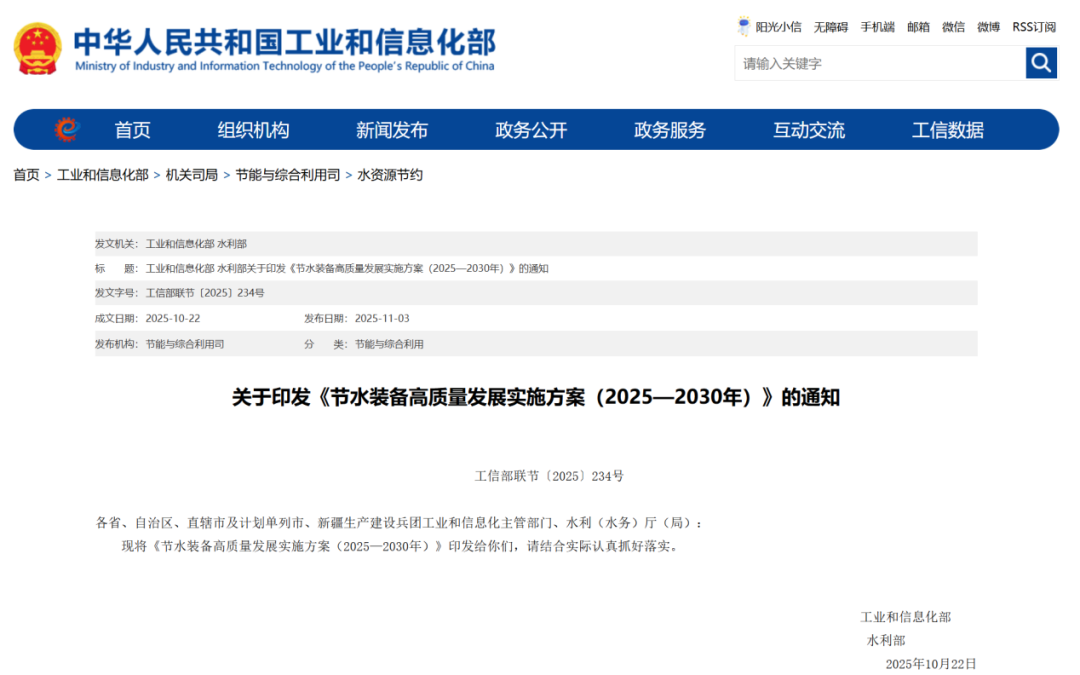
两部门:到2027年培育一批节水装备龙头企业和制造业单项冠军
Yang Shi Xin Wen· 2025-11-03 12:13
Core Viewpoint - The Ministry of Industry and Information Technology and the Ministry of Water Resources jointly released the "Implementation Plan for High-Quality Development of Water-Saving Equipment (2025-2030)" to enhance the competitive advantage of the water-saving equipment industry chain and promote the efficient use of water resources, facilitating a comprehensive green transformation of economic and social development [1] Summary by Relevant Sections Development Goals - By 2027, breakthroughs in key water-saving equipment will be achieved, a more robust standard system for water-saving equipment will be established, and a number of leading water-saving equipment enterprises and specialized "little giant" companies will be cultivated [1] - By 2030, a comprehensive, technologically advanced water-saving equipment system will be constructed, with continuous enhancement in the supply capacity of high-performance, high-efficiency, and high-reliability water-saving equipment [1] Key Focus Areas - The plan emphasizes addressing high water consumption in general equipment during production processes, focusing on the development of supply, usage, and recycling equipment, as well as the digital transformation of these areas [1] - It identifies critical components, materials, and processes that require breakthroughs in water-saving equipment, aiming for a collaborative industry chain that integrates material research and development, equipment manufacturing, and system integration [1] Historical Context and Achievements - Over the past decade, the industrial water consumption has maintained a "zero growth" while supporting an average industrial economic growth of 5.7%, with the water consumption per ten thousand yuan of industrial added value decreasing by over 50% during the same period [1]
大消息!刚刚,两部门发布
Zhong Guo Ji Jin Bao· 2025-11-03 08:20
Core Viewpoint - The implementation of the "High-Quality Development Implementation Plan for Water-Saving Equipment (2025-2030)" aims to accelerate the high-quality development of water-saving equipment, promoting the efficient use of water resources and facilitating a comprehensive green transformation of economic and social development [1][32]. Summary by Sections Overall Requirements - The plan emphasizes the importance of water-saving equipment as a strategic resource for national economic and social development, aiming to enhance independent innovation and supply capabilities in water-saving technologies [8][9]. - By 2027, breakthroughs in water-saving equipment for key areas such as supply, usage, and recycling are expected, with a focus on developing core technologies with independent intellectual property rights [3][10]. Key Tasks - **Supply**: Enhance technological innovation in water supply equipment, focusing on high-precision, high-flow, low-energy, and pollution-resistant filtration devices [4][37]. - **Usage**: Improve the water-saving efficiency of key water-using equipment, targeting areas like washing, cooling, and irrigation [5][38]. - **Recycling**: Overcome technical bottlenecks in wastewater recycling equipment, focusing on intelligent membrane separation and integrated salt separation and evaporation crystallization devices [5][38]. - **Digital Transformation**: Promote the digital transformation of the water-saving equipment industry, enhancing intelligent manufacturing levels and creating smart water-saving application scenarios [5][38]. Policy Support - The plan includes measures to increase policy support, such as implementing large-scale equipment updates and exploring the establishment of a water-saving industry fund to encourage financial institutions to develop "water-saving loans" [5][30]. - It aims to provide multi-faceted support for water-saving equipment manufacturers and key water-using enterprises, enhancing innovation capabilities and international competitiveness [6][30]. Technological Focus Areas - The plan outlines specific technological focus areas, including: - **Water Supply**: Development of advanced filtration and softening equipment [4][11]. - **Water Usage**: Innovations in washing and cooling equipment, including high-efficiency recovery systems [5][16]. - **Wastewater Recycling**: Advancements in membrane separation and deep processing of concentrated wastewater [5][21]. - **Smart Manufacturing**: Integration of AI and IoT technologies in water-saving equipment manufacturing [25][29]. Implementation and Future Steps - The Ministry of Industry and Information Technology will work with the Ministry of Water Resources to implement the plan, focusing on policy, standards, innovation, and talent development [39][40]. - Continuous efforts will be made to enhance the standardization of water-saving equipment and promote international cooperation in advanced water-saving technologies [30][31].