绿色制造

Search documents
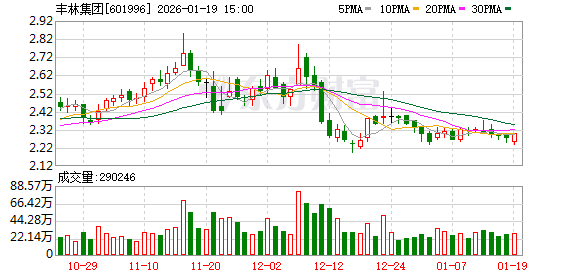
丰林集团:公司长期专注人造板主业发展,主营业务仍聚焦于人造板产业的智能化升级与绿色制造
Zheng Quan Ri Bao· 2026-01-19 14:15
Core Viewpoint - Fenglin Group emphasizes its commitment to the artificial board industry, focusing on intelligent upgrades and green manufacturing, while clarifying that the chairman's previous experience at Mitsubishi Electric is a personal career matter [2] Group 1 - The company responded to investor inquiries on January 19, indicating that the chairman, Liu Nian, has a background in the semiconductor division of Mitsubishi Electric [2] - The company remains dedicated to the development of its main business in the artificial board sector [2] - Any significant strategic adjustments in the future will be disclosed in accordance with information disclosure regulations [2]


重庆海辰储能科技有限公司建成全球首家储能电池“灯塔工厂”
Xin Lang Cai Jing· 2026-01-17 04:23
Core Insights - Chongqing Haichen Energy Storage Technology Co., Ltd. has been recognized as the world's first "lighthouse factory" for energy storage batteries, indicating China's leading position in intelligent manufacturing and digital upgrades in the energy storage industry [1] - The company has established the world's first dedicated production line for long-duration energy storage batteries, capable of producing 200 kilowatt-hour cells per hour, targeting energy storage scenarios exceeding 4 hours [1] - The company has achieved a cumulative shipment volume of over 100 GWh, positioning itself among the top global energy storage battery suppliers [1] Group 1 - The production line boasts an automation rate of 89%, with high-risk processes fully automated, enhancing production consistency and reliability [1] - The intelligent manufacturing operation platform, built on digital twin technology, enables data-driven production processes and smart decision-making [1] - The company has reduced its R&D cycle by 31% through the integration of self-developed AI technology for material selection and performance prediction [1] Group 2 - The company has achieved a 26% reduction in energy consumption per unit product through the application of various technologies, including photovoltaic intelligent management and AI control [2] - The high-performance, low-cost long-duration energy storage products are empowering various industries to transition to clean energy, converting green electricity into competitive advantages and economic growth [2] - By leveraging its lighthouse factory status and local industrial foundation, the company aims to accelerate the large-scale application of long-duration energy storage technology and enhance the regional industrial ecosystem [2] Group 3 - Chongqing has begun to establish a new energy storage industry chain, integrating key materials, cell manufacturing, and system integration, attracting 16 large-scale enterprises [2] - The new energy storage industry in Chongqing's Tongliang District is projected to achieve an output value of 17 billion yuan by 2025, representing a 70% year-on-year growth [2]
从技术突破到产业重构 毕马威“智能制造科技50”报告解码行业演进路径
Zheng Quan Ri Bao Wang· 2026-01-16 12:49
Core Insights - The report highlights that industrial large models have become the core engine for intelligent transformation, with the market size for China's industrial large model application expected to expand at a compound annual growth rate (CAGR) of 23% [1] - Six major trends for the development of intelligent manufacturing towards 2030 are identified, including the drive from industrial large models for technological breakthroughs to industrial restructuring, the clarity of the "human-machine symbiosis" intelligent manufacturing ecosystem, the globalization of virtual manufacturing driven by the industrial metaverse, the hard constraints and new growth engines of green initiatives, the dual drive of supply chain security and domestic substitution for industrial upgrades, and the gradient cultivation mechanism promoting the scaling and standardization of smart factories [1] - The report indicates that human-machine collaboration has entered a new stage of "cognitive intelligence," with China maintaining the top position in global industrial robot sales and collaborative robot shipments exceeding 40,000 units, extending from traditional handling to unstructured environments [1] Industry Trends - The competition in China's intelligent manufacturing landscape by 2030 will focus on "cognitive intelligence" in human-machine collaboration, with the ability to achieve autonomous learning and situational understanding in robots defining the next decade's industry standards [2] - The "Intelligent Manufacturing Technology 50" selection process began in May 2025, targeting innovative and transformative enterprises in the industrial sector across four key areas: industrial IoT, intelligent manufacturing, intelligent robotics, and specialized "little giant" companies [2] - Data shows that over 70% of the selected companies are in the intelligent manufacturing and robotics sectors, with nearly half being growth-stage companies established 6 to 10 years ago, and over 80% of these companies having a technical staff ratio exceeding 40% [2] Future Outlook - Continuous technological breakthroughs are expected to usher in a golden era of more intelligent, personalized, and greener industrial manufacturing, with the selected companies showcasing China's innovative strength in intelligent manufacturing [3] - A high-quality development path is envisioned, led by independent innovation and supported by industrial collaboration [3]
靓货多多!福利多多!“广货行天下”春季行动正式启动
Nan Fang Nong Cun Bao· 2026-01-15 11:33
Core Points - The "Guangdong Goods Going Global" Spring Action was officially launched on January 15, 2026, marking the beginning of a large-scale online promotion campaign in Guangdong Province for the year [2][3][5] - The event aims to enhance the visibility and market influence of high-quality Guangdong products, driving breakthroughs in online sales of industrial consumer goods across the province [9][10] - The initiative is supported by over 10 major commercial platforms and numerous offline supermarkets, showcasing a collaborative effort to promote Guangdong's manufacturing and digital economy [16][18] Group 1 - The event was organized by multiple provincial departments, including the Provincial Publicity Department and the Provincial Department of Commerce, and was hosted by the Foshan Municipal Government [4][5] - The Spring Action features participation from over 6,000 enterprises across various categories, including home appliances, mobile phones, clothing, food, smart terminals, automobiles, beauty products, and agriculture [7][8] - Foshan, known as the "Home Appliance Capital of China," serves as the first stop for this series of activities, highlighting the government's emphasis on local manufacturing [13][14] Group 2 - The event includes innovative elements such as a "live demonstration area," where over 30 leading Guangdong home appliance companies showcase their flagship products through live streaming [24][25] - Notable brands like Galanz are presenting their latest green and smart products, aiming to promote energy-efficient and healthy appliances to consumers [27][29] - The Spring Action will expand beyond home appliances to cover more advantageous industrial clusters in Guangdong, focusing on both short-term consumer stimulation and long-term brand building and industry upgrading [30][31]

瑞普生物荣获“天津市2025年度绿色工厂”认定
Zheng Quan Shi Bao Wang· 2026-01-15 07:45
Group 1 - The core viewpoint of the news is that Reap Bio has been recognized as a "Green Factory" for 2025 by the Tianjin Municipal Bureau of Industry and Information Technology, highlighting its leadership in promoting green transformation in the industry [1] - The recognition reflects Reap Bio's strong manufacturing capabilities and its commitment to integrating green and low-carbon development into its core business strategy since its establishment [1] - The evaluation process for the recognition included stringent requirements on energy consumption levels, environmental indicators, and green management systems, prioritizing enterprises with a solid foundation in green low-carbon development [1] Group 2 - In recent years, Reap Bio has aimed to build "smart factories and digital factories," implementing a lean green management system and increasing investments in the integration of intelligence, digitalization, and greening [2] - The company has embedded low-carbon standards throughout the entire process from raw material procurement to production and finished product delivery, utilizing smart production equipment and real-time monitoring systems for energy consumption and emissions [2] - Reap Bio's practices align with the national "14th Five-Year Plan" recommendations to accelerate the high-end, intelligent, and green development of the manufacturing industry, and the company plans to continue its commitment to sustainable development and contribute to high-quality manufacturing and carbon neutrality goals [2]

伟创电气接待36家机构调研,包括淡水泉、宝盈基金、平安基金、博奥资本等
Jin Rong Jie· 2026-01-14 10:40
Core Viewpoint - The company is actively engaging with investors and stakeholders to discuss its business strategies and advancements in robotics and motor products, aiming for sustainable growth and market expansion in both domestic and international markets [1][3]. Group 1: Robotics Sector - The company is steadily advancing its core component research and market expansion in the robotics field, with self-developed results covering key motion control modules for various types of robots [4]. - The company aims to provide one-stop services from core components to system solutions, leveraging its deep accumulation in industrial control to seize market opportunities brought by the upgrade of intelligent manufacturing [4]. Group 2: Motor Products - The company focuses on the research, production, and application of high-performance motors, having launched products such as micro frameless motors, hollow cup motors, axial flux motors, and hub motors [5]. - The company adheres to the philosophy of "innovation-driven, quality first," ensuring excellence in motor products and services through continuous technological research and strict quality control [5]. Group 3: Business Expansion Strategy - The company plans to deepen industry demand exploration based on three strategies: "full-category attack, full-field coverage," "entering the Great Plains business," and "efficient collaboration to improve categories" [6]. - The company aims to enhance its product structure for inverters, servos, and PLCs, creating comprehensive solutions while expanding into heavy industry, light industry, high-end equipment, new energy, and robotics sectors [6]. Group 4: International Market Development - The company is focusing on overseas markets, particularly in regions related to the Belt and Road Initiative, while consolidating existing markets and increasing efforts in market expansion [8]. - The company is implementing a global strategy by introducing mature product lines into new markets, participating in international exhibitions, and enhancing its product certification system to improve brand influence [8][9]. Group 5: Domestic Market Trends - The domestic industrial automation market is accelerating its transformation towards efficiency, sustainability, and intelligence, driven by Industrial 4.0 and breakthroughs in AI and robotics [10]. - The industry is expected to see a further acceleration in domestic substitution, with local brands evolving from mere automation product suppliers to providers of comprehensive intelligent manufacturing solutions [10]. Group 6: Commodity Price Impact - Currently, the rise in commodity prices has not significantly impacted the company's product costs, and the company will continue to monitor price changes and adjust procurement and supply strategies accordingly [11].

赋能服装业焕新出海,“SHEIN链”插上数智翅膀
2 1 Shi Ji Jing Ji Bao Dao· 2026-01-14 04:20
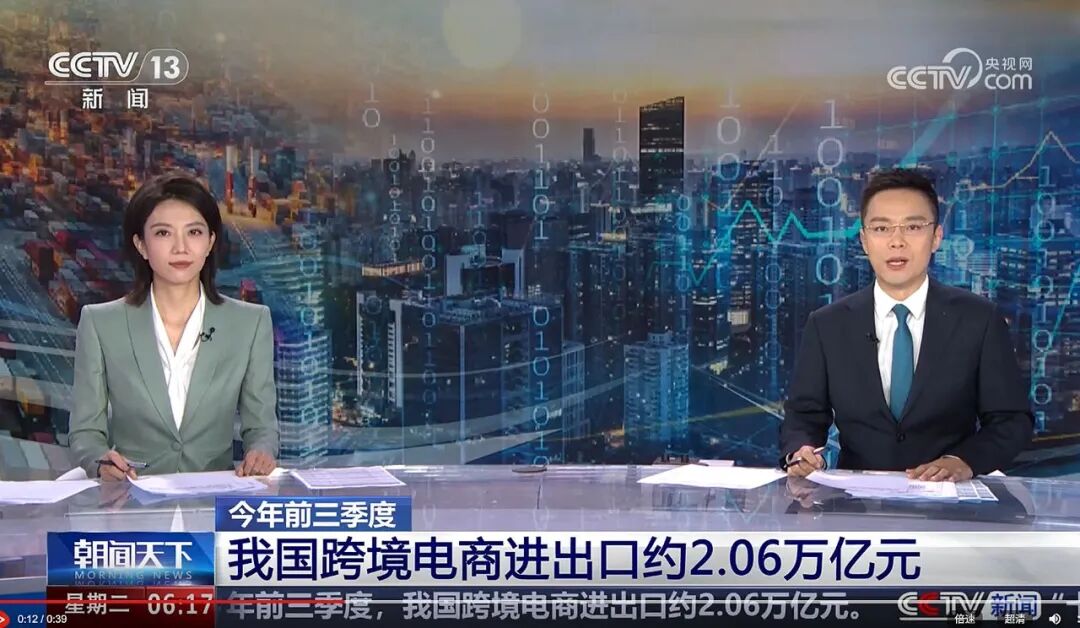
Core Viewpoint - SHEIN is reshaping the apparel industry landscape through significant investments in smart supply chain infrastructure and innovative manufacturing practices, aligning with national strategies for industrial transformation and sustainability [1][4][22]. Group 1: Industry Transformation - By 2025, China's cross-border e-commerce imports and exports are projected to reach approximately 2.06 trillion yuan, marking a 6.4% growth and positioning it as a vital force in trade development and industrial upgrading [2]. - SHEIN has become the third-largest fashion retailer globally, investing over 10 billion yuan in the Guangdong-Hong Kong-Macao Greater Bay Area to enhance its smart supply chain [4]. - The company has implemented a "small batch quick response" flexible supply chain model, allowing for market testing with initial orders of 100-200 pieces, which is driven by real-time sales data [9][10]. Group 2: Supplier Empowerment - SHEIN has developed over 180 innovative tools for suppliers, delivering 7,500 items that improve process efficiency by an average of 35%, addressing challenges in traditional sewing processes [11][12]. - The company has conducted nearly 600 training sessions for suppliers in 2025 alone, covering operational management, practical business skills, and technical enhancements, reaching approximately 37,000 suppliers [19]. - Following training, defect rates among suppliers decreased by 50% within a month, demonstrating the effectiveness of SHEIN's educational initiatives [18]. Group 3: Sustainability Initiatives - SHEIN's green transformation extends throughout its supply chain, with over 65% of its products utilizing digital heat transfer technology, saving 1.13 million tons of water [24]. - The company has implemented over 650 energy-saving measures in recent years, significantly reducing water, electricity, and gas consumption in supplier factories, equivalent to the annual water needs of 150 garment factories [24][25]. - SHEIN collaborates with various partners to explore new technologies and processes, including a joint laboratory for innovative materials and logistics solutions [24]. Group 4: Long-term Vision - SHEIN aims to create a self-evolving, symbiotic industrial ecosystem, emphasizing the importance of talent in industrial upgrading and addressing production challenges through targeted training [17][26]. - The company's long-term commitment to empowering its supply chain and fostering sustainable practices positions it to transition from a focus on scale advantages to value advantages in the textile and apparel industry [27].
赛力斯超级工厂(龙兴)荣获“碳中和”认证 打造全球汽车产业可持续发展标杆
Quan Jing Wang· 2026-01-14 03:53
Core Insights - The company has achieved ISO14068-1:2023 certification for carbon neutrality, marking a significant recognition of its green manufacturing practices and providing a replicable model for sustainable development in the industry [1][4]. Group 1: Green Manufacturing Practices - The factory aims to create a "zero-carbon" and "green factory," integrating green principles into every operational aspect [2]. - The factory has installed distributed photovoltaic power stations with a total capacity of 50 megawatts, generating an average of 38 million kilowatt-hours annually, which reduces carbon dioxide emissions by approximately 30,000 tons each year [2]. - The factory employs innovative practices such as the "in-plant" model, bringing core suppliers like CATL directly into the park to facilitate seamless logistics and significantly reduce carbon emissions during transportation [2]. Group 2: Intelligent Manufacturing - The factory integrates nine advanced manufacturing processes, including die-casting, stamping, welding, painting, and assembly, supported by over 3,000 robots achieving 100% automation in key processes [3]. - Digital twin technology creates a virtual production system that synchronizes with the physical factory, enabling intelligent fault warnings, precise production scheduling, and remote operation and maintenance [3]. - An AI visual inspection system monitors the entire production process with high precision, enhancing quality control and energy efficiency [3]. Group 3: Industry Leadership and Sustainable Development - The certification serves as a milestone for the company and sets a benchmark for the automotive industry's green transformation [4]. - The company is initiating a collaborative effort with its supply chain to build a green industrial chain and promote carbon reduction across the entire industry [4]. - By 2025, the company aims to achieve cumulative sales of 472,000 electric vehicles, with its high-end models leading in their respective market segments [4]. Group 4: Future Goals - The company plans to leverage the ISO14068 certification to further deepen its "green + intelligent" manufacturing transformation, aiming for comprehensive carbon neutrality in production operations by 2045 [5]. - The company will continue to play a leading role in the industry, collaborating with global partners to drive technological innovation and promote sustainable future mobility solutions [6].


权威访谈:开局“十五五”丨锻造新动能新优势 扎实推进新型工业化
Yang Guang Wang· 2026-01-14 00:55
Group 1 - The "14th Five-Year Plan" marks the beginning of a new phase in China's economic development, focusing on high-quality growth and the implementation of key initiatives across various sectors [1] - The Ministry of Industry and Information Technology aims to enhance the safety and controllability of industrial and supply chains while maintaining a reasonable proportion of manufacturing [1] - Key initiatives include promoting technological innovation and industrial upgrades, with a focus on emerging industries such as integrated circuits, new materials, and aerospace [1] Group 2 - The industrial added value of key industries and regions accounts for 80% of the total industrial output, serving as the backbone of the industrial economy [2] - The plan emphasizes the promotion of intelligent transformation in manufacturing, with over 7,000 advanced and 500 excellent smart factories established [2] - By 2025, the core industry scale of the industrial internet is expected to exceed 1.6 trillion yuan, driving an increase in industrial added value of approximately 2.5 trillion yuan [2]
CES 2026访学圆满收官,4月,我们汉诺威工业博览会见
吴晓波频道· 2026-01-14 00:29
Core Viewpoint - The article emphasizes the transformative impact of AI on industries, highlighting the shift from discussing AI as a concept to its practical implementation in products and services, particularly observed during the CES 2026 event in Las Vegas [2][3]. Group 1: AI Implementation and Industry Trends - The CES event showcased the integration of AI into various products, with companies like Nvidia and Samsung demonstrating advancements that support the notion that "everything can be AI-enabled" [4]. - Chinese brands are evolving from merely exporting products to a more comprehensive "value export" that includes technology narratives, brand communication, and ecosystem building, reflecting a deeper competitive edge [4][11]. - Lenovo's presentation at CES highlighted its "hybrid AI" strategy, showcasing a personal super-intelligent agent and a complete enterprise solution, marking a significant leap from product output to co-building technology standards and ecosystems [8][9]. Group 2: Insights from Silicon Valley - The visit to Silicon Valley focused on understanding the foundational aspects of innovation, emphasizing that true innovation requires an ecosystem that supports exploration and embraces uncertainty [14][18]. - Discussions with industry leaders revealed that the main barriers to AI implementation are often organizational restructuring rather than technical challenges, underscoring the importance of addressing business pain points [17]. - The experience at tech giants like Google and Meta illustrated the significance of a collaborative culture and the integration of AI with hardware, providing a clearer vision of future possibilities [17][19]. Group 3: Upcoming Opportunities in Germany - The upcoming Hannover Industrial Fair in Germany will focus on "AI in manufacturing," providing insights into smart manufacturing, industrial automation, and AI technologies, which are crucial for Chinese companies aiming to enhance their global competitiveness [30][31]. - The journey to Germany aims to explore the deep-rooted manufacturing practices and standards that can serve as a strategic reference for Chinese enterprises looking to expand into European markets [28][29].