
美伊核谈判

Search documents
美防长谈伊朗:美军已“做好准备”
Xin Hua She· 2026-02-03 04:51
美国国防部长赫格塞思2日称,如果美国和伊朗核谈判不能达成协议,伊朗将面临"其他选项",美军对 此已"做好准备",而且"准备得非常充分"。 当被问及美国推动伊朗政权更迭的可能性时,赫格塞思说:"目前还不会。我们的工作是做好准备,而 伊朗可以选择是否就其核能力问题进行谈判。" 赫格塞思在佛罗里达州泰特斯维尔对媒体称,美国总统特朗普从一开始就坚持,伊朗不能拥有发展核武 器的能力。"所以他们要么在这方面进行谈判,要么我们有其他选项。这就是战争部(国防部)存在的 原因……我们的工作是做好准备,我们当然已经做好准备,而且准备得非常充分。" 特朗普同日在白宫再次对伊朗发出军事威胁,重复美国向伊朗派出"庞大"舰队、"规模甚至比在委内瑞 拉更大"等说辞。特朗普称,美国正与伊朗对话,"如果我们能达成某种协议,那就太好了。如果不能, 可能会出现不好的情况"。 (文章来源:新华社) 赫格塞思称,只要伊朗"严肃"对待谈判,特朗普愿意达成协议。 ...
综合消息|伊朗总统下令启动谈判 美国总统特使赴中东
Xin Hua She· 2026-02-02 22:29
Group 1 - Iran's President Pezeshkian has ordered the initiation of nuclear negotiations with the United States, with high-level talks expected to occur in the coming days [1] - U.S. Special Envoy Wittekopf is scheduled to arrive in Israel on February 3, and will meet with Israeli Prime Minister Netanyahu [2] - Iranian Foreign Minister Araqchi is expected to participate in discussions with Wittekopf, focusing on potential nuclear agreements [1][2] Group 2 - Iranian officials express caution regarding negotiations with the U.S., citing past experiences of betrayal and deception over the last decade [2] - Iran's military leadership has stated readiness to respond to any military provocations against its sovereignty [2] - U.S. military presence in the region remains significant, with naval assets positioned near Iran, indicating ongoing tensions [3]
特朗普给伊朗“下通牒” 中东国家担忧美方军事行动
Xin Lang Cai Jing· 2026-01-29 08:28
Group 1 - Iranian officials communicated with multiple Middle Eastern countries regarding President Trump's military ultimatum, with Turkey, Qatar, and Egypt calling for de-escalation of tensions [1] - Iran's Foreign Minister Zarif discussed regional dynamics and ways to prevent further escalation with Turkey's Foreign Minister [3] - The Egyptian Foreign Minister urged both Iran and the U.S. to promote de-escalation and create conditions for dialogue [3] Group 2 - Iran's currency has significantly depreciated due to the ongoing tensions and threats of military intervention from the U.S. [5] - President Trump stated that a large naval fleet is heading towards Iran, indicating that time is running out for Iran to negotiate a mutually beneficial agreement [5] - The U.S. military has been increasing its presence in the Middle East, with the deployment of the USS Abraham Lincoln aircraft carrier strike group [6]

以色列摩萨德掌门人突访美国,美伊暗中接触引以色列警觉
Jin Shi Shu Ju· 2026-01-16 12:27
Group 1 - Israeli Mossad Chief David Barnea arrived in the U.S. for discussions regarding the situation in Iran, focusing on protests and potential U.S. military actions against the regime [1] - Barnea is expected to meet with U.S. Special Envoy Wittekov in Miami, who has been in contact with Iranian Foreign Minister Zarif during the protests [1] - Israeli Prime Minister Netanyahu requested President Trump to delay military action against Iran to allow Israel more time to prepare for potential retaliation [1] Group 2 - U.S. military is deploying additional defensive and offensive capabilities to the region, including the USS Lincoln aircraft carrier and its strike group, along with more defense systems and possibly submarines [2] - Iranian Foreign Minister Zarif proposed a meeting to resume nuclear negotiations, raising concerns in the Israeli government about Iran using such talks to buy time and alleviate U.S. pressure [2] - Some officials believe the current crisis may force the Iranian regime to make concessions on its nuclear program, missile program, and proxy organizations that it previously rejected [2]
伊朗驳斥14国“反伊联合声明”,伊外长:恢复谈判需“重建信任”
Huan Qiu Shi Bao· 2025-08-01 22:42
Group 1 - Iran denies accusations from the US and 13 allied countries regarding assassination or kidnapping activities within Western nations, emphasizing the need to "rebuild trust" for resuming negotiations [1] - The joint statement from Western countries condemns Iran for violating sovereignty and supporting terrorism, claiming Iran uses intelligence agencies to target journalists and political dissidents in Europe and the US [1] - Iran's Foreign Ministry spokesperson labels these accusations as "absurd and unfounded," asserting they are a political maneuver to distract from the situation in Gaza and violate international law principles [1] Group 2 - The prospects for US-Iran nuclear negotiations remain a focal point, with Iran expressing the need for a "win-win solution" to advance talks [2] - Iran seeks compensation for damages incurred from conflicts before resuming negotiations and demands guarantees against future attacks, while the US insists on a complete halt to uranium enrichment [2] - The negotiations are currently at an impasse, primarily due to the differing positions on uranium enrichment, which Iran considers "non-negotiable" [2]
【环时深度】利益冲突和信任缺失成了美伊核谈判两大堵点
Huan Qiu Shi Bao· 2025-07-03 23:00
Core Viewpoint - The article discusses the current state of US-Iran nuclear negotiations, highlighting the challenges and complexities arising from recent events, including Israeli attacks on Iran and the lack of trust between the parties involved [1][12]. Summary by Sections Progress in Negotiations - The first five rounds of indirect talks between the US and Iran resulted in four key agreements: 1. Iran agreed to implement the highest level of transparency and verification mechanisms for its nuclear facilities [2]. 2. Iran consented to dilute or transfer 400 kilograms of enriched uranium to prevent the possibility of building nuclear weapons [2]. 3. Iran will reduce the enrichment level of uranium to below 5% for civilian reserves, alleviating concerns about its potential to enrich uranium to weapon-grade levels [2]. 4. Iran will cooperate with the International Atomic Energy Agency (IAEA) to resolve remaining technical issues [2]. Challenges in Negotiations - The negotiations face significant hurdles due to differing perceptions of sanctions relief. The US insists on Iran taking specific actions first, while Iran views phased sanctions relief as a prerequisite for negotiations [6]. - The core conflict lies in the US's belief that Iran's nuclear program aims to develop weapons, while Iran maintains that its nuclear activities are for peaceful purposes [7]. Impact of Regional Dynamics - The article notes the cyclical nature of the conflict, where Iran's nuclear development prompts Israeli military actions, leading to further negotiations and escalations [5]. - The Israeli policy of "nuclear ambiguity" complicates the situation, as Iran perceives attacks from a nation that does not openly acknowledge its nuclear arsenal as unjustifiable [6]. Potential Withdrawal from NPT - Following recent conflicts, Iran is considering drafting a bill to withdraw from the Treaty on the Non-Proliferation of Nuclear Weapons (NPT), which could lead to severe diplomatic and security challenges for Iran [8][9]. - The article emphasizes that while there are calls within Iran to exit the NPT, such a move would be detrimental to its international standing and security [9]. US Domestic Perspectives - There is a notable preference among the American public for diplomatic solutions over military action regarding Iran's nuclear program, with a majority opposing military strikes [11]. - The article highlights internal divisions within the US government regarding the approach to Iran, with some advocating for military action while others support diplomatic engagement [10]. Future of Negotiations - The article concludes that the path to resuming negotiations is fraught with difficulties, particularly due to Iran's low trust in the US following military actions and the need for assurances against further attacks during negotiations [12]. - Despite the challenges, there remains hope for a peaceful resolution, emphasizing the importance of diplomatic efforts to stabilize the situation in the Middle East [12].
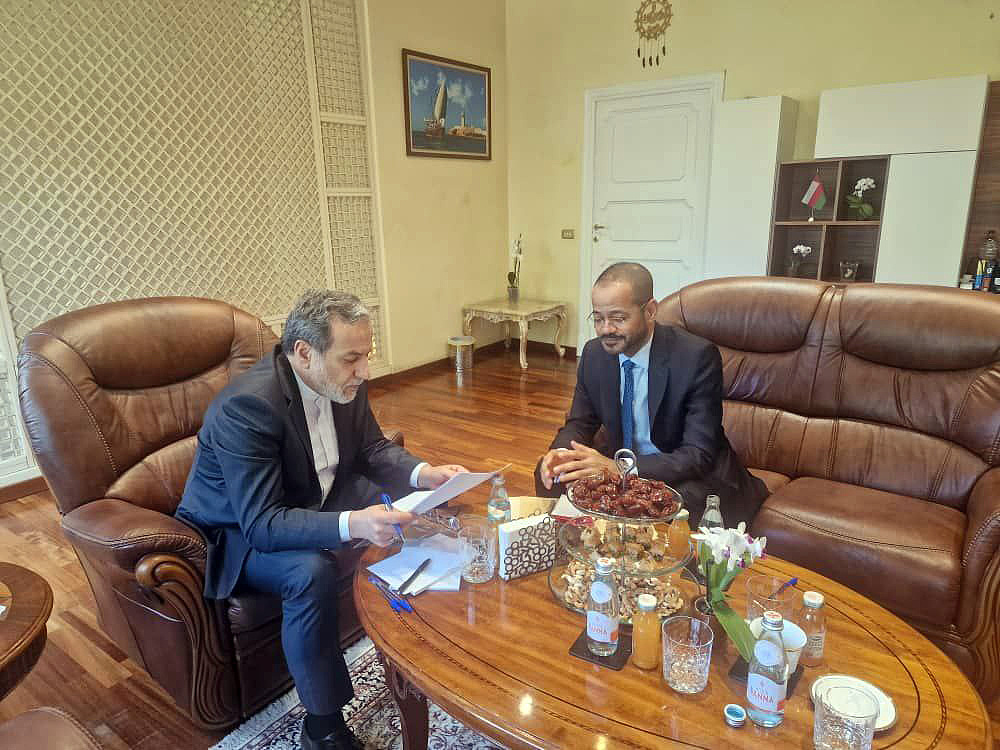
布油盘中跌超1% 报道称美国计划下周与伊朗谈判
Hua Er Jie Jian Wen· 2025-07-03 15:57
Group 1 - The U.S. special envoy Steve Witkoff plans to meet with Iranian Foreign Minister Abbas Araghchi in Oslo next week to restart nuclear negotiations [1] - Iran's precondition for resuming talks is a guarantee from the U.S. that Iran will not face further attacks, and Iran has not halted its uranium enrichment plans [1] - This meeting would mark the first formal negotiations between the U.S. and Iran since the U.S. airstrike on Iranian nuclear facilities last month [1] Group 2 - A key topic for future negotiations will be Iran's stockpile of high-enriched uranium, which includes approximately 400 kilograms of uranium enriched to 60% [2] - These uranium stocks are currently contained within three facilities that have been targeted by joint strikes, making them inaccessible for Iran [2] - The damage from airstrikes has temporarily prevented Iran from retrieving these nuclear materials, but they may regain operational capability once the debris is cleared [2] Group 3 - Following the news of potential negotiations, international oil prices experienced a pullback, with Brent crude futures dropping by over 1.1% [4]
美伊核谈前路崎岖 停火状态异常脆弱 专家警示新冲突风险
Yang Shi Xin Wen· 2025-07-01 01:57
Core Viewpoint - The path to restarting nuclear negotiations between Iran and the U.S. is increasingly difficult due to rising demands from both sides and a fragile ceasefire status that lacks substantial constraints [1][2][3] Group 1: Current Situation - The current ceasefire is described as exceptionally fragile, with a high likelihood of new conflicts arising in the future [1][2] - Iran insists that the U.S. must demonstrate goodwill before considering returning to the negotiation table, while the U.S. has threatened military action [1][2] - Both Iran and the U.S. have raised their demands, complicating the prospects for resuming negotiations [2] Group 2: Historical Context - Iran's demands are influenced by the U.S. withdrawal from the nuclear agreement in 2018, which has led Iran to believe that the U.S. cannot arbitrarily change its stance in negotiations [2] - Previous negotiations between Iran and the U.S. have occurred over five rounds, but recent military actions by the U.S. and Israel have strained relations [2] Group 3: Military Tensions - U.S. President Trump has warned that if intelligence indicates Iran is capable of enriching uranium to military levels, the U.S. will likely conduct airstrikes [2][3] - The lack of a formal text or guarantee mechanisms for the ceasefire raises concerns about its sustainability and increases the risk of military conflict [3]
买不买伊朗石油,中国说了算,关键时刻伊防长访华,提出一个请求
Sou Hu Cai Jing· 2025-06-29 14:06
Group 1 - The temporary ceasefire between Israel and Iran has been achieved after 12 days of conflict, with Trump suggesting that China can purchase Iranian oil, claiming the U.S. will not intervene [2][3] - China's Ministry of Foreign Affairs responded by stating that it will adjust its energy measures based on its own needs, indicating that the decision to buy Iranian oil is independent of U.S. influence [3][8] - Iran's Foreign Minister attended the Shanghai Cooperation Organization defense meeting shortly after the ceasefire, highlighting Iran's swift diplomatic response [3][5] Group 2 - Iran's Defense Minister's visit to China is seen as a strategic move to seek support before U.S.-Iran negotiations, with expectations for China to play a role in balancing U.S. pressure [5][10] - The term "hosting justice" may imply that Iran seeks China's support in condemning U.S. actions at the UN and to facilitate oil trade despite U.S. sanctions [7][8] - Iran is looking to strengthen defense cooperation with China due to vulnerabilities exposed during the recent conflict, including significant gaps in air defense and intelligence failures [10]
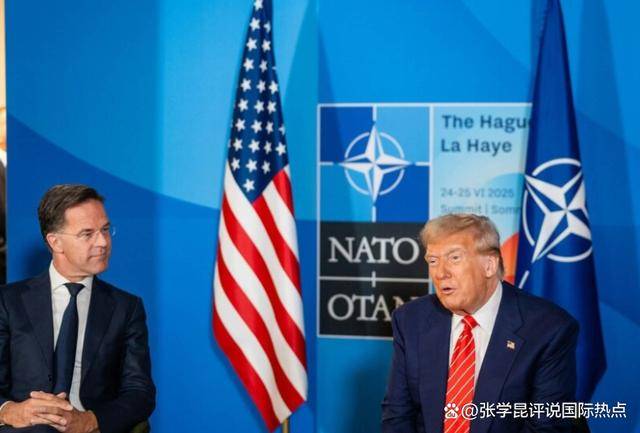
特朗普意外发帖称“中国可继续购买伊朗石油”,中方回应
Huan Qiu Shi Bao· 2025-06-25 22:48
Group 1 - Trump's recent statement on allowing China to purchase Iranian oil after a ceasefire between Israel and Iran surprised oil traders and U.S. officials [1][2] - The White House clarified that this does not indicate a relaxation of U.S. sanctions on Iran, emphasizing that sanctions will continue [2] - Trump's comments may be seen as an attempt to encourage cooperation from China and Iran in upcoming negotiations, despite previous strict measures against Iranian oil exports [2] Group 2 - The U.S. has imposed sanctions on hundreds of vessels involved in transporting Iranian oil and targeted Chinese entities purchasing Iranian oil [2] - Trump's earlier warnings required all nations to cease purchasing Iranian oil or face secondary sanctions, indicating a tough stance on Iranian oil imports [2] - A senior White House official suggested that Trump's remarks were aimed at promoting U.S. oil imports instead of Iranian oil, highlighting the ongoing enforcement of sanctions [2]