
能源合作

Search documents
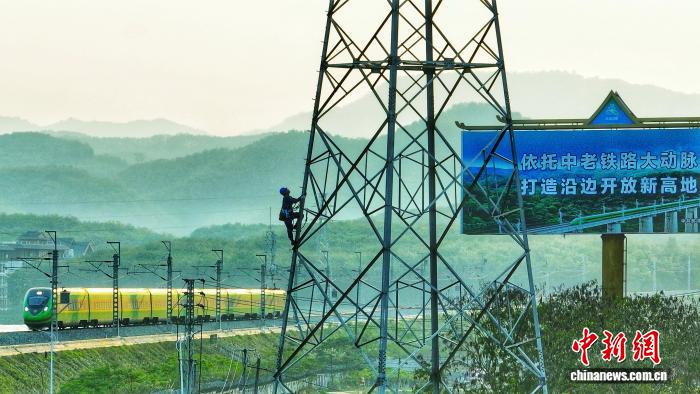
中国与东盟开展能源合作 为区域经济注入强劲动能
Zhong Guo Xin Wen Wang· 2025-09-18 12:49
Core Viewpoint - China and ASEAN are enhancing energy cooperation through cross-border power transmission lines, injecting strong momentum into regional economic and social development and exploring new opportunities [1] Group 1: Infrastructure Development - The China-Laos 500 kV interconnection project has commenced construction, with a new substation being built and a total transmission line length of 183.5 kilometers, expected to be operational by April 2026 [3] - Upon completion, the project will enable a mutual electricity supply capacity of 1.5 million kilowatts between China and Laos, delivering 3 billion kilowatt-hours of clean electricity annually [3] - China Southern Power Grid has established 16 cross-border transmission lines of 110 kV and above in the Lancang-Mekong region, interconnecting with the power grids of Vietnam, Myanmar, and Laos [3] Group 2: Clean Energy Initiatives - As of August 2023, China Southern Power Grid has achieved nearly 80 billion kilowatt-hours of electricity mutual assistance with neighboring countries, with over 90% sourced from clean energy such as hydropower and solar [3] - The Xiaozhonghe Hydropower Station in Vietnam has delivered over 1.4 billion kilowatt-hours of clean energy since its commissioning in 2012, benefiting nearly 100,000 local residents [3] Group 3: Technological Advancements - A joint venture with the Laos National Power Company has been established to accelerate the construction of a backbone grid in Laos and enhance smart operation capabilities through technology sharing [4] - The application of drone X-ray detection technology has improved defect identification efficiency by 90%, while fire drones and self-developed fault location devices have significantly reduced outage times [4] Group 4: Economic Impact - The investment and construction of the first phase of the Yongxin coal-fired power plant in Vietnam have stimulated over 1.3 billion RMB in local procurement and related engineering businesses, generating nearly 700 long-term jobs [5] - China Southern Power Grid has collaborated on over 30 energy projects with ASEAN countries, continuously increasing the economic impact of these initiatives [5] Group 5: Educational and Cultural Exchange - Since 2011, China Southern Power Grid has funded 171 students from the Lancang-Mekong countries to study in China, cultivating bilingual talents proficient in power technology [5] - The company supports various educational initiatives and cultural exchanges, reinforcing the bonds of friendship and cooperation in the region [5]

西方封锁沦为笑话!随美国砍中国11亿订单,今自家企业都活不下去
Sou Hu Cai Jing· 2025-09-14 11:04
Group 1 - The core issue is the drastic decline in U.S. soybean orders from China, dropping from 25 million tons annually to nearly zero by 2025, causing significant distress among American farmers [1][4] - In contrast, Brazil has seen a surge in soybean orders from China, with 8 million tons purchased in September alone, highlighting a shift in global soybean trade dynamics [1][4] - The U.S. agricultural sector is facing severe challenges, with soybean prices hitting a five-year low at $10.10 per bushel, below the production cost of $11, leading to over 1,200 family farms filing for bankruptcy protection in the first half of 2025, the highest in a decade [4][14] Group 2 - The U.S. soybean industry is calling for the reopening of the Chinese market, emphasizing the need for free trade, but political decisions have tangible consequences for farmers [6] - The European Union is also considering sanctions against China, but internal divisions among member states have stalled the implementation of these measures [6][8] - China is diversifying its energy partnerships and increasing soybean imports from Brazil and Argentina, which now account for over 70% of its total imports, reshaping the global soybean trade landscape [4][10] Group 3 - Chinese enterprises are accelerating innovation and market transformation in response to external pressures, with a goal to increase domestic soybean production by 50% by 2030 [10][12] - A significant portion of Chinese companies are focusing on core competencies and improving management efficiency to navigate the challenging business environment [12] - The trade restrictions imposed by the West have led to substantial losses for domestic companies, particularly in the U.S. and EU, where industries are struggling to find alternative markets [14][15]

俄蒙元首来华一趟,不再怕夜长梦多,日思夜想的合同中国终于签了
Sou Hu Cai Jing· 2025-09-07 11:31
Core Insights - The signing of the "Power of Siberia-2" gas pipeline agreement among China, Russia, and Mongolia marks a significant milestone in energy cooperation, reshaping the energy supply landscape in Northeast Asia [3][10] - The pipeline, spanning 2,600 kilometers, will enable Russia to supply China with 50 billion cubic meters of natural gas annually over the next 30 years, with pricing mechanisms significantly lower than those for Europe [3][6] - The project is expected to generate approximately $300 billion in stable revenue for Russia over 30 years, while also providing Mongolia with $8-10 million annually in transit fees, equivalent to 20% of its annual budget [6][8] Project Details - The "Power of Siberia-2" pipeline will start from the Kovykta gas field in Siberia, traverse Mongolia, and connect to China's northeastern gas network, utilizing advanced X80 steel pipeline materials and smart monitoring systems [4][8] - The annual gas supply of 50 billion cubic meters represents 12% of China's total natural gas imports in 2022, alleviating energy demand pressures in eastern developed regions [4][8] - The project faced challenges during negotiations, including geological complexities and transit fee disputes, which delayed the agreement for several years [4][5] Strategic Implications - The pipeline represents a strategic pivot for Russia, allowing it to shift its energy export focus from Europe to a more balanced Eurasian approach, with annual exports to China potentially exceeding 100 billion cubic meters [6][10] - From China's perspective, the land-based pipeline reduces reliance on maritime LNG supplies, mitigating geopolitical risks associated with key shipping routes, while also lowering energy costs for its manufacturing sector [8][10] - Mongolia stands to benefit economically, with the project expected to create over 5,000 direct jobs and enhance local infrastructure through increased transit revenue [8][10] Future Cooperation - The three countries have also signed a long-term development plan for the China-Russia-Mongolia Economic Corridor (2024-2031), focusing on integrated cooperation across energy, trade, and cultural exchanges [11] - This plan includes over 30 key projects, such as cross-border railways and smart grids, aimed at establishing a comprehensive cooperation network across Eurasia [11]
中石油经研院:2025中国-上海合作组织能源合作新图景报告
Sou Hu Cai Jing· 2025-09-05 06:21
Group 1 - The report outlines a new energy cooperation framework between China and the Shanghai Cooperation Organization (SCO) countries, emphasizing mutual supply and demand complementarity, with SCO countries producing over 40% of global oil and gas [1][14] - China and India are identified as major energy consumers, with their combined primary energy consumption accounting for approximately 35% of global consumption, and significant growth expected in their energy demands by 2030 [14][15] - The cooperation includes both traditional and renewable energy initiatives, with China importing about 50% of its oil and gas from SCO countries, highlighting the importance of energy trade [15][20] Group 2 - The report introduces a "142" new paradigm for energy cooperation, which includes leadership direction, policy alignment, shared platforms, industrial collaboration, financial empowerment, shared responsibilities, and social foundations [2][8] - Future cooperation will focus on building a collaborative system of industry chains, supply chains, value chains, and information chains, promoting industrial synergy [2][9] - Emphasis is placed on digital transformation and innovation in energy production, as well as deepening green and low-carbon cooperation [2][9] Group 3 - The report highlights the importance of energy infrastructure interconnectivity, with cross-border oil and gas pipelines enhancing regional integration and optimizing resource allocation [14][23] - Major projects like the Yamal LNG project in Russia are noted for their significant economic impact and contribution to local industries [24] - Localized development through energy projects is emphasized, with Chinese companies contributing to local industry upgrades and technology transfer [26][29] Group 4 - Financial cooperation is seen as a key driver for energy collaboration, with large-scale projects creating substantial funding needs and prompting innovative financing models [26][29] - The establishment of energy industry funds and green bonds is mentioned as a means to support renewable energy projects [26][29] - The report underscores the role of energy cooperation in enhancing financial international business opportunities [26][29]

刚过中国边境线,普京专机就降落海参崴,前往远东,只为中俄能源
Sou Hu Cai Jing· 2025-09-05 04:46
Group 1 - The core point of the news revolves around the strategic energy cooperation between China and Russia, particularly focusing on the expansion of natural gas pipeline capacities [3][5][7] - The "Power of Siberia 1" pipeline's annual gas transmission capacity will increase from 38 billion cubic meters to 44 billion cubic meters, while the Far East route's capacity will rise from 10 billion cubic meters to 12 billion cubic meters [3][5] - The cooperation signifies a shift from traditional business relations to a politically charged partnership, addressing both countries' critical energy needs [3][7] Group 2 - Putin's visit to Vladivostok is strategically significant as it serves as a key hub for energy cooperation, connecting the energy pipelines to the East Asian market [5][9] - The energy partnership is seen as a response to Western sanctions, allowing Russia to bypass restrictions and focus on Eastern markets [7][9] - The collaboration is not merely a business contract but a declaration of independence from Western market rules, emphasizing a new balance in the global energy landscape [7][9] Group 3 - The ongoing cooperation between China and Russia is redefining energy flows, with both nations aiming to establish a self-sufficient network that reduces reliance on Western-dominated markets [9][11] - The successful implementation of this large-scale project will depend on various factors, including technology integration and the timely completion of infrastructure developments [11][13] - The relationship between the two countries is strengthening, indicating a significant shift in geopolitical dynamics and energy strategies [13]
卖给中国,“西伯利亚2”如何定价?普京一句话让欧洲咬牙切齿
Sou Hu Cai Jing· 2025-09-04 10:56
Core Viewpoint - The cooperation between China and Russia in the energy sector is increasingly drawing attention from Europe, especially following President Putin's remarks about the pricing of natural gas supplied to China, which is set to be lower than that offered to European customers [3][4][6]. Group 1: Energy Cooperation - China and Russia have reached a new agreement in the natural gas sector, involving the construction of the "Power of Siberia-2" pipeline, which will transport 50 billion cubic meters of gas annually from Russia to China for 30 years [3]. - The "Power of Siberia-2" pipeline project has gained significant momentum due to recent meetings between China, Russia, and Mongolia during the Shanghai Cooperation Organization summit [3]. - The agreement indicates a long-term and stable energy cooperation between China and Russia, potentially lasting for at least 30 years [3]. Group 2: European Context - Putin's comments about the lower gas prices for China serve as a strategic message to European countries, highlighting their current energy predicament due to the ongoing conflict in Ukraine and sanctions against Russia [4][6]. - European nations have significantly reduced their energy trade with Russia, leading to increased costs for winter energy supplies as they turn to more expensive alternatives from the U.S. and the Middle East [6]. - The situation underscores the competitive dynamics in the energy market, where Europe is facing higher costs while Russia is positioning itself as a more affordable supplier to China [4][7]. Group 3: Geopolitical Implications - The energy cooperation between Russia and China is seen as a counter to U.S. influence in Europe, especially after the EU signed a significant energy deal with the U.S. for $750 billion worth of oil and gas resources [7]. - Putin's strategy appears to leverage the energy sector as a bargaining chip in negotiations with Europe, suggesting that cooperation with Russia could be more economically beneficial than reliance on U.S. energy supplies [7][9]. - The ongoing conflict in Ukraine has placed European nations in a difficult position, having invested heavily in Ukraine while also being pressured into unfavorable energy contracts with the U.S. [9].
普京访华送“能源大单”,中俄蒙合作敲定,特朗普还有机会吗?
Sou Hu Cai Jing· 2025-09-04 01:21
Group 1 - The core point of the article is the significant energy cooperation agreement reached between China, Russia, and Mongolia, particularly focusing on the "Power of Siberia-2" pipeline project, which has been a long-standing initiative that has finally gained momentum [1][3][5] - The "Power of Siberia" pipeline project has seen a substantial increase in gas supply scale by 600,000 cubic meters, indicating a strong commitment from both China and Russia to enhance energy collaboration [1][4] - Mongolia's role has shifted from indecision to a more committed stance, as the new president has expressed willingness to actively support the pipeline project, recognizing the economic benefits it brings [5][7] Group 2 - The Russian side has made multiple adjustments to the project terms, including pricing and pipeline routes, to meet China's requirements, demonstrating a flexible approach to secure the agreement [4][8] - The geopolitical implications of this agreement are significant, as it positions Russia and China to strengthen their energy ties while leaving the United States in a challenging position regarding its energy market strategy [7][8] - The completion of the "Power of Siberia-2" project is expected to provide long-term economic benefits for all three countries involved, enhancing regional energy security and cooperation [3][5]
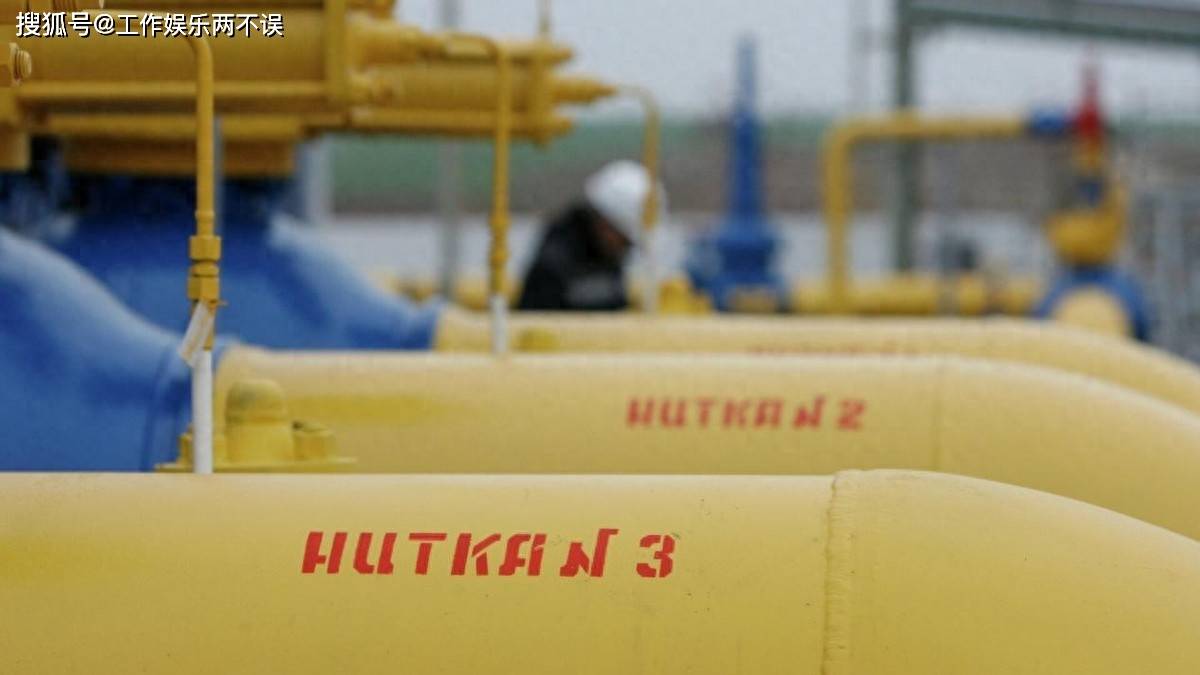
价格分歧解决,中俄蒙签署天然气项目大单,锁定未来30年保供
Sou Hu Cai Jing· 2025-09-03 10:36
Group 1 - The core agreement between Russia and China involves the approval of the "Power of Siberia-2" pipeline project and the "Eastern Route" transit line through Mongolia, with a strategic cooperation memorandum signed for the supply of 50 billion cubic meters of gas annually for the next 30 years [2][3] - The total scale of gas trade between the two countries will increase to 106 billion cubic meters per year, with expected annual revenue exceeding $27 billion for Russia [2][4] - The new pipeline is projected to be the largest and most significant investment project in the global gas industry, with a total investment of approximately $15 billion [6][4] Group 2 - The "Power of Siberia-2" pipeline will connect gas fields in Yamal and Western Siberia to China, with a design capacity of 50 billion cubic meters per year, and is expected to start supplying gas around 2031-2032 [6][8] - The existing "Power of Siberia" pipeline's export capacity will be increased from 38 billion to 44 billion cubic meters per year, while the "Far East Route" will rise from 10 billion to 12 billion cubic meters per year, starting in January 2027 [4][8] - The projects will enhance energy security for China, reduce reliance on LNG imports from the US and Australia, and provide Russia with stable sales in the growing Asian market, while also fostering domestic industrial development [11]

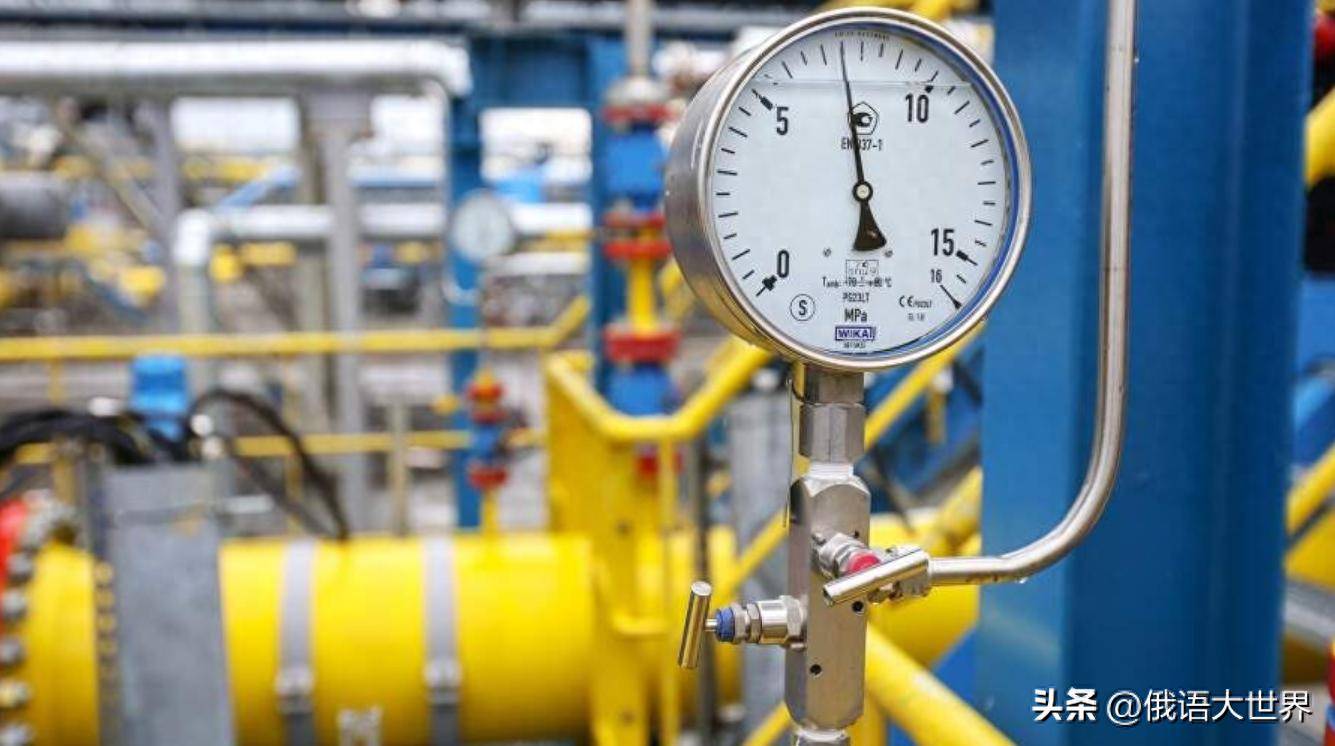
上合组织能源合作再进一步
Zhong Guo Xin Wen Wang· 2025-09-03 09:24
Group 1 - The core viewpoint of the news is the advancement of energy cooperation among Shanghai Cooperation Organization (SCO) member countries, particularly in renewable energy projects like solar and wind power [1][2][3] - The Chinese government proposed to implement new projects for "10 million kilowatts of solar" and "10 million kilowatts of wind" energy in collaboration with other SCO countries over the next five years [1] - The report indicates that by the end of 2024, the installed capacity of renewable energy generation in SCO countries is expected to reach 2.31 billion kilowatts, which is 14.5 times that of its inception and accounts for approximately 50% of the global total [1] Group 2 - The SCO's focus on expanding cooperation in renewable energy, such as solar and wind, aims to leverage resource advantages and protect local ecosystems while promoting energy diversification and security [2] - The Tianjin Declaration emphasizes the support for inclusive and mutually beneficial cooperation in the energy sector, enhancing the resilience of energy supply chains, and promoting sustainable and balanced development of the global energy market [2] - The establishment of the China-SCO Energy Cooperation Platform is seen as a necessary step to deepen energy cooperation, providing support for guiding the development direction of SCO energy collaboration [3]
(经济观察)上合组织能源合作再进一步
Zhong Guo Xin Wen Wang· 2025-09-03 04:59
Group 1 - The Shanghai Cooperation Organization (SCO) is advancing energy cooperation among member states, with a focus on renewable energy projects such as "10 million kilowatts of solar" and "10 million kilowatts of wind" over the next five years [1][2] - As of the end of 2024, the installed capacity of renewable energy generation in SCO member countries is projected to reach 2.31 billion kilowatts, which is 14.5 times that of its inception and accounts for approximately 50% of global capacity [1] - The establishment of the China-SCO Energy Cooperation Platform aims to deepen energy collaboration and provide support for the development direction of SCO energy cooperation [3] Group 2 - The cooperation in renewable energy, particularly solar and wind, allows SCO member countries to leverage their resource advantages while promoting energy diversification and security [2] - The SCO member states have varying resource endowments, which can complement each other in terms of energy production and consumption [2] - The China-Central Asia natural gas pipeline connects resource-rich countries with the Chinese market, ensuring energy supply security for China and providing a stable market for exporting countries [2]