近岸外包

Search documents
港科大报告:贸易壁垒未促“脱钩”,反而推动中国企业加速全球化
Jing Ji Guan Cha Wang· 2025-12-10 03:37
Core Insights - The report indicates that measures taken by various countries to reduce dependency on Chinese supply chains have not led to the anticipated "decoupling," but rather have prompted Chinese companies to initiate a new round of deeper global expansion [1][2]. Group 1: Industry Transformation - The report analyzes four key industries: electric vehicles, solar energy, apparel, and medical equipment, highlighting how geopolitical tensions, AI technology applications, and mandatory ESG regulations are fundamentally altering global manufacturing and procurement patterns [2]. - Chinese companies are transitioning from being the "world's factory" to "global production organizers," actively establishing manufacturing bases, R&D centers, and logistics hubs in regions such as Southeast Asia, South Asia, the Middle East, North Africa, Europe, and the Americas [3]. Group 2: Sector-Specific Developments - In the electric vehicle sector, Chinese manufacturers are investing in factories in Europe and ASEAN while securing upstream mineral resources through projects in Indonesia and Africa [3]. - In the solar industry, leading companies are relocating the entire vertical supply chain from polysilicon to components to Southeast Asia and North Africa to mitigate trade risks [3]. - In apparel and medical equipment, Chinese firms are building overseas industrial parks, creating proprietary brands, and establishing R&D laboratories to ascend the value chain and compete directly with international giants [3]. Group 3: Technological Innovations - The report emphasizes that the reshaping of supply chains is driven not only by AI and automation but also by rapid iterations of materials and core components [4]. - Innovations in battery chemistry and rare-earth-free motor designs in the electric vehicle sector aim to reduce reliance on countries that monopolize key minerals, while new battery technologies and efficient manufacturing processes in solar energy could reshape critical nodes in the value chain [4]. Group 4: ESG Regulations Impact - ESG requirements have shifted from optional to mandatory, influencing market entry and profitability, with the EU leading this trend through regulations like the Digital Product Passport and Carbon Border Adjustment Mechanism [5]. - The traditional cost-driven site selection logic is becoming obsolete, as companies must now prioritize regions that can provide verifiable low carbon footprints and robust ESG infrastructure [5]. - The report suggests that compliance with ESG standards is increasingly becoming a "passport" for entering high-end markets, fundamentally altering global industry regional layouts [5]. Group 5: Nearshoring Trends - Nearshoring has shown significant progress in certain sectors, such as medical device manufacturing in Central America and the automotive industry in Mexico, driven by geographical proximity, mature infrastructure, and favorable trade agreements [6]. - However, structural limitations exist, particularly in the apparel sector, where replicating Asia's decades-long accumulated textile ecosystem and supply network is challenging [6]. - The report highlights that successful nearshoring requires solid industrial infrastructure, a stable policy environment, and high logistical efficiency, while uncertainties in tariff policies have led many investors to adopt a wait-and-see approach [6].
向委内瑞拉挥舞的大棒未落,特朗普又对墨西哥挥起拳头
Xin Jing Bao· 2025-12-10 03:11
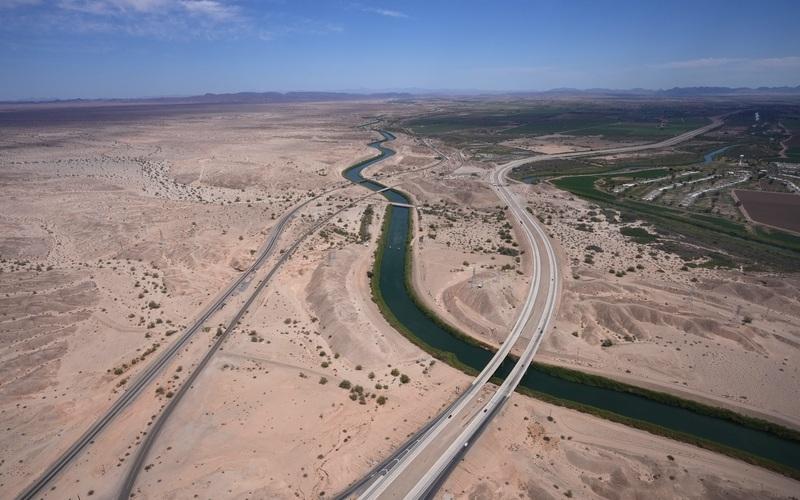
▲当地时间2025年4月24日,美国-墨西哥边境附近,科罗拉多河渡槽这一重要输水系统正在运行,将科罗拉多河 水输送至南加州包括洛杉矶地区。图/IC photo 美国对委内瑞拉的军事威胁还没停,又要对墨西哥发难了。 这一次,是因为——水。 据参考消息援引外媒报道,美国总统特朗普12月8日称,他已授权启动相关程序,如果墨西哥不立即根据《1944年 水资源条约》释放拖欠的2.466亿立方米供水量,美国将对墨西哥商品加征5%的关税。特朗普说,墨西哥的违约 行为已严重影响到得克萨斯州的农作物和畜牧业。 特朗普表示,墨西哥在过去5年中累计拖欠美国的供水量超过9.864亿立方米,如果墨西哥不履行条约义务,美国 农民将继续遭受经济损失。 最近几年,美墨因为水资源分配争议不断。今年4月,特朗普就曾表示墨方"偷走了得州的水",威胁向其实施制 裁。如今这场纠纷正走向高潮。《1944年水资源条约》是什么?为什么如今履约难?这还得从美国兴建大坝的年 代说起。 胡佛大坝引出的1944年分水协议 水资源纠纷是美墨之间持续已久的老问题。部分原因是美墨边界线长达3000多公里,65%以国际河流为界。其中 最长的界河是长达2000公里的格兰德河 ...

联合国贸发会议:2025年全球贸易额将达35万亿美元,东亚出口最强劲
Di Yi Cai Jing· 2025-12-10 02:55
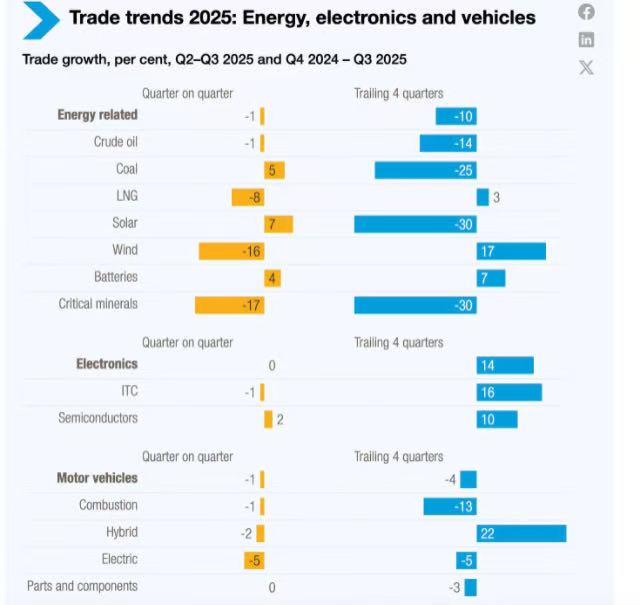
Core Insights - Agricultural trade experienced strong growth in Q3, particularly in grains, fruits and vegetables, and oilseeds and edible oils [1] - UNCTAD's report projects a 7% increase in global trade by 2025, amounting to an additional $2.2 trillion, reaching a record $35 trillion [1] - Global goods trade is expected to rise by approximately $1.5 trillion, while services trade is projected to grow by about $750 billion, with a nearly 9% increase [1] Trade Growth Projections - In the second half of 2025, global goods and services trade is anticipated to continue growing, driven by East Asia, Africa, and South-South trade [1][5] - Q4 growth is expected to slow, with goods trade increasing by 0.5% and services trade by 2% [1] - UNCTAD forecasts a weakening trade growth momentum in 2026 due to slowing global economic growth, rising debt, and increased trade costs [2] Regional Trade Trends - South-South trade has outpaced the global average, with an 8% growth over the past four quarters, indicating resilience among developing economies [5] - East Asia and Africa showed the strongest growth, with East Asia's exports increasing by 9% and regional trade growing by 10% [6] - Africa's imports grew by 10% over the past four quarters, with exports also performing well, increasing by 6% [6] Sector Performance - Manufacturing, particularly electronics, remains a key driver of economic growth, with a 3% increase in Q3 and a 10% rise over the past four quarters [8] - Agricultural trade grew by 8% in Q3, with grains, fruits and vegetables, and oilseeds and edible oils each seeing significant increases of 11%, 11%, and 9% respectively [8] - The automotive sector continues to struggle, with a 1% decline in trade value in Q3 and a 4% decrease over the past four quarters [9] Commodity Trade Insights - Steel trade saw the largest increase, growing approximately 40% since Q3 2024, while natural resource trade remains sluggish due to falling mineral fuel prices [9] - The current global trade imbalance is severe, with geopolitical factors reshaping trade flows and uncertainty impacting the outlook for 2026 [9] - Trends in "friend-shoring" and "near-shoring" have strengthened in Q3, indicating a shift towards long-term averages seen in 2021 [9]
2025年全球贸易有望首次突破35万亿美元
Xin Hua Wang· 2025-12-10 00:44
Core Insights - The UN Conference on Trade and Development (UNCTAD) reports that despite geopolitical tensions, uneven global demand, and rising trade costs, global trade is expected to grow in the second half of 2025, with total trade volume projected to exceed $35 trillion for the first time [1] Group 1: Global Trade Growth - Global trade is forecasted to grow by 2.5% in Q3 2025 compared to the previous quarter, with goods trade increasing by nearly 2% and services trade by 4% [1] - The total trade volume for the year is expected to increase by approximately 7% compared to the previous year, with goods trade projected to grow by $1.5 trillion and services trade by $750 billion [1] Group 2: Regional Performance - East Asia has shown the strongest export growth over the past year, with an increase of 9%, and intra-regional trade rising by 10% [1] - South-South trade has grown by about 8%, indicating closer economic ties among developing economies, with China and South Korea leading in East Asia, while Brazil and South Africa are key growth drivers in South America and Africa, respectively [1] Group 3: Emerging Economies - Strong growth in service exports from India and China highlights the increasing importance of emerging economies in global trade [1] Group 4: Trade Trends - The report indicates a strengthening trend of "friend-shoring" and "near-shoring," with trade shifting towards partners with similar political stances or geographical proximity, suggesting a reshaping of the global trade landscape [1] Group 5: Future Outlook - UNCTAD predicts that global trade growth will slow down in 2026 due to a slowdown in global economic activity, rising debt, increasing trade costs, and ongoing uncertainties [2]
What Do Analysts Think About Central Garden & Pet Company (CENT)?
Insider Monkey· 2025-12-09 07:20
Core Insights - Artificial intelligence (AI) is identified as the greatest investment opportunity of the current era, with a strong emphasis on the urgency to invest now [1] - The energy demands of AI technologies are highlighted, with data centers consuming as much energy as small cities, leading to concerns about power grid strain and rising electricity prices [2] - A specific company is positioned as a critical player in the AI energy sector, owning essential energy infrastructure assets that will benefit from the increasing demand for electricity driven by AI [3][7] Investment Opportunity - The company in focus is not a chipmaker or cloud platform but is described as a "toll booth" operator in the AI energy boom, collecting fees from energy exports and benefiting from the onshoring trend due to tariffs [5][6] - It possesses significant nuclear energy infrastructure, making it integral to America's future power strategy and capable of executing large-scale energy projects [7] - The company is noted for being debt-free and holding a substantial cash reserve, which is nearly one-third of its market capitalization, positioning it favorably compared to other energy firms [8] Market Position - The company has an equity stake in another AI-related venture, providing investors with indirect exposure to multiple growth engines in the AI sector without the associated premium costs [9] - It is trading at less than 7 times earnings, indicating a potentially undervalued investment opportunity in the AI and energy space [10] - The company is recognized for delivering real cash flows and owning critical infrastructure, making it a solid investment choice amidst the AI revolution [11] Future Trends - The influx of talent into the AI sector is expected to drive continuous innovation and advancements, reinforcing the importance of investing in AI [12] - The article emphasizes the urgency of investing in AI infrastructure, the onshoring boom, and the surge in U.S. LNG exports as key trends that will shape the future of energy and technology [14]

What Does Wall Street Think About Ambev S.A. (ABEV)?
Insider Monkey· 2025-12-09 05:20
Core Insights - Artificial intelligence (AI) is identified as the greatest investment opportunity of the current era, with a strong emphasis on the urgency to invest now [1][13] - The energy demands of AI technologies are highlighted, with data centers consuming as much energy as small cities, leading to concerns about power grid strain and rising electricity prices [2][3] Investment Opportunity - A specific company is positioned as a critical player in the AI energy sector, owning essential energy infrastructure assets that will benefit from the anticipated surge in energy demand from AI data centers [3][7] - This company is not a chipmaker or cloud platform but is described as a "toll booth" operator in the AI energy boom, collecting fees from energy exports and benefiting from the onshoring trend driven by tariffs [5][6] Financial Position - The company is noted for being debt-free and holding a significant cash reserve, amounting to nearly one-third of its market capitalization, which positions it favorably compared to other energy firms burdened with debt [8][10] - It also has a substantial equity stake in another AI-related company, providing investors with indirect exposure to multiple growth engines without the associated premium costs [9][10] Market Trends - The article discusses the broader trends of AI infrastructure supercycles, the onshoring boom due to tariffs, and a surge in U.S. LNG exports, all of which the company is strategically aligned with [14] - The influx of talent into the AI sector is expected to drive continuous innovation and advancements, reinforcing the importance of investing in AI-related companies [12] Conclusion - The company is positioned as a unique investment opportunity within the AI and energy sectors, with potential for significant returns as the demand for energy in AI applications grows [10][15]


Bath & Body Works’ (BBWI) Top-Line and Margin Gains Delayed Until H2 2026, According to Telsey Advisory
Insider Monkey· 2025-12-09 02:38
Core Insights - Artificial intelligence (AI) is identified as the greatest investment opportunity of the current era, with a strong emphasis on the urgent need for energy to support its growth [1][2][3] - A specific company is highlighted as a key player in the AI energy sector, owning critical energy infrastructure assets that are essential for meeting the increasing energy demands of AI technologies [3][7] Investment Landscape - Wall Street is investing hundreds of billions into AI, but there is a looming question regarding the energy supply needed to sustain this growth [2] - AI data centers consume energy equivalent to that of small cities, leading to concerns about power grid strain and rising electricity prices [2] - The company in focus is positioned to benefit from the surge in demand for electricity driven by AI advancements [3][6] Company Profile - The company is described as a "toll booth" operator in the AI energy boom, collecting fees from energy exports and benefiting from the onshoring trend due to tariffs [5][6] - It possesses significant nuclear energy infrastructure assets, making it a crucial player in the U.S. energy strategy [7] - The company is noted for its ability to execute large-scale engineering, procurement, and construction projects across various energy sectors, including oil, gas, and renewables [7] Financial Position - The company is completely debt-free and has a substantial cash reserve, amounting to nearly one-third of its market capitalization [8] - It also holds a significant equity stake in another AI-related company, providing indirect exposure to multiple growth opportunities without high premiums [9][10] Market Sentiment - There is a growing interest from hedge funds in this company, which is considered undervalued and off the radar compared to other AI and energy stocks [9][10] - The company is trading at less than seven times earnings, indicating a potential for significant upside as it is linked to both AI and energy sectors [10] Future Outlook - The ongoing AI infrastructure supercycle, combined with the onshoring boom and increased U.S. LNG exports, positions the company favorably for future growth [14] - The influx of talent into the AI sector is expected to drive continuous innovation and advancements, further solidifying the importance of energy infrastructure [12]


Jim Cramer on Loews Corporation: “Good Opportunity Here”
Insider Monkey· 2025-12-06 05:34
Core Insights - Artificial intelligence (AI) is identified as the greatest investment opportunity of the current era, with a strong emphasis on the urgent need for energy to support its growth [1][2][3] - A specific company is highlighted as a key player in the AI energy sector, owning critical energy infrastructure assets that are essential for meeting the increasing energy demands of AI technologies [3][7] Investment Landscape - Wall Street is investing hundreds of billions into AI, but there is a pressing concern regarding the energy supply needed to sustain this growth [2] - AI data centers, such as those powering large language models, consume energy equivalent to that of small cities, indicating a significant strain on global power grids [2] Company Profile - The company in focus is not a chipmaker or cloud platform but is positioned as a vital player in the energy sector, particularly in nuclear energy infrastructure [7] - It is capable of executing large-scale engineering, procurement, and construction (EPC) projects across various energy sectors, including oil, gas, and renewable fuels [7] Financial Position - The company is noted for being completely debt-free and holding a substantial cash reserve, which is nearly one-third of its market capitalization [8] - It is trading at less than 7 times earnings, making it an attractive investment opportunity compared to other firms in the energy and utility sectors [10] Market Trends - The company is poised to benefit from the onshoring trend driven by tariffs, as well as the surge in U.S. LNG exports under the current administration's energy policies [5][14] - There is a growing recognition on Wall Street of this company's potential, as it quietly capitalizes on multiple favorable market trends without the inflated valuations seen in other sectors [8][6] Future Outlook - The demand for AI is expected to continue growing, leading to an increased need for energy infrastructure, which the company is well-positioned to provide [3][12] - The influx of talent into the AI sector is anticipated to drive rapid advancements, further solidifying the importance of energy infrastructure in supporting this growth [12]

11月出海活动回顾:中企出海赢在细节,隐形成本控制不能少
吴晓波频道· 2025-12-06 00:30
Core Insights - The article emphasizes the importance of choosing the right market for Chinese companies looking to expand overseas, likening it to a second chance at life [2][3]. Group 1: Indonesia Opportunities - Indonesia presents significant opportunities due to its demographic dividend and industrial transformation, with a population of 281 million and a median age of 29.7 years [8][9]. - Companies must fully commit ("All in") to succeed in Indonesia, as local market integration requires deep engagement [8]. - New brands have a higher success rate in e-commerce compared to traditional retail due to lower barriers to entry [8]. - The country has abundant natural resources, including being the world's largest nickel producer and a leading coal exporter, with foreign direct investment (FDI) projected to reach $24.2 billion in 2024 [9]. - Infrastructure development and urbanization present additional opportunities in construction and logistics [10]. - However, there is a significant talent gap, particularly in digital fields, with a shortage of 9 million skilled workers [11]. Group 2: Mexico Opportunities - Mexico serves as a strategic gateway to North America, benefiting from the USMCA agreement, which allows for rapid customs clearance and zero tariffs on 99% of goods [18]. - The automotive industry is a key sector, with Mexico being the sixth-largest producer globally, and companies like Tesla are establishing local supply chains [17]. - Cultural differences pose challenges, such as employee work habits and strong union influence, which can complicate operations [19][20]. - Local supply chains are often underdeveloped, necessitating either partnerships with domestic suppliers or significant time investment to cultivate local relationships [21]. Group 3: Practical Insights for Market Entry - The article discusses practical strategies for entering the U.S. market, emphasizing the importance of brand trust and digital marketing efficiency [22]. - Upcoming events will focus on opportunities in Germany and ASEAN markets, highlighting the need for compliance and understanding local market dynamics [23][24].

Intel Corporation (INTC): A Bear Case Theory
Insider Monkey· 2025-12-05 20:08
Core Insights - Artificial intelligence (AI) is identified as the greatest investment opportunity of the current era, with a strong emphasis on the urgency to invest now [1][13] - The energy demands of AI technologies are highlighted, with data centers consuming as much energy as small cities, leading to concerns about power grid strain and rising electricity prices [2][3] Investment Opportunity - A specific company is positioned as a critical player in the AI energy sector, owning essential energy infrastructure assets that will benefit from the anticipated surge in electricity demand due to AI [3][7] - This company is not a chipmaker or cloud platform but is described as a "toll booth" operator in the AI energy boom, collecting fees from energy exports [5][6] Financial Position - The company is noted for being debt-free and holding a significant cash reserve, amounting to nearly one-third of its market capitalization, which positions it favorably compared to other energy firms burdened with debt [8][10] - It also has a substantial equity stake in another AI-related company, providing investors with indirect exposure to multiple growth engines without the associated premium costs [9][10] Market Trends - The article discusses the broader context of AI's disruptive potential across industries, emphasizing the importance of investing in companies that embrace AI technologies [11][12] - The influx of talent into the AI sector is expected to drive continuous innovation and advancements, reinforcing the argument for investment in AI-related companies [12] Future Outlook - The company is strategically aligned with the U.S. energy strategy, particularly in nuclear energy and LNG exportation, which are expected to grow under the current administration's policies [7][14] - The potential for significant returns is highlighted, with projections suggesting a possible 100% return within 12 to 24 months for investors who act quickly [15]