非遗文化传承

Search documents
河南漯河:非遗展演激发经济新活力
Ren Min Ri Bao· 2025-11-06 22:11
Core Viewpoint - The article highlights the efforts of Luoyang City in promoting and preserving intangible cultural heritage through a series of engaging performances and activities, aiming to meet the cultural needs of the community while enhancing market benefits [1][2][3]. Group 1: Cultural Heritage Promotion - Luoyang City has initiated the "Intangible Cultural Heritage Year" event, planning to hold 42 performances throughout the year, with 34 already completed and a total of 2.16 million viewers for live broadcasts [1]. - The city boasts a rich array of intangible cultural heritage, including 1 national-level, 22 provincial-level, and 133 municipal-level representative projects, showcasing its cultural significance [2]. - The activities are designed to be youthful, fashionable, immersive, and digitally disseminated, with a monthly theme and weekly performances, creating a vibrant cultural landscape [2][3]. Group 2: Event Engagement and Participation - The events feature over 60 intangible cultural heritage projects, inviting local art centers and representatives to participate, thus fostering interaction and showcasing the heritage [3]. - Various formats such as stage performances, interactive experiences, and heritage markets are utilized to create a comprehensive display system, enhancing audience engagement [3]. - The performances include both national and local heritage projects, with innovative arrangements breathing new life into traditional arts [3]. Group 3: Economic and Cultural Integration - The regular performances have attracted a youthful audience, contributing to the development of new consumer experiences in the Wanda Plaza, making it a cultural and tourism hotspot in Luoyang [4]. - The Wanda Plaza has quickly become a hub with over 100 brands and 300 quality merchants, drawing significant foot traffic and enhancing the local economy [5]. - The city is integrating various cultural and tourism resources, creating a cohesive development strategy that enhances participation and attracts more visitors [6].
茶底升级背后,甜啦啦让茶饮回归产品本身
Bei Ke Cai Jing· 2025-11-04 03:33
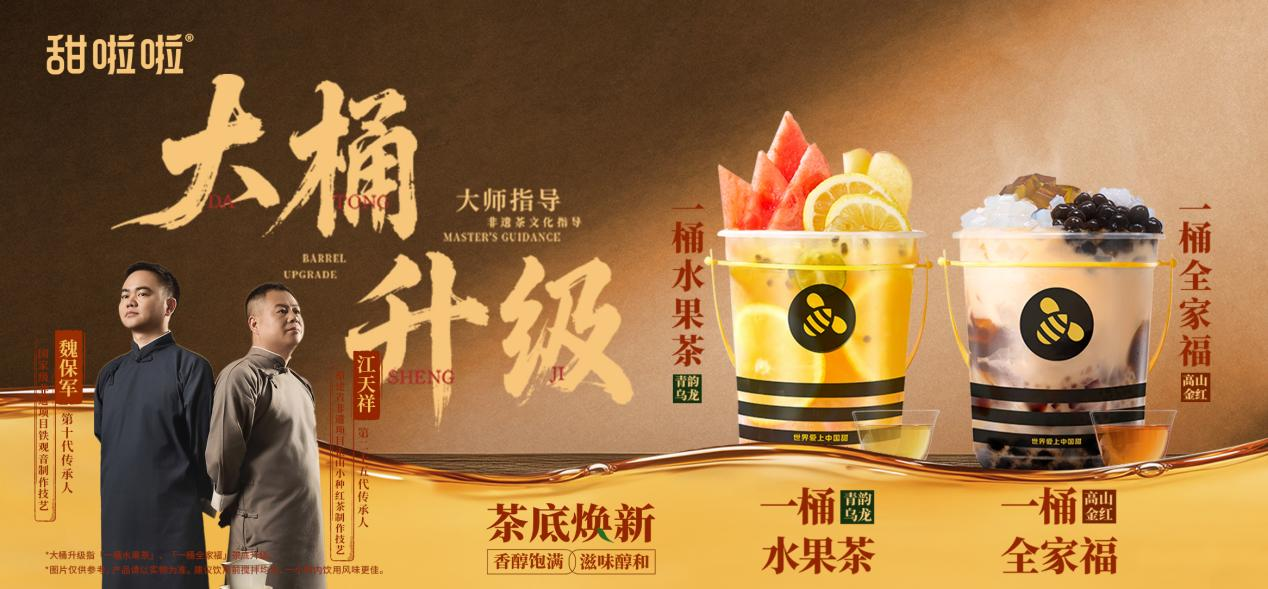
Core Insights - The new tea beverage industry is experiencing a decline in co-branding marketing, with brands shifting focus back to product quality and development [1][9] - Sweet Lala has upgraded its popular products "One Barrel Fruit Tea" and "One Barrel Family" by enhancing the tea base with guidance from intangible cultural heritage tea masters, aiming for a higher quality and cultural integration [3][4][6][17] Industry Trends - The new tea beverage sector is entering a new competitive phase, emphasizing product quality over marketing gimmicks [1][9] - The industry has evolved from using instant tea powders to premium tea leaves, with a current trend towards integrating traditional tea-making techniques and cultural heritage [13] Company Developments - Sweet Lala's tea base upgrade is a strategic move to meet the expectations of young consumers for quality products, showcasing the brand's commitment to quality and innovation [9][12] - The brand has established a robust supply chain, ensuring high-quality raw materials and cold chain logistics, achieving nearly 100% nationwide cold chain coverage [12][13] Product Innovations - Sweet Lala's recent product upgrades include the "One Barrel Fruit Tea" and "One Barrel Family," which now feature "Qingyun Oolong" and "High Mountain Jin Hong" tea bases, respectively, enhancing flavor and quality [6][7][9] - The brand has successfully launched other popular products like "Fresh Jasmine Milk Tea," which sold 1.2 million cups within three days of its release [10][12] Cultural Integration - Sweet Lala's collaboration with intangible cultural heritage tea masters aims to blend traditional tea culture with modern consumer preferences, enhancing the overall tea experience [4][17] - The brand's focus on cultural storytelling and emotional resonance in its products reflects a deeper connection with consumers, moving beyond mere profit [17]

平陆运河风物志 | 岭头乐舞祝丰年
Guang Xi Ri Bao· 2025-11-02 03:00
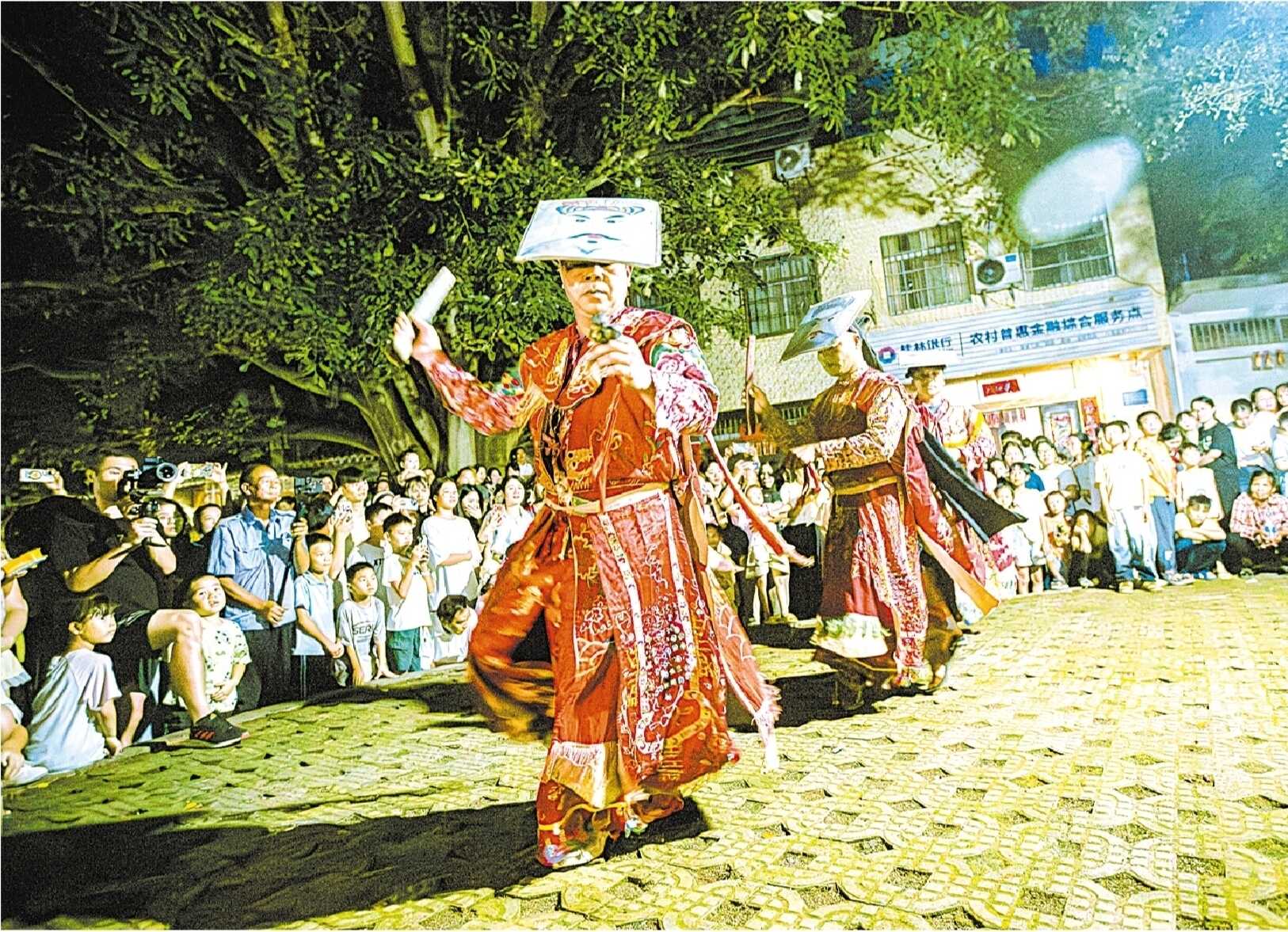
Core Viewpoint - The article highlights the cultural significance and vibrant atmosphere of the "Qinzhou Jumping Ridge" festival, a national intangible cultural heritage event, which takes place annually from August to October along the Pinglu Canal, showcasing traditional customs and community spirit [1][4]. Group 1: Festival Overview - The "Jumping Ridge" festival, known as "Lingtou Festival," is celebrated in various villages, with each having its own specific date, such as October 9 for Dalu Village [1]. - The festival involves a series of rituals, including a harvest celebration and a prayer for a bountiful year ahead, characterized by lively gatherings and communal feasting [1][4]. Group 2: Performance Details - The main event, "Jumping Ridge," features performers dressed in elaborate costumes and masks, enacting stories of deities and historical figures through dance, often lasting into the night [4][5]. - The performance includes over ten dance segments, with musicians narrating the tales of the characters portrayed, emphasizing the cultural storytelling aspect of the festival [4]. Group 3: Cultural Significance - The festival serves as a platform for cultural transmission, with local youth showing interest in traditional practices, supported by initiatives from local authorities to promote heritage [5]. - The event has evolved into a cultural celebration that not only honors ancestral traditions but also fosters community bonding and tourism, reflecting a blend of heritage and modernity [5].
凉山州发挥非遗优势,加大特色产业培训力度 上万残疾人“守着家、挣着钱”
Si Chuan Ri Bao· 2025-10-29 07:38
Core Insights - The establishment of the Yi embroidery workshop in Longjiawan Community, Yanyuan County, Liangshan Prefecture, has provided significant employment opportunities for local disabled individuals, with over 560 participants gaining skills and confidence through training [1][2] - Liangshan Prefecture has successfully integrated traditional cultural heritage with employment initiatives for disabled individuals, training over 4,000 people in Yi embroidery and helping more than 13,000 disabled individuals achieve their goal of "earning money while staying at home" [1] Group 1 - The Yi embroidery workshop serves as a crucial platform for local disabled individuals, allowing them to regain dignity and earn income through traditional craftsmanship [1] - A notable success story includes a deaf-mute participant who expressed gratitude for receiving their first paycheck, highlighting the workshop's impact on personal empowerment [1] - Liangshan Prefecture's efforts in promoting non-material cultural heritage have positioned disabled individuals as key players in cultural preservation [2] Group 2 - Future plans for the Yi embroidery initiative include systematic training to broaden the horizons of disabled individuals and actively connecting them with market opportunities [2] - The local government aims to cultivate exemplary figures within the disabled community to inspire and lead others towards home-based employment [2]
昌江让非遗融入百姓生活
Hai Nan Ri Bao· 2025-10-27 00:57
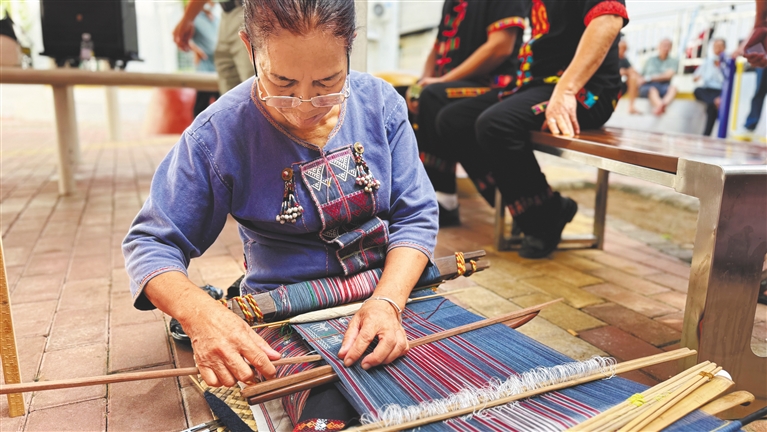
Core Points - The article highlights the integration of intangible cultural heritage (ICH) into the daily lives of residents in Changjiang Li Autonomous County, showcasing various cultural activities and training programs aimed at promoting traditional crafts and arts [2][5]. Group 1: Cultural Activities - Changjiang Cultural Center has been actively conducting public cultural and artistic activities since 2018, focusing on ICH, dance, music, calligraphy, and painting [2]. - Over 30 cultural activities have been organized this year, including hands-on experiences in classrooms and street exhibitions, making ICH more accessible to the public [5]. Group 2: Training Programs - A recent parent-child pottery class was held, where children engaged in the fun of making Li pottery, reflecting the community's involvement in ICH [2]. - Two training sessions for Li brocade creative product making were conducted, attended by 50 ICH enthusiasts and representatives, enhancing their innovative thinking and practical skills [2]. Group 3: Promotion of ICH - A non-machine, hand-weaving demonstration of Li brocade was showcased by a provincial ICH representative, emphasizing the dedication to maintaining traditional craftsmanship [3]. - The recent announcement of five new provincial ICH representatives from Changjiang signifies progress in the protection and transmission of ethnic culture [5]. Group 4: Future Plans - Upcoming events include a folk song performance, a pottery-making competition, and a cowhide stool-making training session, aimed at further integrating ICH into everyday life [5].
匠心琼剧《黄道婆》在三亚精彩上演
Hai Nan Ri Bao· 2025-10-22 01:21
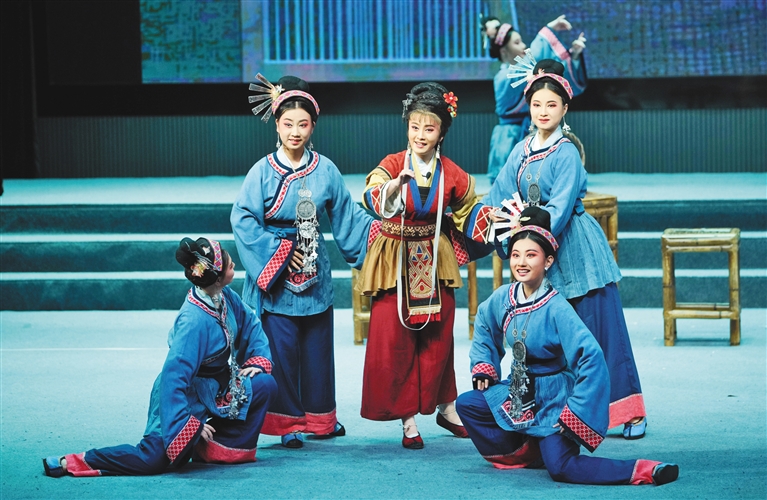
Core Viewpoint - The large-scale original Qiong opera "Huang Daopo" showcases the cultural heritage and innovative expression of non-material cultural heritage, highlighting the life and contributions of the historical figure Huang Daopo in the textile industry [4]. Group 1: Performance Overview - On October 21, the Qiong opera "Huang Daopo" was performed at the China People's University Affiliated Middle School in Sanya, featuring a narrative that spans Huang Daopo's life from adversity to her innovations in textile techniques [3][4]. - The performance attracted nearly 1,000 audience members, allowing them to experience the unique charm of non-material cultural heritage and inspiring a love for traditional Chinese culture [4]. Group 2: Artistic Elements - The performance included exquisite costumes and intricate headpieces, with actors delivering a captivating portrayal of the story through their movements and singing [4]. - The artistic presentation incorporated abstract artistic language to vividly depict the lifestyle of the Li ethnic group, blending classic patterns of Li brocade with elements from Shanghai Songjiang cloth [5]. Group 3: Reception and Impact - Audience members expressed admiration for the emotional and vivid portrayal of the relationship between the Li people and Huang Daopo, with some expressing a desire to learn more about Li brocade craftsmanship [5]. - The play has been performed nearly 30 times over three years and is expanding its reach beyond Hainan to cities like Shanghai and Zhejiang, aiming to promote the "Huang Daopo spirit" [6].
海口:在非遗学堂感受文化魅力
Ren Min Wang· 2025-10-13 02:21
Core Points - The event on October 12 showcased the East Mountain grass weaving skills, highlighting the cultural heritage and craftsmanship involved in this traditional art form [1][2][3] - Children participated actively in learning the East Mountain grass weaving techniques, indicating a focus on cultural education and skill transmission to younger generations [1][2] - The inheritor of the East Mountain grass weaving skills, Yuan Jie, provided explanations and demonstrations to both parents and children, emphasizing the importance of mentorship in preserving traditional crafts [2][3]

东方市69名织娘参评黎锦工艺职称
Hai Nan Ri Bao· 2025-10-05 23:44
Core Viewpoint - The evaluation of 69 Li brocade weavers in Dongfang City represents a significant step in the professional recognition of traditional craftsmanship, emphasizing skill mastery and cultural transmission over academic qualifications and awards [1][2] Group 1: Evaluation Process - The 2025 Li brocade craft title evaluation was held in Baichazhai Village, involving material review, on-site weaving, and professional defense to comprehensively assess the weavers' skills [1] - The evaluation included criteria such as proficiency in natural dye recognition, precise threading, and detailed weaving techniques, showcasing the weavers' solid foundation [1] Group 2: Participation and Trends - This year's evaluation saw an increase of 29 applicants compared to the previous year, indicating a growing interest in professional certification among practitioners [1] - More than half of the applicants were seeking assistant-level titles, reflecting a strong demand for professional recognition among grassroots workers [1] Group 3: Cultural Significance - The evaluation is part of Dongfang City's "Rural Revitalization Talent Week" activities, serving as a professional certification for existing practitioners and promoting the sustainable development of intangible cultural heritage [2]
第六届柏峪燕歌戏文化艺术节开幕 在非遗中感受京西古韵
Zhong Guo Xin Wen Wang· 2025-09-30 09:37
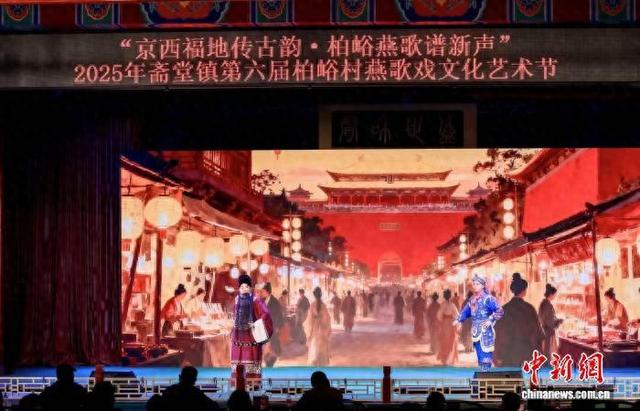
Core Viewpoint - The sixth Baiyu Yange Opera Culture and Arts Festival, themed "The Ancient Charm of Jingxi Fudi, New Melodies of Baiyu Yange," recently opened in Baiyu Village, Beijing's Mentougou District, showcasing the rich cultural heritage of the region [1]. Group 1: Event Highlights - The festival features various intangible cultural heritage (ICH) experiences, including opera makeup, helmet making, and themed coffee, attracting active participation from visitors [3]. - Exhibitions such as the "Yange Opera Time Corridor" and "Jingjinji Opera New Year Painting Exhibition" systematically present the development of Jingxi Fudi's opera culture, allowing audiences to gain a deeper understanding of the region's artistic achievements [3]. Group 2: Performances - The opening performance highlighted the profound artistic heritage and contemporary vitality of Jingxi Fudi, with the opening act "Liyuan Style" igniting enthusiasm through exquisite opera performances [5]. - The Baiyu Yange Opera Troupe presented two notable programs: the original play "Red Heart Forever Toward the Party," which retains traditional opera charm while conveying deep national sentiment, and "Luoshan Ji," performed by children in costumes, expressing love for local intangible heritage [5][7]. - Students from the Chinese Academy of Traditional Opera performed a medley of classic operas, illustrating the connection between traditional and future opera [5]. Group 3: Cultural Significance - Baiyu Yange Opera, as a cultural treasure of Jingxi Fudi, carries a rich historical and cultural legacy, with the festival showcasing the unique charm of the region's culture through innovative practices combining ICH with tourism and education [7].
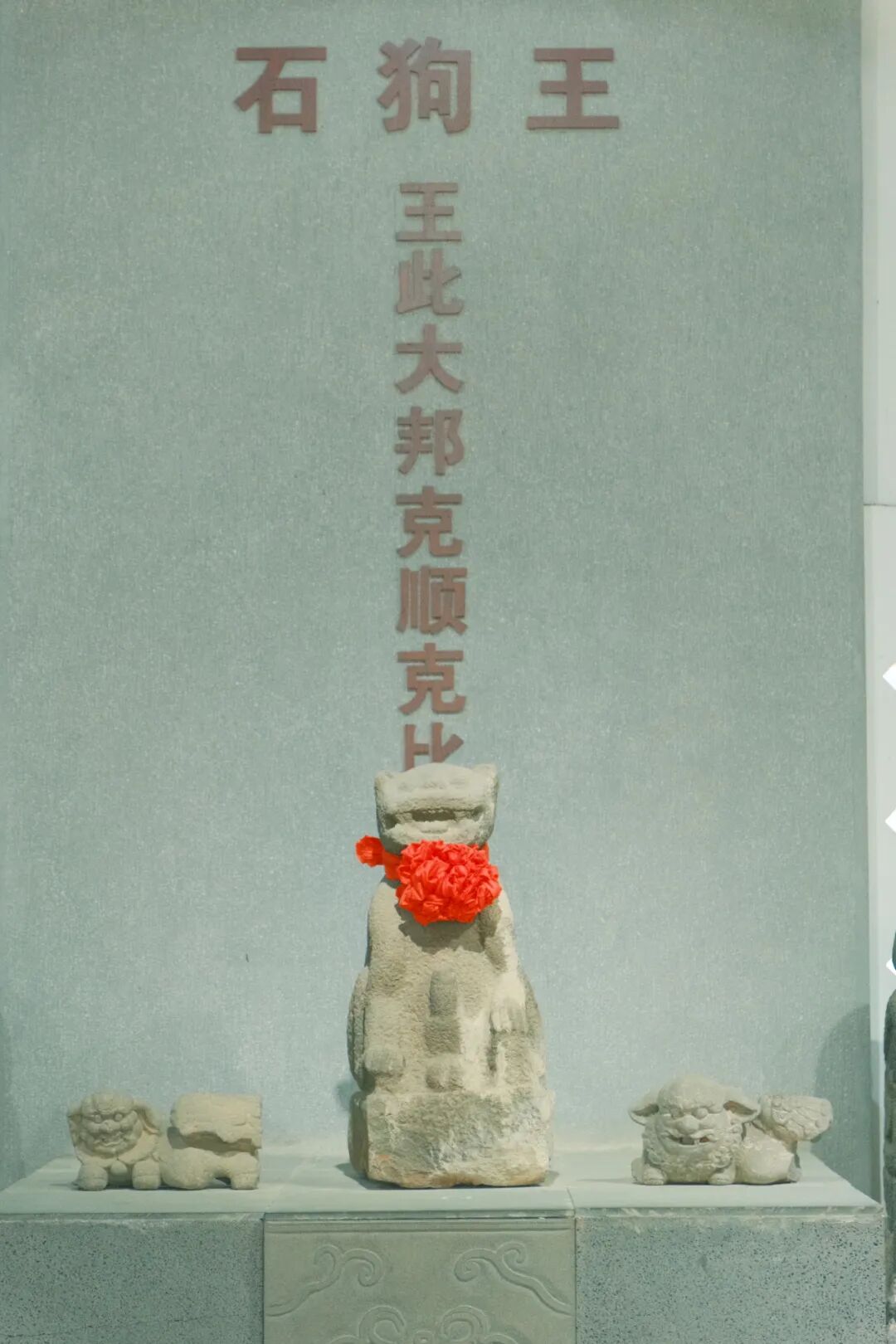
台风又来?不怕,粤西小城有狗神
3 6 Ke· 2025-09-29 04:18
Core Viewpoint - The article highlights the cultural significance of the stone dog in Leizhou, Guangdong, as a symbol of strength and protection against natural disasters like typhoons, while also emphasizing the efforts of individuals like Chen Miao in preserving this intangible cultural heritage [9][20][22]. Group 1: Cultural Significance - The stone dog is deeply rooted in the local culture of Leizhou, serving as a guardian spirit for the community, reflecting the people's resilience against natural disasters [7][36]. - Chen Miao, a descendant of stone dog artisans, has taken on the responsibility of preserving and promoting this cultural heritage, showcasing the stone dog at various exhibitions and media platforms [9][20][22]. - The stone dog tradition can be traced back to the Qin and Han dynasties, symbolizing the community's connection to their agricultural and hunting past [13][15]. Group 2: Personal Journey - Chen Miao returned to her hometown after working in finance, driven by a desire to revive and innovate the stone dog craft, ensuring its relevance in modern times [20][22]. - Her family has a long history of stone dog craftsmanship, with her father and uncle being recognized artisans, which adds a personal dimension to her commitment to this cultural legacy [15][18]. - The article illustrates her transformation from a financial professional to a cultural ambassador for Leizhou, highlighting the emotional connection to her roots [10][11]. Group 3: Community and Environment - Leizhou's geographical location and historical context contribute to its unique cultural identity, characterized by a blend of local dialects and traditions [27][30]. - The community's relationship with the sea is integral to their lifestyle, providing both sustenance and a sense of belonging [64][72]. - The article describes the local environment, including the vibrant street life and traditional markets, which reflect the everyday experiences of Leizhou residents [41][53].