AI Agent

Search documents
宜创科技获千万级天使轮,旗下 Lemon AI 跻身全球AI Agent“第三极”
3 6 Ke· 2025-09-15 07:45
Core Insights - Yichuang Technology recently completed a multi-million angel round financing, with investors including Wanjie Data and Xinlitai Technology [1] - The company's core brand, Lemon AI, has rapidly developed two AGI Level 3 general AI agent products, which are gaining traction in the market [1] Product Development - The Lemon AI Open Source Agent, launched on May 28, is the world's first full-stack open-source general AI agent, achieving a task operation cost that is 1/10 of Manus [1][2] - The Lemon AI Evolving Agent, released on August 8, is among the first AI agents globally to possess self-learning and self-evolving capabilities, allowing users to create, train, and share agents that continuously learn and iterate [1][2] Market Positioning - Lemon AI's product combination positions it as a "third pole" in the global general AI agent market, competing with overseas products like Manus and Genspark, establishing itself as a core player in the open-source AI agent ecosystem [4] - The company aims to provide a sustainable evolution of intelligent productivity through its self-evolving architecture, which retains improvements and enhances user experience over time [2][3] Technical Innovations - The Lemon AI Open Source Agent utilizes a multi-agent core architecture based on the Planning–Action–Reflection cycle, enabling long-term memory and cross-session reuse capabilities [3] - The platform supports various open-source models, significantly reducing inference costs compared to similar products [5] Team and Expertise - The CEO of Yichuang Technology, a Tsinghua University graduate, has extensive experience in the AI industry and has led the team in exploring productization paths from large models to intelligent agents since 2016 [4][6] - The CTO has been deeply involved in various AI projects and is a key figure in engineering the self-learning and self-evolving mechanisms of the products [6] Investment and Future Growth - Wanjie Data's CEO highlighted Yichuang Technology as a leading innovative AI native application team, emphasizing its high cognitive level and rapid iteration speed in the large model application sector [6]
人间清醒朱啸虎:AI应用即将大爆发,下个“小红书”今年应该已经成立了!
创业邦· 2025-09-15 03:41
Core Viewpoint - The AI industry's potential is shifting from large models to application layers, with significant opportunities emerging in smaller, more efficient models and practical applications [5][6][7]. Group 1: AI Model Limitations and Opportunities - The capabilities of large models like GPT-5 have reached a ceiling, leading to a trend towards model miniaturization, which can enhance user experience and reduce costs [7][9]. - The explosion of AI applications is evident, particularly in text, voice, and video, with practical applications being more commercially viable than large model development [9][10]. Group 2: Building Non-Technical Moats - AI applications are fundamentally "shell applications" that rely on underlying model capabilities, making it difficult to create barriers based solely on AI technology [12][13]. - Entrepreneurs are encouraged to focus on "boring" but valuable areas, integrating workflows and editing capabilities to create long-term competitive advantages [14][15]. Group 3: Commercialization and Investment Standards - Retention is the key metric for evaluating AI projects, with many companies failing to maintain user engagement after initial interest [20][21]. - "Boring technology" that addresses practical needs is more likely to succeed in commercialization, as seen in applications like meeting minutes and customer service agents [22][24]. Group 4: Global Opportunities for Chinese Entrepreneurs - Chinese entrepreneurs excel in consumer applications and have advantages in supply chain efficiency, particularly in hardware integration [30][32]. - Embracing an "overseas" strategy can help Chinese teams avoid direct competition with large firms and tap into less saturated markets [32][33]. Group 5: Future Directions and Advice for Entrepreneurs - The focus should be on integrating AI with specific industry needs, creating non-technical barriers, and leveraging hardware to enhance user experience [36][38]. - Companies should prioritize solving real-world problems to generate commercial value, rather than solely competing in the large model space [38].


AI电商专家交流 - 平台端如何看AI Agent对代运营赋能?
2025-09-15 01:49
Summary of Key Points from Alibaba's AI E-commerce Conference Call Industry and Company Overview - The conference focuses on Alibaba's strategy in the e-commerce sector, particularly the integration of AI tools to enhance operations for third-party service providers (TP) and brand merchants [1][2]. Core Insights and Arguments - **Strategic Direction**: Alibaba aims to leverage AI tools, such as the "Tongyi" model, to enhance profitability through e-commerce and empower TP and brand merchants, particularly in fast-moving consumer goods (FMCG), cosmetics, apparel, and food sectors [1][2]. - **AI Agent Applications**: The AI Agent concept encompasses over 70 different agents, with significant applications in both B2B and B2C scenarios. The focus is on improving advertising efficiency and sales conversion rates [3][4]. - **Performance Metrics**: By the end of 2025, Alibaba plans to introduce new KPIs and OKRs for evaluating TP suppliers, with a target weight of over 30% on AI capabilities and performance metrics [3][22]. - **Market Penetration**: Approximately 15% of merchants in the FMCG and related sectors are currently utilizing the AI tools provided by Alibaba, indicating a significant opportunity for growth [6][7]. Important but Overlooked Content - **Operational Efficiency**: The introduction of tools like "Tao Jimu" allows merchants to automate the creation of product detail pages and promotional activities, significantly reducing labor costs and improving operational efficiency [8]. - **Case Studies**: Successful implementations of the AI system include a 50% increase in transaction numbers for a brand and a 70% increase in actual payment ratios, showcasing the effectiveness of targeted advertising and A/B testing [9]. - **Ecosystem Structure**: Alibaba's ecosystem includes various types of agents, with distinct data access levels and service capabilities. This structure ensures effective collaboration while maintaining data compliance and security [10][11][12]. - **Future Collaborations**: Alibaba plans to continue collaborating with different types of TP companies, focusing on capacity building and compliance frameworks to enhance service quality [17]. Financial and Market Goals - **Double Eleven Goals**: For the 2025 Double Eleven event, Alibaba aims for a 7% increase in GMV compared to 2024, with a focus on reducing return rates and enhancing customer retention [35][36][37]. - **Key Product Categories**: Anticipated strong performance in food, apparel, small appliances, and sports categories, which are expected to account for approximately 65% of GMV during the event [38]. Conclusion - Alibaba's strategic integration of AI in e-commerce is set to enhance operational efficiency, improve marketing effectiveness, and expand market share across various sectors. The company's focus on data compliance and performance metrics will drive the evolution of its ecosystem and partnerships with TP suppliers.

唐源电气:机器视觉与AI Agent引领智能运维
Quan Jing Wang· 2025-09-15 01:02
Group 1 - The company announced a strategic upgrade with the "AI Agent+" development strategy, emphasizing the core role of machine vision and AI agents in intelligent operation and maintenance in rail transit, with 70% of future growth expected to come from the integration of these technologies [1][2] - The company plans to raise no more than 864 million yuan for the development of intelligent operation and maintenance robots and AI large models, which, if successfully implemented, will become the core engine for business growth [2] - The intelligent operation and maintenance market for rail transit is projected to be worth trillions, driving a surge in demand for machine vision and AI agent systems [2] Group 2 - The company is the only A-share entity that possesses dynamic detection technology for contact networks at speeds of 350 kilometers per hour, recognized as a national-level specialized "little giant" [2] - The third-generation intelligent inspection system launched this year achieves full-scene coverage, significantly improving detection efficiency by 300% compared to traditional methods, with a 100% key component identification rate, replacing 80% of manual inspections [2] - The company utilizes deep learning and multi-modal fusion routes for machine vision, aligning with the industry's demand for intelligence, and aims to build an intelligent operation and maintenance network covering the entire lifecycle of railways and subways [3] Group 3 - By 2030, the global demand for machine vision and AI decision systems in the rail transit intelligent operation and maintenance sector is expected to exceed 48 billion yuan, with China accounting for over 60% of this market [3] - The company has established deep collaborations with 18 railway bureau groups and 45 subway companies, making it one of the few enterprises to achieve large-scale implementation of these systems [3] - The company is expanding its R&D team, with over 60% of algorithm engineers holding master's or doctoral degrees, and is collaborating with Southwest Jiaotong University to focus on precision measurement and autonomous decision-making in machine vision [3]


对话吴穹:软件开发的终局,是我们将迎来自己的“黑灯工厂”
AI科技大本营· 2025-09-15 00:50
Core Viewpoint - The article discusses the evolution of software engineering in China, emphasizing the need for a localized methodology that integrates agile principles with the unique cultural and organizational context of Chinese enterprises [5][12][14]. Group 1: Historical Context and Evolution - Wu Qiong, a key figure in the software engineering field, introduced Rational Unified Process (RUP) to China, significantly impacting the development practices of many companies [5][6]. - After experiencing the agile development wave in the U.S., Wu Qiong recognized the cultural mismatch when applying Western agile methodologies in Chinese companies, leading to the realization that a tailored approach was necessary [6][7][12]. Group 2: Challenges and Adaptation - The article highlights the contradictions between Western agile practices, which promote self-organization and flexibility, and the more controlled, hierarchical nature of Chinese corporate culture [7][12]. - Wu Qiong's transition from merely importing methodologies to creating a localized framework, known as Adapt, reflects the need for a more suitable approach for Chinese enterprises [8][14]. Group 3: The Impact of AI - The introduction of AI into software engineering is seen as a transformative force, with the potential to disrupt traditional practices and create new challenges in productivity and management [9][21]. - The article discusses the dual perception of AI tools as both productivity enhancers for management and distractions for employees, highlighting the need for a balanced approach to AI integration [9][36]. Group 4: Future Directions - The future of software engineering is expected to involve a more specialized and differentiated approach to AI agents, moving away from a one-size-fits-all model to tailored solutions for specific tasks and industries [24][25]. - The concept of managing AI agents as team members is proposed, suggesting a shift in organizational structures to accommodate this new dynamic [35][38]. Group 5: Methodology and Tools - The Adapt methodology emphasizes the importance of aligning organizational structures, task management, and data flow to enhance efficiency and effectiveness in software development [30][32][49]. - The "Zhiwei" platform is introduced as a flexible management tool that can adapt to the unique needs of organizations, contrasting with rigid off-the-shelf software solutions [52][53].
石基信息(002153) - 2025年9月14日投资者关系活动记录表
2025-09-14 23:48
Group 1: Partnership with Amadeus - Stone基信息 signed a significant business cooperation agreement with Amadeus, the world's largest GDS and CRS service provider, to integrate their systems [2][3] - The partnership is exclusive, meaning neither party will represent the other's competing products, enhancing global promotion for Stone基信息 [2][3] - The agreement has an initial term of 5 years, with the possibility of extension if clients continue using Stone基信息's systems [3][4] Group 2: Technical Development and Integration - Basic functionalities for CRS integration have been completed, with further development planned for new features based on the contract [3] - A specialized working group will be formed post-contract announcement to plan specific development projects [3] - Successful integration of ACRS and DAYLIGHT PMS could lead to a comprehensive automated travel experience for customers [3] Group 3: Market Expansion and Client Acquisition - Currently, only Accor and Hilton among the top five global hotel groups have not been engaged; future expansion depends on successful integration with Amadeus [4][5] - Hyatt's joint venture, MuMianHua Hotel, is already using DAYLIGHT PMS, laying a technical foundation for potential full cooperation [5] - The partnership with Amadeus is expected to significantly boost confidence among other clients, positively impacting ARR for 2026 [5]

【明日主题前瞻】特斯拉Model Y L订单10月份已售罄,机构称看好T链核心Tier1供应商
Xin Lang Cai Jing· 2025-09-14 09:41
Group 1 - Tesla's Model Y L orders for October are sold out, with delivery for new orders expected in November, indicating strong demand for the vehicle [1] - Huaxin Securities reports that Tesla's global production and sales data for Q2 2025 shows a recovery, although competition in the domestic market has increased [1] - Wuzhou Xinchun's bearings are now supplied to top five global manufacturers, including products used in Tesla and other electric vehicles [2] Group 2 - RISC-V architecture is seen as a significant breakthrough for future chip industry innovation, with Infineon planning to mass-produce RISC-V MCU products by 2028-2029 [3] - Haitong International believes RISC-V's transition to high-performance computing will reshape the competitive landscape of the chip industry [3] - Chengdu Huami has successfully launched a low-power RISC-V MCU, suitable for IoT and wearable devices [4] Group 3 - Meituan's AI Agent product "Xiao Mei" is set for public testing, designed to enhance local service experiences through natural language interaction [5] - IDC predicts the global AI Agent market will reach approximately $5.29 billion by 2024, with significant growth expected in the Chinese enterprise AI Agent application market by 2030 [6] - Companies like Zhongwen Online and Yidian Tianxia are developing AI Agent systems for marketing and public services, indicating a trend towards AI integration in various sectors [7] Group 4 - The photovoltaic industry is experiencing a shift towards price increases and production limits, with a focus on supply-side reforms to restore healthy market conditions [8] - Daqo New Energy is a leading player in the silicon material industry, with an annual production capacity of 305,000 tons of high-purity polysilicon [8] Group 5 - The People's Bank of China and Bank Indonesia have launched a bilateral currency settlement framework and QR code interoperability project, enhancing cross-border payment cooperation [9] - The CIPS system's improvements are expected to boost the efficiency of RMB cross-border clearing, benefiting payment service providers and financial IT service companies [9][10]

抢先实测美团首个AI Agent,让我体验一把「懒人点餐」的快乐
机器之心· 2025-09-14 05:16
Core Viewpoint - The article discusses the launch of Meituan's AI Agent product "Xiao Mei," which simplifies the food ordering process through natural language commands, enhancing user experience and efficiency in local services [2][3][27]. Group 1: Product Features - "Xiao Mei" allows users to place orders without navigating complex interfaces, using simple voice commands to find restaurants and order food [5][12]. - The AI Agent can learn user preferences over time, providing personalized recommendations for different demographics, such as the elderly and children [5][27]. - Users can request specific meal types, such as low-carb options, and receive tailored suggestions based on their dietary needs and past orders [14][27]. Group 2: User Experience - The ordering process is streamlined, requiring fewer steps compared to traditional apps, thus saving time and effort for users [8][12]. - "Xiao Mei" can also assist with hotel bookings and travel recommendations, showcasing its versatility beyond food ordering [15][19]. - The AI Agent proactively plans meals for the week, enhancing efficiency for users with regular dietary habits [25][27]. Group 3: Technical Insights - The success of "Xiao Mei" is attributed to Meituan's proprietary Longcat model, which is optimized for local service scenarios and can dynamically activate a significant number of parameters for efficient processing [31][32]. - The model leverages extensive local data to provide accurate and personalized responses, addressing the challenges of fragmented user demands and real-time requirements in the local lifestyle sector [30][32]. Group 4: Market Context - The article highlights the competitive landscape of AI Agents, noting that while international companies focus on productivity, domestic firms like Meituan emphasize consumer and lifestyle applications [39]. - The market for AI Agents is expected to grow significantly, with projections indicating a market size of $13 billion by the end of 2025, nearly doubling from 2024 [38][39].
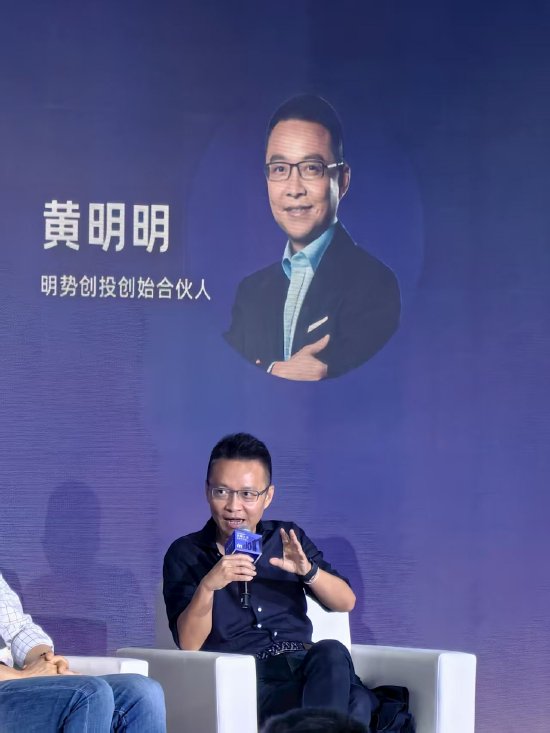
明势创投黄明明:AI时代,能做出伟大产品的人得有点“人味儿”
Xin Lang Ke Ji· 2025-09-13 10:42
Core Insights - The importance of human qualities in AI product development is emphasized, suggesting that imperfect founders can create great products due to their passion and creativity [2] - The need for AI agents to evolve with model capabilities and address genuine user pain points is highlighted as crucial for early-stage entrepreneurs [2][3] Industry Development - AI agents are viewed as productivity tools, with their effectiveness measured by task complexity and completion rates, indicating a gap in current agent performance [3] - There is a significant opportunity for agents that can excel in niche areas, achieving higher performance scores, which would attract a substantial user base willing to pay for such services [3] - Early-stage entrepreneurs face challenges in leveraging engineering capabilities and domain-specific knowledge to enhance their AI agents [3]
墨西哥拟对中国征收50%关税,星巴克中国出售将敲定 | 财经日日评
吴晓波频道· 2025-09-13 00:30
Group 1: Economic Indicators - The US Consumer Price Index (CPI) rose by 2.9% year-on-year in August, matching expectations and slightly up from the previous value of 2.7% [2] - The core CPI also increased by 3.1% year-on-year, with a month-on-month rise of 0.3%, consistent with expectations and previous values [2] - The "super core CPI," which excludes housing and energy prices, slowed to 3.52% year-on-year, indicating a potential easing in inflation pressures [2][3] Group 2: Trade Relations - Mexico plans to raise import tariffs on approximately 1,400 products, including automobiles and textiles, to between 10% and 50% for countries without free trade agreements, including China [4] - In 2024, the bilateral trade volume between China and Mexico is projected to reach $109.43 billion, with Chinese exports to Mexico increasing by 10.77% [4] - The tariff increase may lead to higher prices for Chinese goods in Mexico, potentially raising inflation levels in Mexico [4][5] Group 3: Energy Storage Development - China's National Development and Reform Commission aims to achieve a new energy storage capacity of over 180 million kilowatts by 2027, with direct investment expected to reach approximately 250 billion yuan [6] - The focus will remain on lithium-ion battery storage, with plans to enhance various technology routes and application scenarios [6] - The growth in energy storage is crucial for stabilizing power supply from renewable sources like wind and solar [6][7] Group 4: Technology and Consumer Electronics - Apple is working to launch eSIM-enabled iPhones in China, awaiting final regulatory approval [8] - eSIM technology allows for virtual SIM cards, which can enhance user convenience by enabling online activation and operator switching [8][9] - The introduction of eSIM may lead to changes in the competitive landscape among mobile operators in China [9] Group 5: Corporate Developments - Starbucks is in the final stages of negotiations to sell its China business, with potential buyers including several investment firms [10] - The CEO of Starbucks has indicated a desire to retain a significant minority stake in the business to maintain brand integrity [10][11] - The sale reflects a strategic move to adapt to the evolving coffee market in China, where competition has intensified [11] Group 6: AI Applications in Business - Meituan has launched its first AI Agent product, "Xiao Mei," which facilitates local service transactions through natural language processing [12] - The AI application aims to enhance user experience in ordering and recommendations, although it still requires improvements in interaction quality [12][13] - The integration of AI Agents into consumer apps represents a promising avenue for commercializing AI technology [12][13] Group 7: Fund Management Regulations - The China Securities Regulatory Commission has proposed new regulations that significantly reduce sales fees for public funds, encouraging long-term investment [14] - The proposed changes include a reduction in subscription fees for various fund types, with some fees decreasing by up to 67% [14][15] - The regulations may impact the profitability of fund management companies, pushing them to rely more on performance-based fees [14][15]