
农业农村现代化

Search documents
推动乡村全面振兴取得新进展(锐财经)
Ren Min Ri Bao Hai Wai Ban· 2026-02-05 23:00
Core Viewpoint - The central government of China has released the 14th consecutive guiding document on agricultural and rural modernization, emphasizing practical policies to address farmers' urgent needs and promote rural revitalization and agricultural modernization [2][3]. Group 1: Agricultural Production Capacity Enhancement - By 2025, agricultural production capacity is expected to reach new heights, with grain output stabilizing above 1.4 trillion jin for two consecutive years, aiming for 1.43 trillion jin in 2025, setting historical records for total output and yield [3]. - The document stresses the importance of maintaining grain security and outlines measures to enhance agricultural production capacity, focusing on stable acreage and increased yield, as well as optimizing planting structures and improving quality [3][4]. Group 2: Farmers' Income Stability - Increasing farmers' income remains a central task, with policies aimed at stabilizing agricultural earnings through minimum purchase prices and subsidies for key crops [7]. - The government plans to support local economies by promoting county-level industries and ensuring stable employment for migrant workers through various support measures and vocational training [7]. Group 3: Continuous Support for Poverty Alleviation - The document introduces a systematic approach to "regularized precise assistance" to consolidate poverty alleviation achievements, focusing on dynamic management of assistance targets and ensuring early intervention for at-risk populations [8]. - It emphasizes the need for stable financial and resource support for poverty alleviation efforts, maintaining consistent funding levels and integrating assistance into broader rural revitalization strategies [9].

锚定农业农村现代化,宁波如何持续发力?
Feng Huang Wang Cai Jing· 2026-02-05 14:24
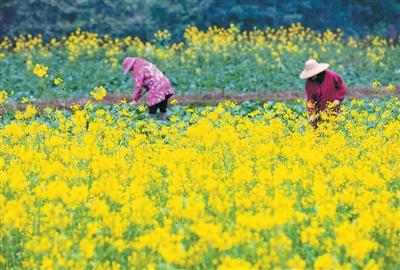
Group 1: Core Insights - The central theme of the news is the release of the 2026 Central No. 1 Document, which outlines a clear roadmap for agricultural modernization and rural revitalization in Ningbo [1][2] - Ningbo aims to develop a "coastal urban agriculture" industry, focusing on enhancing agricultural production capacity and quality, while ensuring food security [2][3] - The city plans to integrate advanced technologies such as AI, drones, and IoT into agricultural practices to improve efficiency and reduce costs [3] Group 2: Agricultural Development Strategies - Ningbo will focus on four key agricultural areas: technological agriculture, green agriculture, quality agriculture, and brand agriculture [2] - The city intends to enhance grain production capabilities and promote a diversified food supply system, including modern breeding and facility agriculture [3][4] - A new "vegetable basket" project will be implemented to ensure a balanced supply of various vegetables throughout the year [2] Group 3: Rural Revitalization Initiatives - Ningbo has established a framework for creating beautiful and livable rural areas, achieving a 72% coverage rate of beautiful villages [4][5] - The city will develop a spatial layout of "one circle and three belts" to enhance rural aesthetics and functionality [5] - Plans include the construction of 20 key village clusters and over 80 landmark projects to promote rural tourism and cultural integration [5][6] Group 4: Talent and Community Engagement - Strengthening party leadership and talent support is crucial for rural revitalization, with new village leaders assigned to assist in community development [6] - Ningbo has created 120 youth practice stations to encourage young talent to return to rural areas for entrepreneurship, resulting in significant income increases for local farmers [6] - The city aims to attract more young professionals, including university graduates and veterans, to contribute to rural economic growth [6] Group 5: Agricultural Product Development - The focus will be on enhancing the entire agricultural product supply chain, particularly for local specialties, with a target of achieving a total output value of 70 billion yuan by 2030 [7] - Ningbo plans to develop key local products such as milk, flowers, and pickled vegetables, promoting their full industry chain development [7]
锐评|在希望的田野上深耕未来中国
Bei Jing Ri Bao Ke Hu Duan· 2026-02-05 11:46
Core Viewpoint - The recently released Central No. 1 Document for 2026 continues to focus on the "three rural issues" (agriculture, rural areas, and farmers), aiming for "agricultural and rural modernization" while emphasizing production capacity, ecological sustainability, and income growth [1][3]. Group 1: Agricultural and Rural Modernization - The document highlights that addressing the "three rural issues" is fundamental to China's revolutionary, construction, and reform efforts, reflecting the Party's core mission and people-centered development philosophy [3]. - Since 2004, the Central No. 1 Document has consistently focused on these issues, particularly after the 18th National Congress, making them a priority for the Party's work [3]. - The current level of agricultural and rural modernization is notably lagging behind urban areas, with ongoing challenges in agricultural quality, rural living conditions, infrastructure, and public services [3]. Group 2: Rural Revitalization Strategy - The key to rural revitalization lies in leveraging the unique endowments of rural areas to create sustainable internal growth, with industrial revitalization being a primary focus [5]. - The document outlines specific measures for developing technology-driven, green, quality, and brand agriculture, promoting the deep integration of primary, secondary, and tertiary industries in rural areas [5]. - Emphasis is placed on fostering distinctive county economies and cultivating small and medium-sized enterprises to drive integrated development [5]. Group 3: Income Growth and Support Mechanisms - Increasing farmers' income is identified as crucial, with a transition from emergency poverty alleviation measures to a stable, ongoing support mechanism [6]. - The document stresses the importance of industry upgrades as a foundation for talent development and the return of skilled individuals to rural areas [6]. - The growth of new agricultural entities, such as family farms and cooperatives, alongside advancements in technology like IoT and AI, is expected to transform production methods and enhance rural development [6].
好评中国|锚定农业农村现代化,绘就乡村全面振兴新画卷
Huan Qiu Wang· 2026-02-05 09:02
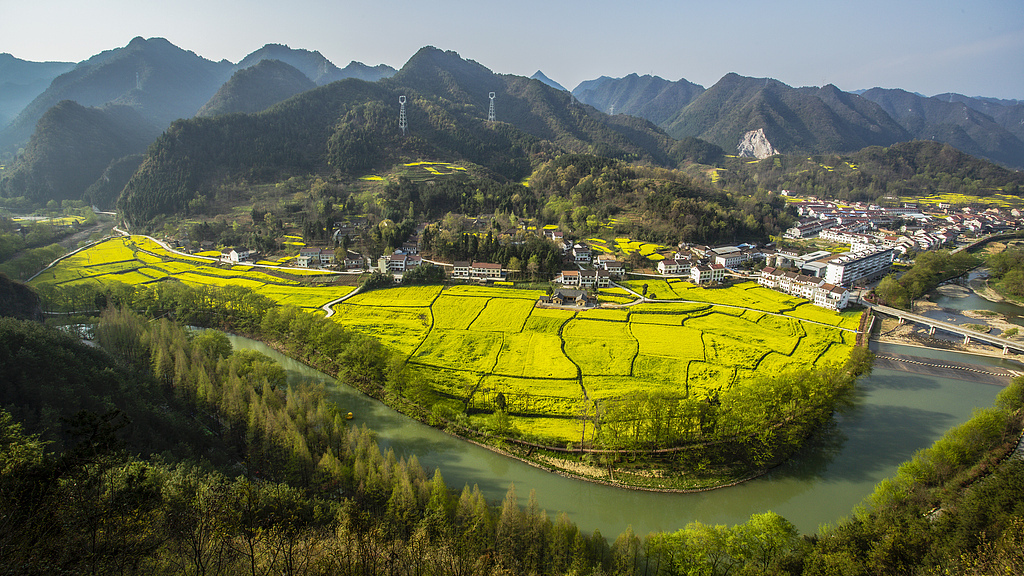
2026年2月3日,《中共中央 国务院关于锚定农业农村现代化 扎实推进乡村全面振兴的意见》正式发 布。这是"十五五"规划开局之年的首个中央一号文件,也是党的十八大以来第14个指导"三农"工作的中 央一号文件。文件立足新发展阶段,坚持农业农村优先发展,以学习运用"千万工程"经验为引领,以推 进乡村全面振兴为总抓手,对当前及今后一个时期的"三农"工作作出全面部署,为稳住农业基本盘、夯 实中国式现代化根基提供了行动纲领。 农业农村现代化,直接关系到中国式现代化的全局进展与最终成色。没有农业的强健根基,没有农村的 和谐稳定,没有农民的富裕幸福,整个国家的现代化大厦就难以稳固。中央一号文件连续多年聚焦"三 农",正是基于对这一历史规律的深刻把握。坚持农业农村优先发展,不是权宜之计,而是长远大计; 坚持城乡融合发展,旨在破解二元结构,畅通要素流动,实现共同繁荣。这要求我们在资源配置、公共 服务、基础设施、人才支撑等方面,切实向农业农村倾斜,补短板、强弱项、固底板,确保农业农村在 现代化进程中不掉队、赶上来。只有牢牢守住"三农"战略后院,我们应对各种风险挑战才有回旋余地和 坚实支撑,推进中国式现代化才有深厚底气和广阔空间。 ...
农林牧渔行业2026年中央一号文件点评:提升农业综合生产力,强化生猪产能综合调控
Dongxing Securities· 2026-02-05 06:48
Investment Rating - The report maintains a "Positive" investment rating for the agriculture, forestry, animal husbandry, and fishery industry [4] Core Insights - The 2026 Central Document emphasizes enhancing agricultural comprehensive productivity and quality efficiency, shifting focus from merely ensuring supply quantity and safety to a coordinated development of yield, capacity, and efficiency [1][9] - The document highlights the need for comprehensive regulation of pig production capacity and aims to promote balanced supply and demand in the livestock sector, particularly in beef and dairy industries [2] - There is a strong push for the commercialization of biological breeding and the integration of advanced technologies such as AI, drones, and IoT into agriculture, indicating a significant move towards smart agriculture [3][9] Summary by Sections Agricultural Production - The focus has shifted to enhancing agricultural comprehensive production capacity and quality efficiency, emphasizing the need for coordinated development of yield, capacity, and ecological production [9] Livestock Industry - The document calls for a strengthened comprehensive regulation of pig production capacity and aims to consolidate the recovery of the beef and dairy industries, with new measures to promote dairy consumption [2][9] Agricultural Technology - The report stresses the implementation of biological breeding initiatives and the integration of new agricultural productivity, with a focus on advancing smart agriculture through technology applications [3][9] Agricultural Products Circulation and Processing - There is a shift in policy focus from production to post-production processes, emphasizing market-oriented approaches to enhance the efficiency of the agricultural supply chain and increase farmers' income [9]


中央一号文件发布,托举乡村少年儿童的春天
Xin Lang Cai Jing· 2026-02-05 05:51
来源:未来网 2月3日,2026年中央一号文件——《中共中央 国务院关于锚定农业农村现代化 扎实推进乡村全面振兴 的意见》发布。这是党的十八大以来第14个指导"三农"工作的中央一号文件,也是"十五五"首个中央一 号文件,不仅为"三农"工作擘画了清晰蓝图,也以较大篇幅对乡村少年儿童工作作出系统部署。 读懂这份文件,需将其置于时代的聚光灯下。全面建设社会主义现代化国家,最艰巨最繁重的任务仍然 在农村。在这样的背景下,发展不平衡不充分问题,往往真切地映照在乡村孩子的成长之路上。他们能 否在家门口上好学、看得好病、在关爱中长大,直接关乎个人发展,更影响着乡村全面振兴的动力与活 力。今年中央一号文件在"因地制宜推进宜居宜业和美乡村建设"部分聚焦乡村少年儿童的一系列安排, 是从根基处培土,有助于阻断贫困代际传递、为乡村全面振兴积蓄青春能量。 对比近年来的中央一号文件,河北大学少年儿童组织与教育研究中心主任薛国凤分析指出,今年这份文 件在少年儿童议题上的部署既有承继性,又呈现前瞻性,整体上更加凸显对人的关怀。"保留并办好必 要的乡村小规模学校和幼儿园""综合施策加大农村控辍保学力度"等要求,延续了过去几年的政策基 调,也契 ...
中央一号文件的民生温度与发展刻度
Zhong Guo Fa Zhan Wang· 2026-02-05 03:05
中国发展改革报社评论员|袁琳 任务举措更为精准。在粮食安全方面,强调"坚持产量产能、生产生态、增产增收一起抓,加力实施新 一轮千亿斤粮食产能提升行动""推动粮食品种培优和品质提升";在巩固拓展脱贫攻坚成果方面,首次 提出"常态化精准帮扶",推动帮扶机制从集中攻坚转向常态长效;在乡村建设方面,突出"因地制宜", 着力补齐农村现代生活条件短板,体现了实事求是、分类施策的科学方法。 发展动力更重创新。文件将学习运用"千万工程"经验作为引领,以改革创新为根本动力,要求提高强农 惠农富农政策效能,畅通城乡要素流动,强化科技与人才支撑。这些部署既注重推广"三农"工作的成功 实践,也着眼于通过体制机制创新激活内生动力,展现出发展思路的持续深化和与时俱进。 尤为值得关注的是,文件对"农民增收"这一核心目标给予了前所未有的专章部署和系统谋划。从健全种 粮收益保障机制到发展县域富民产业,从拓宽就业渠道到培育乡村新业态,一系列举措直指增收难点、 痛点,体现了"说一千、道一万,增加农民收入是关键"的鲜明导向。这不仅是经济命题,更是关乎亿万 农民获得感、幸福感、安全感的民生工程,是检验一切工作成效的根本标尺。 总的来说,今年中央一号文 ...
南农晨读 | 广货行天下 贡柑甜万家
Nan Fang Nong Cun Bao· 2026-02-05 01:31
Core Viewpoint - The 2026 Central Document emphasizes the need to modernize agriculture and rural areas, aiming to establish agriculture as a significant modern industry in China, particularly in Guangdong province [5][10][19]. Group 1: Agricultural Modernization - The document outlines four key areas for Guangdong to focus on in order to transform agriculture into a modern industry, which is crucial for achieving high-quality development and rural revitalization [11][9]. - Guangdong's primary industry, while not a large percentage of its GDP, has a significant total output value, ranking high nationally, indicating its potential as an agricultural powerhouse [8][10]. Group 2: Rural Development Initiatives - The document highlights the importance of improving rural living conditions and infrastructure, addressing existing shortcomings in public services and facilities [16][17]. - It calls for the implementation of a high-quality rural e-commerce development project, which includes enhancing logistics and storage facilities, and regulating agricultural product live-streaming sales [21][22][23]. Group 3: Cultural and Economic Significance - The promotion of local products, such as the unique Hakka products from Xingning, reflects the cultural richness and economic potential of regional specialties [34][35]. - The significance of chicken in local cuisine underscores its role in cultural traditions and economic collaboration between Guangdong and Guangxi, enhancing market reach [39][41].

四项重点任务、两大支撑保障!关键词读懂开局之年“三农”工作怎么干
Yang Guang Wang· 2026-02-05 01:05
Core Viewpoint - The central government emphasizes the importance of modernizing agriculture and rural areas, focusing on increasing farmers' income and ensuring food security through a comprehensive approach that integrates production capacity, ecological sustainability, and income growth [12][14]. Group 1: Agricultural Modernization - The 2026 Central Document highlights the need to enhance agricultural production capacity and quality efficiency, with specific measures including stabilizing grain production, promoting capacity enhancement, and strengthening disaster prevention and mitigation [12][18]. - Key aspects of agricultural modernization include technological innovation, integrated innovation, expanding application scenarios, and promoting the transformation of research results [18]. Group 2: Income Growth for Farmers - The document places significant emphasis on increasing farmers' income, proposing a comprehensive set of measures to achieve this goal, including stabilizing farming income, developing county-level industries, ensuring stable employment for migrant workers, and effectively utilizing idle rural resources [14][15]. Group 3: Rural Revitalization Strategy - The 2026 Central Document incorporates regularized assistance into the rural revitalization strategy, focusing on dynamic management of assistance targets, precision and efficiency in assistance methods, and maintaining overall stability in assistance policies [21]. - It also emphasizes the need for effective rural governance, including strengthening grassroots party organizations, innovating governance methods, and promoting social harmony and stability in rural areas [26][27]. Group 4: Agricultural Trade Coordination - The document stresses the importance of coordinating agricultural trade and production, aiming to stabilize domestic agricultural production, enhance competitiveness, and promote the export of advantageous agricultural products to meet international market demands [24].
四大证券报头版头条内容精华摘要_2026年2月5日_财经新闻
Xin Lang Cai Jing· 2026-02-05 00:36
Group 1 - The central government is focusing on agricultural modernization and rural revitalization, with practical policies to address farmers' urgent needs [5][23] - The 2026 Central Document emphasizes a combination of goal-oriented and problem-oriented approaches to implement effective measures [5][23] - The People's Bank of China is enhancing coordination with fiscal policies and strengthening financial support in the consumer sector [2][9][27] Group 2 - The Ministry of Industry and Information Technology is accelerating the development of key standards for driving automation and vehicle safety [3][20] - The commercial aerospace sector in China is experiencing a surge in IPO activities, with brokerage firms becoming significant stakeholders [6][24] - The mining equipment sector is benefiting from rising prices of metals, leading to increased capital expenditures from mining companies [7][25][29] Group 3 - The AI drama market is booming, with projections indicating a user base growth from 120 million in 2025 to 280 million by 2026 [10][28] - The semiconductor industry is recovering significantly, with over half of the listed companies expected to report profit growth [12][30][31] - The smart retail market is projected to reach approximately 64.5 billion yuan by 2030, with a compound annual growth rate of 22% [17][35]