新零售

Search documents
友好集团涨2.08%,成交额3363.17万元,主力资金净流入346.55万元
Xin Lang Zheng Quan· 2026-01-19 02:32
Group 1 - The core viewpoint of the news is that Youhao Group's stock performance shows fluctuations with a recent increase in share price, but a decline over the past five trading days and twenty days [1] - As of January 19, Youhao Group's stock price was 6.87 CNY per share, with a market capitalization of 2.14 billion CNY [1] - The company has seen a net inflow of main funds amounting to 3.47 million CNY, with significant buying activity from large orders [1] Group 2 - As of September 30, Youhao Group had 31,800 shareholders, an increase of 7.84% from the previous period [2] - For the period from January to September 2025, Youhao Group reported operating revenue of 1.18 billion CNY, a year-on-year decrease of 9.79%, while net profit attributable to shareholders increased by 26.33% to 14.14 million CNY [2] Group 3 - Youhao Group has distributed a total of 449 million CNY in dividends since its A-share listing, with no dividends paid in the last three years [3]

千味央厨20260116
2026-01-19 02:29
Company and Industry Summary Company Overview - **Company**: Tianwei Yangchun (天为央视) - **Industry**: Food Production, specifically focusing on baked goods, frozen prepared dishes, and traditional Chinese pastries Key Points Revenue and Profit Outlook - **2026 Revenue Growth**: Expected to maintain growth with a target of single-digit percentage increase in revenue for the year [2][3] - **Profit Recovery**: Anticipated narrowing of profit decline, with a potential turnaround to positive profit by the end of 2026 [2][3] Product Performance - **Baked Goods**: - Significant growth in the baked goods segment, particularly in the fourth quarter of 2025 and into 2026, driven by major clients like Hema and Yum [2][4] - Expected growth rate may slow to double digits due to a higher base effect [5] - Plans to expand baking capacity, including adding production lines in Wuhu [5] - **Frozen Prepared Dishes**: - Products produced through self-research and ODM models, primarily targeting restaurant clients [6] - Growth rate expected to return to a more rational level, decreasing from over 200% last year to a few tens of percent [6] - **Traditional Chinese Pastries**: - Main food products have stabilized due to a solid customer base, while snack products are experiencing a decline [7] Market Dynamics - **New Retail Channels**: - Competitive landscape remains intense, but market space is expanding [8] - Collaboration with Hema has increased significantly, with sales volume growing from 20 million to several tens of millions [8][9] - New retail channels are viewed as major B-end clients, contributing significantly to overall performance [10] Business Strategy - **B-end vs C-end Business**: - B-end business constitutes approximately 90% of total revenue, with large B and small b clients each accounting for 50% [10] - C-end business primarily achieved through new retail channels, which are still classified as B-end clients [10] - **Distributor Strategy**: - New strategies focus on supporting quality large distributors while helping smaller ones grow [11] - Adjustments made to reduce overall price subsidies and concentrate resources on markets with growth potential [11] Challenges and Opportunities - **Traditional Restaurant Clients**: - Facing pressure, with some large clients like Xibei planning to close a third of their stores, while others like Green Tea perform relatively well [12] - **Snack Retail Channels**: - Limited collaboration due to space constraints in freezers and a small number of SKUs, resulting in lower revenue from this channel [13] Future Investments - **Overseas Factory Development**: - Progressing well, with plans for production to start around July 2026 after necessary modifications and equipment installations [17] - Initial costs from new projects, such as the overseas factory, may impact net profit but overall business is expected to improve [15][16]
茂业商业跌2.14%,成交额7992.28万元,主力资金净流出197.96万元
Xin Lang Cai Jing· 2026-01-19 02:14
Core Viewpoint - Maoye Commercial's stock has experienced fluctuations, with a year-to-date increase of 17.64% but a recent decline of 10.66% over the past five trading days [1]. Group 1: Stock Performance - As of January 19, Maoye Commercial's stock price was 6.87 CNY per share, with a market capitalization of 11.899 billion CNY [1]. - The stock has seen a trading volume of 79.9228 million CNY and a turnover rate of 0.66% [1]. - The stock has been on the "龙虎榜" (a list of stocks with significant trading activity) twice this year, with the latest appearance on January 12 [1]. Group 2: Financial Performance - For the period from January to September 2025, Maoye Commercial reported a revenue of 1.824 billion CNY, a year-on-year decrease of 14.20% [2]. - The net profit attributable to shareholders for the same period was 41.7316 million CNY, reflecting a significant decline of 72.88% year-on-year [2]. Group 3: Shareholder Information - As of September 30, 2025, the number of shareholders for Maoye Commercial was 30,300, an increase of 4.82% from the previous period [2]. - The average number of circulating shares per shareholder was 57,208, which decreased by 4.60% compared to the previous period [2]. - The company has distributed a total of 3.039 billion CNY in dividends since its A-share listing, with 307 million CNY distributed over the last three years [3].

供销大集涨2.05%,成交额4.88亿元,主力资金净流出4131.16万元
Xin Lang Cai Jing· 2026-01-16 07:02
Core Viewpoint - The stock of Gongxiao Daji has shown a slight increase of 2.05% on January 16, 2023, with a current price of 2.49 CNY per share, while experiencing a net outflow of funds [1] Group 1: Stock Performance - As of January 16, 2023, Gongxiao Daji's stock price has decreased by 0.40% year-to-date, with a decline of 4.23% over the past 20 days and 6.74% over the past 60 days [1] - The trading volume on January 16, 2023, reached 4.88 billion CNY, with a turnover rate of 1.35% [1] Group 2: Financial Performance - For the period from January to September 2025, Gongxiao Daji reported a revenue of 1.209 billion CNY, reflecting a year-on-year growth of 6.91%, and a net profit attributable to shareholders of 72.355 million CNY, which is a significant increase of 165.19% year-on-year [2] Group 3: Shareholder Information - As of January 9, 2023, the number of shareholders for Gongxiao Daji was 350,300, a decrease of 1.57% from the previous period, with an average of 42,006 circulating shares per shareholder, an increase of 1.60% [2] - The company has distributed a total of 449 million CNY in dividends since its A-share listing, with no dividends paid in the last three years [3]

小菜园进军“社区即食小店”与线上商城
Xin Jing Bao· 2026-01-16 05:41
Core Viewpoint - The company, Xiaocaiyuan, has announced a partnership to establish a joint venture aimed at enhancing its e-commerce and local lifestyle business, which includes online shopping and community instant stores [1] Group 1: Joint Venture Details - Xiaocaiyuan will collaborate with Deng Gaoke and Tian Chunying, contributing a total of 2 billion yuan (1400 million yuan from Xiaocaiyuan, 500 million yuan from Deng Gaoke, and 100 million yuan from Tian Chunying) to form the joint venture [1] - The joint venture will operate as a non-wholly owned subsidiary of Xiaocaiyuan and will focus on four main business areas: comprehensive e-commerce, local lifestyle, supply chain operations, and fourth-party distribution [1] Group 2: Strategic Goals - The transaction is expected to facilitate efficient resource allocation within the group and leverage the strengths of technology, channels, and talent from all parties involved, creating synergies to enhance overall operational efficiency [1] - The joint venture aims to explore the growth potential of quality supply chain resources and develop a new food consumption platform that integrates online shopping, community retail, and instant dining, thereby increasing brand value and market share [1] Group 3: Retail Strategy - Xiaocaiyuan plans to utilize its own products, such as rice and oil, for sales through both online platforms (like JD.com, Taobao, Douyin, and its own mall) and offline channels, including shopping malls and stores [2] - Future collaborations with suppliers or supply chains are anticipated to develop more products to meet the demands of the new retail channels [2]
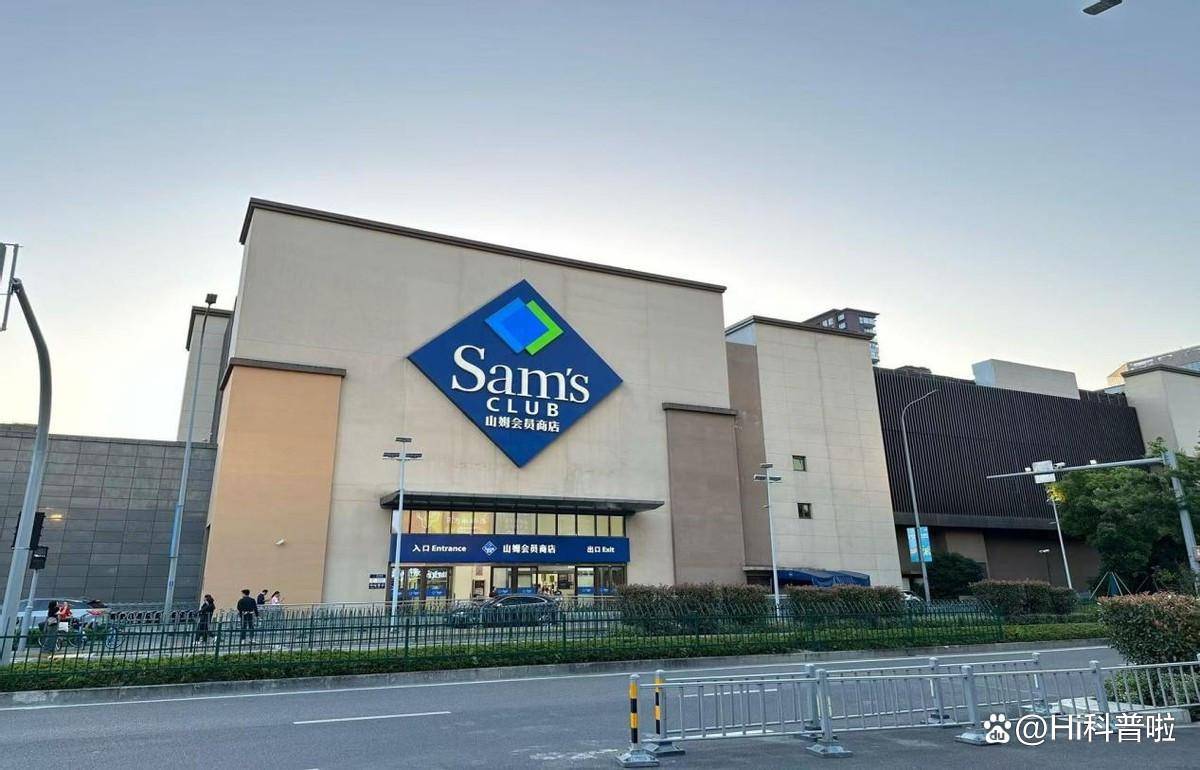
山姆拿捏中国中产?260元会费,年轻人不逛免费超市偏选它?
Sou Hu Cai Jing· 2026-01-16 04:12
Core Insights - Sam's Club has successfully positioned itself as a leading player in the retail industry, achieving annual sales of 140 billion and surpassing 10 million members, contrasting sharply with the decline of traditional hypermarkets [3][12] - The success of Sam's Club can be attributed to its strategic focus on membership fees, lifestyle branding, and the integration of online and offline channels [14][18][20] Group 1: Membership Strategy - The membership fee of 260 yuan serves as an effective filter to attract quality customers who prioritize product quality over price, allowing Sam's Club to generate substantial revenue even before product sales [14][16] - The increase in membership fees from 150 yuan to 260 yuan in 2012 was a pivotal decision that helped to refine the customer base [14] Group 2: Lifestyle Branding - Sam's Club is not just a supermarket; it represents a lifestyle choice for middle-class consumers, offering a curated selection of around 4,000 products, which simplifies the shopping experience [16][18] - The popularity of certain products, such as the 39.8 yuan roasted chicken and 59.8 yuan Swiss roll, has contributed to brand loyalty and social media visibility, further enhancing its market presence [16][18] Group 3: Online and Offline Integration - The optimization of the Sam's Club app and the introduction of "express delivery" services have transformed the shopping experience, allowing for convenient purchases from home [18][20] - This shift has increased the proportion of e-commerce in Sam's Club's business model, making it a versatile shopping platform [20] Group 4: Long-term Strategy - Sam's Club's success is a testament to long-term commitment, focusing on supply chain refinement and customer trust rather than chasing fleeting market trends [20] - The membership card symbolizes a trust contract, promising high-quality, carefully selected products in a market filled with inferior options [20]

千味央厨:公司有能力服务好新零售渠道客户的需求
Zheng Quan Ri Bao· 2026-01-15 13:39
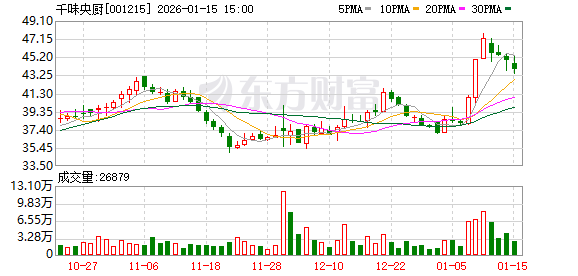
(文章来源:证券日报) 证券日报网1月15日讯 ,千味央厨在接受调研者提问时表示,从产品的角度来说,公司有服务大B端的 产品定制化研发能力;从质量控制的角度来说,公司各个生产及运输环节都有严格的检测和监测;从生 产的角度来说,公司具有稳定的供应能力;从品牌认知的角度,公司自成立就深耕行业,获得了广大消 费者的好评。公司有能力服务好新零售渠道客户的需求。 ...
生鲜生意还值得资本下注吗
3 6 Ke· 2026-01-15 03:46
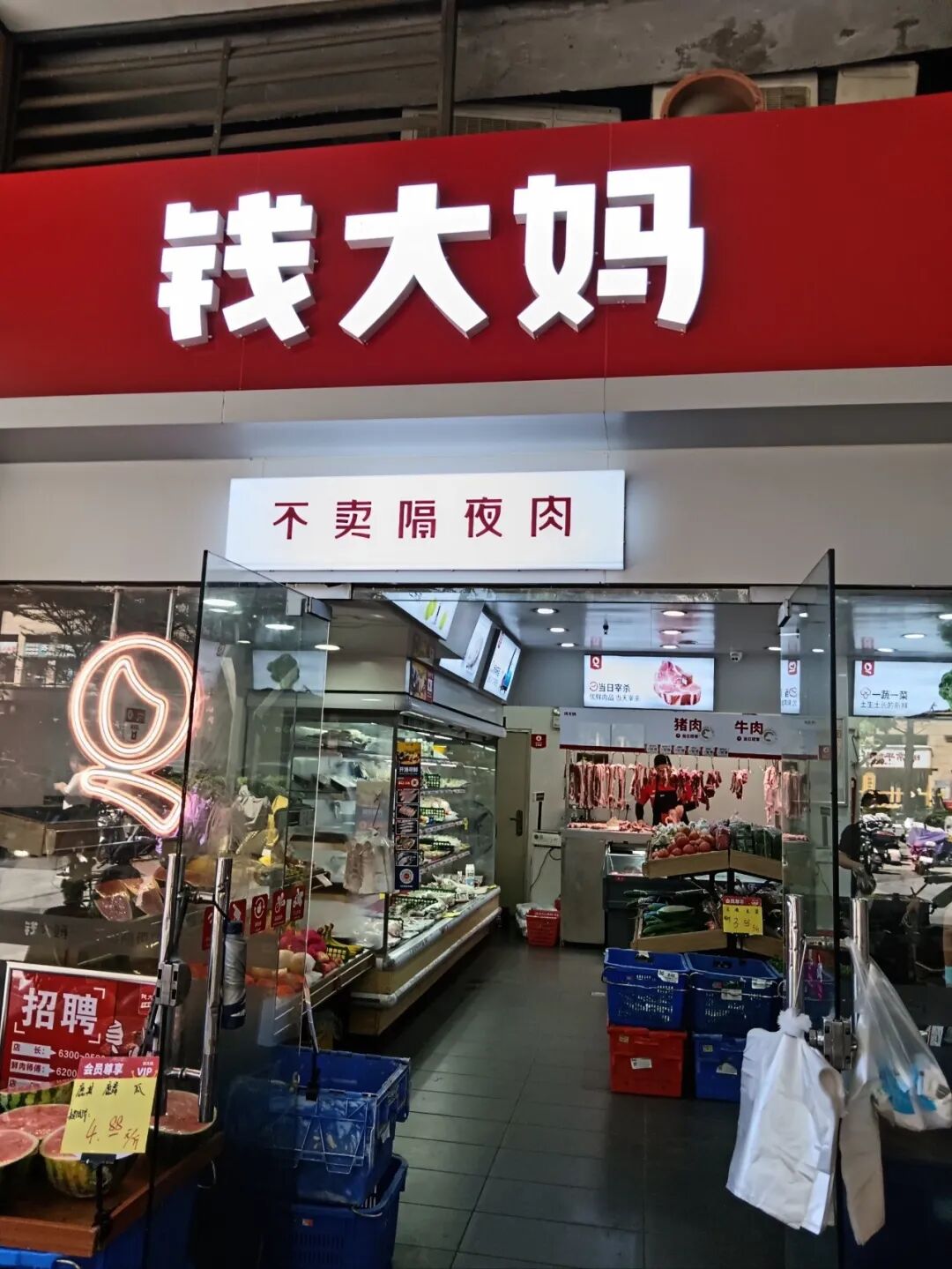
Core Insights - The company, Qian Dama, has experienced a rapid growth trajectory, crossing the 10 billion RMB revenue mark in 8 years, but has faced significant challenges leading to a net loss of 288 million RMB in the first three quarters of 2025 after previously earning 288 million RMB annually [1][9][11] - The fresh food industry is notoriously difficult, with many companies, including Dingdong Maicai and Hema Fresh, struggling despite large-scale financing and initial high growth expectations [2][4] - Qian Dama's recent attempt to list on the Hong Kong stock exchange reflects a desperate need for capital amid financial pressures and a competitive landscape [5][17] Company Overview - Qian Dama was founded in 2012 in Dongguan, initially focusing on pork sales, and expanded to over 3,700 stores nationwide, achieving peak revenue of over 11.7 billion RMB [6][8] - The company adopted a "daily fresh" model, significantly reducing inventory turnover time to under 12 hours, which is much lower than the industry average of 2-4 days [12][13] - Despite its initial success, Qian Dama's revenue growth has stagnated, with a notable decline in net profit, attributed to a shift in consumer behavior towards only purchasing fresh goods [9][14] Financial Performance - In 2023, Qian Dama reported a revenue of 11.744 billion RMB, with a slight increase projected for 2024, but a decline of 4.2% expected in the first nine months of 2025 [11] - The company's gross profit margins are significantly lower than the industry average, with 2023 and 2024 margins at 9.8% and 10.2%, respectively, compared to the typical 15%-20% [14] - The number of stores has decreased to approximately 2,900 by September 2025, with a higher number of franchise terminations than new openings in recent years [16] Industry Context - The fresh food retail sector is highly competitive, with established players like Alibaba, JD, and Pinduoduo solidifying their positions, while Qian Dama's traditional model appears outdated [20][22] - Competitors such as Dingdong Maicai and Hema Fresh have shown signs of recovery and profitability, contrasting with Qian Dama's ongoing financial struggles [21][22] - The shift in consumer preferences towards price sensitivity has raised concerns about customer loyalty and profitability for Qian Dama, as many customers now only buy discounted fresh goods [16]
中百集团涨2.16%,成交额6135.22万元,主力资金净流入341.65万元
Xin Lang Cai Jing· 2026-01-15 02:12
Core Viewpoint - Zhongbai Group's stock price has shown a modest increase in early trading, reflecting positive market sentiment despite recent financial challenges [1][2]. Group 1: Stock Performance - As of January 15, Zhongbai Group's stock price rose by 2.16% to 8.05 CNY per share, with a trading volume of 61.35 million CNY and a turnover rate of 1.17%, resulting in a total market capitalization of 5.33 billion CNY [1]. - Year-to-date, Zhongbai Group's stock has increased by 6.20%, with a 2.29% rise over the last five trading days, and a 2.94% increase over both the last 20 and 60 days [2]. Group 2: Company Overview - Zhongbai Group, established on January 9, 1990, and listed on May 19, 1997, is a large chain enterprise primarily engaged in commercial retail, including supermarkets and department stores, with additional involvement in pharmaceuticals, logistics, property management, and import-export trade [2]. - The company's revenue composition is primarily from merchandise sales, accounting for 91.07%, while other income contributes 8.93% [2]. Group 3: Financial Performance - For the period from January to September 2025, Zhongbai Group reported an operating income of 6.55 billion CNY, representing a year-on-year decrease of 19.41%, and a net profit attributable to shareholders of -580 million CNY, down 74.83% year-on-year [2]. - The company has distributed a total of 919 million CNY in dividends since its A-share listing, with no dividends paid in the last three years [3]. Group 4: Shareholder Information - As of December 31, the number of shareholders in Zhongbai Group reached 97,700, an increase of 6.53% from the previous period, with an average of 6,711 circulating shares per person, a decrease of 6.13% [2]. - As of September 30, 2025, Hong Kong Central Clearing Limited was the sixth-largest circulating shareholder, holding 3.627 million shares as a new shareholder [3].

美妆集合店@2026:逃离「复制粘贴」的困局
3 6 Ke· 2026-01-14 08:24
Core Insights - The decline of traditional beauty retail stores like Sa Sa and Watsons reflects a significant transformation in China's beauty retail industry, driven by changing consumer preferences and the rise of e-commerce [1][2][4] - The traditional retail model based on information asymmetry and personal sales has become ineffective, leading to a shift towards online shopping and new retail formats that prioritize consumer experience [4][5][12] Group 1: Decline of Traditional Retail - Watsons' parent company reported a 3% year-on-year decline in revenue to HKD 6.666 billion, with a net reduction of 145 stores, marking the fourth consecutive year of revenue decline [1] - Sa Sa International has completely exited the mainland China market, closing all physical stores by June 30, 2025, with a staggering 38.2% drop in revenue from offline channels, amounting to HKD 103 million [1] - The profitability of Watsons has significantly decreased, with EBITDA dropping 53% to HKD 117 million, the lowest in seven years [1] Group 2: Rise of New Retail Formats - New beauty retail players are emerging, focusing on experiential shopping and social media engagement, which resonate more with younger consumers [5][8] - These new stores, such as The Colorist and WOW COLOUR, emphasize a "freedom of experience" and have become popular destinations for young shoppers [7][9] - The new retail model prioritizes immersive experiences and interactive activities, transforming traditional shopping into a more engaging and enjoyable process [8][11] Group 3: Challenges and Future Outlook - The beauty retail industry faces the risk of homogenization, as many new stores adopt similar aesthetics and experiences, potentially diminishing their appeal [12][13] - To sustain consumer interest, new retail formats must innovate beyond surface-level replication and focus on unique brand narratives and product offerings [15][18] - The challenge remains to convert one-time visitors into loyal customers, requiring either exclusive product offerings or exceptional service experiences [16][17]