
物联网(IoT)

Search documents
中国智能家电在日本提升影响力
日经中文网· 2025-05-29 03:33
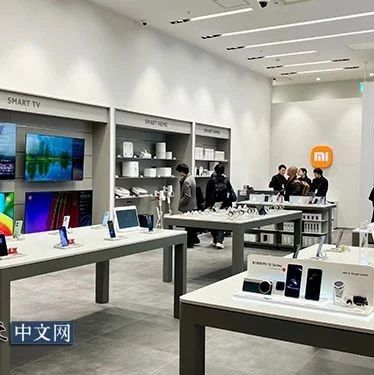
< 订正 > 日经中文网于 5 月 14 日刊登的报道《中国智能家电在日本提升影响力》中,将 " 欧珀 ( OPPO )的销售代理店 OGA Japan" 错误表述为了 " 欧珀( OPPO )的日本法人 OPPO Japan" ,现对这一错误加以订正。( 2025 年 5 月 29 日) 中国家电企业正在日本的智能家电市场上提高存在感。中国最大的智能手机企业小米在埼玉县的 两个地方开设了日本首批实体店。中国手机企业欧珀(OPPO)的销售代理店OGA Japan(东京 都中央区)向日本市场投放了中国大型电视企业创维(SKYWORTH)制造的无内置调谐器(电 视信号接收器)的液晶智能电视。除了基于全球规模的采购能力而实现的性价比之外,这些中国 企业还在以连接互联网的智能功能为核心开拓日本的家庭消费者。 小米的日本首家实体店"Xiaomi Store AEON Mall浦和美园店"(埼玉市) 小米在日本开设了首批除手机外还销售互联家电实体店。除了以往的性价比之外,中国企业正在 以智能功能为核心开拓日本的家庭消费者。不过,智能家电等产品在日本的拥有率目前仅为 10%…… 小米日本法人的副社长郑彦对开设实体店表示," ...


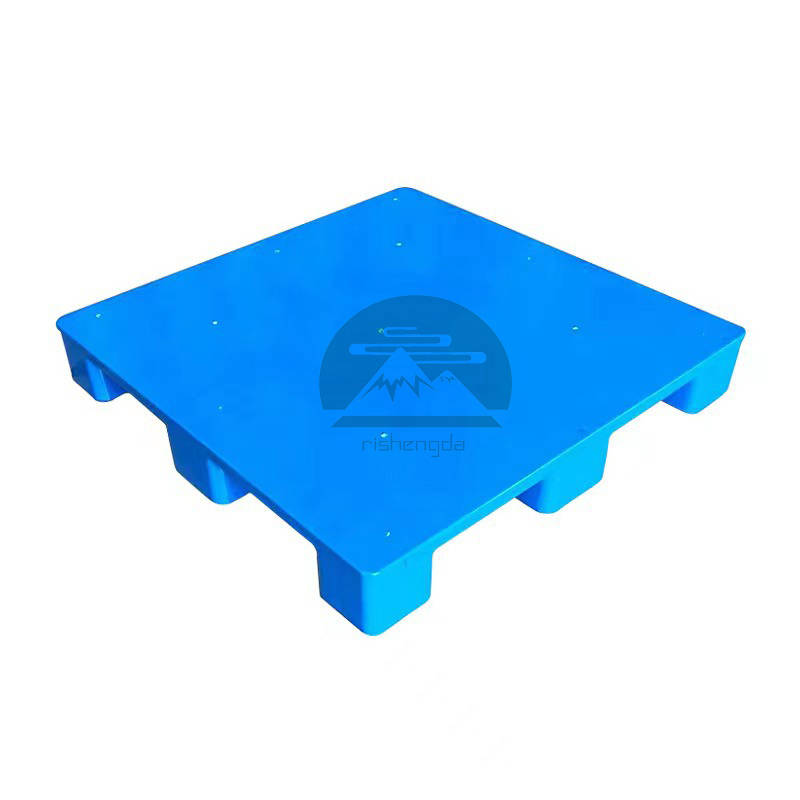
西安塑料托盘_物流周转托盘的特点
Sou Hu Cai Jing· 2025-05-22 04:23
Efficiency and Convenience - The efficiency of cargo handling has significantly increased, with a single handling capacity reaching hundreds to thousands of kilograms, resulting in over a 20-fold improvement compared to manual handling [1] - The use of automated equipment, such as intelligent sorting lines, allows for "whole pallet shelving and sorting," thereby reducing storage operation time [1][2] Cargo Protection and Stability - Pallet designs are symmetrical, allowing for even weight distribution, with standard pallets capable of static loads of 3-5 tons and dynamic loads of 1-2 tons [4] - The use of stretch film and strapping to secure goods reduces damage rates to below 1%, compared to approximately 5% for traditional bulk transport [4] Circular Economy and Environmental Sustainability - Plastic and metal pallets support long-term reuse, with some companies adopting a "shared pallet pool" model, achieving over 90% utilization rates and reducing idle asset costs [7] - Wood pallets can be made from recycled or FSC-certified materials, while plastic pallets increasingly use recycled plastic, contributing to reduced petroleum consumption [8] Smart and Digital Upgrades - Integration of IoT technology allows pallets to embed RFID tags or NFC chips, enabling real-time tracking of cargo location, weight, and temperature, supporting full supply chain traceability [9] - Companies like JD Logistics utilize "smart pallets" to monitor pallet turnover efficiency, reducing response time for abnormal orders to within 15 minutes [10] Cost Optimization Features - Although high-quality pallets, such as plastic ones, have higher initial procurement costs, their long-term maintenance costs are lower, resulting in overall costs being lower than wooden pallets [12] - In a rental model, companies can pay as needed, avoiding one-time investments and improving capital utilization by over 30% [13] - Standardized pallet applications can lead to a 15%-25% reduction in overall logistics costs by minimizing indirect costs such as labor handling, cargo loss, and packaging materials [14]
解码航运业可持续发展新路径——访ONE全球企业与创新部首席执行官岩井泰树
Sou Hu Cai Jing· 2025-05-20 07:53
2025年3月26日,海洋网联船务(ONE)于中国香港成功举办第四届集装箱航运高峰会(Container Shipping Summit),以"携手共进,共绘未来可持续发 展新蓝图"为主题。这场汇聚东亚地区14所顶尖学府杰出学者的盛会,不仅是对航运业转型与可持续发展需求的深度回应,更是对全球供应链变革期人才 培养范式的创新探索。围绕2050年行业愿景,本届高峰会通过3场专题讨论,聚焦全球贸易格局演变、关键技术趋势以及新一代航运领袖培育这3大关键领 域,构建起一个全面且系统的框架,为集装箱航运业应对当前面临的紧迫挑战提供了实践指引。 △ ONE全球企业与创新部首席执行官岩井泰树 作为全球领先的集装箱航运公司之一,ONE致力于通过前瞻性的发展策略、灵活高效的最佳实践方法以及积极开放的合作态度,在航运业的可持续发展 进程中发挥关键作用,推动产业转型,为行业的绿色未来贡献力量。在本次高峰会圆满落幕后,ONE全球企业与创新部首席执行官岩井泰树接受本刊记 者专访,系统阐释了峰会成果对行业转型的深远意义。同时,他还介绍了ONE践行"可持续增长"承诺和"卓越运营"理念的重要举措,分享了ONE对塑造集 装箱航运未来的关键技术的 ...

Silicon Laboratories (SLAB) FY Conference Transcript
2025-05-14 18:40
Summary of Silicon Laboratories (SLAB) FY Conference Call Company Overview - **Industry**: Semiconductor, specifically focused on IoT wireless and embedded wireless solutions [3][4] - **Core Business**: Silicon Laboratories is the largest company dedicated to IoT wireless solutions, providing silicon, software, and development tools for edge devices [3][4] Key Financial Highlights - **Design Wins**: The company has secured $10 billion in design wins over the last three years, with a potential run rate of $2 billion to $2.5 billion annually [14][15] - **Unit Shipments**: Approximately 1 billion units shipped from the current Series two platform, with an additional 6 billion units expected to ship in the coming years [11] - **Revenue Growth**: Anticipated sequential growth of 7% in March and 8% in June, with over 60% year-on-year growth expected [16][22] Market Position and Strategy - **Focus Areas**: The company emphasizes breadth, depth, and focus in the IoT wireless space, supporting various technologies like Bluetooth, WiFi, Zigbee, and proprietary technologies [5][6][7] - **Customer Confidence**: The company's focus on IoT has helped secure customer confidence during supply chain crises, leading to increased market share [8][9] Product Development - **Series Two and Three Platforms**: The Series two platform is performing well, while the Series three platform is being ramped up, offering enhanced capabilities for AI and ML applications [11][12][36][39] - **Bluetooth and WiFi Growth**: Bluetooth revenue has grown to 20-25% of total revenue, with an 80% year-on-year growth rate. WiFi is also growing at 40% year-on-year, with significant potential for future growth [41][45][46] Market Trends and Applications - **End Market Growth**: The embedded edge market is growing rapidly, with significant opportunities in smart metering, electronic shelf labels, and portable medical devices [31][33][34][35] - **Long-Term Dynamics**: The company expects strong industrial growth, with 55-60% of sales coming from industrial segments, which have longer lead times compared to consumer markets [75][76] Customer Retention and Stickiness - **Customer Loyalty**: 95% of the top 100 customers have been retained over the past five years, indicating strong customer loyalty and satisfaction [51][52] - **Software Differentiation**: The company offers over 1,000 software features annually, enhancing customer experience and stickiness [53][54][67] Inventory and Supply Chain Management - **Inventory Levels**: Current channel and customer distribution inventories are at 48 days, below the target of 70-75 days, indicating a need for replenishment [25][26] - **Monitoring Metrics**: The company is closely monitoring inventory levels and customer demand to ensure a balanced supply chain [21][22] Future Outlook - **Positive Growth Expectations**: The company is optimistic about continued sequential growth throughout 2025, driven by design win traction and positive customer forecasts [22][23] - **Long-Term Revenue Potential**: The $10 billion design win pipeline is expected to unfold over the next four to five years, providing a strong revenue foundation [29][30][70] Conclusion Silicon Laboratories is well-positioned in the growing IoT wireless market, with strong financial performance, a robust product pipeline, and high customer retention rates. The company’s focus on innovation and customer-centric solutions is expected to drive future growth and market share expansion.

2025年全球与中国轻商型制冷设备市场现状及未来发展趋势
QYResearch· 2025-05-13 09:05
Core Viewpoint - The light commercial refrigeration equipment industry is experiencing significant growth driven by urbanization and increasing consumer demands for food safety and freshness [2][12]. Group 1: Current Industry Status - Market demand for light commercial refrigeration equipment is continuously increasing due to urbanization and heightened consumer expectations for food safety and freshness [2]. - The market competition is intensifying with both international giants like Haier and Carrier Commercial Refrigeration and numerous small to medium enterprises competing through price, product innovation, and service differentiation [3]. - There is a trend towards product differentiation and customization to meet specific client needs, such as tailored refrigeration solutions based on actual site and storage requirements [4]. Group 2: Development Trends - The industry is moving towards energy efficiency and environmental sustainability in response to global concerns about carbon emissions and energy consumption [5]. - The application of Internet of Things (IoT) technology is enhancing operational efficiency through remote monitoring, fault diagnosis, and energy management [6]. - Modular design is becoming prevalent, making equipment easier to install, maintain, and upgrade, thereby reducing user costs [7]. - Equipment is increasingly multifunctional, combining refrigeration and display capabilities, as well as ice-making and cooling functions to meet diverse scenario requirements [8]. Group 3: Market Size Analysis - The global market for light commercial refrigeration equipment is projected to reach $21.03 billion in sales by 2024, with an expected growth to $25.72 billion by 2031, reflecting a compound annual growth rate (CAGR) of 3.12% from 2025 to 2031 [12]. - The consumption market is primarily concentrated in China, Europe, and North America, with China holding the largest market share at 30.23% in 2024, followed by Europe at 20.51% and North America at 16.51% [13]. - Commercial refrigerators are a significant product type, accounting for 63.18% of sales in 2024, with supermarkets and convenience stores representing 50.05% of application sales [14]. - Major global manufacturers include Haier, Carrier Commercial Refrigeration, Epta SpA, Panasonic, and Zhejiang Xinxing, with the top five companies holding a market share of 32.85% in 2024 [17]. Group 4: Industry Opportunities - The rise of new business formats, such as chain milk tea shops and coffee shops, is increasing the demand for small ice machines and refrigeration cabinets [18]. - The rapid development of the restaurant industry, characterized by chain and brand trends, is driving the need for standardized and efficient refrigeration equipment [19]. - The integration of IoT and artificial intelligence technologies is expected to further enhance the intelligence level of equipment, enabling remote monitoring and energy management [20]. - Emerging markets in Southeast Asia and Africa are anticipated to become significant growth drivers, necessitating increased market expansion efforts by companies [21].

全球吊钩下起重装置市场前10强生产商排名及市场占有率
QYResearch· 2025-05-12 09:16
Core Viewpoint - The global market for hook-mounted lifting devices is projected to reach $2.09 billion by 2031, with a compound annual growth rate (CAGR) of 4.7% in the coming years [2]. Market Size, Classification, and Application - The industrial sector is the primary demand source for hook-mounted lifting devices, accounting for approximately 18.6% of the market share [10]. - The main product type is the lifting beam, which holds about 27.3% of the market share [12]. Key Market Drivers - **Industrial Growth and Automation**: The increasing adoption of automation technologies across various industries is driving demand for efficient material handling solutions [15]. - **Workplace Safety**: Strict safety regulations are prompting industries to invest in lifting equipment that minimizes accident risks [16]. - **Technological Advancements**: Innovations such as IoT, smart sensors, and real-time monitoring systems are enhancing the functionality of hook-mounted lifting devices [17][18]. Major Market Challenges - **High Initial Costs**: The purchase and installation of advanced lifting equipment can be prohibitively expensive for small and medium-sized enterprises [22]. - **Complex Maintenance**: Regular maintenance of lifting equipment is necessary to ensure safety and efficiency, which can be complicated and time-consuming [23]. - **Regulatory Compliance**: Adhering to strict safety regulations can be a complex and costly process for manufacturers [24]. Competitive Landscape - Major manufacturers in the global hook-mounted lifting device market include Columbus McKinnon, Harrington (Kito Crosby), Mazzella Companies, Caldwell, and Xtek, with the top five companies holding approximately 21.9% of the market share in 2023 [7].

全球宠物智能用品市场核心生产商排名及市场占有率
QYResearch· 2025-05-12 09:16
Core Insights - The article discusses the rapid growth of the smart pet products market, driven by technological advancements and changing consumer behaviors, with a projected market size of $11.16 billion by 2031 and a CAGR of 11.8% from 2025 to 2031 [2][13]. Market Overview - Smart pet products integrate AI and electronic information technologies to enhance pet care, including health tracking apps, smart feeders, and interactive toys [1]. - The market is characterized by a shift towards personalized, convenient, and interactive products, particularly among the new generation of pet owners [13]. Key Players - Major manufacturers in the global smart pet products market include Radio Systems Corporation (Petsafe), Petkit, Sure Petcare (Allflex), Tianyuan Pet, and Petmate, with the top five companies holding approximately 14.0% market share in 2024 [7][15]. Market Drivers - The growth of the smart pet products market is supported by advancements in IoT technology, which allows for remote control and data collection of pet products [13]. - Increased awareness of pet health management has led to a rise in demand for health-related devices, such as smart scales and remote medical monitoring tools [14]. Future Trends - The report emphasizes the importance of understanding market dynamics, including production capacity, sales volume, and revenue trends, to identify future opportunities in the smart pet products sector [14].

3 Semiconductor Stocks That Could Help Make You a Fortune
The Motley Fool· 2025-05-04 09:05
Core Viewpoint - The semiconductor market is experiencing a pullback due to tariffs, trade wars, and recession fears, but this creates attractive buying opportunities for long-term investors as the market is expected to grow significantly over the coming decades [1][2]. Group 1: TSMC - TSMC is the largest and most advanced contract chipmaker, relied upon by major companies like Nvidia, AMD, Qualcomm, and Apple for producing high-performance chips [4][5]. - In the latest quarter, TSMC generated 59% of its revenue from the high-performance computing (HPC) market and 28% from the smartphone market, with HPC growth offsetting smartphone market softness [5]. - TSMC's revenue is expected to grow at a compound annual growth rate (CAGR) of 21% from 2024 to 2027, with earnings per share (EPS) expected to grow at a CAGR of 22% [8]. Group 2: ASML - ASML is the largest producer of lithography systems and the only producer of extreme ultraviolet (EUV) lithography systems, essential for manufacturing advanced chips [9][10]. - ASML's low-NA EUV systems cost approximately $180 million each, while high-NA systems cost around $380 million, giving the company significant pricing power [10]. - Analysts expect ASML's revenue and EPS to grow at a CAGR of 12% and 19%, respectively, from 2024 to 2027 [11]. Group 3: Arm Holdings - Arm designs power-efficient CPUs, which are widely used in smartphones, tablets, IoT devices, and connected vehicles, capturing about 99% of the smartphone market [13][14]. - Arm plans to develop its own first-party chips, which could enhance its competitiveness and reduce costs by eliminating licensing fees [15]. - From fiscal 2024 to fiscal 2027, Arm's revenue is expected to grow at a CAGR of 23%, while EPS is projected to grow at 81% [16].




全球全屋自动化智能家居解决方案市场前十强生产商排名及市场占有率
QYResearch· 2025-04-10 09:47
Core Viewpoint - The global market for whole-home automation smart home solutions is projected to reach $6.38 billion by 2030, with a compound annual growth rate (CAGR) of 6.1% from 2024 to 2030 [2]. Market Overview - The leading manufacturers in the global whole-home automation smart home solutions market include Huawei, Snap One (Control4), Lutron, Xiaomi, Schneider, Samsung SmartThings, Crestron, ABB, Nice SpA, and Google, with the top ten companies holding approximately 52.0% market share in 2022 [6]. - Large technology companies dominate the product type segment, accounting for about 40.4% of the market share [9]. - Residential buildings are the primary application area, representing approximately 92.6% of the demand [11]. Key Drivers - **Technological Advancements**: The proliferation of IoT devices and advancements in wireless communication technologies like Wi-Fi, Bluetooth, and Zigbee facilitate easier and more efficient device connectivity [15][16]. - **Safety and Monitoring Needs**: Increased awareness of home security has led to a rise in demand for smart security devices, enhancing monitoring and theft prevention capabilities [17][18]. - **Changing Lifestyles**: Modern consumers seek convenience and energy efficiency, driving the adoption of smart home technologies [19]. - **Urbanization**: The demand for high-quality living environments is increasing, making smart homes an essential part of modern housing design [20]. - **Market Competition and Product Diversity**: The entry of more manufacturers into the smart home market has diversified product offerings and reduced costs [21]. - **Government and Policy Support**: Policies promoting sustainable development and smart city initiatives are encouraging the adoption of smart home solutions [22][23]. Major Barriers - **Cost Issues**: High initial investment and installation costs for smart home devices can deter consumers from full deployment [24][25]. - **Technical Complexity**: Compatibility issues between devices from different manufacturers can pose challenges for consumers [26]. - **Security and Privacy Concerns**: Risks of data breaches and privacy issues related to smart devices can affect user acceptance [27][28]. - **Lack of Standardization**: The absence of unified standards complicates device interoperability [29][30]. - **Insufficient Market Education**: Many consumers are unaware of the benefits of smart home technologies, leading to confusion and reduced purchasing intent [31][32]. - **Dependence on Technology**: Smart home devices rely on stable internet and power supply, which can affect functionality during outages [33][34]. Industry Development Opportunities - **Technological Innovation**: Continuous advancements in IoT and AI are driving the development of smarter and more interconnected devices [37][38]. - **Growing Consumer Demand**: Increasing demand for convenience and security is propelling market growth [40][41]. - **Energy Efficiency Trends**: The focus on sustainable living encourages consumers to choose energy-efficient smart home products [42][43]. - **Market Segmentation and Personalization**: The aging population and tech-savvy younger consumers are creating new market opportunities [44][45]. - **Ecosystem Development**: Collaborations across industries can create a comprehensive smart home ecosystem [46][47]. - **Policy and Support**: Government incentives for green buildings and smart home technologies are fostering market growth [48][49]. - **Global Market Expansion**: Emerging markets in Asia-Pacific, Latin America, and Africa are rapidly increasing their demand for smart home solutions [50][51].

高维金融创新:RWA——可信资产融资
Sou Hu Cai Jing· 2025-03-31 17:25
Group 1: Core Innovation of Malu Grape RWA Financing Case - Malu Grape, a landmark agricultural brand in Shanghai, completed a 10 million yuan equity financing through a Real World Assets (RWA) project in 2024, becoming the first data asset securitization case in the agricultural sector [1] - The project combines data assetization with blockchain technology, ensuring transparency and immutability by recording environmental and economic data on the blockchain, thus addressing liquidity and financing challenges in traditional agriculture [2] - A multi-party collaboration involving Shanghai Data Exchange, Left Bank Xinhui, and law firms established a complete chain for data collection, verification, and trading, with smart contracts ensuring compliance throughout the process [3][4] Group 2: Economic Benefits and Industry Upgrade - The financing will be used for smart agricultural facility construction, such as intelligent irrigation and environmental monitoring, expected to generate an additional annual income of 3 million yuan and enhance brand premium [5] - The project promotes a shift from experience-based planting to data-driven precision management, optimizing the supply chain and enhancing product traceability [6] Group 3: RWA Model as a New Financing Paradigm - RWA transforms physical assets into on-chain tokens via blockchain technology, addressing traditional asset pain points such as enhanced liquidity and reduced investment thresholds [7] - The model improves transparency by ensuring asset authenticity and traceability through data on the blockchain, thereby reducing information asymmetry [8] Group 4: Diverse Application Scenarios - The Malu Grape case validates the feasibility of data assetization in agriculture [9] - In the renewable energy sector, Longxin Technology collaborates with Ant Group to provide low-cost financing for charging station operators through RWA [10] - Tokenization can release liquidity in real estate and support emerging asset classes like carbon credits [11] Group 5: Technology Integration and Compliance Pathways - The project integrates blockchain, AI, and IoT, utilizing smart hardware for real-time data collection and smart contracts for automated transactions [12] - A regulatory framework is necessary to balance innovation and risk, with Hong Kong exploring compliance pathways through sandbox mechanisms [12] Group 6: Comparison with Other Financing Methods - RWA offers more flexible asset segmentation and lower transaction costs compared to traditional asset-backed securities (ABS), which rely on credit and have lower liquidity [13] - RWA covers a broader range of asset types compared to security token offerings (STO), combining features of both [14] - The market for RWA assets is projected to reach trillions by 2030, covering sectors like real estate and green energy [15] Group 7: Insights and Challenges - RWA is suitable for enterprises with high-value non-standard assets needing improved liquidity, requiring data governance capabilities and compliance teams [18] - Regulatory uncertainty and technological security are challenges that need to be addressed, including the need for third-party audits to prevent data tampering and smart contract vulnerabilities [20][21]