贸易保护主义

Search documents
美国对全球商品加征10%关税,欧洲行业集体警惕不确定性
Sou Hu Cai Jing· 2026-02-21 14:38
Group 1 - The U.S. government has announced a temporary global tariff of 10% on nearly all imported goods, effective February 24, 2024, to address trade imbalances [1][4] - Exemptions from the new tariffs include energy products, natural resources, fertilizers, pharmaceuticals, certain electronics, specific vehicles, aerospace equipment, information materials, and personal luggage [4] - The ruling from the U.S. Supreme Court, which rejected Trump's tariff measures, has raised concerns among global exporters about ongoing policy uncertainty, particularly affecting industries like Italian wine, which relies heavily on the U.S. market [6][8] Group 2 - The Italian wine industry, which exports approximately €1.9 billion (around $2.3 billion) worth of wine to the U.S., is particularly vulnerable to the impacts of tariff changes [8] - The German chemical and pharmaceutical industry has expressed that the Supreme Court's ruling does not signal the end of trade instability, as new tariffs could still be introduced under different legal provisions [10] - U.S. manufacturers and tech companies perceive the tariff relief as temporary, with ongoing policy uncertainty affecting order placements and market strategies [11] Group 3 - The global supply chain is experiencing irreversible trends towards "de-risking," with many companies suffering substantial damage that may not be recoverable even if tariff policies change [13] - The French cosmetics industry is closely monitoring the situation for potential adjustments to U.S. tariffs, indicating a cautious approach to future developments [13] - The Irish whiskey industry emphasizes that resolving tariff disputes will require negotiations rather than judicial rulings, viewing the Supreme Court's decision as just another twist in the ongoing tariff saga [13]


美最高法院裁定是否意味着美关税大棒被废?一文了解→
Xin Lang Cai Jing· 2026-02-21 14:09
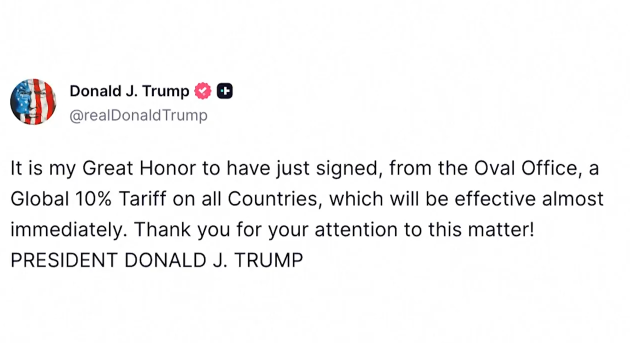
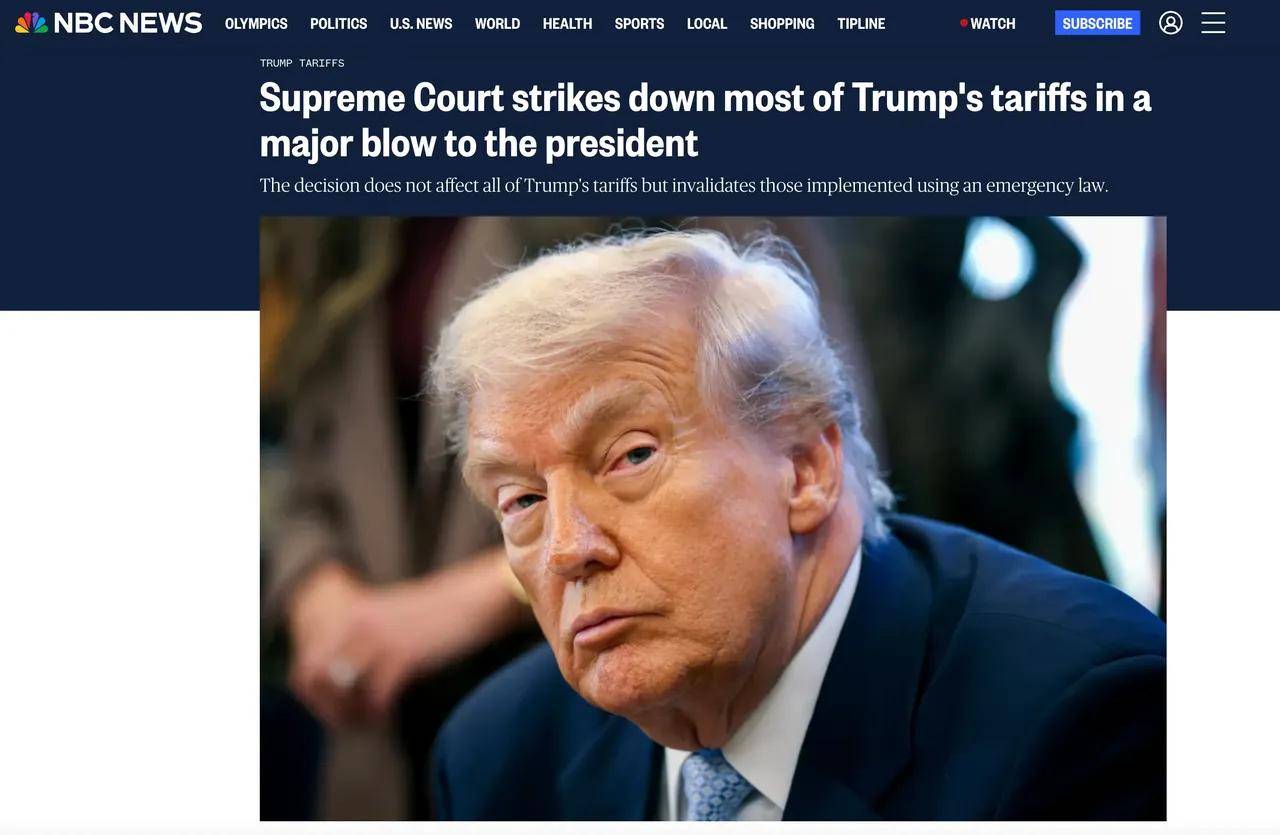
转自:央视新闻客户端 美国最高法院20日公布裁决结果,认定美国《国际紧急经济权力法》没有授权美国政府征收大规模关 税。这一裁决结果意味着特朗普政府的大规模关税政策遭受重大挫折。 对此,加拿大、墨西哥、法国、德国、欧盟等美国主要贸易伙伴,既表达了欢迎,也保持着相当的谨慎 态度;而美国总统特朗普则对结果表示愤怒,并祭出新的行政命令,对来自所有国家和地区的商品加征 10%的关税。 目前最新事态如何?美国最高法院的裁决背后,隐藏着怎样的政治考量?相关后果又将如何影响全球贸 易? 美最高法院裁定特朗普政府大规模关税违法 当地时间20日傍晚,美国总统特朗普在社交媒体发文称,他已签署行政令,对来自所有国家和地区的商 品加征10%的关税,以取代稍早前被美国最高法院认定违法的关税。根据白宫方面20日发布的公告,这 一行政令依据《1974年贸易法》第122条,为期150天,将于美国东部时间2月24日凌晨12时01分生效。 美国最高法院以6比3的投票结果作出这一裁决。不过这一裁决仅限制美国总统通过《国际紧急经济权力 法》实施关税,并未完全剥夺其征收关税的权力。特朗普此前已依据其他贸易法律对铜、钢铁、铝等产 品加征关税。 美国宾夕法 ...
哈梅内伊及其子成为美国打击目标;印度AI峰会连爆名场面:两掌门拒绝握手;Claude引爆网络安全股重挫| 一周国际财经
Mei Ri Jing Ji Xin Wen· 2026-02-21 12:48
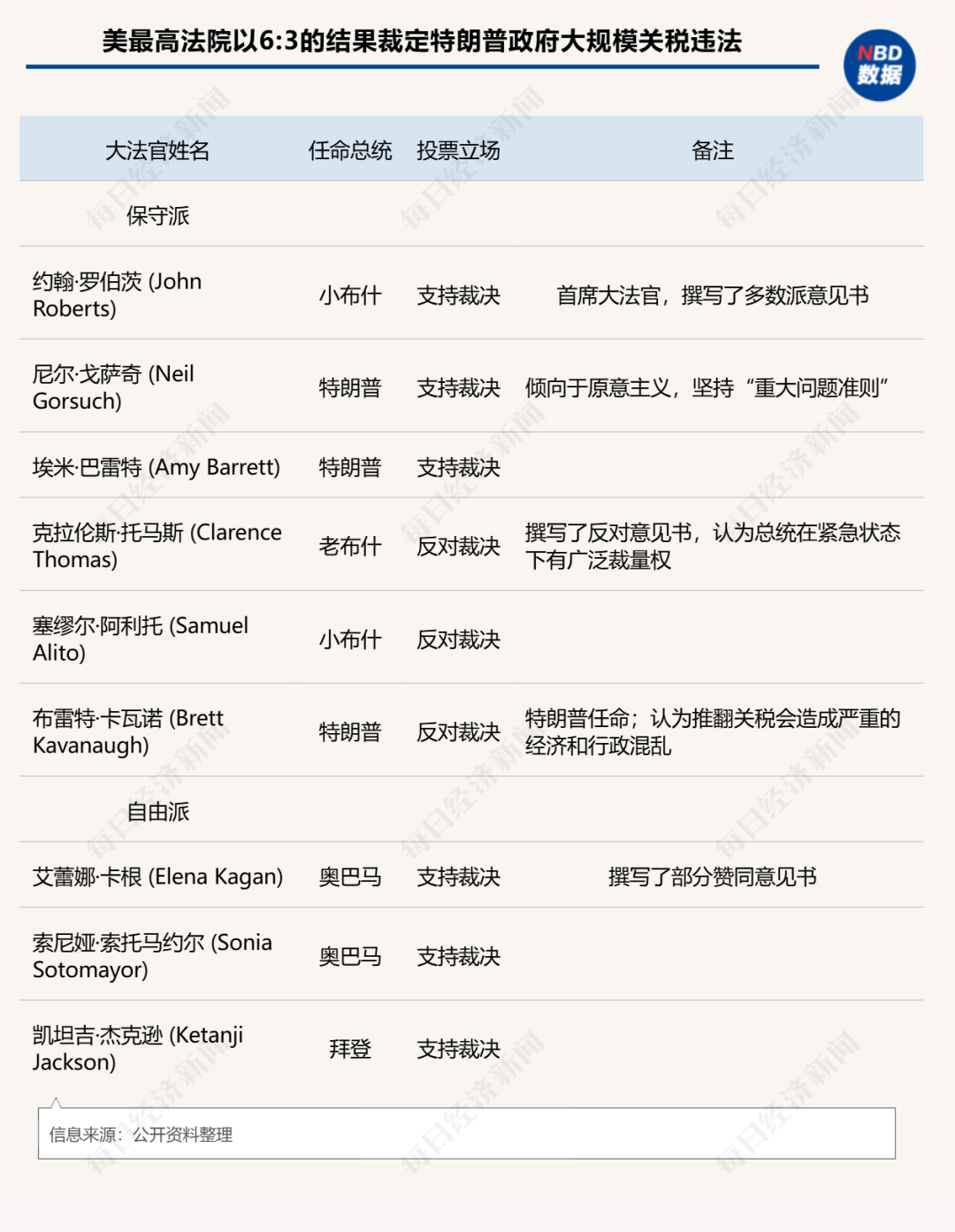
Core Viewpoint - The U.S. Supreme Court ruled 6-3 that the tariffs imposed by the Trump administration under the International Emergency Economic Powers Act (IEEPA) were illegal, resulting in a loss of over $1.4 trillion in expected federal revenue over the next decade and creating a potential tax refund issue of $175 billion [4][7][9]. Group 1: Supreme Court Ruling and Financial Implications - The Supreme Court's decision halts several tariff measures and nullifies the projected $1.4 trillion in federal revenue from these tariffs [4][7]. - The ruling exposes a significant fiscal gap, with estimates suggesting a need for the U.S. Treasury to issue more bonds to cover the shortfall, which could lead to increased U.S. Treasury yields [7][39]. - The ruling is expected to create a liquidity risk in the short term, prompting the Treasury to increase bond issuance to fill the financial void [7][39]. Group 2: Tax Refunds and Legal Challenges - The ruling raises questions about the potential for refunds on tariffs already paid, with estimates suggesting that up to $175 billion could be at stake [19][21]. - Many companies, including major retailers and manufacturers, have already initiated lawsuits to reclaim these tariffs, indicating a significant legal battle ahead [21][22]. - The refund process may involve complexities, as the Supreme Court did not provide clear guidance on how refunds should be handled, leaving it to lower courts to decide [21][25]. Group 3: New Tariff Measures and Trade Policy - In response to the ruling, the Trump administration has invoked a dormant legal provision to impose a new 10% global import tariff, effective for 150 days [26][30]. - This new tariff framework may lead to a more stringent trade policy, potentially increasing the average tariff rate above the previous levels [36][37]. - Analysts suggest that the new tariff system could create a more complex legal environment for trade, as it lacks the flexibility of the IEEPA framework [36][41]. Group 4: Industry-Specific Impacts - Retail and apparel sectors are particularly concerned about the increased costs due to tariffs on imports from countries like China and Vietnam, which could significantly affect their profit margins [22][23]. - Different industries will experience varying impacts from the tariff refunds, with those importing final goods likely to benefit more than those importing components for domestic production [24][25]. - The refund process may favor larger companies that handle their imports directly, as they are more likely to receive refunds compared to smaller firms that rely on wholesalers [24][25].
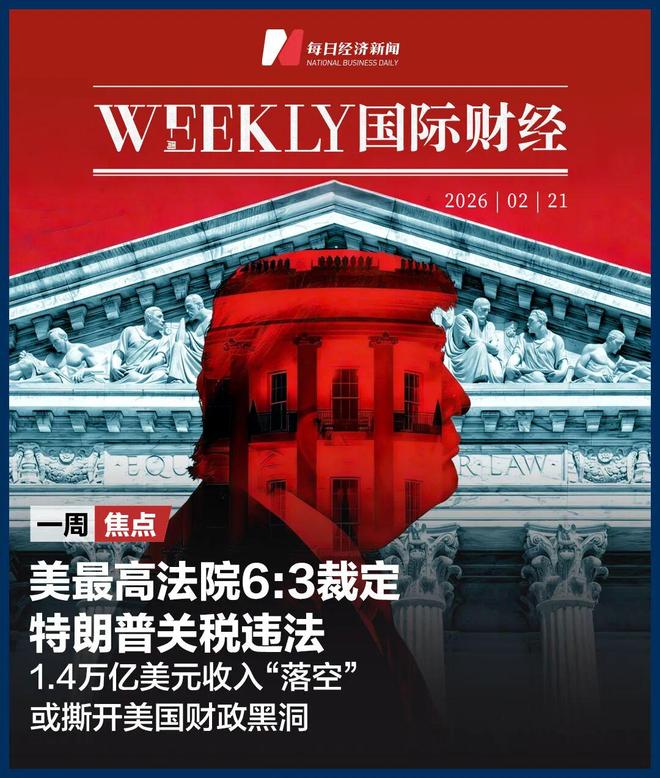
美大法官“大战”总统,6:3裁定特朗普关税违法:1.4万亿美元收入“落空”,或撕开美国财政千亿黑洞!
Mei Ri Jing Ji Xin Wen· 2026-02-21 09:09
Core Points - The U.S. Supreme Court ruled 6-3 that the tariffs imposed by the Trump administration under the International Emergency Economic Powers Act (IEEPA) were illegal, resulting in a loss of over $1.4 trillion in expected revenue over the next decade [1][2][6] - The ruling also leaves a potential $175 billion in tax refunds unresolved, creating a significant fiscal gap that may require the U.S. Treasury to issue more bonds, potentially increasing U.S. debt yields [2][41] Group 1: Legal and Fiscal Implications - The Supreme Court's decision halts multiple tariff increases, leading to a substantial loss in federal revenue projections [2][6] - The ruling has triggered concerns about short-term liquidity risks, prompting the Treasury to consider issuing more bonds to cover the fiscal shortfall [2][41] - The ruling does not affect tariffs imposed under Section 232 of the Trade Expansion Act, which are expected to generate $635 billion in revenue over the next decade [12][13] Group 2: Business and Trade Impact - The ruling opens the door for U.S. importers to seek refunds for tariffs deemed illegal, with estimates suggesting up to $175 billion in potential refunds [14][18] - Retail and apparel companies, particularly those sourcing from countries like China and Vietnam, are particularly anxious due to increased tariff costs impacting profit margins [19][21] - The legal battle over refunds may lead to prolonged litigation, with companies already filing lawsuits to reclaim tariffs [18][24] Group 3: Future Trade Policies - In response to the ruling, the Trump administration has invoked a 52-year-old legal provision to impose a temporary 10% global import tariff for 150 days [4][25][29] - Analysts suggest that the new tariff framework could potentially be more stringent than the previous one, with the possibility of rates rising to 15% [34][36] - The Supreme Court's ruling may not end the trend of trade protectionism, as the administration seeks to implement new tariffs under different legal frameworks [44]
美大法官“大战”总统,6:3裁定特朗普关税违法:1.4万亿美元收入“落空”,或撕开美国财政千亿黑洞!特朗普闪电反击
Mei Ri Jing Ji Xin Wen· 2026-02-21 09:06
Core Points - The U.S. Supreme Court ruled 6-3 that the tariffs imposed by the Trump administration under the International Emergency Economic Powers Act (IEEPA) were illegal, resulting in a loss of over $1.4 trillion in expected tariff revenue over the next decade and leaving a $175 billion refund issue unresolved [1][3][33] - In response to the ruling, the Trump administration invoked a dormant legal provision to impose a 10% global import tariff, which could potentially escalate to 15% [24][27][38] Group 1: Legal and Financial Implications - The Supreme Court's decision effectively dismantled a broad tariff system, which was expected to generate significant federal revenue, and raised concerns about a fiscal shortfall that may require the issuance of more government bonds, thereby increasing U.S. Treasury yields [1][33][35] - The ruling has created uncertainty regarding the refund of previously collected tariffs, with estimates suggesting that up to $175 billion could be refunded to importers [13][17][33] Group 2: Industry Impact - Various industries, particularly retail and manufacturing, are facing increased costs due to tariffs, with companies like Costco and Alcoa already filing lawsuits to reclaim tariffs deemed illegal [18][21][24] - The new global 10% tariff could lead to higher average tariffs than those previously in place, potentially affecting consumer prices and business operations across multiple sectors [33][34][38] Group 3: Future Trade Policy - The revival of the 1974 Trade Act's Section 122 allows for the imposition of tariffs without extensive investigation, indicating a shift towards more aggressive trade measures [24][27][38] - Analysts suggest that the new tariff regime may be more stringent than the previous one, with potential long-term implications for U.S. trade relations and economic stability [33][34]

突发,美国最高法院作出裁决:美高层对等关税和芬太尼关税违法!
Sou Hu Cai Jing· 2026-02-21 07:22
Core Viewpoint - The U.S. Supreme Court ruled that the previous administration's imposition of certain aggressive tariffs was unlawful, limiting the executive's authority to unilaterally set tariffs under the International Emergency Economic Powers Act of 1977 [1][4]. Group 1: Legal Ruling - The ruling specifically targeted two types of tariffs: differentiated "reciprocal tariffs" imposed on different regions and punitive tariffs on certain goods from neighboring and related trade partners [4]. - Although tariffs on steel and aluminum products remain effective under other laws, the Supreme Court's decision has weakened the executive's administrative freedom in trade policy [4]. Group 2: Political Implications - The legal ruling has caused significant political upheaval, especially with midterm elections approaching, signaling a potential shift in trade protectionism [7]. - The ruling may undermine the confidence of core support groups for the administration, as it represents a check on the executive's policy execution capabilities [9]. - Observers, including those from Russia, are closely monitoring the situation to assess its impact on global supply chains and multilateral trade rules [9].
美宣布对华加税160%!话音刚落,特朗普通告全球:中美关系非常好!笑着称4月访华
Sou Hu Cai Jing· 2026-02-21 06:53
Core Viewpoint - The U.S. Department of Commerce announced a comprehensive tariff of up to 160% on battery-grade graphite imported from China, significantly impacting the electric vehicle (EV) industry due to China's dominance in graphite supply [1][3]. Group 1: Tariff Details - The 160% tariff consists of a 93.5% anti-dumping duty on specific Chinese companies and a uniform rate of 102.72% for others, plus an anti-subsidy tax of 66.82% to 66.86% [3]. - The U.S. government claims that Chinese companies are benefiting from government subsidies, leading to unfair pricing that harms domestic industries [3]. Group 2: Impact on U.S. EV Industry - The U.S. produced only about 20 million kilograms of battery-grade graphite in 2023, meeting less than 30% of its domestic needs, indicating a heavy reliance on Chinese imports [5]. - The increase in graphite costs due to tariffs could raise the cost of each battery by $200 to $300, potentially increasing EV prices by $1,000 to $1,500, which could severely impact competition among U.S. automakers [7][16]. Group 3: Strategic Implications - The timing of the tariff announcement appears to be a strategic move by the U.S. to leverage negotiations with China, reminiscent of tactics used during the 2018 trade war [9][11]. - The U.S. aims to use the tariff as leverage to negotiate broader concessions from China, such as increased purchases of American goods or more access to financial markets [11][13]. Group 4: Chinese Response and Adaptation - Chinese graphite companies have proactively established production bases in countries like Mexico and Hungary, allowing them to circumvent U.S. tariffs by rebranding products as locally made [15]. - China's strategy includes enhancing domestic capabilities in key materials and expanding its market networks, reducing reliance on the U.S. market [20][25]. Group 5: Broader Economic Context - The high tariffs could hinder the U.S. green transition by increasing costs for electric vehicles and related technologies, contradicting U.S. goals for energy independence and electrification [16]. - The U.S. has a history of protectionist measures that have ultimately burdened American consumers, as seen in past tariffs on steel and solar components [16]. Group 6: Political Considerations - Trump's planned visit to China in April 2026 may be influenced by domestic political needs, as he seeks to bolster his image ahead of the midterm elections [18]. - The mixed signals from the U.S. regarding its relationship with China could undermine strategic trust, complicating future negotiations [22][23].
释新闻|美最高法院6比3裁定特朗普全球关税违法,意味着什么?
Xin Lang Cai Jing· 2026-02-21 02:49
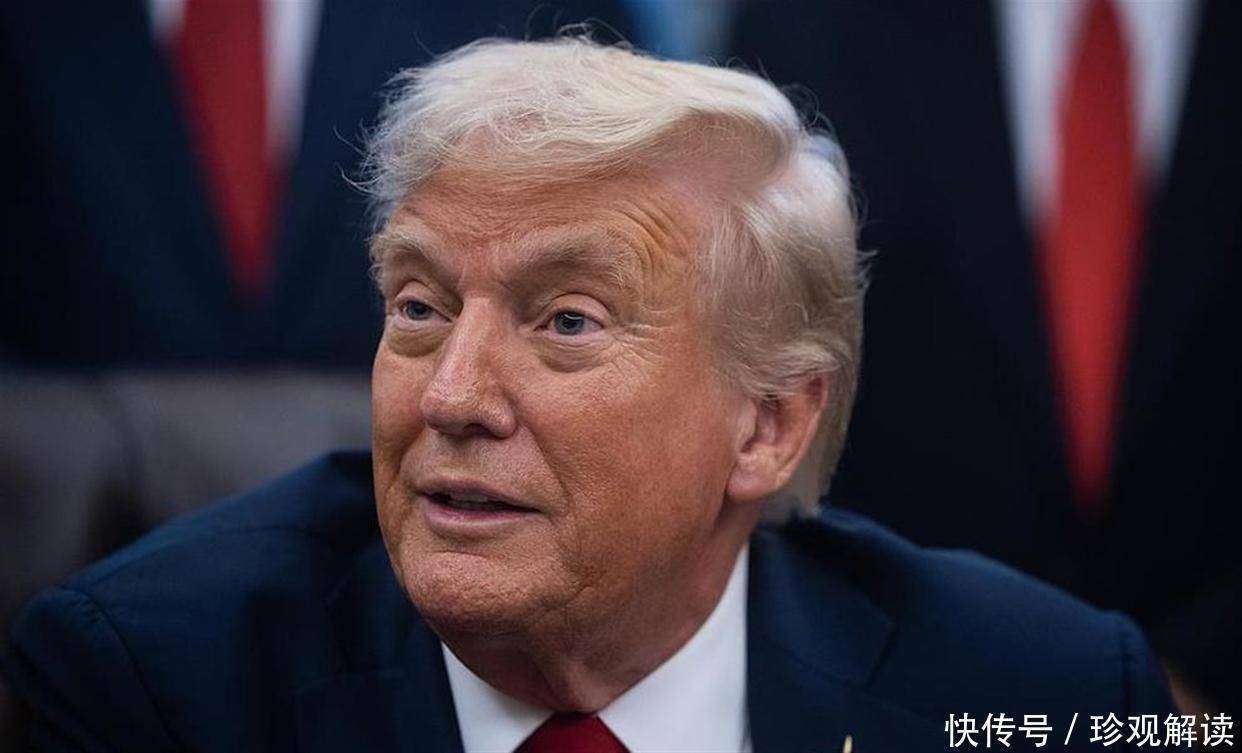
Core Viewpoint - The U.S. Supreme Court ruled against President Trump's significant tariff policy, stating that the International Emergency Economic Powers Act (IEEPA) does not authorize the president to impose large-scale tariffs, leading to the invalidation of related tariffs previously enacted by the government [1][2]. Group 1: Supreme Court Ruling - The Supreme Court made a 6-3 decision, asserting that the IEEPA does not grant the president the power to impose tariffs without congressional authorization [1][3]. - Chief Justice John Roberts emphasized that the government failed to demonstrate any legal basis for the president's unilateral tariff authority under the IEEPA [3][4]. - The ruling may lead to prolonged legal battles regarding the potential refund of billions in tariffs collected from U.S. businesses [2][7]. Group 2: Trump's Response and Future Actions - In response to the ruling, Trump announced a new executive order imposing a 10% global tariff on all countries, effective February 24, which can last for up to 150 days unless Congress approves an extension [1][10]. - Trump indicated that tariffs imposed under national security grounds and other existing tariffs would remain in effect, suggesting a continued reliance on alternative legal frameworks for tariffs [2][9]. - Legal experts noted that the ruling could lead to significant financial implications for the U.S. Treasury, as the government may need to refund previously collected tariffs [7][12]. Group 3: Implications for Trade Policy - The ruling is expected to create uncertainty in global trade, prompting reactions from international partners, including the EU and Canada, who are reassessing their trade agreements with the U.S. [11][12]. - The decision may complicate Trump's ability to use tariffs as a tool in international negotiations, as it challenges the legal basis for his previous tariff policies [10][11]. - Analysts predict that the ongoing adjustments to U.S. trade policy will create new winners and losers in the market, affecting business recruitment and investment [12].
Supreme Court warns Trump’s illegal tariffs could force $133 billion in refunds — who pays for this mess, and will the U.S. economy feel the heat now?
The Economic Times· 2026-02-20 17:58
$133 billion in tariff revenue is now in legal limbo after the ruled that President Donald Trump lacked authority to impose sweeping global tariffs under emergency powers. The Court’s majority concluded that the White House used the wrong statute — the International Emergency Economic Powers Act (IEEPA) — to levy broad import duties. In blunt language during oral arguments, justices acknowledged that refunding billions already collected could be “a mess.” For American businesses, the ruling is a massive, al ...


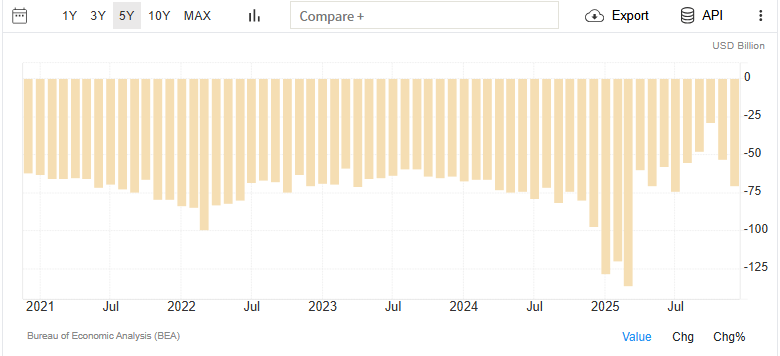
美国2025年贸易逆差录得9015亿美元,较去年仅下降20亿美元,对此你怎么看?
Sou Hu Cai Jing· 2026-02-19 16:24
Core Insights - The article discusses the complexities of the U.S. financial system, emphasizing that it operates more under the influence of Wall Street than the White House, leading to a persistent trade deficit driven by global investment in the U.S. economy [1][3] - The U.S. economy is characterized by high consumption and low savings, making it reliant on imports to meet domestic demand, which complicates efforts to reduce the trade deficit [6][7] - The article outlines the impact of tariffs introduced by the Trump administration, which, despite increasing revenue, have had limited success in significantly reducing the trade deficit [11][12] Group 1: U.S. Financial System and Trade Deficit - The U.S. financial market is primarily influenced by Wall Street, which prefers a system that allows for speculative trading rather than returning to a manufacturing-based economy [1] - The persistent trade deficit is attributed to strong foreign investment in the U.S., allowing global investors to benefit from American consumption and expansion [1][3] - The U.S. dollar's status as a global reserve currency keeps it strong, making imports cheaper and exports less competitive, thus reinforcing the trade deficit [7] Group 2: Economic Structure and Consumption Patterns - The U.S. economy has shifted towards a service-oriented structure, with manufacturing declining, leading to a reliance on imports for consumer goods [6][9] - The high consumer spending rate (over 65%) indicates a deep-rooted consumption-driven economic model that is difficult to change in the short term [6] - The manufacturing index is projected to remain below pre-2017 levels, indicating a lack of capacity to meet domestic demand through local production [6] Group 3: Tariff Policies and Their Effects - The introduction of high tariffs on key imports has not significantly reduced the trade deficit, as imports have shifted to countries with lower tariffs [11][12] - Tariffs have primarily affected high-demand goods, but the overall import levels have remained stable due to the low elasticity of demand for essential goods [11] - Despite increased tariff revenues, the trade deficit has only marginally decreased, highlighting the limitations of tariff policies in addressing structural trade imbalances [11][12] Group 4: Future Strategies for Trade Deficit Reduction - The article anticipates that the U.S. will adopt a mixed strategy of fiscal and monetary easing, tariff adjustments, and supply chain localization to address the trade deficit in the coming years [17][19] - There is an expectation of targeted interventions to manage inflation and support domestic consumption, particularly for low-income households [19] - Continued investment in key industries, such as semiconductors and rare earths, is seen as essential for reducing reliance on imports and improving the manufacturing sector [19]