坚果

Search documents
当IP成为消费驱动力,如何“装配”它?
Zhong Guo Jing Ji Wang· 2026-01-12 23:58
Core Insights - The article discusses the rapid growth of the IP (Intellectual Property) and consumer market in China, particularly in the digital entertainment sector, with projections indicating a market size of 753 billion yuan by 2025, reflecting a year-on-year growth of 62.8% [1] - The "IP + food" market is expected to reach 414.8 billion yuan by 2025, with a compound annual growth rate of 10.6% from 2025 to 2029, and an even higher growth rate of 18.5% in the Chinese market during the same period [2] - The integration of IP into consumer products is evolving from mere promotional tools to strategic brand assets that enhance emotional connections with consumers [3][8] Group 1: Market Trends - The IP-related consumer products have seen significant sales, with the "Nezha 2" movie generating hundreds of billions in sales from its merchandise [1] - A survey indicates that 49% of users consider IP to be a "plus" in their purchasing decisions, with 50.3% of respondents planning to increase their IP-related spending in 2025 [1] - The IP + food market is becoming a key driver for brands to innovate and differentiate in a highly competitive landscape [2][7] Group 2: Brand Strategies - Brands like Yili and Mengniu are leveraging popular IPs to create products that resonate emotionally with consumers, moving beyond simple collaborations to deeper brand narratives [3][5] - Yili's collaboration with "Zootopia 2" resulted in a unique jasmine tea milk tea product that aligns with family consumption scenarios, enhancing brand image and consumer engagement [4] - Mengniu's partnership with "Nezha 2" not only produced co-branded products but also integrated the film's themes into product design, significantly boosting social media engagement [6] Group 3: Consumer Engagement - The concept of "social currency" is emerging, where products are designed to be shareable and collectible, enhancing user interaction and brand loyalty [4][8] - The collaboration between brands and IPs is increasingly focused on creating emotional connections, with products designed to evoke feelings and social sharing among consumers [10][11] - The "health food play" category is gaining traction, with products designed for children that combine safety, nutrition, and emotional engagement, reflecting a shift in consumer expectations [12][14]


阿里公益携手多家品牌 共同助力磐安香榧“出山”
Huan Qiu Wang· 2025-12-30 02:12
Core Insights - Alibaba's charity initiative has facilitated a strategic partnership between Zhejiang Pan'an and several well-known domestic nut brands to enhance the market presence of Pan'an's fragrant nuts [1][2] - The collaboration aims to address the challenges of low product visibility and brand recognition, despite Pan'an's rich resources and unique varieties of fragrant nuts [1][2] Group 1: Strategic Collaboration - The partnership is not merely a supply-demand connection but involves multi-party collaboration among the government, platforms, and enterprises to enhance the entire industry chain of Pan'an fragrant nuts [2] - Initiatives include the release of a proposal for high-quality development, cooperation agreements with brands like Miguo for raw materials and processing, and the introduction of standardized products into major retail channels [2] Group 2: Sustainable Development Initiatives - Alibaba's charity has launched a "Digital Talent Cultivation Program" to provide local businesses with training in e-commerce operations and live streaming sales, aiming to support the sustainable development of the fragrant nut industry [2] - The "Thousand-Year Ancient Tree Protection Plan" has been initiated to protect Pan'an's ancient fragrant nut trees, with funding directed towards their maintenance and ecological preservation [3] Group 3: Market Transformation - The collaboration is expected to transform the traditional low-price selling model of mountainous agricultural products by integrating brand standards and user engagement capabilities, thereby converting high-quality raw materials into valuable end products [3]

2025年第49周:食品饮料行业周度市场观察
艾瑞咨询· 2025-12-13 00:07
Group 1 - The pre-prepared food market is experiencing a paradox of consumer trust issues and capital enthusiasm, driven by urbanization and the demand for convenient dining [3][4]. - The "zero additives" concept is being phased out in favor of "clean label" standards, emphasizing ingredient transparency and natural prioritization [5][6]. - The energy drink industry is undergoing rapid transformation with ingredient innovation and scene segmentation, focusing on health trends and diverse flavors [7][8]. Group 2 - The nut import market in China is projected to reach $2.386 billion in 2024, with a significant increase in demand for high-end varieties like pistachios [10]. - The beverage market is facing a downturn, with sales declining due to the rise of on-demand drink services and aggressive pricing strategies [14][15]. - The convenience food industry in China is shifting towards value creation, with a market size expected to grow from 673.6 billion yuan in 2023 to 960.3 billion yuan by 2026 [18]. Group 3 - The dairy industry is seeing a shift from ambient milk to fresh milk, with companies like Bright Dairy exploring new growth areas in the pet food market [20]. - Wangwang is facing challenges in the milk market, prompting the company to diversify into AD calcium milk to regain market share [21]. - The plant-based food sector is experiencing a downturn, with companies focusing on technological innovation and localization to meet market demands [17]. Group 4 - JD.com is enhancing its pre-prepared food strategy, aiming to strengthen its supply chain and align with the growing demand for ready-to-eat meals [31]. - China Resources Beverage is entering the ready-to-drink coffee market, competing against established brands like Nestlé and Starbucks [32]. - Wanglaoji is diversifying into the functional beverage market by acquiring distribution rights for Red Bull in southern China, aiming for significant sales growth [33].






牺牲中国利益后,墨西哥好日子到头了,遭我方反制,美国背后补刀
Sou Hu Cai Jing· 2025-09-27 06:50
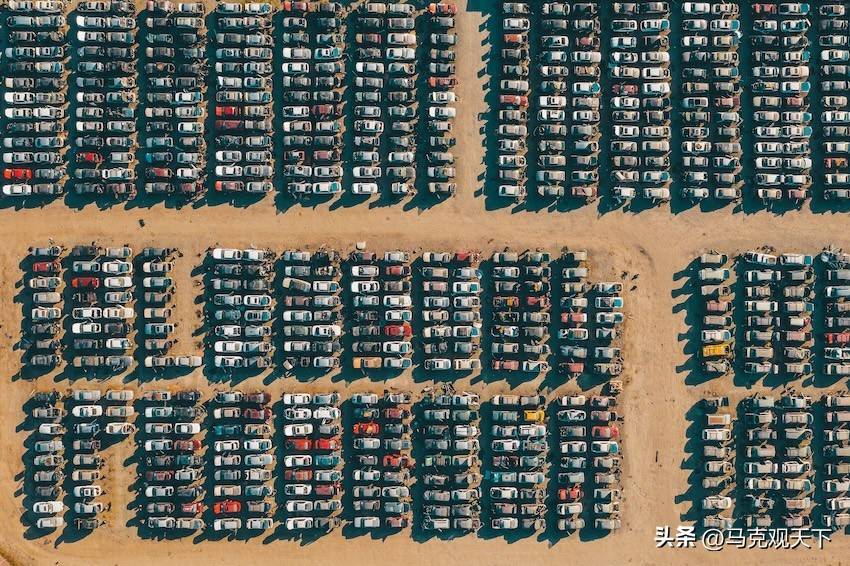
Group 1 - Mexico's President announced a significant trade policy adjustment, raising import tariffs on automobiles and certain industrial products to 50%, which observers link to U.S. trade pressures [1] - China's Ministry of Commerce responded with anti-dumping investigations on pecans from Mexico and the U.S., potentially impacting exports significantly if dumping is confirmed [2] - China is also conducting a comprehensive review of Mexico's recent trade protection measures, which could lead to retaliatory tariffs and affect investor confidence in Mexico [2] Group 2 - Analysts note that Mexico's economic growth has been driven by its geographical advantage and low labor costs, but current government policies may undermine these benefits by sacrificing relationships with other trade partners [3] - The Mexican government is facing consequences for its policy choices, including a decline in its business environment rating and warnings from economists about the risks of unilateral protectionism [4] - Amidst these trade policy challenges, the U.S. has intensified immigration controls, highlighting Mexico's precarious position as a subordinate ally in U.S. strategic interests [6]
中方说到做到,敢损害中国利益,就得付出代价,中国商务部对墨西哥启动调查
Sou Hu Cai Jing· 2025-09-26 11:42
Core Viewpoint - The recent trade investigations initiated by China against Mexico highlight the ongoing international trade tensions and the complexities of trade relationships in the context of U.S. influence [1][3]. Group 1: Trade Investigations - China has officially launched two investigations against Mexico regarding restrictive trade measures and anti-dumping investigations related to pecan products from Mexico and the U.S. [1][3]. - These actions are seen as a necessary response to protect national interests and signal China's firm stance against trade protectionism [3][4]. Group 2: Impact on Trade Relations - Mexico's President, AMLO, has proposed raising tariffs on Chinese automobiles to 50%, which could severely impact the competitiveness of Chinese cars in the Mexican market [3][4]. - Experts express concerns that such policies could damage the long-term economic relationship between China and Mexico, affecting both countries' industrial chains [3][4]. Group 3: U.S. Influence - The increase in tariffs appears to be influenced by U.S. pressure on Mexico to reduce reliance on Chinese manufacturing [1][4]. - Analysts suggest that while Mexico seeks to appease the U.S., it may inadvertently jeopardize its own economic interests and cooperation with China [6][4]. Group 4: Future Trade Dynamics - The future of trade relations between China and Mexico remains uncertain, with calls for adherence to multilateral trade principles to ensure sustainable development [8]. - China is encouraged to defend its national interests while also adopting a constructive diplomatic approach to strengthen mutually beneficial cooperation with other countries [8].

河北迁西举行迁西板栗精品示范园认购权竞拍活动
Zhong Guo Jing Ji Wang· 2025-05-29 09:24
Group 1 - The event held in Mianxi County showcased the development and potential of the chestnut industry, featuring activities such as a rights auction and tree adoption [1] - Over 150 participants from various research institutions and leading enterprises in the nut industry attended the event, indicating strong interest and investment in the chestnut sector [1] Group 2 - Mianxi County is recognized as "China's Chestnut Capital" with a cultivation area of 750,000 acres and an annual production of 80,000 tons, highlighting its significance in the national chestnut industry [2] - The "Mianxi Chestnut" trademark is the only geographical indication trademark in China's chestnut industry, with an industry output value exceeding 2.5 billion [2] - The county has developed over 430 chestnut cooperatives and 35 enterprises, including several key agricultural enterprises, establishing itself as a center for production, processing, and research in the chestnut industry [2] - Mianxi County aims to modernize its traditional chestnut industry by integrating cultural and technological advancements, expanding into related sectors such as medicinal herb cultivation and rural tourism [2]
存量博弈下突围,百草味以创新抢占坚果行业新赛道
Sou Hu Wang· 2025-05-19 02:39
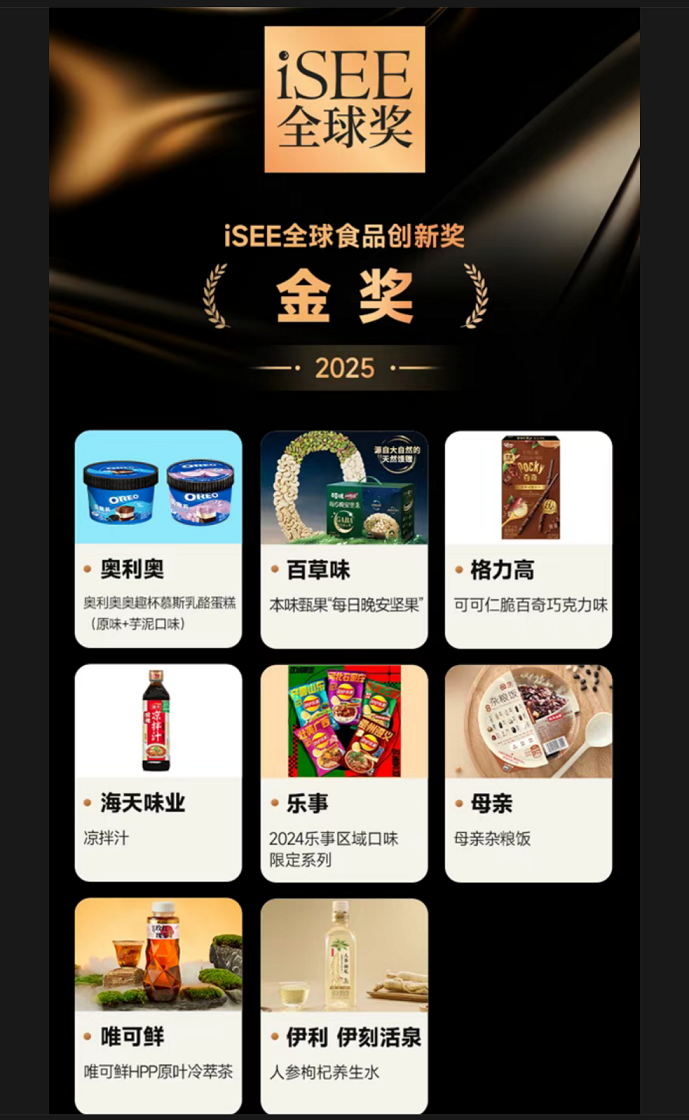
Core Insights - The nut industry is undergoing significant transformation driven by consumer upgrade and health awareness, with global market growth stabilizing at 6%-8% and China's market experiencing a slowdown in double-digit growth, indicating a shift to a stock competition phase [1] - Baicaowei has established a differentiated competitive advantage by focusing on niche markets and launching the "Benwei Zhen Guo" low GI nut series, which emphasizes natural ingredients and health benefits [1] - The "Benwei Zhen Guo" series has quickly gained popularity among health-conscious consumers, reflecting a successful market response [1] Industry Trends - The nut market is entering a phase of stock competition, with brands seeking breakthroughs in segmented markets [1] - Health-conscious products are increasingly in demand, prompting Baicaowei to innovate with products like the "Benwei Zhen Guo" series that adhere to a zero-additive principle [1][4] - The rise of young consumers is pushing for higher standards in nut products, focusing on health, taste, and fun [5] Product Innovations - The "Benwei Zhen Guo" series utilizes original roasting techniques to maintain freshness and nutritional value while ensuring a low GI index [1] - The "Benwei Zhen Guo Daily Night Nuts" product enhances GABA content through scientific sprouting technology, catering to urban consumers' needs for stress relief [4] - The "Daily Nuts 5 Black" product creatively combines various high-quality nuts and black ingredients, appealing to younger consumers with its unique texture and flavor [5] Awards and Recognition - The "Benwei Zhen Guo" series received prestigious awards at the iSEE Global Food Innovation Awards, highlighting Baicaowei's leadership in health food innovation [2]