多边贸易原则

Search documents
中美局势要变天?莫迪通知全球,对美打响第一枪,30多国齐上阵
Sou Hu Cai Jing· 2026-02-26 05:25
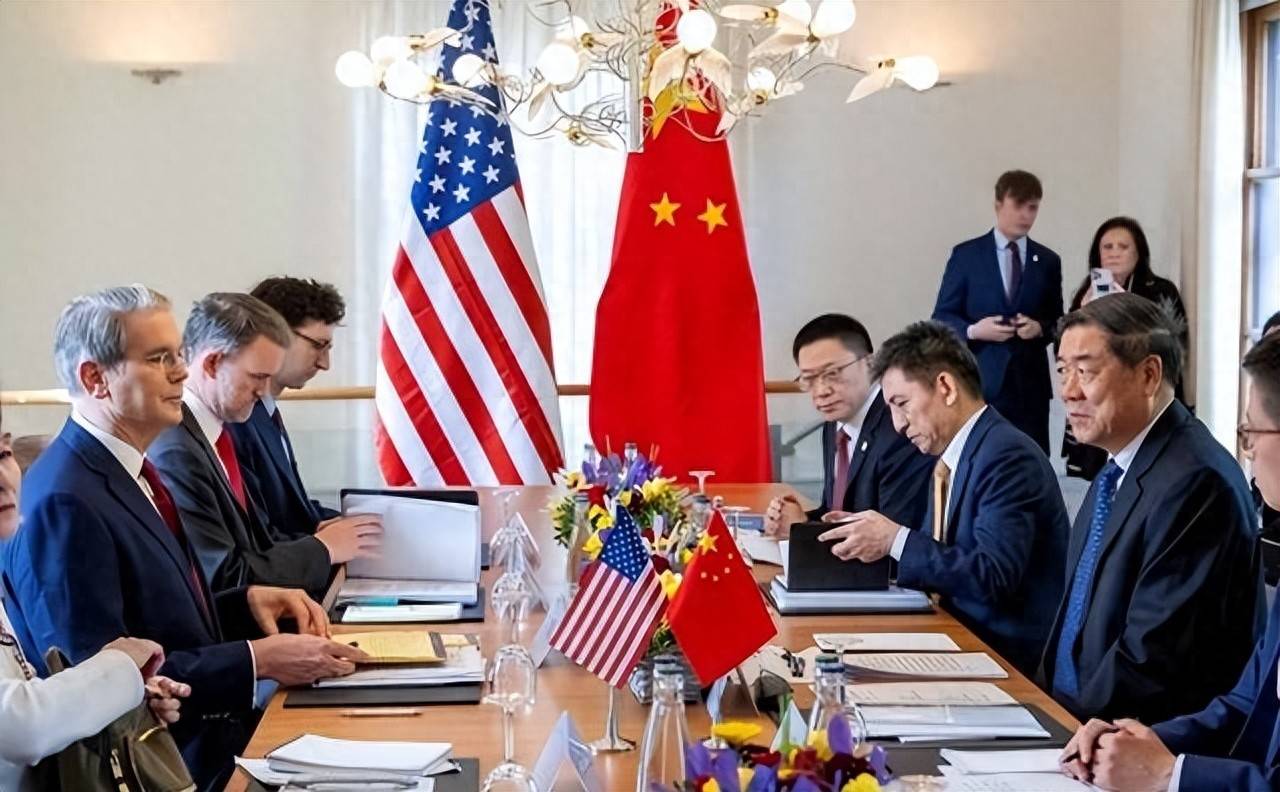
Core Viewpoint - The U.S. tariff policy has reached an unprecedented level of deadlock, with the Supreme Court ruling against the legality of tariffs imposed under the International Emergency Economic Powers Act (IEEPA) and additional tariffs related to fentanyl, marking a significant blow to Trump's tariff strategy [1] Group 1: Legal and Political Developments - The Supreme Court's ruling is seen as a critical intervention that undermines the legal basis of Trump's tariff policies, potentially affecting their implementation and legitimacy [1][5] - Following the ruling, Trump quickly signed a new executive order to impose a 10% additional tax on all imports, which was rapidly increased to 15%, indicating a strategic anxiety within the administration [3][5] Group 2: International Reactions - The ruling has triggered a strong response from various countries, with India clarifying its stance on oil purchases from Russia and halting a planned high-level trade delegation to the U.S., reflecting a shift in diplomatic relations [7][10] - Over thirty countries, including the EU, Brazil, Canada, and Australia, have expressed serious concerns about the U.S. tariff actions, indicating a collective unease without forming a formal coalition [11] Group 3: Implications for Trade Relations - The legal uncertainty surrounding U.S. tariffs has led to a deterioration of trust among traditional allies, with countries now more cautious in their trade dealings with the U.S. [11][15] - The situation has created a landscape where the U.S. is perceived as a source of global policy uncertainty, prompting other nations to seek more stable and predictable trade partners [15]

特朗普得瑟不下去了?罕见点名中方,我国商务部通告美国
Sou Hu Cai Jing· 2026-02-25 03:26
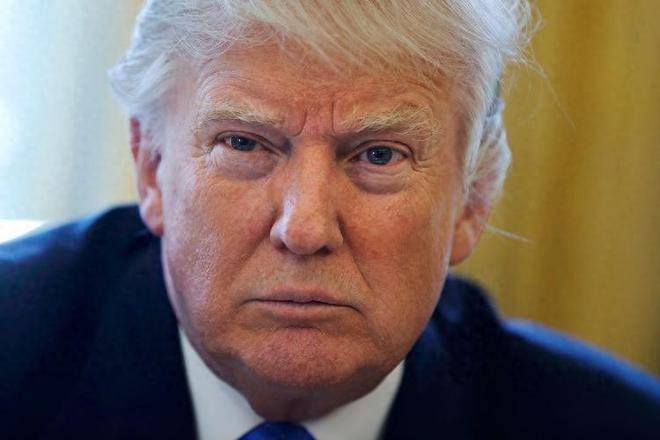
Core Viewpoint - The U.S. Supreme Court ruled that the Trump administration's tariffs imposed under the International Emergency Economic Powers Act (IEEPA) were illegal, highlighting a significant conflict between the executive and judicial branches regarding presidential powers in trade policy [1][3][5]. Group 1: Legal and Political Implications - The Supreme Court's 6-3 decision overturned tariffs imposed by the Trump administration, indicating that the president exceeded his authority under IEEPA [5]. - The ruling reflects a broader struggle over the limits of presidential power during a declared "emergency," raising questions about the extent to which the executive can bypass Congress [3][5]. - Following the ruling, Trump quickly announced a new plan to impose a 10% global import tariff, utilizing powers granted under the Trade Act of 1974, indicating a shift in strategy [10]. Group 2: Trade Relations and Agreements - Despite the Supreme Court ruling, U.S. Trade Representative Robert Lighthizer affirmed that existing trade agreements with countries like China, the EU, Japan, and South Korea would remain in effect [12][14]. - The U.S. is under pressure to maintain tariffs on China while attempting to impose new global tariffs, balancing domestic political pressures with international trade negotiations [14]. - China's response emphasized the protectionist nature of unilateral tariffs and indicated that it would closely monitor U.S. actions, suggesting a potential escalation in trade tensions [16][18]. Group 3: Future Trade Dynamics - The ongoing legal and political battles signal a shift towards stricter constraints on unilateral trade actions, with the potential for increased institutional checks on presidential power [20]. - The uncertainty surrounding global trade policies is expected to persist, but there are indications that institutional frameworks may gain more influence over unilateral actions in the future [20].
中国拯救世界!美媒感慨:要不是中国反抗特朗普,全球已经大萧条
Sou Hu Cai Jing· 2026-01-23 09:00
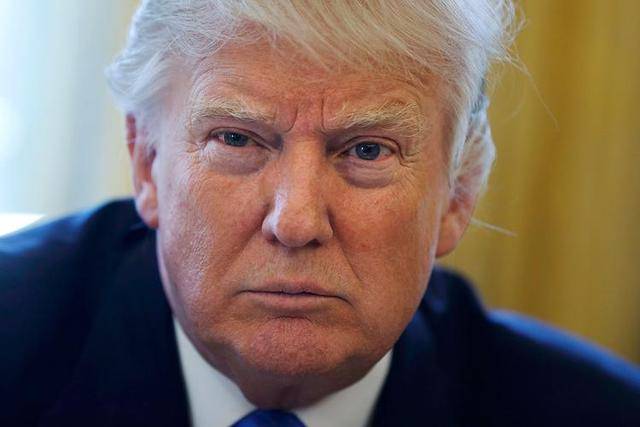
Core Viewpoint - The article discusses the resurgence of trade protectionism under Trump's administration, highlighting the impact of tariffs on global trade dynamics and China's strategic response to these measures [2][4][6]. Group 1: Tariff Implementation and Impact - Trump signed an executive order on April 2, 2025, imposing a baseline tariff rate of 10% on global trade partners, with an additional 34% on Chinese goods, resulting in a total tariff rate of 54% on China [2]. - Other countries faced significant tariffs as well, with Vietnam at 46%, Thailand at 37%, Indonesia at 32%, and Malaysia at 24%, disrupting global supply chains [2]. - The U.S. aimed to protect domestic manufacturing and jobs, but the tariffs led to chaos in global supply chains [2]. Group 2: China's Response and Trade Strategy - China retaliated on April 4, 2025, by imposing a 34% tariff on U.S. imports and enhancing export controls on critical materials like rare earths, which are essential for high-tech and defense industries [2]. - Despite a decline in exports to the U.S., China's overall exports grew robustly, achieving a trade surplus of $1.19 trillion in 2025, thanks to diversified trade relationships and a complete industrial system [2][8]. - China has shifted its focus to ASEAN, Europe, and Africa, reducing reliance on the U.S. market while maintaining a significant share of global manufacturing at nearly 30% [8][10]. Group 3: Global Trade Dynamics and Reactions - The global trade system has been fragmented, with the WTO rules becoming marginalized and supply chain stability being used as a negotiation tool [4]. - Countries like the EU, Japan, and South Korea, which are heavily reliant on the U.S. market, have limited options and have made small concessions [4]. - The article warns that if China were to concede to U.S. demands, it could lead to a broader trend of protectionism and market fragmentation reminiscent of the 1930s Great Depression [8][10]. Group 4: Economic Projections and Future Outlook - By October 26, 2025, a framework agreement was reached between the U.S. and China to avoid further tariff escalations, with the U.S. reducing some tariffs and China pausing retaliatory measures [10]. - China's economic growth rate is projected to reach 5% in 2025, with a record trade surplus, while the global economy is expected to grow by 3.3% in 2026, with China at 4.5% and the U.S. at 2.4% [10]. - The article concludes that the trade war has reshaped global dynamics, with China's resilience providing stability and demonstrating that challenges to hegemony are possible [10].
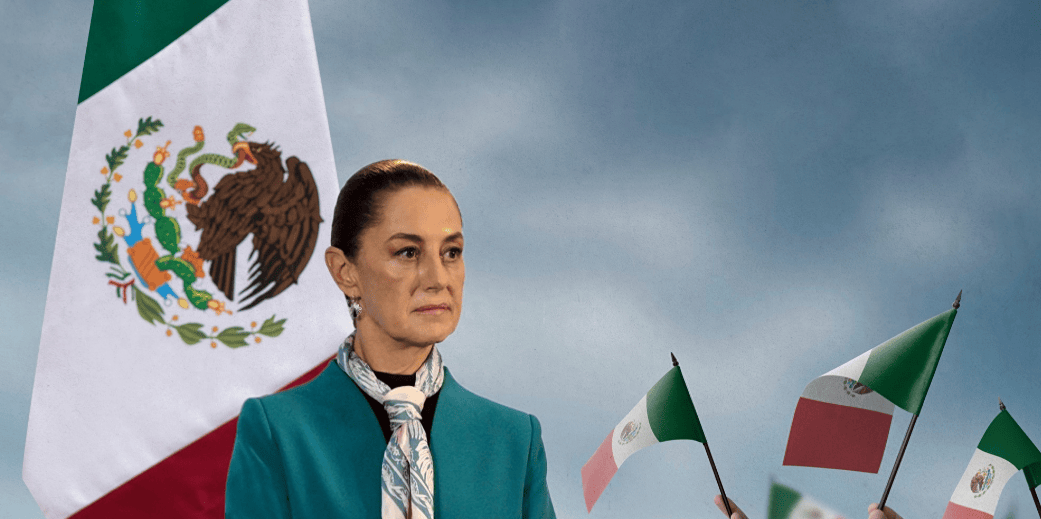
中方说到做到,敢损害中国利益,就得付出代价,中国商务部对墨西哥启动调查
Sou Hu Cai Jing· 2025-09-26 11:42
Core Viewpoint - The recent trade investigations initiated by China against Mexico highlight the ongoing international trade tensions and the complexities of trade relationships in the context of U.S. influence [1][3]. Group 1: Trade Investigations - China has officially launched two investigations against Mexico regarding restrictive trade measures and anti-dumping investigations related to pecan products from Mexico and the U.S. [1][3]. - These actions are seen as a necessary response to protect national interests and signal China's firm stance against trade protectionism [3][4]. Group 2: Impact on Trade Relations - Mexico's President, AMLO, has proposed raising tariffs on Chinese automobiles to 50%, which could severely impact the competitiveness of Chinese cars in the Mexican market [3][4]. - Experts express concerns that such policies could damage the long-term economic relationship between China and Mexico, affecting both countries' industrial chains [3][4]. Group 3: U.S. Influence - The increase in tariffs appears to be influenced by U.S. pressure on Mexico to reduce reliance on Chinese manufacturing [1][4]. - Analysts suggest that while Mexico seeks to appease the U.S., it may inadvertently jeopardize its own economic interests and cooperation with China [6][4]. Group 4: Future Trade Dynamics - The future of trade relations between China and Mexico remains uncertain, with calls for adherence to multilateral trade principles to ensure sustainable development [8]. - China is encouraged to defend its national interests while also adopting a constructive diplomatic approach to strengthen mutually beneficial cooperation with other countries [8].