L4级自动驾驶

Search documents
均胜电子布局L4智驾商业应用 “订单兑现+技术卡位”锁定先发优势
Mei Ri Jing Ji Xin Wen· 2025-12-23 08:28
Core Insights - Junsheng Electronics has made significant progress in the smart driving sector by signing a strategic cooperation agreement with Sinian Intelligent Driving, focusing on L4 autonomous driving solutions and their commercial applications [1] - The market is highly attentive to the smart driving sector following the announcement of the first batch of L3 autonomous driving vehicle licenses in China, leading to a surge in Junsheng's stock prices [1][2] - The company has established a strong technological foundation and secured substantial orders, showcasing a clear path to revenue realization [2][3] Technological and Capital Drivers - Junsheng Electronics has developed a leading "multi-chip platform" full-stack solution, providing smart driving products from L2 to L4 levels, which has attracted various domestic and international automakers [3] - The company has launched the nDrive series of intelligent driving domain controllers based on different chip platforms, including Qualcomm and Nvidia, to meet diverse market needs [3][4] - Strategic investments and collaborations with domestic chip manufacturers have ensured supply chain security and catered to specific market demands [4] Order Growth and Financial Performance - Junsheng Electronics is entering a significant order fulfillment period, with a total order value of 150 billion yuan from a leading automaker expected to start mass production by 2027 [7] - The company has secured additional orders worth 50 billion yuan and expanded its collaboration with leading smart driving algorithm companies [7][8] - The company's new orders have led to a 35.40% year-on-year increase in net profit for the third quarter, indicating a positive impact on overall profitability [8] Globalization and Long-term Development - Junsheng Electronics has built a robust global operational capability and localized manufacturing system, positioning itself as a key player in the global automotive supply chain [10][11] - The company supports Chinese automakers in entering international markets by providing comprehensive services, including local R&D and production [10] - Junsheng Electronics also acts as an enabler for traditional automakers' smart transformation, integrating advanced products into global vehicle platforms [11][12] Market Outlook - The smart driving business of Junsheng Electronics is expected to be a core engine for the company's valuation growth as L3/L4 autonomous driving commercialization accelerates [9] - The company's extensive global manufacturing network is crucial for converting large orders into high-quality delivery outcomes, providing a competitive edge in the current uncertain supply chain environment [12]

智能驾驶行业专题:Robo-X的产业趋势、市场空间和产业链拆解
2025-12-22 15:47
Summary of Robo-X Industry Trends and Market Analysis Industry Overview - The L4 autonomous driving market has significant potential, with a projected global market size reaching trillions by 2030. The domestic market for Robot Taxi and Robot Van is estimated at 236 billion yuan and 164.5 billion yuan, respectively. Other segments like unmanned trucks, buses, and sanitation vehicles also show promise [1][2] Core Insights and Arguments - Government policies worldwide are easing restrictions on autonomous driving and establishing regulatory frameworks, which is accelerating the development of smart driving technologies. Cities like Beijing, Shanghai, Guangzhou, and Shenzhen have initiated ROS services, with Wuhan and Chongqing also opening related services [1][6] - Reinforcement learning and world models are foundational technologies for L4 autonomous driving, addressing issues of data scarcity and module dependency in traditional imitation learning, thereby enhancing the system's generalization and decision-making capabilities [1][8] - The operational cost advantage of Robotaxi is notable, with costs as low as 0.81 yuan per kilometer without a safety driver, which is lower than traditional fuel and electric ride-hailing services. Profitability is expected when the fleet size reaches 1,000 vehicles [1][14] Market Segmentation and Key Players - In the RoboTaxi sector, key players include WeRide, Pony.ai, and Loong Air. The RoboVan segment features companies like 90 Smart, New Stone Age, and others, focusing on last-mile delivery efficiency [3][4] - The Robotruck market is projected to reach 90 billion yuan by 2030, with significant collaboration between manufacturers, autonomous driving companies, and logistics firms [3][22] - The RoboBus segment is being developed by companies like WeRide and Qizhou Zhihang, with potential market sizes of 15-35 billion yuan based on current bus sales [23] - The Robot Sweeper market, addressing labor shortages, is also expanding, with a potential market size of 11.3-22.5 billion yuan [24] Investment Opportunities - Recommended companies in vehicle sales and operations include Pony.ai, WeRide, and XPeng Motors. In the components sector, companies like Sutong Juchuang and Hesai Technology are highlighted, along with data processing firms such as Coboda and Horizon Robotics [5][25] Policy Support and Technological Advancements - Global regions, including the Middle East and Southeast Asia, are progressively relaxing regulations on autonomous driving, which is crucial for industry growth. The development of L4 technology is supported by advancements in reinforcement learning and world models, leading to reduced component costs [2][10] Economic Viability and Future Projections - The Robotaxi market is expected to grow significantly, with a projected fleet size of 7,000 vehicles by 2025, capturing a 0.6% market share in shared mobility. The potential for Robotaxi to enhance urban traffic efficiency and provide a safer driving experience is substantial [11][12] - The cost structure of Robotaxi shows that while manufacturing costs are about three times that of traditional ride-hailing vehicles, the operational costs are significantly lower, leading to a favorable economic outlook [13] Conclusion - The autonomous driving industry is on the cusp of commercialization, driven by supportive policies, technological advancements, and cost reductions. The market for various segments, including Robotaxi, RoboVan, Robotruck, and others, presents numerous investment opportunities as companies continue to innovate and expand their services [10][20]
26年大概率是L4开花的一年,我们盘点了相关公司的融资情况......
自动驾驶之心· 2025-12-21 11:54
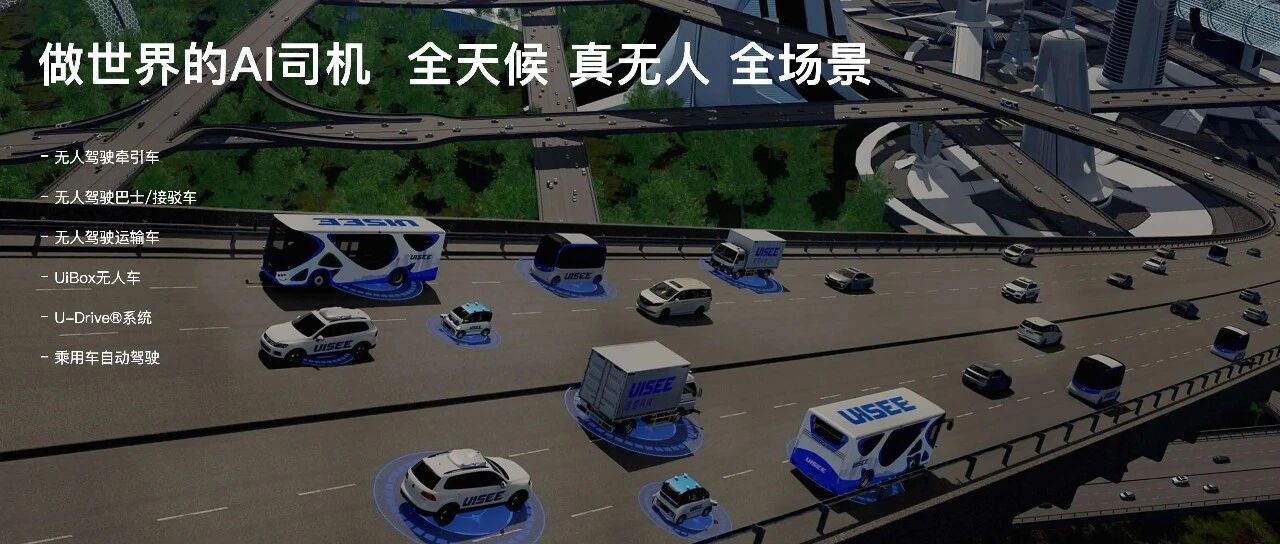
点击下方 卡片 ,关注" 自动驾驶之心 "公众号 戳我-> 领取 自动驾驶近30个 方向 学习 路线 >>自动驾驶前沿信息获取 → 自动驾驶之心知识星球 今年整个自动驾驶行业融资已经超过300亿!其中L4相关公司的融资比较密集,柱哥周末盘了下部分公司的融资情况,分享给大家。据我 们了解,这其中很多公司也在抓紧落地端到端、VLA等核心技术, 明年将会是L4大爆发的一年。 新石器 新石器今年完成了C+轮和D轮两起融资,2025年2下旬的10亿C+轮融资,和10月23日的D轮超6亿美元融资。D轮融资由阿联酋磊石资本领 投,高成投资、信宸资本、鼎晖VGC等机构联合领投。 以金额计,该融资是迄今为止中国自动驾驶领域最大的一笔私募融资。 公司简介: 成立时间:2018 年 2 月,创始人余恩源 定位:全球领先的 L4 级无人城配 (RoboVan) 解决方案提供商,专注城市物流 "最后一公里" 技术:全栈自研 L4 级无图自动驾驶技术,已交付超 1 万台无人车,累计行驶里程超 5000 万公里 核心产品:RoboVan 系列无人配送车,覆盖快递、即时物流、零售等多场景 里程碑:2025 年累计融资超 62 亿元,产品已拓 ...

无人车公司白犀牛再融资,全年总额已超1亿美元
3 6 Ke· 2025-12-19 03:07
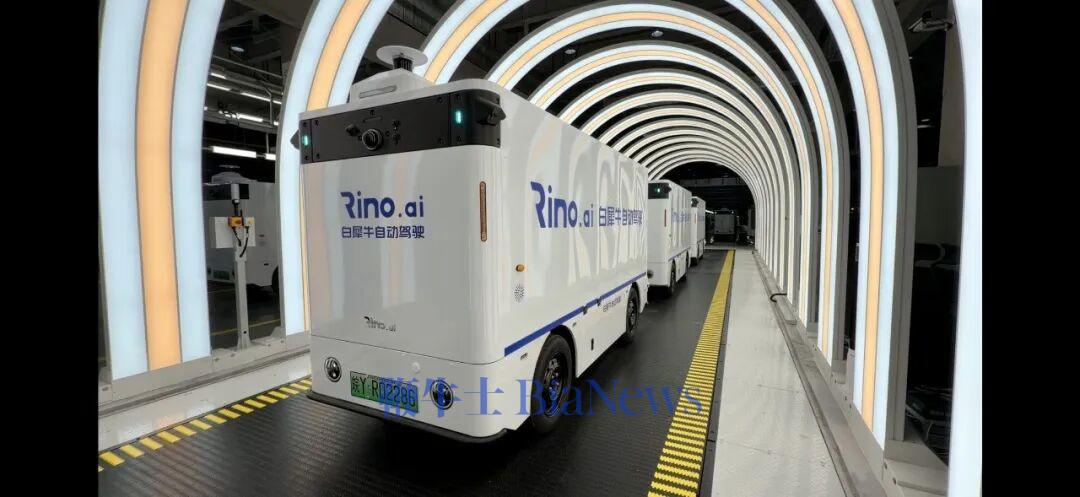
Group 1 - White Rhino, an L4 autonomous driving company, recently completed a new round of financing with investors including Jiukun Venture Capital and Qifu Capital, aimed at accelerating the mass production and market promotion of its autonomous vehicle platform [1][3] - The company was founded in April 2019 by former Baidu autonomous driving team members and focuses on developing full-stack autonomous delivery solutions [2] - By 2025, White Rhino has completed three rounds of financing, raising over $100 million, with significant business growth reflected in the increase of active autonomous vehicles from approximately 100 in December 2023 to over 2000 by the end of the year [3][8] Group 2 - The logistics sector targeted by White Rhino is at a critical point for large-scale implementation, with over 103 cities in China opening up road rights for autonomous delivery vehicles [4][8] - White Rhino's main product, the R5 series autonomous vehicle, has a cargo volume of 5.5m³ and can carry over 500 packages, serving major logistics companies and covering more than 170 cities [7] - The global market for autonomous logistics vehicles is projected to reach 3.6 trillion yuan by 2030, with China accounting for about 40% of this market [8] Group 3 - The industry is moving towards vehicle-grade standards, driven by customer demands for lower lifecycle costs and higher safety [9] - Challenges include the legal status of autonomous delivery vehicles and the need for stringent engineering standards to ensure reliability under extreme conditions [10] - White Rhino is developing a vehicle-grade autonomous vehicle platform that is expected to be the first in China capable of mass production and delivery of true vehicle-grade L4 autonomous logistics vehicles [10][13]
港股异动 | 佑驾创新(02431)早盘涨超13% L3大规模落地将至 公司已前瞻布局L2+L4
智通财经网· 2025-12-19 02:28
Core Viewpoint - The autonomous driving industry is experiencing a historic breakthrough, with China poised to become the first country to initiate large-scale trials of Level 3 (L3) autonomous vehicles [1] Group 1: Company Performance - Youjia Innovation (佑驾创新) saw its stock price increase by over 13%, reaching HKD 12.74, with a trading volume of HKD 1.28 billion [1] - The company holds over one-third of the market share in the commercial vehicle Advanced Driver Assistance Systems (ADAS) sector and has successfully expanded into passenger vehicles and joint venture brands [1] Group 2: Technological Advancements - Unlike the linear development model of progressing from Level 2 (L2) to Level 3 (L3) and then to Level 4 (L4), Youjia Innovation has achieved commercial deployment of L4-level unmanned minibuses and unmanned logistics scenarios [1] - The company is utilizing a collaborative paradigm of "L4 technology sinking and L2 data rising" to establish a solid foundation for the comprehensive rollout of L3 technology [1] Group 3: Future Plans - Dongwu Securities reported that Youjia Innovation's iPilot series (L2+ and above) products are entering a harvest phase, while its L4 autonomous driving business (iRobo) has achieved commercial breakthroughs [1] - The company plans to launch a dedicated brand for unmanned logistics, "Xiaozhu Unmanned Vehicle," in September 2025, with a target of delivering 10,000 units by 2026 [1]
港股IPO观察 | 现金流仅剩3000万的主线科技该何去何从?
Sou Hu Cai Jing· 2025-12-18 09:08
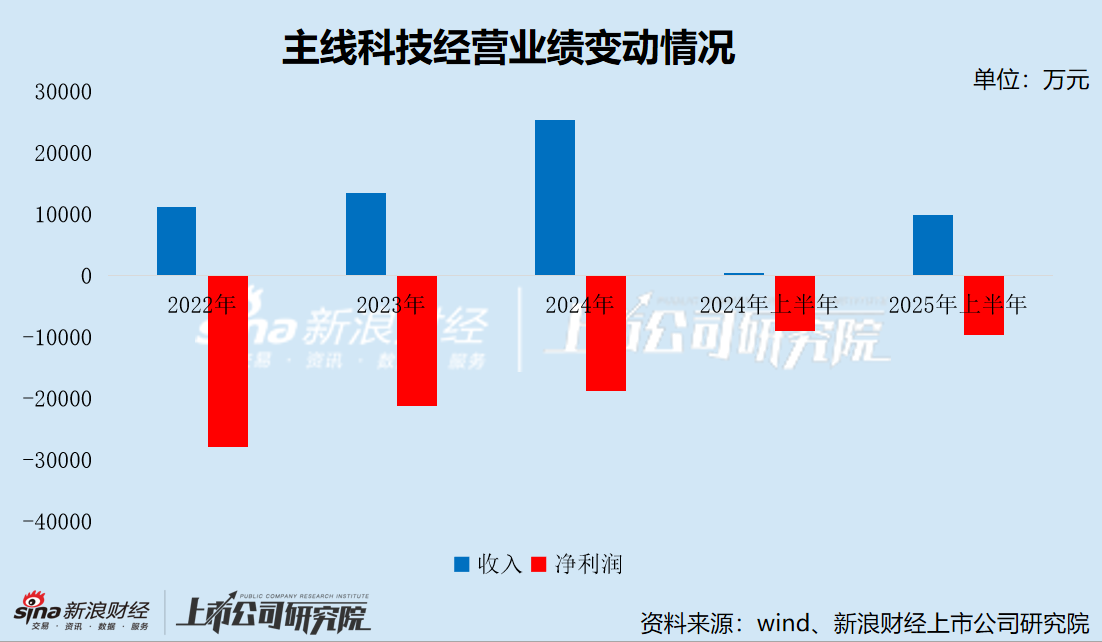
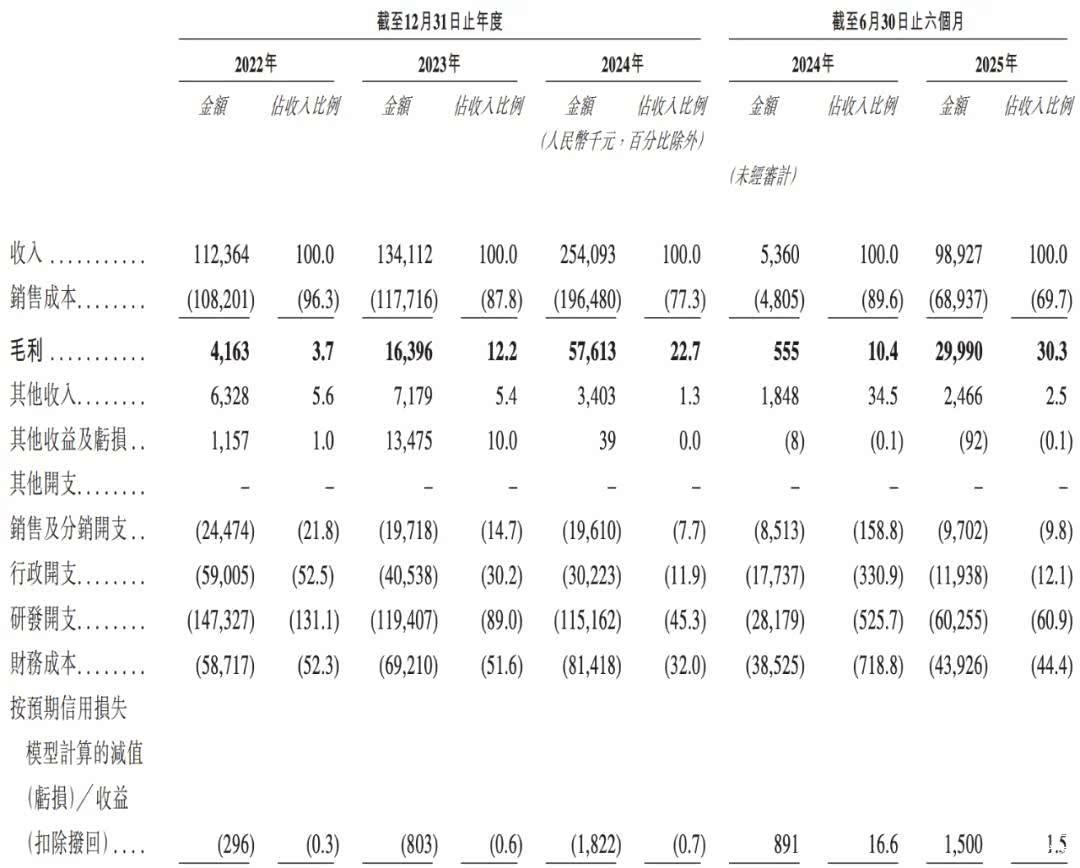
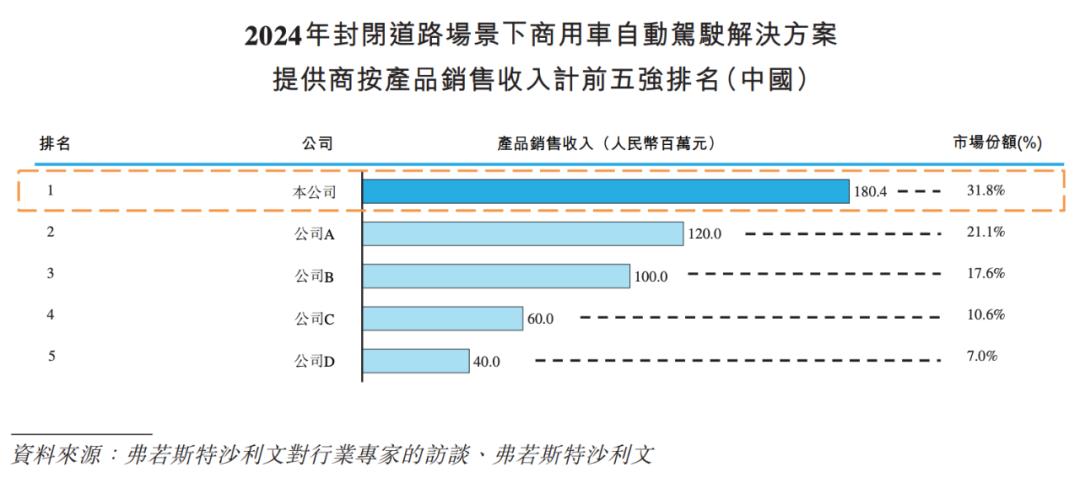
Core Viewpoint - ZhiXian Technology (Beijing) Co., Ltd. has submitted its listing application to the Hong Kong Stock Exchange, aiming to leverage its leading position in the L4 autonomous truck market in China, despite ongoing financial losses and high debt levels [1][3]. Financial Performance - Revenue growth from 112.36 million RMB in 2022 to 254.09 million RMB in 2024, with a compound annual growth rate (CAGR) of 50.4% [1][2]. - Gross margin improved from 3.7% in 2022 to 30.3% in the first half of 2025 [1][2]. - Net losses totaled approximately 800 million RMB from 2022 to the first half of 2025, with adjusted cumulative net losses exceeding 500 million RMB [1][2]. Market Position - ZhiXian Technology holds a 31.8% market share in the L4 autonomous truck segment for closed-road scenarios, leading a market valued at approximately 1.3 billion RMB in 2024 [1][3]. - The company’s revenue is highly concentrated, with 83.5% of income in the first half of 2025 coming from the "Trunk Pilot" logistics business [4]. Debt and Cash Flow - The company has been in a net debt position for several years, with total net debt rising from 598 million RMB at the end of 2022 to 1.078 billion RMB in the first half of 2025 [3]. - Cash and cash equivalents decreased significantly from 120 million RMB at the end of 2022 to 30.7 million RMB by June 30, 2025, indicating severe cash flow issues [2][4]. Research and Development - R&D expenditures decreased from 147 million RMB in 2022 to 115 million RMB in 2024, reflecting a strategic shift to outsource some R&D activities [4][6]. - The R&D expense ratio was 45.3% in 2024, significantly lower than competitors like Pony.ai, which had a ratio of 320.1% [5]. Investor Sentiment - Recent strategic financing raised several hundred million RMB, valuing the company at 3.86 billion RMB, but much of this funding has not translated into net assets, leading to high redeemable liabilities [8]. - Some shareholders have opted to exit at a discount, indicating potential concerns about the company's future prospects [8].
无人车公司白犀牛再融资,全年总额已超1亿美元|36氪独家
3 6 Ke· 2025-12-18 07:02
Core Insights - White Rhino, an L4 autonomous driving company, has recently completed a new round of financing to accelerate the mass production and market promotion of its vehicle platform, enhance core technology R&D, and expand into high-value scenarios like instant delivery and overseas markets [1][3] Group 1: Company Overview - White Rhino was founded in April 2019 by former Baidu autonomous driving team members and focuses on developing full-stack autonomous delivery solutions [3] - The company has completed three rounds of financing by 2025, raising over $100 million, with significant investments from major logistics companies like SF Express [3] - The active fleet of White Rhino's autonomous vehicles has grown from approximately 100 units in December 2023 to over 2000 units by the end of the year, achieving more than 20 times business growth [3][5] Group 2: Market Dynamics - The market for autonomous logistics vehicles is at a critical inflection point, with over 103 cities in China opening up road rights for autonomous delivery vehicles [5] - According to a McKinsey report, the global market for autonomous logistics vehicles is projected to reach 3.6 trillion yuan by 2030, with China accounting for about 40% of this market [5] Group 3: Product and Technology - White Rhino's main product, the R5 series autonomous vehicle, has a cargo volume of 5.5 m³ and can carry over 500 packages with a range of over 120 kilometers on a single charge [5] - The company aims to meet "vehicle-grade" standards, which require higher durability and lower lifecycle costs compared to non-vehicle-grade vehicles [8][9] - White Rhino is developing a vehicle-grade autonomous vehicle platform that is modular and adaptable to various logistics scenarios, positioning itself as a potential leader in mass production capabilities for vehicle-grade L4 autonomous delivery vehicles [9][11]
账面现金仅剩3000万,“清华+百度系”自动驾驶卡车公司冲刺港交所
3 6 Ke· 2025-12-18 00:53
Core Insights - Mainline Technology has submitted its IPO application to the Hong Kong Stock Exchange, focusing on its self-developed autonomous driving systems, which include AiTruck, AiBox, and AiCloud, forming an integrated product ecosystem [2][5] - The company holds a 31.8% market share in the L4 autonomous truck segment for closed road scenarios in China, with an estimated market size of approximately 1.3 billion RMB in 2024 [2][5] - Despite recent revenue growth, Mainline Technology remains in a loss-making position, with cumulative losses nearing 800 million RMB over three and a half years [5][28] Company Overview - Mainline Technology was founded in 2017 and has undergone several rounds of financing, achieving a post-financing valuation of approximately 3.86 billion RMB after its B5 round [12][13] - The company is led by founder Zhang Tianlei, who has a background in computer science from Tsinghua University and previously worked at Baidu [6][9] - The executive team includes CTO Wang Xiaodong and other key members with strong academic and industry backgrounds [8][13] Financial Performance - Mainline Technology's revenue for 2022, 2023, 2024, and the first half of 2025 is projected to be 112.36 million, 134.11 million, 254.09 million, and 99 million RMB, respectively [27][28] - The gross profit for the same periods is expected to be 4.16 million, 16.40 million, 57.61 million, and 30 million RMB, with gross margins improving significantly [28][29] - The company has reported net losses of 278 million, 213 million, 187 million, and 96.4 million RMB for the respective years, indicating a narrowing loss trend [5][28] Business Model and Strategy - Mainline Technology adopts a product sales-driven business model, focusing on selling autonomous trucks and solutions directly to logistics companies and port groups, rather than operating its own fleet [25] - The company aims to build a comprehensive smart logistics ecosystem, leveraging its L4 autonomous driving technology to enhance efficiency across various logistics scenarios [17][19] - Mainline Technology's three main product modules include AiTruck, AiBox, and AiCloud, which collectively support its autonomous driving solutions [19][22] Market Position and Growth Potential - The company has successfully implemented its autonomous trucks in major ports like Tianjin and Ningbo, achieving full commercial operation in mixed traffic environments [22] - Mainline Technology is expanding its operations from closed environments to open road logistics, with ongoing tests for cross-province transportation [22][20] - The company is also exploring urban logistics solutions, targeting future smart city applications [23] Cash Flow and Financial Health - As of mid-2023, Mainline Technology's cash and cash equivalents were only 30.7 million RMB, highlighting the urgency for fundraising through its IPO [12][34] - The company has been in a net debt position for several years, with net debt increasing from 598 million RMB in 2022 to approximately 1.08 billion RMB in 2025 [32][33]
L3自动驾驶量产元年,离L4的梦想又近了一步?
Xin Lang Cai Jing· 2025-12-17 06:30
Group 1 - The Ministry of Industry and Information Technology has approved the commercial operation of L3 autonomous driving for the first time in China, allowing vehicles to operate under specific conditions with the system taking over driving tasks [1] - The two models approved for L3 autonomous driving are Changan Deep Blue SL03 and Arcfox Alpha S6, marking a significant step towards the commercialization of L3 technology [1] - The year 2026 is anticipated to be the "mass production year" for L3 autonomous driving, with several companies aiming to launch L3 vehicles by then [3][4] Group 2 - The approval clarifies the responsibility division for L3 autonomous driving, indicating that if an accident occurs while the system is activated, the car manufacturer may bear primary responsibility [1] - The L3 level is seen as a crucial transition from "assisted driving" to "fully autonomous driving," with L4 expected to achieve greater breakthroughs [1][4] - Major automotive companies, including XPeng, Chery, and GAC, have set timelines for the mass production of L3 vehicles, with GAC planning to launch its first L3 model in Q4 of this year [3][4] Group 3 - The automotive industry is experiencing intensified competition in intelligent driving technologies, with companies like BYD, Geely, and Chery developing their own autonomous driving systems [9] - The integration of AI and data-driven technologies is becoming essential for enhancing autonomous driving capabilities, moving beyond traditional rule-based systems [9][12] - The VLA model is emerging as a key technology in the transition from L2 to L4 autonomous driving, offering improved scene reasoning and generalization capabilities [9][14] Group 4 - The shift towards L3 autonomous driving represents a new beginning for human-machine coexistence, with ongoing exploration in technology iteration and regulatory improvement [17] - Companies are increasingly focusing on in-house development of core technologies, such as battery technology and autonomous driving algorithms, to enhance brand competitiveness [16] - The balance between self-research and collaboration is crucial for companies to maintain technological leadership while managing costs [16][17]
主线科技港股IPO:研发外包比重高、持续裁撤研发团队、削减研发开支 已资不抵债亟需上市融资“输血”
Xin Lang Cai Jing· 2025-12-17 04:36
Core Viewpoint - Mainline Technology has submitted an IPO application to the Hong Kong Stock Exchange, facing significant financial challenges including high debt levels and ongoing losses since its establishment in 2017 [1][2][10]. Financial Performance - Since its inception, Mainline Technology has completed 8 rounds of financing, raising over 900 million yuan, but has accumulated over 1 billion yuan in redeemable liabilities, leading to an asset-liability ratio of 580.2% as of June 30 this year [1][9][22]. - The company reported a cumulative net loss of 774 million yuan, with adjusted net losses exceeding 500 million yuan, indicating a lack of operational cash flow and "blood-making" ability [1][5][19]. - Revenue for 2022, 2023, and 2024 is projected to be 112 million yuan, 134 million yuan, and 254 million yuan respectively, with a compound annual growth rate of 50.38% [4][19]. - Despite revenue growth, the company has recorded net losses of 278 million yuan, 213 million yuan, and 187 million yuan for the same years, with total losses exceeding revenue by 35.44% [5][19]. Debt and Cash Flow - As of June 30, the company had cash and cash equivalents of only 67.7 million yuan, a decrease of 51.72% from the end of 2022, while bank loans surged to 119 million yuan, a 138.43% increase [8][22]. - The redeemable liabilities reached 1.063 billion yuan, representing 4.7 times the total assets, indicating a severe financial risk [9][22]. - Operating cash flow has consistently been negative, with cumulative outflows of 469 million yuan [20]. R&D and Competitive Landscape - Mainline Technology has been reducing its R&D team and expenditures, with R&D expenses decreasing from 147 million yuan in 2022 to 115 million yuan in 2024, and the R&D expense ratio dropping significantly [13][25]. - The company has outsourced a portion of its R&D activities, with outsourcing accounting for 35.5% and 44.0% of total R&D expenditures in 2024 and the first half of 2025 respectively [16][26]. - The competitive landscape includes other autonomous driving solution providers, with significant competition from companies like Pony.ai and TuSimple, as well as traditional automotive manufacturers entering the autonomous driving market [11][23].