
区块链

Search documents
中国知识付费行业市场研究报告
硕远咨询· 2025-11-25 13:55
Investment Rating - The report does not explicitly state an investment rating for the knowledge payment industry Core Insights - The knowledge payment industry is defined as a service model where users pay for professional knowledge, skills, or information content, driven by the increasing demand for high-quality knowledge due to technological advancements and the proliferation of smart devices [4][5] - The industry has evolved through three stages: the nascent stage (before 2010), the rapid development stage (2015-2020), and the mature stage (2021-present), with increasing competition and a focus on content quality and user experience [10] - The market size of China's knowledge payment industry is projected to reach approximately 120 billion RMB in 2024, with a user payment penetration rate of 15%, and is expected to grow to over 350 billion RMB by 2030, driven by content diversification and technological innovation [14][18] Summary by Sections 1. Industry Overview - Knowledge payment encompasses various content forms, including online courses, e-books, paid Q&A, expert consultations, and live lectures, catering to diverse user needs in education, professional skills, and personal interests [4][6][7] - The industry is closely linked to education, internet, and cultural creative sectors, enhancing resource accessibility and promoting digital transformation [8][9] 2. Market Size and Structure Analysis - The knowledge payment market is expected to grow significantly, with the education training sector accounting for 45% of the market, followed by professional skills and personal interests [14] - The market is becoming increasingly concentrated, with leading platforms capturing over 60% of the market share [14] 3. Competitive Landscape and Major Companies - Major players in the industry include platforms like 得到, 喜马拉雅, and 知乎, which dominate the market through brand influence, content richness, and technological capabilities [33][34] - The industry is witnessing a trend towards increased concentration, with the top five platforms holding over 70% of the market share, indicating a potential monopolistic trend [41] 4. Technology-Driven and Content Innovation - AI and big data are pivotal in enhancing content personalization and user experience, while mobile internet and new media technologies are driving flexible and fragmented learning [46][47] - The integration of VR and AR technologies is expected to provide immersive learning experiences, particularly in specialized fields [50][69] 5. Policy Environment and Legal Regulations - The government supports the knowledge payment industry through policies that promote digital content and intellectual property protection, fostering a conducive environment for growth [59][61] - Legal frameworks are in place to protect intellectual property and ensure data security, which are crucial for maintaining user trust and industry integrity [62][63] 6. Future Development Trends and Outlook - The knowledge payment model is anticipated to diversify, combining subscription and one-time purchases to cater to varying user preferences [65] - The integration of educational technology and cross-industry collaboration is expected to enhance content quality and expand market opportunities [66][67]
Yiren Digital(YRD) - 2025 Q3 - Earnings Call Transcript
2025-11-25 13:02
Financial Data and Key Metrics Changes - Total revenue for the third quarter grew by 5.1% year over year to RMB 1.55 billion, primarily driven by a 70% increase in the financial services segment [13] - Net income for the third quarter was RMB 318 million, translating to RMB 3.65 per ADR share or $0.51 per ADR share, representing a 12% decline from the previous quarter [21][22] - The net margin slightly declined from 22% in the prior quarter to 20% [22] Business Line Data and Key Metrics Changes - In the financial services segment, loan origination reached RMB 20.2 billion, up 51% year over year, with repeat borrowers accounting for 77% of total loan volume [5][14] - The average size for new loans increased from RMB 7,000 to RMB 10,100, reflecting a shift towards higher credit quality customer segments [6][14] - The insurance brokerage segment reported gross return premium of RMB 1.15 billion, a 35% increase quarter over quarter, with revenue from the segment reaching RMB 84.2 million, up 45% from the prior quarter [10][17] Market Data and Key Metrics Changes - The total outstanding loan balance as of September 30, 2025, was RMB 34.2 billion, representing a 10% quarter-over-quarter growth [7] - The delinquency rates for loans increased, with the 1-30 day delinquency rate at 2.7%, while the 31-60 day and 61-90 day rates were 1.7% and 1.4%, respectively [8] Company Strategy and Development Direction - The company is focused on disciplined execution and positioning itself for the next generation of fintech through AI and blockchain technologies [4][11] - The agentic AI platform, MagicQ, is enhancing sales conversion and risk controls, contributing to overall productivity [5] - The company is exploring new ways to serve customers and manage assets through AI and blockchain-enabled solutions, including a partnership with ChainArk for crypto solutions [11] Management's Comments on Operating Environment and Future Outlook - Management noted a challenging operating environment due to heightened regulatory uncertainty and a cautious credit backdrop, but emphasized effective adjustments to risk posture [4] - The company anticipates continued volatility in the credit and regulatory risk environment but remains cautiously optimistic about future growth [22][23] - Revenue projections for the fourth quarter are expected to be in the range of RMB 1.4 billion to RMB 1.6 billion [23] Other Important Information - The company has successfully transformed its insurance business model to a digital, low customer acquisition cost approach, which is expected to enhance profitability [9][10] - The automation of collection processes has significantly reduced labor costs and improved service quality [8][9] Q&A Session Summary - The Q&A session was not conducted as the conference concluded without any questions being asked [24][25]

社区治理用上了区块链,这条“数据链”越来越“能打”
3 6 Ke· 2025-11-25 10:16
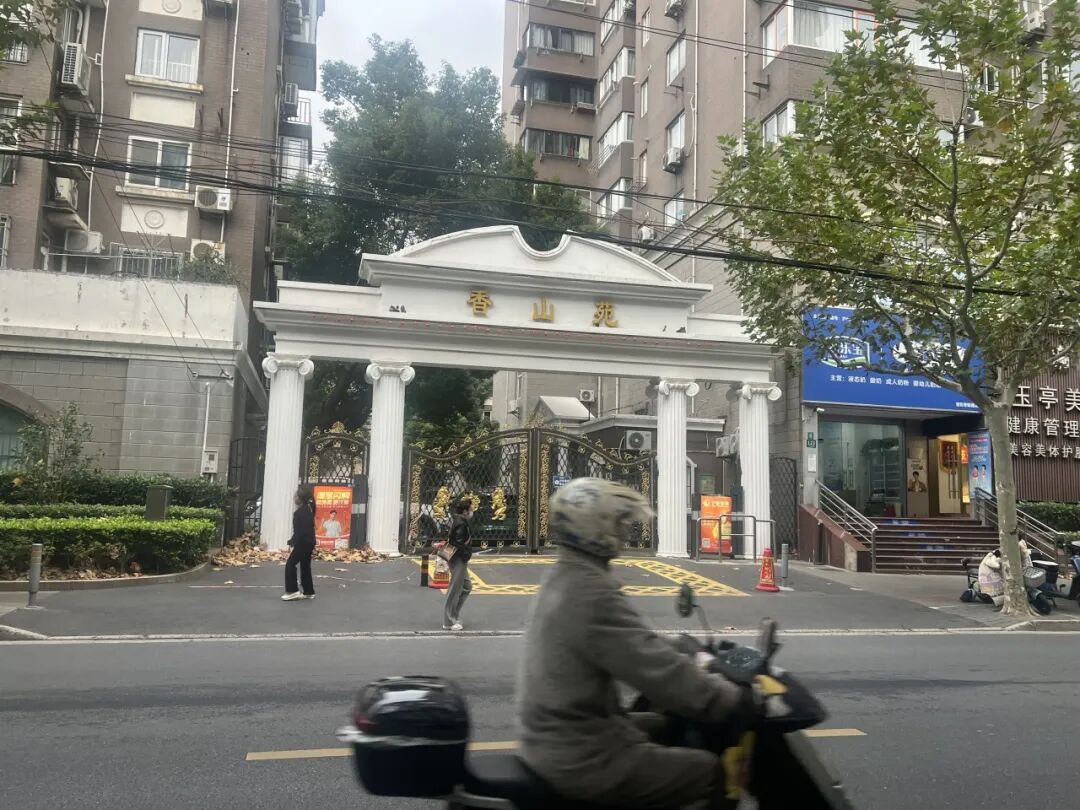
当区块链和社区治理碰撞,会产生怎样的火花? 在黄浦区半淞园路街道,"业委会规范化管理AI智能体"通过决策和资金流转上链公示,解决信任与监督问题,用智能合约为业委会提供自动执行的可靠契 约,保护业主合法权益。 在静安区彭浦新村街道,这个老龄化的社区将居民参与社区活动的行为进行积分记录,并通过区块链技术实现积分的合并、智能分发、自动清结算及可追 溯查询,让居民兑换商户服务或物品,形成社区治理的良性循环。 …… 此前,在上海市数据局指导下,浦江数链、立马订等联合发布"可信社区链共同体",通过区块链技术应用,为社区构建统一、可信的"数据底座",全面提 升社区治理的透明度与公信力,半淞园路街道、彭浦新村街道、临汾路街道等7个街道成为首批理事单位。 近日,《IT时报》记者走访了同为首批理事单位的曹杨新村街道和石门二路街道,探访"可信社区链"在基层治理中的实际应用成效,在城市治理的"最后 一公里",看技术如何打破治理壁垒、串联民生需求,让社区治理既有科技精度,更有人文温度。 但在香山苑不一样,小区居民扫一个二维码,就能进入"吾安物业"平台。《IT时报》记者借用一位小区居民的手机扫描二维码后,平台上显示出收费公 示、服务情况 ...

奋力实现全年经济增长目标 上海市政府召开常务会议
Jie Fang Ri Bao· 2025-11-25 09:48
Core Insights - The Shanghai government is focused on achieving its annual economic growth targets and enhancing the quality of shipping and trade through the establishment of a national blockchain network hub in Shanghai [1][2] Group 1: Economic Goals and Strategies - The Shanghai government aims to maintain economic resilience and progress despite pressures, with a call for all departments and districts to intensify efforts to meet annual targets [1] - Emphasis is placed on supporting key industries and enterprises, particularly in the service sector, to ensure comprehensive implementation of economic measures [1] - The government plans to coordinate efforts between the city and districts, as well as between government and enterprises, to provide tailored support for major companies [1] Group 2: Blockchain Development Initiatives - The meeting approved measures to promote blockchain technology in enhancing the quality of shipping and trade, highlighting its significance in integrating the real and digital economies [2] - The government aims to leverage the "leading enterprise effect" to foster a chain development approach, encouraging collaboration among upstream and downstream companies [2] - There is a focus on utilizing blockchain's advantages, such as traceability and immutability, to streamline policy implementation and ensure effective use of resources [2]
从TVB到WEB3.0壳王在想什么:德祥x瑞凯背后的战略重构逻辑
3 6 Ke· 2025-11-25 08:57
Core Viewpoint - The article highlights the strategic move by Chen Guoqiang, a prominent figure in Hong Kong's capital market, to introduce Reynold Lemkins Group as a strategic investor in his last listed company, Dixiang Real Estate, marking a significant shift towards embracing the Web3 revolution in Hong Kong's old-money capital landscape [1][5]. Group 1: Background of Chen Guoqiang - Chen Guoqiang, known as the "shell king," built his wealth during Hong Kong's real estate boom, initially serving as a contractor for Li Ka-shing's projects, which laid the foundation for his extensive capital operations [3][4]. - His transition from real estate to capital markets in the 1990s involved acquiring underperforming listed companies, revitalizing them through asset injection or strategic partnerships, and selling them at a profit [3][4]. Group 2: Recent Developments - The recent announcement of Dixiang Real Estate issuing new shares to Reynold Lemkins Group at a price of HKD 0.70 per share, representing a 17.45% discount to the average price over the past five trading days, indicates a strategic partnership rather than a mere financing effort [5][6]. - The involvement of Huaxing Capital as the exclusive financial advisor adds a layer of significance to the transaction, reflecting the evolving landscape of Hong Kong's capital market [8]. Group 3: Transaction Structure and Implications - The issuance of new shares to Reynold Lemkins Group, allowing them to hold 10% of Dixiang Real Estate, is seen as a strategic move to position for future control rather than a simple capital increase [9][12]. - The funds raised will be directed towards integrating real estate with Web3 technologies, including the development of digital infrastructure and the tokenization of real-world assets (RWA), indicating a forward-looking strategy [10][14]. Group 4: Future Outlook - The transaction is viewed as the beginning of a broader strategy to reshape Dixiang Real Estate's governance and operational focus, with potential for further investment and restructuring in the coming years [12][13]. - The collaboration between traditional real estate resources and new investment strategies in the Web3 space could position Dixiang Real Estate as a leader in the evolving landscape of real estate and technology integration [14].

海能达涨2.09%,成交额8.25亿元,主力资金净流出247.47万元
Xin Lang Zheng Quan· 2025-11-25 06:37
Core Viewpoint - Hainengda's stock price has shown volatility, with a year-to-date decline of 14.00%, but a recent uptick of 4.00% over the last five trading days, indicating potential recovery signs in the market [1]. Group 1: Company Overview - Hainengda Communication Co., Ltd. is a leading provider of professional wireless communication equipment in China, established on May 11, 1993, and listed on May 27, 2011 [2]. - The company's main business includes the research, production, and sales of intercom terminals and cluster systems, contributing to 44.36% of revenue from terminals, 42.37% from systems, and 13.27% from OEM and others [2]. - As of September 30, 2025, Hainengda reported a revenue of 3.746 billion yuan, a year-on-year decrease of 10.26%, and a net profit attributable to shareholders of 186 million yuan, down 26.00% year-on-year [2]. Group 2: Market Performance - On November 25, Hainengda's stock rose by 2.09%, reaching 12.22 yuan per share, with a trading volume of 825 million yuan and a turnover rate of 5.36%, resulting in a total market capitalization of 22.224 billion yuan [1]. - The stock has appeared on the "Dragon and Tiger List" five times this year, with the most recent appearance on June 13, where it recorded a net purchase of 324 million yuan [1]. Group 3: Shareholder Information - As of September 30, 2025, Hainengda had 257,200 shareholders, a decrease of 11.45% from the previous period, with an average of 4,987 circulating shares per shareholder, an increase of 12.94% [2]. - The top ten circulating shareholders include Hong Kong Central Clearing Limited, which holds 13.6172 million shares, a decrease of 350,900 shares, and Southern CSI 1000 ETF, holding 9.9842 million shares, down by 94,300 shares [3].

人去楼空!又一平台暴雷
Sou Hu Cai Jing· 2025-11-25 04:11
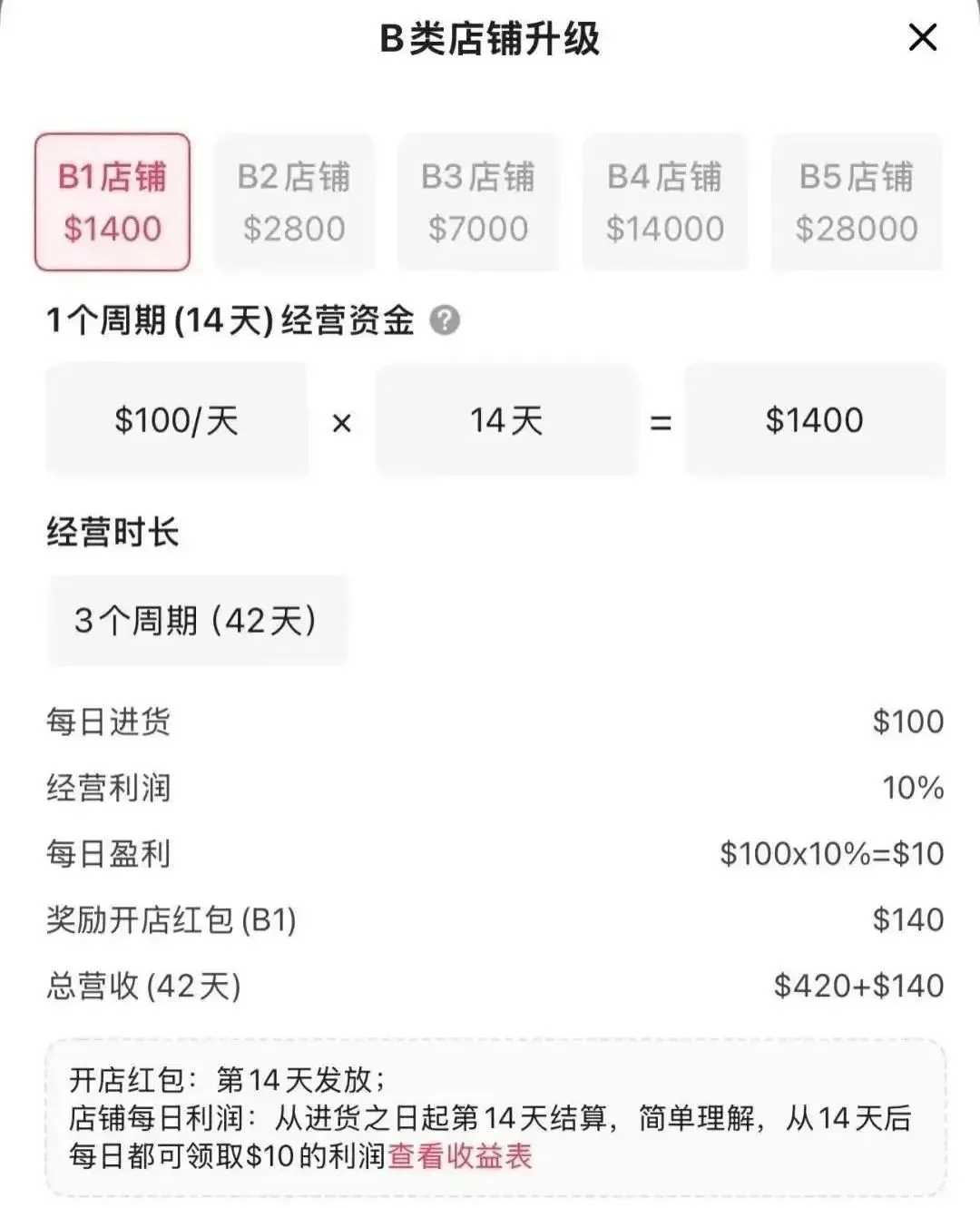
Core Viewpoint - The emergence of the short video e-commerce platform Yulily has led to significant financial losses for over 200,000 sellers, amounting to 1 billion dollars in just four months, highlighting the risks associated with new platforms in the e-commerce space [2][3][19]. Group 1: Yulily's Business Model and Operations - Yulily's business model, branded as "S2K2C," aimed to create a closed-loop value network involving supply, influencers, and consumers, which initially attracted many sellers [4][5]. - The platform employed a strategy of low entry barriers and high rewards, offering incentives such as a $1.5 registration bonus and claims of 10% returns within 14 days, which lured in many unsuspecting individuals [5][6]. - Yulily falsely claimed to have a legitimate operational structure, including a supposed office in Hangzhou and partnerships with major entities, to build trust among users before implementing its deceptive practices [6][11]. Group 2: Deceptive Practices and User Impact - The platform's operations were characterized by a "three-part scam" approach, where initial attractive offers led users to invest significant amounts, only to later impose withdrawal restrictions and other barriers [9][12]. - Many users, including retirees and stay-at-home parents, invested their life savings or took loans, believing in the promised high returns, only to find themselves unable to withdraw their funds [3][6][15]. - Yulily's operational model was revealed to be a pyramid scheme, relying on new user investments to pay returns to earlier investors, rather than generating actual sales or revenue [12][14]. Group 3: Industry Context and Warnings - The broader context of cross-border e-commerce shows a growth of 6.4% in imports and exports, indicating ongoing opportunities but also attracting fraudulent schemes targeting aspiring entrepreneurs [19][20]. - The article emphasizes that legitimate cross-border e-commerce requires substantial effort, including product selection, data analysis, and understanding logistics, contrasting sharply with the unrealistic promises made by platforms like Yulily [23][24]. - The narrative serves as a cautionary tale, warning potential investors to be wary of platforms promising high returns with little effort, as these are often indicative of scams [26][27].
比特币需求,逆转!
Sou Hu Cai Jing· 2025-11-25 02:57
Group 1 - Bitcoin's demand engine has reversed, but the long-term trend remains unchanged, with ETF fund inflows and DAT demand previously driving Bitcoin to historical highs, now contributing to its price decline [1][3] - A recent clearing event in early October triggered a reversal in ETF funds, a collapse in DAT premiums, and a decline in stablecoin supply, indicating liquidity is flowing out of the system [1][3] - Bitcoin's dominance has decreased from over 60% in early November to approximately 58%, despite its historical tendency to regain dominance during cyclical pullbacks [1][3] Group 2 - Wall Street recently reduced its holdings in MicroStrategy (MSTR) stock by approximately $540 million, indicating a diminishing role as a Bitcoin proxy [5] - During Q3, the institutional holding value of MSTR decreased by about 14.8%, involving major fund managers like Capital International, Vanguard, BlackRock, and Fidelity [5] - Despite the reduction, MSTR still maintains over $30 billion in institutional market exposure, potentially serving as a tactical hedge or leverage tool in the future [5] Group 3 - HelloTrade, a blockchain trading platform founded by former BlackRock executives, completed a $4.6 million seed round led by Dragonfly Capital, aiming to provide overseas investors with access to U.S. stocks and commodities [7] - The platform plans to support perpetual futures and is set to launch by the end of this year or early next year [7] Group 4 - Video sharing platform Rumble has introduced a tipping feature that supports payments in BTC, XAUT, and USDT, with the Rumble wallet now officially launched [9] - The tipping feature is currently in a testing phase for Android users, and it ensures that creator income is permanently recorded on the blockchain [9] - Rumble is collaborating with Tether to launch a new stablecoin, USAT, expected to debut in December, alongside Bitcoin tipping functionality [9] Group 5 - AI agent smart data layer ZENi has completed a $1.5 million seed round, led by Waterdrip Capital and Mindfulness Capital, with participation from several other investors [11] - ZENi aims to support AI agents and the emerging InfoFi economy by transforming online and on-chain signals into structured intelligent information for automated execution [11]

万马股份涨2.06%,成交额8708.37万元,主力资金净流入289.43万元
Xin Lang Cai Jing· 2025-11-25 02:27
Core Viewpoint - Wanma Co., Ltd. has shown significant stock performance with an 88.47% increase year-to-date, despite recent declines in the short term [1][2] Financial Performance - For the period of January to September 2025, Wanma Co., Ltd. achieved a revenue of 14.109 billion, representing a year-on-year growth of 8.36% [2] - The net profit attributable to shareholders for the same period was 412 million, reflecting a substantial year-on-year increase of 61.57% [2] - Cumulative cash dividends since the company's A-share listing amount to 685 million, with 155 million distributed over the past three years [2] Stock Market Activity - As of November 25, 2025, Wanma Co., Ltd.'s stock price was 15.85 per share, with a market capitalization of 16.026 billion [1] - The stock has experienced a trading volume of 87.0837 million, with a turnover rate of 0.55% [1] - The company has appeared on the "龙虎榜" (a stock trading list) 11 times this year, with the most recent appearance on September 24, 2025, showing a net buy of -253.167 million [1] Shareholder Information - As of September 30, 2025, the number of shareholders was 173,400, a decrease of 5.34% from the previous period [2] - The average number of circulating shares per shareholder increased by 5.87% to 5,807 shares [2] - Major shareholders include Hong Kong Central Clearing Limited, which increased its holdings by 8 million shares, and various ETFs with varying changes in their holdings [2] Business Overview - Wanma Co., Ltd. specializes in the research, production, and sales of power cables, with its main business revenue composition being 68.11% from power products, 28.63% from polymer materials, 1.70% from communication products, and 1.56% from trade and services [1][2] - The company is categorized under the electric equipment industry, specifically in cable components and other related sectors [2]

奋力实现全年经济增长目标 龚正主持市政府常务会议
Jie Fang Ri Bao· 2025-11-25 01:33
Core Insights - The Shanghai government is focused on achieving its annual economic growth targets and ensuring a strong finish for the year and the "14th Five-Year Plan" [1] - The establishment of a national blockchain network hub in Shanghai is seen as crucial for enhancing the quality of shipping and trade [2] Group 1: Economic Performance - Since October, Shanghai's economy has shown resilience, maintaining progress despite pressures [1] - Various departments and districts are urged to intensify efforts to achieve growth, reduce declines, and fill gaps to meet year-end targets [1] - Emphasis is placed on supporting key industries and enterprises, particularly in the service sector and major industrial groups [1] Group 2: Blockchain Development - The meeting approved measures to promote blockchain's role in enhancing high-quality shipping and trade [2] - The initiative aims to integrate the real economy with the digital economy and support the establishment of a unified national market [2] - The focus is on leveraging the advantages of blockchain technology, such as traceability and anti-tampering, to streamline policy implementation and enhance efficiency [2] Group 3: Policy and Coordination - There is a call for coordinated efforts between the city and districts, as well as between government and enterprises, to provide targeted support for key companies [1] - The government aims to optimize policy evaluation and enhance the precision and effectiveness of its measures [1] - Planning for the transition from this year's goals to next year's initiatives is emphasized to ensure a solid foundation for the "15th Five-Year Plan" [1]