
人与自然和谐共生

Search documents
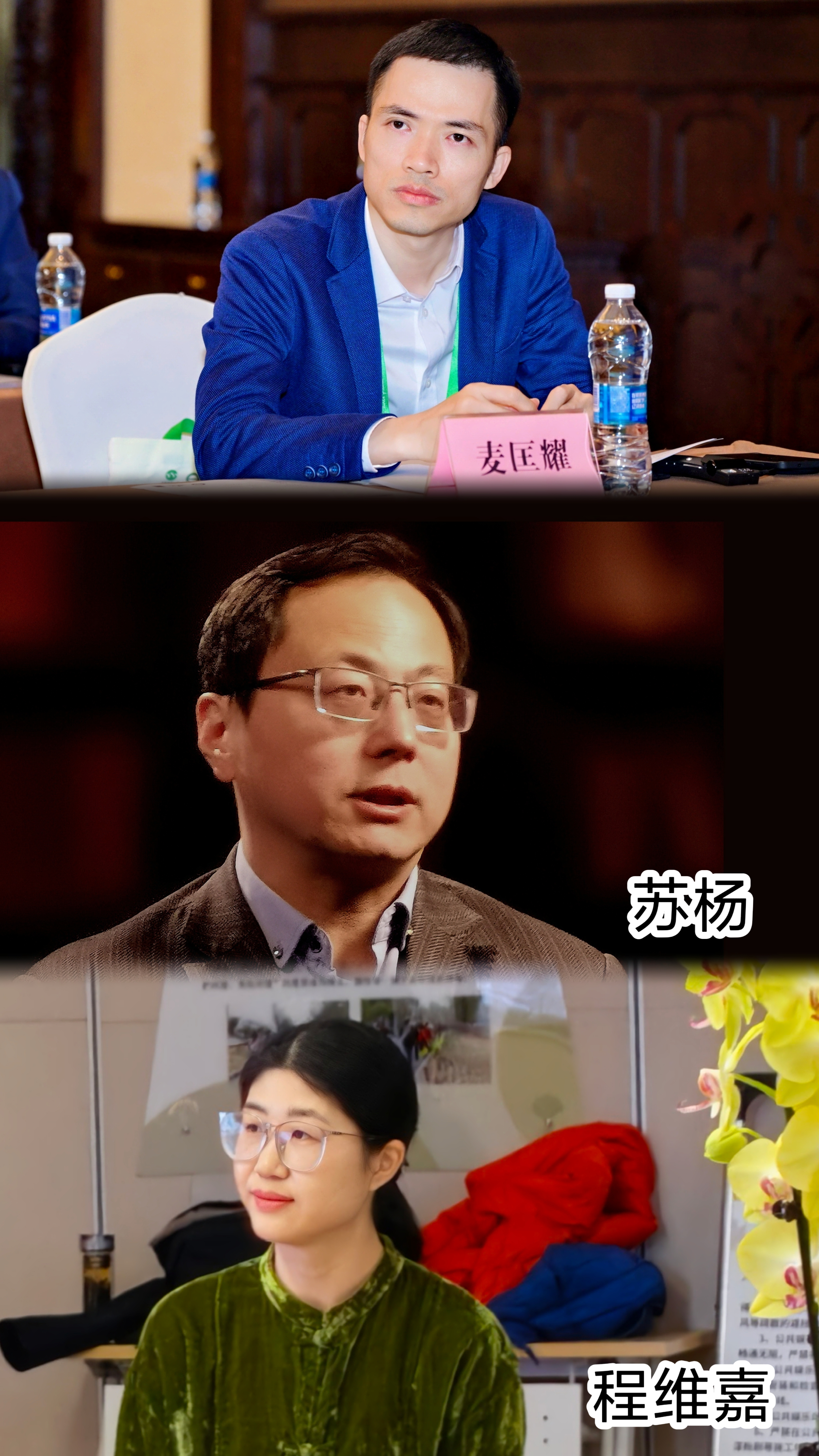
专访麦匡耀、周建宏、苏杨:实施《国家公园法》,推动高水平保护与高质量发展同域共存
Zhong Guo Huan Jing Bao· 2025-12-12 09:40
Core Viewpoint - The article discusses the 20th anniversary of the "Two Mountains" concept, emphasizing the need for high-level protection and high-quality development in the context of national parks, highlighting the ongoing discussions among experts on how to achieve this balance [1]. Group 1: Implementation of the National Park Law - The National Park Law, effective from January 1, 2026, provides strong support for the transformation of the "Two Mountains" concept into practice, although challenges remain [5][6]. - The law introduces a significant shift in management style from a restrictive "blacklist" approach to a more flexible "whitelist" management, allowing certain human activities while ensuring ecological protection [7][8]. Group 2: Community Involvement and Economic Benefits - In the Hainan Tropical Rainforest National Park, a "whitelist" management approach allows local residents to maintain necessary facilities while ensuring ecological integrity, leading to a win-win situation for both protection and livelihood [8][10]. - The South Mountain National Park candidate area has implemented measures that allow for scientific research and non-damaging production activities, enhancing community support for conservation efforts [10][19]. Group 3: Ecological Product Value Realization - The ecological environment's high-quality protection is essential for developing green industries, with the GEP (Gross Ecosystem Product) accounting for 446.78 billion yuan, providing a scientific basis for ecological product pricing [10][16]. - Initiatives like the "Zhu Huan Rice" and the establishment of an ecological product brand system have led to increased sales and community benefits, demonstrating the successful integration of ecological protection and economic development [16][20]. Group 4: Challenges and Future Directions - The article highlights the need for clearer guidelines on how specific ecological elements can serve as production factors in various industries, avoiding superficial approaches like mere tourism or agricultural sales [20][21]. - Both national parks are exploring innovative methods to concentrate production factors towards green industries, including land use reforms and financial incentives for ecological projects [21][22].

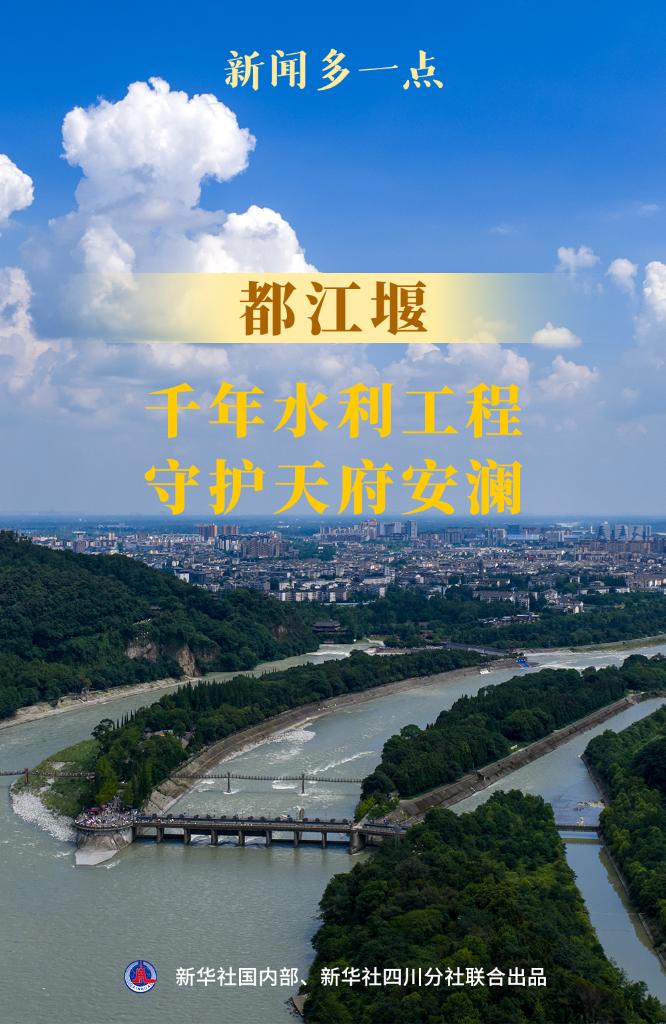
都江堰:千年水利工程守护天府安澜
Xin Hua She· 2025-12-05 16:42
Core Insights - The news highlights the significance of the Dujiangyan irrigation system, a UNESCO World Heritage site, showcasing its innovative design and historical importance in water management [1][2][3]. Group 1: Historical Significance - Dujiangyan, built over 2,200 years ago, was designed by Li Bing to control the Min River's flooding, creating a sustainable agricultural region known as the "Land of Abundance" [1]. - The system employs a unique approach by utilizing natural terrain and hydrodynamic principles rather than traditional dam construction, reflecting ancient Chinese wisdom in water management [1][2]. Group 2: Modern Relevance - The Dujiangyan irrigation area currently has an effective annual water diversion of 10.6 billion cubic meters, supplying 8 billion cubic meters of water and irrigating 11.647 million acres, benefiting 30 million people [3]. - Modern advancements include the establishment of a multi-level smart water resource protection system and the use of digital twin technology for real-time monitoring and management of the irrigation system [3]. Group 3: Tourism Development - Dujiangyan City is actively developing into a world heritage tourism destination, aiming to enhance its appeal and attract visitors, with 2.0851 million tourists recorded during the 2025 National Day and Mid-Autumn Festival holiday [4].
新闻多一点丨都江堰:千年水利工程守护天府安澜
Xin Hua She· 2025-12-05 07:32
Core Viewpoint - The news highlights the significance of the Dujiangyan irrigation system, emphasizing its historical importance, innovative design, and ongoing relevance in modern water management and tourism development in China [2][9]. Group 1: Historical Significance - The Dujiangyan irrigation system, built over 2,200 years ago during the late Warring States period, was designed by Li Bing to control the flooding of the Min River and create a fertile agricultural region known as the "Land of Abundance" [3][11]. - It is recognized as one of the oldest, largest, and best-preserved irrigation projects in the world, and was designated a UNESCO World Heritage Site in 2000 [9]. Group 2: Engineering Innovation - The system employs a unique design philosophy that respects natural processes rather than opposing them, utilizing the natural terrain and sediment transport principles to create a dam-free water diversion and regulation system [3][6]. - Key components of the system include the Fish Mouth Water Dividing Weir, the Flying Sand Spillway, and the Bottle Neck Inlet, which work together to facilitate irrigation, flood control, and sediment management [6][11]. Group 3: Modern Applications and Tourism - The Dujiangyan irrigation area currently has an effective annual water diversion capacity of 10.6 billion cubic meters, supplying 8 billion cubic meters of water annually and irrigating 11.647 million acres, benefiting approximately 30 million people [11]. - The city of Dujiangyan is actively developing into a world heritage tourism destination, with significant visitor numbers, such as 2.0851 million during the 2025 National Day and Mid-Autumn Festival holiday [16].
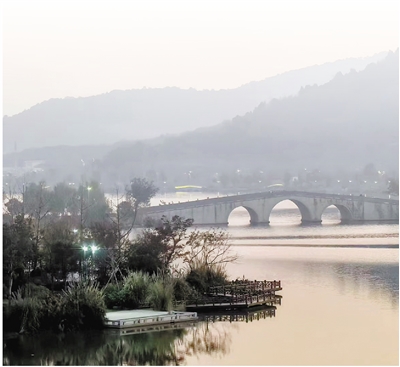
从“网红花海”到“幸福母亲河” 铜鉴湖的生态嬗变与共富实践
Hang Zhou Ri Bao· 2025-12-03 02:41
Core Insights - The transformation of Tongjian Lake from a low-profile sister of West Lake to a new cultural and tourism landmark has been marked by significant ecological changes, showcasing a model for the harmonious coexistence of humans and nature [2][8] - The successful ecological foundation laid the groundwork for the lake's development, with advanced technology and continuous ecological investment leading to improved water quality and biodiversity [3][6] Ecological Foundation - The flood control and drainage project at Tongjian Lake has effectively managed mountain floodwaters, playing a crucial role in disaster reduction and ecological restoration [3] - The introduction of drones equipped with hyperspectral imaging systems has enabled real-time monitoring of water quality, enhancing ecological protection efforts [3] - Continuous ecological investments have resulted in the core area's water quality stabilizing at Class II standards, with 1.2 million fish released, enriching the aquatic ecosystem [3] Brand Development - The strategic branding of Tongjian Lake as a "flower sea" has attracted over 5 million visitors in a few years, leveraging social media for rapid dissemination [5] - The decision to keep the area free of entry fees has created a "lowland effect" that boosts visitor numbers and potential for business development [5] - The lake has expanded its brand identity beyond flowers to include various outdoor activities and events, transforming it into a vibrant outdoor lifestyle venue [5] Economic Impact - The surrounding area has attracted 250 million yuan in private investment, leading to the rapid growth of tourism-related businesses [6] - Local businesses, such as farm stays, have seen significant revenue increases, exemplifying the economic benefits of the lake's popularity [6] - The operational strategy focuses on maximizing social and economic benefits through environmental enhancement and increased visitor flow rather than solely relying on ticket sales [6] Value Enhancement - Tongjian Lake has been recognized as one of Zhejiang Province's "Happy Mother Rivers," highlighting its comprehensive development and ecological achievements [7] - The transformation of Tongjian Lake serves as a model for urban wetland protection and the harmonious coexistence of humans and nature, benefiting both residents and visitors [8]
“植物大熊猫”重生记
Ren Min Ri Bao· 2025-12-02 23:04
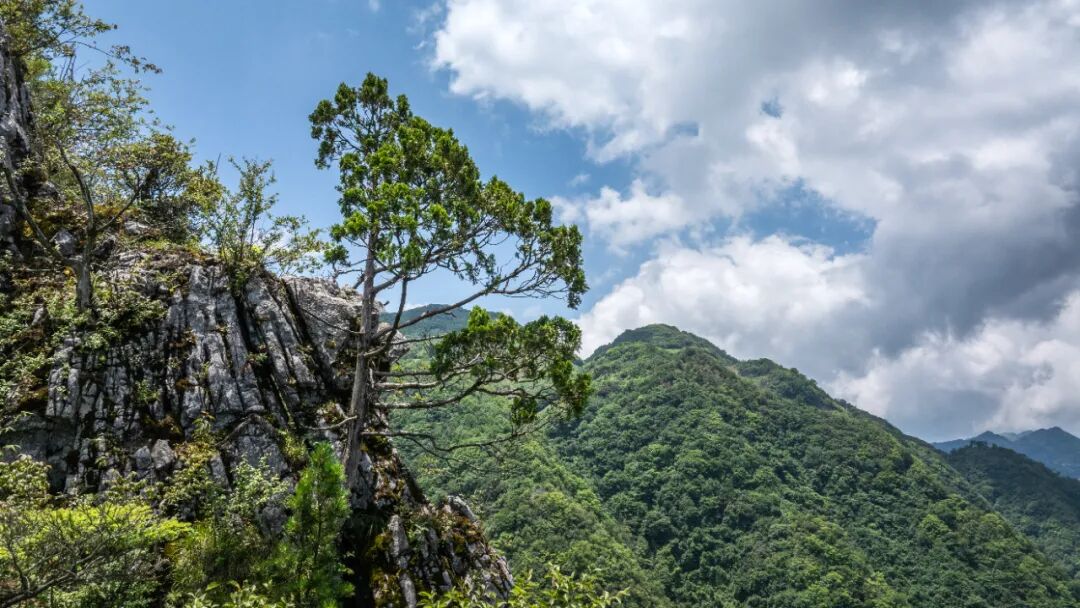
树冠如塔,叶片似鳞,根抱岩石,挺立峭壁。 崖柏,我国特有珍稀濒危裸子植物。起源于上亿年前的恐龙时代,白垩纪繁盛一时,藏着无可替代的基因资源,被称为"植物大熊猫"。 1892年,崖柏首次被发现。今天重庆市开州区、城口县、巫溪县和四川省宣汉县一带的莽莽山巅,是这一孑遗植物的仅存栖所。 这里,位于大巴山脉南麓、三峡库区腹心,是长江上游重要水源涵养地。 百余年间,气候变化和人类活动加剧,压缩崖柏生存空间。 1998年,因再无科考记录,世界自然保护联盟一度宣布崖柏灭绝。后来,重庆本土科研工作者跋山涉水,在人迹罕至的崖壁上重新发现崖柏野生种群。 水是山之魂,林是水之根。 2016年1月5日,习近平总书记在重庆召开推动长江经济带发展座谈会时指出:"要把修复长江生态环境摆在压倒性位置"。 尊重自然、顺应自然、保护自然,构建人与自然和谐共生的地球家园。 新时代,新思想,新实践。 从濒临灭绝到人工扩繁,崖柏走出巴山渝水,扎根17个省份,百万株之巨、百倍级增长。 崖柏重生,生生不息。 绝处逢生 从宣告灭绝到重新发现,成立专门保护区,全面调查、常态监测野生崖柏 车行开州区,盘山而上。海拔1600米,大进镇新元村。 后山,一株崖柏,1 ...
上海最新调查:分布持续扩大,一区首次发现,两区最多!多个小区密度奇高,共同点找到了
Sou Hu Cai Jing· 2025-12-01 11:14
上海超过300个小区 都发现了貉 总数约3000至5000只 给居民带来不少麻烦 昨天(11月30日) 上海本年度"貉口普查" 调查报告发布 近年来 2022-2025年貉密度与貉遇见率变化 这意味着,在现行管理与科普措施的推进下,貉种群已从早期的快速增长阶段过渡至相对平稳阶段,曾广受关注的社区中"貉出没"情况已有显著改 善。"这一变化是我们希望看到的,即城市中既有貉生存,又不会数量泛滥到遭居民频繁目击,为社区带来困扰。"复旦大学生命科学学院教授王放认为, 这一变化意味着综合性管理策略初见成效。 有猫粮投喂小区貉密度超平均值3倍 ▽ 调查发现,社区"貉出没"情况已有显著改善,市民对貉的认知度和容忍度也都有了提高。 貉密度与貉遇见率均有下降 用两个晚上,通过数百名志愿者的参与,搞清貉在上海的基本分布状况,这就是每年"貉口普查"公民科学调查的基本模式。今年,普查范围从去年的8个 行政区拓展到松江、青浦、闵行、长宁、嘉定、金山、宝山、普陀、浦东9区,根据前期线上问卷结果和12345诉件选择了112个小区。7月的两个周六晚, 519人次志愿者走进这些调查点,进行了超过560公里的样线调查。 调查发现,貉在上海的分布区 ...

“闻声护鸟”靠创新(中国道路中国梦·青春为中国式现代化挺膺担当㉗)
Ren Min Ri Bao· 2025-11-30 22:01
科技是生态保护的重要工具,让它好用、管用,仍需人类的智慧与耐性。2024年,我们在双桂湖安装了 3套声纹识别设备,24小时捕捉湿地声音,用算法分离鸟鸣、虫鸣、蛙声,识别物种。面对湿地复杂的 声音环境,设备被搞"糊涂"了,我们还得亲自上阵。棕背伯劳的叫声是"吱嘎吱嘎"的,短促急切,特别 难录。为了校准声纹又不惊扰鸟儿,我只能"钉"在芦苇丛里,不发出一点声音。终于,"吱嘎"声响起, 被雨淋得湿透的我,录下了这段纯净的鸣叫。人类的意志力和创造性是机器无法比拟的,人机协同更能 提升效率。 "像保护眼睛一样保护生态环境"。从曾因养殖污染沦为劣Ⅴ类水体,到经退养还湿、生态修复后水质稳 定在Ⅲ类、候鸟数量5年增长5倍,双桂湖以更美丽的景致悦人身心,也以更健康的生态涵养发展之源。 守护湿地,守护湿地潮汐般的律动,就是在守护人与自然和谐共生的未来。 (作者为重庆市梁平区湿地保护中心高级工程师,本报记者沈靖然采访整理) 科技创新为生态环保提供新路径,生态环保则为新技术提供应用场景 "啾啾"——这是白头鹎清亮的鸣叫,"叽呀叽呀"——白颊噪鹛的叫声会更急促……我的工作是用科技闻 声识鸟,比对鸟鸣声纹的变化,分析鸟类的迁徙规律、栖息偏 ...
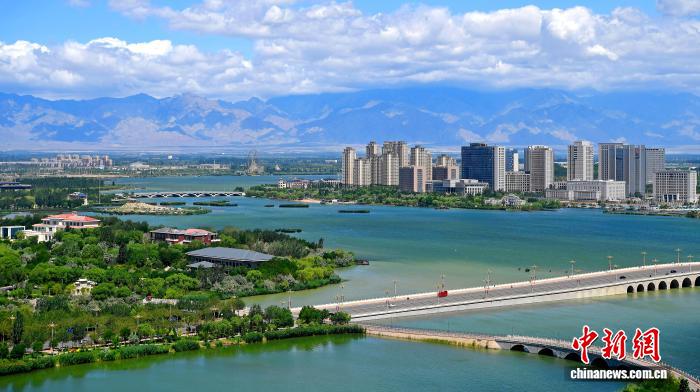
生态打底 让“塞上湖城”既有颜值更有内涵
Zhong Guo Xin Wen Wang· 2025-11-30 02:05
Core Viewpoint - The city of Yinchuan has made significant strides in ecological protection and urban development over the past five years, enhancing both its natural environment and the quality of life for its residents [1][3][5][6]. Group 1: Ecological Initiatives - Yinchuan has implemented a "river chief system" combined with legal and police oversight to ensure effective river and lake management, resulting in improved water quality and ecological restoration projects [3][5]. - The city has achieved a level A or above discharge standard for all 17 sewage treatment plants, and the Yellow River (Yinchuan section) has maintained a Class II water quality for eight consecutive years [3][5]. Group 2: Urban Greenery and Biodiversity - Over the past five years, Yinchuan has added 7,500 acres of green space, with a park service radius coverage of 94%, making urban greenery accessible to residents [5][6]. - The ecological transformation of the Helan Mountains has led to a nearly fourfold increase in the population of wild goats since 2000, with over 40,000 individuals now present [5][6]. Group 3: Economic Development through Ecology - The ecological restoration of 270,000 acres of previously barren land has resulted in the establishment of a wine grape planting base and winery clusters, promoting both ecological improvement and economic benefits for local residents [6]. - The integration of the goji berry industry into various sectors, including health products and cultural creations, has created job opportunities and enhanced the region's unique brand [6].
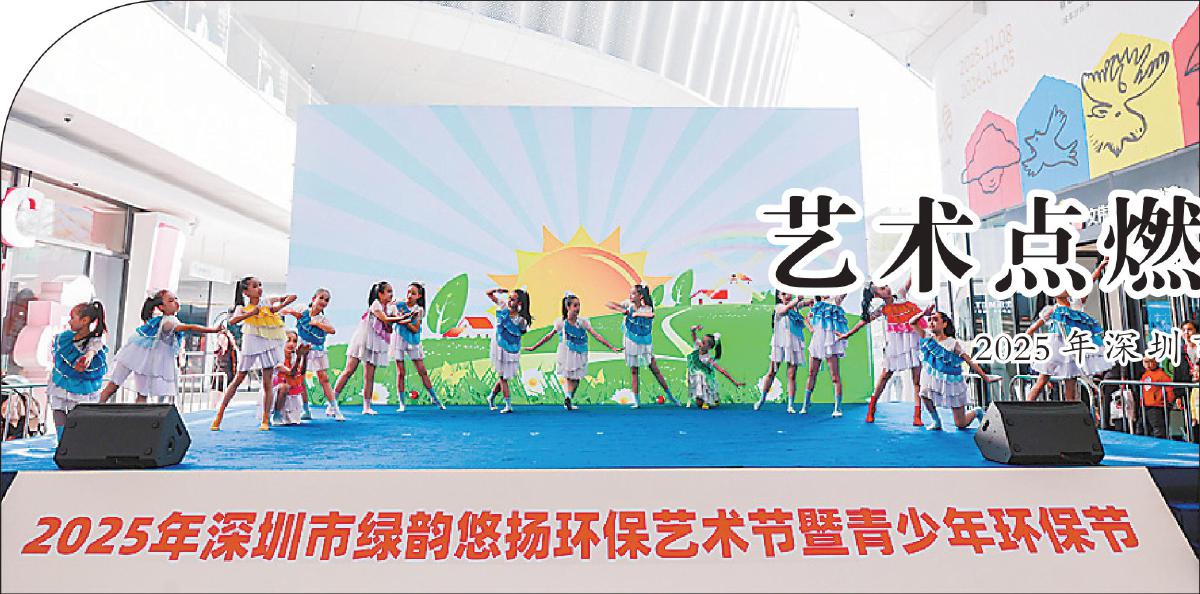
艺术点燃环保心 青春绘就绿篇章
Zhong Guo Huan Jing Bao· 2025-11-26 00:21
Core Points - The 2025 Shenzhen Green Rhythm Environmental Art Festival and Youth Environmental Festival was launched on November 22, showcasing ecological themes through performances and art [1][2] - The festival has evolved over 20 years into a comprehensive platform for ecological culture, incorporating various art forms and interactive activities to promote environmental awareness [2][3] - The theme for this year's festival is "Beautiful China, I Take the Lead," emphasizing individual responsibility in ecological conservation [2][3] Group 1: Event Overview - The festival featured nearly 300 attendees, including citizens, students, and environmental volunteers, who engaged with performances and art displays [1] - The event aims to integrate art and creativity to spread ecological civilization concepts and showcase Shenzhen's modern ecological city image [3] - A total of over 300 submissions were received, with 100 awarded, reflecting the community's enthusiasm for environmental protection [4][5] Group 2: Artistic Contributions - Performances included a stage play about marine life and a dance representing low-carbon living, highlighting the creativity of local students [4] - The festival introduced an "AI-Youth Group" for the first time, showcasing the intersection of technology and environmental creativity through AI-generated artworks [5] - The event featured interactive educational games, enhancing learning through engagement, which was well-received by participants [5] Group 3: Community Engagement - The festival encourages public participation in environmental initiatives, fostering a sense of community and shared responsibility [2][6] - The activities aim to inspire the younger generation to become advocates for environmental protection, contributing to a sustainable future [6]
“从南京看到城市如何实现更好发展”
Ren Min Ri Bao· 2025-11-22 22:00
Core Points - The "2025 World Mayors Dialogue" event was launched in Nanjing, focusing on sharing urban governance experiences and discussing sustainable urban development trends with representatives from various countries [1][2][3] Group 1: Ecological Practices - Nanjing's ecological practices serve as a model for global waterfront cities, emphasizing ecological priority and green development [2] - The city has implemented measures such as shoreline restoration, pollution control, and a ten-year fishing ban to protect the Yangtze River dolphin, a key indicator of ecological health [2][3] - Nanjing's industrial sector, exemplified by the Nanjing Steel Group, has achieved a 38% reduction in carbon intensity over five years, showcasing a successful integration of industrial and ecological development [3] Group 2: Cultural Exchange - The event featured various cultural exchanges, including a soccer match between mayors and local students, symbolizing cooperation and mutual respect among cities [4][5] - Participants engaged in activities that highlighted Nanjing's historical and cultural heritage, such as visiting the Ming City Wall Museum and non-heritage workshops [4][5] - The dialogue emphasized the importance of cultural heritage preservation as a means of maintaining human memory and fostering international relationships [5][6] Group 3: Urban Development Philosophy - Nanjing's approach to urban development focuses on minimal intervention and maximum respect for existing structures, promoting sustainable urban renewal [6] - The "Granular Return" project encourages citizen participation in heritage protection, successfully recovering over 600,000 Ming dynasty bricks for restoration [6] - The event aimed to deepen city exchanges and promote mutual learning, enhancing friendships and creating a collaborative future [7]