市场监管

Search documents
青海“十四五”市场监管交出亮眼答卷
Xin Lang Cai Jing· 2026-01-20 17:50
此外,建立援青省份互访、西北五省区知识产权保护、沿黄九省区标准化协作、青藏标准协同互认等机 制,区域协作成效显著。在全国率先出台企业信用风险分类管理办法,实施"通用型+专业性"信用风险 分类管理模式。推进市场监管所"标准化、规范化"建设,建成"全国五星级所"两个,指导建立"小个 专"党建工作指导站152个,市场秩序综合治理取得积极成效。 本报讯(西海新闻记者 范程程)1月20日,记者从"'十四五'发展成就"系列主题新闻发布会省市场监督 管理局专场获悉,"十四五"以来,青海市场监管系统持续深化"证照分离"改革,严格落实市场准入负面 清单,大力推动经营主体从开办到注销全生命周期"一件事"高效办结,企业开办时间压缩到两个工作日 内,全省经营主体达到62.15万户。 "十四五"以来,青海市场监管系统创新推动"1+7+N"国家质量基础设施高原集成服务体系建设,建成高 原梯次海拔户外工况试验场,发布全国首个3H高原认证体系,填补了高原极端环境质量认证空白。推 动新能源、低空装备等重点产业链跨区域质量联动提升。建成国家藏毯质检中心、全国首个盐化工质量 基础设施"一站式"服务平台。在全国率先发布5项绿色算力地方标准。建成运行 ...
奋力推动“十五五”安徽市场监管工作开好局起好步
Xin Lang Cai Jing· 2026-01-20 14:47
Core Viewpoint - The Anhui Provincial Market Supervision Work Conference emphasizes the importance of market regulation in supporting high-quality development and outlines key tasks for 2026, focusing on innovation, collaboration, and risk prevention in the market environment [1][2][3]. Group 1: Achievements and Goals - In 2025, the Anhui market supervision system made significant contributions to enhancing operational vitality, promoting quality, and ensuring market safety, which provided a solid foundation for high-quality development [2][3]. - The "14th Five-Year" period saw substantial achievements in market regulation, with increased operational vitality, improved competitive environment, and enhanced quality competitiveness in industries [4]. - The conference highlighted the need for a strong start to the "15th Five-Year" plan, focusing on political leadership, market vitality, consumer confidence, and fair competition [5]. Group 2: Strategic Focus Areas - The conference outlined ten strategic focus areas for market regulation, including enhancing political leadership, stimulating market vitality, optimizing consumer environments, and strengthening intellectual property protection [5]. - Emphasis was placed on integrating technology and industry innovation, improving regulatory efficiency, and ensuring safety in key sectors [5]. - The need for a collaborative regulatory mechanism across departments and regions was highlighted to support the construction of a unified national market [2][3].
【县区信息】浔阳区局:开展雪后市场检查守护民生安全
Sou Hu Cai Jing· 2026-01-20 10:44
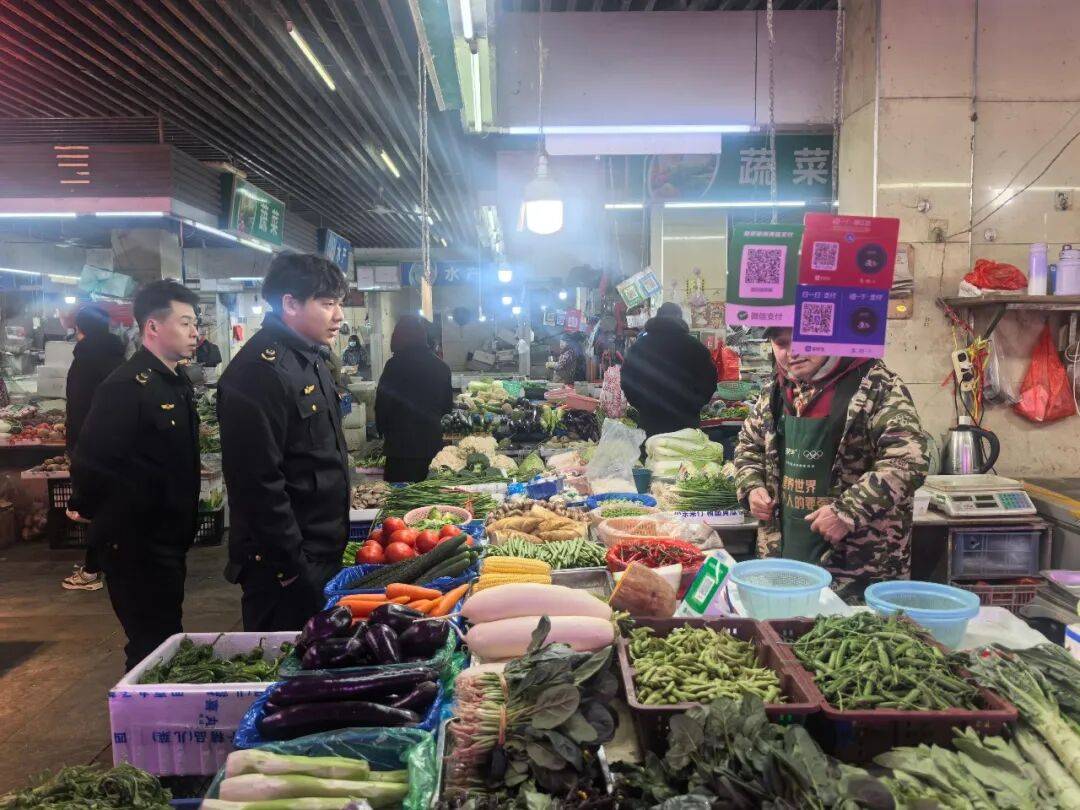
Group 1 - The core viewpoint emphasizes the importance of maintaining market order and ensuring the stability of essential goods prices during the snowy weather and upcoming Spring Festival [1][2] - The market regulatory authority in Xunyang District has initiated comprehensive inspections across various sectors to prevent price fluctuations and ensure food safety [1][4] Group 2 - Regulatory personnel conducted price checks in local markets, focusing on essential consumer goods such as vegetables, meat, and dairy products, finding only minor price increases within a reasonable range [4] - The inspections revealed no illegal price gouging, and the supply of essential goods remained sufficient [4] - Officials stressed the importance of adhering to pricing policies and preventing the spread of false price increase information [4] Group 3 - With the drop in temperatures, down jackets have become popular among consumers, prompting targeted inspections of down jacket quality in retail stores [6] - Inspections focused on verifying business qualifications, product labeling, and compliance with national safety standards, particularly for children's clothing [6] - A mechanism for ongoing supervision and a complaint channel has been established to ensure consumer safety in winter clothing purchases [6] Group 4 - Regulatory personnel conducted thorough checks on market safety, including measuring instruments, poultry sales, and the traceability of pork products [9] - Efforts included calibrating scales to prevent consumer fraud and ensuring the legality of poultry and wild animal sales [9] - The inspections aimed to educate merchants on legal regulations and ensure safe shopping conditions by addressing snow and ice hazards in market areas [9]

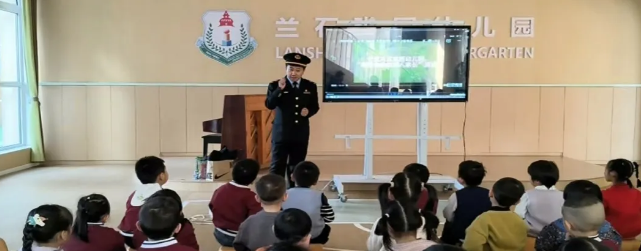
兰州市市场监管局经开分局进校园、进企业开展法治宣传活动
Xin Lang Cai Jing· 2026-01-19 07:54
Group 1 - The Lanzhou Market Supervision Administration conducted legal education activities in schools and enterprises to enhance awareness of food safety among children and to regulate business practices [1][3] - Staff members provided a practical food safety lesson at the Longyuan Kindergarten, emphasizing the importance of food safety, common hazards, and the dangers of junk food [3] - The administration also engaged with employees at the Lanzhou Zaihuichou Trading Company to promote legal knowledge regarding handling complaints and reports, using case studies and data to explain the complaint handling procedures [3]
郑州市内九区今天停课/2026年春运火车票开售/特朗普对欧洲8国加征关税【早新闻】
Sou Hu Cai Jing· 2026-01-19 02:47
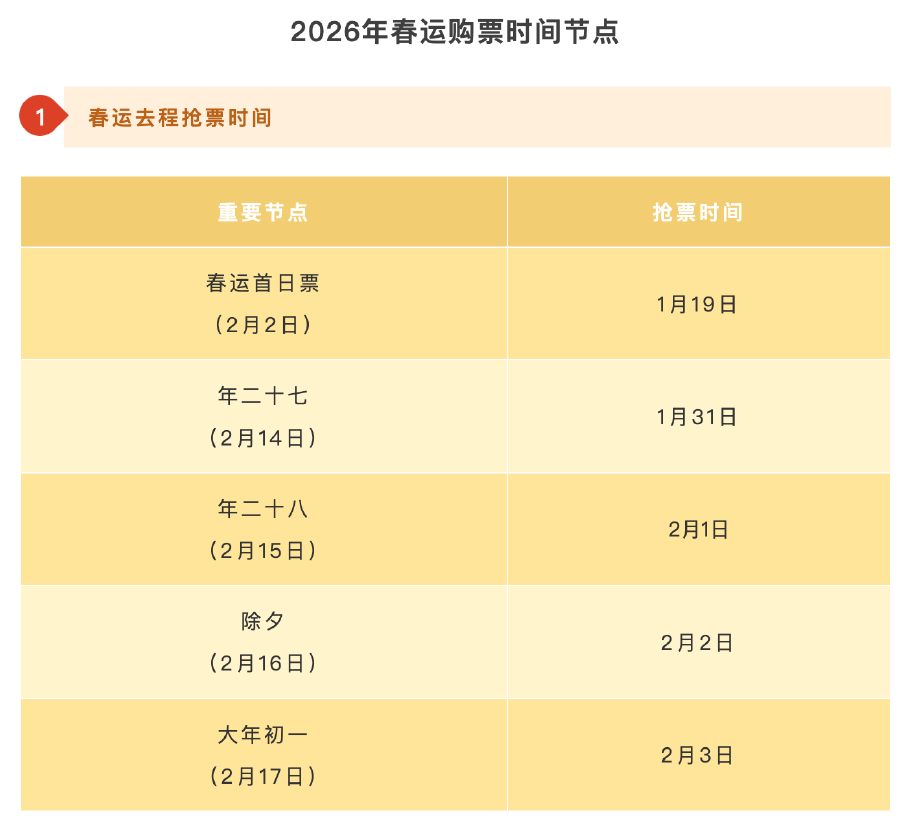
Group 1 - The 2026 Spring Festival travel season will officially start on February 2 and end on March 13, lasting a total of 40 days, with tickets for the first day going on sale on January 19 [1] - Key ticket purchase dates include January 19 for the first day, January 31 for the 27th day of the lunar new year, and February 1 for the 28th day [3][4] Group 2 - The China Railway 12306 platform will offer a limited-time free refund service for mistakenly purchased tickets starting January 19, allowing passengers to self-process refunds within 30 minutes of payment and more than 4 hours before departure [5] Group 3 - The China Securities Regulatory Commission has launched an investigation into Ningbo Rongbai New Energy Technology Co., Ltd. for misleading statements related to significant business contracts disclosed on January 14 [6] - A joint investigation team in Ningxia found that an industry association had an excessive number of vice presidents, violating local regulations, leading to an invalid election result and a corrective notice issued by the local civil affairs department [5]

中泰期货晨会纪要-20260119
Zhong Tai Qi Huo· 2026-01-19 01:24
1. Report Industry Investment Rating There is no information about the industry investment rating in the report. 2. Core Views of the Report - **Macro - financial**: For stock index futures, short - term operations should focus on volume and price, considering profit - taking; for treasury bond futures, adopt an oscillatory approach [14][15]. - **Black commodities**: Steel products may oscillate in the short term, and iron ore is relatively weak and should be shorted on rallies; coking coal and coke prices may oscillate and rise in the short term, but the upside is limited; for ferroalloys, manganese ore is strong in the short term, and silicon iron can be long - bought on dips in the medium - to - long term; for soda ash and glass, observe soda ash, and hold long positions in glass or take profits on rallies [16][18][19][20][21]. - **Non - ferrous metals and new materials**: For zinc, observe and keep existing short positions; for lead, observe; lithium carbonate may oscillate weakly; industrial silicon may continue to oscillate, and polysilicon may oscillate weakly [22][24][26][27]. - **Agricultural products**: Cotton may enter a short - term consolidation stage; sugar may oscillate and consolidate; for eggs, adopt an oscillatory approach for 02 - 03 contracts; apples may be strong; corn may oscillate within a range; jujubes may oscillate; for live pigs, short near - month contracts on rallies [31][33][36][39][40][41][42]. - **Energy and chemicals**: Crude oil may weaken; fuel oil prices will follow oil prices; plastics may oscillate; rubber may oscillate, and short - buy on dips; synthetic rubber may weaken in the short term; methanol may have a short - term correction, and long - buy far - month contracts on dips; caustic soda should be shorted; asphalt may oscillate within a range; the polyester industry chain may be under pressure, and short - sell in the short term and conduct positive spreads in the medium term; LPG may have short - term rebound momentum but limited long - term upside; pulp may oscillate; logs may oscillate; urea futures may be strong due to expectations [45][47][48][50][51][52][53][54][56][57][59]. 3. Summary by Relevant Catalogs 3.1 Macro Information - The State Council held a meeting to promote consumption and address issues such as arrears to enterprises and migrant workers' wages [7]. - The CSRC emphasized market stability and strengthened supervision [7]. - The central bank and the financial regulatory authority adjusted the minimum down - payment ratio for commercial housing loans [7]. - China and Canada reached a consensus on economic and trade cooperation, and Canada will give China an EV quota [8]. - The CSRC solicited opinions on the derivatives trading supervision regulations [8]. - The Ministry of Housing and Urban - Rural Development proposed large - scale urban renewal investment [8]. - China developed a high - energy hydrogen ion implanter [9]. - Two rocket launches failed [9]. - Xidian University made achievements in radar antennas and chip heat dissipation [9][10]. - The US is about to withdraw from the WHO but owes dues [10]. - The US may impose high tariffs on South Korean memory chip manufacturers [10]. - The first shipment of Simandou iron ore arrived in China [10]. - Nvidia revised data on copper demand in data centers [11]. - Trump's statement affected the Fed chair speculation [12]. - The US sent a message to Iran [12]. - Barclays analysts predicted US corporate bond issuance [12]. - The SHFE adjusted trading limits for silver and nickel futures [12]. 3.2 Macro - financial 3.2.1 Stock Index Futures - On Friday, the A - share market opened high and closed low. Short - term operations should focus on volume and price, considering profit - taking. If there is no further increase in volume and an inverted hammer line, the index may enter an adjustment phase [14]. 3.2.2 Treasury Bond Futures - The money market is balanced and loose, and bond yields are steep. Adopt an oscillatory approach, with the main focus on the money market, risk appetite, and the pace of allocation funds [15]. 3.3 Black Commodities 3.3.1 Steel and Iron Ore - Macro - policies are slightly positive for the steel industry. Steel is in a de - stocking state, with acceptable orders in the short term. Real - estate and infrastructure demand is weak, while coil demand is good. Steel may oscillate, and iron ore is relatively weak [16][18]. 3.3.2 Coking Coal and Coke - Coking coal prices have rebounded due to supply disruptions. Coke has started the first price increase. In the short term, there is a chance for a price rebound, but the upside is limited due to the pressure on steel industry profits [19]. 3.3.3 Ferroalloys - Manganese ore is strong in the short term, but it is difficult to transfer profits downstream. Silicon iron has no significant fundamental changes, and it can be long - bought on dips in the medium - to - long term [20]. 3.3.4 Soda Ash and Glass - Soda ash supply is at a high level, and new capacity may be put into production. Observe soda ash. Glass may improve its supply - demand situation if production cuts are implemented. Hold long positions in glass or take profits on rallies [21]. 3.4 Non - ferrous Metals and New Materials 3.4.1 Zinc - Domestic zinc inventories increased slightly. The price of zinc futures fell at night. It is recommended to observe and keep existing short positions [22][23]. 3.4.2 Lead - Lead inventories increased to a one - and - a - half - month high. The price of lead futures fell at night. It is recommended to observe [24][25]. 3.4.3 Lithium Carbonate - After a short - term increase driven by export expectations, the price of lithium carbonate may oscillate weakly due to weak vehicle demand and macro - sentiment adjustment [26]. 3.4.4 Industrial Silicon and Polysilicon - Industrial silicon may continue to oscillate, with pressure on the upside. Polysilicon may oscillate weakly, waiting for the improvement plan on January 20 [27][29]. 3.5 Agricultural Products 3.5.1 Cotton - Cotton supply is currently loose, but there are expectations of supply reduction in the long term. Zhengzhou cotton may enter a short - term consolidation stage [31][32]. 3.5.2 Sugar - The global sugar market has a surplus. Domestic sugar is in a season of both supply and demand growth. Zhengzhou sugar may oscillate and consolidate [33][34]. 3.5.3 Eggs - As the Spring Festival approaches, the demand for eggs may peak and then weaken. Adopt an oscillatory approach for 02 - 03 contracts [36][37][38]. 3.5.4 Apples - Apple prices may be strong. The market is in a game between supply support and demand constraints. Observe the consumption during the Spring Festival stocking period [39]. 3.5.5 Corn - Corn prices may oscillate within a range. The key is the change in farmers' selling sentiment. Observe the port collection and the potential selling pressure in March [40]. 3.5.6 Jujubes - Jujube prices may oscillate. Observe the market performance during the consumption peak season [41][42]. 3.5.7 Live Pigs - The supply of live pigs is slow, and the price may be strong in the short term but with limited upside. Short near - month contracts on rallies [42][43]. 3.6 Energy and Chemicals 3.6.1 Crude Oil - Geopolitical conflicts in the Middle East support oil prices, but the supply surplus is still severe. Oil prices may weaken if the geopolitical situation eases [45]. 3.6.2 Fuel Oil - Fuel oil prices will follow oil prices, with the focus on the geopolitical situation in Iran. The supply - demand situation has slightly improved [47]. 3.6.3 Plastics - Polyolefins have high supply pressure and weak demand, but upstream losses may support a small rebound. Adopt an oscillatory approach [48][49]. 3.6.4 Rubber - Rubber may oscillate, with cost support. Look for short - buying opportunities on dips [50]. 3.6.5 Synthetic Rubber - Synthetic rubber may weaken in the short term. Take profits on short positions on dips [51]. 3.6.6 Methanol - Methanol's supply - demand situation has slightly improved, but there is a risk of inventory accumulation at the end of the month. Long - buy far - month contracts on dips [52]. 3.6.7 Caustic Soda - Caustic soda production is at a high level, and the inventory is high. Adopt a short - selling approach [53]. 3.6.8 Asphalt - Asphalt prices may oscillate within a range, and the winter - storage period has temporarily stabilized [54][55]. 3.6.9 Polyester Industry Chain - The polyester industry chain is under pressure due to weakening demand expectations. Short - sell in the short term and conduct positive spreads in the medium term [56]. 3.6.10 Liquefied Petroleum Gas (LPG) - LPG prices may have short - term rebound momentum due to cost and demand support, but the long - term upside is limited. Lightly short - sell [57]. 3.6.11 Pulp - Pulp prices may oscillate due to weakening downstream demand and new warehouse receipts. Observe the international situation and macro factors [57][58]. 3.6.12 Logs - Log prices may oscillate, with the market in a weak supply - demand balance [59]. 3.6.13 Urea - Urea futures are supported by expectations, but the spot market is weakening. Observe the improvement of spot market liquidity [59].
交易所一周出手800余次 A股严防大起大落
Sou Hu Cai Jing· 2026-01-19 00:55
Core Viewpoint - The A-share market has experienced a significant cooling after a month of rapid growth, influenced by regulatory measures aimed at enhancing market stability and preventing excessive speculation [1] Regulatory Measures - The China Securities Regulatory Commission (CSRC) emphasized the need for comprehensive market monitoring and timely counter-cyclical adjustments to maintain market stability [1] - The CSRC plans to strengthen trading and information disclosure regulations, focusing on preventing market manipulation and excessive speculation [3] Margin Requirement Adjustments - The minimum margin requirement for financing purchases has been raised from 80% to 100% for new financing contracts, marking the first increase in 10 years as the market approaches a critical index level [2] - This adjustment is part of a broader strategy to implement counter-cyclical regulation in the financing and securities market [2] Increased Regulatory Actions - The Shanghai Stock Exchange (SSE) reported taking self-regulatory measures against 365 instances of abnormal trading behavior in a single week, indicating a significant increase in regulatory scrutiny [4] - The Shenzhen Stock Exchange (SZSE) also intensified its regulatory actions, addressing 387 cases of abnormal trading behavior during the same period [5] Historical Context - The increase in regulatory measures follows a period of rapid market growth that began in mid-December 2025, with a notable rise in the number of abnormal trading cases being addressed by both exchanges [5]


今日,多个重磅!融资保证金比例新规将实施;2025年国民经济运行数据将公布……盘前重要消息一览
证券时报· 2026-01-19 00:38
Key Points - The People's Bank of China has decided to lower the re-lending and rediscount rates by 0.25 percentage points starting January 19, 2026, with new rates set at 0.95%, 1.15%, and 1.25% for 3-month, 6-month, and 1-year re-lending respectively, and a rediscount rate of 1.5% [2][5] - The minimum margin requirement for investors financing the purchase of securities will be increased from 80% to 100% starting January 19, 2026, with existing contracts remaining under the previous 80% requirement [3][5] - The China Securities Regulatory Commission (CSRC) held a meeting emphasizing the need to maintain market stability and enhance monitoring and regulation to prevent excessive speculation and market manipulation [6] - Several companies have announced significant changes, including: - Rongbai Technology is under investigation for misleading statements regarding a major contract with CATL [8] - Minexplosion Optoelectronics plans to acquire two companies in the PCB manufacturing sector [9] - Tianyuan Intelligent's chairman is under investigation [13] - Longi Green Energy and Tongwei Co. are both projecting substantial losses for 2025, with expected losses of 60 billion to 65 billion and 90 billion to 100 billion respectively [22][23] - Companies such as Guizhou Guo Guang Network and Aisux are also forecasting significant losses for 2025, with estimates of 10.7 billion to 13.5 billion and 12 billion to 19 billion respectively [20][21]

牛市早报|2025年国民经济运行情况今日公布
Sou Hu Cai Jing· 2026-01-19 00:37
Market Data - The Shanghai Composite Index fell by 0.26% to 4101.91 points, while the Sci-Tech Innovation 50 Index rose by 1.35% to 1514.07 points. The Shenzhen Component Index decreased by 0.18% to 14281.08 points, and the ChiNext Index dropped by 0.2% to 3361.02 points [1] - In the US market, major indices showed little movement, with the Dow Jones Industrial Average down by 83.11 points (0.17%) to 49359.33 points, the Nasdaq down by 14.63 points (0.06%) to 23515.39 points, and the S&P 500 down by 4.46 points (0.06%) to 6940.01 points [1] Economic Policies and Measures - The State Council, led by Premier Li Qiang, held a meeting to discuss measures to boost consumption, including actions to clear overdue payments to businesses and ensure wage payments to migrant workers [2] - The China Securities Regulatory Commission (CSRC) emphasized the need to maintain market stability and enhance monitoring and regulation to prevent excessive speculation and market manipulation [2] - The People's Bank of China announced a structural interest rate cut, reducing the re-lending and rediscount rates by 0.25 percentage points, aimed at encouraging credit growth in key sectors [3] Taxation and Financial Regulations - The State Taxation Administration is enhancing guidance on tax obligations for residents with overseas income, reminding taxpayers to self-check their income from abroad for the years 2022 to 2024 [3] - A new policy was introduced adjusting the minimum down payment ratio for commercial property loans to no less than 30% [3] Energy Sector - The National Energy Administration projected that China's total electricity consumption will exceed 10 trillion kilowatt-hours by 2025, reaching 10.4 trillion kilowatt-hours, representing a 5% year-on-year increase [3]
刚刚!证监会,立案调查容百科技!明日,“降息”!利好来了,两部门联合发布!影响一周市场的十大消息
券商中国· 2026-01-18 09:33
Group 1 - The State Council meeting emphasized the importance of boosting consumer spending and fostering new growth points in service consumption, highlighting the positive outcomes from the ongoing special actions to stimulate consumption [2] - The meeting called for the implementation of a long-term mechanism to promote consumption, including the development of a "14th Five-Year" plan for expanding consumption and urban and rural residents' income increase plans [2] - The meeting also addressed the need to clear overdue payments to enterprises and ensure the payment of wages to migrant workers [2] Group 2 - The China Securities Regulatory Commission (CSRC) held a meeting to reinforce market stability and prevent excessive speculation and market manipulation, aiming to maintain a steady market environment [3] - The CSRC plans to deepen public fund reforms and broaden channels for long-term capital, promoting rational and value-based investments [3] Group 3 - The People's Bank of China announced a policy adjustment for commercial property loans, setting the minimum down payment ratio at no less than 30% to support the real estate market [4] - This adjustment reflects the central government's increased focus on reducing inventory in commercial properties [4] Group 4 - Ningbo Ronbay New Energy Technology Co., Ltd. is under investigation by the CSRC for misleading statements related to a significant contract with CATL, which involves supplying 3.05 million tons of lithium iron phosphate cathode materials worth over 120 billion yuan [5] - The contract is noted to be substantial within the lithium battery industry and may positively impact Ronbay's future performance [5] Group 5 - The tax authorities are reminding taxpayers to self-check their overseas income from the past three years, as they may face penalties for non-compliance [7] Group 6 - The U.S. President announced a tariff increase on goods from eight European countries, citing geopolitical tensions over Greenland, which may impact trade relations [8] Group 7 - The People's Bank of China will lower the re-lending and rediscount rates by 0.25 percentage points, effective January 19, 2026, to support economic growth [9] - The minimum margin requirement for securities financing will be raised from 80% to 100% starting January 19, 2026, affecting new financing agreements [9] Group 8 - Micron Technology's stock rose over 7%, and the commercial aerospace sector saw significant gains, indicating a positive market trend for these industries [10] - The overall market showed mixed results, with major indices experiencing slight declines [10] Group 9 - The CSRC approved IPO registrations for three companies, indicating ongoing market activity and interest in new public offerings [11] - A total of three new stocks are set to be issued in the upcoming week, reflecting continued capital market engagement [12] Group 10 - Over 440 billion yuan worth of restricted shares will be unlocked this week, with significant amounts from companies like Xingtum Control and Shanxi Coking Coal [13][14]