跨境贸易

Search documents
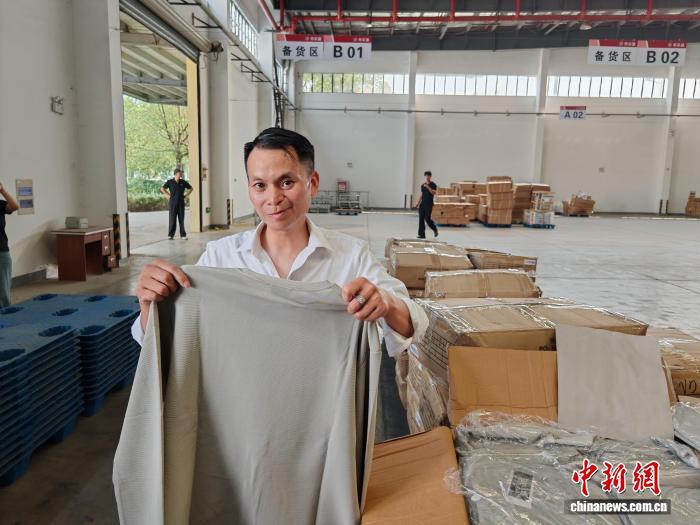
活力中国调研行丨江苏常熟“市采通”平台助力 “小商户”轻松“卖全球”
Zhong Guo Xin Wen Wang· 2025-09-18 01:59
Core Insights - The "Shicaitong" platform in Changshu provides a comprehensive service for small and micro enterprises engaged in cross-border trade, facilitating logistics and ensuring fund security [5][7]. Group 1: Platform Overview - The "Shicaitong" platform was launched in October 2019 to address challenges faced by small and micro enterprises in cross-border trade [5]. - The platform has served over 40,000 small and micro foreign trade entities, exporting to 177 countries and regions, with an export value exceeding 90 billion yuan, accounting for 80% of Jiangsu's total trade export value [5][7]. Group 2: Services Offered - The platform offers a one-stop export service, including group cargo consolidation, customs declaration, foreign exchange collection, tax exemption declaration, and supply chain finance [5]. - It employs a digital monitoring and traceability system to ensure compliance and safety for each shipment, with real-time information accessible to customs [5][8]. Group 3: Regulatory Support - Changshu Customs has implemented measures such as advance declaration and simplified reporting to create a low-cost, high-efficiency export channel for small and micro enterprises [7]. - The customs authority has also introduced a "three-ring joint control" smart risk prevention model to address issues like intellectual property infringement and smuggling [7]. Group 4: Market Expansion - The platform has established a "Changshu (Ho Chi Minh City, Vietnam) reception hall" to assist local enterprises in expanding into Southeast Asian markets [7]. - The platform's services have enabled enterprises to achieve significant export volumes, with one business reporting over 10 million yuan in annual exports through the platform [7].

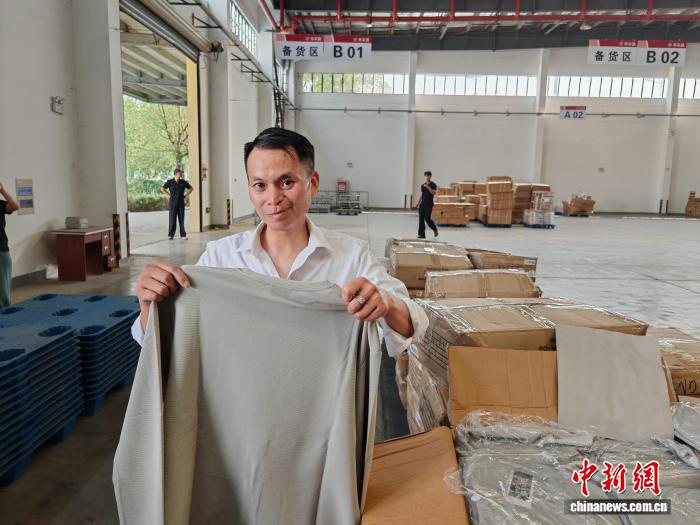
(活力中国调研行)江苏常熟“市采通”平台助力 “小商户”轻松“卖全球”
Zhong Guo Xin Wen Wang· 2025-09-17 12:39
Core Viewpoint - The "Shicaitong" platform in Changshu, Jiangsu, facilitates small merchants in easily exporting goods globally, addressing challenges in cross-border trade and enhancing compliance and security [1][5]. Group 1: Platform Overview - The "Shicaitong" platform was launched in October 2019 to assist small and micro enterprises in overcoming difficulties in cross-border trade [5]. - It provides a comprehensive range of services including cargo consolidation, customs declaration, foreign exchange settlement, tax exemption declaration, and supply chain finance [5]. - The platform has served over 40,000 small and micro foreign trade entities, exporting to 177 countries and regions, with an export value exceeding 90 billion yuan, accounting for 80% of Jiangsu's total trade export value [5][7]. Group 2: Operational Innovations - The platform has developed a digital monitoring and traceability system to ensure compliance and safety for each shipment [5]. - Monitoring personnel verify cargo against customs declarations before shipment, with all information being transparent and traceable for customs [5][7]. - Changshu Customs has implemented a "three-ring joint control" smart risk prevention model to address issues like intellectual property infringement and false trade [7]. Group 3: Market Expansion - The platform has established a "Changshu (Ho Chi Minh City, Vietnam) reception hall" to assist local enterprises in entering the Southeast Asian market [7]. - It offers a one-stop export service, including monitoring, consolidation, air freight, and overseas warehousing, to streamline the export process [7]. - The platform has significantly reduced logistics costs and improved the efficiency of exporting goods for small and micro enterprises [7].
中国水口—越南驮隆国际性口岸正式开通
Zhong Guo Xin Wen Wang· 2025-09-12 22:08
Core Points - The China Shuikou-Vietnam To Long International Port has been upgraded to an international port, allowing access for third-country travelers and goods [1] - The Shuikou Port is located in Longzhou County, Guangxi, and is the earliest trading port in Guangxi [1] - The Shuikou-Vietnam To Long River Bridge, completed in February 2021, spans 975.5 meters [1] - The expanded opening of Shuikou Port is set to pass national acceptance by October 31, 2024 [1] Industry Impact - The upgrade is expected to attract more domestic and foreign enterprises, facilitating the free flow and efficient allocation of capital, technology, and talent [1] - It aims to promote deep integration and collaborative development of cross-border trade, investment, and tourism industries [1] - The opening of the bridge will alleviate pressure on Vietnam's main port area and enhance customs clearance capacity [1][2] - The new bridge will boost the export of agricultural and forestry products from Vietnam to China, expanding opportunities in production cooperation, logistics services, and supporting industries [1]
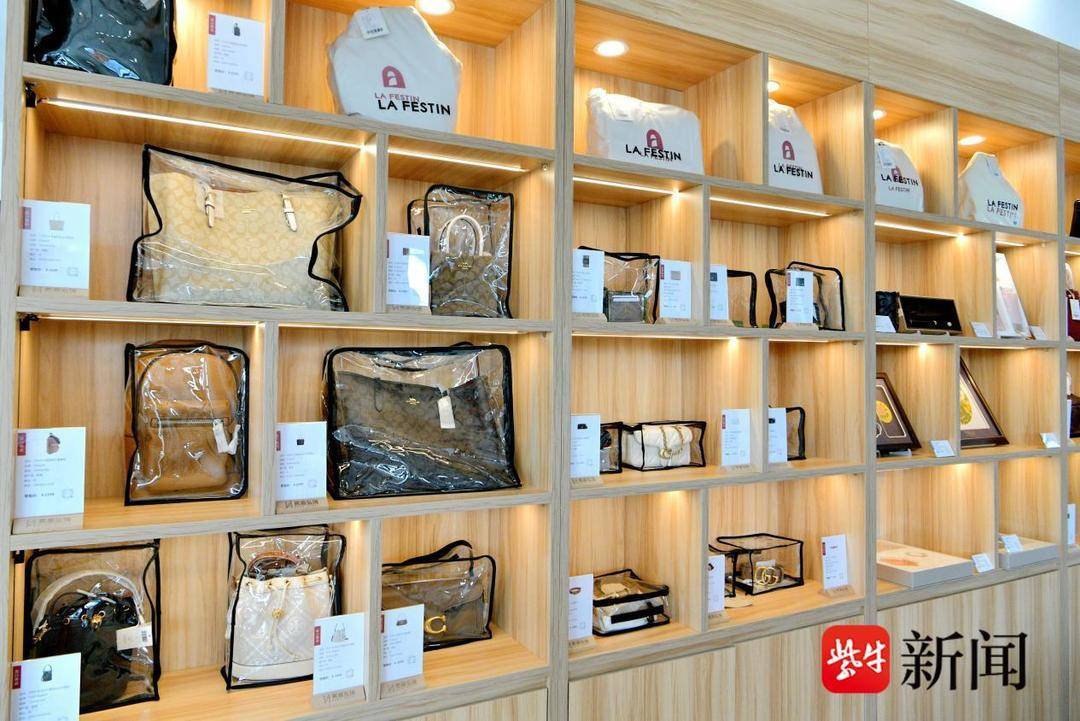
正式启动!南京人又多一个购物好去处 溧水跨境购物新地标来了
Sou Hu Cai Jing· 2025-09-12 14:26
Core Viewpoint - The Nanjing Datong Customs Cross-Border Commodity Display and Trading Center has officially launched, marking a significant project for cross-border trade innovation in Lishui District, aimed at enhancing the region's outward-oriented economic development [1][6]. Group 1: Center Overview - The center is located in the core area of the Nanjing Airport Economic Demonstration Zone, adjacent to Lukou International Airport, providing a strategic location advantage [3]. - It features approximately 300 square meters of display space, divided into a "bonded display trading area" and a "general trade sales area," showcasing nearly 500 SKUs from various international brands, including GUCCI and COACH [3][4]. Group 2: Operational Model - The center employs an innovative cross-border retail model that includes "bonded display, online ordering, rapid customs clearance, and direct warehouse dispatch," significantly enhancing shopping efficiency and experience [4]. - Three additional centers were inaugurated: the Cross-Border E-commerce Incubation Center, Cross-Border E-commerce Service Center, and Cross-Border E-commerce Selection Center, which will collaboratively build a comprehensive service system [4]. Group 3: Future Development - The center aims to continuously expand its brand and product categories, deepen the online-offline integration experience, and optimize supply chain efficiency [6]. - It is positioned as a core platform for promoting high-quality cross-border trade development in Lishui, with plans to integrate customs, taxation, foreign exchange, and logistics resources to streamline customs processes and reduce operational costs for enterprises [6].
2025服贸会主题论坛聚焦雄安数字贸易创新
Zhong Guo Xin Wen Wang· 2025-09-11 13:32
Group 1 - The 2025 China International Service Trade Fair's theme forum focuses on digital trade innovation in Xiong'an New Area, highlighting the region's potential in digital technology applications [1] - The conference features 46 digital trade scenario demands from central enterprises, provincial state-owned enterprises, and Xiong'an New Area, showcasing a broad market space for digital technology [1] - The event adopts a "1+1+N" structure, including one main forum, one digital trade achievement exhibition, and multiple parallel activities, attracting over 700 guests from various sectors [1][2] Group 2 - The digital trade scenario exhibition is a key highlight, featuring three main areas: a trade achievement roadshow hall, a smart connection trading hall, and a smart trading reception area [2] - 90 participating companies showcase over 200 solutions and physical exhibits, demonstrating Xiong'an New Area's innovative vitality and potential in developing digital trade [2]
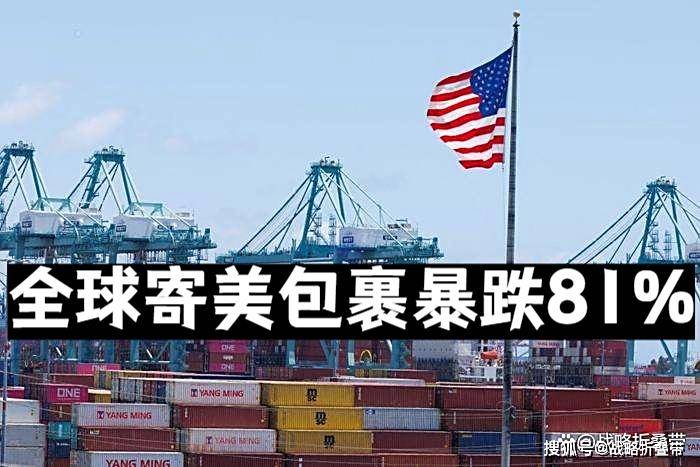
全球寄美包裹暴跌81%!特朗普新政颠覆跨境贸易
Sou Hu Cai Jing· 2025-09-07 12:21
Group 1 - The core point of the news is the significant impact of the U.S. government's decision to eliminate the $800 tax exemption on imported packages, leading to a drastic reduction in cross-border e-commerce and severe disruptions in the global postal network [1][3] - The new policy has resulted in 81% fewer packages being sent to the U.S. since its implementation, causing 88 global postal operators to suspend or limit their services to the U.S. [1][3] - The policy change is seen as a major shift in U.S. trade policy, previously allowing tax-free entry for packages under $800, which the government now views as a "trade loophole" [3] Group 2 - Small and medium-sized enterprises (SMEs) that rely on low-cost cross-border goods are facing a survival crisis, with some reporting order interruption rates as high as 60% [5][7] - Analysts estimate that SMEs could face over $71 billion in increased costs due to the new policy, with the average package value around $48, significantly impacting their already thin profit margins [7] - Business owners are left with difficult choices: absorb the costs or pass them on to consumers, leading to potential price increases [7] Group 3 - U.S. consumers, particularly low-income families, are indirectly affected by the policy change, experiencing price increases of up to 50% on essential goods [8][10] - The time for customs clearance has increased from 1-2 days to over a week, causing families to stockpile low-cost essentials, exacerbating supply shortages [10] Group 4 - The global logistics chain is severely disrupted, with European postal warehouses experiencing significant backlogs, such as Spain's daily accumulation of 30,000 packages [10][15] - Major logistics companies like DHL and La Poste have suspended commercial package services, leading to a breakdown in the global supply chain [10][15] Group 5 - The Universal Postal Union has launched a cost calculator API to help postal services estimate tariffs, but many countries are still suspending services due to unclear tax details from the U.S. [12][14] - The overseas warehouse model is emerging as a more effective solution, allowing goods to be shipped in bulk to the U.S. to avoid cross-border tariffs and reduce logistics time [12][14] - The global trade landscape is changing, with increasing interest in markets in Southeast Asia, the Middle East, and Africa, as companies adapt to the new trade environment [15]
对话阿里巴巴国际站张阔:几分钟完成几周的工作,AI如何改写跨境贸易
Xin Lang Cai Jing· 2025-09-05 16:14
Core Insights - Alibaba International Station introduced the AI search engine Accio, which streamlines the procurement process from weeks to minutes, emphasizing its practicality for small and medium enterprises (SMEs) in the B2B sector [1][3][4] - The platform aims to enhance global trade infrastructure by integrating AI tools across various stages, including transaction, payment, and logistics [1][4] Group 1: AI Implementation and Impact - Accio significantly reduces the complexity of cross-border procurement by addressing time zone and language barriers, allowing users to find products more efficiently [3][5] - The AI search function launched in September has improved user conversion rates by over 10%, indicating enhanced matching accuracy [4][5] - The platform's search engine traffic has increased by over 20%, with Accio achieving 1.5 million monthly active users in August, projected to exceed 2 million in September [6][9] Group 2: Business Model and User Engagement - The average order value on the platform is approximately $3,000, with the conversion process involving both inquiry and payment stages [5][6] - The integration of local payment methods in regions like Latin America and the Middle East has improved payment convenience and buyer willingness [5][6] - The platform's order volume has grown by 33% this year, driven by increased participation in cross-border trade [9][10] Group 3: AI's Role in Trade Efficiency - AI is expected to revolutionize B2B trade by enhancing supply-demand matching and facilitating communication between buyers and suppliers [10][11] - The company is developing AI capabilities to optimize payment solutions and credit risk assessments for buyers [10][11] - AI tools are being utilized to address compliance issues, helping sellers navigate complex regulations and reduce operational risks [11][12] Group 4: Organizational Changes and Future Outlook - The introduction of AI is transforming organizational culture, with a focus on enhancing efficiency across all roles, from sales to technical development [13][14] - The company is encouraging employees to develop skills that complement AI, emphasizing the importance of human judgment and creativity [14][15] - Future strategies include leveraging AI to simplify the international market entry process for SMEs, making it easier to connect with global supply chains [15][16]

美关税豁免终结 中企如何破局?
Jin Tou Wang· 2025-09-01 06:23
Group 1 - The termination of the "de minimis" duty exemption for packages valued under $800 sent to the U.S. will impact cross-border sellers, particularly from China, although companies like Shein and Temu may adapt quickly to the new trade environment [1][2] - In July, China's exports of small packages to the U.S. dropped by 43% year-on-year to $1 billion, indicating a significant impact from the new regulations [1] - Approximately 70% of packages are subject to tariffs ranging from $30 to $50, while about 30% face tariffs between $50 and $80, affecting the cost structure for Chinese sellers [1] Group 2 - Large platforms in China have established flexible supply chains, allowing them to absorb the impact of new tariffs more effectively than smaller businesses [2] - Many small enterprises are turning to Amazon for sales as overseas warehouse costs become prohibitive, with Chinese sellers accounting for over half of Amazon's market sales last year [2] - The uncertainty surrounding the new U.S. regulations has led to 25 countries suspending outbound postal services to the U.S., indicating broader implications for international shipping [2]
2025数博会丨培育“数字丝绸之路” 打通跨境贸易新渠道
Xin Hua Wang· 2025-08-30 16:36
Group 1 - The current Digital Expo focuses on "promoting trade through exhibitions" as its core feature [2] - A new "Digital Silk Road" supply-demand matching area has been established for the first time [2] - The design includes a closed-loop system of "demand-oriented solicitation + precise supply matching + in-depth on-site connection" to address information gaps, trust issues, and compatibility challenges in the international cooperation of digital technologies [2]
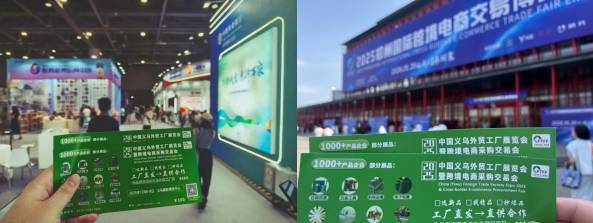
双展联动,推介赋能!2025义乌外贸工厂展助推全球贸易新机遇
Sou Hu Cai Jing· 2025-08-29 11:27
Group 1 - The global trade landscape is undergoing significant adjustments, with China's cross-border e-commerce and foreign trade industries accelerating their integration, demonstrating strong development resilience [1] - Yiwu, known as the "World Supermarket," continues to leverage its advantages in small commodity manufacturing and supply chains, serving as a crucial bridge between Chinese manufacturing and global markets [1] - The 2025 Yiwu Foreign Trade Small and Medium-sized Factory Exhibition Committee is actively promoting the exhibition through dual channels at the Hangzhou E-commerce Expo and Zhengzhou Cross-border Expo, aiming to explore new foreign trade opportunities and connect with high-quality resources [1][2] Group 2 - The current Yiwu Foreign Trade Small and Medium-sized Factory Exhibition features a grand scale with 2,000 international standard booths and a total exhibition area of 50,000 square meters [4] - The exhibition covers a wide range of products, including daily necessities, hardware tools, electromechanical equipment, electronics, cultural supplies, furniture, toys, clothing, outdoor leisure, automotive supplies, and pet products, providing a comprehensive one-stop sourcing platform for global buyers [4] - The event is expected to attract over 60,000 professional visitors, including import and export trading companies, cross-border e-commerce enterprises, large wholesalers and retailers, chain supermarkets, live selection teams, and supply chain managers, fostering a high-efficiency and open trade ecosystem [4]