大模型

Search documents
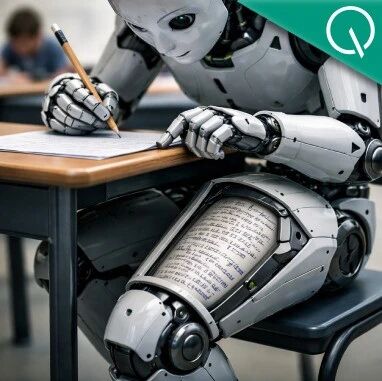
定位大模型「作弊」神经回路!新研究首次揭示:虚假奖励如何精准激活第18-20层记忆
量子位· 2026-01-20 01:34
Core Insights - The article discusses the phenomenon of "Spurious Rewards" in large language models (LLMs) and how they can enhance accuracy even with false reward signals during training [1][2] - It highlights the concept of "Perplexity Paradox," where models show decreased perplexity for answers but increased perplexity for questions, indicating a trade-off between general understanding and specific memorization [3][6] Group 1: Key Findings - The research team identified that the model's internal memory shortcuts are activated by false RLVR, leading to a more efficient retrieval of contaminated knowledge rather than genuine learning [1][6] - The critical memory nodes are located in layers 18-20, which serve as functional anchors for retrieving memorized answers [10][20] - The study utilized various analytical methods, including Path Patching and Jensen-Shannon Divergence (JSD), to pinpoint the layers responsible for memory retrieval and structural adaptation [9][15] Group 2: Mechanisms and Dynamics - The research demonstrated that the model's decision-making process occurs at layers 18-20, where it chooses between reasoning paths and memory shortcuts [23] - The introduction of Neural ODEs allowed the team to model the continuous evolution of hidden states, confirming that separation forces peak at the critical layers [21] - The team successfully manipulated memory retrieval by scaling the activation of specific neurons, demonstrating a dose-dependent relationship in memory retrieval accuracy [25][30] Group 3: Implications and Future Directions - The findings provide new tools for evaluating RLVR effectiveness, suggesting that improvements may be illusory if they stem from memory activation circuits [36] - The research opens new avenues for detecting data contamination through internal neural activation patterns, moving beyond traditional statistical methods [38] - It proposes controllable methods for reducing reliance on contaminated knowledge without retraining the model, paving the way for new techniques in reasoning and decontamination [39]

计算机行业周报DeepSeek开源含Engram模块,千问助理重塑人机交互
Huaxin Securities· 2026-01-20 00:30
Investment Rating - The report maintains a "Buy" rating for the following companies: Weike Technology (301196.SZ), Nengke Technology (603859.SH), Hehe Information (688615.SH), and Maixinlin (688685.SH) [6][50]. Core Insights - The AI application landscape is evolving, with the launch of the new "Task Assistant" feature in the Qianwen app, which integrates over 400 services from Alibaba's ecosystem, marking a significant shift from information processing to task execution [3][27]. - DeepSeek has released an open-source Engram module that enhances memory retrieval and reasoning efficiency in large models, addressing traditional architecture challenges [2][20]. - SkildAI has completed a $1.4 billion Series C funding round, indicating strong market interest in general AI models for robotics, with a valuation exceeding $14 billion [36][38]. Summary by Sections Computing Power Dynamics - The rental prices for computing power remain stable, with specific configurations like Tencent Cloud's A100-40G priced at 28.64 CNY/hour and Alibaba Cloud's A100-40G at 31.58 CNY/hour [17][19]. - DeepSeek's Engram module introduces a "lookup-computation separation" mechanism, significantly improving model efficiency in memory retrieval and reasoning tasks [2][20]. AI Application Dynamics - QuillBot's weekly traffic increased by 13.20%, indicating growing user engagement in AI tools [25][26]. - The Qianwen app's upgrade allows users to complete complex tasks such as ordering food and booking travel through natural language commands, showcasing the practical application of AI in daily life [3][28]. AI Financing Trends - SkildAI's recent funding round attracted major investors, including SoftBank and NVIDIA, highlighting the increasing capital flow into AI robotics [36][39]. - The company's innovative "hardware-agnostic" architecture aims to address the scarcity of training data in robotics, positioning it as a leader in the emerging market for general AI models [38][39]. Investment Recommendations - The report suggests focusing on companies like Maixinlin (688685.SH), Weike Technology (301196.SZ), Hehe Information (688615.SH), and Nengke Technology (603859.SH) for their growth potential in AI applications and computing power [48][50].


智能驾驶专题:2026中国科技出行产业10大战略技术趋势展望
Sou Hu Cai Jing· 2026-01-19 17:08
Core Insights - The report outlines ten strategic technology trends in China's technology mobility industry for 2026, focusing on cost reduction, user experience enhancement, and ecological innovation [1][4][5]. Group 1: Cost Reduction and Efficiency Enhancement - The Chiplet technology is expected to drive the iteration of vehicle chip architecture, addressing the conflict between computing power and energy efficiency [1][7]. - The automotive industry is moving towards comprehensive domestic production of automotive-grade chips, with a significant shift in the communication and power semiconductor sectors anticipated by 2026 [1][13][16]. Group 2: User Experience Enhancement - The AI Box is emerging as a flexible solution for on-vehicle AI computing, enabling local operation of large models (7B and above) without altering existing vehicle hardware [1][11][12]. - The transition to a 3.0 era of smart cockpits is expected, driven by the innovative reasoning capabilities of large models, enhancing user interaction and experience [1][25][27]. Group 3: Ecological Innovation Development - The introduction of vehicle-mounted optical communication technology is projected to alleviate bandwidth crises, with pilot projects expected to commence in 2026 [1][17][21]. - The 48V low-voltage architecture is anticipated to gradually be adopted in vehicles, supporting the application of high-power intelligent components [1][19][22]. - The line control steering technology is set to scale up, with the integration of chassis control across X/Y/Z axes accelerating [1][23][24]. Group 4: Safety and Rational Development - The L3 level of autonomous driving is expected to see phased implementation, with a focus on safety and rational development in the industry [1][28][32]. - The industry is shifting from an overemphasis on technology competition to a balanced approach prioritizing safety and user experience [1][28][32]. Group 5: Interaction and Experience Innovation - In the context of homogenization of central screens, smaller screens are expected to create differentiated multi-touchpoint interaction experiences [1][30][33]. - The evolution of smart cockpits is moving towards a system that perceives, thinks, and collaborates, enhancing the interaction between humans, vehicles, and the environment [1][30][33]. Group 6: Physical AI and Ecosystem Collaboration - Physical AI technology is anticipated to facilitate multi-ecosystem collaboration, aiding manufacturers and supply chains in diversifying their business layouts [1][34][36]. - The core capabilities of Physical AI are expected to be rapidly reused across various applications, including humanoid robots and low-altitude flying vehicles, enhancing the value potential of the supply chain [1][36][38].
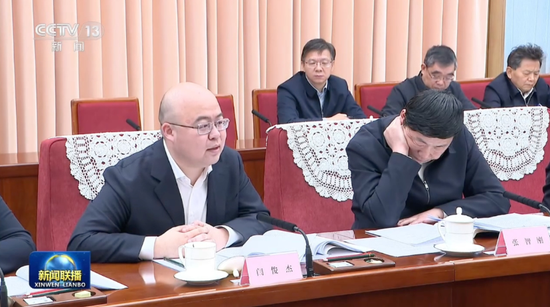
“人均95后”的大模型公司,上了新闻联播
Xin Lang Cai Jing· 2026-01-19 13:57
Core Viewpoint - MiniMax, a leading global AI technology company founded in 2022, is gaining recognition in the Chinese large model industry, showcasing a youthful and innovative workforce while achieving significant technological advancements and international market presence [3][9]. Company Overview - MiniMax has a total of 385 employees with an average age of 29, predominantly consisting of "post-95" generation [3][9]. - The company has a high proportion of R&D personnel, with 73.8% of its workforce engaged in research and development, and about one-third having overseas study or research backgrounds [3][9]. - MiniMax has implemented AI collaboration across all employees, utilizing AI tools in over ten core work scenarios [3][9]. Technological Advancements - The company focuses on the independent development of multimodal models, including text, video, and voice, and is recognized as one of the "four globally" to reach the top tier in this area [3][9]. - MiniMax has accelerated its model iteration pace, achieving multiple upgrades to its text model within six months, ranking among the top globally in several international evaluation lists [3][9]. - The models developed by MiniMax demonstrate near top-tier performance with lower computational costs, gaining attention in the overseas developer community [3][9]. Market Presence - MiniMax has over 2.12 billion users across more than 200 countries and regions, with over 70% of its revenue generated from international markets [4][10]. - The company is positioned in a competitive landscape where Chinese AI enterprises are transitioning from "catching up" to "keeping pace" and even "leading" in certain areas, particularly in multimodal capabilities and engineering efficiency [12]. Industry Dynamics - The competition among large model enterprises is evolving from a focus on single-point performance to a comprehensive assessment of capabilities, iteration speed, and ecosystem development [12]. - As AI technology integrates deeply with the economy and society, companies like MiniMax, characterized by youthfulness, engineering focus, and global outreach, are becoming significant players in the Chinese AI industry [12].
粤企领跑扩招涨薪潮,腾讯、比亚迪、研祥如何招才引智
Nan Fang Du Shi Bao· 2026-01-19 13:17
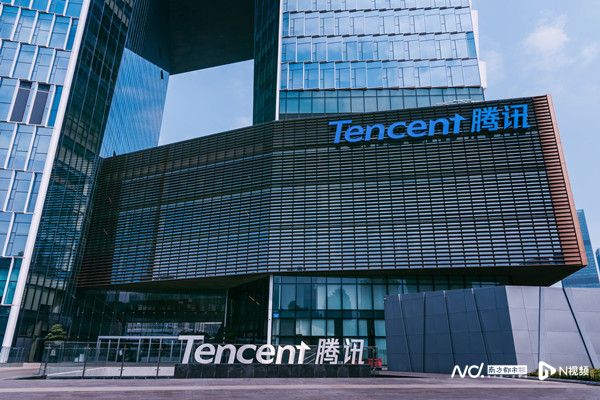
以上内容由AI大模型生成,仅供参考 "稳就业"关乎"稳经济"的大局。2025年12月,中央经济工作会议在部署2026年经济工作时明确要求,实 施稳岗扩容提质行动,切实稳定高校毕业生、农民工等重点群体就业。开年以来,广东作为"我国经济 第一大省",率先把稳岗扩容提质的要求落到企业用工与人才机制上,一批粤企在校招、实习、技能岗 位补充等方面持续加力,成为稳就业的重要承接端。 从用工市场信号看,扩招与涨薪正在同步出现。据不完全统计,2025年,比亚迪(002594)新发"AI infra算法工程师"岗位平均月薪上涨超过36%;大疆"工业设计师"岗位平均月薪上涨20%,腾讯"AI 产品 经理"岗位平均月薪上涨5.56%。岗位与薪酬变化背后,指向同一条主线:新技术驱动的岗位需求加速 释放,企业在关键岗位上提升吸引力,同时通过更系统的人才培养与发展通道提高留用率、提升就业质 量。 腾讯滨海总部大厦。 近日,南都湾财社记者采访了腾讯、比亚迪、研祥集团三家企业,发现"稳就业"的落点正在发生迁移: 从"多招人"转向"招对人、育好人、留住人"。腾讯作为平台企业,将扩招重点更多压在AI等新兴业务 上;比亚迪作为制造业龙头,在产业链 ...


观察 粤企领跑扩招涨薪潮,腾讯、比亚迪、研祥如何招才引智
Nan Fang Du Shi Bao· 2026-01-19 13:07
Core Insights - The article emphasizes the importance of "stabilizing employment" as a key factor for "stabilizing the economy," with a focus on actions to enhance job quality and quantity for specific groups like college graduates and migrant workers [1] Group 1: Employment Strategies - Guangdong, as China's largest economy, has implemented measures to stabilize employment by enhancing recruitment and talent mechanisms in enterprises, leading to increased hiring and salary growth [1][3] - Companies like Tencent, BYD, and Yanzheng Group are shifting their focus from merely hiring more people to hiring the right talent, nurturing them, and retaining them [3][4] Group 2: Recruitment Trends - Recruitment is increasingly concentrated in "new technologies, new tracks, and new positions," with a significant focus on AI-related roles, which account for over 60% of Tencent's new job openings [4][6] - BYD's job growth is driven by the expansion of its industrial chain and technological upgrades, leading to a multi-layered demand for talent across various sectors [6] Group 3: Talent Development Mechanisms - Companies are implementing comprehensive training and development mechanisms to improve employment quality, with Tencent focusing on campus recruitment and internal training resources to facilitate the transition from school to work [7][8] - BYD emphasizes a "full-cycle" talent system that integrates recruitment, onboarding, and training, while also providing a structured growth path for employees [8][9] Group 4: Long-term Employment Quality - The article highlights that effective talent retention strategies, such as mentorship programs and multi-channel development paths, are crucial for reducing turnover and enhancing job quality [9][10] - Yanzheng Group's "Qingyan Society" focuses on matching talent with job requirements through systematic training and practical experience, thereby improving retention rates [9][12] Group 5: Broader Implications for Innovation and Industry Resilience - The ability of companies to continuously attract and develop talent is seen as critical for innovation and industry resilience, with Tencent and BYD both investing in high-end talent and specialized training programs [10][12] - The article concludes that employment strategies are evolving from simple recruitment to a more integrated approach that combines talent development, adaptability, and alignment with industry upgrades [12]
观察|粤企领跑扩招涨薪潮,腾讯、比亚迪、研祥如何招才引智
Nan Fang Du Shi Bao· 2026-01-19 13:07
从用工市场信号看,扩招与涨薪正在同步出现。据不完全统计,2025年,比亚迪新发"AI infra算法工程师"岗位平 均月薪上涨超过36%;大疆"工业设计师"岗位平均月薪上涨20%,腾讯"AI 产品经理"岗位平均月薪上涨5.56%。岗 位与薪酬变化背后,指向同一条主线:新技术驱动的岗位需求加速释放,企业在关键岗位上提升吸引力,同时通 过更系统的人才培养与发展通道提高留用率、提升就业质量。 近日,南都湾财社记者采访了腾讯、比亚迪、研祥集团三家企业,发现"稳就业"的落点正在发生迁移:从"多招 人"转向"招对人、育好人、留住人"。腾讯作为平台企业,将扩招重点更多压在AI等新兴业务上;比亚迪作为制 造业龙头,在产业链扩张中带来多层次岗位增量,并以全周期培养机制稳住队伍;研祥集团则以"青研社"全周期 职业孵化与技术扶贫模式破解人岗适配难题,把"人才流量"沉淀为"技术留量"。 扩招向"新技术、新赛道、新岗位"集中 招聘结构的变化,往往预示着产业趋势的风向。随着大模型产业快速发展,腾讯在2025年开放的校招岗位覆盖技 术、产品、设计、市场、职能等五大类70余种岗位。其中,人工智能、大数据、云计算、游戏引擎等技术类岗位 扩招力 ...
AI硬件需求碎片化 都想取代手机 谁能定义下一代超级入口
Nan Fang Du Shi Bao· 2026-01-19 12:44
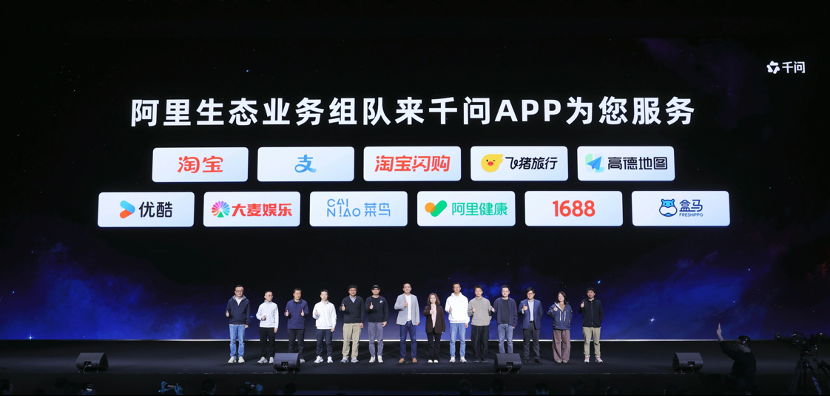
Core Insights - Alibaba has integrated its Qianwen App into its ecosystem, including Taobao, Alipay, and other services, positioning it as a "super agent" to differentiate from competitors like Doubao and Yuanbao [1] - The year 2025 is referred to as the "AI Hardware Year," marking a surge in AI hardware products like AI glasses and headphones, aiming to replace smartphones as essential devices [3][4] - Major tech companies are actively investing in AI hardware, with products like ByteDance's Doubao and ZTE's nubia M153 generating significant buzz [1][9] Trend 1: Hardware Manufacturers Competing in AI Vertical Market - The AI hardware market is experiencing intense competition, with various companies launching products aimed at becoming essential devices [2][3] - Plaud, an AI hardware company, has successfully sold over 1 million units by targeting high-decision, high-dialogue, and high-knowledge-density users [3] - The trend of vertical market products achieving commercial viability is notable, as companies leverage AI to enhance hardware functionality [4] Trend 2: Major Companies Stirring the Hardware Market - Internet giants are diversifying into hardware, with companies like ByteDance and Alibaba launching AI products to complement their existing software ecosystems [9][10] - The strategies include direct hardware development and providing foundational models for other hardware manufacturers [10][11] - Tencent is focusing on robotics and has launched a modular platform for intelligent robots, indicating a shift towards hardware integration [11] Trend 3: Ecosystem Integration of Super Applications - Alibaba's Qianwen App has been upgraded to support over 400 tasks, integrating with various services to enhance user experience [15][17] - Tencent is betting on WeChat as a super application, aiming to create an AI assistant that can understand user needs and execute tasks within its ecosystem [17][18] - The competition among major companies is intensifying as they seek to create comprehensive user experiences through integrated applications [19] Trend 4: New Competitive Logic from Emerging AI Models - Emerging AI model companies, referred to as the "Six Little Tigers," are positioning themselves alongside major tech firms in the race for super applications [22][23] - These companies are focusing on high-value sectors like healthcare, with products that aim to redefine user engagement and application functionality [23][24] - The competition is shifting from traditional metrics of success to a focus on model capabilities and user experience [24][25] Predictions: Who Will Define the Super Entry? - The battle for the next generation of "super entry" is ongoing, with hardware and software companies vying for dominance [29][30] - Challenges remain in the AI hardware sector, including user privacy and the clarity of business models for AI applications [30][31] - The concept of a "super entry" may evolve, with the potential for more neutral and open platforms to emerge as key players [31]

十三年布局,一朝反超,谷歌AI崛起的真实故事
3 6 Ke· 2026-01-19 11:25
Core Insights - The article narrates the journey of Google in the AI sector, highlighting its comeback from setbacks to achieving significant milestones with the launch of products like Nano Banana and Gemini App, showcasing the importance of talent, time, and long-term vision in technology development [1][49][52]. Group 1: Key Events and Milestones - In August 2025, Google's image generator Nano Banana topped the LMArena charts, leading to a surge in global user engagement, generating billions of images [3][49]. - By September 2025, the Gemini App became the most downloaded app on the Apple App Store, with monthly active users increasing from 450 million in July to 650 million by October [49]. - In November 2025, Google released the Gemini 3 model, surpassing ChatGPT in multiple benchmarks, resulting in a significant increase in stock price [3][49]. Group 2: Historical Context and Strategic Moves - The origins of Google's AI success can be traced back to a secret auction in December 2012 at Lake Tahoe, where Google acquired DNNresearch for $44 million, marking a pivotal moment in its AI strategy [6][10][22]. - The acquisition of DeepMind in January 2014 for approximately $600 million further solidified Google's position in AI, bringing in top talent and innovative technology [24]. - The introduction of the Transformer model in June 2017 revolutionized AI, laying the groundwork for subsequent advancements in large language models [30][32]. Group 3: Challenges and Responses - Google's cautious approach to AI, particularly in the chatbot domain, led to missed opportunities, exemplified by the delayed release of Bard, which resulted in a significant drop in stock value after a failed launch in February 2023 [35][38]. - The return of co-founder Sergey Brin to active involvement in AI development was a crucial turning point, leading to strategic talent acquisitions and the eventual merger of Google Brain and DeepMind in April 2023 [39][42]. Group 4: Technological Advancements - The development of the TPU (Tensor Processing Unit) began in 2013, which later became a key competitive advantage for Google, enabling efficient AI model operations [28][48]. - By the end of 2025, Google had developed the Ironwood chip, achieving a performance of 4,614 TFLOPs per chip, significantly enhancing its computational capabilities [47][48]. Group 5: Themes and Conclusions - The overarching themes of talent and time are emphasized throughout Google's journey, illustrating that strategic investments in human capital and patience in technology development can lead to eventual success [53][55]. - The article concludes that despite challenges, Google's ability to adapt and innovate demonstrates that even major tech companies can recover and thrive in competitive landscapes [57][58].


增强国际金融中心竞争力和影响力,“十五五”时期上海准备这样做
2 1 Shi Ji Jing Ji Bao Dao· 2026-01-19 10:21
Core Viewpoint - The Shanghai "14th Five-Year Plan" aims for a comprehensive upgrade of Shanghai's "five centers" by 2035, with a goal of doubling the per capita GDP compared to 2020 [1][3]. Group 1: Five Centers Development - The "five centers" include international economic, financial, trade, shipping, and technological innovation centers, with the international financial center being a key component [3]. - The plan emphasizes innovation-driven and coordinated development, enhancing global resource allocation, technological innovation, and high-end industry leadership [3]. Group 2: Enhancing International Financial Center Competitiveness - The strategy to enhance the competitiveness and influence of the international financial center will focus on three areas: building a global RMB asset allocation center, improving the modern financial system, and enhancing financial services for the real economy [4]. Group 3: Global RMB Asset Allocation Center - The plan includes expanding cross-border and offshore financial services, deepening cross-border investment and settlement facilitation, and optimizing offshore account systems [5]. - It aims to promote the internationalization of the RMB by enriching RMB-denominated financial products and enhancing international reinsurance capabilities [5]. Group 4: Modern Financial System - The proposal calls for a robust financial market system, promoting direct financing, and enhancing the functions of capital markets [6]. - It encourages the establishment of diverse and specialized financial products and services, and supports the development of financial infrastructure [6]. Group 5: Financial Services for the Real Economy - The plan emphasizes the development of technology finance, green finance, and inclusive finance to address financing challenges for small and medium-sized enterprises [7]. - It also highlights the importance of pension finance and digital finance innovations, including the application of digital RMB [7]. Group 6: RMB Foreign Exchange Futures Trading Pilot - The suggestion to explore the pilot of RMB foreign exchange futures trading has been reiterated in multiple policy documents, indicating a significant step in the development of China's foreign exchange market [8][9]. - The collaboration between the People's Bank of China and the China Securities Regulatory Commission to promote RMB foreign exchange futures is seen as a major advancement in regulatory coordination [10].