
人类命运共同体

Search documents
坚持,全靠坚持(大家谈人生)
Ren Min Ri Bao· 2025-09-23 22:33
Core Points - The article reflects on the author's lifelong commitment to writing and learning, emphasizing the importance of perseverance and hard work in achieving success [1][3][10] - It highlights the author's journey from childhood aspirations to becoming a published author, with significant works like "Youth Forever" and its enduring impact over decades [4][5][6] Group 1: Personal Journey and Achievements - The author began writing at a young age, inspired by family and literature, and aimed to become a "professional revolutionary" [2][3] - "Youth Forever" was completed after years of effort and was finally published in 1979, marking a significant milestone in the author's literary career [4][6] - The book has seen multiple editions and translations, indicating its lasting popularity and relevance [5][6] Group 2: Philosophy on Learning and Health - The author emphasizes the value of continuous learning and adaptation, stating that knowledge enhances confidence and resilience [8][9] - Physical health is also highlighted as crucial for sustaining a productive life, with the author maintaining a rigorous exercise routine for decades [9][10] - The article advocates against complacency, encouraging a proactive approach to life and learning, and dismissing the notion of "lying flat" as a response to challenges [10]
用党的创新理论改造主观世界和客观世界(深入学习贯彻习近平新时代中国特色社会主义思想)
Ren Min Ri Bao· 2025-09-23 22:12
Core Points - The articles emphasize the importance of using the Party's innovative theories to transform both subjective and objective worlds, highlighting the integration of Marxist principles with Chinese realities [1][2][22] - The focus is on maintaining a people-centered approach, ensuring that the Party's actions align with the needs and aspirations of the populace [3][12] - There is a strong emphasis on self-reliance and confidence in the Party's path, advocating for a unique Chinese approach to modernization and governance [4][10] - The articles stress the necessity of innovation while adhering to core principles, promoting a balance between tradition and progress [5][6] - A problem-oriented approach is highlighted, encouraging the identification and resolution of contemporary issues through innovative thinking [6][7] - The importance of a systematic perspective in governance is discussed, advocating for a holistic view of development that considers both domestic and international contexts [7][13] - The articles call for a global perspective, urging the Party to contribute to global peace and development while pursuing national interests [8][21] Summary by Sections Theoretical Framework - The integration of Marxism with Chinese culture and contemporary issues is essential for developing a robust theoretical framework [2][4] - The Party's innovative theories serve as a guide for addressing practical challenges and enhancing governance [1][22] People-Centric Approach - The Party's commitment to prioritizing the people's needs is fundamental to its legitimacy and effectiveness [3][12] - Historical examples illustrate the Party's connection with the masses and its focus on improving living standards [3][12] Self-Reliance and Confidence - Emphasizing the need for self-reliance, the articles advocate for solutions that are rooted in China's unique context [4][10] - The Party's historical achievements are presented as a foundation for future confidence and direction [4][10] Innovation and Tradition - The balance between maintaining core principles and embracing innovation is crucial for the Party's ongoing relevance [5][6] - Encouraging a culture of innovation while respecting established values is highlighted as a key strategy [5][6] Problem-Oriented Governance - A strong emphasis on identifying and addressing current issues is presented as vital for effective governance [6][7] - The articles advocate for innovative solutions to complex problems faced by society [6][7] Systematic Perspective - The importance of a comprehensive approach to governance that considers various factors and interconnections is stressed [7][13] - The articles encourage a strategic view that integrates local and global considerations [7][13] Global Engagement - The Party is urged to adopt a global perspective, contributing to international peace and development while pursuing national goals [8][21] - The articles highlight the significance of China's role in the global community and the need for collaborative efforts [8][21]
为人类文明的共同未来而战(国际观澜)
Ren Min Ri Bao· 2025-09-23 22:04
Group 1 - The core viewpoint emphasizes the significant contributions of the Chinese people in the global anti-fascist struggle, highlighting their sacrifices and efforts to defend human civilization and world peace [1][2] - The Chinese Communist Party played a crucial role in leading the anti-fascist resistance, organizing and supporting volunteers from various backgrounds to fight alongside international forces against fascism [1][2] - Chinese volunteers participated in the Spanish Civil War, joining the International Brigades composed of anti-fascist fighters from over 50 countries, showcasing their commitment to a common cause beyond national boundaries [1][2] Group 2 - The actions of Chinese volunteers are portrayed as a profound expression of internationalism, fighting not only for Spain but for the future of human civilization [2] - The historical context underscores the importance of peace and development as a shared human endeavor, with China positioned as a builder of global peace and a contributor to international order [2] - The narrative calls for the continuation of the internationalist spirit exemplified by Chinese volunteers, aiming to promote a community with a shared future for humanity and ensure the legacy of peace and development [2]
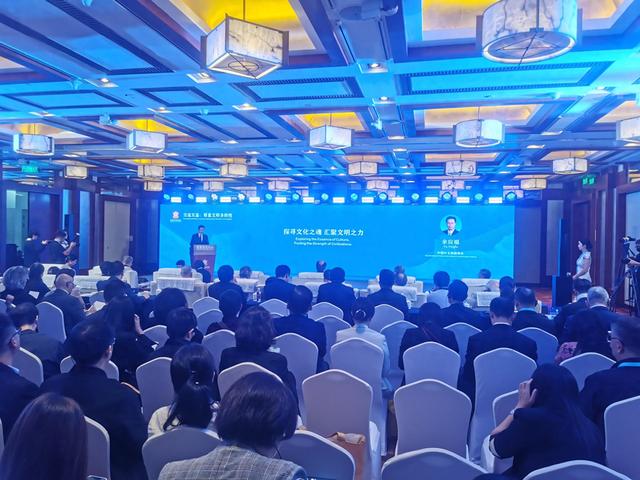
全球百余位嘉宾交流互鉴,2025北京文化论坛平行论坛聚焦“尊重文明多样性”
Bei Jing Ri Bao Ke Hu Duan· 2025-09-23 14:06
Core Viewpoint - The 2025 Beijing Cultural Forum emphasizes the importance of respecting cultural diversity and promoting mutual learning among civilizations as a pathway to building a community with a shared future for humanity [1][3]. Group 1: Forum Structure and Themes - The forum features keynote speeches and roundtable discussions focusing on the current state of global civilization development and the implementation of global civilization initiatives [3]. - Key themes discussed include "cultural identity," "digital empowerment," and "humanistic coexistence," which aim to foster cultural consensus for a shared future [3][11]. Group 2: Key Contributions and Perspectives - Chinese Foreign Language Bureau Deputy Director Yu Yingfu highlighted that the world is a garden of civilizations, where diversity is essential for dialogue and mutual learning [3][11]. - Former Director of the National Museum of China Wang Chunfa presented five common characteristics of civilizations, emphasizing diversity, equality, openness, communication, and cooperation as fundamental principles [3][8]. - Hassan Rajab, Director of the Confucius Institute at Suez Canal University, discussed the triple value of cultural diversity as a fundamental aspect of human society, a source of progress, and a necessary choice for peaceful development [7][8]. Group 3: Digital Empowerment and Cultural Exchange - The forum underscored the role of digital technology in reshaping cultural exchanges, with examples such as virtual reality and AI restoration enhancing accessibility to cultural heritage [18]. - Former Deputy Minister of Foreign Affairs Le Yucheng pointed out the need for international digital cultural sharing and the importance of addressing challenges like the digital divide [18][19].


中国基本实现全球主要区域教育合作机制全覆盖
Zhong Guo Xin Wen Wang· 2025-09-23 08:23
Group 1 - The core viewpoint is that China has achieved comprehensive coverage of educational cooperation mechanisms with major global regions during the "14th Five-Year Plan" period [1] - China has engaged in educational cooperation with 183 countries and regions, signed degree recognition agreements with 61 countries, and established cooperative education programs with 42 countries [1] - Over 36,000 young people have come to China for exchange programs as part of an initiative to invite 50,000 American youth to study in China over the next five years [1] Group 2 - The implementation of major initiatives such as "Europe Doubling" has shown positive results, with expanding exchange activities targeting Russia, Australia, ASEAN countries, and East Asian countries [1] - Various levels of exchange activities, from sister schools in basic education to international innovation competitions in higher education, are fostering mutual learning and growth among youth [2]
中国代表团出席联大纪念北京世妇会30周年高级别会议
Xin Hua She· 2025-09-23 05:52
与会代表赞赏中国妇女事业取得的显著进展,期盼即将在北京举办的全球妇女峰会,表示要加大努力, 加强合作,积极应对挑战,持续推动落实《北京宣言》和《行动纲领》,推动落实联合国2030年可持续 发展议程。 170多个国家、地区和国际组织高级别代表出席会议并在全体会议上发言。(记者施春 杨士龙) 黄晓薇指出,当前全球治理处在重要的十字路口,习近平主席提出全球治理倡议,主张奉行主权平等、 遵守国际法治、践行多边主义、倡导以人为本、注重行动导向,引领国际社会破解治理赤字,恰逢其 时。 黄晓薇生动宣介在以习近平同志为核心的党中央坚强领导下,新时代中国妇女事业取得的历史性成就。 她表示,中国不仅是男女平等倡导者,也是行动派、实干家,始终以行动践行承诺,构建起涵盖100多 部法律法规的保障妇女权益法律体系,以可量化可操作的制度工具,显著提升了6.9亿妇女的经济赋 权、健康、教育、就业、参政、社会保障等水平,中国妇女以卓越的创造力,擎起了国家事业的半边 天。她介绍了中国与联合国合作设立女童和妇女教育奖,习近平主席夫人彭丽媛教授担任特使,以及中 国为180多个国家和地区培养20多万名女性人才、在20多个国家实施超过4000万美元的 ...
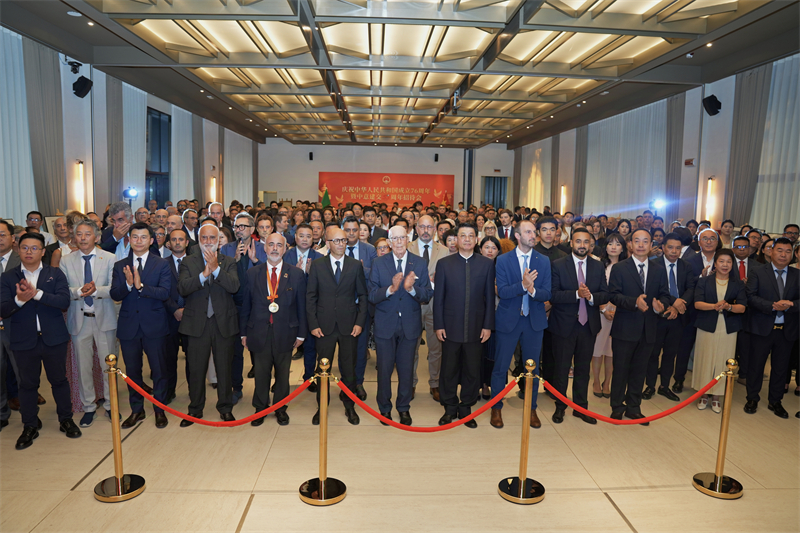
中国驻米兰总领事馆举办庆祝中华人民共和国成立76周年暨中意建交55周年招待会
人民网-国际频道 原创稿· 2025-09-23 03:31
博泰罗代表米兰市政府送上对中华人民共和国国庆的祝福,充分肯定华人社区对米兰城市发展的杰出贡献。 期待中意建交55周年契机成为进一步加强两国各领域合作的动力。米兰与上海等友城关系因双方不断创造新的交 流与对话机会而得到持续发展。期待米兰市政府与中国驻米兰总领馆共同为两国关系发展作出更大贡献。 方塔纳在视频致辞中代表伦巴第大区政府向中华人民共和国成立76周年致以热烈祝贺,感谢米兰总领馆对大 区对华各领域密切交往的支持。高度评价华人社区干事创业精神及为大区经济社会发展作出的卓越贡献,指出大 区华企数量占全意总数的四分之一,覆盖零售、制造、餐饮、物流等各行各业,已成为大区经济中的重要组成部 分。 斯坎代拉代表伦巴第大区议会祝贺中华人民共和国国庆。结合今年7月访问天津经历,感慨中国取得的惊人成 就,祝愿双方关系在即将到来的冬奥会中得到进一步发展。感谢大区华侨华人展现出的创新、勤劳和团结,大区 议会将一如既往推动侨社融入当地社会,继续走友谊与合作之路。 人民网罗马9月22日电 (记者谢亚宏)中国驻米兰总领事馆近日举办庆祝中华人民共和国成立76周年暨中意 建交55周年招待会。伦巴第大区政府主席方塔纳发表视频致辞。伦巴第大区 ...
共同开辟和平、安全、繁荣、进步的光明前景
Ren Min Ri Bao· 2025-09-22 22:40
Core Points - The global governance initiative proposed by President Xi Jinping aims to build a more just and reasonable global governance system, emphasizing the importance of multilateralism and equal sovereignty among nations [1][4][6] - The initiative is a response to the changing international power dynamics and the increasing global challenges, advocating for the representation and voice of emerging markets and developing countries in global economic governance [2][4][14] - The concept of "consultation, construction, and sharing" is central to the initiative, promoting collaborative efforts among nations to address global issues and enhance mutual benefits [3][4][12] Summary by Sections Global Governance Initiative - The initiative is presented as a significant international public good from China, following previous initiatives on development, security, and civilization [1][2] - It focuses on reforming and improving the global governance system to align with the principles of the UN Charter and the needs of the current global landscape [1][2][4] Principles of the Initiative - Key principles include respect for sovereignty, adherence to international law, promotion of multilateralism, a people-centered approach, and action-oriented solutions [4][10] - The initiative has received positive responses from various countries, indicating its alignment with global expectations for improved governance [4][5] Historical Context and Future Directions - The initiative is rooted in historical lessons and aims to address the current challenges posed by unilateralism and protectionism [11][12] - China emphasizes its role as a major player in global governance, advocating for the provision of global public goods and the responsibility of large nations [12][14] Collaborative Efforts and Global Challenges - The initiative seeks to mobilize resources to tackle common challenges faced by humanity, such as climate change and digital governance [14][18] - China is actively engaging in international cooperation to fill governance gaps in emerging fields like artificial intelligence and cybersecurity [18][19]
共同开辟和平、安全、繁荣、进步的光明前景 ——解码全球治理倡议的世界意义
Ren Min Ri Bao· 2025-09-22 22:15
Core Viewpoint - The global governance initiative proposed by President Xi Jinping aims to build a more just and reasonable global governance system, emphasizing the importance of multilateralism, equality among nations, and a people-centered approach [1][2][3]. Group 1: Global Governance Initiative - The global governance initiative is a significant international public product from China, following previous initiatives on development, security, and civilization [1]. - The initiative focuses on the reform and improvement of the global governance system, addressing the pressing question of how to construct such a system in the context of changing international power dynamics [2][3]. - The principles of the initiative include respect for sovereignty, adherence to international law, and a commitment to multilateralism [4]. Group 2: International Response - The initiative has received positive responses from various countries, including support from leaders such as the President of Serbia and the Prime Minister of Malaysia, who recognize its relevance to current global governance challenges [5]. - The initiative is seen as a timely response to the rising challenges of unilateralism and protectionism, emphasizing the need for effective governance concepts and systems [11][12]. Group 3: China's Role in Global Governance - China positions itself as a key player in global governance, advocating for the inclusion of emerging markets and developing countries in decision-making processes [2][4]. - The initiative aligns with China's long-standing diplomatic principles, emphasizing peace, cooperation, and shared development [10][12]. - China's contributions to global governance are increasingly recognized, with the initiative addressing the need for diverse approaches and new voices in international decision-making [12][14].
让和平的阳光照亮世界
Xin Hua She· 2025-09-22 00:55
Group 1 - The core message emphasizes the universal aspiration for peace and the need for collective action to maintain it, especially in light of ongoing global conflicts and humanitarian crises [1][2] - The theme for International Day of Peace 2025, "Act Now, Build a Peaceful World," reflects a response to the current turbulent international situation and calls for global cooperation in peacekeeping efforts [1][2] - China has a historical commitment to peace, demonstrated through its participation in UN peacekeeping missions, having sent over 50,000 personnel in 35 years, making it the largest contributor among permanent members of the UN Security Council [2] Group 2 - China's peace development approach is enshrined in its constitution, highlighting its unique position as a major power dedicated to peace and security [2] - Various global initiatives proposed by China, such as the Global Security Initiative and Global Governance Initiative, aim to promote world peace and foster a community with a shared future for humanity [2] - The emphasis on dialogue and negotiation in resolving international disputes showcases China's responsible role in addressing global conflicts [2]