
智能网联汽车

Search documents
南京首批无人驾驶公交车“上路”
Nan Jing Ri Bao· 2025-05-11 23:58
Core Viewpoint - The first batch of Level 4 autonomous buses in Nanjing has entered the road testing phase, with free rides available for citizens starting in early July [1][2]. Group 1: Autonomous Bus Features - The autonomous buses are equipped with multiple radars and cameras, referred to as "big eyes," which help in real-time environmental sensing and target recognition [1][2]. - The buses utilize a sophisticated decision-making algorithm that processes the collected data to perform driving actions such as obstacle avoidance and stopping [2]. - Compared to traditional buses, these autonomous vehicles can more efficiently and reliably identify obstacles and pedestrians, thereby reducing traffic accidents [2]. Group 2: Safety Measures - A safety operator is required to be present on the bus to take control in case of emergencies, ensuring operational safety [2]. - The safety operator has undergone a period of adaptation to the autonomous system, indicating a learning curve associated with the new technology [2]. Group 3: Testing and Implementation - The initial road testing began on April 28, covering at least 1,000 kilometers or 240 hours to ensure safety and reliability before the demonstration phase [3]. - Testing routes include a total distance of approximately 11 kilometers in Qinhuai District and 6 kilometers in Qixia District, showcasing the operational capabilities of the buses [3]. - Nanjing is one of the first cities selected for the "vehicle-road-cloud integration" pilot program, which includes various types of intelligent connected vehicles [3].
“9年‘夭折’5家”:新能源汽车产业过度内卷的南京样本
Zhong Guo Jing Ying Bao· 2025-05-09 13:35
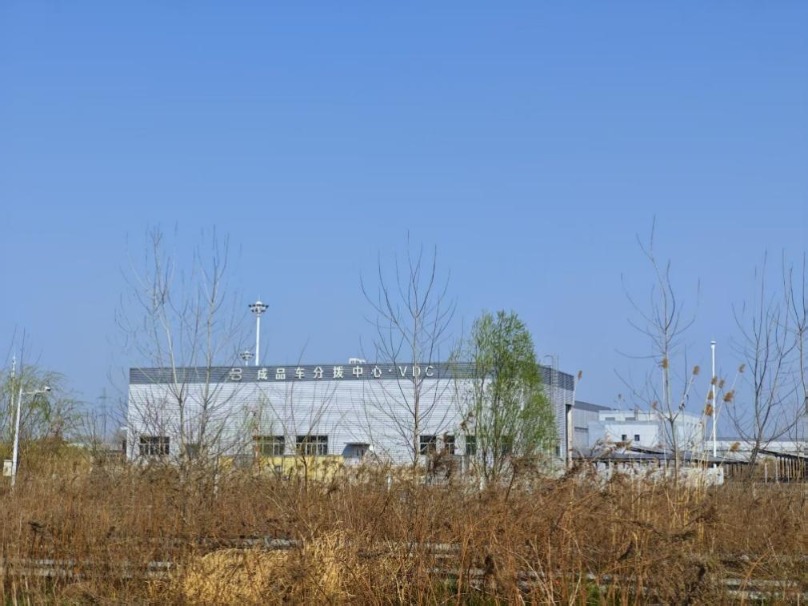
南京,从市中心新街口出发,向东北方驱车40多公里,便是曾经声名赫赫的拜腾汽车厂区——与周边药品制剂基地、新材料工厂的热火朝天建设景 象不同,拜腾汽车数十万平方米园区内,鸦雀无声,高过人头的枯黄野草,如潮水般从四周"吞没"了工厂。 "已经停工好几年时间了。"留守的保安告诉《等深线》记者,目前工厂内仅有保安看守。一位住在附近的当地人向记者感慨:"这厂建设成有不少年 了,就一直没有开过。" 从远处眺望拜腾工厂园区内部,杂草横生,"成品车分拨中心VDC"隐约可见。《等深线》记者方超摄 新能源汽车产业链条长、带动性强,尤其是整车项目备受地方政府青睐。作为老牌汽车城的南京,过去几年也不断加码新能源汽车产业,但其此前 引入的"独角兽"拜腾汽车,却在成立短短几年后折戟。 拜腾工厂北门,两栋玻璃幕墙办公楼已建好。《等深线》记者方超摄 在南京市栖霞区保通路与靖西大道交叉路口的西北角,坐落着占地千余亩的拜腾汽车工厂。记者近期走访发现,厂区内的冲压车间、试制车间等功 能区皆已建成,但由于多年未从事生产经营活动,厂区显得空空荡荡,刚显绿的杂草则从土地缝隙中顽强地露出头来。 "你不能进去。"拜腾汽车工厂保安在一口回绝记者"进入工厂"请求 ...


助力重庆打造智能网联新能源汽车之都 2025中国智能汽车技术展在渝开展
Huan Qiu Wang· 2025-05-09 13:03
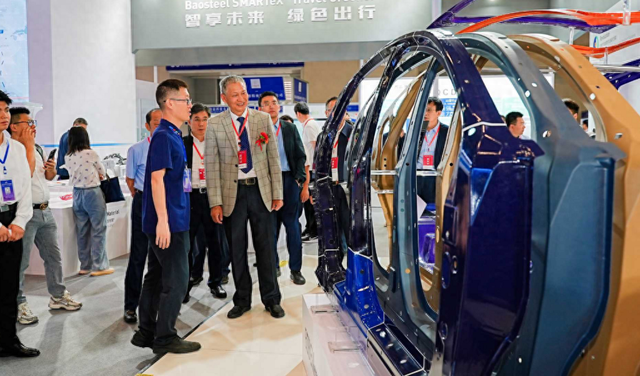
Group 1 - The 2025 China Intelligent Automotive Technology Exhibition opened in Chongqing, attracting nearly 10,000 professional visitors on its first day, with an exhibition area of 30,000 square meters and participation from 500 leading companies [2] - The exhibition aims to promote innovation and transformation in the western automotive industry, focusing on themes such as intelligent connected vehicles, new energy vehicles, charging equipment, automotive steel, and lightweight materials [2][3] - Key companies such as Baoshan Iron & Steel, Ansteel Group, and Wuling New Energy showcased innovative products and technologies, highlighting the industry's new ecosystem and regional advantages [2][3] Group 2 - The event included forums on intelligent connected vehicle technology and innovative automotive materials, addressing industry trends, strategic foresight, and technological breakthroughs [3] - The Vice Secretary-General of the China Automotive Industry Association emphasized the need for institutional guarantees and industry self-discipline for the sustainable development of the intelligent connected vehicle industry [5] - Chongqing aims to transition from a "manufacturing city" to an "intelligent driving capital," focusing on technological breakthroughs, ecological expansion, and talent resonance [5]
博实结2024年年度网上业绩说明会问答实录
Quan Jing Wang· 2025-05-08 00:24
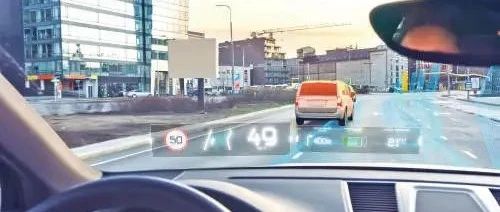
Core Viewpoint - The company has demonstrated strong growth in revenue and profit, with a focus on expanding its product offerings in the smart transportation and IoT sectors, while also addressing challenges in profitability and market competition [2][5][9]. Financial Performance - In 2024, the company achieved operating revenue of 1.402 billion yuan, an increase of 24.85% year-on-year, and a net profit attributable to shareholders of 176 million yuan, up 0.81% from the previous year [2]. - In Q1 2025, the company reported operating revenue of 348 million yuan, a 40.28% increase year-on-year, with a net profit of 40 million yuan, reflecting a 14.42% increase [2]. Product Development and Market Expansion - The company is actively developing products in the smart connected vehicle sector, leveraging its expertise in communication, positioning, storage, and AI algorithms to create advanced vehicle-mounted video recorders with features like ADAS and DSM [1]. - The company is focusing on the commercial vehicle monitoring market, where it anticipates a shift from traditional to smart video recording devices, and is expanding its presence in overseas markets such as the EU and the Americas [2][5]. - In the smart mobility sector, the company aims to capitalize on the growing demand for electric bicycles and enhance its product offerings in smart sleep technology to drive revenue growth [2]. Competitive Landscape - The company faces challenges in maintaining profitability in its smart mobility products, with a reported gross margin of 8.52% in 2024, down from 16.78% in 2023, attributed to increased competition and pricing pressures [5]. - The company is committed to optimizing its product structure and improving operational efficiency to enhance profitability in the face of market competition [5]. Technological Integration - The company is integrating AI technologies, such as DeepSeek, into its product offerings to enhance functionality and user experience, although these efforts are still in the prototype development stage [7]. - The company positions itself as a provider of comprehensive IoT solutions, covering everything from core technology to end-user applications, thereby differentiating itself from competitors [8]. International Market Strategy - The company has seen an increase in export revenue, reaching 327 million yuan in 2024, accounting for 23.35% of total revenue, with a focus on markets in Africa and Southeast Asia [9]. - The company has implemented measures to mitigate the impact of currency fluctuations on its performance, benefiting from positive exchange rate movements in 2024 [10].
“智驾”祛魅,智能网联车自动驾驶走向正轨的第一步
21世纪经济报道· 2025-05-06 12:26
Core Viewpoint - The article discusses the recent changes in terminology regarding autonomous driving systems in the automotive industry, particularly the shift from "intelligent driving" to "assisted driving" in response to regulatory pressures and safety concerns [1][2]. Group 1: Regulatory Changes - Xiaomi has renamed its autonomous driving features from "Xiaomi Intelligent Driving Pro" to "Xiaomi Assisted Driving Pro" in line with new regulations [1] - The Ministry of Industry and Information Technology (MIIT) held a meeting on April 16, emphasizing that car manufacturers should avoid using terms like "intelligent driving" and instead use "assisted driving" to prevent exaggerated claims [1][2] - The MIIT has initiated measures to strengthen the management of smart connected vehicle product approvals, recalls, and software updates [2] Group 2: Industry Trends - The automotive industry has seen a trend of using increasingly vague terms to describe autonomous driving capabilities, with many companies promoting their systems as L2+, L2.5, or even L3 without clear definitions [4][5] - The distinction between legal definitions of L2 systems and consumer perceptions of L3 or higher levels has led to confusion and potential safety risks [6] - A significant increase in accidents related to smart driving systems has been reported, with a 217% rise in 2024 compared to the previous year, largely due to driver misjudgment of system capabilities [7] Group 3: Safety Concerns - The article highlights a tragic incident involving a Xiaomi SU7 vehicle that caught fire, underscoring the urgent need for improved safety measures in autonomous driving systems [8] - The MIIT has called for manufacturers to conduct thorough testing and validation of their driving assistance systems, ensuring clear communication of system capabilities and limitations [8] - The Chinese automotive industry is expected to move towards a balanced approach that prioritizes both "intelligence" and "safety" in the development of autonomous driving technologies [8]


多地举办车展 车企不遗余力促销售
Zheng Quan Ri Bao· 2025-05-05 16:14
Group 1 - The domestic automotive market experienced a sales surge during the recent "May Day" holiday, with various promotional activities launched by multiple car manufacturers to boost sales [1][2] - Over 80 cities across the country hosted nearly 100 auto shows during the holiday, providing consumers with diverse purchasing options and stimulating market demand [2][3] - The promotion strategies included zero down payment, interest-free financing, and trade-in subsidies, leading to a significant increase in consumer foot traffic at dealerships [2][3] Group 2 - New energy vehicles (NEVs) showed remarkable performance, with leading companies reporting substantial sales growth in April [4][5] - BYD achieved a monthly sales volume of 380,100 NEVs, marking a year-on-year increase of 21.34%, while Geely reached a record high of 234,100 units, up 53% [4] - The sales of NEVs from Chery and Great Wall Motors also increased significantly, with Chery's NEV sales rising by 85.5% and Great Wall's by 28.42% [4][5] Group 3 - New entrants in the automotive market, such as Zhejiang Leap Motor and Guangzhou Xiaopeng Motors, reported impressive sales growth, with Leap Motor achieving 41,000 units sold, a 173% increase [5][6] - The overall market growth in April was driven by seasonal demand, promotional activities, and favorable government policies, including expanded subsidies and relaxed purchase restrictions [6]


电科芯片2024年财报:营收利润双降,子公司表现分化
Sou Hu Cai Jing· 2025-05-05 13:33
Core Viewpoint - The financial performance of the company has significantly declined in 2024, with a notable drop in revenue and net profit, despite some technological advancements in various sectors [1][4][6]. Revenue Performance - The company reported a total revenue of 1.045 billion yuan in 2024, representing a year-on-year decrease of 31.47% [1][4]. - The decline in revenue is primarily attributed to the mixed performance of its subsidiaries, with Southwest Design showing a 204.49% increase in orders and a 30.95% increase in revenue, while Xinyi Da and Ruijing Industrial faced significant declines of 30.79% and 26.85% respectively [4]. Profitability Analysis - The net profit attributable to the company was 69 million yuan, down 70.67% year-on-year, while the non-recurring net profit fell by 81.76% [1][4]. - Increased R&D expenses and rising credit impairment losses were key factors contributing to the substantial decline in net profit, with R&D costs rising by 12.17 million yuan and credit impairment losses increasing by 4.21 million yuan [4][5]. Market Sentiment - The company's stock price was reported at 12.00 yuan as of December 31, 2024, with a TTM price-to-earnings ratio of 229.90, indicating market concerns regarding future profitability [6]. - Investor sentiment appears to be negative, with dissatisfaction expressed towards the management and performance, compounded by the pressure from a large number of unlocked shares [6]. Strategic Outlook - Despite achieving breakthroughs in technology, the company faces challenges in business layout, market competition, and capital operations, necessitating efforts to optimize business structure, enhance market competitiveness, and rebuild investor confidence [6].


乐见安全成为车展热词
Jing Ji Ri Bao· 2025-05-02 22:10
为期10天的第二十一届上海车展落下帷幕。在全球车展式微、汽车业饱受关税战冲击的背景下,上海车 展"百车首发、千车竞艳"的壮观景象,吸引众多知名展商和观众,受到中外舆论前所未有的关注,更凸 显了中国汽车市场的独特魅力和创新活力。 "我们始终坚信,没有安全的智能,就是'花架子'。"在发布"天元智能"技术品牌时,东风汽车集团有限 公司副总经理尤峥强调,东风始终坚守造车的本质,以领先技术定义智能化新高度,以全维安全标准为 美好生活保驾护航。 当车辆速度与马力不断提升,潜在风险也随之增加。"欲速则不达,或许有时候,我们不是最快落地的 企业,但必须保证正确性与安全性。我们会平衡速度与安全——新技术应用必须通过严苛验证,这也是 宝马百年造车哲学的根基。"宝马集团大中华区总裁兼首席执行官高翔称,宝马在智驾系统上始终坚持 最高安全标准的严苛测试,确保为客户提供最佳的安全性和品质,绝不在这些关键标准上妥协。 "安全"上热度,并非毫无征兆。此前,工信部要求车企充分开展组合驾驶辅助测试验证,明确系统功能 边界和安全响应措施,不得进行夸大和虚假宣传,严格履行告知义务,切实担负起生产一致性和质量安 全主体责任,提升智能网联汽车产品安全水 ...

德系豪车求变:“必须研究中国的产品、技术和供应商”
第一财经· 2025-05-02 11:33
Core Insights - The article highlights the increasing urgency among German luxury car manufacturers to adapt to the rapidly evolving Chinese electric vehicle (EV) market, as traditional sales and profits have declined while new competitors gain traction [1][5][10] Group 1: Market Dynamics - The Chinese EV market has grown significantly, now accounting for a substantial share of the overall automotive market, prompting luxury brands to reassess their strategies [1][5] - German luxury carmakers, including Audi, BMW, and Mercedes-Benz, are intensifying their focus on the Chinese market, with executives making multiple visits to engage with local consumers and competitors [2][4] Group 2: Product Strategy - At the Shanghai Auto Show, luxury carmakers unveiled a strong lineup of products tailored for the Chinese market, showcasing advanced technologies and new models [2][5] - Audi has introduced a dual-brand strategy to cater to different consumer segments, while BMW is investing heavily in new platforms and technologies, emphasizing safety and overall optimization rather than just technical specifications [5][7][11] Group 3: Supply Chain and R&D - The article notes a shift in focus towards local Chinese suppliers, as their rapid response and customization capabilities are increasingly recognized as essential for success in the competitive market [9][10] - German automakers are establishing R&D centers in China to enhance local product adaptation and innovation, with a growing emphasis on integrating local technological advancements into their global strategies [11][10]
德系豪车求变:“必须研究中国的产品、技术和供应商”
Di Yi Cai Jing· 2025-05-02 07:42
Core Insights - The German luxury car manufacturers are increasingly focused on the Chinese market, recognizing its rapid growth and the need to adapt to local consumer demands [1][2][4] - The shift towards electric vehicles (EVs) is critical, as traditional sales and profits for brands like Audi, BMW, and Mercedes-Benz have declined, prompting a reevaluation of their strategies in China [1][3][4] Group 1: Market Dynamics - The Chinese electric vehicle market has grown significantly, with EVs now accounting for a substantial portion of total vehicle sales [1] - German luxury brands are facing pressure from new entrants in the market, which are capturing consumer interest with high-end products [1][3] - The competitive landscape is evolving, with traditional luxury brands needing to innovate rapidly to keep pace with local competitors [4][7] Group 2: Strategic Initiatives - German automakers are showcasing new models and technologies specifically designed for the Chinese market, indicating a shift in their product strategies [2][4] - Companies like BMW are investing heavily in new platforms and technologies, including the sixth generation of electric drive technology [4][8] - Audi has introduced a dual-brand strategy to better cater to different consumer segments in China, focusing on both traditional luxury and tech-savvy younger consumers [4][8] Group 3: Collaboration and Local Adaptation - There is a growing emphasis on partnerships with local suppliers and technology firms to enhance responsiveness and innovation [7][8] - German manufacturers are establishing R&D centers in China to localize product development and integrate cutting-edge technologies [8] - The approach to market entry and product development is shifting from a global standard to a more localized strategy, reflecting the unique demands of the Chinese market [7][8]