个性消费

Search documents
电子年货,硬控“老己”
盐财经· 2026-02-05 10:00
Core Insights - The article discusses the evolving landscape of consumer behavior during the Chinese New Year, highlighting the rise of electronic products as popular "New Year goods" among young consumers [2][3][12]. Group 1: Consumer Trends - Young consumers are increasingly prioritizing personal satisfaction and self-expression in their purchasing decisions, moving away from traditional gift-giving norms [12][14]. - The demand for beauty and grooming products, such as automatic curling irons and hair removal devices, has surged, with sales of beauty products like the beautigo automatic curling iron increasing by approximately 100% during the holiday season [8][9]. - The concept of "self-pleasure" is becoming a significant driver of consumer behavior, with products being seen as tools for self-care rather than mere gifts for others [14][16]. Group 2: Brand Strategies - Brands like beautigo and 有色 have successfully leveraged social media platforms like Douyin (TikTok) to create engaging content that resonates with their target audience, leading to significant sales growth [9][22]. - The use of influencer marketing has proven effective, as seen when a beauty influencer's review led to a rapid increase in sales for beautigo's hair removal device, generating over 6 million in sales within three days [9][10]. - 有色's strategy focuses on appealing to both male and female consumers, with a particular emphasis on the aesthetic and practical value of their grooming products, which has resulted in strong sales performance [18][19]. Group 3: Product Development - The development of new products, such as beautigo's automatic curling iron, is driven by consumer feedback and market research, ensuring that products meet the specific needs and preferences of young consumers [11][12]. - 有色's approach to product design emphasizes functionality and aesthetic appeal, with their products being tailored to meet the gifting preferences of female consumers purchasing for males [18][21]. - The introduction of innovative features and competitive pricing has allowed brands to capture market share in a crowded space, as seen with 有色's successful launch of the MINI2.0 shaver [21][25]. Group 4: Market Performance - The 2026 Douyin New Year Festival saw a 109% year-on-year increase in GMV for electronic consumer goods, indicating a strong market trend towards these products during the holiday season [31][32]. - Brands are increasingly recognizing the importance of creating high-quality content to engage consumers, with Douyin becoming a primary sales channel for many electronic brands [22][25]. - The article concludes that the perception of New Year goods is shifting, with modern consumers seeking products that not only fulfill practical needs but also serve as expressions of identity and personal style [32][34].


特色场景激发个性消费
Jing Ji Ri Bao· 2025-12-19 00:14
Core Viewpoint - The establishment of the Leisure Fishing Association's Fishing Division in Qingdao aims to create a new consumption scenario that integrates fishing tourism and leisure, promoting the city as a destination for fishing experiences, seafood tasting, and wellness vacations [1] Group 1: User Demand Insights - The rise of the fishing tourism scene in Qingdao responds to the psychological needs of certain demographics seeking to connect with nature, relieve stress, and achieve a sense of accomplishment [1] - A closed-loop system of "user profiling - demand analysis - scene design" should be established to identify different consumer motivations, with younger groups preferring "social + check-in + light adventure," while middle-aged and older groups focus on "health + wellness + comfort" [1] Group 2: Emotional and Cultural Engagement - Enhancing user participation and emotional value is crucial, encouraging users to engage in route design and activity planning, fostering a sense of ownership over their experiences [2] - The longevity of a scene relies on cultural depth rather than novelty, as demonstrated by the historical cultural street in Ji'an, Jiangxi, which became popular by integrating local culture and traditional crafts [2] Group 3: Sustainable Operation Mechanisms - A collaborative mechanism involving "government guidance + market operation + social participation" is essential for sustainable operations, with the government focusing on infrastructure and policy support, while enterprises handle professional operations and branding [3] - Exploring diverse revenue models beyond ticket sales, such as educational courses and customized services, can extend the consumption chain and enhance profitability [3] - Utilizing digital tools to improve efficiency through smart platforms for monitoring customer flow and analyzing user profiles is recommended to create a closed loop of "content - dissemination - conversion" [3]
这届00后,去市场淘布做“高定”
3 6 Ke· 2025-10-30 03:20
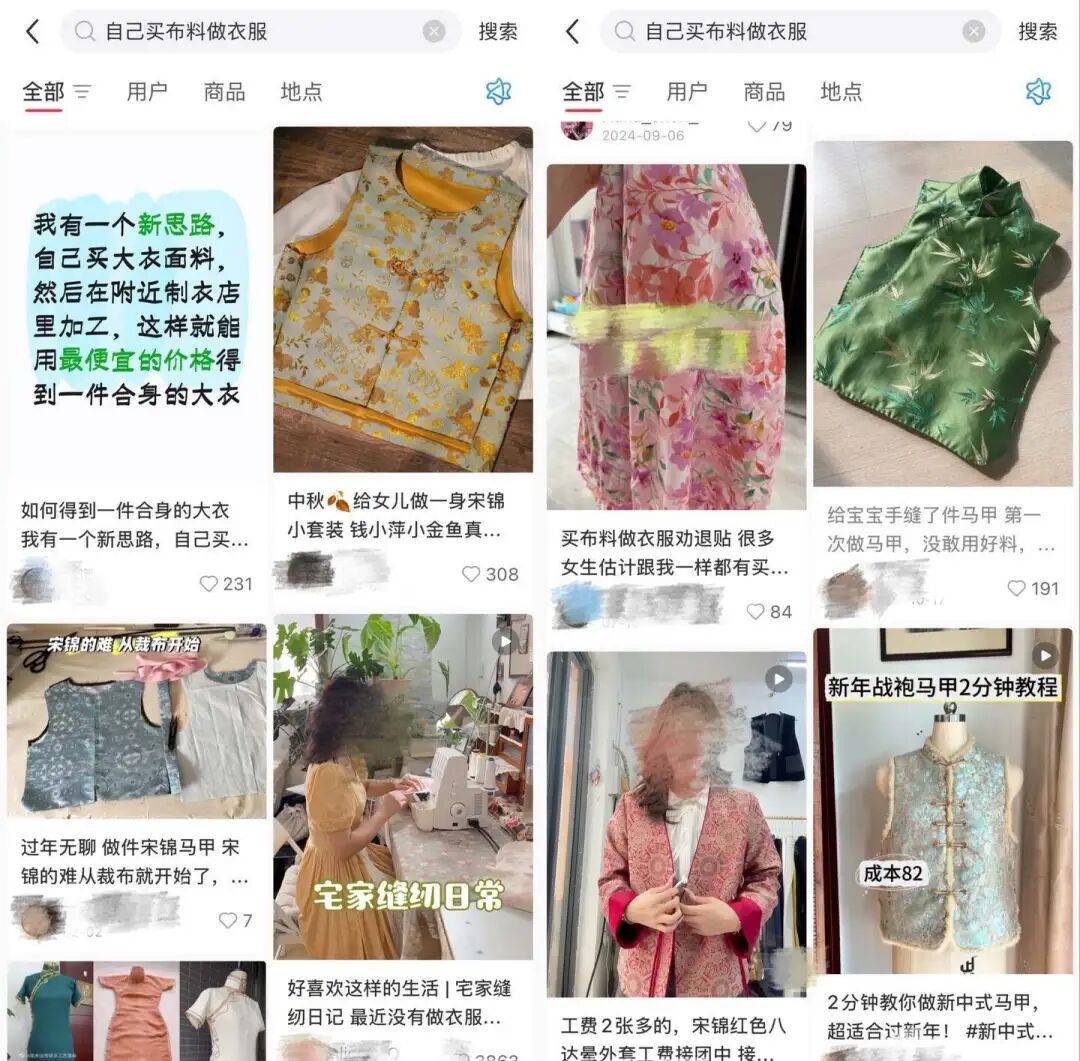
Core Insights - The article discusses a shift in consumer behavior among the younger generation, particularly Generation Z, towards DIY clothing by purchasing fabric and creating custom garments, marking a departure from traditional brand-centric fashion consumption [2][3][15]. Group 1: Consumer Behavior - Young consumers are increasingly engaging in fabric markets, driven by a desire for individuality and self-expression, as they seek to avoid the social awkwardness of wearing the same outfits as others [2][4][7]. - The trend reflects a broader "fashion revolution" where the focus has shifted from brand logos to the quality and uniqueness of materials and designs [3][15]. - A significant 70% of surveyed individuals aged 18-35 expressed dissatisfaction with the homogenized designs of fast fashion brands, leading to a 280% increase in those opting for DIY clothing over three years [15][16]. Group 2: Economic Implications - The cost-effectiveness of making clothes from purchased fabric is highlighted, with examples showing that the cost of DIY garments can be significantly lower than retail prices for similar quality items [5][12][16]. - The article notes that the fabric market is experiencing a revival, with reports of increased business for fabric vendors and tailoring shops, particularly among younger customers [10][12]. - The shift towards DIY clothing is also seen as a response to the high prices of ready-made garments, with custom-made options often costing a fraction of branded items [12][16]. Group 3: Social Media Influence - Social media platforms play a crucial role in promoting this trend, with tutorials and DIY content encouraging more individuals to explore fabric markets and sewing [7][18]. - The rise of "interest e-commerce" and community-driven content on platforms like Xiaohongshu and Douyin has lowered the barriers to entry for learning sewing skills and has fostered a sense of community among DIY enthusiasts [18][19]. - The article suggests that this trend could lead to a transformation in the traditional fashion industry, pushing brands to rethink their business models to incorporate sustainability and personalization [18][19].
「史上最难喝」饮料被炒出天价,全网破防了
36氪· 2025-07-22 13:22
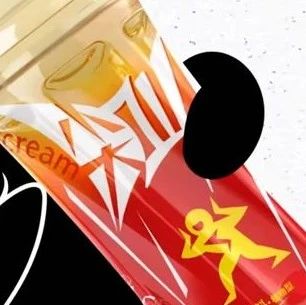
Core Viewpoint - The article discusses the unexpected resurgence of the "Red Scream" beverage from Nongfu Spring, which was previously considered one of the worst drinks but has now gained popularity due to nostalgia and scarcity marketing [4][11][42]. Group 1: Brand History and Market Performance - Nongfu Spring launched the "Scream" series in 2004, targeting the sports drink market, with the red variant marketed as a "plant beverage" aimed at energizing consumers [12][22]. - The red variant, however, received overwhelmingly negative reviews, leading to its classification as one of the "top 5 worst drinks" and its gradual withdrawal from the market around 2018 [15][17]. - A revival of the red variant led to it selling out within three days and topping the e-commerce platform's functional beverage rankings, despite the producer stating it would be permanently discontinued [18][19]. Group 2: Consumer Behavior and Marketing Strategy - The revival aligns with the growing health and wellness market in China, which has surpassed one trillion yuan, with young consumers increasingly spending on health-related products [22]. - The emotional marketing strategy surrounding the drink has transformed it into a cultural phenomenon, where consumers are not just purchasing a beverage but a social symbol [34][36]. - The scarcity of the product has led to inflated prices on second-hand platforms, with some sellers marketing it as a collectible item, despite its impending expiration [28][30]. Group 3: Cultural Impact and Future Outlook - The red scream has become a cultural reference point, with its notoriety now serving as a badge of honor among consumers, reflecting a shift towards unique and unconventional consumption patterns [34][36]. - The article suggests that while the drink's current popularity is driven by nostalgia and emotional value, its fundamental quality as a beverage remains unchanged, indicating that its success may be short-lived [49][50]. - There are suggestions for Nongfu Spring to capitalize on this trend by releasing limited edition versions of the red scream, but the long-term viability of such a strategy is questioned [46][48].