个护电器

Search documents
2025中国出海新锐消费品牌榜单报告-飞书点跃&益普索
飞书点跃&益普索· 2026-02-27 06:35
Investment Rating - The report does not explicitly state an investment rating for the industry Core Insights - The industry is transitioning from a "selling" model to a "branding" model, with supply chain stability, compliance capabilities, and AI applications becoming new thresholds for entry [6] - Consumer perception of Chinese brands is mixed, with 45% of global respondents reporting improved impressions and 61% including them in their top 5 preferences, although trust barriers remain, especially in high-risk categories [6] - The D-MES model reveals that leading brands are building systematic capabilities across digitalization, mental influence, product innovation, and commercialization, rather than relying solely on single hit products [6] - Categories are showing varied performance, with "powered" categories (consumer electronics, home appliances) accounting for nearly half, while scenario-based categories (sports and outdoor) are rising, and trend-based categories (beauty and fashion) are declining [6] - Emerging markets are becoming growth engines, with 80% of Latin American consumers and 73% of Middle Eastern and African consumers favoring Chinese brands, significantly higher than the 62% in the U.S. [6] - AI is deeply integrated into business operations, with leading brands achieving a 15% increase in click-through rates, a 10% increase in conversion rates, and a 30% reduction in defect rates through AI applications [6] Summary by Relevant Sections Research Background - The report is a collaboration between Meetsocial and Ipsos, leveraging diverse data sources including consumer surveys, e-commerce platform data, and social media sentiment [3] - The methodology includes the D-MES model, assessing brand capabilities across four dimensions [3] Scope and Boundaries - The focus is on consumer brands going global, particularly in sectors like consumer electronics, home appliances, personal care devices, sports and outdoor, beauty and skincare, fashion, and home goods [4][5] - The geographical analysis includes both mature markets (North America, Europe) and emerging markets (Latin America, Middle East and Africa, Southeast Asia) [5] Key Data Highlights - 45% of global respondents reported an improved impression of Chinese brands [9] - 61% of global respondents included Chinese brands in their top 5 preferences [9] - 80% of Latin American consumers favor Chinese brands [9] - 73% of Middle Eastern and African consumers favor Chinese brands [9] - Nearly 50% of top brands are in high-ticket categories like consumer electronics and home appliances [10] - A 30% reduction in defect rates was achieved through AI quality inspection [10]
吹风机迎来新时代:“追觅时刻”开启
Jing Ji Guan Cha Bao· 2026-02-26 01:37
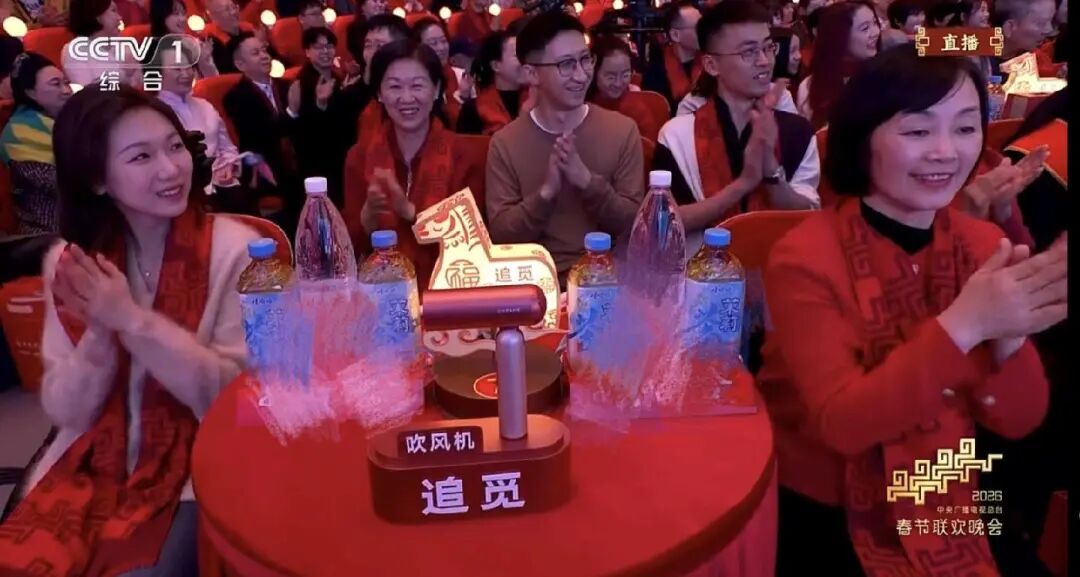
Core Insights - The blow dryer industry is experiencing a significant shift with the rise of Chinese brand Chase, which signifies a transition in high-end manufacturing from Western-centric narratives to a more diverse and user-centric approach [2][14] - Chase's P10 Spark model made its debut on the national stage during the CCTV Spring Festival Gala, marking a pivotal moment in the high-end personal care market and indicating a generational change in brand leadership [3][13] Industry Evolution - The blow dryer has evolved through three distinct phases: - **1.0 Era**: Focused solely on drying hair quickly, often causing damage due to high temperatures [4] - **2.0 Era**: Represented by brands like Dyson, which introduced precision engineering to reduce hair damage but did not enhance hair care [4] - **3.0 Era**: Chase has redefined the blow dryer as a companion that not only dries hair efficiently but also actively nourishes it, addressing user comfort and care [5][10] Technological Advancements - Chase has achieved a performance leap with its blow dryer, reaching a motor speed of 150,000 RPM, with plans for 200,000 RPM, and a wind speed of 70 m/s, allowing for quick drying of medium-length hair in just 2 minutes [7][10] - The product's portability is enhanced with a weight of only 300 grams and a foldable design, making it convenient for users [7] - Chase has integrated a hair care essence chamber and essential oil atomization technology, transitioning from merely preventing damage to actively providing nourishment [7][10] Competitive Landscape - Chase's approach is fundamentally different from traditional home appliance manufacturers, leveraging aerospace technology for its blow dryer design, which sets it apart in the market [9][10] - The brand's rapid technological evolution and platform capabilities allow it to innovate across multiple product categories, unlike competitors who focus on linear product iterations [10] Cultural Significance - The appearance of Chase's blow dryer at the Spring Festival Gala symbolizes a shift in national identity, moving from "Made in China" to "Defined by China," reflecting a new narrative in high-end manufacturing [13][14] - This event not only elevates Chase's brand status but also represents a broader cultural transition where Chinese technology companies are redefining the concept of a "better life" [14][16]

电子年货,硬控“老己”
盐财经· 2026-02-05 10:00
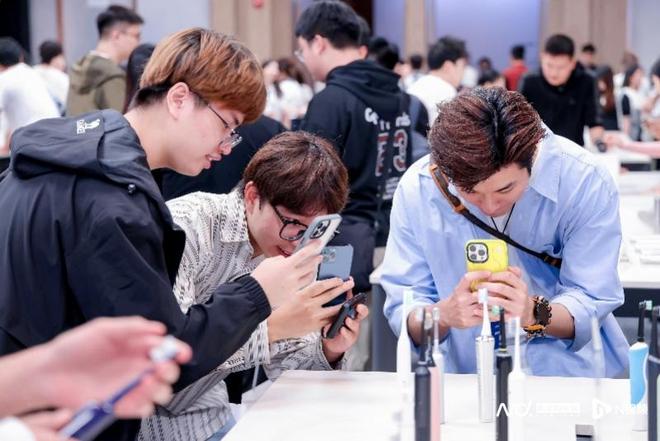
Core Insights - The article discusses the evolving landscape of consumer behavior during the Chinese New Year, highlighting the rise of electronic products as popular "New Year goods" among young consumers [2][3][12]. Group 1: Consumer Trends - Young consumers are increasingly prioritizing personal satisfaction and self-expression in their purchasing decisions, moving away from traditional gift-giving norms [12][14]. - The demand for beauty and grooming products, such as automatic curling irons and hair removal devices, has surged, with sales of beauty products like the beautigo automatic curling iron increasing by approximately 100% during the holiday season [8][9]. - The concept of "self-pleasure" is becoming a significant driver of consumer behavior, with products being seen as tools for self-care rather than mere gifts for others [14][16]. Group 2: Brand Strategies - Brands like beautigo and 有色 have successfully leveraged social media platforms like Douyin (TikTok) to create engaging content that resonates with their target audience, leading to significant sales growth [9][22]. - The use of influencer marketing has proven effective, as seen when a beauty influencer's review led to a rapid increase in sales for beautigo's hair removal device, generating over 6 million in sales within three days [9][10]. - 有色's strategy focuses on appealing to both male and female consumers, with a particular emphasis on the aesthetic and practical value of their grooming products, which has resulted in strong sales performance [18][19]. Group 3: Product Development - The development of new products, such as beautigo's automatic curling iron, is driven by consumer feedback and market research, ensuring that products meet the specific needs and preferences of young consumers [11][12]. - 有色's approach to product design emphasizes functionality and aesthetic appeal, with their products being tailored to meet the gifting preferences of female consumers purchasing for males [18][21]. - The introduction of innovative features and competitive pricing has allowed brands to capture market share in a crowded space, as seen with 有色's successful launch of the MINI2.0 shaver [21][25]. Group 4: Market Performance - The 2026 Douyin New Year Festival saw a 109% year-on-year increase in GMV for electronic consumer goods, indicating a strong market trend towards these products during the holiday season [31][32]. - Brands are increasingly recognizing the importance of creating high-quality content to engage consumers, with Douyin becoming a primary sales channel for many electronic brands [22][25]. - The article concludes that the perception of New Year goods is shifting, with modern consumers seeking products that not only fulfill practical needs but also serve as expressions of identity and personal style [32][34].

中国消费品牌出海迈向新周期:把爆款做成体系,把增长做成复利
3 6 Ke· 2026-01-16 11:17
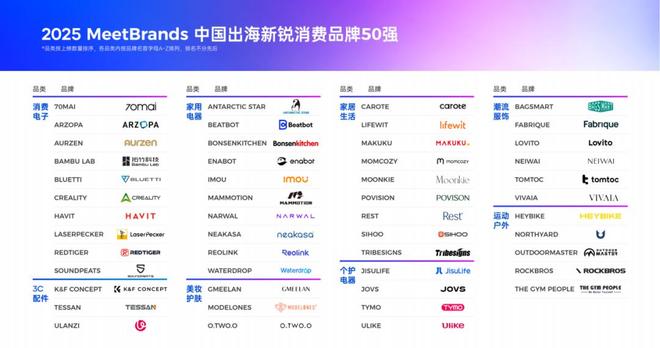
Core Insights - The rising cost structure for outbound consumer brands is significantly impacting their operations, with Google Ads CPC increasing by 10% and Meta CPL soaring by 20% year-on-year, indicating a shift from a growth model reliant on spending to one focused on brand value [1][2] - The "2025 MeetBrands Top 50" list reflects a structural upgrade in the outbound industry, with brands evolving not just through competition but also due to changing market rules [2] Group 1: Brand Evolution - Sixteen brands have graduated to become benchmarks, achieving annual overseas revenues of $500 million, global presence in over ten countries, and establishing themselves as category leaders [4] - The new entrants on the list are characterized as "category leaders," with revenues transitioning from millions to billions, emphasizing technology and scenario positioning over low-quality traffic competition [6] Group 2: Regional Dynamics - The Pearl River Delta remains the engine of outbound brands, contributing 62% of the listed brands, while the Yangtze River Delta has become a hub for brand operations, accounting for 26% of the list [8] - The industry is moving from isolated breakthroughs to regional collaboration, forming a more resilient ecosystem [8] Group 3: Hidden Barriers to Growth - Many mid-tier outbound brands face hidden capability barriers that hinder growth, such as over-reliance on low prices and traffic, lack of localized narratives, and disconnection between digital investments and business operations [10] - Overcoming these barriers is essential for brands to evolve from growth phases to becoming new leaders [10] Group 4: D-MES Model and Brand Capabilities - The D-MES model has been upgraded to better assess brands' long-term effectiveness, focusing on digital capabilities, consumer influence, product innovation, and commercial conversion [11][14] - Digital capabilities are crucial, with brands leveraging AI and digital tools to enhance decision-making and operational efficiency [15] Group 5: Consumer Trust and Localization - Brands must address the "high awareness, low trust" gap by deeply localizing their narratives and aligning with consumer values [17] - Successful examples include TESSAN, which tailored its messaging to different cultural preferences, enhancing local consumer engagement [17] Group 6: Product Innovation - The focus on product innovation should shift from merely competing on specifications to solving real consumer pain points through data-driven insights [19] - Brands like Rest have successfully identified and addressed specific consumer needs, leading to significant premium pricing and increased repurchase rates [19] Group 7: Commercial Conversion and Market Expansion - The emphasis on commercial conversion has shifted towards multi-regional expansion and omnichannel operations, with brands increasingly establishing independent online platforms and entering offline channels [21][22] - Emerging markets are becoming significant growth areas, with brands diversifying their strategies to tap into regions like Latin America, the Middle East, and Southeast Asia [22] Group 8: Long-term Strategy and Brand Resilience - The future of outbound brands is focused on stability and precision rather than speed, emphasizing profit margins and customer loyalty over rapid growth [24] - Brands are encouraged to enhance their operational efficiency and consumer experience to navigate the complexities of the market [26][28]
博皓电动牙刷京东特惠,低至79元!
Xin Lang Cai Jing· 2026-01-12 14:33
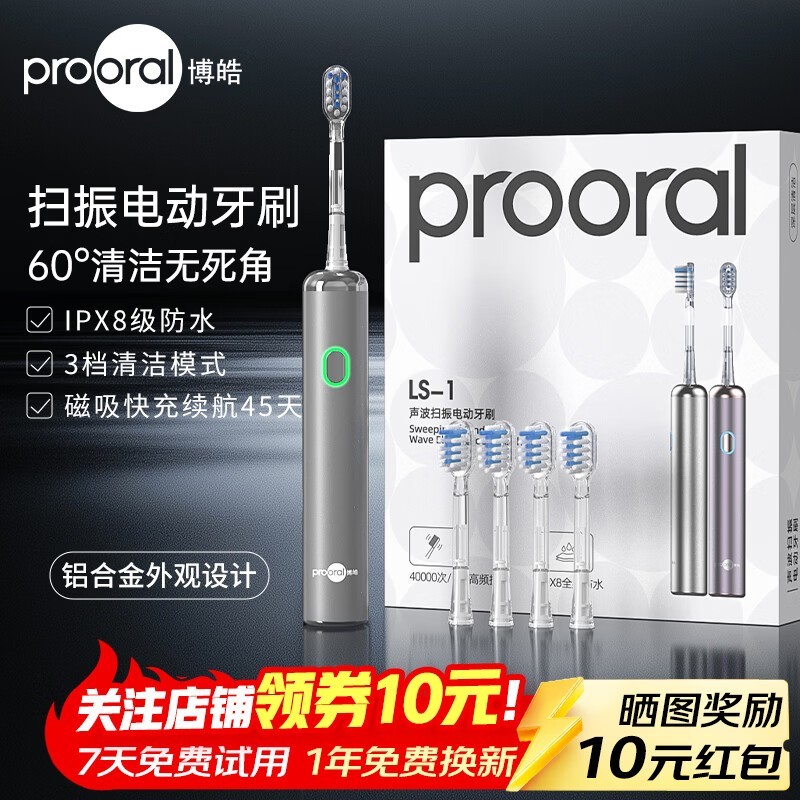
Group 1 - The core product is the Prooral electric toothbrush, which features a 60° cleaning angle for thorough cleaning without dead spots [1][3] - The toothbrush is designed with IPX8 waterproof rating, making it suitable for use in wet environments [1][3] - It offers three cleaning modes to cater to different user preferences [1][3] Group 2 - The product includes a magnetic fast charging feature with a battery life of up to 45 days [1][3] - The design incorporates aluminum alloy, providing a premium look and feel [1][3] - Promotional offers include a 10 yuan reward for following the store, a 10 yuan cashback for sharing pictures, a 7-day free trial, and a one-year free replacement policy [1][3]
前安克创新出海操盘手执掌徕芬海外业务
Nan Fang Du Shi Bao· 2025-12-29 23:18
Core Insights - The recent personnel change at Lifeng, with the appointment of Luo Mingbo as International General Manager, is aimed at enhancing the company's overseas business strategy and market penetration [1][2]. Group 1: Personnel Changes - Shao Shili, the former head of overseas markets, has left the company, and Luo Mingbo, previously the General Manager for Anker Innovations in the Asia-Pacific and North America regions, has taken over [1][2]. - Luo Mingbo's extensive experience in global brand operations, particularly from his time at Anker, positions him as a key figure for Lifeng's overseas expansion [2][3]. Group 2: Business Strategy - Lifeng has successfully entered markets in Southeast Asia, Europe, and North America, achieving double-digit growth rates in recent years [1]. - The company plans to further enhance its overseas market presence while also focusing on new product development, with 2026 being highlighted as a significant year for new product launches [1][2]. Group 3: Market Position and Challenges - Lifeng's overseas business has seen significant achievements, with markets like Singapore and Malaysia ranking among the top in the high-speed hair dryer category, and core channels in Western Europe and North America experiencing over 60% growth [2]. - Despite these successes, Lifeng faces challenges in brand recognition in competitive markets dominated by established players like Philips and Oral-B, which may hinder its overseas expansion efforts [4].
徕芬海外负责人更迭,前安克创新核心出海操盘手罗明波接棒
Nan Fang Du Shi Bao· 2025-12-29 02:21
Core Viewpoint - The recent personnel changes at Lifeng, with the appointment of Luo Mingbo as the new International General Manager, signal a strategic shift towards enhancing the company's global presence and product innovation, particularly in overseas markets [2][6]. Group 1: Personnel Changes - Shao Shili, the former head of overseas markets, has left the company due to normal work transitions, paving the way for Luo Mingbo to take over [2][3]. - Luo Mingbo, previously the General Manager for Anker Innovations in the Asia-Pacific and North America regions, is expected to leverage his extensive experience to drive Lifeng's overseas business [3][4]. Group 2: Business Strategy - Lifeng has already established a presence in Southeast Asia, Europe, and North America, achieving double-digit growth in recent years, and plans to further expand its overseas market strategy [2][6]. - The company aims to introduce new products in 2026, marking it as a significant year for innovation [2]. Group 3: Market Performance - Under Shao Shili's leadership, Lifeng's overseas business achieved notable success, with markets like Singapore and Malaysia ranking among the top in the high-speed hair dryer category, and core channels in Western Europe and North America seeing over 60% growth [3][4]. Group 4: Luo Mingbo's Background - Luo Mingbo's previous experience at Anker Innovations, where he contributed to the brand's global expansion across 180 countries, positions him as a key asset for Lifeng's international strategy [4]. - His track record includes transitioning Anker from a single-channel to a multi-channel brand, enhancing localized operations in key markets [4]. Group 5: Industry Challenges - The competitive landscape in the personal care sector is intense, with established brands like Philips and Oral-B dominating overseas markets, presenting a challenge for Lifeng in terms of brand recognition [6]. - Lifeng faces potential risks related to platform and patent issues, particularly in the German market, where previous legal victories may not fully mitigate sales challenges on platforms like Amazon [6].

2026前夜,徕芬上紧了发条
雷峰网· 2025-12-24 10:43
Core Viewpoint - The article discusses the rapid growth and challenges faced by the brand Leifen, highlighting its journey from a single product success to a multi-category brand, while addressing quality control issues and the need for a robust supply chain and distribution strategy [2][3][45]. Group 1: Sales Performance and Market Position - In 2025, Leifen achieved a sales revenue of 7.1 billion, with 2 million units sold and a nearly 30% year-on-year growth, maintaining its leadership in the high-speed hair dryer market for the fourth consecutive year [2]. - The brand's electric shaver, which recently entered the market, has captured nearly 10% of the e-commerce market share, with its P3Pro model topping the sales charts [2][3]. Group 2: Product Development Challenges - Leifen faced significant challenges with its first electric toothbrush, which suffered from quality issues, leading to a major reputational crisis [7][8]. - The founder acknowledged that the product failures were due to insufficient R&D and quality control capabilities, which delayed the launch of the shaver due to a pursuit of perfection [7][8]. Group 3: Supply Chain and Manufacturing Strategy - To address quality control issues, Leifen invested 20 million to establish a reliability laboratory, becoming one of the strictest quality control facilities in the personal care industry [9]. - The company launched its Zhuhai super factory in August 2025, which spans over 200,000 square meters and employs over 4,000 people, aiming to regain control over its supply chain [18][20]. Group 4: Distribution and Market Expansion - Leifen's initial distribution strategy relied heavily on online sales, but the company recognized the need to diversify and strengthen its offline presence [28][29]. - By 2025, Leifen began opening its own retail stores, with plans to expand to 300 stores across 20 cities by 2026, aiming to enhance brand recognition and customer engagement [35][36]. Group 5: International Expansion Aspirations - Leifen is looking to expand internationally, with a focus on the European market, and has appointed a new international manager to lead this effort [41][42]. - The brand aims to implement a dual strategy of "brand export + D2C" to penetrate overseas markets, although it faces challenges in brand recognition and local market adaptation [41][42].

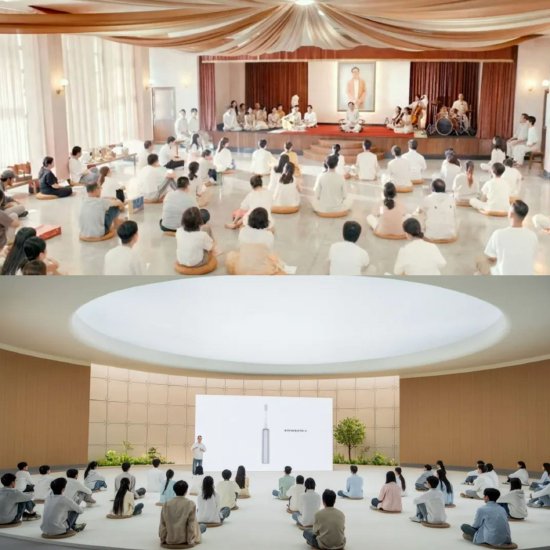
徕芬回应发布会撞景《周处除三害》灵修场面:与电影无关,系品牌常用设计风格
Xin Lang Cai Jing· 2025-12-12 11:48
Core Viewpoint - The upcoming launch event for the Leifen i2 electric toothbrush has drawn attention due to its resemblance to a scene from the movie "Zhou Chu Eliminates Three Evils," leading to humorous comments from netizens [1][2][3]. Group 1: Event Details - The launch event for the Leifen i2 electric toothbrush is scheduled for this month [1][2]. - Netizens have pointed out that the event's backdrop resembles a funeral scene from the movie, prompting jokes and suggestions for a celebrity endorsement [1][2]. Group 2: Company Response - Leifen's official customer service stated that the design of the launch event was used previously in 2023, predating the movie's release [1][3]. - The company emphasized that the visual style is a common format for their brand, aimed at enhancing interaction with attendees [1][3]. - Leifen acknowledged the unexpected similarity but asserted that it would not affect the event's success, distinguishing between film and real life [4].
从线上走向实体:影石、拓竹和徕芬,深圳新制造为何爱开店?
Nan Fang Du Shi Bao· 2025-11-28 13:03
Core Insights - A new commercial landscape is emerging in Shenzhen, where "internet celebrity hardware" is transitioning from online platforms to physical retail spaces, marking a collective experiment in rebuilding trust in hard-tech consumer products [1][2] - Companies like Insta360, Bambu Lab, and Leifeng are opening flagship stores in key locations, indicating a shift from online dominance to a focus on offline experiences and brand ecosystems [1][10] Group 1: Company Strategies - Insta360, Bambu Lab, and Leifeng represent three distinct paths in Shenzhen's new manufacturing landscape, focusing on local market penetration, broadening consumer reach, and establishing long-term brand presence [2][10] - Leifeng has invested over 1 billion yuan in advertising from 2022 to 2024, with a significant portion allocated to the 2023 Double Eleven shopping festival, highlighting the reliance on online marketing strategies [2][3] - Bambu Lab emphasizes product and ecosystem quality over aggressive marketing, aiming to create a community around its 3D printing technology [2][10] Group 2: Consumer Experience - For high-ticket personal care products like those from Leifeng, the in-store experience is crucial for consumer decision-making, as tactile and sensory feedback cannot be fully conveyed online [3][9] - Leifeng's flagship store in Shenzhen integrates sales, experience, and after-sales services, allowing customers to test products and receive personalized services [5][10] - Bambu Lab's store features interactive displays, allowing consumers to see and experience 3D printing technology firsthand, addressing trust issues associated with complex tech products [7][10] Group 3: Market Trends - The shift towards offline experiences is driven by the realization that online traffic alone cannot sustain growth, prompting brands to explore experiential retail as a new growth avenue [2][9] - The presence of high-end stores in Shenzhen's core shopping districts serves as a testament to brand strength and long-term investment commitment [10][12] - The trend indicates a broader movement in the consumer market towards hard-tech products, which are gaining popularity as they offer tangible benefits and experiences [14][15] Group 4: Investment Implications - The investment landscape is evolving, with a greater emphasis on companies that possess technological barriers, efficient supply chains, and strong brand potential, rather than just online traffic metrics [15][16] - The establishment of flagship stores is seen as a critical test of a brand's product strength, cash flow, and operational capabilities [15][16] - The success of brands like Leifeng, Bambu Lab, and Insta360 in physical retail is paving the way for a new narrative in consumer investment, focusing on comprehensive strength rather than just online success [16][17]