
互联网平台价格监管

Search documents
央行发布信用修复政策,英伟达被批准入股英特尔 | 财经日日评
吴晓波频道· 2025-12-23 00:29
Group 1: Credit Repair Policy - The People's Bank of China announced a one-time credit repair policy for individuals with overdue debts not exceeding 10,000 RMB, allowing them to have their credit records adjusted if they repay by March 31, 2026 [2][3] - This policy aims to alleviate the impact of overdue records on individuals' financial activities, particularly those affected by uncontrollable factors like the COVID-19 pandemic [2][3] Group 2: Gaming Industry Support - Shanghai plans to allocate 50 million RMB annually to support the gaming and esports industry, introducing ten measures to foster high-quality development and create a globally influential ecosystem [4] - The Chinese gaming market achieved a record revenue of 350.79 billion RMB in 2023, with a year-on-year growth of 7.68% and a user base of 683 million, reflecting the industry's robust expansion [4][5] Group 3: Temporary Anti-Subsidy Measures - The Ministry of Commerce announced temporary anti-subsidy measures on EU dairy products, citing substantial damage to domestic industries due to subsidies that distort market prices [6][7] - The anti-subsidy rates for EU companies range from 21.9% to 42.7%, indicating a significant regulatory response to protect local markets [6] Group 4: Internet Platform Pricing Regulations - A new set of rules was introduced by three government departments to regulate pricing behaviors on internet platforms, prohibiting practices like price discrimination and collusion [8][9] - The rules aim to protect both consumer rights and the autonomy of businesses, promoting fair competition in the digital marketplace [8][9] Group 5: Nvidia and Intel Partnership - Nvidia's strategic investment of $5 billion in Intel was approved, allowing Nvidia to acquire nearly 4% of Intel's shares and collaborate on developing customized CPUs for AI applications [10][11] - This partnership is expected to enhance Nvidia's position in the AI ecosystem by leveraging Intel's CPU technology alongside Nvidia's GPU capabilities [10][11] Group 6: MiniMax's IPO Prospects - MiniMax, an AI company, is on track to become one of the fastest companies to go public, with projected revenues of $3.05 million in 2024, marking a 782.2% increase from 2023 [12][13] - The company adopts a unique "model as product" approach, focusing on global markets and facing challenges related to legal complexities and competition from larger tech firms [12][13] Group 7: Samsung's 2nm Chip Launch - Samsung has launched the Exynos 2600, the world's first 2nm mobile application processor, which promises significant improvements in AI performance and energy efficiency [14][15] - This development is crucial for Samsung to regain competitiveness in the semiconductor market, especially after facing challenges with previous chip generations [14][15] Group 8: Market Performance Overview - The stock market experienced a collective rise, with the Shanghai Composite Index increasing by 0.69% and significant trading volume of 1.86 trillion RMB [16][17] - Despite the positive market sentiment, there is a lack of a sustained leading direction, indicating a potential correction phase rather than a robust rally [16][17]


平台“自动扣款”要以显著方式提醒消费者
Xin Lang Cai Jing· 2025-12-21 16:36
Core Viewpoint - The article discusses the release of the "Internet Platform Pricing Behavior Rules" by the National Development and Reform Commission, the State Administration for Market Regulation, and the National Internet Information Office, aimed at regulating pricing behaviors on internet platforms to protect consumer and operator rights and promote healthy development of the platform economy [1][7]. Group 1: Pricing Behavior Regulations - Platform operators and internal operators must exercise their pricing rights and set reasonable prices, with agreements made through contracts or orders [1][2]. - Platform operators are prohibited from imposing unreasonable restrictions on pricing behaviors of internal operators, such as forced price reductions or promotional conditions [1][4]. - Pricing must be transparent, with clear marking of additional costs related to shipping, delivery, and other services [3][4]. Group 2: Fee Standards and Transparency - Platform operators must establish reasonable fee standards and publicly disclose them, including any changes, with a minimum seven-day consultation period for internal operators [2][6]. - Any promotional activities must clearly indicate the rules, duration, and applicable scope, ensuring consumers are aware of the pricing structure [3][4]. Group 3: Competition and Market Order - Operators are prohibited from price gouging and must not engage in practices that disrupt normal market order or harm the interests of other operators [5][6]. - The rules prevent operators from using data and algorithms to set different prices for the same goods or services under similar conditions without consumer knowledge [6][7]. Group 4: Implementation and Oversight - The "Behavior Rules" will be effective for five years, starting from April 10, 2026, allowing operators time to adjust to the new regulations [7]. - Regulatory bodies will enhance collaboration and market supervision to ensure compliance with the pricing behavior rules [7].
不得“大数据杀熟”、价格欺诈……三部门规范互联网平台价格行为
Xin Lang Cai Jing· 2025-12-21 12:29
Core Viewpoint - The release of the "Internet Platform Pricing Behavior Rules" aims to promote innovation and healthy development in the platform economy by establishing clear regulations for pricing behaviors of platform operators and operators within platforms [1][2]. Group 1: Regulatory Framework - The "Behavior Rules" consist of 7 chapters and 29 articles, outlining the norms that platform operators and internal operators must follow regarding pricing behaviors [1]. - The rules prohibit practices such as price discrimination, predatory pricing, price collusion, and price fraud, emphasizing the need for fair pricing competition [2]. Group 2: Consumer Protection - The rules focus on protecting consumer rights, particularly the right to know and the right to choose, by requiring operators to clearly present options for automatic payments and provide easy cancellation methods [4]. - Operators must transparently disclose pricing structures, including differential pricing and dynamic pricing, and clarify any potential discrepancies between estimated and final prices [4]. Group 3: Implementation Timeline and Future Considerations - The "Behavior Rules" will take effect on April 10, 2026, allowing operators time to adjust to the new regulations [5]. - Experts highlight the need for further detailed measures to ensure effective implementation and to address key issues such as cost accounting standards and third-party evaluation responsibilities [5].
保护自主定价、细化明码标价!一文了解互联网平台价格行为新规
Yang Shi Xin Wen· 2025-12-20 07:33
Core Viewpoint - The "Internet Platform Pricing Behavior Rules" issued by the National Development and Reform Commission, the State Administration for Market Regulation, and the National Internet Information Office aim to establish a regular pricing supervision mechanism for internet platforms, regulate pricing behaviors, protect the legal rights of consumers and operators, and promote the healthy development of the platform economy [1]. Group 1: Protection of Pricing Rights - Platform operators and internal operators are entitled to exercise their pricing rights and set reasonable prices, with agreements made through contracts or orders [2]. - Platform operators are prohibited from imposing unreasonable restrictions or conditions on the pricing behaviors of internal operators, such as forced price reductions or promotional tactics [2][4]. Group 2: Pricing Transparency - Platform operators must publicly disclose reasonable charging standards and cannot charge unreasonable fees to internal operators [4]. - Both platform operators and internal operators must implement clear pricing for goods and services, including additional service fees [5]. Group 3: Promotional Activities - Pricing promotions must be clearly marked, including rules, activity duration, and applicable scope, ensuring transparency in discount calculations [7]. - Platform operators must conduct promotions fairly and avoid misleading representations of subsidy amounts [7]. Group 4: Price Competition Order - Operators are prohibited from selling below cost to eliminate competition or disrupt market order [10]. - Price discrimination based on consumer data without their knowledge is not allowed [10]. Group 5: Consumer Rights Protection - Operators must adhere to legal and contractual obligations when charging consumers and provide clear options for additional services [13]. - Automatic payment methods must be clearly communicated to consumers, allowing them to cancel at any time [13]. Group 6: Implementation and Supervision - The rules will be effective for five years, starting from April 10, 2026, allowing operators time to adjust [13]. - Regulatory bodies will enhance collaboration and market supervision to ensure compliance with the pricing behavior rules [13].

三部门联合发布《互联网平台价格行为规则》 如何保护消费者合法权益?一文解读↓
Yang Shi Wang· 2025-12-20 06:34
Core Viewpoint - The "Internet Platform Pricing Behavior Rules" have been jointly released by the National Development and Reform Commission, the State Administration for Market Regulation, and the National Internet Information Office to regulate pricing competition, protect the pricing rights of operators, and safeguard consumer rights. The rules will take effect on April 10, 2026 [1]. Group 1: Regulations for Platform Operators - The rules require platform operators to standardize their charging behaviors and protect their pricing rights. They must disclose rules regarding differential pricing, dynamic pricing, and bidding rankings, and regulate subsidy and promotional behaviors [3]. - Operators are prohibited from engaging in unfair pricing practices such as predatory pricing, price discrimination, price collusion, price gouging, and price fraud [5]. Group 2: Consumer Protection - The rules focus on protecting consumers' right to know and their right to choose. Operators must prominently display options related to services like password-free payments, automatic renewals, and automatic deductions, and provide easy cancellation methods [7]. Group 3: Regulatory Oversight - The rules clarify the regulatory responsibilities and measures for the National Development and Reform Commission, the State Administration for Market Regulation, and the National Internet Information Office. Platform operators are required to establish compliance management systems for pricing behaviors, and industry associations are encouraged to enhance self-regulation [9]. - Prior to the formal implementation of the rules, the relevant authorities will organize self-inspections for major platform operators to ensure compliance and guide industry associations in strengthening self-regulation [11].
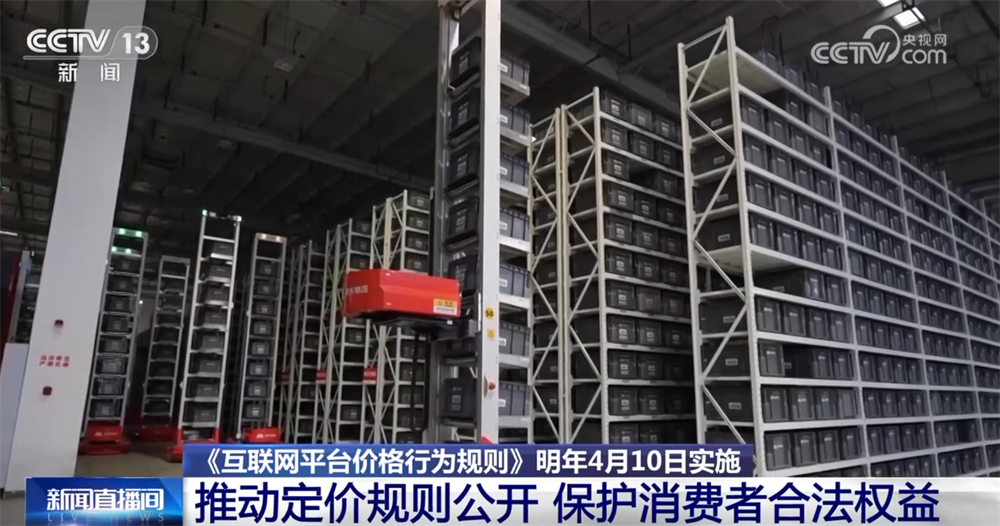
三部门:自动扣款应以显著方式通知
Xin Lang Cai Jing· 2025-12-20 05:45
Core Viewpoint - The article discusses the implementation of the "Internet Platform Pricing Behavior Rules" by three government departments in China, aimed at regulating pricing practices on internet platforms to protect consumer rights and promote healthy development of the platform economy [1] Group 1: Regulatory Framework - The new rules require platform operators to notify consumers in a prominent manner about automatic renewal and automatic payment charges, including the timing, amount, and cancellation methods [1] - Consumers are allowed to cancel automatic renewals and payments at any time, ensuring greater control over their subscriptions [1] - Any changes in the charging standards must also be communicated to consumers [1]
保护自主定价、细化明码标价 一文了解互联网平台价格行为新规
Huan Qiu Wang Zi Xun· 2025-12-20 05:07
Core Viewpoint - The "Internet Platform Pricing Behavior Rules" issued by the National Development and Reform Commission, the State Administration for Market Regulation, and the National Internet Information Office aim to establish a regular pricing supervision mechanism for internet platforms, regulate pricing behaviors, protect the legal rights of consumers and operators, and promote the healthy development of the platform economy [1] Group 1: Protection of Pricing Rights - Platform operators and internal operators are entitled to exercise their pricing rights and set reasonable prices, with agreements made through contracts or orders [2] - Platform operators are prohibited from imposing unreasonable restrictions or conditions on the pricing behaviors of internal operators, such as forced price reductions or promotional conditions [2][3] Group 2: Fee Transparency and Fairness - Platform operators must set and publicly disclose reasonable fee standards when charging internal operators, and any changes must be communicated prominently [3] - Platform operators are required to conduct promotions fairly and transparently, avoiding false or exaggerated claims about subsidies [5] Group 3: Pricing Competition Order - Operators must not engage in price gouging or sell below cost to disrupt normal business operations [6][7] - Pricing practices must not involve deceptive information or misleading terms that inflate price expectations [7] Group 4: Consumer Rights Protection - Operators must adhere to legal and contractual obligations when charging consumers, providing clear options and cancellation methods for services like automatic payments [8] - The rules mandate that operators cannot manipulate pricing through deceptive practices or obscure pricing conditions [8] Group 5: Implementation and Oversight - The rules will be effective for five years, starting from April 10, 2026, allowing operators time to adjust [8] - Regulatory bodies will enhance collaboration and market supervision to ensure compliance with the pricing behavior rules [8]
《互联网平台价格行为规则》:不得捏造、散布涨价信息,哄抬价格,推动商品价格过高上涨
Xin Lang Cai Jing· 2025-12-20 02:38
Core Viewpoint - The newly issued "Internet Platform Pricing Behavior Rules" aim to regulate pricing practices among platform operators and businesses within platforms, prohibiting various deceptive practices that lead to price inflation [1] Group 1: Regulatory Provisions - Platform operators and businesses are prohibited from fabricating or disseminating information that creates a false sense of supply shortages or surges in market demand [1] - The rules specifically ban the spread of misleading information regarding other operators' pricing intentions [1] - The use of deceptive or misleading language to inflate price expectations is also forbidden [1] Group 2: Pricing Manipulation Tactics - The rules address the hoarding of goods beyond normal storage limits, which can lead to market supply tightness and abnormal price fluctuations [1] - Forced bundling of products that effectively raises prices is prohibited under these regulations [1] - Any other methods that artificially inflate prices and lead to rapid or excessive price increases are also banned [1]
国家发改委答证券时报记者问!
证券时报· 2025-08-29 08:14
Core Viewpoint - The National Development and Reform Commission (NDRC) emphasizes the importance of expanding domestic demand and implementing the "Artificial Intelligence +" initiative to enhance economic growth and optimize market structures [1][2][11]. Group 1: Domestic Demand Expansion - The NDRC plans to deepen the strategy of expanding domestic demand, focusing on strengthening internal circulation and optimizing external circulation [2]. - Despite fluctuations in some economic indicators in July, the overall trend of consumption expansion and investment structure optimization remains unchanged, indicating significant potential for domestic demand growth [4]. - Specific measures include large-scale vocational skills training to promote employment among key groups such as college graduates and veterans, and implementing policies to encourage consumption upgrades [5]. Group 2: Investment and Private Sector Engagement - The NDRC aims to increase central investment support and reduce local funding pressures, particularly in the private investment sector [6]. - Policies will be developed to facilitate private investment in major national projects, including setting minimum participation ratios for private investments in significant infrastructure projects [6]. Group 3: Internet Platform Price Regulation - The NDRC is working on a new regulatory framework for internet platform pricing to ensure fair competition and protect consumer rights [8][10]. - The proposed rules will guide operators in lawful pricing practices and address issues like predatory pricing and false advertising [10]. Group 4: "Artificial Intelligence +" Initiative - The "Artificial Intelligence +" initiative aims to integrate AI across six key areas, including technology, industry, and consumer quality enhancement, with a focus on building a robust AI support system [12]. - The initiative will be implemented in three phases, with the first phase targeting significant AI integration by 2027, aiming for over 70% application penetration in key sectors [13][14]. - By 2030, the goal is to achieve over 90% application penetration, leading to a comprehensive integration of AI in various fields [14].

规范定价、补贴及促销等行为,三部门就《互联网平台价格行为规则》公开征求意见
Sou Hu Cai Jing· 2025-08-24 03:59
Core Viewpoint - The rapid development of the platform economy in China has played a positive role in empowering the real economy, developing new productive forces, and meeting people's needs, necessitating clearer regulations on pricing behavior in this sector [1] Group 1: Guiding Principles for Pricing Behavior - The draft "Internet Platform Pricing Behavior Rules" aims to guide operators in setting prices independently and legally, while regulating platform operators' charging behaviors [1] - It emphasizes the protection of platform operators' rights to set prices autonomously, prohibiting unreasonable restrictions on pricing behavior such as limiting traffic or delisting products [1] Group 2: Price Marking Requirements - The rules specify clear requirements for price marking, mandating that platform operators and internal operators adhere to pricing norms when selling goods or providing services [2] - Operators are required to publicly disclose pricing promotions, subsidies, differential pricing, dynamic pricing, and bidding ranking rules to allow for social oversight [2] Group 3: Price Competition Behavior - The rules provide specific standards and regulatory requirements to maintain price competition order and clarify price integrity requirements [3] - They aim to guide operators towards orderly and fair competition in pricing practices [3] Group 4: Collaborative Governance Mechanism - The rules advocate for enhanced collaboration among government departments to form a regulatory synergy [4] - They encourage industry associations to strengthen self-discipline and guide platform operators in standardizing pricing behavior [4] - The draft also promotes the establishment of internal compliance management systems within platform operators to foster a healthy platform ecosystem [4]