产业链竞争

Search documents
中美之争落幕?现实比想象残酷:美国不是输了,是牌桌都下不去了
Sou Hu Cai Jing· 2025-12-21 05:42
Group 1: Trade Relations and Economic Impact - The trade disputes between the US and China began in 2018, with tariffs peaking at 145% by 2025, yet China's exports increased despite US efforts to curb them [1] - The US aimed to protect its domestic industries through tariffs, but China's export share rose, indicating that tariffs alone cannot defeat China's economic growth [1] - By 2025, China's semiconductor market share had significantly increased, while US companies like Nvidia struggled to secure export exemptions [3] Group 2: Automotive Industry Developments - China's electric vehicle exports surged to nearly 5 million units in the first nine months of 2025, making it the global leader in EV exports, with Mexico as the largest market [5] - Despite tariff barriers preventing Chinese EVs from entering the US market, China successfully redirected its exports to other regions, particularly the Middle East and Europe [5] - The increase in China's fuel vehicle exports is attributed to a domestic shift towards new energy vehicles, leading to a rise in second-hand vehicle exports [5] Group 3: Military and Defense Dynamics - By 2025, the US defense budget approached $900 billion, while China's military capabilities continued to improve, narrowing the gap [7] - The Chinese military's nuclear arsenal increased to 600 warheads, and its naval fleet surpassed that of the US, indicating rapid military advancements [7] - The ongoing Russia-Ukraine conflict has strained US military resources, revealing weaknesses in its defense supply chain and prompting a reevaluation of military strategies against China [7] Group 4: Semiconductor Industry and Technology - The US imposed stricter export controls on advanced chips to China starting in 2022, but China increased domestic R&D support, leading to a gradual rise in chip localization rates [3] - China's control over rare earth exports has impacted the global semiconductor supply chain, demonstrating the limitations of US technology embargoes [3] - By 2025, China's semiconductor exports remained stable, countering US expectations of a collapse in the supply chain [12] Group 5: Overall Strategic Shifts - The US is transitioning from an offensive to a defensive posture in its approach to China, recognizing the need for coexistence rather than outright competition [9] - The US manufacturing hollowing-out issue has become more pronounced, with reliance on foreign materials for military projects, while China leverages its engineering capabilities for rapid innovation [11][12] - The ongoing competition is characterized by a search for stability in supply chains, with both nations learning valuable lessons from their confrontations [12]

中美博弈收场?现实比想象严峻:美国谈不上败北,是难以继续上桌
Sou Hu Cai Jing· 2025-12-20 07:55
Core Insights - The article discusses the evolving dynamics of the US-China competition, emphasizing that the focus has shifted from a binary win/lose perspective to a more nuanced understanding of industrial resilience and technological capabilities [1][3]. Group 1: Technology and Manufacturing - The article highlights the importance of semiconductor manufacturing, noting that while export controls have raised barriers, China has made significant progress in mature processes and components, although it remains a net importer of integrated circuits [5][7]. - It emphasizes the role of advanced packaging technologies and domestic equipment in reducing systemic risks, despite existing gaps in top-tier equipment [7][11]. - The growth of China's electric vehicle exports and the integration of various components in the supply chain are presented as evidence of the country's manufacturing capabilities [9][12]. Group 2: Industrial and Military Integration - The article outlines how the civilian manufacturing sector is increasingly supporting military production, with rapid iteration cycles enabled by close collaboration among suppliers and manufacturers [11][12]. - It discusses the role of unmanned systems and electronic warfare in modern military strategies, highlighting the need for cost-effective solutions in the face of rapid technological advancements [13][14]. - The article points out that the US still holds advantages in certain advanced technologies, but its manufacturing sector faces challenges that could impact military readiness [13][14]. Group 3: Geopolitical Context and Future Outlook - The article presents a comparative analysis of defense spending as a percentage of GDP, indicating that China is building its military capabilities steadily rather than aggressively [14][15]. - It suggests that both nations are focusing on sustainable development, which may reduce confrontational actions and increase competitive strategies [16]. - The article concludes that the long-term competition will be characterized by coexistence, strategic adjustments, and deeper industrial restructuring, urging stakeholders to focus on manufacturing and engineering capabilities [16][17].
反制来得这么快?巴基斯坦刚准备跟美合作稀土,中方通告全球:稀土技术立即管控
Sou Hu Cai Jing· 2025-10-10 09:32
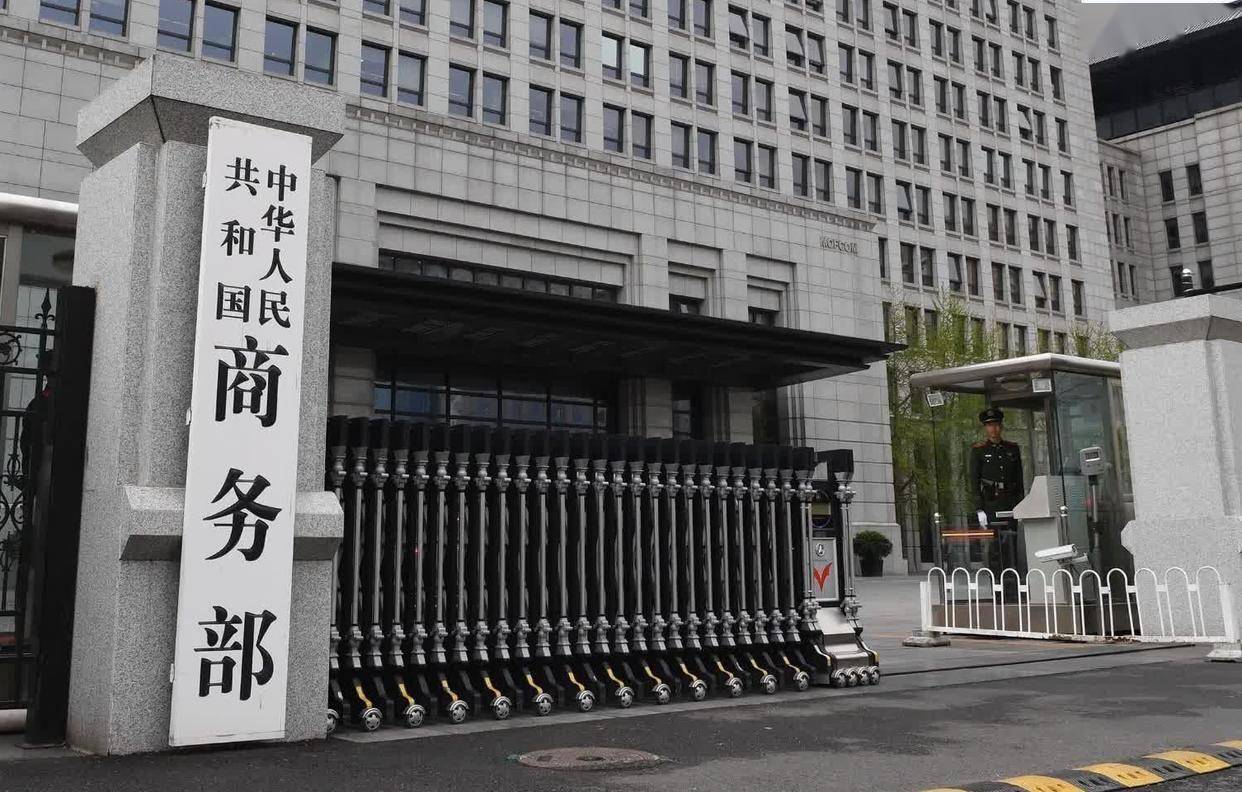
Core Viewpoint - The recent announcement by China's Ministry of Commerce has significantly reshaped the global rare earth market, emphasizing the importance of technology in defining the rules of the rare earth competition [1]. Group 1: China's Strategic Moves - China's announcement serves as a decisive action that disrupts the speculative activities in the international rare earth market, countering the perception of a slow Chinese response [1]. - The strategic control over technology, rather than just resource availability, is highlighted as the key to success in the rare earth industry [3][5]. - China's three-step strategy in controlling rare earth exports demonstrates a gradual shift from resource defense to a proactive technological offensive, avoiding sudden market shocks while allowing the international community time to adapt [6]. Group 2: Challenges for Pakistan and the U.S. - Pakistan's $500 million order for rare earths is deemed a losing venture due to its lack of critical technology and stable production environment, which are essential for processing the raw materials [3][6]. - The U.S. has struggled to establish a complete rare earth supply chain, facing numerous setbacks in mining and production, which underscores the challenges of building an industry without decades of technological accumulation [6]. Group 3: Global Industry Implications - The global response to China's actions includes fluctuations in the London futures market and urgent contract renewals by European energy companies, indicating a recognition of the true power dynamics in the rare earth sector [7]. - Countries rich in resources, like Pakistan, face a critical choice between short-term profits from raw material sales and the long-term investment in developing their own technological capabilities [7]. Group 4: Future of Competition - The competition in the rare earth sector has shifted from resource extraction to technological innovation, with the emphasis on patents, process precision, and innovation speed as the new battlegrounds [9]. - The proximity of ports like Pasni and Gwadar symbolizes the close physical ties in international relations, yet the technological gap remains vast, highlighting the importance of building technological barriers for long-term success [9].
“四川行”,四川为什么行?
Sou Hu Cai Jing· 2025-09-25 03:36
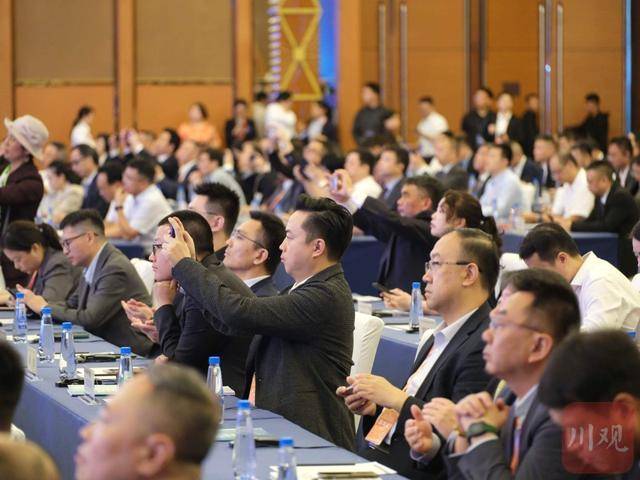
Core Insights - The "Sichuan行" event attracted over 300 domestic and international enterprises, with 150 central enterprises and "three categories of 500 strong" companies participating, marking a record high in recent years [1][3] - A total of 340 investment cooperation projects were signed during the event, amounting to an investment of 263.06 billion yuan [1][10] Group 1: Opportunities in Sichuan - Sichuan is recognized as a major economic, population, resource, and industrial province, playing a crucial role in national development [3] - The province's economy ranked fifth nationally and first in Central and Western China, with a year-on-year growth of 5.6% in the first half of the year, surpassing the national average by 0.3% [3] - Sichuan has become a highly attractive investment destination in Western China, offering vast opportunities for domestic and foreign enterprises [3] Group 2: Potential in Sichuan - Sichuan has developed six major advantageous industries and boasts three trillion-level industrial clusters, along with five national advanced manufacturing clusters [4] - The province produces 50% of the world's high-end flexible display screens and significant shares of polysilicon, flat-panel computers, projectors, and power batteries [4] - Emerging industries such as artificial intelligence and low-altitude economy are growing at an annual rate of over 20% [4] Group 3: Strategic Advantages - Sichuan is a key base for primary product supply, with a power generation capacity of 150 million kilowatts, supplying one-third of the country's hydropower and one-fourth of its natural gas [5] - The comprehensive cost factors in Sichuan are about 70% of those in the eastern coastal regions, making it an attractive location for enterprises to combine their advantages with local cost benefits [5] - The province's geographical location at the center of the Eurasian continent provides access to a market of nearly 400 million people in Western China [5] Group 4: Investment Projects and Collaboration - The event featured a list of over 1,500 key projects aimed at strengthening industrial chains, including resource utilization and application scenario projects [7] - Notable projects signed include the headquarters for humanoid robot manufacturing and an AI mobile medical base, among 14 new productivity projects [9] - The focus of the event was on technology innovation and industrial development, aligning with Sichuan's identified "15+N" key industries [9][10] Group 5: Results and Future Outlook - Over 80% of the signed projects are from Sichuan's six advantageous industries, with 45% of the investment amount coming from the "15+N" key industrial chain projects [10] - The event serves as a significant platform for inviting investment into Sichuan and fostering mutual growth between the province and entrepreneurs [10]

2025年中国硅业大会火热报名中---包头风土人情篇
中国有色金属工业协会硅业分会· 2025-08-08 08:38
Core Viewpoint - The article highlights China's competitive edge in the global green industry, particularly in photovoltaic products, new energy vehicles, and lithium batteries, while also addressing the issue of "involution" competition within the industry [2] Industry Summary - The importance of silicon-based materials in the photovoltaic industry is emphasized, as they are crucial for maintaining supply chain stability and addressing low-price disorder in competition [2] - The China Nonferrous Metals Industry Association is organizing the "2025 China Silicon Industry Conference" in Baotou, Inner Mongolia, from September 10-12, 2025, focusing on technological innovation and industry self-discipline [2] Event Details - The conference aims to strengthen communication and cooperation among industry representatives to promote the sustainable and healthy development of China's silicon industry [2] - The event will include the fifth member representative assembly and council election of the silicon industry branch [2]

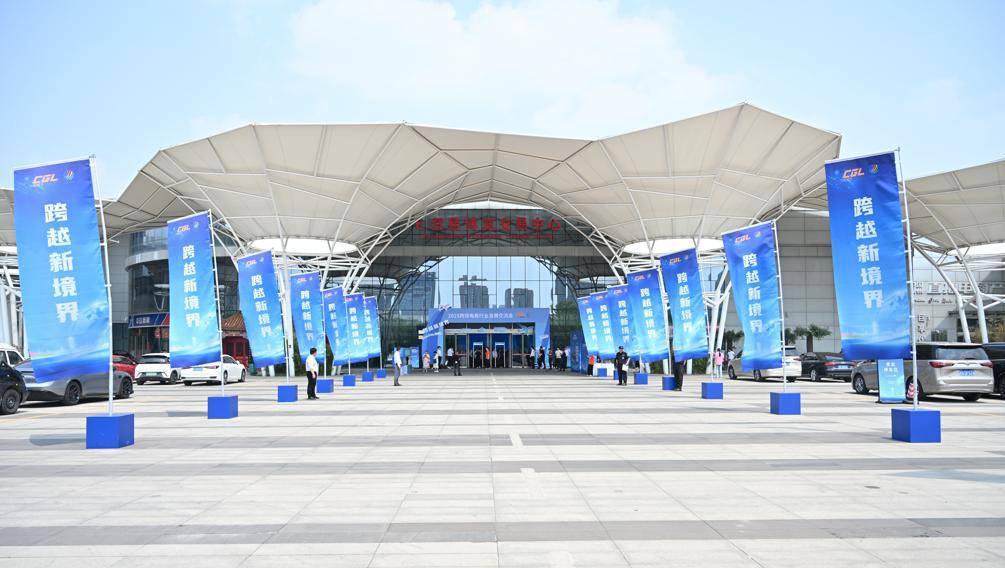
如何跨越新境界?2025跨境电商行业发展交流会在郑举行
Sou Hu Cai Jing· 2025-05-28 16:40
Core Insights - The 2025 Cross-Border E-commerce Industry Development Exchange Conference was held in Zhengzhou, serving as an important platform for cross-border e-commerce enterprises to understand international trade trends and national policies [1] - The conference highlighted the need for companies to adapt to global industrial chain competition rather than just competition between individual enterprises [3] - Zhengzhou's cross-border e-commerce has seen significant growth, with a transaction volume surpassing 100 billion, establishing itself as a leader in the central region of China [4] Group 1 - The conference theme "Crossing New Boundaries" emphasizes the importance of international cooperation in the cross-border e-commerce sector [1] - The establishment of the China Cross-Border E-commerce Association and the launch of AI-enabled initiatives for Chinese enterprises to expand globally were key highlights of the event [5] - Discussions at the conference focused on how cross-border e-commerce can seize new opportunities amidst current challenges [5] Group 2 - Zhengzhou Economic and Technological Development Zone has innovated with a "one order to the end" regulatory model, facilitating rapid global shipping [4] - The region has also pioneered a multimodal transport system combining smart stations and digital trains, with over 10,000 China-Europe freight trains operated [4] - Future goals include building a global cross-border e-commerce supply chain center and creating a new development ecosystem to ensure high-quality growth [4]