介入式脑机接口

Search documents
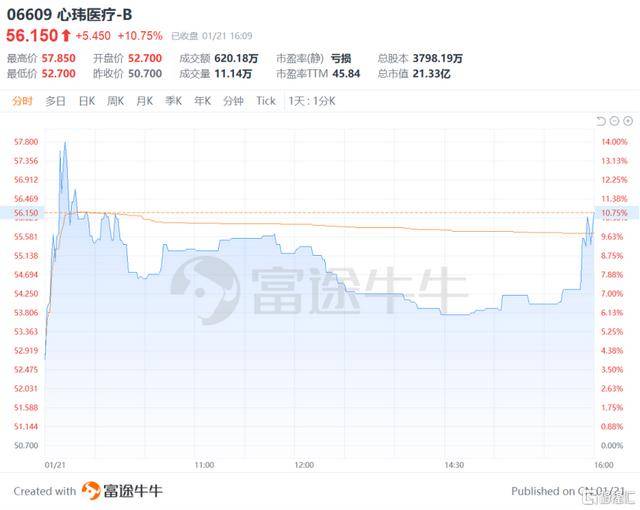
税前利润增幅近800%,心玮医疗-B凭硬实力领跑神经介入赛道
Sou Hu Cai Jing· 2026-01-22 06:55
Core Viewpoint - The profitability of Xinwei Medical is becoming increasingly clear, with a significant growth forecast for 2025, marking its entry into the profit zone, alongside the acceptance of its innovative self-expanding intracranial drug-eluting stent application by the National Medical Products Administration [1][4]. Financial Performance - Xinwei Medical's 2025 revenue is projected to be between 400 million to 410 million yuan, representing an approximate 44% increase from 278 million yuan in 2024 [6]. - The company expects a pre-tax profit of 80 million yuan, a substantial turnaround from a pre-tax net loss of 12 million yuan in 2024, indicating an increase of nearly 800% [6]. Product Development and Market Position - The growth is primarily driven by the collaborative expansion of the entire product line, particularly in the ischemic stroke sector, where new products and technologies have led to a steady increase in market share [7]. - The sales volume of large-caliber aspiration catheters has seen a 60% year-on-year increase in the first half of 2025, with expectations of over 200% growth for the year [8]. - The "Great Wall" intracranial stent has achieved rapid commercial sales, covering 200 new cooperative hospitals in the first half of the year, significantly boosting the sales of related products [8]. Cost Management and Operational Efficiency - Xinwei Medical's overall gross margin rose to nearly 70% in the first half of 2025, while the sales and management expense ratio decreased by 8 percentage points to 37%, showcasing effective cost control [9]. - The financial characteristics of revenue growth, profit increase, and cost reduction indicate a shift from reliance on financing cash flow to a self-sustaining growth model [9]. Innovation and Long-term Strategy - The acceptance of the self-expanding intracranial drug-eluting stent application highlights the company's leading position in innovation, addressing critical treatment needs in the market [12]. - Xinwei Medical has developed a comprehensive product pipeline for stroke treatment and prevention, including devices for thrombectomy, aneurysm, and stenosis, with several products receiving "priority review" status [12]. - The company is also exploring advanced fields such as the interventional brain-machine interface project, which is expected to begin clinical trials by the end of 2026, potentially expanding its growth horizons [12]. Conclusion - Xinwei Medical's solid profitability, comprehensive product pipeline, leading innovation capabilities, and clear ecological layout constitute its core competitive advantages, gradually gaining market recognition for its investment value [14]. - Short-term growth will be supported by full product line expansion and cost control optimization, while long-term prospects are bolstered by innovative products and strategic positioning in emerging fields [14].

脑机接口专家会议
2026-01-07 03:05
Summary of Neural Interface Technology Conference Industry Overview - The conference focused on the neural interface technology industry, particularly advancements made by Neuralink and domestic companies in China [1][3][4][5][10]. Key Points and Arguments Neuralink's Advancements - Neuralink has significantly reduced the cost of implantable devices, with fixture costs dropping by 95%, from approximately $5,000-$6,000 to a few hundred dollars [1][3][4]. - The electrode production cost remains high, at over $10,000 per electrode, but the implantation speed has improved from 20 seconds to 1.5 seconds per electrode, facilitating clinical applications [1][3][4]. - The company has entered clinical trials, utilizing BlackRock electrodes and developing its own implantation devices that combine electron microscopy and OCR systems for precise electrode placement [1][8][9]. Challenges in Neural Interface Technology - The industry faces challenges such as complex electrode production processes, low yield rates, and patent barriers, particularly regarding non-invasive puncture techniques patented by Musk [1][5][6]. - Domestic companies need breakthroughs in materials, processes, and patent strategies to compete effectively [1][5]. Comparison of Invasive and Semi-Invasive Techniques - Neuralink's fully invasive technology targets complex diseases, while domestic companies like BoruiKang focus on semi-invasive methods primarily for rehabilitation, which are less risky and costly [1][7][10]. - The main difference lies in the application: fully invasive techniques aim to treat severe conditions through deep neural stimulation, whereas semi-invasive methods are used for rehabilitation by repairing damaged nerves [1][7]. Domestic Industry Landscape - Domestic companies such as JieTi, Tiger Technology, and WeiLing have made progress in flexible electrodes but still lag behind international leaders like Neuralink in terms of channel count (128 channels vs. Neuralink's 1,024 channels) and other technical specifications [1][10]. - The downstream applications of the domestic neural interface industry account for 70% of the market share, focusing on rehabilitation devices and commercial products, while upstream investments in electrode and chip development are capital-intensive [1][10]. Clinical Applications and Future Directions - BoruiKang's semi-quantitative methods have been widely adopted in over 20 hospitals in China, with more than 200 clinical trials conducted in 2024 [12]. - The potential for interventionist neural interfaces is highlighted, with successful trials indicating a promising future if challenges like vascular blockage can be addressed [2][16]. Competitive Landscape - Companies like Medtronic have received FDA approval for their brain stimulators, showing significant efficacy in treating conditions like epilepsy, while competitors like Pinchi Medical face challenges due to patent restrictions [14][25]. - The market for deep brain stimulation (DBS) devices is still developing, with no fully mature embedded products available yet [25]. Additional Important Insights - The domestic neural interface industry is characterized by a high investment threshold in the upstream sector, with a typical investment ratio of 3:1 or 4:1 favoring downstream applications [10]. - The technology's application in treating neurological diseases is expanding, with potential uses in conditions like Alzheimer's and depression through adaptive neural regulation [19]. This summary encapsulates the key discussions and insights from the neural interface technology conference, highlighting both advancements and challenges within the industry.
我科学家团队取得介入式脑机接口新进展
Ren Min Ri Bao· 2025-08-06 22:49
Core Insights - The article discusses a groundbreaking intervention in brain-machine interface technology that has enabled a 67-year-old patient to regain movement in his paralyzed arm after a stroke, marking a significant advancement in rehabilitation methods [1][2]. Group 1: Technology and Innovation - The intervention involves a minimally invasive procedure where a 2mm electrode stent is implanted into the brain's motor cortex via the neck's blood vessels, establishing a "brain-machine-limb" closed-loop system [1]. - The system boasts a signal transmission stability rate of 99.7%, allowing patients to perform hand movements through thought within two weeks post-surgery [1]. - The technology integrates several innovations, including a bionic spider-web structure electrode that adapts to vascular pulsation, a self-designed wireless power supply platform with over five years of battery life, and an intelligent adaptive decoding algorithm that adjusts output parameters in real-time based on the patient's intentions [1][2]. Group 2: Clinical Applications and Research Development - The research team has introduced a "central-peripheral-central" neural reconstruction model that enhances motor function recovery efficiency through synchronized electrical stimulation training, with patients achieving 82% grip strength recovery compared to their healthy side [2]. - The team has conducted extensive research over several years, including experiments on sheep brains and non-human primates, laying a systematic foundation for human clinical trials [2]. - A new research institute focused on brain-machine interface technology has been established in collaboration with regional innovation centers, aiming to advance the development and clinical validation of this technology [2].
在血管中铺设“光纤” 实现患肢运动功能修复 我科学家团队取得介入式脑机接口新进展
Ren Min Ri Bao· 2025-08-06 22:18
Core Insights - The article discusses a groundbreaking intervention in brain-machine interface technology that has enabled a 67-year-old patient to regain motor function after a stroke, marking a significant advancement in rehabilitation methods [1][2]. Group 1: Technology and Innovation - The intervention involves a minimally invasive procedure where a 2mm electrode stent is implanted into the brain's motor cortex via the neck's blood vessels, establishing a "brain-machine-limb" closed-loop system [1]. - The system boasts a signal transmission stability rate of 99.7%, significantly improving recovery efficiency compared to traditional invasive methods that require craniotomy [1]. - The technology integrates several innovations, including a bionic spider-web structure electrode that adapts to vascular pulsation, a self-designed wireless power supply platform with over five years of battery life, and an intelligent adaptive decoding algorithm that adjusts output parameters in real-time [1][2]. Group 2: Clinical Applications and Research Development - The research team has introduced a "central-peripheral-central" neural reconstruction model that enhances motor function recovery by promoting synaptic regeneration through synchronized electrical stimulation training [2]. - Clinical trial data indicates that patients have regained 82% of their grip strength compared to their healthy side, showcasing the effectiveness of the technology [2]. - The team has established the "Interventional Brain-Machine Information Technology Research Institute" to focus on the development, clinical validation, and commercialization of brain-machine interface technology [2].
京津冀一周观察 | 黄循财参访北京人形机器人创新中心;夏季达沃斯论坛开启
Guan Cha Zhe Wang· 2025-06-25 02:00
Group 1: Robotics and Technology Development - Singapore Prime Minister Lawrence Wong visited the Beijing Humanoid Robot Innovation Center, exploring advancements in embodied intelligent robots and their applications in various sectors [1][3] - Beijing is accelerating the cultivation of the future robotics industry, leveraging the Innovation Center to gather global resources for key technology research [3] Group 2: Economic Forums and Events - The 16th Summer Davos Forum took place in Tianjin, attracting around 1,800 participants, the highest number in recent years, focusing on themes like global economy and new energy [4] - The forum emphasized sustainability, utilizing solar power and promoting green transportation through electric vehicles [5] Group 3: Sci-Fi Industry Growth - Beijing's sci-fi industry has seen the establishment of over 780 companies with total revenue around 48 billion yuan, marking a new phase of high-quality development [6] - The Shougang Park, transformed from an industrial site, features immersive experiences integrating AI and VR technologies [6] Group 4: Healthcare Services - Beijing has 156 medical institutions providing full-process foreign language services, enhancing its international medical service system [7] - The city is promoting high-level openness in healthcare, supporting the establishment of foreign-funded hospitals [7] Group 5: Brain-Computer Interface Breakthrough - Nankai University announced the world's first successful intervention of a brain-computer interface to restore motor function in a paralyzed patient, marking a significant advancement in rehabilitation technology [8] Group 6: Transportation Integration - The Tianjin West Station city terminal began trial operations, facilitating seamless connections between high-speed rail and air travel, enhancing transportation integration in the Beijing-Tianjin-Hebei region [9][10] Group 7: Digital Economy Initiatives - The 2025 Global Digital Economy Conference is set to take place in Beijing, focusing on building digital-friendly cities and promoting international cooperation [11] Group 8: Cultural Industry Collaboration - The establishment of the Tianjin Center for Collaborative Development of Cultural Industries aims to enhance cultural resource integration and promote the inheritance of local culture [12] Group 9: Publishing Education Conference - The third International Conference on Publishing Education was held, leading to the formation of the International Publishing Education Alliance to foster global collaboration in publishing education [13] Group 10: Military Parade Announcement - A military parade will be held on September 3 in Tiananmen Square to commemorate the 80th anniversary of the victory in the War of Resistance Against Japan, showcasing modern military capabilities [14][15]


早报 (06.23)| 美国动手了,国际油价巨震!50%关税今日启动;特斯拉Robotaxi登场;跨境支付通正式上线
Ge Long Hui· 2025-06-23 01:19
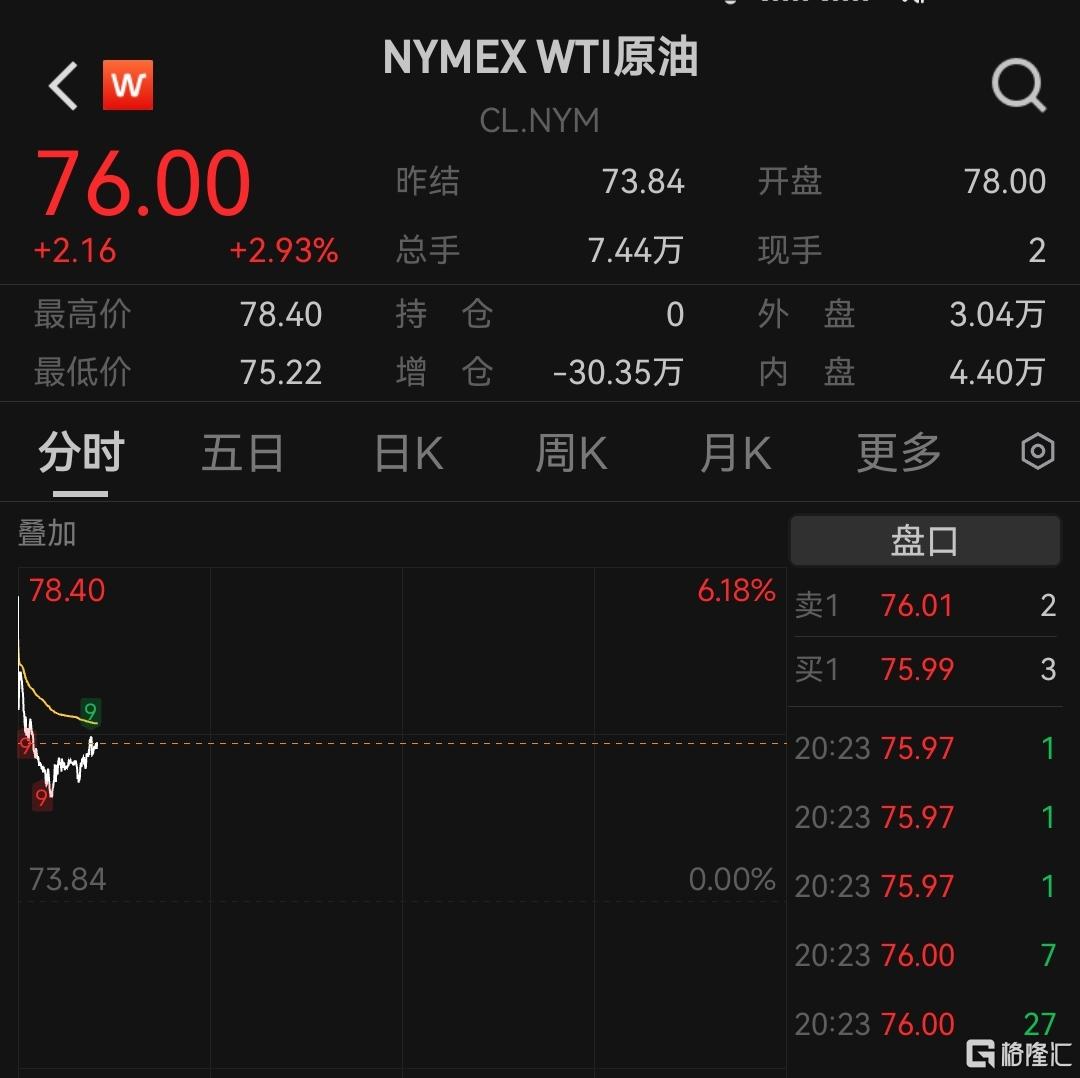
Group 1 - The U.S. airstrike on Iranian nuclear facilities has reportedly destroyed Iran's nuclear program, leading to a significant increase in oil prices, with Brent crude rising approximately 6% to over $81 [1] - The Iranian parliament has approved a proposal to potentially close the Strait of Hormuz, with the final decision resting with the Supreme National Security Council of Iran [1] - Following the airstrike news, WTI crude futures surged over 6% before narrowing to less than 3% increase [1] Group 2 - A significant increase in shipping costs has been observed due to escalating tensions in the region, with some high-risk routes experiencing freight rate hikes of up to 250% [17] - The Baltic Exchange's dirty tanker index indicates a 12% rise in international average freight rates over the past week, with daily rental rates for very large crude carriers soaring from approximately $20,000 to $55,000 [17] - The national railway has reported a cumulative cargo dispatch of 1.641 billion tons from January to May, reflecting a year-on-year growth of 3.1% [17]
财经早报:伊朗议会赞成关闭霍尔木兹海峡 利好来了!A股重磅新规,投资者转户需“秒办”
Xin Lang Zheng Quan· 2025-06-22 23:46
Group 1 - The U.S. military conducted a significant airstrike on Iranian nuclear facilities using seven B-2 bombers, marking the largest deployment of B-2s in history [2] - The operation, named "Midnight Hammer," was executed with minimal knowledge among U.S. officials regarding its timing and details [2] - The B-2 bombers flew for 18 hours to reach Iranian airspace while maintaining radio silence and conducting multiple aerial refuels [2] Group 2 - The Iranian parliament has expressed support for closing the Strait of Hormuz, a critical oil shipping route, which could lead to oil prices soaring to $130 per barrel [3] - Approximately one-third of global oil trade passes through the Strait of Hormuz, making its closure a significant concern for international oil supply [3] - Brent crude oil futures have risen by 18% since June 10, reaching a five-month high of $79 per barrel [3] Group 3 - The European Commission has decided to restrict Chinese companies from participating in medical device tenders exceeding €5 million, citing retaliatory measures against China [4] - The Chinese government has criticized the EU's actions as a form of protectionism and double standards, despite the EU's claims of being an open market [4] Group 4 - The launch of the Cross-Border Payment System allows for real-time remittances between mainland China and Hong Kong, with banks offering fee waivers and cash incentives to attract customers [5] - This initiative is seen as a strategic move by banks to capture the growing cross-border business market, with the potential to tap into a multi-trillion yuan consumer market [5] Group 5 - A new regulation from the Shanghai Stock Exchange mandates that brokerage firms must process investor requests to change designated trading accounts on the same day, enhancing customer service [6] - This regulation aims to reduce barriers for investors wishing to switch brokers, potentially increasing competition among brokerage firms [6] Group 6 - The Central Commission for Discipline Inspection has issued guidelines on recognizing violations related to public officials' dining practices, emphasizing adherence to anti-corruption regulations [7] - The guidelines define various forms of improper dining, including accepting or providing meals that could influence official duties [7] Group 7 - More than ten provinces in China are encouraging a 2.5-day weekend policy to boost consumer spending and economic activity [8][9] - This initiative aligns with previous government recommendations aimed at optimizing holiday arrangements to promote tourism and consumption [8][9] Group 8 - Platinum prices have surged over 36% this year, surpassing gold's price increase, driven by rising consumer demand in China [10] - The demand for platinum bars and coins in China has increased by 140% year-on-year, making it the largest retail investment market for platinum globally [10] Group 9 - Vipshop's marketing vice president has been detained for alleged corruption, with the company affirming its commitment to zero tolerance for such behavior [11] - The company stated that its business operations remain normal despite the ongoing investigation [11] Group 10 - NIO faces customer complaints regarding "freezing" issues in their vehicles, with the company rejecting requests for vehicle replacements based on warranty limitations [12] - NIO has offered compensation in the form of loyalty points to affected customers, but negotiations for a satisfactory resolution are ongoing [12] Group 11 - The lithium battery industry is experiencing increased overseas expansion, with potential benefits from capacity releases expected in the near future [13] - A surge in research reports on stablecoins indicates growing interest and investment in this area [13] Group 12 - Several companies are pursuing significant investments and acquisitions, including Keda Li's plan to invest €5 million in Hungary for battery components and Jiemite's acquisition of control over Siteng Helix [16][17] - Other notable investments include a proposed 49.2 billion yuan project by Jidian Co. for a green methanol innovation demonstration [20]