
价值共享

Search documents
中经评论:“来华过大年”何以成为新潮流?
Xin Lang Cai Jing· 2026-02-19 00:29
Group 1 - The increase in foreign tourists during the Spring Festival highlights China's growing appeal as a travel destination, driven by its beautiful scenery, rich culture, safe environment, convenient transportation, prosperous economy, and friendly people [2] - China's policy changes, including the expansion of visa-free countries to 48 and mutual visa exemptions to 29, have significantly lowered travel barriers, resulting in a nearly 50% year-on-year increase in visa-free foreign visitors [2] - The trend of foreign tourists participating in the Spring Festival celebrations indicates a shift from mere sightseeing to immersive cultural experiences, making the festival a global cultural event [2] Group 2 - The trend of "celebrating the New Year in China" represents a new phase in cultural exchange, moving from economic interaction to cultural integration, and from product export to value sharing [3] - Initiatives such as the "15th Five-Year Plan" aim to enhance the internationalization and convenience of inbound tourism, supported by digital service improvements for foreign visitors [3] - Local governments are implementing various supportive measures, such as tax refund maps and themed activities, to enhance the experience of foreign tourists during the Spring Festival [4][5]

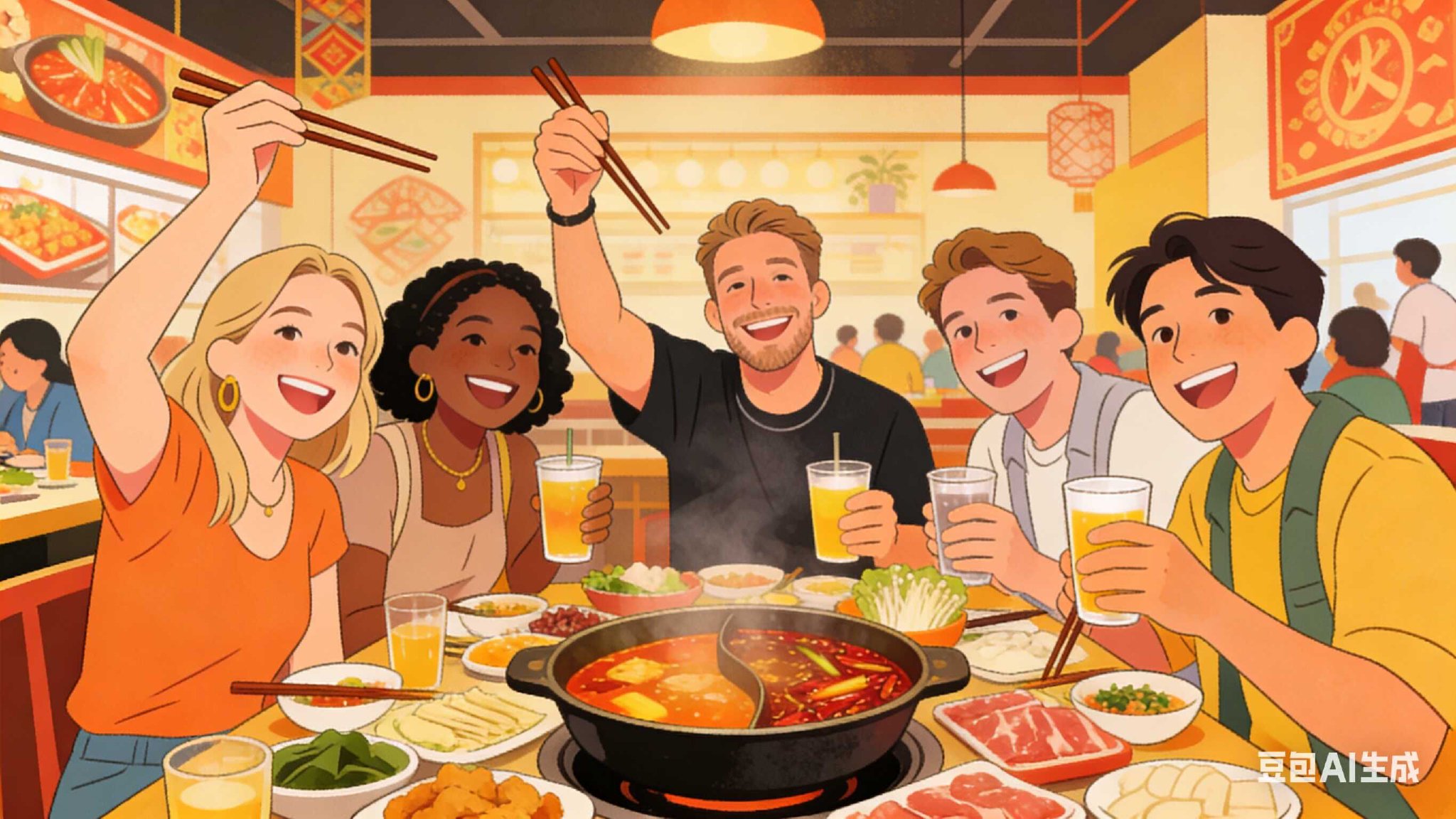
代表委员通道|路遥委员:三张照片,看见云南对外开放的温度和脚步
Xin Lang Cai Jing· 2026-01-31 06:05
Core Viewpoint - The article highlights the stories of openness and development in Yunnan, showcasing the province's efforts to establish itself as a radiation center for South and Southeast Asia through infrastructure, industry, and technology collaboration [1][8]. Group 1: Infrastructure Development - The first story illustrates the impact of the China-Laos Railway, which has significantly shortened travel times and enhanced connectivity, allowing for faster movement of people and goods, thus fostering development opportunities [3][5]. - The railway serves as a backbone for "hard connectivity," fundamentally changing the landscape of openness and facilitating unprecedented flows of human, logistical, and informational resources [3][5]. Group 2: Industry and Economic Integration - The second story features a Vietnamese student who successfully applied for a scholarship and is involved in cross-border commerce, highlighting the "soft connectivity" that leads to industrial upgrades and shared value between China and Vietnam [5][7]. - This narrative emphasizes the transition from a "channel economy" to a more rooted industrial presence, where local industries benefit from the open policies, making the advantages of openness tangible for both countries [5][7]. Group 3: Technological and Educational Collaboration - The third story focuses on a joint laboratory in Cambodia that employs green control technology to protect cashew plantations, representing "heart connectivity" through deep, sustainable links in technology and education [7][8]. - This collaboration showcases the integration of agricultural technology, digital innovation, and ecological protection, with international labs and educational projects acting as vehicles for knowledge transfer and innovation [7][8]. Future Outlook - Yunnan aims to continue its path towards broader, deeper, and more comprehensive openness, fostering more collaborative stories between itself and neighboring countries, thereby strengthening its role as a radiation center for South and Southeast Asia [8].

OpenAI:以后大家用 AI 赚的钱,我可能要抽成
程序员的那些事· 2026-01-27 06:11
Core Viewpoint - OpenAI is shifting its business model from merely selling software to a profit-sharing approach, particularly in the pharmaceutical sector, where it plans to take a cut from the profits generated by its AI technology used in drug discovery [3][4][5]. Group 1: Financial Performance and Funding - OpenAI's API business has reportedly added over $1 billion in Annual Recurring Revenue (ARR) in the last month [1]. - The company is seeking to raise $50 billion, with a new valuation expected between $750 billion and $830 billion [3]. Group 2: Business Model Transformation - OpenAI is considering a transition from a "tool-selling" model to a "profit-sharing" model, indicating a desire to earn revenue based on the success of its clients' applications of its technology [3][4]. - This shift could significantly alter the cost structure for startups that build businesses using AI APIs, as they may now have to account for profit-sharing in their financial models [4]. Group 3: Industry Implications - The potential for OpenAI's profit-sharing model to become an industry standard raises concerns about the implications for businesses relying on AI tools, similar to how Adobe's model could affect designers using Photoshop [4]. - OpenAI is actively seeking private data authorization in the pharmaceutical sector to enhance its AI models, indicating a strong interest in integrating AI into drug development processes [5][9]. Group 4: Competitive Landscape - OpenAI is not alone in this space; competitors like Anthropic and Google DeepMind are also exploring partnerships with biotech startups for data licensing and collaboration [10]. - The competition in AI-driven drug discovery is intensifying, with various companies vying for partnerships and data access to enhance their AI capabilities [10]. Group 5: Future Prospects - OpenAI's CFO has hinted at the possibility of applying the profit-sharing model in other sectors, such as energy and finance, suggesting a broader application of this strategy beyond pharmaceuticals [11]. - The enthusiasm for AI as a research tool is growing, with scientists recognizing the potential of large language models to assist in various fields, despite existing limitations [12].

构建透明共享的电力零售市场新生态
Zhong Guo Dian Li Bao· 2025-11-26 05:39
Core Insights - The current retail electricity market in China is facing challenges due to the high proportion of renewable energy and the need for a more sophisticated market structure, moving away from the traditional "price difference" model to a "value creation" model [1][2][6] Current State of the Electricity Retail Market - As of August this year, there are over 4,200 electricity sales companies in China, providing purchasing options for 970,000 users, indicating a diverse competitive landscape [3] - State-owned and private companies dominate the market, with those having a generation background leveraging cost advantages [3] Market Innovations and Developments - Various trading centers are innovating retail packages, introducing "menu-style" options and establishing retail trading platforms to simplify user transactions and promote standardization [4] - Regulatory frameworks such as the "Basic Rules for Electricity Market Operation" and "Management Measures for Electricity Sales Companies" have been implemented to ensure market stability and protect user interests [5] Challenges Facing the Retail Market - The traditional "price difference" model is inadequate for the current energy landscape, which requires effective aggregation and participation of distributed resources [6][9] - Information transparency and efficiency in the retail market need improvement to enhance user decision-making and reduce reliance on intermediaries [8][7] Need for Reform - The retail market requires a shift from a "price difference" focus to a "value sharing" approach, necessitating reforms in business models, pricing mechanisms, and service boundaries [12][13] - A new information transmission system is essential to activate the retail market, ensuring that both wholesale and retail market data are accessible and actionable for stakeholders [14][15] Proposed New Paradigm - The establishment of a new commercial ecosystem centered on "value sharing" is crucial, transforming the relationship between electricity sales companies and users into a collaborative partnership [16][17] - This model aims to create a win-win situation, where both parties benefit from shared risks and rewards, ultimately enhancing market vitality and supporting the transition to a new energy system [17][18]
从拼多多到全民拼购:社交电商加速迭代,稳赚不亏是风口还是泡沫
Sou Hu Cai Jing· 2025-11-25 11:18
Core Insights - The article discusses how social e-commerce is reshaping the traditional retail landscape by innovatively reconstructing the "people, goods, and venue" relationship, allowing it to thrive despite challenges faced by conventional retail models [1][3]. Group 1: Social E-commerce Model - The "全民拼购" (All-People Group Purchase) model integrates social sharing and group buying, moving beyond traditional low-price competition by embedding "value sharing" into its rules [3]. - Users can participate with zero risk, as they either win products or receive a full refund along with shopping credits, creating a "zero-cost benefit" incentive [5]. Group 2: User Engagement - The model allows for flexible group purchase tiers ranging from 100 to 500 yuan, appealing to diverse user needs, particularly attracting students and mothers [7]. - Users can earn rewards by inviting friends, achieving a viral growth rate three times that of traditional e-commerce [7]. Group 3: Merchant Benefits - Merchants benefit from significantly reduced customer acquisition costs, with some brands reporting monthly revenues exceeding 30 million yuan from group purchases [7]. - The model has shown impressive results, such as a snack brand selling 200,000 orders in three days, with 70% of new customers coming from referrals [7]. Group 4: Platform Stability - The platform employs a "40-period release of points" mechanism to enhance user retention and encourage new user acquisition, ensuring system stability during peak times [8]. - Safety is ensured through third-party fund custody and anti-cheating measures, allowing the platform to handle high concurrency smoothly [8]. Group 5: Challenges and Future Directions - While the low-price strategy attracts traffic, it risks creating a perception of low quality, making it difficult to attract high-end customers and achieve high-margin product sales [10]. - To ensure sustainable growth, the model must evolve from a low-price focus to a "value upgrade" strategy, enhancing supply chain quality control and diversifying user engagement beyond cash incentives [11].

四位专家联合撰文:构建信息透明、共享共赢的电力零售市场新生态
Zhong Guo Dian Li Bao· 2025-11-25 01:01
Core Insights - The article emphasizes the need for a profound transformation in China's electricity retail market, shifting from a "price difference arbitrage" model to a "value creation" model to support the new power system construction [2][11]. Group 1: Current State of the Electricity Retail Market - The number of electricity retail companies in China exceeded 4,200 by August 2025, providing purchasing options for 970,000 users, indicating a diverse competitive landscape [3]. - Various regions have introduced "menu-style" retail packages and established electricity retail trading platforms, enhancing user transaction processes and promoting standardization [4]. - The government has implemented foundational regulations and policies to ensure market stability, including capping the price difference between wholesale and retail to protect end-user interests [5]. Group 2: Challenges Facing the Retail Market - The traditional "source-following-load" power balance model is under significant pressure due to the intermittent nature of high proportions of wind and solar energy [6]. - The current retail market's core profit logic, based on "electricity quantity price difference," lacks effective incentives for aggregating decentralized resources, leading to a mismatch between potential and mechanisms [8]. - The retail market suffers from low information transparency and efficiency, which hinders user decision-making and increases reliance on intermediaries [7]. Group 3: Proposed Solutions for Market Reform - Establishing a transparent information transmission system is crucial for activating the retail market, requiring both wholesale and retail markets to share detailed operational data [12]. - A new business ecosystem centered on "value sharing" should be developed, transforming the relationship between electricity companies and users into a partnership based on mutual benefits [14]. - The retail market must break the homogenized competition pattern and adapt pricing mechanisms to better reflect the value of electricity in the context of renewable energy development [9][10]. Group 4: Future Directions - The retail market should evolve to effectively activate demand-side resources, ensuring a two-way interaction between supply and demand, which is essential for the sustainable development of the electricity market [16]. - The government should encourage electricity companies to innovate and enhance their user management capabilities, creating a virtuous cycle that benefits both users and companies [15].
金岭矿业拟再分红2976.7万元 年内累计派息达1.25亿元
Xin Hua Cai Jing· 2025-11-19 08:43
Core Viewpoint - Jinling Mining has officially initiated its profit distribution work by announcing a cash dividend of 0.50 yuan per 10 shares, totaling approximately 29.77 million yuan, based on a total share capital of 595 million shares, reflecting the company's robust performance and commitment to shareholder returns [1][2]. Financial Performance - For the first three quarters of 2025, Jinling Mining reported a revenue of 1.247 billion yuan, representing a year-on-year increase of 12.98% [1]. - The net profit attributable to shareholders reached 220 million yuan, showing a significant year-on-year growth of 47.09% [1]. - The net cash flow from operating activities surged to 208 million yuan, marking a substantial increase of 130.91% year-on-year, indicating strong profitability and financial resilience [1]. Dividend Strategy - The company's dividend strategy reflects a balance between "steady operation" and "value sharing," reinforcing its position as a high-quality investment target in the resource industry [2]. - With the implementation of this dividend, Jinling Mining will have distributed a total of 125 million yuan in dividends this year, significantly enhancing shareholder returns [1][2]. Governance and Recognition - Jinling Mining has received the highest A-level rating in the information disclosure assessment by the Shanghai and Shenzhen Stock Exchanges for the 2024-2025 period, maintaining this excellent record for five consecutive years, which highlights the company's governance quality and information disclosure standards [2].

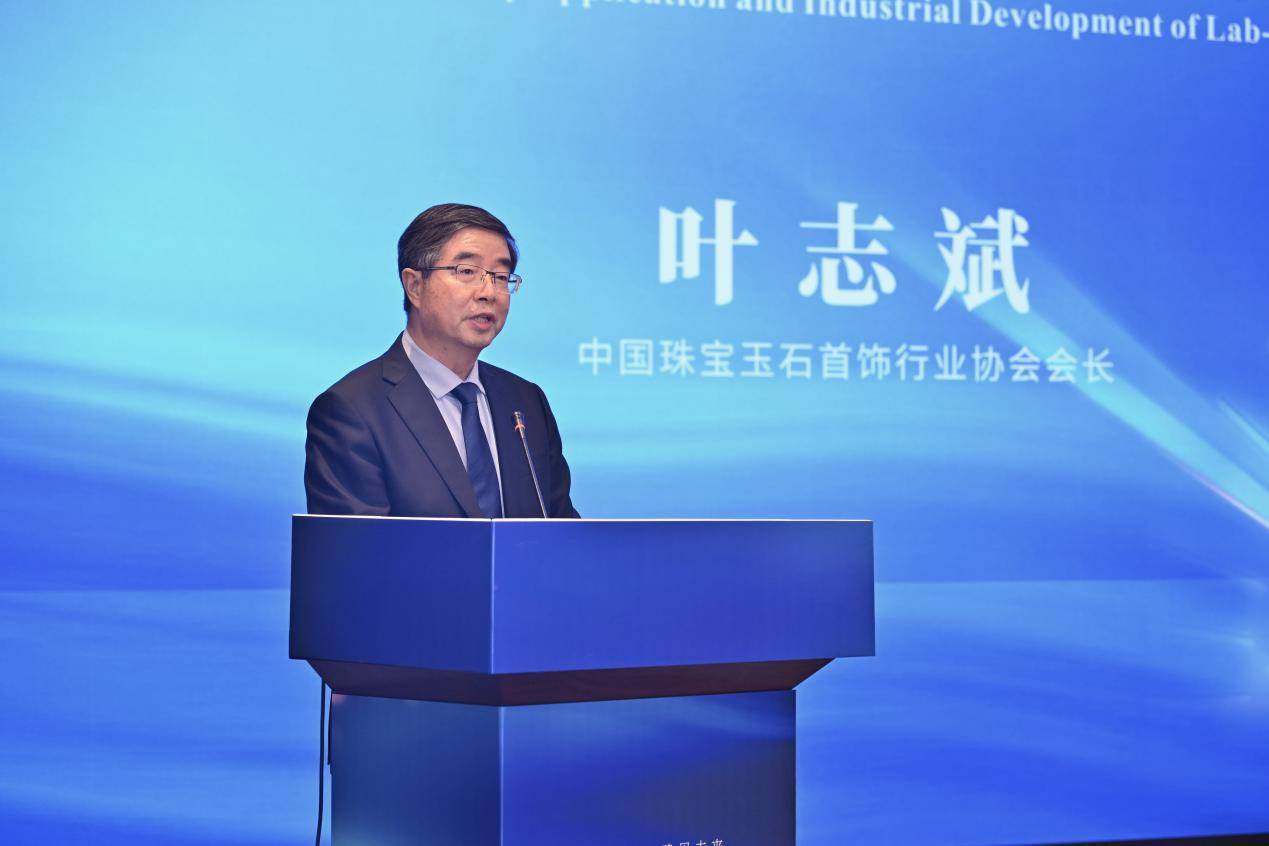
叶志斌:从技术链、价值链、品牌链发力,推动培育钻石产业高质量发展
Sou Hu Cai Jing· 2025-09-26 17:20
Core Viewpoint - The rise of cultivated diamonds in China represents a significant shift in the jewelry industry, transitioning from a follower to a leader in the global market, driven by advancements in material science and evolving consumer demands [1][3]. Industry Overview - The past decade has seen cultivated diamonds move from laboratory settings to market prominence, with China holding over 60% of the global rough diamond production capacity, establishing itself as the "world factory" for cultivated diamonds [3]. - China has developed a complete ecosystem for the cultivated diamond industry, encompassing technology research and development, rough production, cutting and polishing, and retail [3]. Market Dynamics - The perception of cultivated diamonds has evolved from being seen as substitutes for natural diamonds to being recognized by Generation Z consumers as symbols of personal expression [3]. - Despite high production capacity, the industry faces challenges such as low profit margins, with only 15% of global profits from finished products, compared to 300-500% markups seen in India and up to 1000% in Western brands [3][4]. Consumption Patterns - The domestic market for cultivated diamonds is primarily focused on the wedding sector, which accounts for over 60% of consumption, while other applications like fashion accessories and industrial uses remain underdeveloped, with less than 20% penetration [4]. - In contrast, the U.S. market sees a 45% share of cultivated diamonds in the fashion sector, indicating a significant opportunity for growth in China [4]. Industry Challenges - The industry is characterized by a high number of companies (over 2000) but lacks internationally recognized brands, leading to price wars and product homogeneity [4]. - Many companies focus on production rather than research and development, relying on imported core technologies and lacking a strong patent portfolio [4]. Strategic Recommendations - To address these challenges, the industry should focus on differentiated research and development of rough diamonds, encouraging collaboration with academic institutions to create specialized products for various applications [5]. - There is a need to enhance the value chain by establishing long-term partnerships with international brands and adopting a "rough supply + joint design" model to increase value-added processing [5]. - The industry should also explore new marketing strategies to reduce reliance on the wedding market and develop services that enhance customer relationships, such as diamond customization and lifetime maintenance [5]. Brand Development - Building a globally recognizable "Chinese mark" is essential, which can be achieved by integrating traditional Chinese culture with cultivated diamond aesthetics and leveraging technological advancements to enhance brand credibility [6]. - Initiatives like establishing a "Cultivated Diamond Technology Museum" can showcase technological innovations and patent achievements, further promoting the brand [6].
顺丰控股(002352):Q2业绩稳健增长 经营激活再度加码
Xin Lang Cai Jing· 2025-09-08 00:36
Core Viewpoint - SF Holding reported strong revenue and profit growth in the first half of 2025, with a significant increase in operational efficiency and a focus on long-term employee incentives to enhance competitiveness [1][4]. Group 1: Financial Performance - In H1 2025, the company's operating revenue reached 146.86 billion yuan, a year-on-year increase of 9.3%, while net profit attributable to shareholders was 5.74 billion yuan, up 19.4% [1]. - In Q2 2025, operating revenue was 77.01 billion yuan, reflecting an 11.5% year-on-year growth, and net profit was 3.5 billion yuan, a 21.0% increase [1]. - The company announced an interim dividend plan, distributing 4.6 yuan per 10 shares, totaling approximately 2.32 billion yuan, which is about 40% of the net profit for the first half of the year [1]. Group 2: Operational Highlights - In H1 2025, the express delivery business volume increased by 25.7%, with time-sensitive and economy express volumes growing by 19% and 30%, respectively [2]. - In Q2 2025, the logistics business volume grew by 31.2% to 4.27 billion pieces, with market share increasing by 0.9 percentage points to 8.5% [2]. - The company experienced significant growth in various business segments, with same-city delivery revenue increasing by 38.9% in H1 2025 [2]. Group 3: Profitability and Strategic Initiatives - The gross profit margin in Q2 2025 decreased by 1.4 percentage points to 13.1% year-on-year, attributed to strategic resource investments and flexible pricing strategies [3]. - The company reported a tax-adjusted investment income of 590 million yuan from the disposal of shares in the Southern SF Logistics REIT [3]. - A new employee stock ownership plan was introduced, granting up to 200 million A-shares to core employees, aimed at aligning employee interests with company performance [3]. Group 4: Future Outlook - The company is expected to see a positive trend in its operating cycle, with projected net profits of 11.67 billion, 13.75 billion, and 15.91 billion yuan for 2025, 2026, and 2027, respectively [4]. - The corresponding price-to-earnings ratios for A-shares are forecasted to be 18.0, 15.3, and 13.2 times for the respective years [4]. - The company maintains a high dividend policy and continues to implement share buyback strategies to enhance shareholder returns [4].

顺丰控股(002352):Q2业绩稳健增长,经营激活再度加码
Changjiang Securities· 2025-09-07 23:30
Investment Rating - The report maintains a "Buy" rating for the company [6]. Core Insights - In Q2 2025, the company achieved a revenue growth of 11.5% year-on-year, with a net profit growth of 21.0% [3][4]. - The company's operational activation has driven a significant increase in package volume, leading to a continuous market share increase [3]. - Strategic resource investments and flexible pricing strategies have put pressure on gross margins, but a structural cost reduction is expected to improve margins in 2026 [3][4]. - The company benefited from a tax-adjusted investment income of 590 million yuan from the disposal of Southern SF Logistics REIT shares in Q2 [3]. - A "shared growth" stock ownership plan has been introduced to enhance long-term returns [3]. Summary by Sections Financial Performance - For H1 2025, the company reported total revenue of 146.86 billion yuan, a 9.3% increase year-on-year, and a net profit of 5.74 billion yuan, up 19.4% [3]. - In Q2 2025, revenue reached 77.01 billion yuan, with net profit at 3.5 billion yuan, reflecting year-on-year growth of 11.5% and 21.0% respectively [3]. Operational Highlights - The company's express delivery business volume grew by 25.7% year-on-year in H1 2025, with Q2 showing a 31.2% increase to 4.27 billion packages [4]. - The company has seen significant growth in various business segments, including same-city delivery, which grew by 38.9% [4]. Margin and Profitability - The gross margin in Q2 2025 decreased by 1.4 percentage points to 13.1% year-on-year, primarily due to increased strategic investments and flexible pricing [4]. - The company’s operating expense ratio improved, decreasing by 0.5 percentage points year-on-year [4]. Future Outlook - The company expects net profits for 2025, 2026, and 2027 to be 11.67 billion, 13.75 billion, and 15.91 billion yuan respectively, with corresponding P/E ratios of 18.0, 15.3, and 13.2 [4].