
供应错配

Search documents
深夜,白银暴涨
财联社· 2025-12-26 23:37
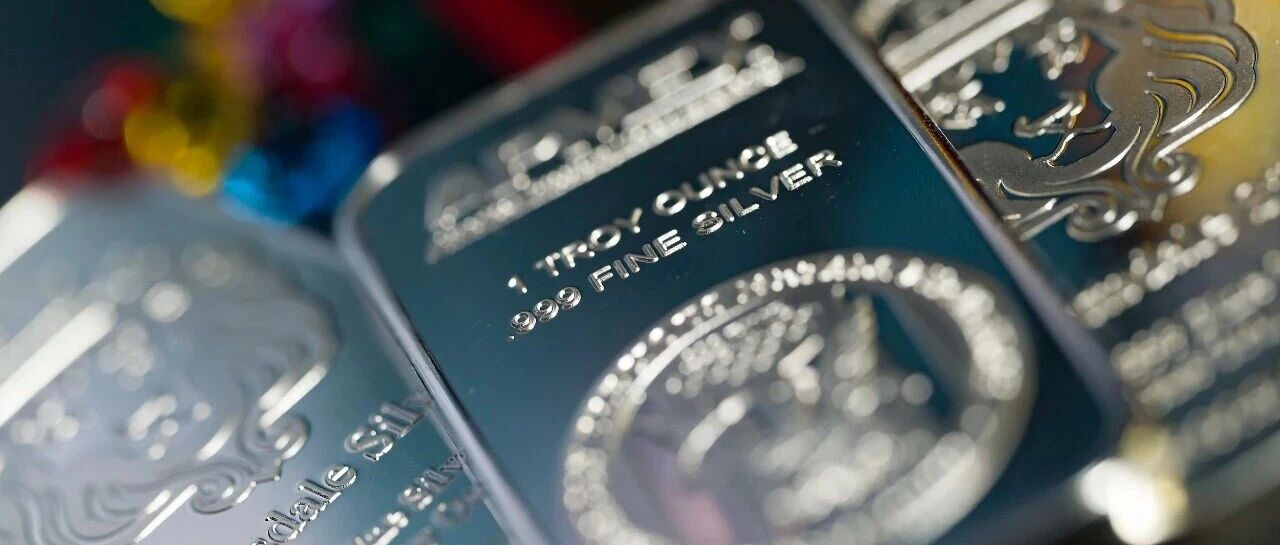
Group 1 - The core viewpoint of the article highlights the significant rise in precious metals, particularly silver and palladium, driven by geopolitical tensions, a weakening dollar, and low market liquidity [3]. - Spot silver has seen a daily increase of 10%, surpassing $79 per ounce, with a year-to-date increase of over 173% [1]. - Palladium has also continued its upward trend, recently rising by 15% to $1,937.64 per ounce [1]. Group 2 - Precious metals, including gold, silver, platinum, and palladium, have all experienced gains, with gold, silver, and platinum reaching historical highs [3]. - The escalation of geopolitical tensions, such as the U.S. blocking oil tankers to Venezuela and military actions in Nigeria, has increased demand for safe-haven assets like gold and silver [3]. - The recent surge in silver prices is attributed to speculative investments and ongoing supply mismatches following the historic "short squeeze" event in October [3]. - There is a notable concern regarding the availability of physical silver to back paper trades, as the supply for delivery is not abundant [4].

见证历史!凌晨,全线大涨!发生了什么?
券商中国· 2025-12-26 23:28
Core Viewpoint - Precious metals have experienced a historic surge, with gold, silver, platinum, and palladium all seeing significant price increases, driven by geopolitical tensions, a weakening dollar, and low market liquidity [2][5]. Group 1: Market Performance - On December 26, precious metals saw a substantial rise, with COMEX gold futures increasing by 1.31% to $4,562 per ounce, and spot gold rising by 1.12% to $4,531.1 per ounce, marking a weekly increase of 3.98% and 4.44% respectively [3]. - COMEX silver futures surged by 11.15% to $79.68 per ounce, with spot silver up 10.24% to $79.196 per ounce, reflecting a weekly increase of 18.06% and 17.87%, and an annual increase of 175% [3]. - Palladium and platinum also saw significant gains, with palladium rising by 14.24% to $1,923.4 per ounce and platinum increasing by 10.31% to $2,450.91 per ounce, with weekly increases of 12.63% and 24.31% respectively [3]. Group 2: Market Drivers - Analysts attribute the strength in precious metals to escalating geopolitical tensions, a weakening dollar, and low market liquidity, which amplifies price volatility [5]. - Recent geopolitical events include the U.S. blocking sanctioned oil tankers in Venezuela and airstrikes in Yemen, which have contributed to increased demand for safe-haven assets like gold and silver [5]. - The performance of silver has been particularly notable, driven by speculative inflows and ongoing supply mismatches following a historic short squeeze in October [5]. Group 3: Market Dynamics - There is a significant amount of paper trading in the market, with a need for physical silver to hedge against these positions, but the supply for delivery is limited [6]. - The silver market is experiencing extreme physical shortages, with the one-year silver swap rate falling to -7.18%, indicating a supply crunch [7][8]. - The disparity between silver swap rates and U.S. rates suggests that traders are willing to pay premiums to obtain physical silver, leading to a potential squeeze in the London silver market [8][9].

金属市场集体大涨:金银铜齐创新高,氧化铝涨超 6%,锂矿石涨近8%
Hua Er Jie Jian Wen· 2025-12-26 07:35
Core Viewpoint - The global precious metals market has rebounded sharply, driven by escalating geopolitical tensions, persistent supply mismatches in key spot markets, and a weakening dollar, leading to significant price increases across precious and base metals [1]. Precious Metals - Silver prices have reached a historical high, trading at $74.37 per ounce, with a daily increase of over 4.5% [2]. - Gold prices have also risen, trading above $4,500 per ounce, with a peak above $4,530 per ounce, marking a new historical high [3]. - Platinum and palladium have rebounded strongly, with platinum rising 8% to $2,413.62 per ounce, also reaching record highs [5]. - The overall increase in precious metals reflects a deep investor anxiety regarding the macro environment and a strong demand for physical assets, with gold and silver prices up approximately 70% and over 150% respectively this year [8]. Base Metals - Copper prices have surged by 3% to $5,771 per ton, the highest level since July, driven by supply concerns and a weakening dollar [4][13]. - The market is anticipating tighter global supply by 2026, which is influencing current pricing strategies [14]. Market Dynamics - The silver market is experiencing severe physical shortages, with a significant negative spread indicating extreme tightness in supply [10]. - Geopolitical uncertainties, including U.S. sanctions on Venezuela and military actions in Nigeria, have heightened the appeal of precious metals as safe-haven assets [11]. - The influx of funds into gold ETFs has been robust, with global holdings increasing monthly, indicating strong institutional demand [12]. Lithium and Aluminum - Lithium carbonate prices have rebounded strongly, breaking through the 130,000 yuan mark, driven by improving supply-demand dynamics in the electric vehicle sector [16]. - Aluminum prices have seen a significant increase of over 6%, influenced by market speculation regarding potential production cuts amid a backdrop of oversupply [17].
东京的房价,没有回头路
虎嗅APP· 2025-11-05 13:25
Core Viewpoint - The Tokyo real estate market is experiencing a dramatic surge, with average new home prices in core areas exceeding 133 million yen, reflecting a year-on-year increase of over 20% [5][10]. Group 1: Market Dynamics - Foreign capital is flooding into Tokyo, taking advantage of the depreciating yen, while local wages remain stagnant, creating a divide between wealthy investors and ordinary workers [6][10]. - Rental prices have also surged by 8%, making it increasingly difficult for average citizens to afford housing [8]. - The housing price-to-income ratio in Tokyo has reached 12 times, significantly above the global warning line of 8 times, indicating a severe affordability crisis [10]. Group 2: Structural Changes - The current situation is not merely a bubble but a new normal characterized by "asset stratification," where wealth is increasingly concentrated among asset holders [12][14]. - The driving forces behind the rising prices include global capital influx, a tight supply of land, and a prolonged low-interest-rate environment maintained by the Bank of Japan [18][19]. - The transformation of real estate from a living space to a financial asset is evident, as properties in prime areas are now viewed as safe investments for global capital [21]. Group 3: Contributing Factors - Global capital is seeking safe havens amid geopolitical tensions, with Tokyo becoming an attractive option for wealthy investors [24]. - The Bank of Japan faces a dilemma in maintaining economic recovery while managing rising asset prices, leading to a situation where low interest rates effectively tax savers while benefiting borrowers [26][27]. - A structural supply bottleneck exists, as rising construction costs and labor shortages push developers to focus on high-end markets, exacerbating the affordability crisis [30][31]. Group 4: Future Implications - Policy interventions are expected but may have limited effectiveness, as restrictions on foreign ownership could drive capital away [34]. - The geographical concept of the Tokyo metropolitan area is being redefined, with the Yamanote Line becoming a physical boundary separating the wealthy from the middle class [34]. - The high cost of living and unstable housing expectations may lead to a demographic crisis, as young people delay or forgo starting families due to economic pressures [38].

东京的房价,没有回头路
3 6 Ke· 2025-11-05 00:50
Core Viewpoint - The Tokyo real estate market is experiencing a dramatic surge in prices, with new home prices in the core area exceeding 133 million yen, reflecting an annual increase of over 20% [1]. Group 1: Price Surge and Market Dynamics - The average price of new homes in Tokyo's core area has surpassed 1.33 billion yen, with a year-on-year increase of over 20% [1]. - Second-hand apartments are also seeing significant price increases, with 16% selling for over 100 million yen, a price point unimaginable three years ago [1]. - Rental prices have risen by 8%, making it increasingly difficult for ordinary people to afford housing [3]. Group 2: Socioeconomic Divide - Tokyo is becoming increasingly divided into two worlds: one for the wealthy who can easily purchase luxury homes, and another for ordinary workers who cannot afford even 70 million yen apartments [1][5]. - The housing price-to-income ratio in Tokyo has reached 12 times, significantly above the global warning line of 8 times [5]. Group 3: Migration Trends - Many families are being forced to leave their long-time communities and migrate to the suburbs in search of affordable housing, leading to a mini-boom in areas like Saitama and Chiba [6]. - The trend of "scale down" migration is becoming prevalent, with residents commuting for hours to find affordable living spaces [6]. Group 4: Structural Issues and Market Forces - The current situation is not viewed as a bubble but rather a new normal, with many experts suggesting that a 40% drop in housing prices is necessary for affordability, which is deemed nearly impossible [4][6]. - The driving forces behind the price surge include global capital influx, a tight supply of land, and Japan's long-term low-interest rate environment [11][21]. Group 5: Global Capital Influence - Global capital is recognizing the long-underestimated value of Tokyo's core assets, pushing prices to align with those of similar global cities [12][15]. - The influx of foreign investment is creating a competitive environment where local residents are forced to compete with global capital, leading to a disconnect between property prices and local income levels [15][16]. Group 6: Economic and Social Implications - The ongoing housing crisis is contributing to a structural change in Japanese society, solidifying a "rentier class" that accumulates wealth through asset appreciation rather than labor [24]. - The high cost of living and unstable housing expectations are discouraging young people from starting families, potentially exacerbating Japan's declining birth rate [25][26].