俄乌战争

Search documents
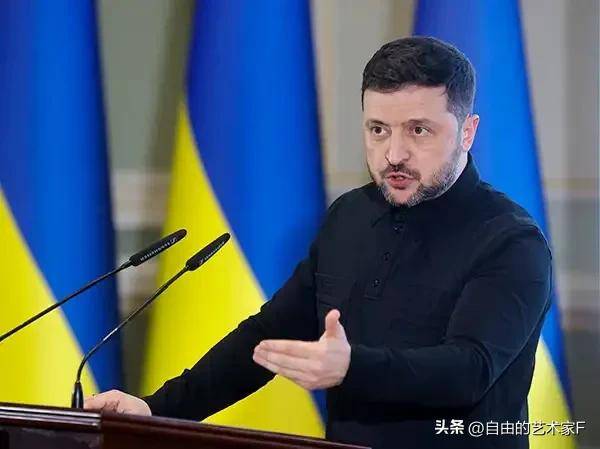
俄早已切换战争模式,欧盟靠许愿,小金毛炮轰欧洲
Sou Hu Cai Jing· 2026-02-26 09:22
Core Viewpoint - The ongoing Ukraine-Russia war has entered its fifth year, with European leaders expressing support for Ukraine while failing to provide substantial military aid, highlighting a disconnect between rhetoric and action [1][6][8]. Group 1: European Leaders' Actions - European leaders have repeatedly visited Kyiv to show support, but these visits are criticized as unnecessary and costly, suggesting that funds spent on security for these trips could be better used for military aid [1]. - Hungary's Prime Minister Orban has been vocal against the EU's approach to supporting Ukraine, arguing that the EU's reliance on rhetoric rather than action is detrimental [6]. Group 2: Military Aid and Support - Despite promises of military aid, the EU has struggled to deliver substantial support, with a proposed €900 billion military loan not being fully realized, and restrictions on purchasing weapons from outside Europe complicating the situation [7]. - The disparity between the military capabilities of Russia and the EU is emphasized, with Russia having shifted to a full war mode while European support remains largely verbal [8]. Group 3: Criticism of Peace Negotiations - Ukrainian President Zelensky has criticized the notion of "land for peace," asserting that such views misinterpret Russia's intentions and calling for stronger support from the U.S. [4]. - Orban has condemned the EU's strategy of expecting Russia to pay reparations while simultaneously failing to take effective military action against it, drawing historical parallels to past failures [4][6]. Group 4: Broader Implications - The ongoing conflict is seen as an opportunity for Europe to reduce its reliance on Russian energy, yet the EU's commitment to environmental policies and immigration spending is viewed as a hindrance to providing adequate support for Ukraine [6][8]. - Former UK Prime Minister Johnson's remarks suggest that if there are plans to deploy troops post-war, immediate action should be taken, indicating a lack of urgency in providing military assistance to Ukraine [9].

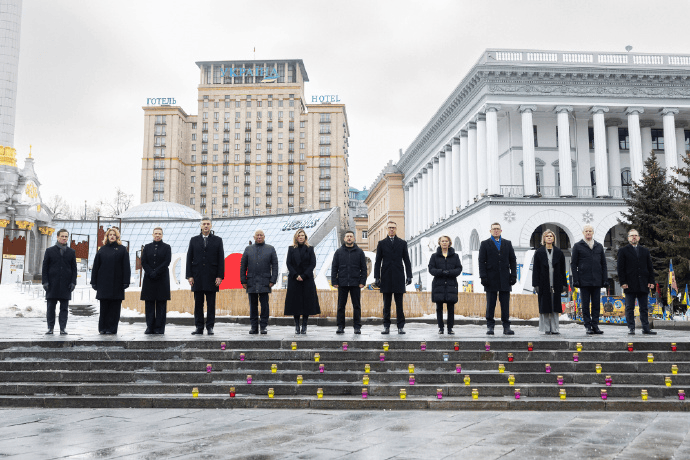
中国给乌克兰提供能源支持,这是对俄罗斯的一个暗示?
Sou Hu Cai Jing· 2026-02-15 07:15
Group 1 - The core message of the meeting between Ukrainian Foreign Minister Kuleba and Chinese Foreign Minister Wang Yi is a clear signal of improving relations between China and Ukraine, indicating China's willingness to respond to Ukraine's needs, particularly in terms of energy support [1][3][6] - China has expressed its readiness to provide humanitarian energy support to Ukraine, addressing urgent needs for electricity and heating equipment due to the ongoing destruction of civilian infrastructure by Russia [1][3] - The meeting also serves as a reminder to Russia to cease attacks on Ukrainian energy facilities and to pursue a ceasefire, aligning with China's long-standing position advocating for peace through cessation of hostilities [3][5] Group 2 - Discussions during the meeting included economic cooperation, emphasizing the development of mutually beneficial bilateral trade relations while respecting each other's sovereignty and territorial integrity [5][6] - The willingness of China to engage in discussions about post-war reconstruction in Ukraine indicates potential for future collaboration, even amidst ongoing conflict [5][6] - The meeting marks a significant step in the evolution of China-Ukraine relations, laying the groundwork for enhanced cooperation moving forward [6]
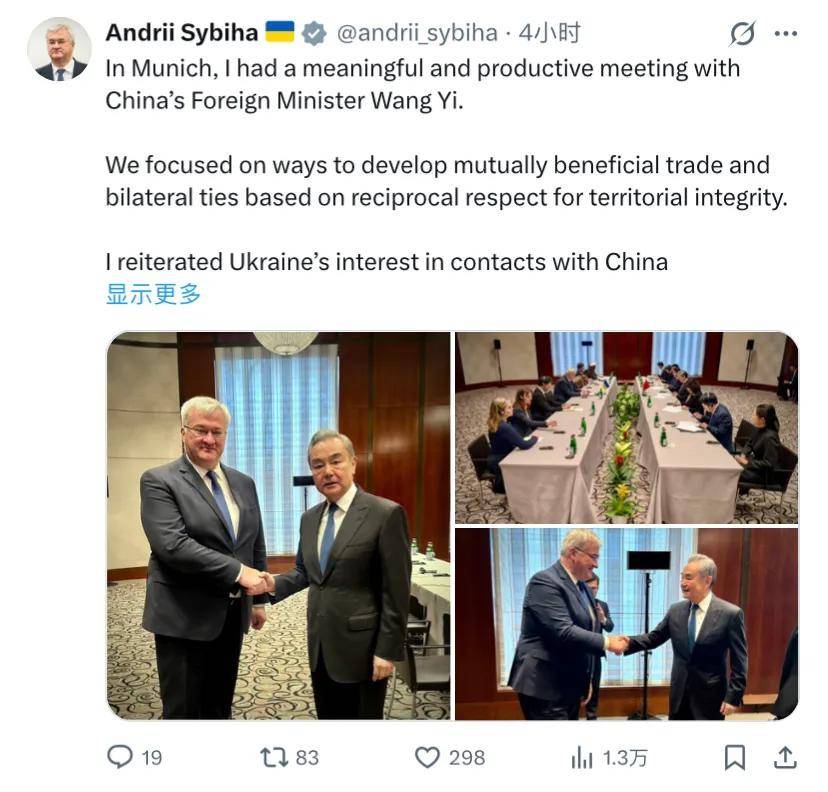
欧洲为什么急于恢复与俄罗斯的对话渠道?再不上桌,就要上菜单了
Sou Hu Cai Jing· 2026-02-15 07:15
Group 1 - The core viewpoint is that while France and Russia have initiated technical dialogue, the restoration of relations between Russia and Europe is unrealistic at this stage [1][2] - France's President Macron stated that technical communication channels with Russia have been restored, indicating a high efficiency in dialogue preparation [2] - The current communication is limited to technical matters, lacking political discussions, which raises questions about its effectiveness without mutual trust [2][4] Group 2 - Historically, Europe and Russia experienced a period of relative stability until the Crimea crisis in 2014, after which relations deteriorated significantly [4] - The ongoing conflict in Ukraine has led Europe to view Russia as a major threat, prompting military preparations among European nations [4][6] - The European Union has implemented multiple rounds of sanctions against Russia, leading to a comprehensive decoupling in financial, economic, and energy sectors, with plans to completely eliminate reliance on Russian energy by the end of 2026 [6][7] Group 3 - There is currently no foundation for improving relations between Russia and Europe, with Europe seeking direct negotiations with Russia to find a resolution to the Ukraine conflict [5][7]
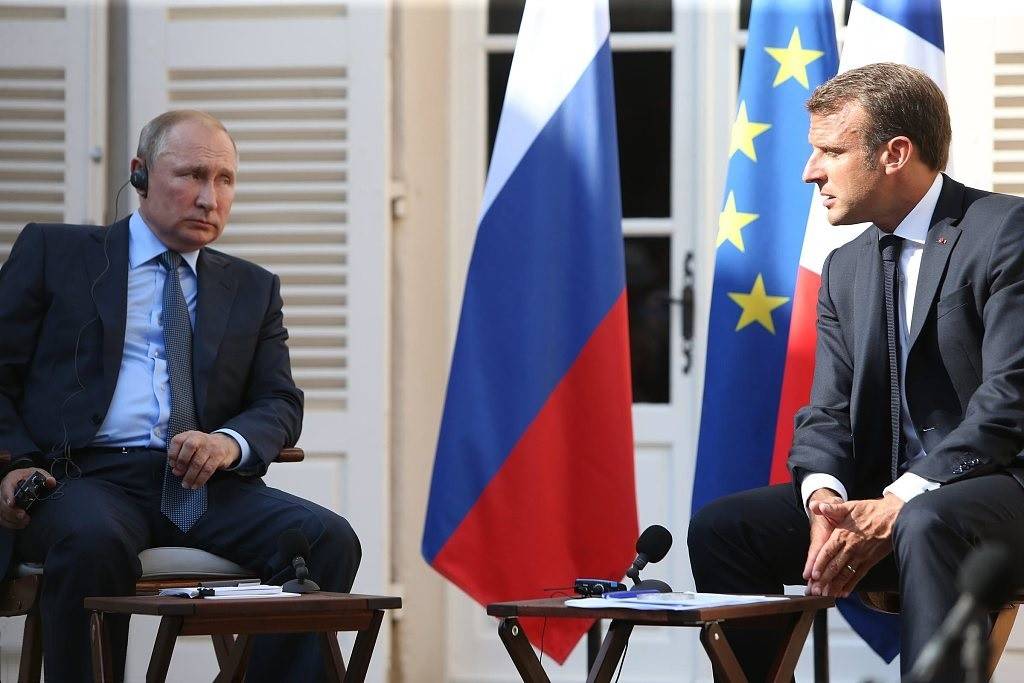
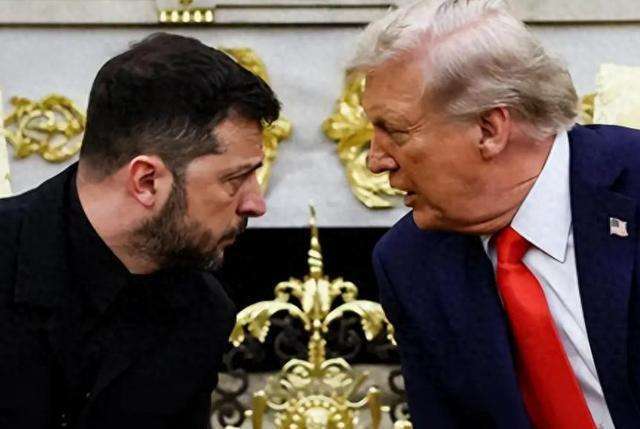
俄军深夜空袭,乌克兰能源崩溃,泽连斯基找美国要说法,特朗普宣判:普京信守承诺
Sou Hu Cai Jing· 2026-02-07 06:45
Group 1 - Ukraine is facing unprecedented challenges this winter, with temperatures dropping below minus twenty degrees Celsius, frequent power outages, and the ongoing war causing immense suffering for its people [1] - Recent airstrikes by Russian forces have severely damaged Ukraine's energy infrastructure, particularly in Kyiv and Kharkiv, leaving millions of residents vulnerable to the harsh winter [1] - President Zelensky is seeking support from the United States, but his calls have been met with indifference, particularly from former President Trump, who criticized the Ukrainian government [1][3] Group 2 - The internal and external pressures on Ukraine are intensifying, with NATO and the U.S. expressing verbal support but lacking substantial action to alleviate Ukraine's dire situation [5] - There is a growing divide within Ukrainian society, with younger generations seeking integration with the world while older generations emphasize historical traditions and dignity [5] - The war has evolved into a moral and survival dilemma for Ukraine, caught between the geopolitical struggles of major powers, leading to a need for a rational and courageous approach to find a way out of the crisis [7]
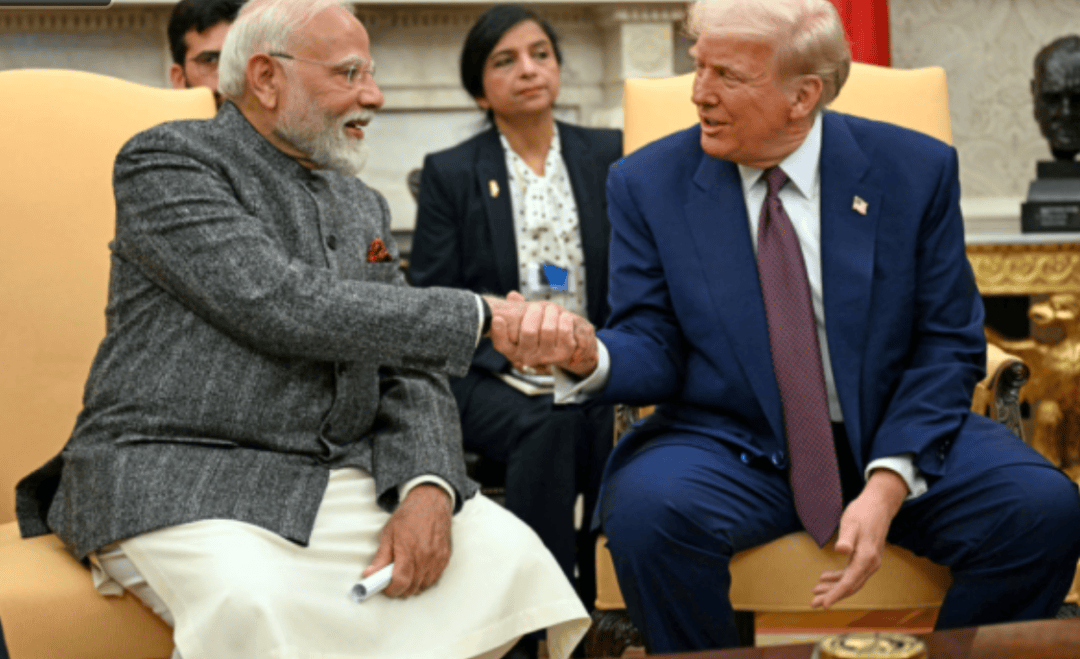
俄能源收入锐减1/4,印美达成贸易协议,俄罗斯再釜底抽薪
Sou Hu Cai Jing· 2026-02-03 07:41
Group 1 - The core point of the news is the immediate trade agreement reached between Trump and Modi, where India agrees to stop purchasing Russian oil and instead buy more oil from the US, while the US will reduce tariffs on Indian goods from 25% to 18% [1][3] - Modi expressed gratitude towards Trump for the cooperation, emphasizing mutual benefits, but did not mention the specific commitment to stop purchasing Russian oil, indicating the sensitivity of the issue in India [3][4] - The trade volume between India and the US is not as significant as perceived, which allowed Modi to take time before making a decision on Russian oil purchases [4] Group 2 - Russia's energy revenue decreased by nearly 25% last year, while its war expenditures exceeded $170 billion annually, highlighting the financial strain on Russia due to the ongoing conflict [5] - Trump's return to power is seen as a factor in reducing Russia's energy income, as he has implemented sanctions on major Russian oil companies and pressured Europe to buy more US liquefied natural gas [5][6] - The US has increased oil supply by 730,000 barrels per day, becoming the largest energy producer, which has contributed to lowering oil prices and impacting Russia's war funding [6]
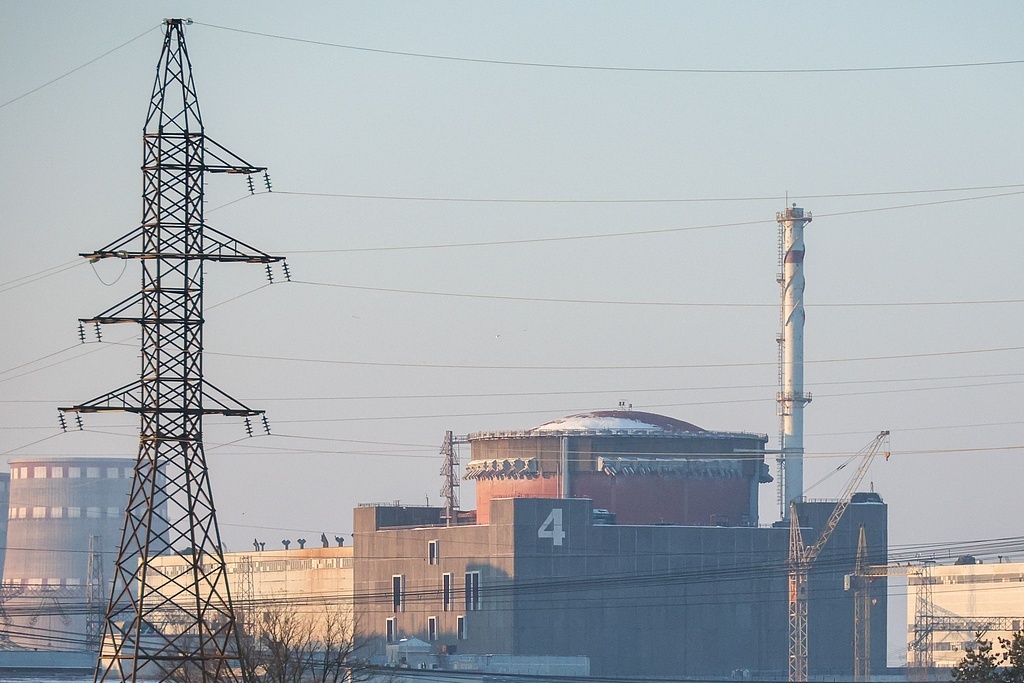
乌外长称泽连斯基想与普京谈两大问题,俄议员:基辅并未准备好两国总统会面
Huan Qiu Shi Bao· 2026-01-28 22:54
Group 1 - Ukrainian Foreign Minister Kuleba stated that President Zelensky is prepared to meet with President Putin to address two critical issues in the peace plan: territorial disputes and the future control of the Zaporizhzhia nuclear power plant [1][3] - Kuleba emphasized that Ukraine will sign a 20-point peace plan to resolve the Russia-Ukraine war, which will be a bilateral document signed by the US and Ukraine, with the US separately signing relevant documents with Russia [3] - Russian officials, including State Duma Deputy Chairman Chepa, dismissed Kuleba's claims as lies, asserting that Ukraine is not ready for a presidential meeting and is attempting to confuse the international community [1][3] Group 2 - Kremlin spokesperson Peskov indicated that discussing difficult issues within the framework of the Ukraine conflict is a step forward, and Russia maintains an open stance on the negotiation process, which will depend on the constructive positions of all parties involved [3] - The work of the tripartite group on the Ukraine issue will continue, with agreements already reached on this matter [3]
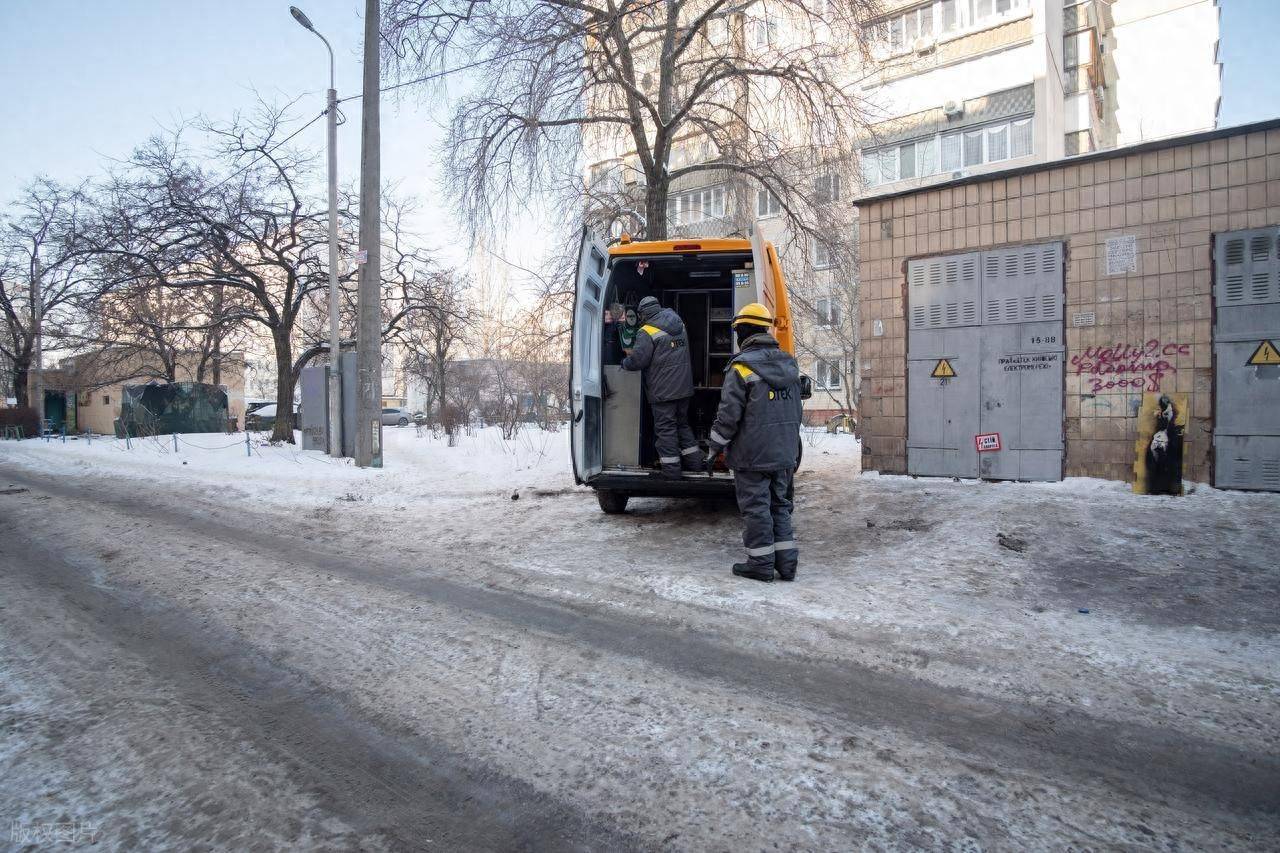
危急!俄军炸穿能源命脉,基辅断水断电,乌克兰恐崩在第四个冬天
Sou Hu Cai Jing· 2026-01-25 06:17
Core Insights - The ongoing conflict between Russia and Ukraine has severely impacted Ukraine's infrastructure, particularly in energy and water supply, leading to a humanitarian crisis in the capital, Kyiv [1][3][5] Group 1: Humanitarian Crisis - Kyiv is experiencing extreme cold temperatures of -20°C, with essential services like water, electricity, and heating completely disrupted, making survival increasingly difficult for residents [1][3] - The recent airstrikes by Russia have resulted in over 5,600 residential buildings losing heating, and nearly 60% of the city experiencing power outages, pushing the energy system to its breaking point [3][5] Group 2: Military and Operational Challenges - Hospitals are unable to perform surgeries due to power outages, and emergency equipment relies on generators, highlighting the critical state of healthcare services [5] - Ukrainian soldiers are facing severe shortages of ammunition and supplies, leading to a significant drop in morale, which is altering the dynamics of the conflict [5][11] Group 3: International Support and Aid - There has been a notable decrease in international aid to Ukraine, with the U.S. shifting focus to its strategic priorities and delaying promised military assistance [7] - Disagreements among European nations regarding the allocation of €90 billion in aid have further complicated the situation, with key funding still unallocated [7] Group 4: Population Decline - Approximately 600,000 people have left Kyiv in January 2026, reflecting a broader trend of population decline across Ukraine, which is exacerbating the country's challenges in recovery and rebuilding [9] - The loss of labor force due to emigration is critical, as it undermines Ukraine's ability to rebuild post-conflict [9][11] Group 5: Overall State of the Country - Ukraine is described as being on the brink of collapse, with its economy, civilian life, and military capabilities in disarray, raising concerns about its ability to endure the ongoing conflict [11]
2026年,这22件好物让你全面开挂|36氪年度推荐
3 6 Ke· 2026-01-01 03:12
Group 1 - The article discusses the transformative events of 2025, highlighting various cultural and societal changes, including the rise of DeepSeek and the ongoing popularity of animated films like "Nezha 2" and "Zootopia 2" [3] - It emphasizes the continuous evolution in the food industry, mentioning the heated debates around prepared meals and the competitive landscape of food delivery services [3] - The article reflects on the unpredictable nature of global events, such as trade wars and conflicts, and how they impact daily life [3] Group 2 - A curated list of recommended books and media is provided, aimed at helping readers discover valuable resources amidst their busy lives [3] - Recommendations include "The Great Way" for its accessible investment philosophy, and "Deng Xiaoping Era" for its comprehensive historical perspective on China [4][10] - Other notable mentions include "Shit," an art book focusing on the mundane aspects of war, and "The Latte Factor," which encourages small daily changes for personal growth [12][14] Group 3 - The article features various media recommendations, such as the documentary series "Human Comedy," which presents real-life stories with a unique perspective [16] - It highlights the success of "The Joyful Night 2," a content phenomenon that engages audiences through interactive storytelling [18] - The podcast "QCode" is recommended for its high-quality audio storytelling, likened to a "listening movie" experience [32] Group 4 - The article concludes with a giveaway for readers to share their favorite books, fostering community engagement and encouraging literary exploration [63]

大反转!欧洲凑了900亿欧元,帮乌克兰打,现在却集体喊停?
Sou Hu Cai Jing· 2025-12-31 05:53
Group 1 - The European Union has decided to provide €90 billion in aid to Ukraine, but internal dissent is growing among member states regarding the continuation of support [1][2] - Hungary, Slovakia, and the Czech Republic have opted out of the aid plan, with Hungary's Prime Minister stating that aiding Ukraine prolongs the war [2] - The initial plan to use €210 billion of frozen Russian assets for aid was rejected due to legal concerns from Belgium, leading to a compromise where 24 member states will bear the financial burden [3] Group 2 - The €90 billion aid is not a grant but a loan, raising concerns about Ukraine's ability to repay given its current financial situation [6] - The aid will be distributed over two years, averaging €45 billion annually, which is slightly lower than the previous annual aid of €48 billion since 2022 [3] Group 3 - Europe's industrial decline is evident, with Volkswagen closing its factory in Dresden due to high energy costs, which are significantly higher than in China [8] - The Eurozone's manufacturing PMI was reported at 44.1, indicating a decline in industrial output by 3.7% year-on-year, marking the worst performance since the 2008 financial crisis [9] Group 4 - The rising energy costs have severely impacted household budgets, with average monthly salaries in Germany and France being insufficient to cover rent and energy bills [10][12] - In Italy, the government has acknowledged a lack of resources to continue military support for Ukraine, reflecting a broader sentiment among European nations [17] Group 5 - The social divide in Europe is increasing, with a rise in support for parties that prioritize domestic issues over foreign aid, as seen in Germany's recent elections [14] - The number of Ukrainian refugees in Europe has exceeded 9.5 million, highlighting the humanitarian impact of the ongoing conflict [21] Group 6 - Russia's economy has shown resilience, with stable foreign reserves and increased oil exports to Asia, despite the sanctions imposed by Europe [22] - The EU's efforts to aid Ukraine have not translated into significant influence in peace negotiations, as evidenced by Ukraine's recent peace proposal [22]
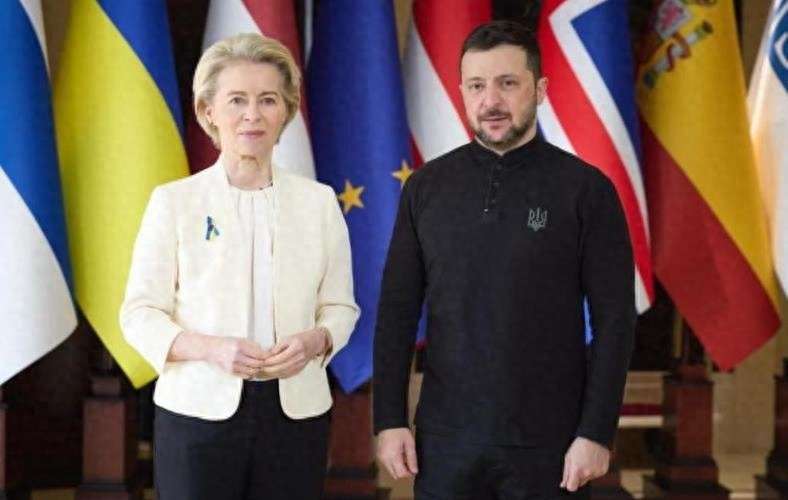
又来了,泽连斯基造谣,俄罗斯借助中国卫星数据,打击乌克兰能源
Sou Hu Cai Jing· 2025-12-25 04:49
Group 1 - The core viewpoint of the news is that Ukrainian President Zelensky has proposed a peace plan with 20 points, indicating it is the maximum concession Ukraine can make, but key issues remain unresolved, particularly regarding troop withdrawal and territorial concessions [1] - Zelensky's remarks suggest a strategic shift, as he emphasizes that the next move lies with Russia, indicating a potential stalemate in negotiations [1] - The proposal includes a demand for an $800 billion reconstruction fund, which is likely to be unacceptable to Russia, highlighting the challenges in reaching a consensus [1] Group 2 - Zelensky's recent Christmas Eve address included provocative statements, interpreted by media as a curse on Russian President Putin, reflecting heightened tensions and aggressive rhetoric [3] - The Ukrainian leader has accused Russia of collaborating with Chinese satellite data companies to target Ukrainian energy infrastructure, raising concerns about international alliances and military strategies [5] - There are allegations that Zelensky is using these accusations as a pretext to avoid ending the conflict, suggesting a reluctance to pursue peace negotiations [7][8]