债务管理

Search documents
招商蛇口20260327
2026-03-30 05:15
Summary of the Conference Call for China Merchants Shekou Industrial Zone Holdings Co., Ltd. Company Overview - **Company**: China Merchants Shekou Industrial Zone Holdings Co., Ltd. - **Industry**: Real Estate Development Key Financial and Operational Highlights - **2025 Sales Performance**: Achieved a signed sales amount of 196 billion yuan, ranking fourth in the industry [2] - **Revenue and Profit**: Reported revenue of 154.73 billion yuan, a decrease of 13.53% year-on-year; net profit attributable to shareholders was 1.02 billion yuan, down 74.65% year-on-year [3] - **Asset Quality**: Cumulative impairment provisions from 2020 to 2025 reached approximately 30 billion yuan, indicating a strong focus on asset quality [2][5] - **Debt Management**: Total interest-bearing debt stood at 242.4 billion yuan, with short-term debt accounting for 23.1% [8][9] Investment Strategy - **Land Acquisition**: Acquired 43 land parcels in 2025, with a total land price of 93.8 billion yuan, focusing on high-energy cities [2][3] - **Future Saleable Value**: Estimated saleable value for 2026 is approximately 340 billion yuan, with residential properties making up 83% [2][4] Market Outlook - **2026 Real Estate Market**: Expected to stabilize due to improved supply-demand dynamics and supportive government policies, despite ongoing macroeconomic challenges [7] - **Debt Management Strategy for 2026**: Focus on maintaining a stable leverage ratio and optimizing debt structure [9] Operational Efficiency - **Dynamic Gross Margin**: Current gross margin for ongoing projects is between 15% and 18% [10] - **Average Depletion Rate**: Estimated at 55% to 60% for 2025, indicating a solid sales performance despite a decrease in sales area [11] Property Management and Future Plans - **Revenue from Rental Properties**: Rental income reached 7.63 billion yuan, a 2.2% increase year-on-year, with an occupancy rate of 82.8% [2][4] - **Strategic Focus**: Shift from quantity to quality in property management, aiming to enhance operational efficiency and EBITDA rates [12] Additional Insights - **Product Development**: Continuous improvement in product lines, with 15 projects recognized in top rankings for product quality [4] - **REITs Strategy**: Plans to utilize REITs to enhance the financial cycle of the property management segment [12]

万科2026年迎偿债高峰,特定债券转让安排引关注
Jing Ji Guan Cha Wang· 2026-02-14 11:54
Recent Events - In the second quarter of 2026, the company will face a significant debt maturity peak, totaling approximately 6.5 billion yuan, with the next tranche of RMB bonds maturing in April. This upcoming debt requires the company to secure funding for repayment, indicating ongoing liquidity pressure [1]. Company Status - Certain bonds, such as "21 Vanke 02" and "21 Vanke 04," among seven others, will be transferred as specific bonds starting from February 6, 2026. The pricing method will shift from net price to full price, and the investor scope will be limited to professional institutional investors. This measure is part of the company's debt management strategy aimed at alleviating short-term liquidity pressure [2]. Financial Status - The year 2026 is viewed as a critical year for the company's debt repayment pressure, as it must address the concentrated maturity of public market debts. The ability to mitigate risks will depend on factors such as sales recovery, asset disposal progress, and support from shareholders. Additionally, the company disclosed an expanded loss in its 2025 performance forecast, although its operational service business remains stable. The major shareholder, Shenzhen Metro Group, has provided over 30 billion yuan in loan support. The company has stated it will focus on asset optimization and debt resolution, but operational challenges remain severe [3].

美国财政部维持中长期国债发行不变 市场对压低长端利率期待落空
智通财经网· 2026-02-04 15:08
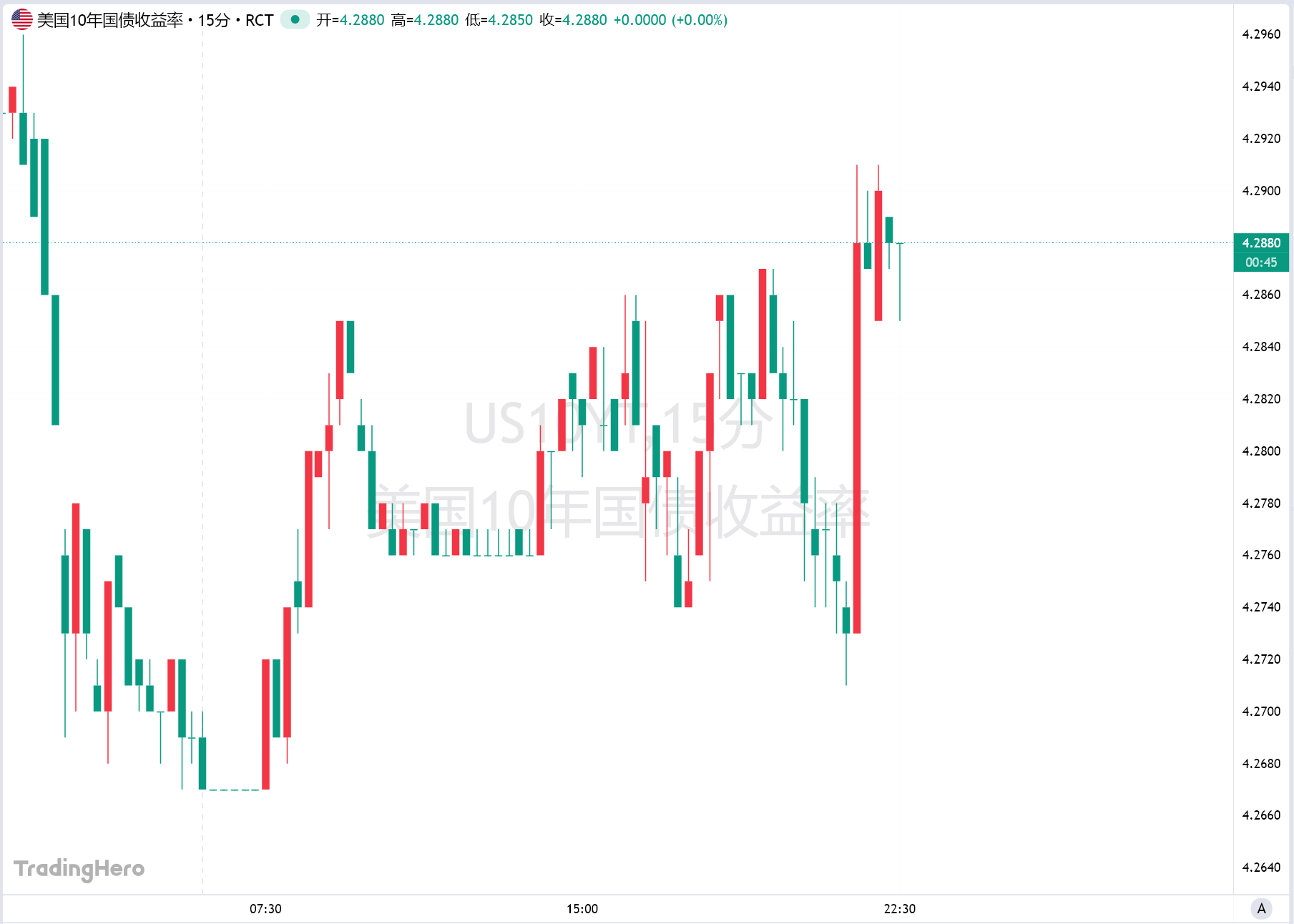
Group 1 - The U.S. Treasury is closely monitoring the rising demand for short-term Treasury bills, which is driven by both the Federal Reserve and private investors, but has not indicated any plans to reduce the issuance of medium to long-term debt [1] - The Treasury's quarterly refinancing statement suggests that the auction sizes for nominal, long-term bonds, and floating rate notes will remain unchanged for at least the next few quarters, maintaining a stable debt management policy [1][2] - The Treasury plans to assess the need for increasing the issuance of fixed-rate and floating-rate securities, focusing on structural demand changes and the associated costs and risks [1] Group 2 - Market reaction to the Treasury's statement was somewhat disappointing, as traders had anticipated a more aggressive debt management strategy to lower long-term borrowing costs, leading to an increase in the 10-year Treasury yield to 4.29% [2] - The Treasury's reliance on short-term Treasury bills for financing has increased amid rising federal spending, and any immediate reduction in long-term bond issuance would conflict with its commitment to predictable issuance [2] - The upcoming refinancing auction will total $125 billion, including $58 billion in 3-year notes, $42 billion in 10-year notes, and $25 billion in 30-year notes, expected to raise approximately $34.8 billion in new funds [2] Group 3 - The Treasury will maintain the auction size for Treasury Inflation-Protected Securities (TIPS) and plans to keep the issuance of benchmark Treasury bills at current levels until at least mid-March, with a gradual reduction in supply anticipated thereafter [3] - The current large-scale Treasury bill purchases by the Federal Reserve have somewhat mitigated the risk of "oversupply" in the market, although uncertainty remains regarding the Fed's plans after April [3] - Given the significant annual fiscal deficit and the pressure of maturing medium-term debt, many Wall Street institutions believe the Treasury will eventually need to increase the issuance of interest-bearing debt [3] Group 4 - A global trend of decreasing demand for 30-year bonds has led European and Japanese governments to reduce such bond issuances, prompting discussions about whether the U.S. might adopt a similar strategy [4] - The Treasury Borrowing Advisory Committee (TBAC) noted a shift towards shorter-term issuances among some overseas debt management agencies and discussed the timing and pace of potential increases in auction sizes [4] - TBAC members suggested that increasing the issuance of interest-bearing debt may be reasonable in the new fiscal year starting in October [4] Group 5 - The Treasury Secretary has prioritized lowering long-term yields, indicating that any future increases in issuance may focus more on shorter-term bonds, particularly those with maturities of 5 years or less [5]
美财政部维持债务发行策略不变,长端利率闻讯跳升!
Jin Shi Shu Ju· 2026-02-04 14:59
Core Viewpoint - The U.S. Treasury's quarterly refinancing statement did not make significant adjustments to its debt issuance strategy, aligning with market expectations, despite prior speculation about measures to lower long-term borrowing costs [1] Group 1: Debt Issuance Strategy - The Treasury plans to maintain the auction sizes for nominal, long-term, and floating-rate bonds unchanged for "at least the next few quarters," a forward-looking guidance that has been in place for two years [1] - The Treasury is closely monitoring the Federal Reserve's expansion of short-term Treasury bill purchases and the growing demand from the private sector for these bills [1] - The Treasury reiterated its assessment of the potential to expand the auction sizes for nominal coupon bonds and floating-rate bonds, focusing on structural demand trends and the potential costs and risks of different issuance schemes [1] Group 2: Market Reaction - Following the statement, the 10-year U.S. Treasury yield reached a daily high of 4.29%, indicating disappointment in the market over the lack of signals for reducing long-term debt supply [2] Group 3: Upcoming Refinancing Auctions - The Treasury announced a total refinancing auction amount of $125 billion for the upcoming week, including $58 billion in 3-year bonds, $42 billion in 10-year bonds, and $25 billion in 30-year bonds [4] - This refinancing is expected to raise approximately $34.8 billion in new funds from private investors [4] Group 4: Inflation-Protected Securities (TIPS) - The Treasury will maintain the current auction sizes for TIPS, having previously expanded TIPS auctions to stabilize their market share [5] - There was a divergence among traders regarding TIPS issuance policy, with some expecting no change while others speculated on an expansion in at least one of the three TIPS auctions this quarter [5] Group 5: Federal Reserve's Bond Purchases - The current scale of the Federal Reserve's short-term Treasury bill purchases reduces the risk of the Treasury overissuing short-term bills beyond investor capacity [6] - However, the Fed's purchasing plan post-April remains uncertain, especially with the upcoming appointment of Kevin Warsh as the new Fed Chair, who has previously advocated for reducing the Fed's securities portfolio [6] - Analysts believe that due to the ongoing large federal budget deficit (nearly $2 trillion annually) and the upcoming maturity of a significant amount of medium-term bonds, the Treasury will ultimately need to expand the issuance of coupon bonds [6]

From Avoiding Risk To Racking Up Debt, People In Their Mid-30s Open Up About Their Financial Mistakes And Regrets. 'Time Really Is Money'
Yahoo Finance· 2026-02-01 19:01
Financial Regrets in Mid-30s - Many individuals in their mid-30s express significant financial regrets, particularly regarding missed investment opportunities and poor financial decisions related to relationships [1] Retirement Savings - A prevalent regret is not saving for retirement early enough, with many individuals admitting to cashing out their 401(k)s during job changes or contributing insufficient amounts in their 20s [2] - Comments reveal that some started saving late, with one individual starting at age 34 and wishing they had contributed earlier to benefit from compounding [2] Investment Risks - A common theme is the regret of playing it too safe, with many individuals avoiding investments due to fear and opting for low-return savings accounts, resulting in missed opportunities for significant gains [3] Debt Management - Credit card debt and unnecessary loans are frequently cited as major regrets, with individuals acknowledging the detrimental impact of such debt on their financial health [4] - One individual mentioned spending $70,000 on a recording studio before COVID-19, leading to financial loss and missed homeownership opportunities [4] Relationship Decisions - Poor relationship choices, such as marrying the wrong person or co-signing financial decisions, have led to significant financial setbacks for many individuals [5] - Regrets include incurring debt for weddings and honeymoons, followed by divorce and continued financial obligations [5] Lifestyle Inflation - Many individuals regret lifestyle inflation, characterized by excessive spending on material goods to impress others, which ultimately restricts financial flexibility [6] - Comments reflect a realization that such spending habits, while seemingly acceptable at the time, can lead to long-term financial constraints [6]
从保民生到促消费 2026年财政政策将“硬核”支持这些方面
Yang Shi Wang· 2026-01-20 15:51
Core Viewpoint - The Ministry of Finance emphasizes the implementation of proactive fiscal policies to ensure a strong start for the 14th Five-Year Plan and promote high-quality economic and social development [1] Group 1: Fiscal Policy and Economic Outlook - In 2025, fiscal revenue and expenditure are expected to achieve a balanced budget, with a focus on counter-cyclical adjustments [2] - The fiscal revenue is characterized by a "low at the beginning, high in the middle, and stable at the end," with tax revenue showing continuous year-on-year growth since April [4] - The fiscal deficit rate is set at around 4%, an increase of 1 percentage point from the previous year, with new government debt expected to reach 11.86 trillion yuan, an increase of 2.9 trillion yuan [4] Group 2: Social Welfare and Public Spending - Significant increases in social welfare spending are planned, with over 10 trillion yuan allocated to social security, employment, technology, education, and health sectors, accounting for over 40% of total public budget expenditure [4] - The government will provide 667.4 billion yuan in employment subsidies and extend social security benefits [4] - Healthcare subsidies will increase to 700 yuan per person per year for basic medical insurance and 99 yuan for public health services [4] Group 3: Consumer Stimulus Measures - The government aims to boost consumption by optimizing interest subsidy policies for personal consumption loans and service industry loans, with increased subsidy limits [6][7] - A new childcare subsidy system will be established, with 100 billion yuan allocated for subsidies to families with children under three years old [4] - The issuance of long-term special bonds totaling 1.3 trillion yuan is planned, with 300 billion yuan allocated for consumption upgrades, expected to drive sales of approximately 2.6 trillion yuan [4] Group 4: Future Fiscal Strategies - In 2026, the Ministry of Finance will continue to implement more proactive fiscal policies, focusing on increasing total fiscal expenditure and optimizing expenditure structure [10] - The government will support employment, enterprises, and market stability through various measures, including the replacement of hidden debt and the issuance of new special bonds [12] - The average interest cost of replaced debt is expected to decrease by over 2.5 percentage points, gradually reducing local government debt risks [12]
2026年首笔,龙湖集团如期兑付10亿公司债
Zhi Tong Cai Jing· 2026-01-05 07:06
Core Viewpoint - Longfor Group has successfully managed its debt obligations, completing the repayment of "21 Longfor 02" and settling a significant portion of its loans, indicating a strong financial strategy and stability in navigating debt peaks [1][2] Group 1: Debt Management - Longfor Group completed the principal repayment and interest payment for "21 Longfor 02," totaling approximately 1.038 billion yuan, with a face value of 1 billion yuan and an interest rate of 4.4% [1] - The company has cleared a syndicated loan of 9.227 billion HKD (approximately 8.5 billion yuan), which was initiated on December 21, 2020, with a five-year term [1] - Following the repayment of "21 Longfor 02," Longfor's domestic credit bond balance is approximately 3.4 billion yuan, with staggered maturity dates, indicating manageable debt pressure [1] Group 2: Financial Strategy - Since 2023, Longfor has focused on driving business growth through positive operating cash flow and maintaining a stable debt structure for sustainable development [2] - The company has reduced interest-bearing liabilities by over 40 billion yuan over three years, with plans to further decrease liabilities by approximately 10 billion yuan annually starting in 2026 [2] - Longfor's ability to navigate the debt cycle positively impacts the industry, showcasing that traditional real estate companies can address historical issues and adapt to new market models through prudent strategies [2]

2025世界经济回顾|撒哈拉以南非洲经济展现韧性
Xin Lang Cai Jing· 2025-12-27 04:16
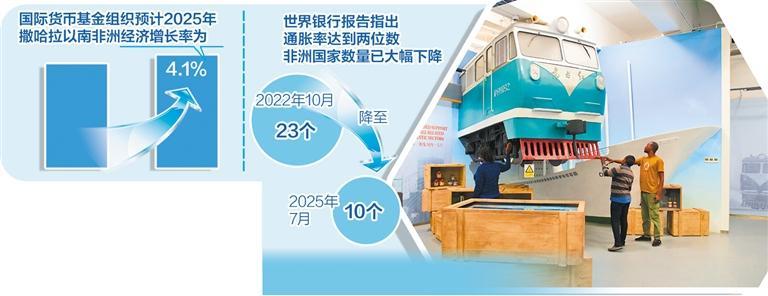
Group 1 - The core viewpoint is that Sub-Saharan Africa is increasingly recognized as a global growth engine and investment hotspot, with stable economic growth projected for 2025 despite various challenges [2][3][4] - Multiple international financial organizations forecast a growth rate of approximately 4.1% for Sub-Saharan Africa in 2025, indicating resilience in the region's economy [3] - The African Development Bank predicts economic growth rates of 4.2% and 4.3% for 2025 and 2026 respectively, with an average inflation rate expected to be 13.7% in 2025 [3] Group 2 - The World Bank anticipates a growth rate of 3.8% for Sub-Saharan Africa in 2025, an increase from 3.5% in 2024, with a significant reduction in the number of countries experiencing double-digit inflation [4] - Despite positive growth, the region faces high macroeconomic vulnerabilities, with many resource-dependent countries struggling due to geopolitical conflicts and financial weaknesses [5] - The number of countries in debt distress has increased significantly, from 8 in 2014 to 23 in 2025, indicating a growing debt crisis in the region [5][6] Group 3 - The International Monetary Fund emphasizes the need for reforms to enhance macroeconomic stability, including improved fiscal management and debt transparency [8] - The G20 summit report calls for coordinated debt relief and increased investment to unlock Africa's development potential, advocating for a shift from aid dependency to investment-driven growth [8] - The African Development Bank highlights the urgency of job creation in the context of a rapidly changing demographic landscape, urging countries to accelerate economic growth and create quality employment opportunities [9]
撒哈拉以南非洲经济展现韧性
Xin Lang Cai Jing· 2025-12-26 23:08
Core Insights - Sub-Saharan Africa is increasingly recognized as a global growth engine and investment hotspot, with a projected economic growth rate of approximately 4.1% in 2025, maintaining stability despite external challenges [2][3] Economic Growth Projections - Multiple international financial organizations forecast a stable economic growth rate for Sub-Saharan Africa, with the International Monetary Fund (IMF) predicting a growth rate of 4.1% for 2025, consistent with 2024, and a slight increase in 2026 [2] - The African Development Bank anticipates growth rates of 4.2% in 2025 and 4.3% in 2026, alongside a decrease in public debt to below 65% of GDP by 2025 [3] - The World Bank projects a growth rate of 3.8% for Sub-Saharan Africa in 2025, up from 3.5% in 2024, indicating resilience in the region's economy [3] Inflation and Debt Trends - The average inflation rate in Africa is expected to be 13.7% in 2025, with some countries experiencing rates below 5% due to currency strengthening and improved climate conditions [3] - The number of African countries with double-digit inflation has significantly decreased from 23 in October 2022 to 10 by July 2025, reflecting progress in price stability [3] - The debt situation is improving, with the proportion of public debt to GDP declining, although the number of countries facing high debt risks has increased from 8 in 2014 to 23 in 2025 [5] Challenges and Risks - Despite positive growth projections, Sub-Saharan Africa faces significant challenges, including high macroeconomic vulnerability and external uncertainties affecting economic performance [4] - The region's economies are hindered by financial and fiscal weaknesses, with rising debt servicing costs impacting development spending [4][5] - Global trade policy uncertainties, declining investor interest, and reduced external financing are additional challenges facing the region [4] Recommendations for Reform - To enhance macroeconomic stability and resilience, countries in Sub-Saharan Africa need to implement reforms focused on improving fiscal management and debt transparency [6] - The G20 summit report emphasizes the need for coordinated debt relief and increased investment to unlock Africa's development potential [6] - The World Bank highlights the urgency of job creation in Africa, advocating for accelerated economic growth and the creation of quality employment opportunities [6][7] Strategic Priorities - The African Development Bank suggests prioritizing resilience-building measures that support inclusive and sustainable growth, including effective fiscal and monetary policies [7] - Recommendations include improving the business environment, enhancing infrastructure, and establishing transparent debt resolution mechanisms [7] - Emphasis is placed on diversifying markets, enhancing financial institutions' capabilities, and combating illicit financial flows to foster economic transformation [7]
Activist investor pushes Americold to revamp strategy
Yahoo Finance· 2025-12-23 18:42
Company Overview - Americold has entered a cooperation agreement with Ancora Group Holdings, adding two board members and establishing a new finance committee to oversee shareholder value initiatives [1] - The board size has increased to 11 directors, with plans to reduce it by one seat at the 2026 annual meeting [3] Board Appointments - Joseph Reece and Stephen Sleigh have been appointed to the board and will serve on the finance committee, with Reece also joining the investment committee and Sleigh on the audit committee [2] Financial Strategy - The finance committee will review the company's portfolio for potential sales or divestitures, focus on reducing debt, and maintain dividends [3] - Americold's net debt burden stands at $4.1 billion, with a net debt-to-last 12 month's core EBITDA ratio of 6.7 times as of the end of the third quarter [4] Financial Performance - Americold has recorded net losses of $26 million in the first three quarters of the year, following losses of $94 million in 2024 and $336 million in 2023 [4] - Adjusted funds from operations (AFFO) were $420 million and $352 million in the prior-year periods, with $300 million so far in 2025 [4] Industry Context - The temperature-controlled real estate market is facing challenges due to inflated food costs and a post-pandemic supply overhang, with competitors indicating the market is nearly 10% overbuilt [5] - New warehouse deliveries are expected to increase by 4% this year but will slow to 1.5% next year, which may help occupancy rates rebound [5] Credit Agreement - Americold has amended a credit agreement to provide a new $250 million unsecured line, intended to repay approximately $200 million in notes due next month [6]